Department stores and reuse. J. Front Retailing and Komehyo, two companies occupying seemingly opposite positions in retail, are drawing considerable industry attention with their March 2025 establishment of the joint venture JFR & KOMEHYO PARTNERS.
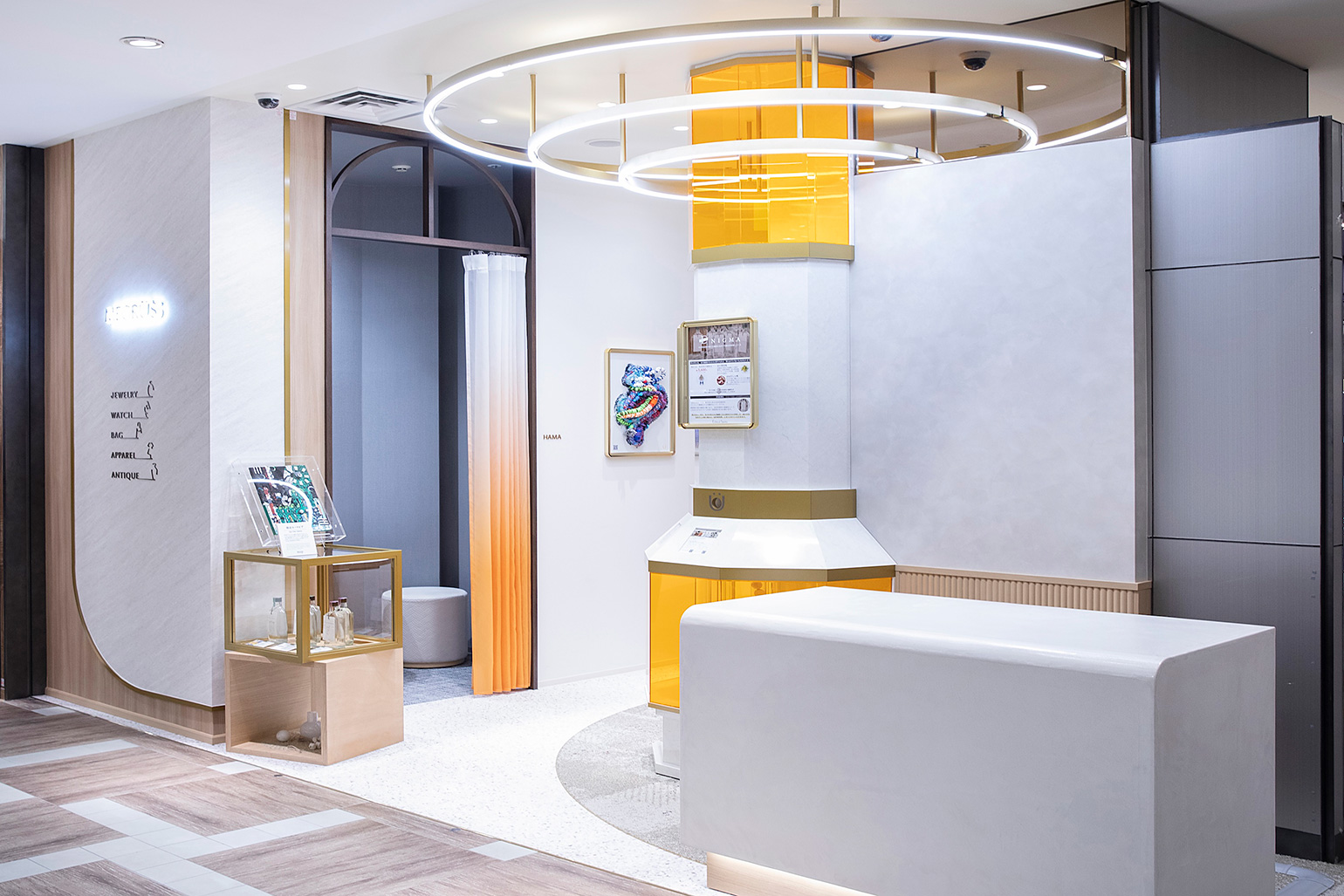
As part of its PMI project (the process of aligning values and operations to integrate when different companies join forces), the company built everything from scratch: establishing purpose, vision, and values; naming; brand design; and logo and spatial design. This led to the launch of the brand resale specialty store " MEGRÜS" within Daimaru and Matsuzakaya department stores.
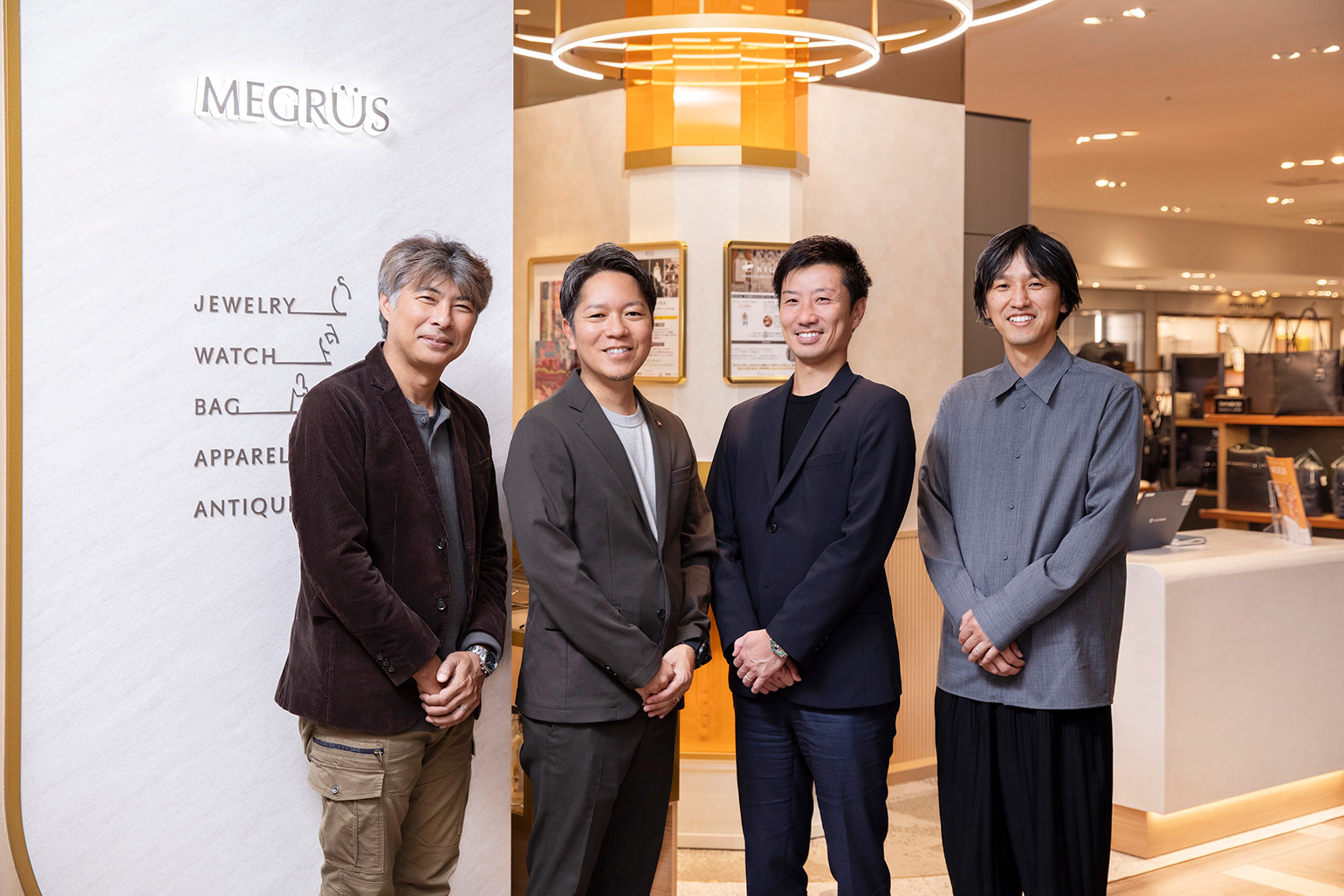
We spoke with Tokutaka Shitagaki, President and CEO of JFR & KOMEHYO PARTNERS; Shotaro Ogawa, Executive Vice President; Takuma Fukunaga, Copywriter at Dentsu Inc.; and Yuji Higuchi, Art Director, about the background of the joint venture, the vision behind the MEGRÜS brand, and the details of the PMI project.
A new brand resale business model developed by JFR & KOMEHYO PARTNERS. Combining the reliability of department stores with expertise in reuse, it offers a service experience that lowers the barrier to participating in reuse, centered on in-store appraisal and purchase of brand-name goods. Items purchased are redistributed through KOMEHYO stores or corporate sales, allowing consumers to "let go of things they no longer use" and connect that act to their next thrill or purchase. https://jfkp.co.jp/megrus/
Why Primary and Secondary Distribution Join Forces: Aiming for a Society Where "Excitement" Circulates
──First, please tell us about JFR & KOMEHYO PARTNERS.
Shitagaki: JFR & KOMEHYO PARTNERS is a joint venture (JV) established by J. Front Retailing (JFR) and KOMEHYO.Founded in March 2025, we currently operate "MEGRÜS," a brand-name resale specialty store, within Daimaru, Matsuzakaya, and PARCO department stores. We've already opened seven stores and plan to expand to eight within the year. This speed is a strength only achievable through a JV.
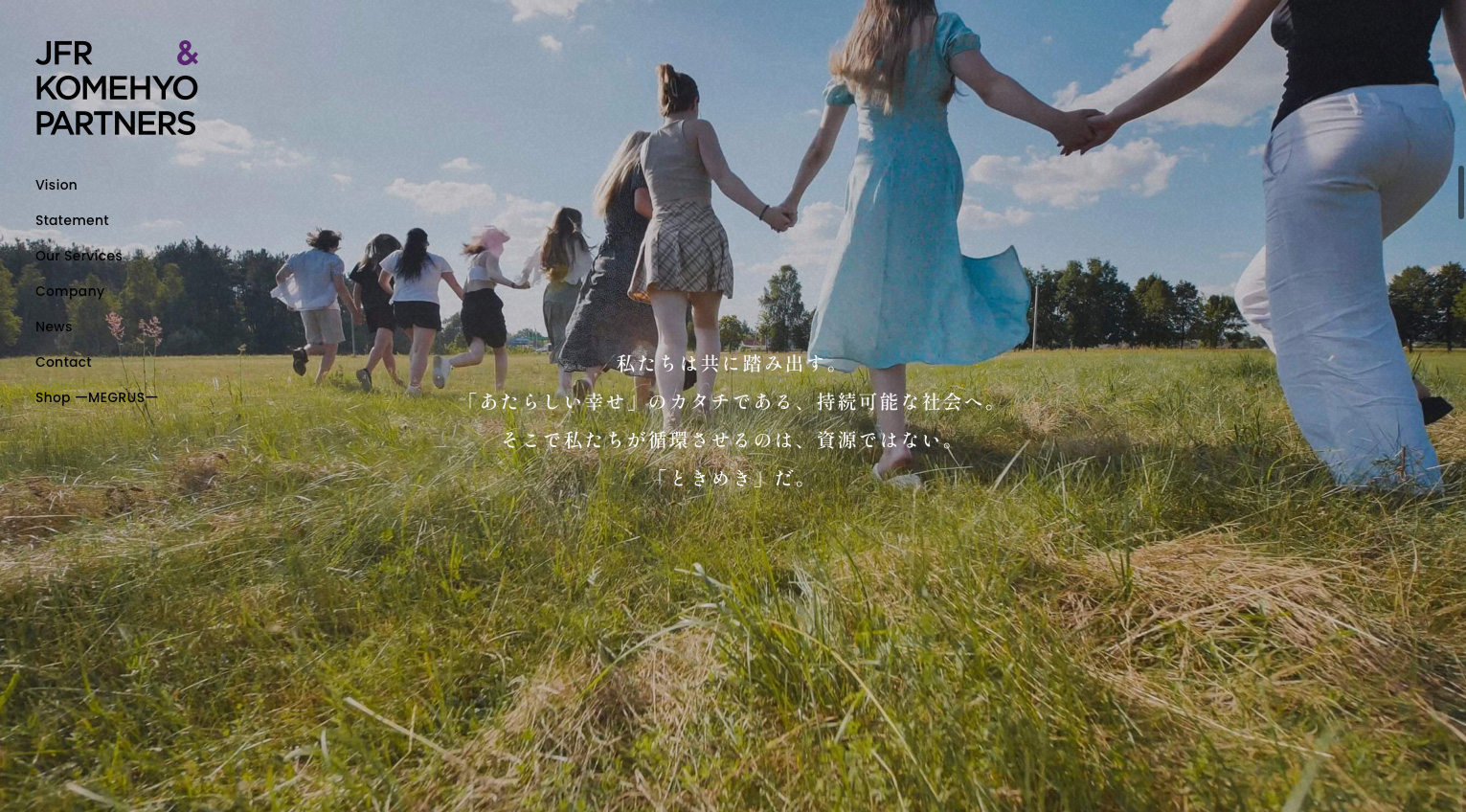
Our philosophy is encapsulated in the statement from our mission: "What we circulate isn't resources. It's 'excitement'." Simply telling people to "do something good for the environment" rarely motivates action.Having operated in fashion from a B2C perspective, we are uniquely positioned to engage closely with consumers. We want to leverage this proximity to create not just a "cycle of resources," but a "cycle of excitement." We aim to be the starting point of this cycle: providing enjoyable experiences that naturally draw customers in, with environmental benefits as a natural outcome.
──Why did J. Front Retailing, a primary distributor, decide to enter the secondary market?
Shitagaki: There are two main reasons. First is the perspective of how we, as a company, can contribute to realizing a sustainable, circular society. The JFR Group has established three co-creation values, including "Environmental Symbiosis," toward 2030, and the reuse business is positioned as a core initiative within this. We consider this an essential challenge to fulfill our social responsibility as a company living in harmony with the environment.
The second reason stems from our experience during the COVID-19 pandemic. At the time, our business was highly analog, and all our stores were forced to close for several months. That experience made us strongly realize, "We can't continue like this."Furthermore, the pandemic made the concept of "end-of-life planning" more relatable, and we sensed a growing need among people to "reevaluate their possessions" and "pass them on to the next generation." We felt that department stores could be the place to meet these needs. This realization also formed the background and starting point for this joint venture concept.
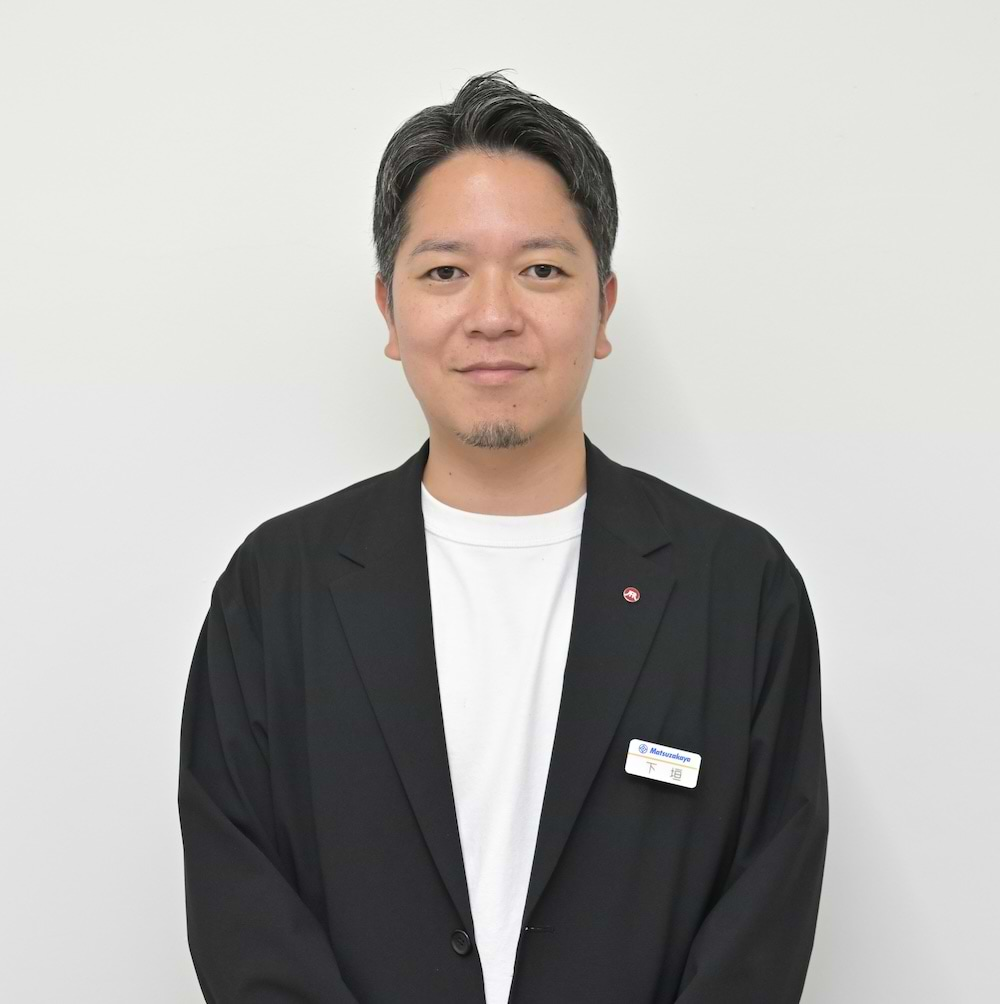
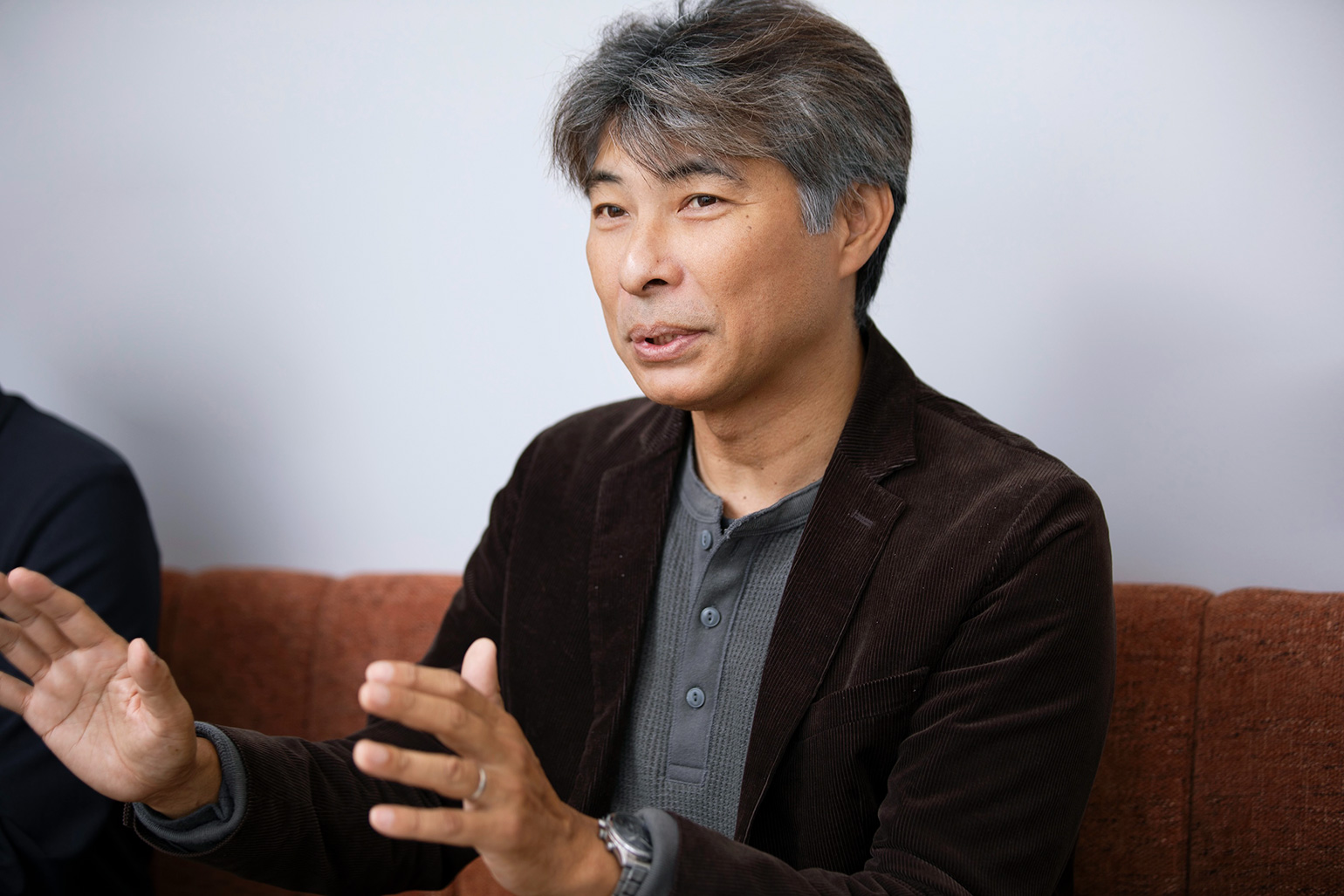
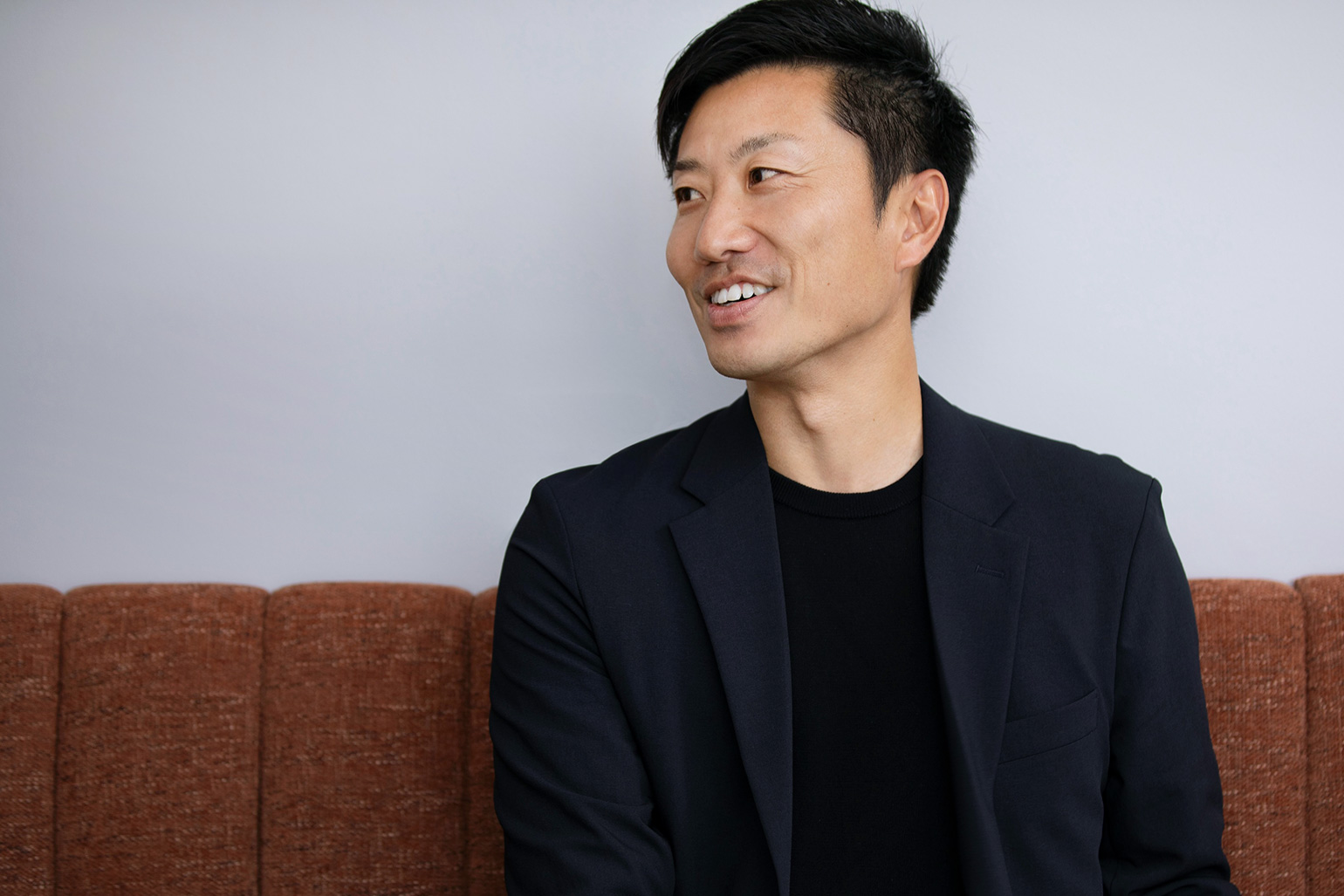
Mr. Tokutaka Shitagaki, President & CEO, JFR & KOMEHYO PARTNERS
──Why did you decide to pursue this concept not just internally, but with a partner company? And why did you approach Komehyo?
Shitagaki: We lacked both the knowledge and expertise in secondary distribution. Precisely because of that, we believed partnering with a specialized company would enhance the feasibility and likelihood of success for the JV. We approached KOMEHYO because their customer-centric approach closely aligned with ours. They constantly strive to satisfy customers in their BtoC business. I feel this partnership emerged because our visions and values resonated.
──For Komehyo, collaborating with a department store was also a new challenge. What aspects did you resonate with that led you to participate in this initiative?
Ogawa: Komehyo has collaborated with department stores before, such as for special events. One goal has always been to increase participation in reuse. We've worked to make reuse feel more accessible to a broader audience by changing our store formats and branding. That's precisely why we saw significant meaning and potential when JFR, which operates department stores, explicitly stated its desire to pursue reuse itself.We were also deeply honored that, among many players, they placed their trust in us and reached out.
The creative power needed to connect and shape different cultures
──I understand Dentsu Inc. participated in the launch of MEGRÜS through the PMI project. What was the background and the challenges involved?
Shitagaki: When establishing the JV, various subcommittees—Business Planning, Systems, Operations, Strategy—operated simultaneously. Among them was the "Creative Subcommittee," tasked with building the backbone of the JV centered around Mission, Vision, and Values (MVV). While respecting the distinct corporate cultures and strengths of KOMEHYO and JFR,This subcommittee delved into the essence of "Why are we creating this JV?" and "What kind of world do we want to realize?" before designing the creative elements—such as the trade name and company name, and the messaging to convey to society and customers. It required cross-functional thinking, not just branding, but integrating different values and producing outputs. We felt the presence of professionals who could accompany us through this process was essential, which is why we approached the team at Dentsu Inc.
──Could you also share why you chose Dentsu Inc. as your partner?
Shitagaki: It was very simple: both JFR and Komehyo had a history of receiving significant support from Dentsu Inc. As we advanced the joint venture as equal partners from the outset, the choice wasn't driven by one side's preference. It was a natural conclusion, based on selecting a partner both companies felt confident in.
──What were your initial impressions of the project, Mr. Fukunaga and Mr. Higuchi?
Fukunaga: First, the opportunity to be involved right from the JV's inception stage was incredibly valuable. Starting from scratch, we could collaborate on envisioning the future for two companies with similar yet distinct corporate cultures. Rather than us proposing something new, the process involved drawing out and combining the shared aspirations and values already present within everyone. Being able to accompany them through that process itself felt like a tremendously exciting project.
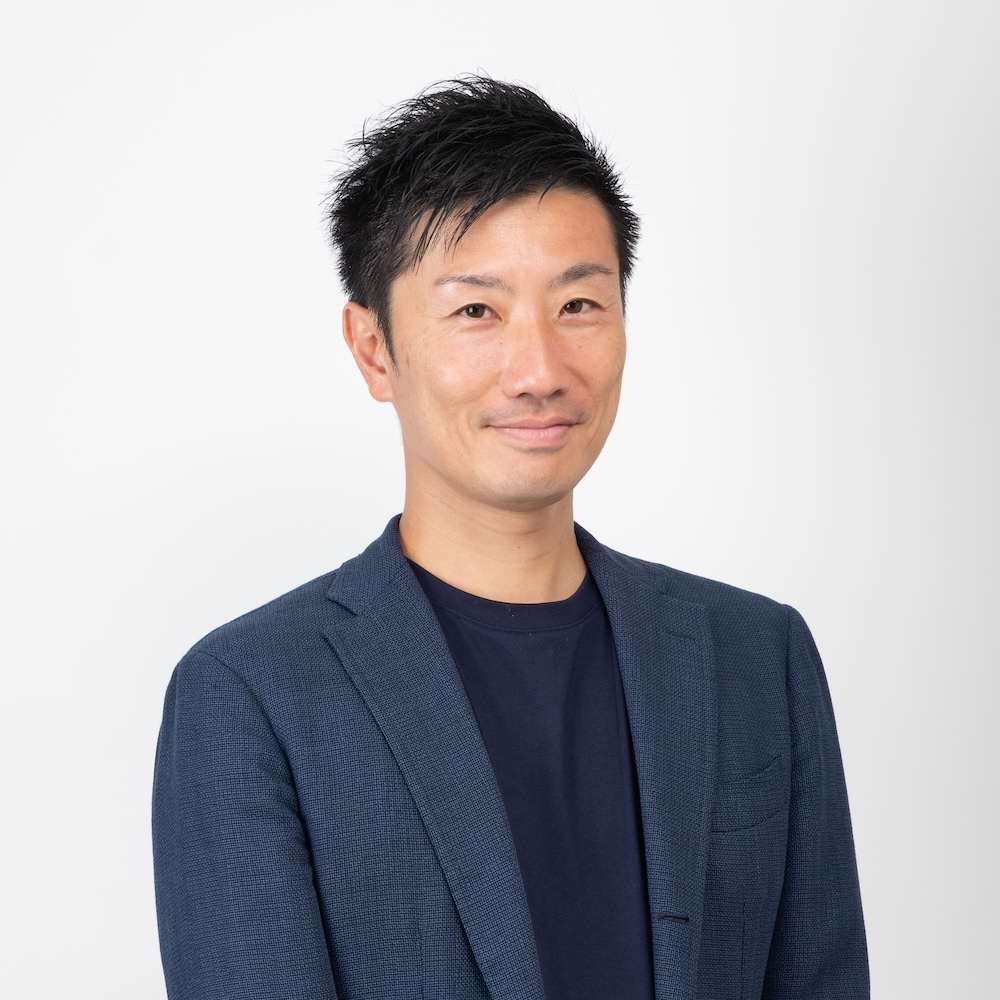
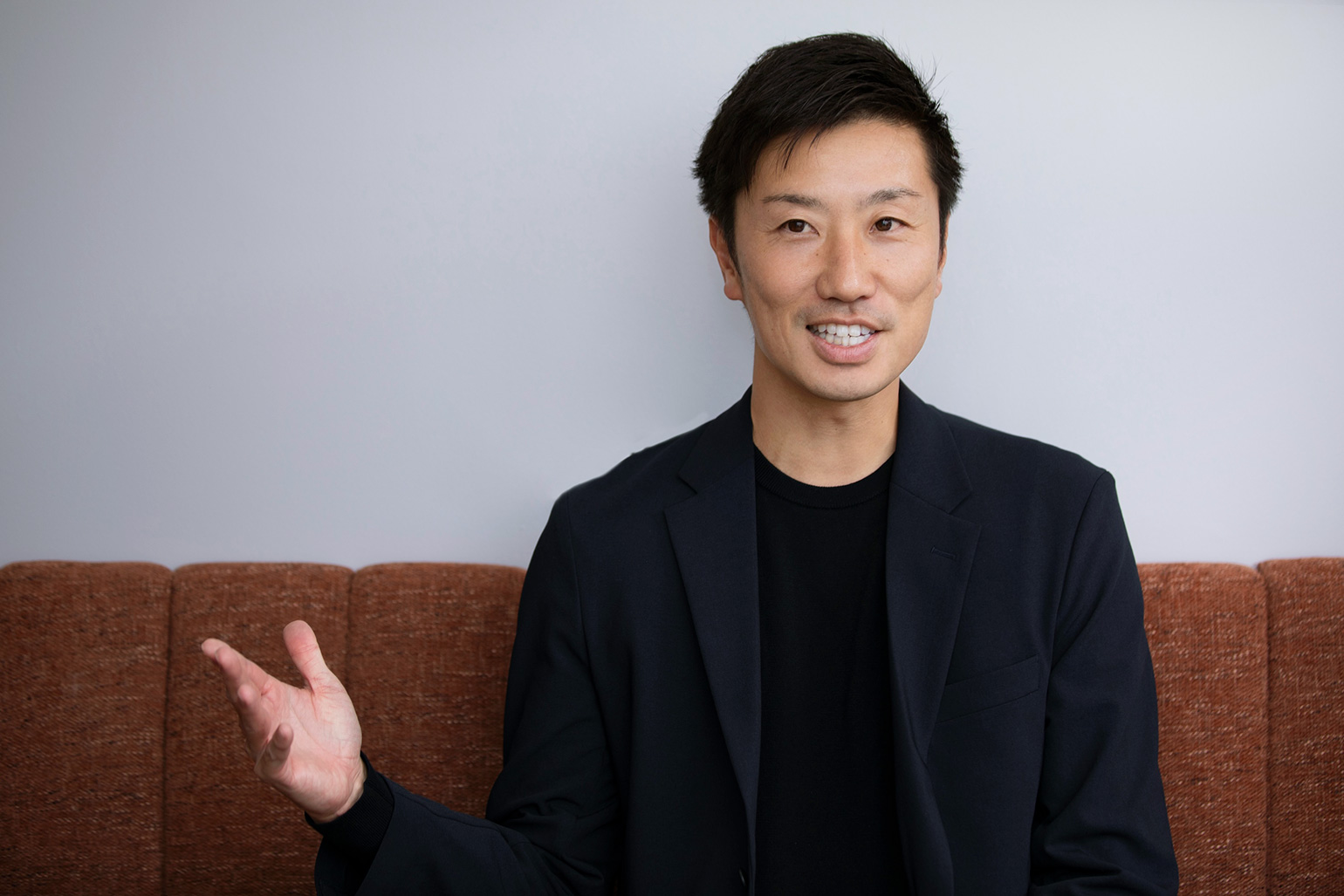
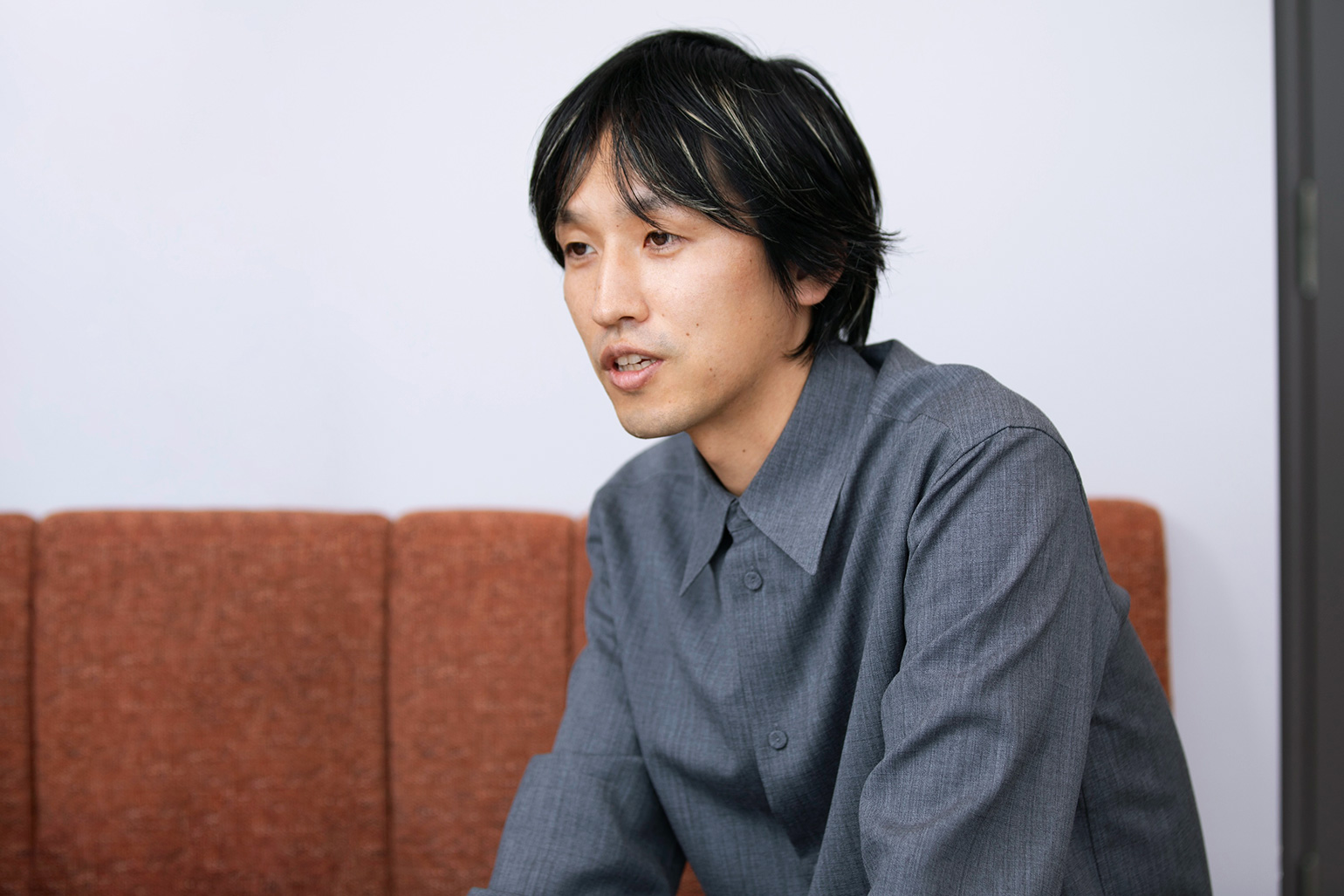
Takuma Fukunaga, Copywriter, Dentsu Inc.
Higuchi: I had previously worked with Komehyo on a project defining their business domain. During that time, I was deeply impressed by their challenges and hardships in becoming an industry leader, as well as their strong sense of mission to "spread the culture of reuse throughout society."This time, Komehyo is teaming up with JFR, a giant in primary distribution through department stores—an unprecedented challenge for the reuse industry. I wanted our creative work to support this endeavor, even a little, and I found immense fulfillment in being part of a project creating new social value.
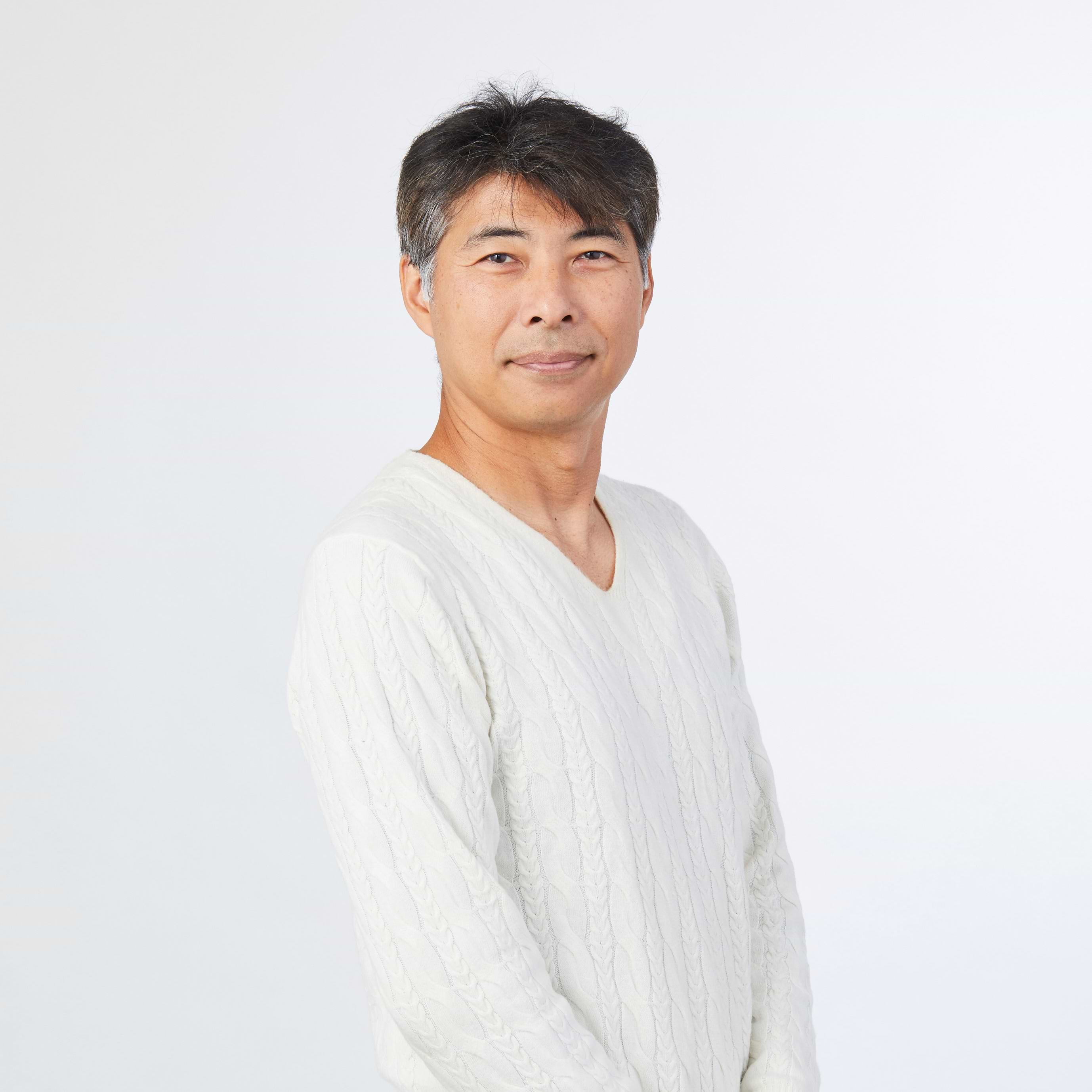
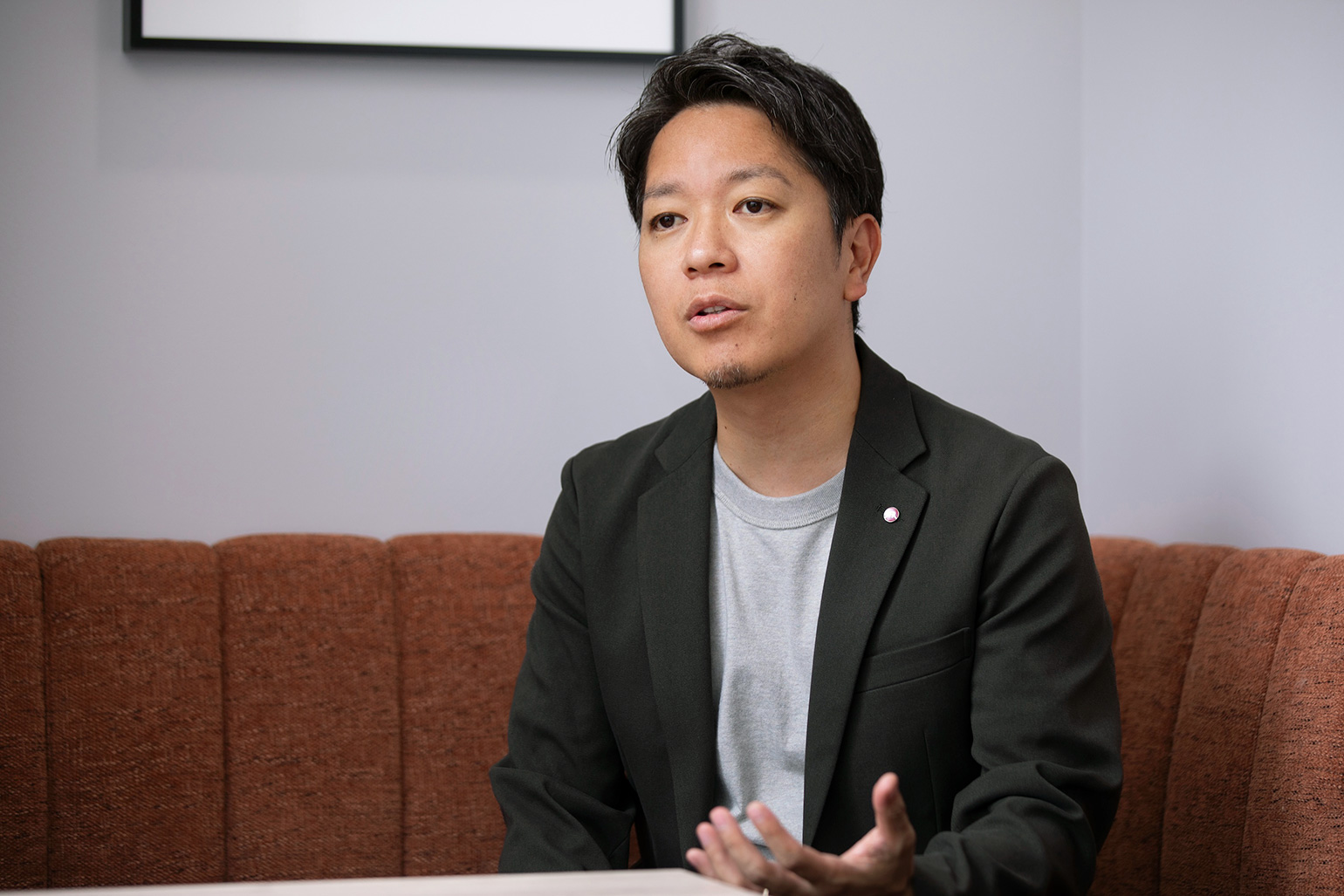
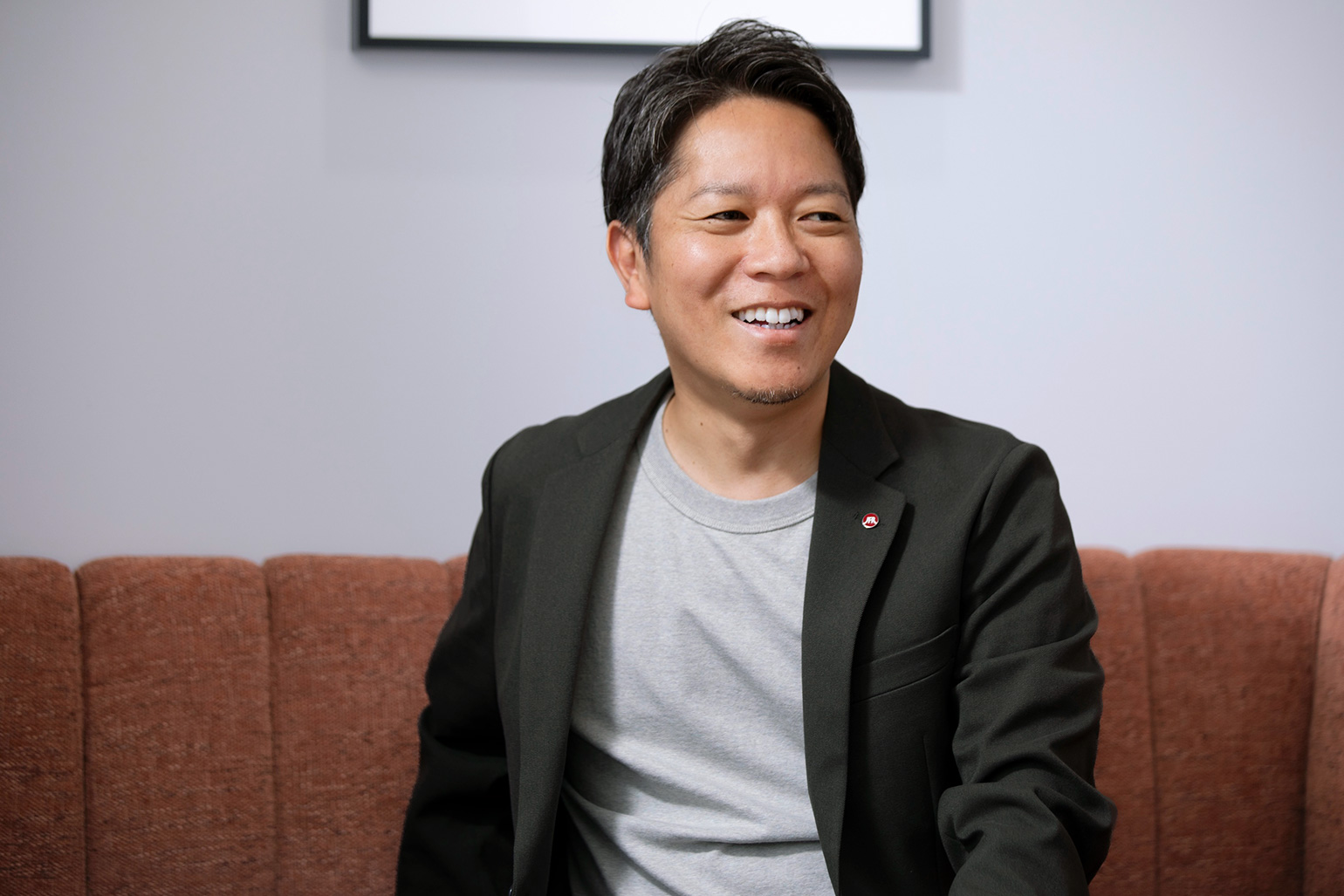
Dentsu Inc. Art Director Yuji Higuchi
Outlining the MEGRÜS Worldview Through Words and Visuals
──Could you explain specifically how the PMI project progressed?
Fukunaga: We started by establishing the company's core purpose, vision, and values. Building on that foundation, we then progressively shaped the company name, brand name, logo, and worldview.
Higuchi: What was distinctive was that we didn't just present unilaterally; we proceeded through sessions involving all three companies. JFR, Komehyo, and Dentsu Inc. operated in a truly flat relationship, becoming one team to discuss things. We also focused heavily on creating that kind of space and atmosphere.
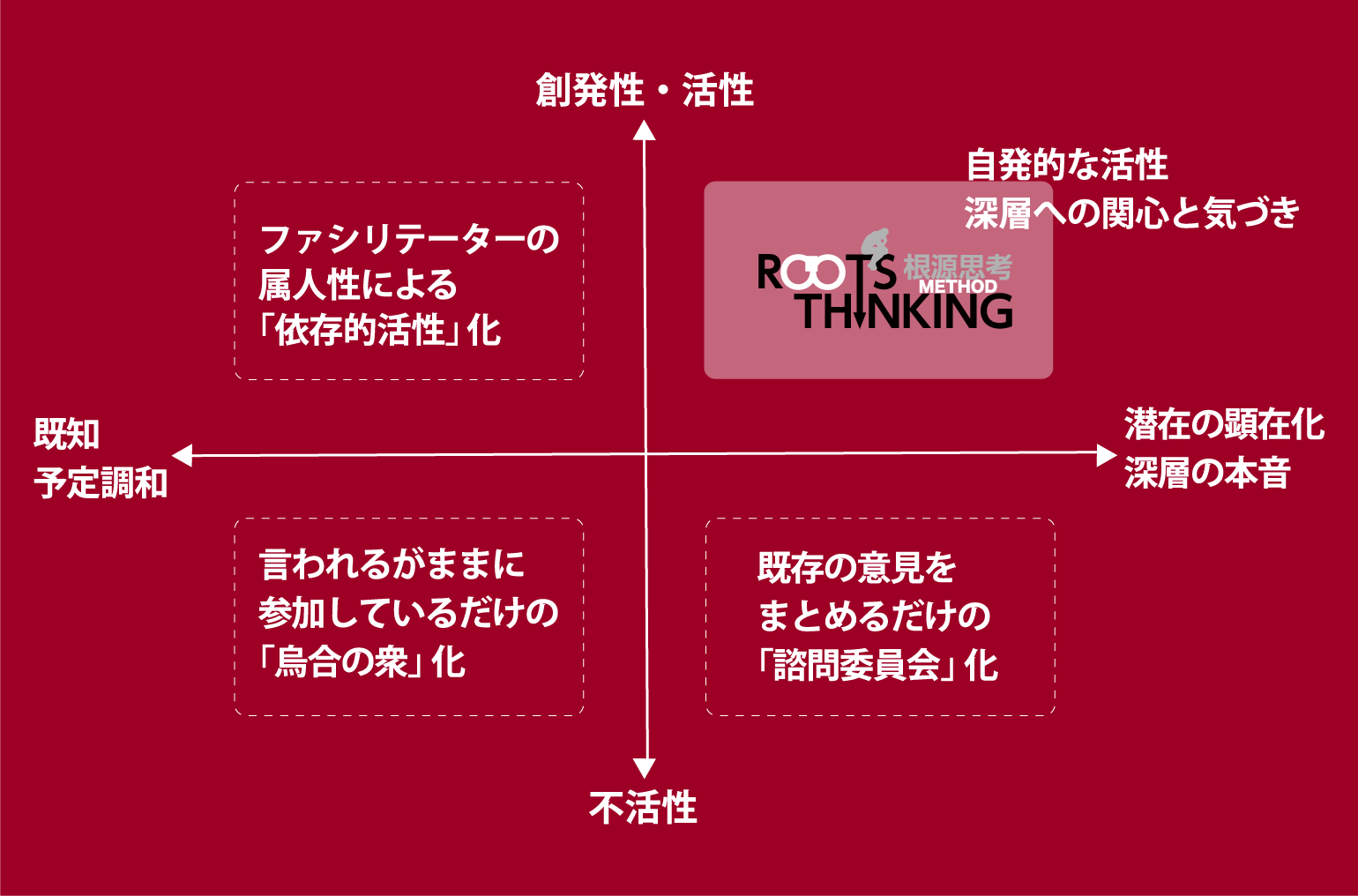
Fukunaga: Early in the project, we held workshops using the "Roots Thinking Method," a technique provided by the BX Creative Center (BXCC) where I work. It's a workshop designed to break through mental barriers by digging deep into fundamental questions, redefining underlying values. For example, we started by having everyone share "an impressive event achieved when two different entities joined forces."We shared personal formative experiences, like a scene from a movie or a famous moment from the manga Slam Dunk, and got really excited, thinking, "What we're trying to do now is exactly that!"
Workshops using Roots Thinking bring to the surface our true feelings, dormant deep within our hearts, by digging deep into our thoughts. Because the subject of thought is ourselves, participants naturally develop a strong interest and can engage proactively in the thinking process.
Ogawa: That was fascinating. The process of digging deep from personal values and elevating them into business and brand direction was truly unique. And by putting everyone's thoughts and feelings into words and sharing them, I felt relationships naturally grew closer, transcending company names and job titles. I could really feel a solid foundation of trust being built within the first few sessions.
Shitagaki: During the MVV development process, you created an atmosphere where everyone could share opinions on a completely level playing field and facilitated it well. It was so flat that I was actually surprised my own opinion—as the future president—didn't get through at all (laughs). But that was really good. Moreover, instead of deciding by majority vote, we found words everyone could agree on. You guided us in structuring the message and determining the order of delivery, and the process of collectively creating the MVV together was very impressive.
Incidentally, although he didn't participate in this interview, Dentsu Inc. producer Taketani (Soichiro) skillfully facilitated the final "decision," didn't he? When the discussion reached a critical point, he would wrap up the flow so far and then conclude, "This is the answer, right?" That also served as a driving force for the project.
Higuchi: Alongside the words, we also thought about the visual worldview as a continuous whole. For example, with the keyword "thrill," wouldn't warm colors be more fitting? Or, how to ensure the high quality of a department store. We carefully refined the logo, typeface, color palette, and worldview, one element at a time.
Fukunaga: Naming wasn't decided from the start, including how to separate the corporate name from the brand name. I recall we explored ideas for both the corporate and brand names from various angles.
Shitagaki: That's right. Ultimately, we decided to separate the company name and brand name. The company name became "JFR & KOMEHYO PARTNERS," and the brand name was set as "MEGRÜS." Including JFR and KOMEHYO in the company name directly embodied the idea of equal partnership. For us, entering the reuse market as a latecomer, leveraging the name value of both companies also aimed to smoothly gain trust and recognition.
Higuchi: From there, we set purple—a blend of both companies' colors—as our corporate color. For the brand color, we sought something that wouldn't clash within department stores while projecting an advanced image. Especially since we were opening stores within historic department stores like Daimaru and Matsuzakaya, we needed a "face" that wouldn't compromise the trust of customers making multi-million-yen transactions. That's why we designed the brand with a strong emphasis on quality and reliability.
Shimogaki: That was a point we also considered extremely important. We strongly desired to create a dignified brand that was safe and secure, conveyed a sense of quality, and clearly distinguished itself from the image of existing secondary market businesses. Once this brand worldview was established, decision-making in other subcommittees also proceeded smoothly.For example, in the subcommittee focused on store design, we were able to approach spatial planning based on the concept that "MEGRÜS should not be merely a place to sell goods, but a starting point leading to the next thrill."
MEGRÜS Daimaru Tokyo Store
The "Circulation of Excitement" Becomes Reality
──What kind of reactions emerged internally and externally after MEGRÜS launched?
Shitagaki: Internally, the biggest change was a heightened willingness to challenge new initiatives within the JFR Group.JFR is a company with a long history—over 400 years at Matsuzakaya and over 300 years at Daimaru. With that kind of heritage, organizations tend to become siloed, for better or worse, and there's a strong tendency to be cautious about new things. However, because this initiative was closely related to our core business, many employees viewed it positively, and more and more people started reaching out to help. It was truly heartening to see a natural sense of unity emerge among everyone involved.
Ogawa: The industry response was also huge. Komekyo's President Ishihara (Takuji) was serving as chairman of the Japan Reuse Industry Association when the joint venture was established. The news that primary and secondary distributors were joining forces to create a new company sent ripples through the entire industry in a positive way. At association meetings, competitors praised us, asking "How did you pull that off?" and saying "That's truly amazing," even applauding us.Ishihara happily told me, "I never imagined everyone would be so supportive."
Furthermore, on the day MEGRÜS opened at Matsuzakaya, Ishihara sent this email: "Our founder (my grandfather) used to say, 'If you're going to do business, entering Matsuzakaya is the greatest filial piety. But I'll treat employees who join Komehyo like family, so work hard here and show your filial piety.' Now, we've formed a joint venture with that very Matsuzakaya, and Komehyo employees are seconded there, doing business together. Thinking about that, I started to cry."For the president, who had long worked to change the image of the reuse industry, this project truly held special meaning.
Shitagaki: Customer reactions were also fantastic. Previously, department store customers rarely used secondary markets. But now, people who never used reuse services before are joining, thinking, "If a department store is doing it, I'll give it a try." We've actually heard comments like, "I never thought letting go could feel so good." Some decide to sell items inherited from parents that had been sitting unused in their dressers, thinking, "I'll sell this to connect it to the next spark of joy."
Ogawa: My wife also works at Komehyo, and she mentioned customers reacting at the store, saying things like, "If department stores are buying items, that means lots of attractive products will be available, right? I'm looking forward to it!" I truly feel that, little by little, this initiative is changing the image of reuse.
Higuchi: That's a perfect example of the "cycle of excitement" in action. The seller finds their next spark of excitement, and the buyer discovers a new one. We're starting to see this cycle manifest tangibly. That tangible realization might be our greatest achievement.
Shimogaki: Lately, we've also seen an increase in inquiries from competitors asking, "How did you do it?" or "We want to try the same thing." Several companies have visited us, and it's truly heartening to see such genuine interest.
As a Circular Station Realizing a Smiling Society
──What value do you think the creators were able to provide precisely because they accompanied the PMI project?
Fukunaga: At BXCC, our mission extends beyond advertising; it's about using creative power to generate new value for business.Opportunities like this one, where we engage from the conceptual stage of a new company and accompany them all the way through to the actual launch of the brand and store, and customers visiting, are honestly quite rare. The process of thinking through a new business from scratch together with the client truly embodied a new approach to creativity. It was also a project that reaffirmed the value of valuing human relationships and applying creativity with a tangible, real-world feel.
Higuchi: Purpose branding has been in the spotlight for some time, but a purpose that's merely proclaimed tends to become hollow. Yet, a meaningful cause becomes the organization's strength. This project truly allowed us to touch upon that essence.Furthermore, the term "branding" implies "infusing a brand," but to achieve that, it's crucial to first correctly design the "image to be infused." How do we design a company's essence and will? There's significant room for creativity to contribute more in this area. This project strongly reinforced that potential.
──Finally, could you share your future outlook and any message you wish to convey to society?
Shitagaki: First, as a business goal, we aim for cumulative sales of 10 billion yen by 2030, while also considering expansion to all 23 JFR Group stores. This is merely a milestone. Simultaneously, we hold the vision of "Circular Station," where we want MEGRÜS to function as a hub that "connects life stages with the value of things, realizing a society full of smiles."
Crucial to this is ensuring customers genuinely experience the "circulation of excitement." We will continue creating experiences that make visitors think, "The circular economy is this accessible and enjoyable!" We want people to experience the circular economy in their daily lives, not as some distant, hard-to-relate-to concept. We believe accumulating these small realizations will lead to significant societal change.
Ogawa: Currently, only about 30% of people regularly use reused goods. This is a challenge for the entire industry, which is precisely why we want MEGRÜS to be the catalyst that makes people think, "Reuse can be integrated into daily life so naturally."Letting go of things, encountering new things. Within that entire experience, excitement and smiles are born. By delivering this cycle of value as something natural, we hope to create a new way of reuse, different from what has come before.
The information published at this time is as follows.
Joined Daimaru Co., Ltd. in 2007. Engaged in strategic planning, large-scale renovations, and new projects centered on femtech at Daimaru Umeda Store. After serving in J.FRONT RETAILING's Corporate Planning Department and Business Planning Department, planned and led the launch of JFR's first CVC fund, the "JFR MIRAI CREATORS Fund," in 2022. Long spearheaded open innovation activities within the JFR Group.In March 2025, became President and Representative Director of JFR & KOMEHYO PARTNERS Co., Ltd., a joint venture between JFR and KOMEHYO. Leveraging experience in co-creation with startups, aims to create an exciting future centered on the theme of "business growth through collaborative business creation."
Shotaro Ogawa
JFR & KOMEHYO PARTNERS, Inc.
Executive Vice President and Head of Sales Division
Joined Komehyo Co., Ltd. in 2005. Handled sales at the Nagoya Main Store and Shinsaibashi Store. Subsequently, as a founding member of the Sales Planning Department, was responsible for marketing and store development, participating in various projects.Served as Assistant Manager for the launch of the Umeda Branch, which opened in 2017. Subsequently held the position of Manager at the Umeda Branch before being appointed Manager of the Nagoya Main Branch. After transferring to the Corporate Planning Department, managed a joint venture project. Assumed current position in March 2025. Leveraging sales experience at Komehyo, oversees overall sales operations during the business's founding phase.
Takuma Fukunaga
Dentsu Inc.
Business Transformation Creative Center
Copywriter
Through workshops utilizing the Roots Thinking Method—which delves deep into thought to uncover essence—we handle corporate purpose and MVV formulation, organizational culture engineering, and product development within a sustainability context. We specialize in discovering core meaning through core concept finding and possess extensive experience in the education sector. Currently winning awards for three consecutive years in the JAAA Essay Contest.
Future Creative Center / Second CR Planning Bureau
Art Director / Design Strategist
Beyond advertising planning and production, he specializes in mid-to-long-term vision development, brand development, branding to accelerate these efforts, and integrated planning and design from strategy to output. He handles projects ranging from local SMEs and startups to global campaigns. He has received numerous domestic and international awards, including nominations for D&AD, CLIO, ADFEST, ADSTARS, GOOD DESIGN AWARD, and ADC Awards, as well as GOOD DESIGN AWARD.