Amid ongoing global instability, Japanese companies are under strong pressure to address "economic security." To avoid various risks—such as import and export restrictions and tariff hikes resulting from other countries’ “America First” policies—and to ensure business continuity, a company’s economic security is a critically important initiative that impacts management and business strategy.
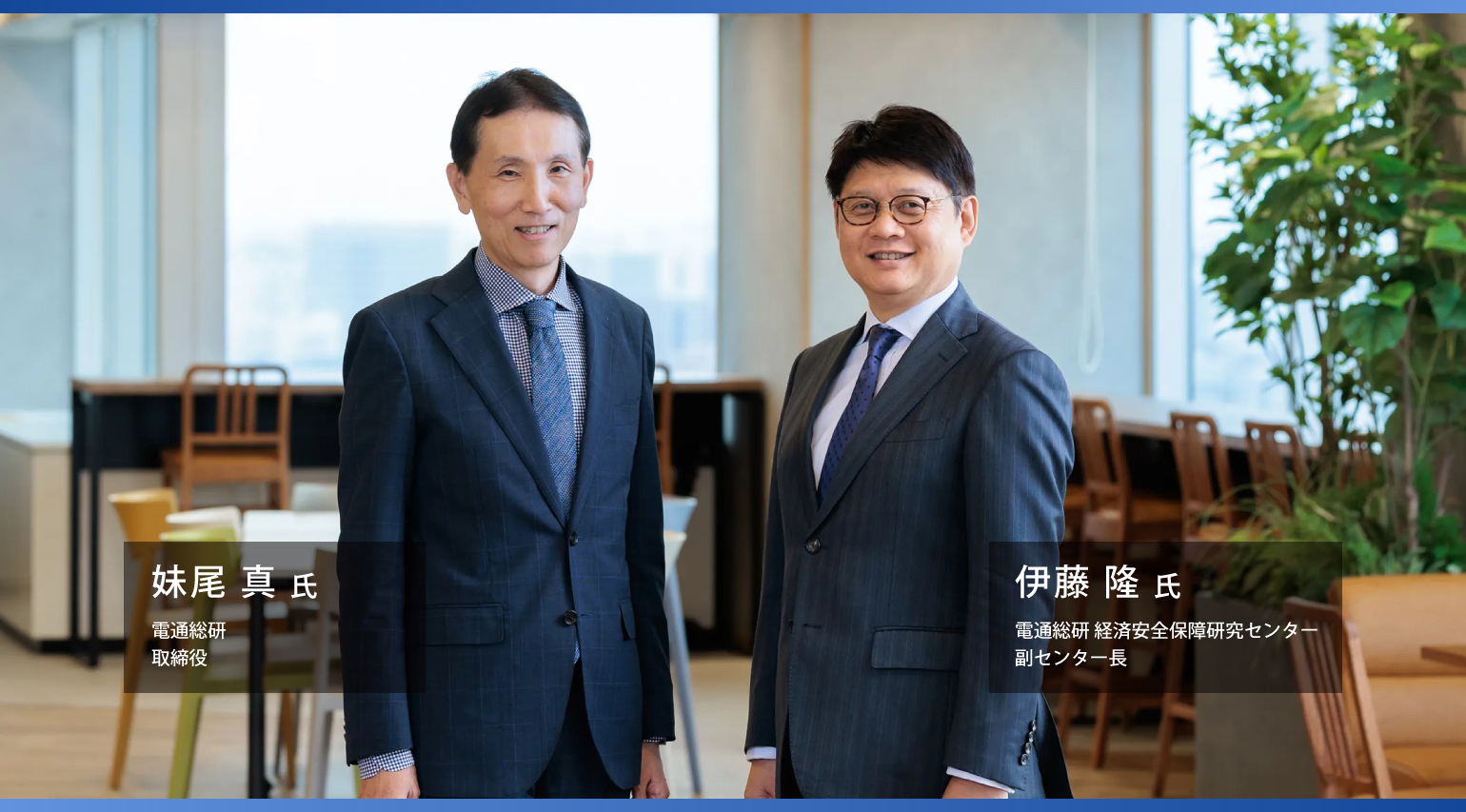
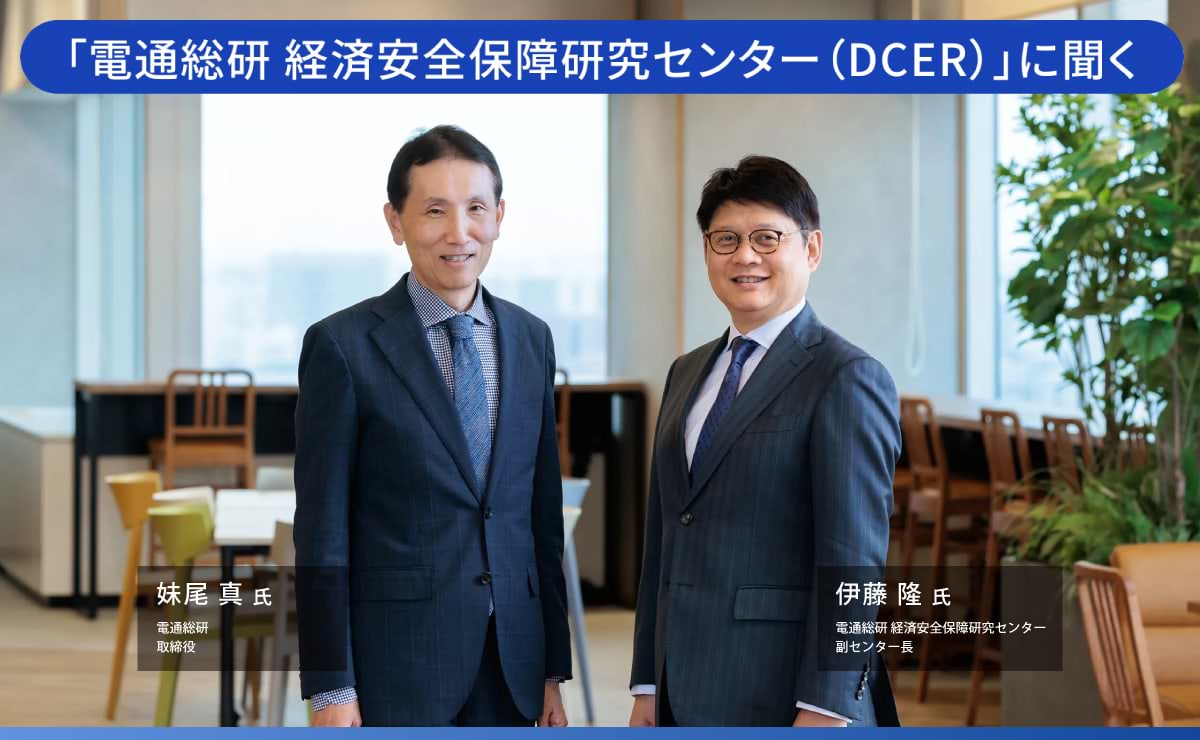
To support companies in planning and implementing measures related to economic security, DENTSU SOKEN INC., a member of the Dentsu Group in Japan (dentsu Japan), established the “DENTSU SOKEN Center for Economic Security Research (DCER)” in March 2025.We spoke with Makoto Senoo, Managing Executive Officer of DENTSU SOKEN INC., and Takashi Ito, Deputy Director of the DENTSU SOKEN Center for Economic Security Research, about the center’s objectives and activities.
How Japanese Companies Should Address Economic Security
──What exactly is the concept of economic security?
Ito: Economic security is a comprehensive strategy that integrates “offensive” and “defensive” measures to ensure the sustainable survival of one’s country or company when foreign forces or other nations use economic power as a “weapon” to exert influence. For a nation, it involves implementing a national security strategy; for a company, it can be viewed as part of risk management aimed at ensuring corporate survival.
Seno: From a business perspective in particular, I view it as activities aimed at securing proprietary technologies, essential resources, supply chains, and critical information to ensure the continuity of business operations, as well as creating new avenues for success. Generally speaking, while businesses tend to invest more readily in “offensive” strategies and view “defensive” measures as costs, making them reluctant to invest in them, the key point is to consider both “offense” and “defense.”
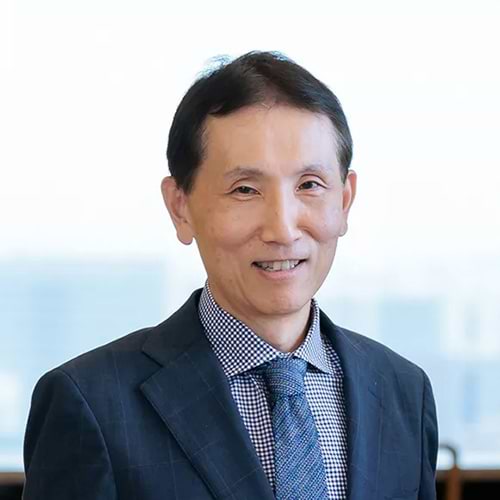
Makoto Senoo: Director, DENTSU SOKEN INC. He has held positions including President and CEO, Executive Officer, and Senior Executive Officer at the group company ITID (now merged into DENTSU SOKEN INC.), and was appointed to the Board of Directors in March 2026. He also serves as President of Dentsu Japan DX.
──Why is economic security being prioritized, and how do you view the current situation of Japanese companies?
Ito: The growing emphasis on economic security in recent years stems from structural changes in the international landscape. In particular, China’s increased presence in the global economy following the 2008 Lehman Shock led to subsequent structural shifts.Furthermore, when President Xi Jinping launched the “Belt and Road” initiative in 2013, the United States began to view China as a “new challenger” threatening its own hegemony, and confrontation and tension between the U.S. and China escalated across all fronts—economic, technological, and military.This trend was cemented by the passage of the 2019 National Defense Authorization Act (NDAA) in August 2018 and the disruption of supply chains caused by the spread of the novel coronavirus.
A survey conducted by DENTSU SOKEN INC.’s Economic Security Research Center (DCER) on the necessity of a security clearance system to protect critical information related to economic security found that 74% of respondents answered in the affirmative. One reason for this is that, in the approximately 10 years since the Act on the Protection of Specified Secrets came into effect, concerns at the time—such as “infringements on the public’s right to know”—have not materialized in reality, leading to greater public understanding.However, the most significant reason is the dramatic shift in the international landscape. Following a series of developments—including the 2022 invasion of Ukraine, the enactment of the Economic Security Promotion Act, and the formulation of the three security documents, including the National Security Strategy—the recognition that issues such as defense and national security must be addressed head-on has spread among the public, leading to a deeper understanding of the security clearance system itself, according to the analysis.
Source: DENTSU SOKEN INC., Economic Security Research Center, “DCER Economic Security 10,000-Person Survey” (N=10,000)
Establishing DCER to Support Companies in Building a Sustainable Future
──Against this backdrop, could you tell us about the background and circumstances leading to the establishment of DCER?
Senoo: When companies actually set out to address economic security, they often face a situation where they simply don’t know “which information to trust or what specific actions to take.” As a result, companies have come to seek a partner who can provide reliable information and offer advice on concrete measures—a partner who walks alongside them. In particular, we have recently observed an increase in discussions about economic security among client executives, and we have realized that many companies are struggling with how to approach these issues.
To address these corporate needs, DENTSU SOKEN INC. established DCER as an organization dedicated to supporting economic security initiatives. The purpose of its establishment is not merely to provide information to Japanese companies, but to build a relationship where we can accompany them through their specific challenges. Unlike traditional think tanks, where information provision and execution are separate, a major strength of DCER is our ability to leverage our consulting and system integration capabilities to ensure that concrete measures are actually implemented.
──What points should companies keep in mind when introducing economic security frameworks?
Ito: The risks that companies should manage from an economic security perspective can be broadly categorized into three key elements.
The first is “ensuring autonomy,” or how to strengthen the company’s own supply chain. For example, when the rare earths issue arose between the U.S. and China, Japanese companies were also significantly affected. In fact, signs of this risk had already become apparent when China enacted its Export Control Law in December 2020, but there was a clear difference in the ability to mitigate the impact between companies that took action at that time and those that did not.The second is “ensuring indispensability.” This involves establishing technologies and business models that are critical to the company and in global demand, while implementing measures to ensure that this vital information is not “leaked” to the outside. The third is “cybersecurity,” which is closely related to measures against information leaks. These three elements form the core considerations for companies implementing economic security risk management.
Senoo: Among these three elements, I believe that hedging against the risk of “supply chain disruption” is particularly important. How to respond to the increasingly complex differences in regulations across countries and regions, and how to minimize risks, are critical points that executives must keep in mind.
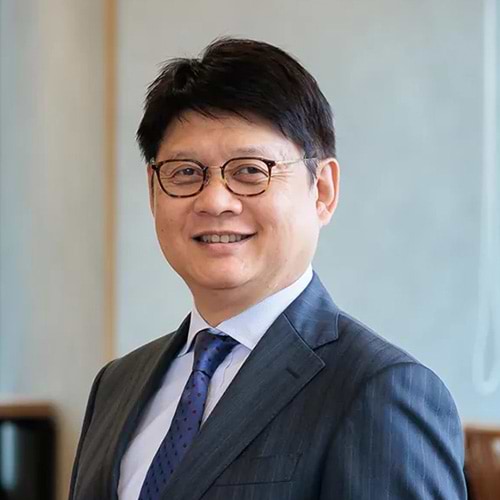
Takashi Ito: Deputy Director, Economic Security Research Center, DENTSU SOKEN INC. Joined Mitsubishi Electric in 1986.In 2020, he became the head of the Economic Security Division—the first specialized economic security department established in a private company—and served as General Manager of the Economic Security Division. He was appointed Executive Officer in 2023. Upon the expiration of his term as an executive in 2025, he left the company and assumed the position of Deputy Director at this Center. In addition to serving as a consultant for multiple private companies and law firms, he also serves as an advisor to the Japanese government.
Supporting Corporate Economic Security Responses Through “Offensive” and “Defensive” Measures
──How should companies collect and analyze information to balance risk management with growth strategies?
Ito: We often receive inquiries from companies stating that, despite having existing risk management systems in place, they struggle to effectively implement them when it comes to economic security. Traditional risk management is a system designed to quantify risks faced on the ground to inform decision-making. However, in economic security, there are many uncertain factors regarding the timeframe, probability, and impact, making it difficult to quantify and measure risks.Moreover, economic security is sometimes even viewed as an obstacle to growth strategies. As a result, it often does not fit well within existing risk control frameworks, leading to a situation where, no matter how much the responsible department advocates for it, their message fails to reach senior management.
Our center proposes expanding traditional risk management to develop a new approach capable of addressing economic security. The key to reconciling risk management with growth strategies lies in establishing a PDCA (Plan-Do-Check-Act) cycle that spans from the information-gathering stage through the implementation of risk control measures and the incorporation of feedback on those results.
──What specific support does DCER provide?
Seno: We support companies through three pillars: think tank activities, consulting, and system integration—including security solutions.
Starting with our think tank function, researchers led by Deputy Director Ito analyze information across specialized fields—such as policies and regulations in various countries and the “interpretation” of cybersecurity—and disseminate insights based on forward-looking analysis. DCER’s competitive advantage lies in our ability to provide information from a corporate perspective through our proprietary network, while carefully distinguishing between information for public release and that provided exclusively to clients.
Through our consulting function, we identify risks—such as those in supply chains—from the perspective of corporate operations and support concrete risk mitigation activities. A key feature of this service is our ability to provide hands-on, side-by-side support without incurring additional costs by integrating economic security risk mitigation perspectives into companies’ existing business processes and workflows.We receive many inquiries from companies regarding the visualization of the impacts of supply chain disruptions and regulatory compliance, as well as risk assessments. If a company has not yet conducted an inventory of the necessary data, we use our tools to digitally recreate the data structure and processes to perform an assessment, ultimately supporting them through the creation and execution of a risk assessment from an economic security perspective.
In our system integration services, which include security solutions, we provide end-to-end support for cybersecurity measures—from solution implementation through to launch and operation.
──Please tell us about DCER’s future plans.
Ito: While many of the challenges companies face in economic security and risk management originate on the front lines, there is a problem in that few people can clearly visualize what kind of information executives need to make decisions. Furthermore, executives themselves may not be able to articulate what information they require. Therefore, we believe it is crucial for our center to provide consulting services that walk alongside our clients. By learning firsthand what is actually happening within the company and helping to resolve issues, we foster trust with the company and establish DCER’s methodology.
Seno: Our policy is to strengthen and expand our think tank functions, with a focus on improving our research capabilities and foresight.Furthermore, regarding our consulting services and security solutions—which are currently limited to certain areas—we will expand our implementation strategies, including through collaboration with companies within the Dentsu Group. To reiterate, economic security is not a cost but a source of corporate competitiveness. By advancing both “offensive” and “defensive” strategies as two sides of the same coin, we hope to help companies achieve sustainable growth.
The information published at this time is as follows.
He has held various positions at group company ITID (now merged into DENTSU SOKEN INC.), including President and CEO, Executive Officer, and Senior Executive Officer, and was appointed Managing Executive Officer of DENTSU SOKEN INC. in March 2024. He has held his current position since March 2026. He also serves as Dentsu Japan DX President.
DENTSU SOKEN INC. Center for Economic Security Research
Deputy Director
Joined Mitsubishi Electric in 1986. In 2020, he became the head of the Economic Security Division—the first such department established in a private company—and served as General Manager of the Economic Security Division. He was appointed Executive Officer in 2023. Upon the expiration of his term as an executive in 2025, he left the company and assumed the position of Deputy Director of this Center. In addition to serving as a consultant for multiple private companies and law firms, he also serves as an advisor to the Japanese government.