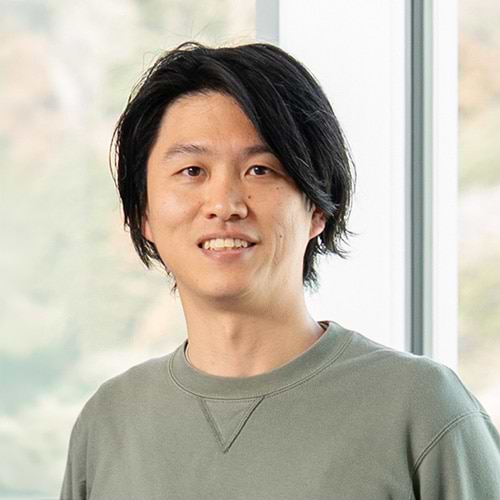
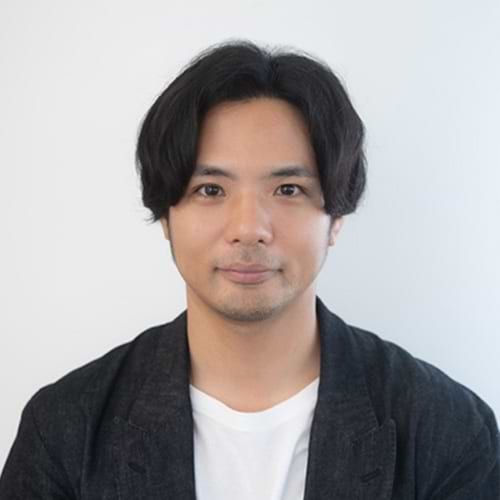
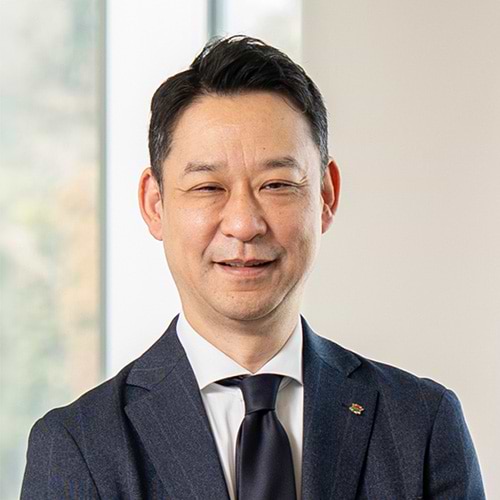
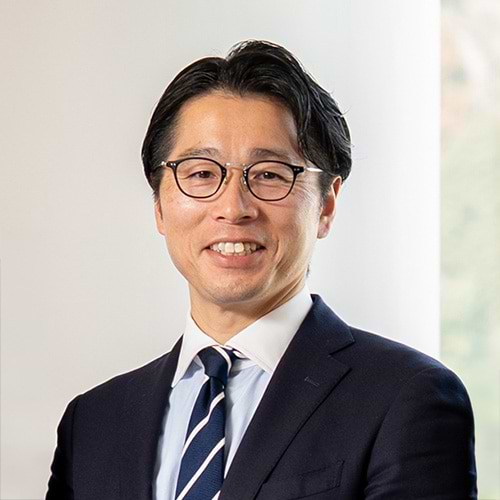
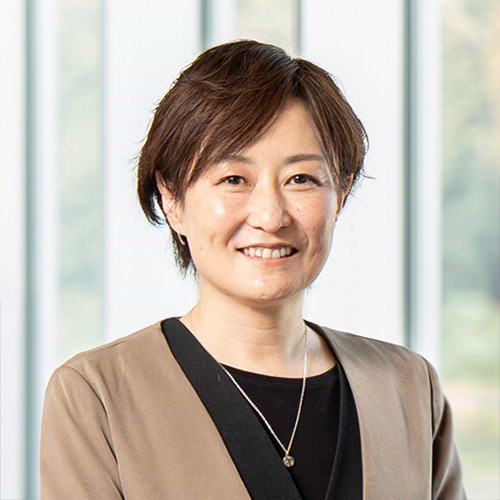
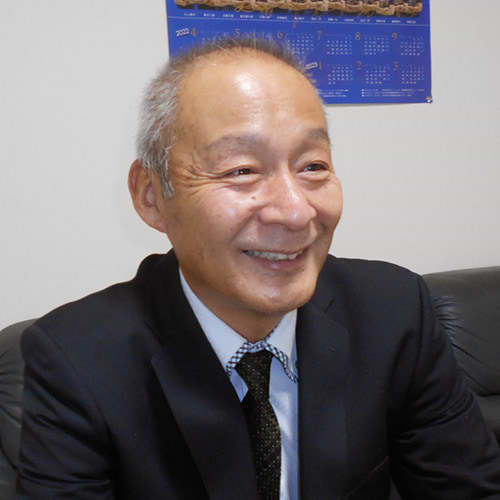
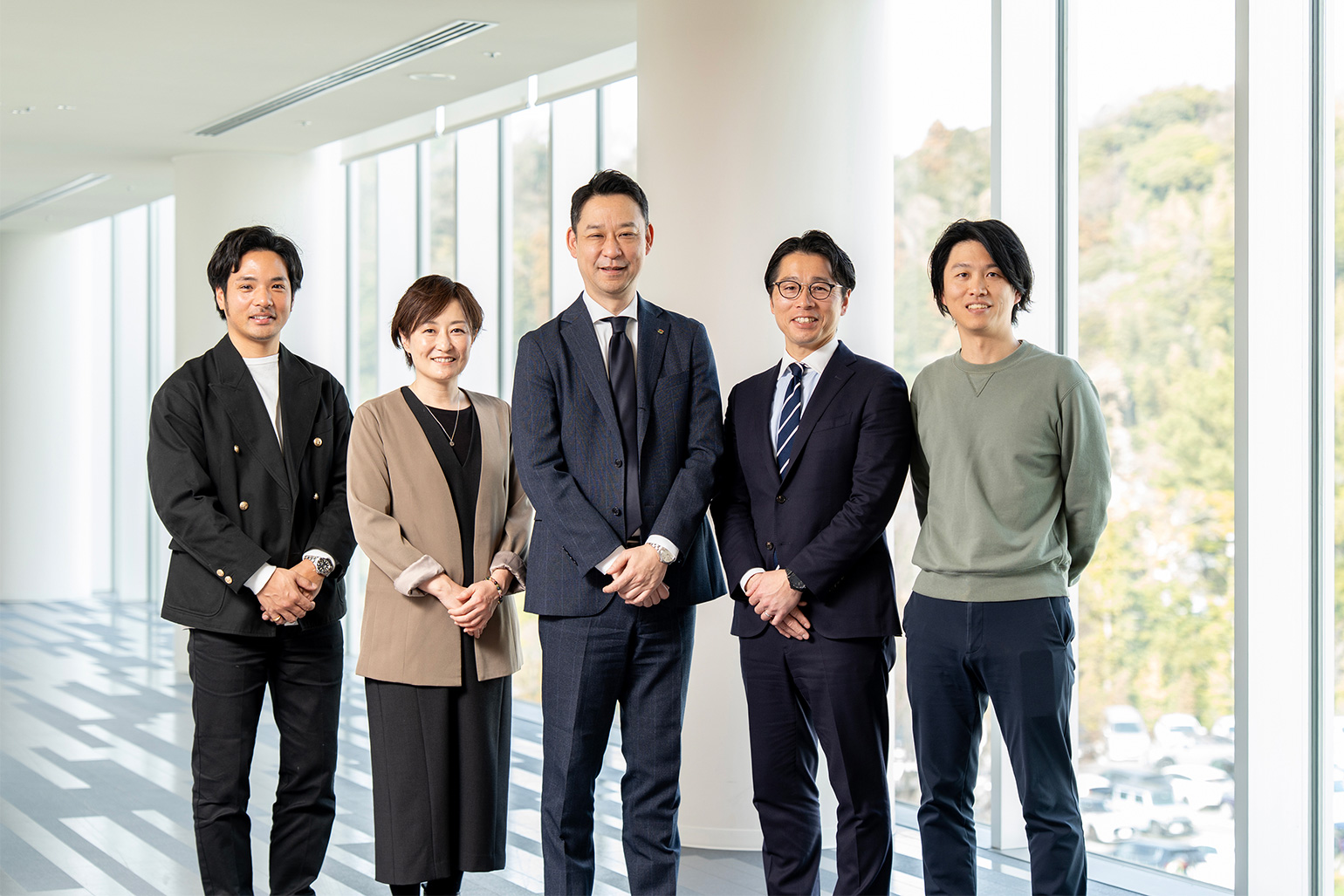
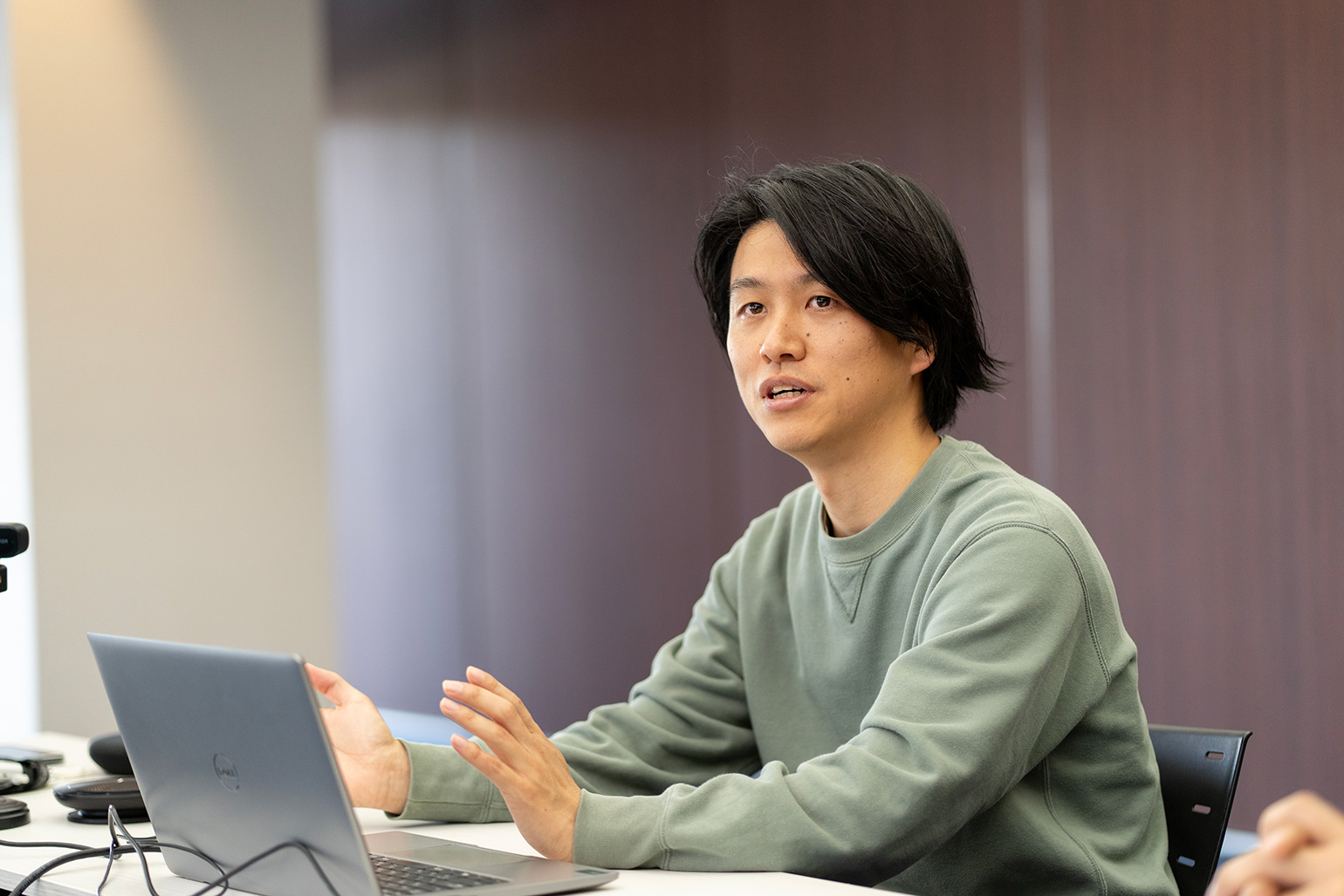
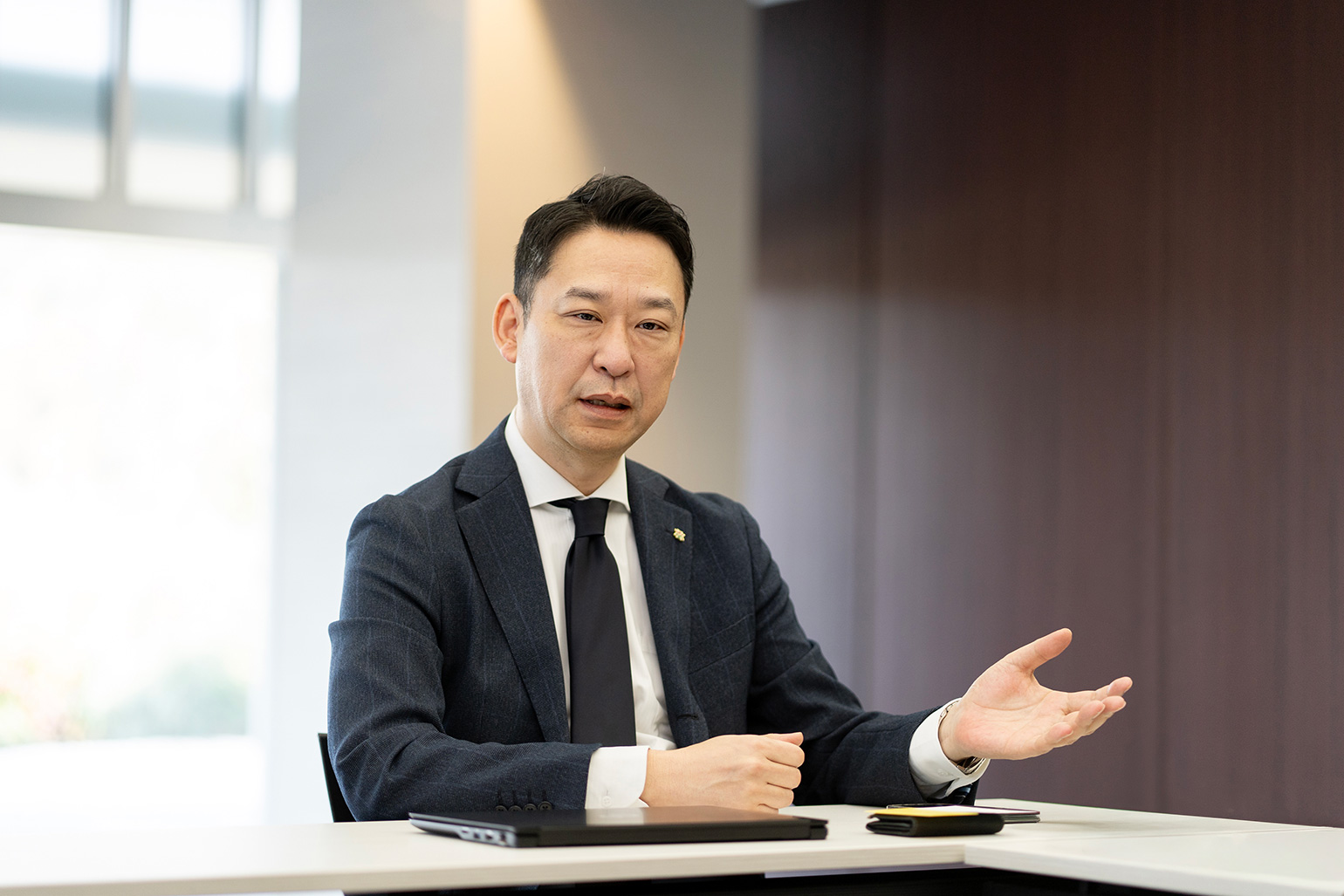
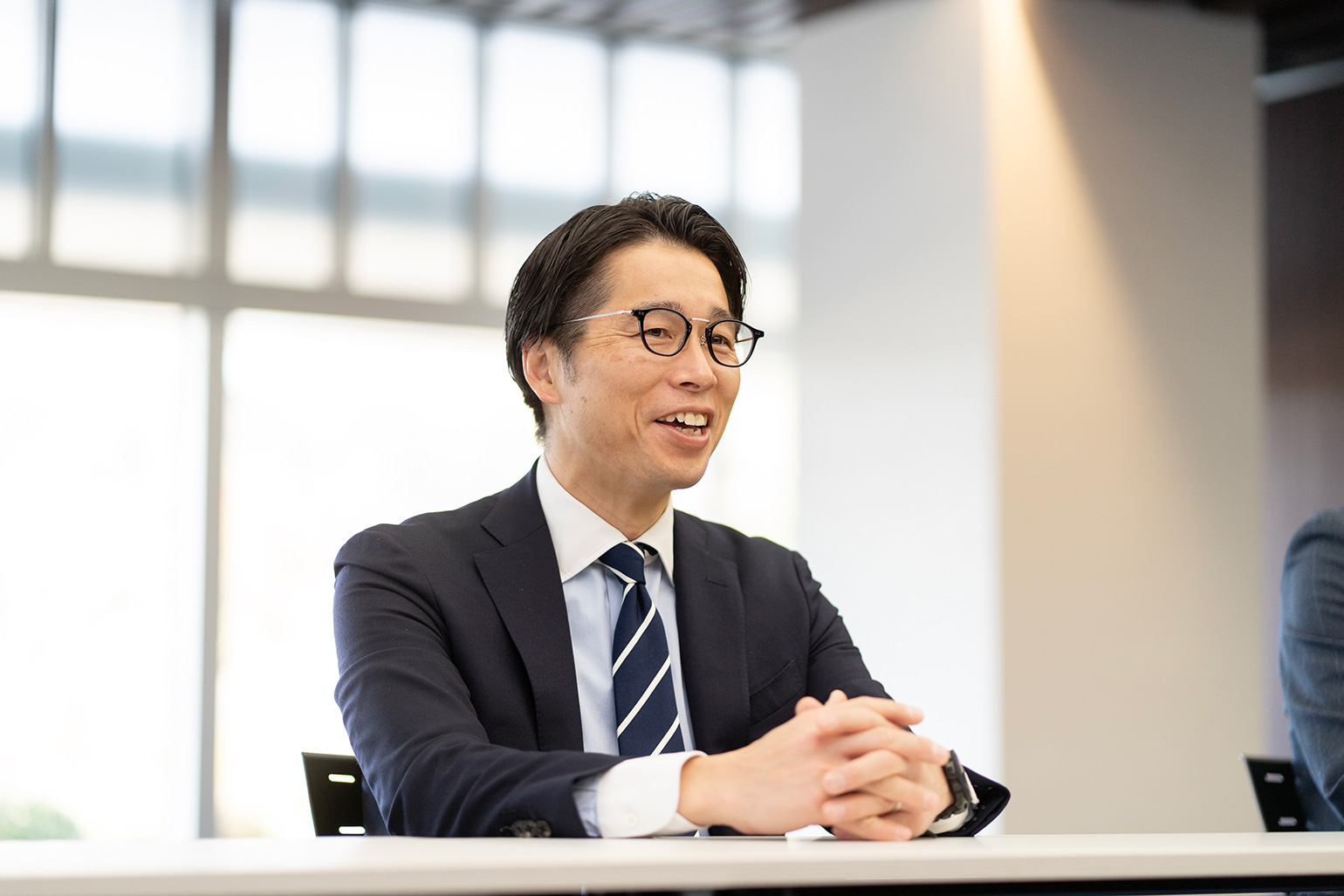
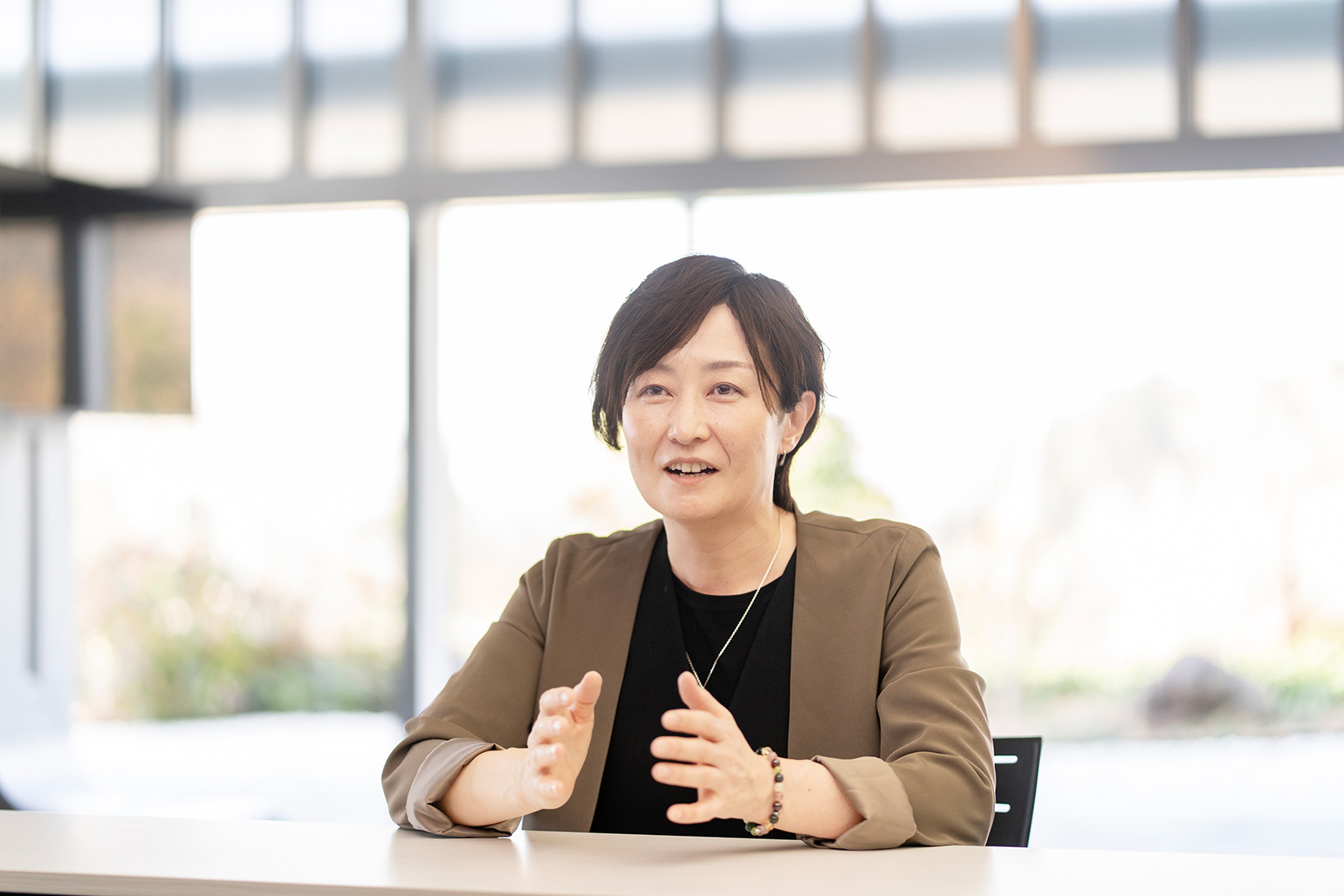
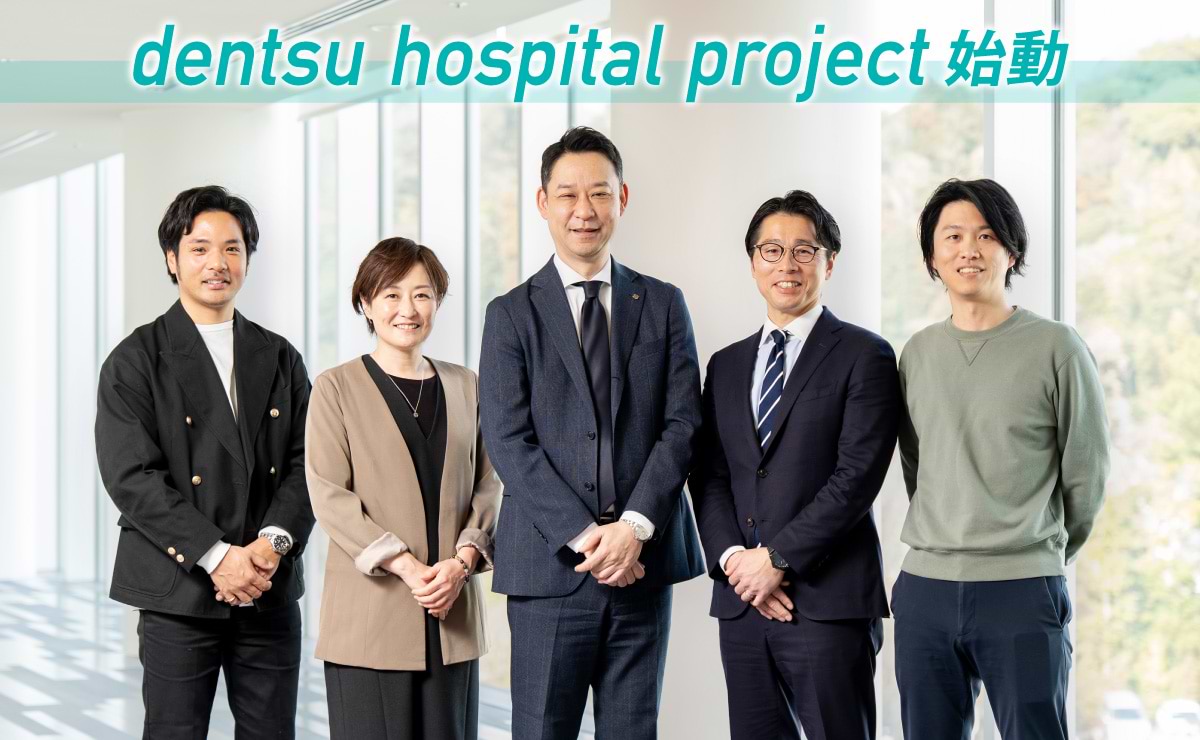
(From left) Mr. Otsubo (Dentsu Inc.), Mr. Nabeshima (Ishinkai Corporate Secretariat), Mr. Ashihara (Shonan Kamakura General Hospital), Mr. Ueda (Ishinkai Corporate Secretariat), Mr. Yamamoto (Dentsu Inc.)
Due to labor shortages and changes in the social environment, the healthcare sector is currently facing numerous challenges, including securing personnel. In response to this situation, Dentsu Inc. launched the “dentsu hospital project” to work alongside hospitals to address various challenges in the healthcare industry.
As the first step of the project, we promoted solutions to challenges related to “recruitment” and “workplace improvement” for nurses at three hospitals.
In this article, we interviewed representatives from Shonan Kamakura General Hospital, the Ishinkai Corporate Secretariat, and Yao Tokushukai General Hospital—all of whom collaborated on these initiatives. We were also joined by Shosuke Yamamoto and Yosuke Otsubo from Dentsu Inc. to discuss the hospitals’ challenges in securing staff, their reasons for undertaking these new initiatives, and the significance of Dentsu Inc.’s support in addressing these challenges.
<Participants> [Tokushukai Shonan Kamakura General Hospital] Mr. Noriyuki Ashihara, Director of Administration 【Ishinkai Corporate Secretariat】 Mr. Hiroyuki Ueda, Director of Human Resources and General Affairs / Ms. Ayako Nabeshima, Assistant to the Secretary General and Director of Public Relations 【Tokushukai Yao Tokushukai General Hospital】*Participated online*: Mr. Masaaki Inoue, Director of Administration / Ms. Chikako Shibayama, Director of Nursing [Dentsu Inc.] Planners: Mr. Shosuke Yamamoto / Mr. Yosuke Otsubo
From a Chance Encounter During Parental Leave to a Shared Vision: Taking on the Challenge of Direct Hiring of Experienced Nurses
──I understand that the dentsu hospital project began with a collaboration with Shonan Kamakura General Hospital. What was the catalyst for this?
Yamamoto: The catalyst was my own personal experience while on parental leave. About three years ago, our child was born, and we had the opportunity to use the hospital’s postpartum care services as well as those of other hospitals. As a patient, I came into contact with the healthcare system and hospital services, and I felt there were many areas that could be improved.
Around that time, I happened to meet Mr. Ashihara at a local gathering. After returning to work from parental leave, I visited him to present a proposal of my own, saying, “From a patient’s perspective, I’d like to see these improvements!” As we continued our discussions, Mr. Ashihara also shared with me the challenges of hospital management, particularly regarding “nurse shortages and recruitment issues,” and we deepened our dialogue to find solutions.
Shosuke Yamamoto, Planner at Dentsu Inc.
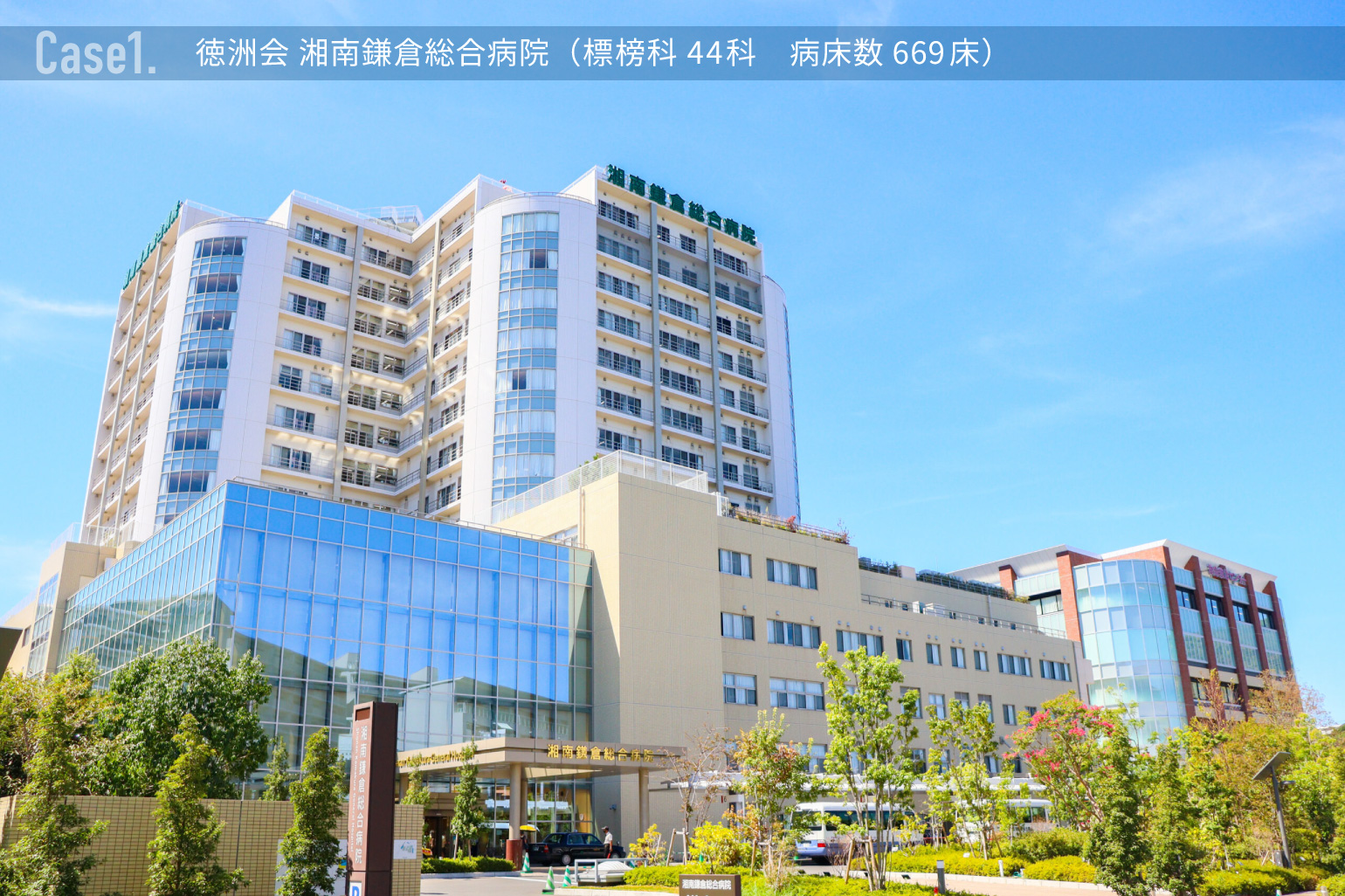
Ashihara: That’s right, we met at a local gathering (laughs). For the past 20 years or so, “indirect recruitment” through staffing agencies has been the standard approach for hiring nurses. However, while the cost burden is high, there was a structural problem: it was difficult to gauge post-hire retention rates or cost-effectiveness. Compared to other industries, there was a sense that we weren’t really seeing tangible results in terms of securing talent.
That said, securing talent on our own is extremely difficult, so we’ve continued with indirect recruitment. Against this backdrop, after speaking with Mr. Yamamoto, I felt that with Dentsu Inc.’s marketing capabilities and creative thinking, we might be able to bring about change, even if only gradually. I was also drawn to Mr. Yamamoto’s personality, so we decided to work together on the direct recruitment of nurses who had already graduated.
Mr. Noriyuki Ashihara, Director of Administration, Shonan Kamakura General Hospital
──Specifically, what did you do?
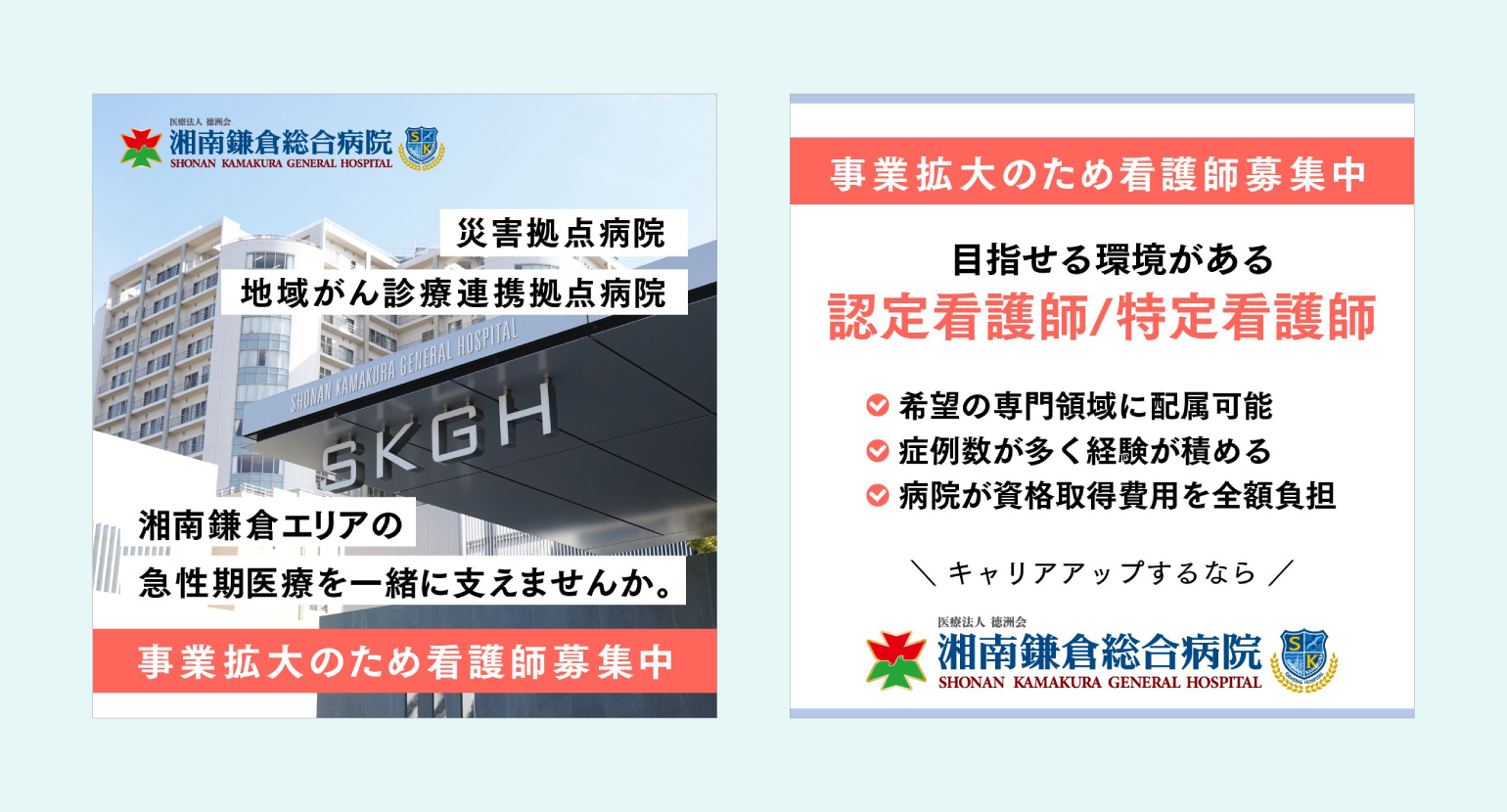
Yamamoto: Broadly speaking, we ran digital ads targeting job seekers to encourage direct applications through the hospital’s recruitment site.
Specifically, we first analyzed the hospital’s data related to the recruitment of experienced nurses over the past three years and identified five target segments, such as those seeking career growth and those seeking work-life balance. We then developed tailored messaging for each segment, created ads for each message, and built a recruitment website to serve as the landing page before launching the digital ad campaign.
We also implemented various measures to encourage actions such as requesting information, signing up for hospital tours, and applying for jobs—including eliminating the paper application forms that were previously required. We didn’t handle everything at Dentsu Inc. alone; instead, we worked as a single team with members from the hospital’s Nursing Department, Public Relations Department, and Digital Communications Office.
──Could you share any results or insights from this initiative?
Ashihara: After running the ad campaign for two months, we achieved a 3.2-fold increase in conversions (information requests, hospital tour reservations, and job applications) compared to the same period last year.
I believe that for hospital staff, “how to provide information to patients” forms the foundation of communication. When dealing with patients, even if it’s just a possibility, failing to convey the information poses a risk, so it’s crucial to “convey every piece of information.” As a result, the amount of information posted on hospital websites is enormous.
However, this time, the communication was aimed at job seekers. If we had applied the approach mentioned earlier, it would have been difficult for job seekers to understand. Depending on the page they viewed, there was a risk they might misunderstand and think, “This isn’t the kind of hospital I want to work at.” With this initiative, I believe we were able to communicate information in a way that prevented such miscommunication. Dentsu Inc. has a solid methodology for delivering only the core information, and I learned a lot from them.
○ Shonan Kamakura General Hospital Advertisement
This was a challenge with an eye toward group recruitment, and I personally experienced the potential for direct hiring firsthand.
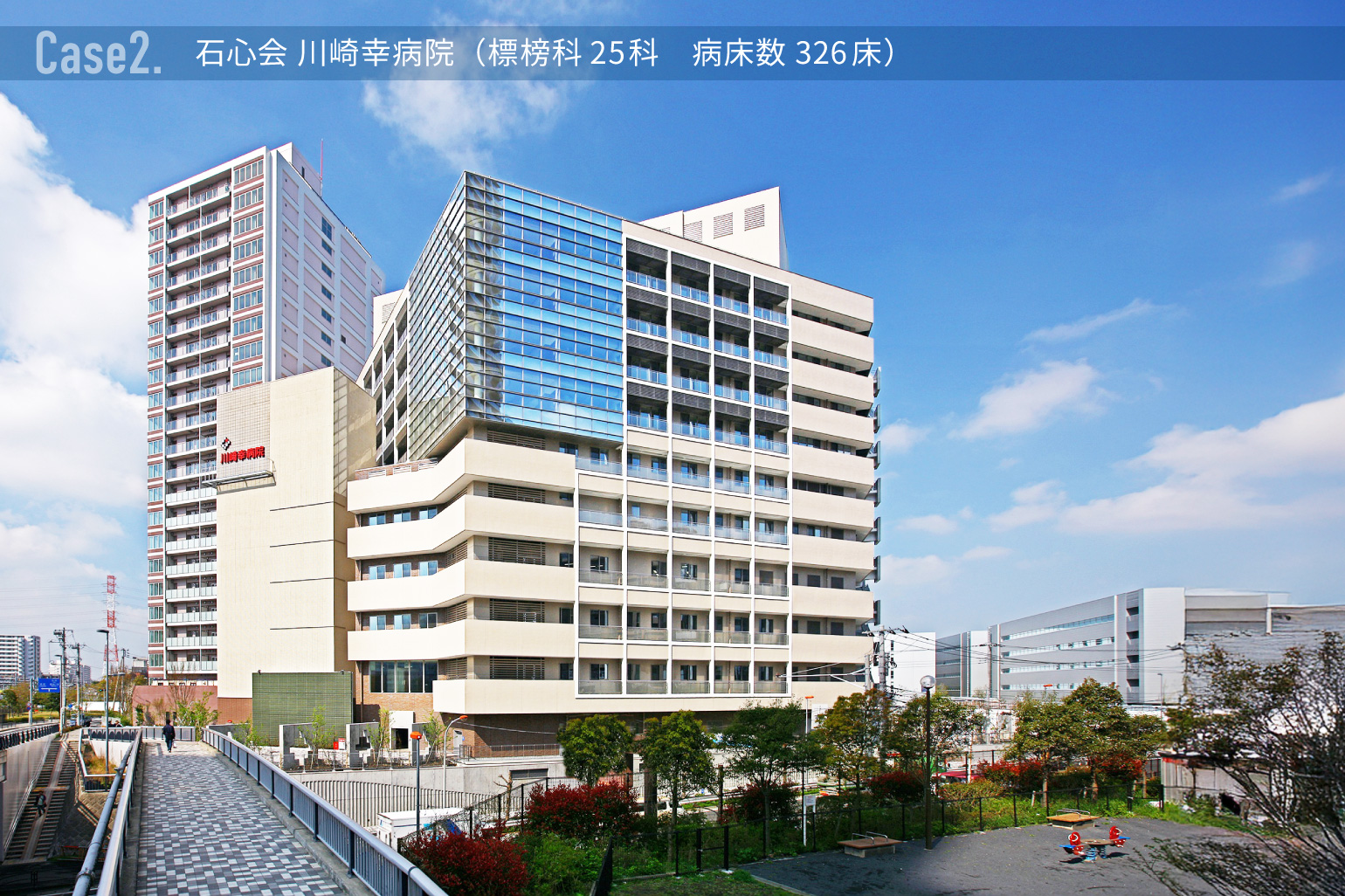
──Next, Kawasaki Saiwai Hospital also took on the challenge of directly hiring experienced nurses. Could you tell us about the catalyst and how it unfolded?
Ueda: At one point, I started seeing a lot of nurse recruitment ads for Shonan Kamakura General Hospital on social media. When I asked Mr. Ashihara about it, he told me they had started a collaboration with Dentsu Inc. Having personally realized through these ads that information could reach job seekers directly, I consulted with Nabeshima and we decided our hospital should give it a try as well.
Mr. Hiroyuki Ueda, Director of Human Resources and General Affairs, Ishinkai Corporate Secretariat
Nabeshima: I am in charge of public relations for the Ishinkai Group. While most PR activities are carried out on a group-wide basis, recruitment PR had previously been handled individually by each hospital and clinic. When I heard about the initiative with Dentsu Inc., I thought, “If we take a bird’s-eye view of recruitment across the entire group, we might identify challenges in the recruitment PR efforts being conducted at each facility,” and I believed this could lead to a different approach than before.
Ms. Monoko Nabeshima, Assistant to the General Secretary and Head of Public Relations, Ishinkai Corporation
──What kind of initiatives did you undertake?
Otsubo: As a test case this time, we conducted a recruitment drive for experienced nurses centered on the Ishinkai Group’s Kawasaki-Sachi Hospital, while also including some other clinics. Basically, the content was the same as what we implemented at Shonan Kamakura General Hospital, but in the case of Kawasaki-Sachi Hospital, we focused specifically on recruiting nurses aiming to become specialists in cardiology.
To be honest, we had never before developed communications targeting nurses aspiring to become cardiovascular specialists, so crafting the right message was very difficult. We held numerous discussions, involving current nurses as well, and worked together to develop it.
Dentsu Inc. Planner: Yosuke Otsubo
──What kind of results did you actually achieve?
Nabeshima: As for Kawasaki Saiwai Hospital alone, conversions (requests for information, hospital tour reservations, and job applications) increased 2.3 times compared to the same period last year. While this figure reflects results for experienced nurses only, we actually saw a slight increase in applications from new graduates as well.
Additionally, since we revised the navigation flow of the recruitment site this time, we’ve continued to receive inquiries even after the ad campaign ended, and the number of people joining us directly has increased. Furthermore, as a next step internally, new ideas have emerged, such as “we want to create a talent database.” It was gratifying that this initiative not only yielded direct results but also served as a catalyst for changing the mindset within the group.
〇 Kawasaki Sachi Hospital Advertisement
──Could you share any insights or discoveries you gained from working with Dentsu Inc.?
Ueda: Beyond information architecture, I felt that Dentsu Inc. has strengths in creating “stories” that we couldn’t produce on our own, as well as in using language and visual presentation that effectively convey our message. We lack the creative know-how to craft content that resonates immediately upon first glance, so it was beneficial to collaborate with them and receive their creativity and proposals.
Furthermore, regarding the initiative to directly recruit nurses, if we can deliver the optimal message to job seekers and spark their interest, they will contact us through our hospital’s recruitment site. Once we’ve established that initial connection, even if it doesn’t lead to an application or hire at that moment, we can reach out to them later. I felt that if we could create such a system, it would be very beneficial in the long run.
The challenge of improving nurses’ working environment to reduce staff turnover
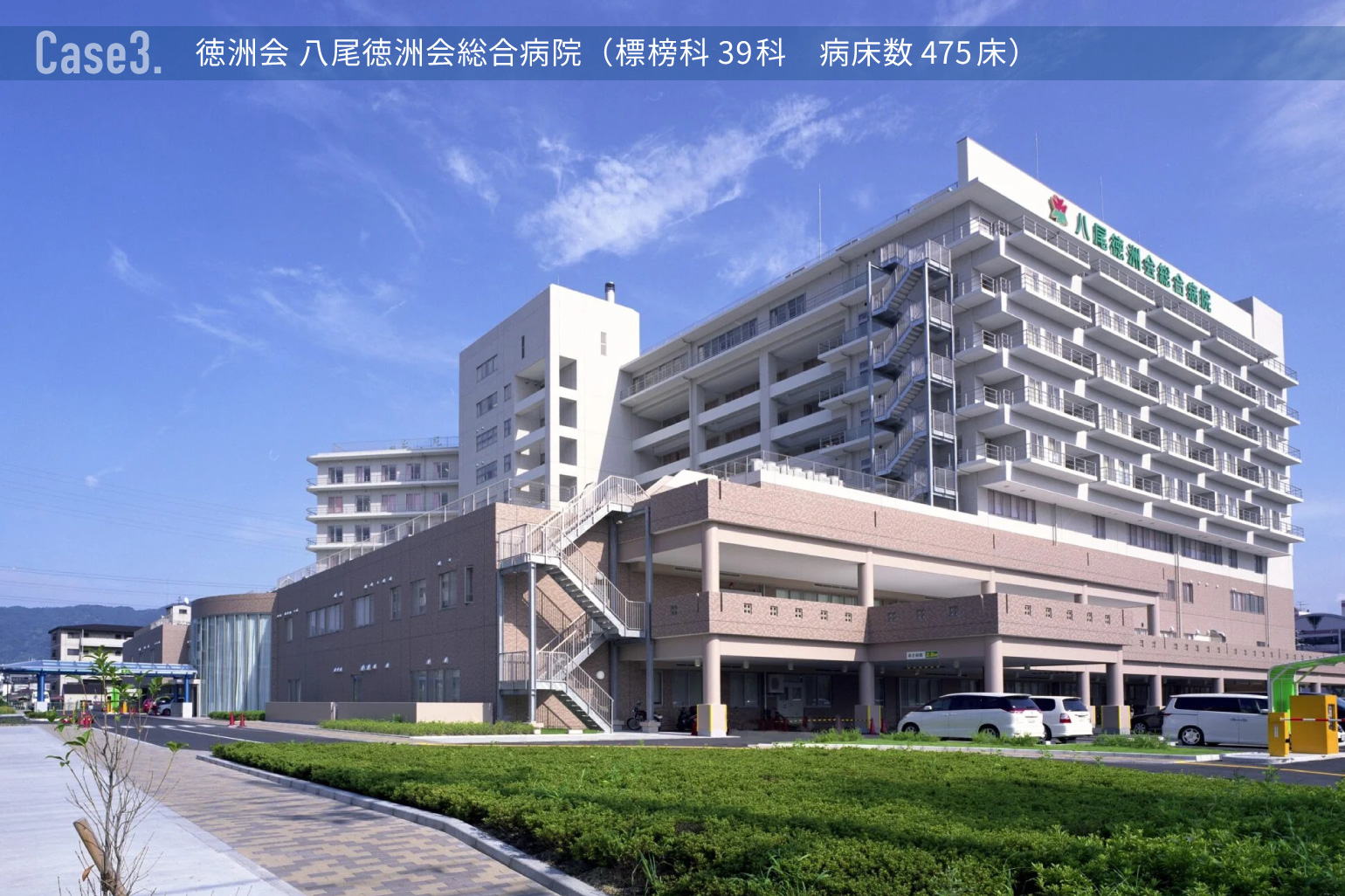
──I understand that Yao Tokushukai General Hospital has taken on the challenge of “workplace improvement” for nurses. What motivated you to start this initiative?
Shibayama: We had attempted to improve the workplace before, but it was difficult to translate those efforts into concrete actions, and there was a sense among the staff that “no matter how many times we say it, nothing changes.” So, with support from Dentsu Inc.—which possesses the know-how and insights to improve workplaces in general businesses—we started this initiative with the determination that “this time, we’ll make it happen.”
Inoue: In hospital management, we generally invest heavily in “hardware” such as facilities. With hardware, even if there is a slight time lag, we always see a clear return on investment. On the other hand, with “software”—such as people—the return on investment is harder to gauge, and it’s difficult to find a definitive “answer.”
However, I believe that investment in people is essential because the hardware cannot be fully utilized unless the software is robust. No matter how many new staff members we hire, if many people leave, we’ll just be repeating the same cycle, and it won’t lead to growth. With that in mind, our hospital decided to take on a new approach that differs from what we’ve done in the past.
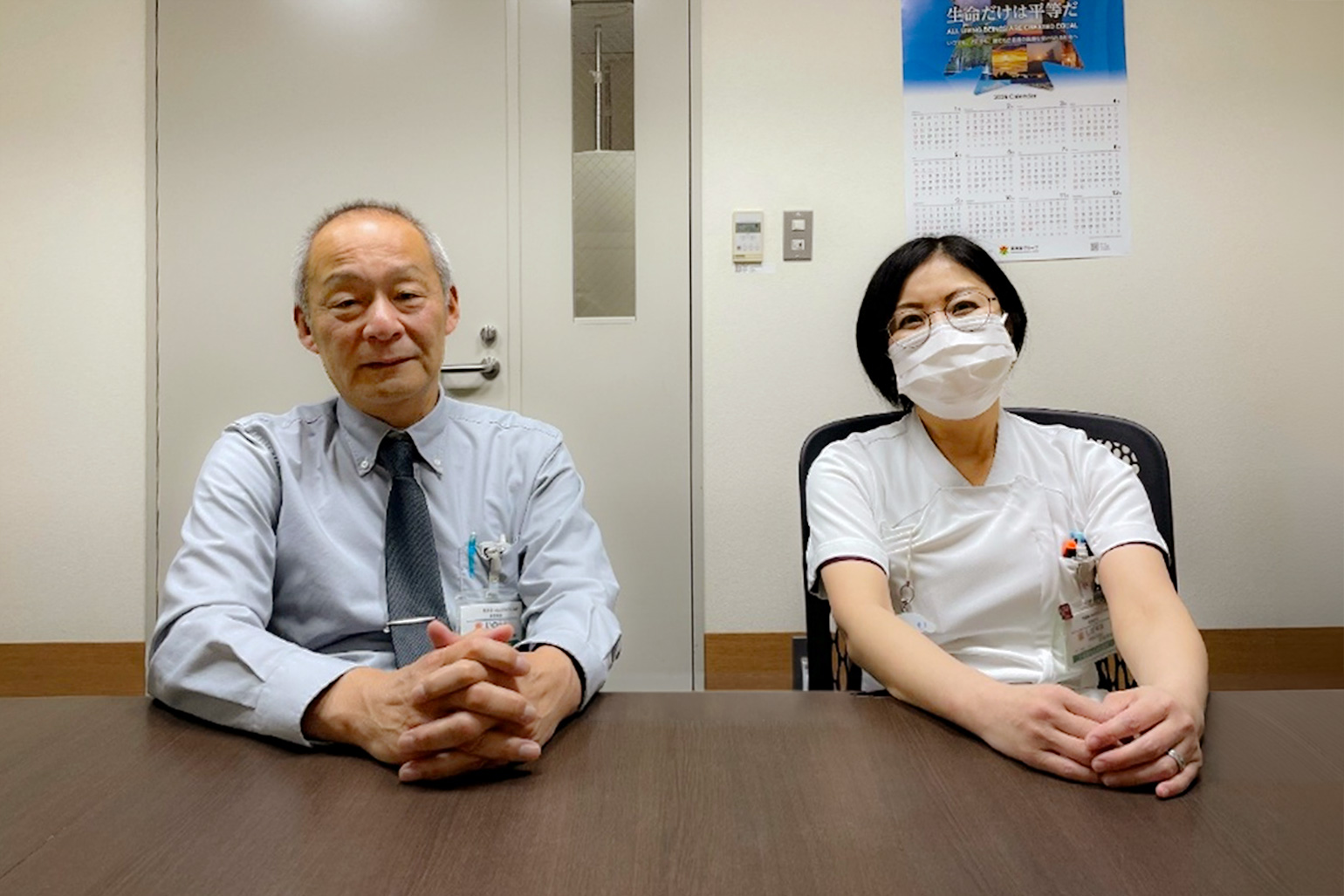
(From left) Mr. Masaaki Inoue, Director of Administration, Tokushukai Yao Tokushukai General Hospital / Ms. Chikako Shibayama, Director of Nursing
──Specifically, what kind of initiatives did you undertake?
Otsubo: For this initiative, we began by conducting a survey of all nurses to quantitatively and structurally grasp the real-world situation regarding the dissatisfaction and anxieties they typically feel.
Based on the survey results, we held a workshop with 16 nurses—including department heads, deputy heads, and head nurses from various clinical departments—to delve deeper into the underlying causes of these “dissatisfactions.” After the first workshop, we asked participants to take the discussions back to their respective departments and solicit ideas and opinions on how to resolve these issues. Then, in the second workshop, we discussed concrete improvement measures based on the discussions held in each department, ensuring that as many nurses’ voices as possible were reflected.
To encourage open participation, we deliberately excluded Ms. Shibayama and Ms. Inoue from the workshops. We ultimately compiled the results into a document titled “Nurses’ Workplace Improvement Proposal” and submitted it to them, accompanied by a video capturing the discussions and enthusiasm from the workshop day.
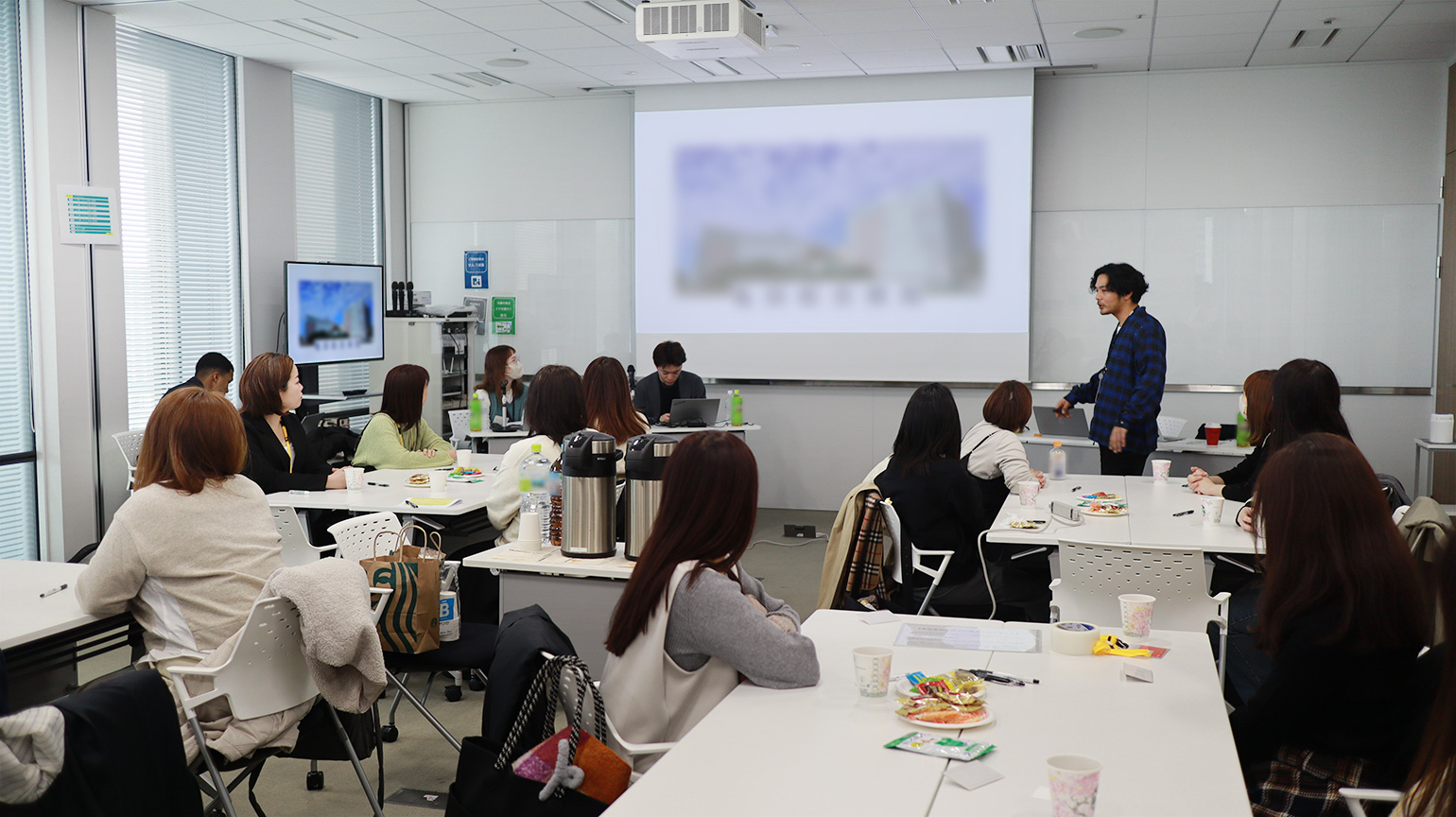
Scene from the workshop. A total of 16 management-level nurses participated from the following departments: Plastic Surgery, Urology, Neurosurgery, Neurology, Gastroenterology, Operating Room, Orthopedics, Clinical Oncology Center, HCU, ICU, Pulmonology, Emergency Department, Pediatrics/Gynecology, General Internal Medicine, Gastroenterology, Outpatient Department, Cardiology, Cardiovascular Surgery, Medical Oncology, and Dialysis Center.
──Could you share your thoughts upon receiving the proposal?
Shibayama: It reaffirmed that our previous responses had been insufficient. It led me to reflect that we had not fully grasped the concerns of the frontline staff. Receiving feedback from a third-party perspective on what we had considered “common sense” made me keenly aware that we were completely out of step with current trends.
Inoue: Dentsu Inc. compiled the feedback and even proposed some solutions. Because they went so far as to discuss concrete countermeasures, we realized that issues and situations we had simply accepted as “the way things are” within the hospital were, in fact, major problems when viewed from the outside.
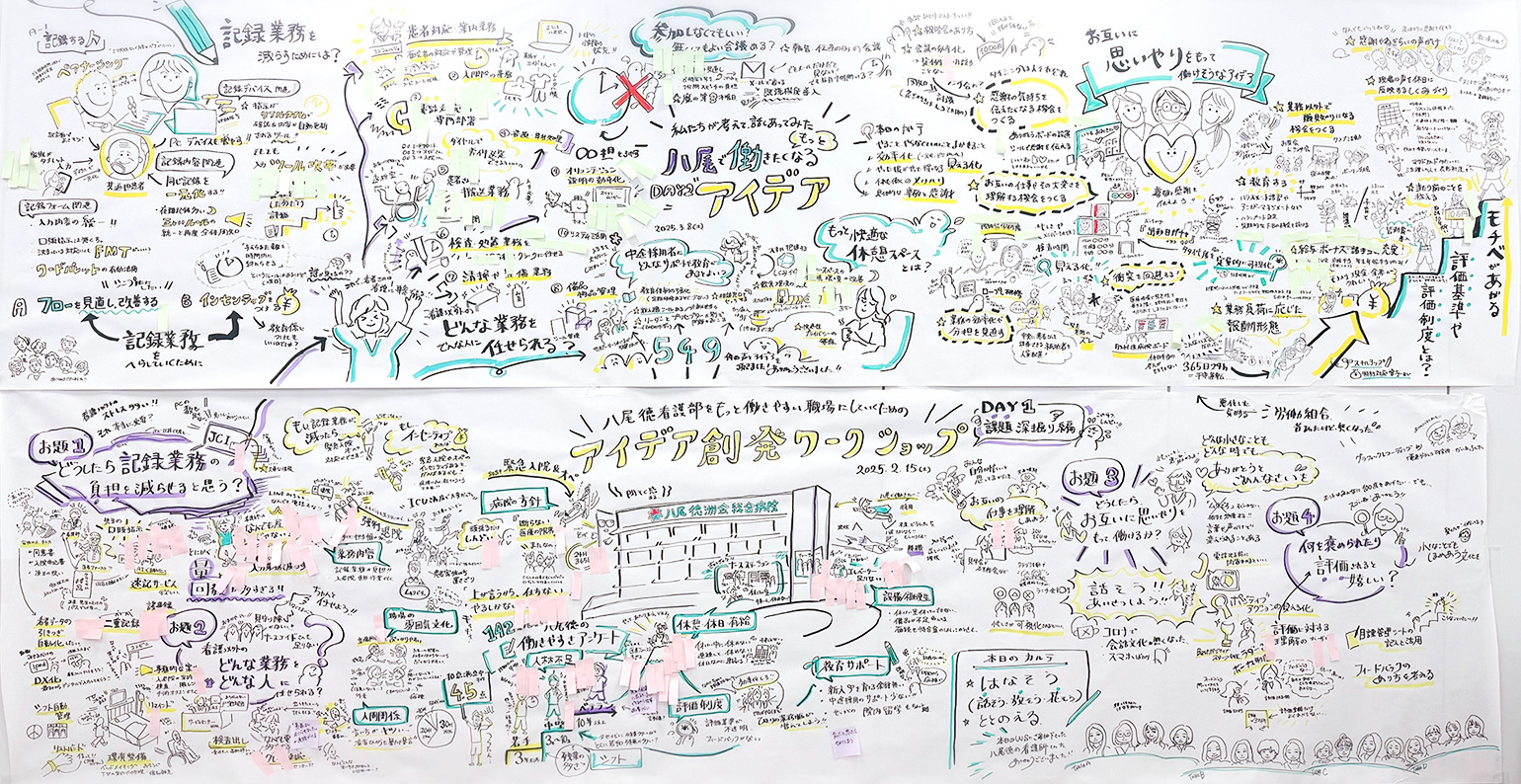
“Issues” (dissatisfaction and anxiety) visualized during the workshop, along with ideas for improvement. In cooperation with: Dentsu Inc. Graphic Recording Lab
Otsubo: This is a bit of a side note, but regarding the benefits of the workshop itself—prior to the submission of the proposal—when we asked the participating nurses for their feedback, some said, “It was helpful to gain a deeper understanding of what colleagues in other wards are thinking and the situations they face.” As understanding between wards deepened, there was a willingness to gradually change the workplace atmosphere and their own behaviors. I think seeing such positive signs was another positive aspect of this initiative.
──Have any concrete steps been taken in response to this proposal?
Shibayama: On a small scale, we’ve made some progress, such as shortening meeting times and reevaluating the menu for late-night meals, but the real improvement efforts are just beginning. We believe that listening to staff voices is paramount to creating a comfortable work environment, so we’ve asked the head nurses and assistant head nurses—who are closest to the staff—to gather their opinions.
Department heads listen to the feedback from section chiefs and deputy section chiefs and provide support accordingly. While the Director of Nursing and Deputy Director of Nursing used to hear directly from department heads on a case-by-case basis, we have now reviewed the format and frequency of these meetings. As we are currently in the process of creating a space where supervisors can say, “I’m here to listen to anything,” we have increased the frequency of management meetings from twice a year to more frequent sessions.
Inoue: We’ve even established a department where one-on-one meetings are held every morning with each staff member. I feel that this approach has actually led to a decrease in turnover. Dentsu Inc. provided us with various insights from a perspective outside the healthcare industry, so I believe the next step is to figure out how to put those into practice.
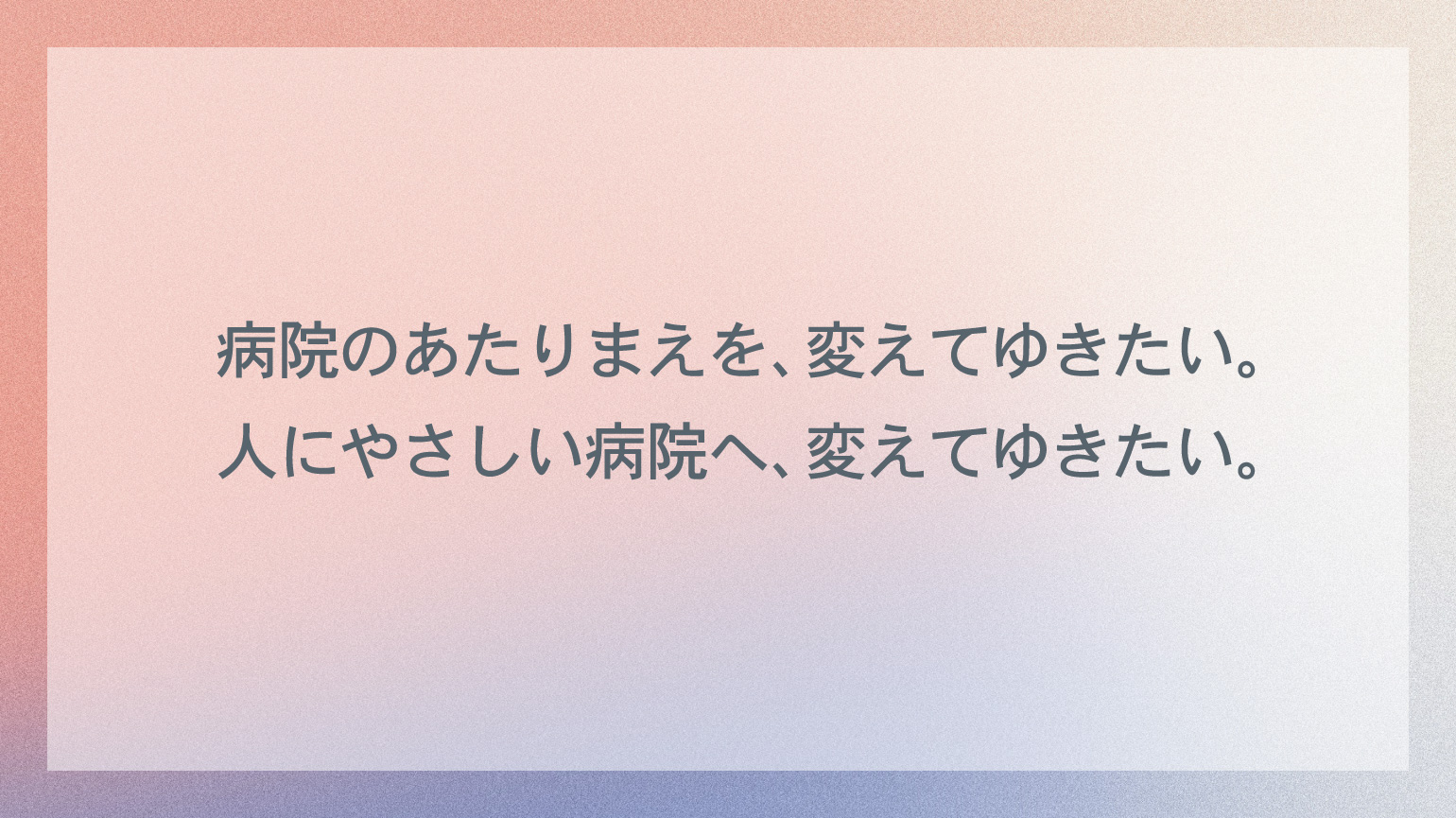
“We want to create a patient-friendly hospital.” The Goals of the Dentsu Hospital Project
—Could you please tell us again about the Dentsu Hospital Project?
Yamamoto: This project brings together members from across the Dentsu Group who share the aspiration to “make hospitals better,” and we work with hospital staff to tackle challenges.
To be honest, while many hospitals today offer a highly comprehensive medical environment for treating illnesses, I believe there is still room for improvement when viewed as an environment where people “spend time,” “live,” or “work.”
I understand there are various factors at play, such as regulations, costs, and infection control issues, but for example, couldn’t we make patient rooms more soothing spaces? How can we ensure hospital meals not only provide nutrition but also nourish the soul? Is there more we can do to reduce children’s anxiety and stress?
Furthermore, if we turn our attention to the healthcare professionals who support the system, they likely face many frustrations and anxieties—such as being overwhelmed by mountains of paperwork or being unable to work with peace of mind due to poor coordination between wards. As was mentioned in this discussion, there may be a sense of resignation in some quarters, thinking, “Well, it’s a hospital, so there’s nothing we can do about it.”
We are committed to taking on the challenge of changing these “norms” in hospitals. By leveraging the problem-solving methods and knowledge we’ve provided to many companies over the years, we hope to support hospitals in becoming better places—where people’s feelings and emotions are valued even more—by improving buildings, services, systems, and work styles.
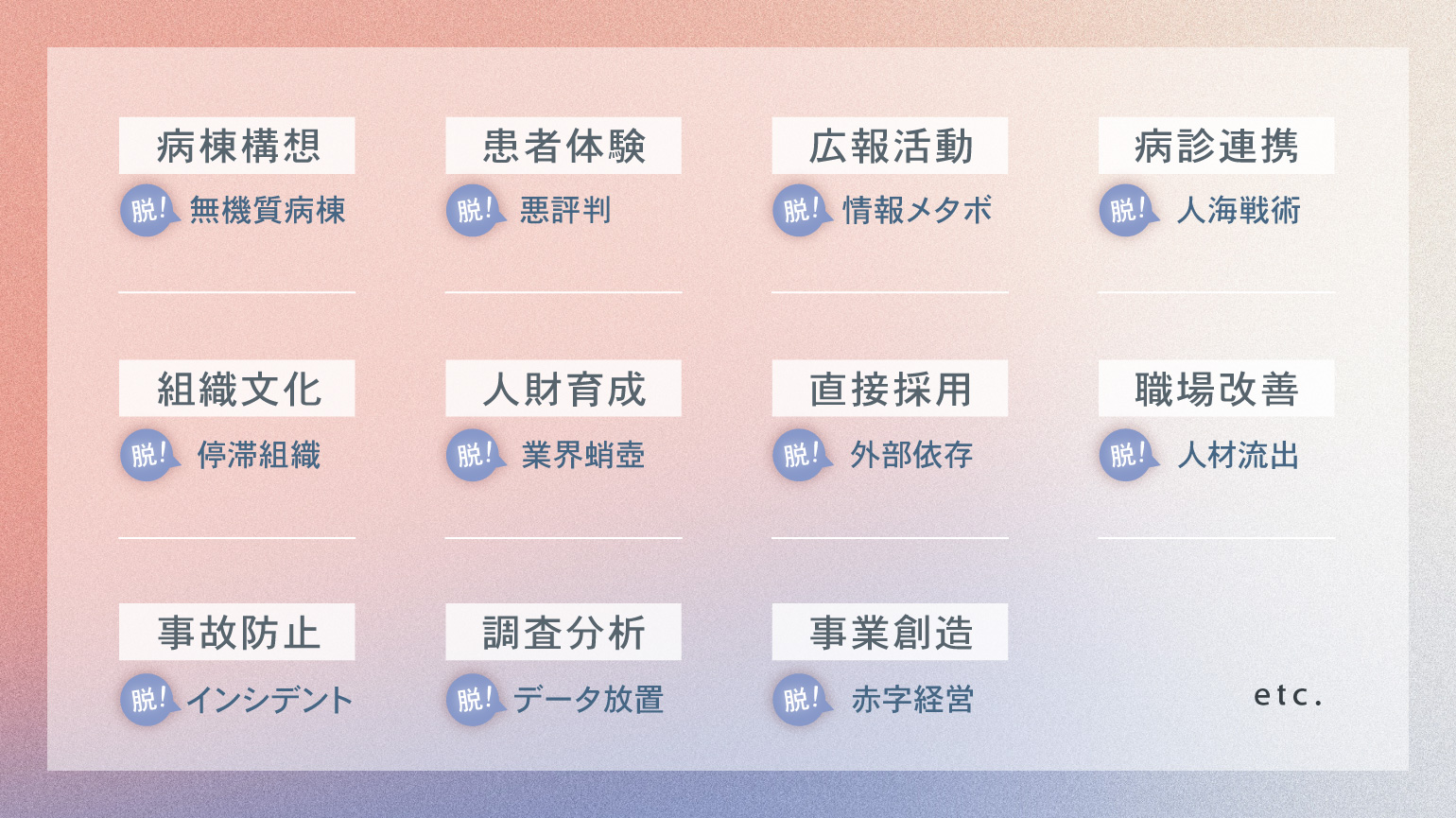
While I won’t go into all the details here, the solutions offered by the dentsu hospital project primarily consist of the following lineup. In addition to “recruitment” and “workplace improvement”—which were highlighted in this case study—we also provide support for “ward planning,” such as advising on what kind of building to construct from the perspectives of PX (Patient Experience) and EX (Employee Experience) when building a new hospital.We also offer a wide range of services, including support for “hospital-clinic collaboration,” “talent development” through personnel exchanges with other industries, and “accident prevention” through proposals for corrective measures following incidents.
We aim to create hospitals where patients and their families feel comfortable, and where staff can work with a sense of pride and fulfillment—which, in turn, leads to improved hospital management. We hope to increase the number of such people-friendly hospitals, even if only by one.
We’ve shared many ideas, but our vision alone cannot bring about change. If any of our hospital staff members can relate to our vision even a little, we would be honored to work together—starting with small steps—to make a difference. We would be delighted if you could simply take the time to hear us out. Please feel free to reach out to us.
Based on a marketing mindset, we provide flexible, hands-on support from strategy development through implementation. Drawing on our experience working with a wide range of clients—from large corporations to startups—our motto is “narrow the scope of the challenge, but broaden the range of approaches.”
Responsible for core hospital management operations, driving the conception and planning of new business initiatives. In 2020, led hospital digital transformation (DX) efforts and conducted nine robot pilot projects. In 2024, launched the “Sakura Net” medical and nursing care collaboration network to strengthen regional partnerships. That same year, established the Hospital Design Research Institute, a general incorporated association, to promote human resource development and value creation from the perspective of “designing hospitals.”
Hiroyuki Ueda
Ishin-kai Social Medical Foundation
Corporate Secretariat
Head of Human Resources and General Affairs
Joined Ishinkai in 2002. After gaining experience in general hospital administration, he served as Director of Administration at Kawasaki Saiwai Hospital from 2018 and has held his current position since 2024. He is currently responsible for overall corporate management, including the development of human resources systems and operational structures, and contributes to regional healthcare.
He was involved in the establishment of the Hospital Design Institute with the aim of incorporating societal insights into hospital management and human resource development. His hobbies include marathon running and golf.
Monoko Nabeshima
Ishin-kai Social Medical Foundation
Corporate Secretariat
Assistant to the Executive Director and Head of Public Relations
After working at a foreign-affiliated sports manufacturer and a major advertising agency, he has held his current position since 2012.
In the same year, he launched “Minna no Kenko Juku,” a free medical and health information distribution service aimed at contributing to the local community. With an annual reach of 1.7 million people, it ranks among the top in the medical industry.
His strength lies in his ability to develop systems from a public relations perspective to address management challenges. His hobbies include basketball and sports in general.
Masaaki Inoue
Yao Tokushukai General Hospital
General Affairs Manager
With a long career in hospital management within the Tokushukai Group, he promotes the maintenance of a 24/7, 365-day emergency response system and the strengthening of regional medical collaboration under the philosophy that “only life is equal.” Through the establishment of networks with local governments and neighboring facilities, he supports the creation of a safe, community-rooted medical environment.
Chikako Shibayama
Yao Tokushukai General Hospital
Director of Nursing
Joined Yao Tokushukai General Hospital in 2002. After gaining experience in the operating room and HCU (High Care Unit), she served as Deputy Director of Nursing and was appointed Director of Nursing in July 2025. Drawing on her own experiences with childcare and part-time work, she respects diverse work styles and values an approach that does not stifle people’s desire to pursue their passions. She is committed to building an organization where nurses can fully enjoy their work.