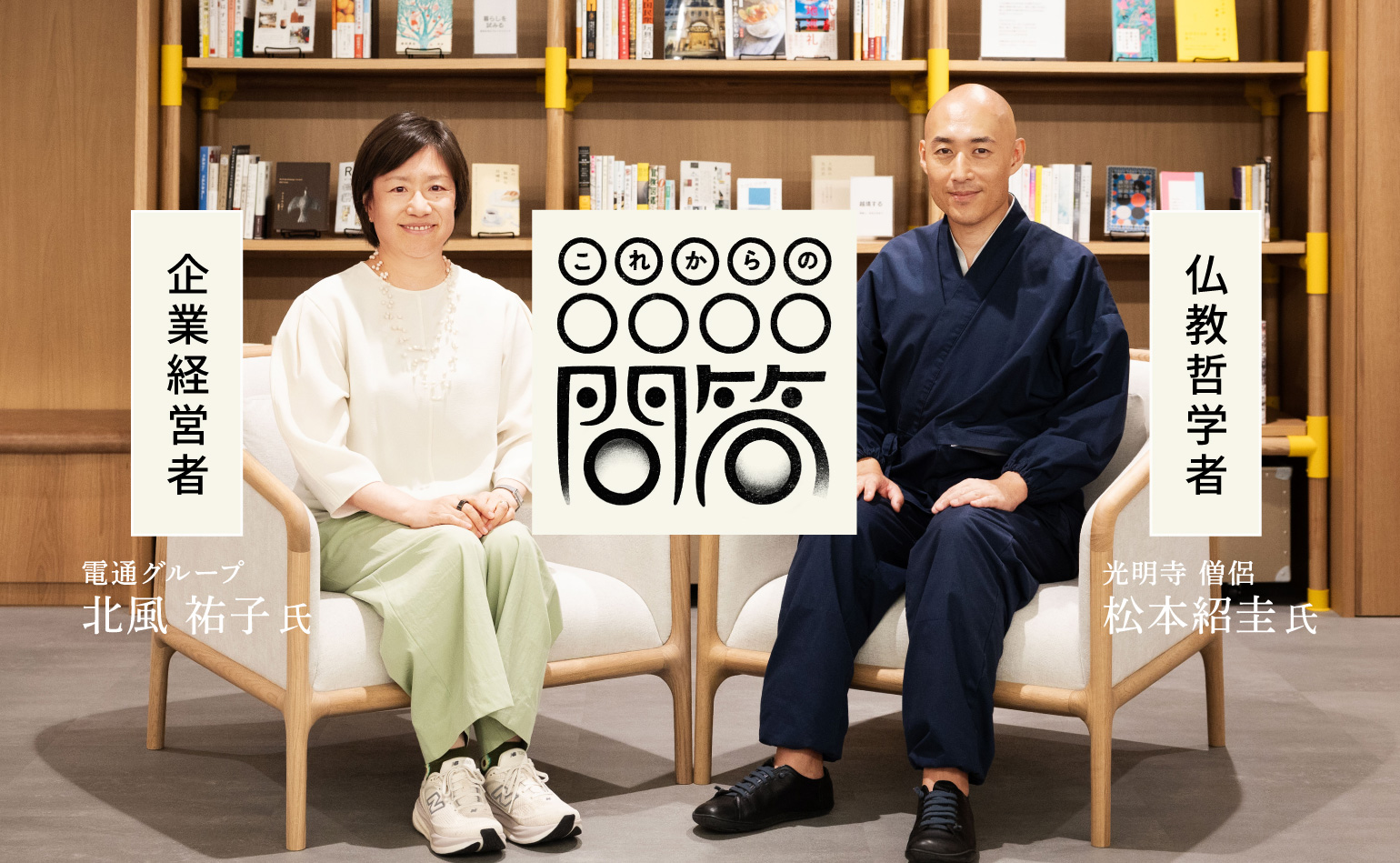
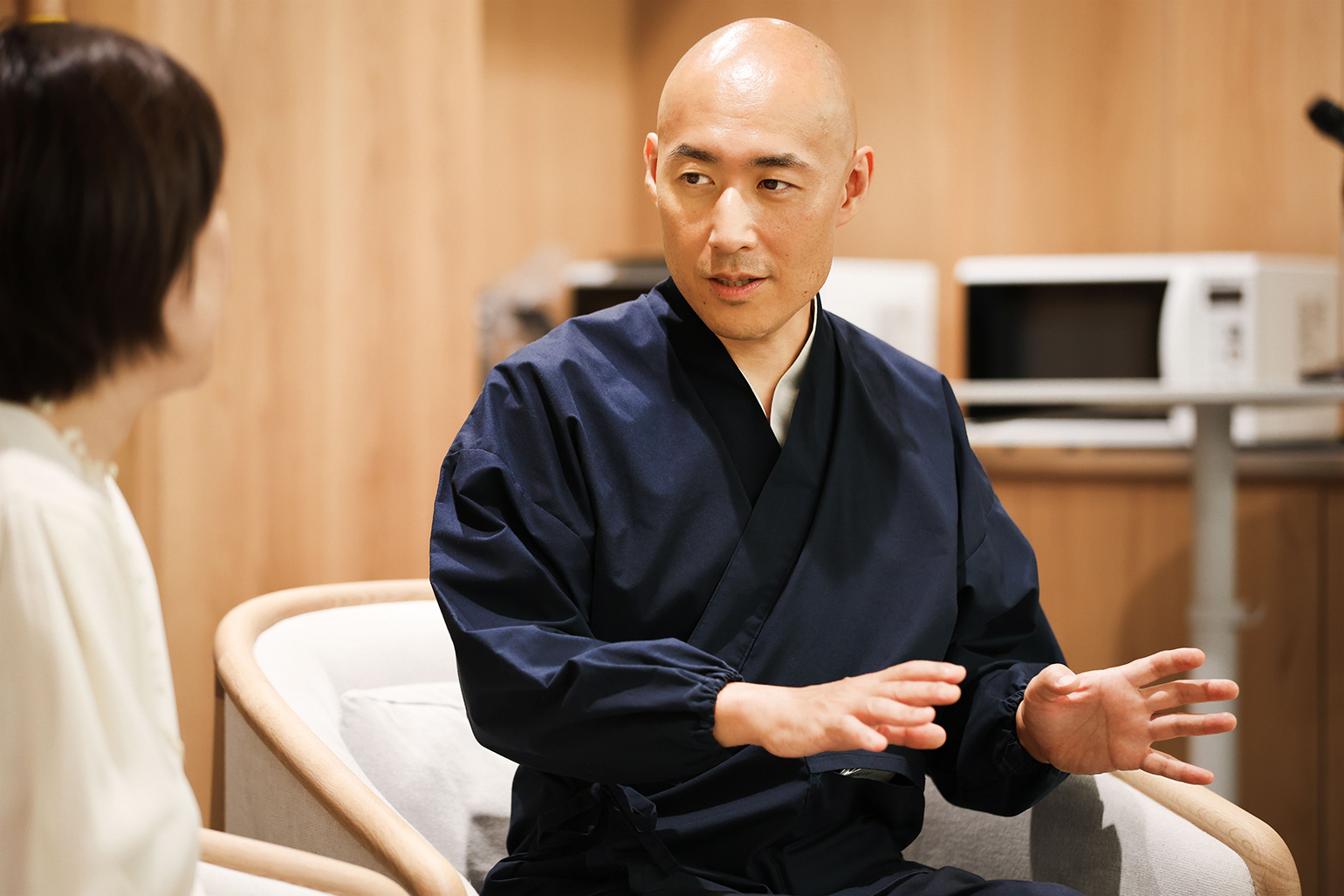
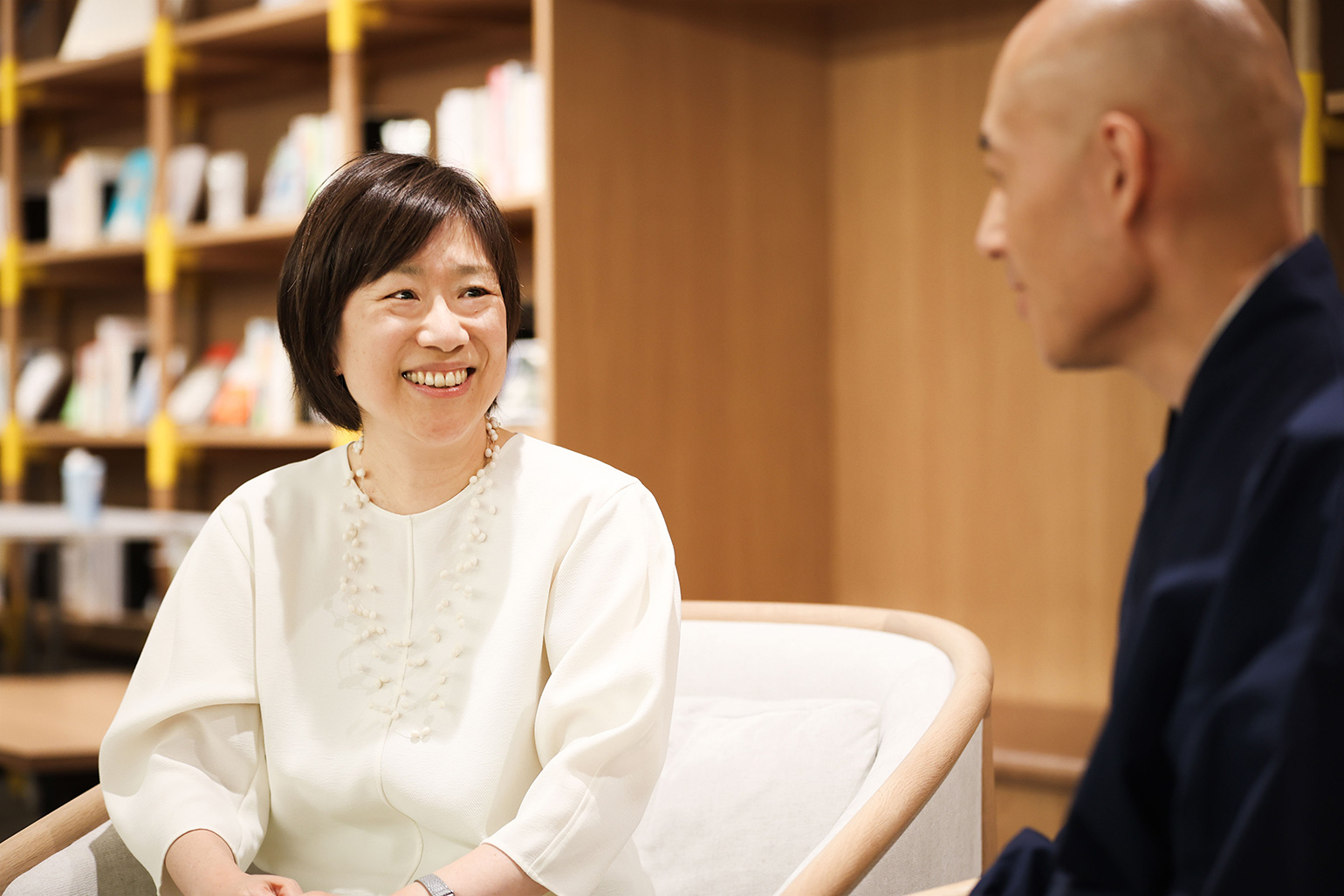
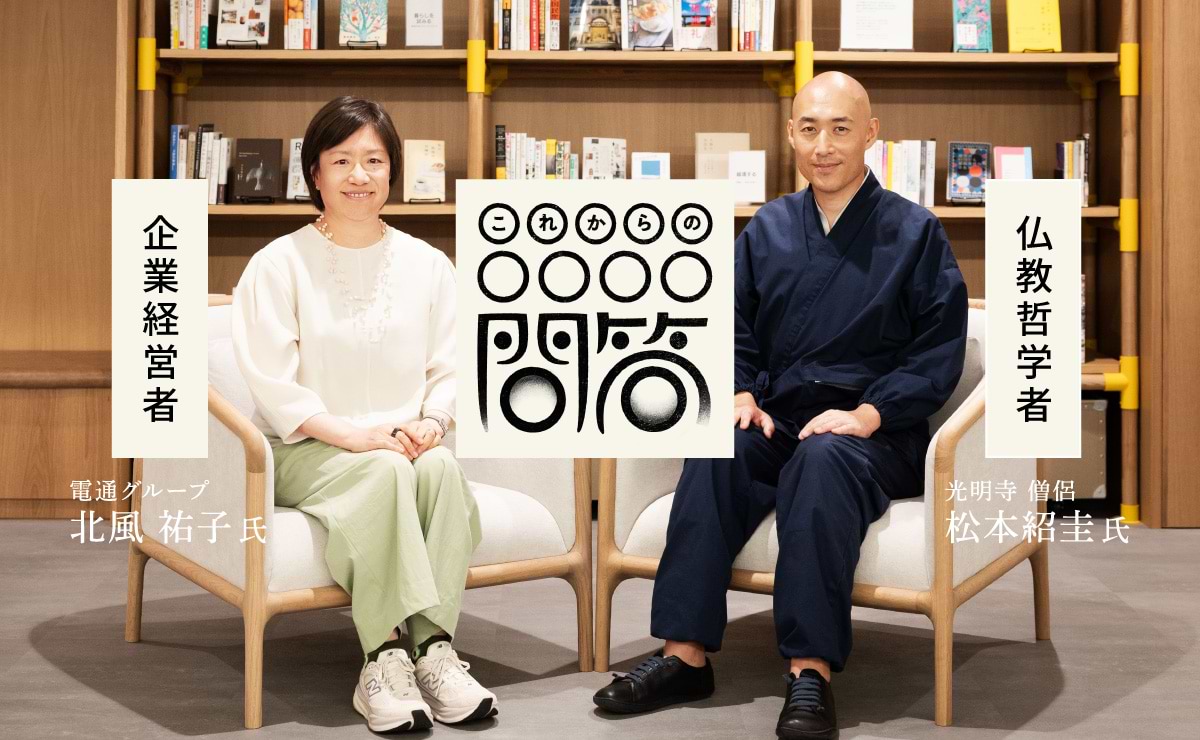
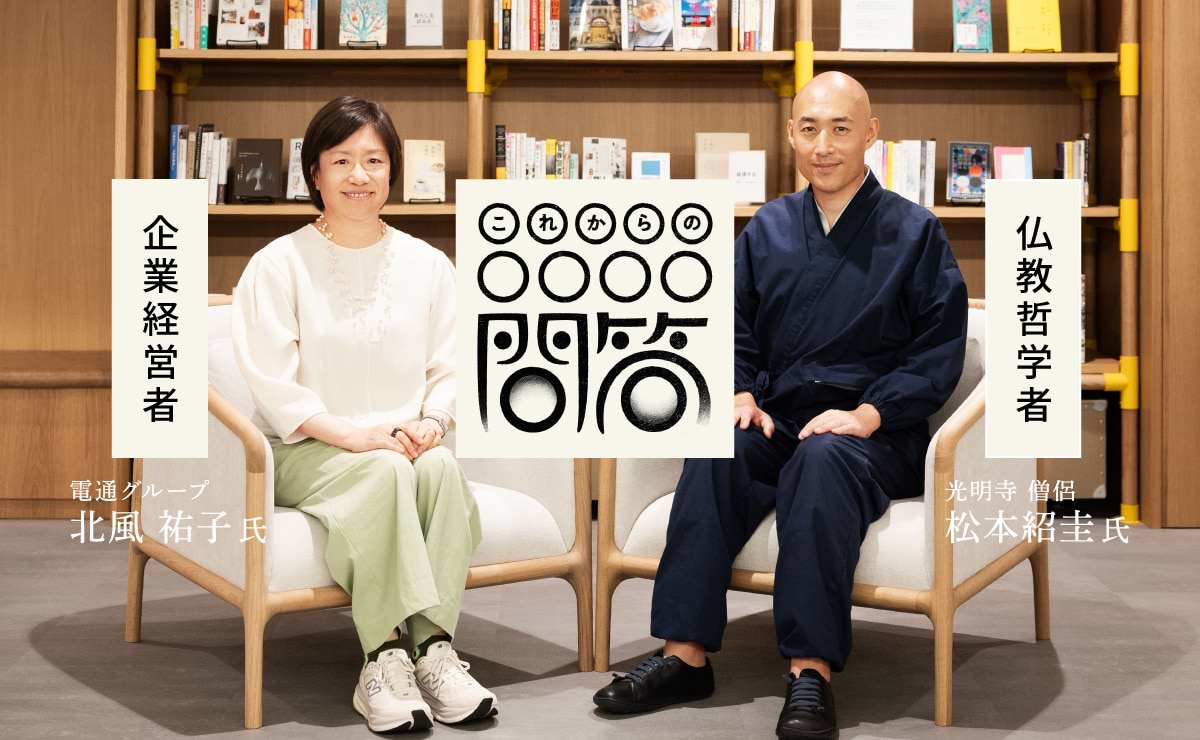
An experimental endeavor to explore the essence of the concerns faced by business professionals from the perspective of Shōkei Matsumoto, a Buddhist monk and philosopher. We welcomed Yuko Kitakaze of Dentsu Group GCSO as our guest and held a dialogue on the theme of “Management Decisions and Buddhist Memorial Services, ” following our previous discussion on “Integrity.”
It is no exaggeration to say that corporate management is a continuous series of “decisions.” Ms. Kitakaze explains that making a decision means “deciding what not to do.” Management “decisions” and Buddhist “memorial services”—what insights into corporate growth emerge from their commonalities? In an era of increasing uncertainty, we present a dialogue where contemporary management challenges intersect with Buddhist thought.
Management Decision-Making Means Deciding What Not to Do
Ido: Let’s get right to it. Mr. Kitakaze, I imagine you’re in a position where you’re called upon to make management decisions on a daily basis. How do you define this act of “making a decision”?
Kitakaze: For me, decision-making is “deciding what not to do.” As a starting point, I do envision an ideal future or a “desired state,” but from there, I determine what not to do. If the purpose—why we’re doing something—is clear, the actions we should take naturally fall into place.
On the other hand, if I try to decide “what to do,” an endless list of things I want to do comes to mind. By clearly defining “what not to do” within that context , “what to do” naturally falls into place. That’s the mindset I’ve had for the past few years.
Ido: I see. So, a business decision is about deciding “what not to do.” How does that way of thinking connect to “memorial services”? Mr. Matsumoto, what is the significance of memorial services in Buddhism?
Matsumoto: The roots of “kuyō” lie in India. When I was studying at a business school in India, there was a space for “kuyō” in my private dorm room, and we would perform “puja”—that is, “kuyō”—for the Hindu deities. We made offerings, offered prayers, and focused our minds. That time and those rituals constitute “kuyō.”
On the other hand, as the term “ancestral memorial services” suggests, Japan has a culture of honoring ancestors. Visiting graves is one example of this.
Ido: That’s true—when I think of “worship,” I tend to picture graves.
Matsumoto: It’s not just that, though. For example, there’s a uniquely Japanese culture called “doll memorial services.” When parting with a stuffed animal you’ve cherished for a long time, you clasp your hands together at a temple and say, “Thank you for everything.” You give thanks for the bond with a cherished person or object, pause for a moment, and renew that connection. I believe that opportunity itself is what “memorial service” is all about.
Gratitude, not criticism, becomes the energy to move forward
Kitakaze: The phrase “reconnecting” really stands out. It’s a moment of change, and it also carries the meaning of saying goodbye, doesn’t it?
Matsumoto: Exactly. Even a management decision to “decide what not to do” is an act of drawing a line under something. I think the concept of a memorial service is relevant here.
Kitakaze: It’s true that companies don’t often have the sense of saying “thank you” when parting ways. It tends to boil down to just the decision to “stop.” So, it’s about moving on to the next phase while paying respect to the history and significance of that business.
Matsumoto: It’s very difficult to find a concept overseas that closely resembles the Japanese idea of “kuyō,” but if I had to name one, it might be “critique.” However, since it involves criticism or evaluation, it’s similar yet different. I feel there’s a strong cultural tendency to create something new by criticizing the past—saying, “What we’ve done so far was wrong”—rather than saying, “Thank you, good work. Let’s build a different relationship.”
For example, when there’s a change in management, there’s a tendency to say, “The previous management was no good,” and try to move forward by scrapping everything that came before. However, that can cause hurt feelings and may even act as a brake on change.
Instead, we should express gratitude by saying, “This business has supported the company for 30 years.” And if it has fulfilled its purpose due to changing times, rather than discarding it as “outdated,” we should acknowledge it with a sincere “thank you” and bring it to a close while showing gratitude and respect to everyone involved. I use the term “memorial service” because I believe companies, too, can adopt this approach to bringing things to a close.
Ido: Based on that perspective, is it possible for a company to make management decisions rooted in gratitude?
Kitakaze: I think it’s entirely possible. In the workplace, we inevitably tend to adopt a “problem-focused perspective.” Rather than stopping at identifying or negating past issues , adopting a “gratitude-focused perspective” allows us to see “what went well.” If we rely solely on the mindset of “let’s try something new,” we tend to discard even the good things along with the bad, forcing us to start from scratch again. That cycle is by no means sustainable.
Behind the word “gratitude” lies the process of reflecting on “what went well.” That reflection provides clues for the next phase. I felt that if we judge things solely based on a black-and-white dichotomy, we run the risk of overlooking what’s truly important.
A Perspective on “Karma” That Embraces the Flow and Transforms It into Strength for the Future
Matsumoto: To briefly recap the concept of “karma” we discussed last time, both individuals and organizations have a current—akin to a “habit”—that has accumulated over many years. In a 100-year-old company, 100 years’ worth of culture exists as naturally as the air we breathe. We cannot simply pretend it never existed.
We talk about “transformation,” but there’s no such thing as a solution that changes everything in an instant. Since it’s part of the natural order of things, the idea of a complete overhaul is practically magical. First, we must accept and acknowledge that flow. Then, rather than clashing with it or denying it, we must embrace it —much like in Aikido—and transform it into energy for the next step. I believe that is the essence of “commemoration.”
Ido: So you’re saying it’s not something that can be drastically changed overnight.
Matsumoto: I think so. You might think it’s such a time-consuming process that it feels overwhelming, but it might not actually be that bad. If the entire organization can truly internalize the idea that “this culture is something we’ve all built together, so it won’t change easily—each person just has to gradually adjust their habits a little at a time,” I think the change will actually happen rather quickly.
At that point, rather than destroying the past, we accept it by saying, “Thank you for everything up until now.” Then, while preserving the good aspects, we renew our relationships with gratitude and move forward in a new direction. If we can take that first step while respecting the feelings of those who were attached to the past, I think we’ll be able to move forward surprisingly smoothly.
Kitakaze: Is there such a concept as “commemoration” for individuals as well?
Matsumoto: Yes, there is. Even with ideas you’ve cherished for many years, there comes a time when you think, “It’s time to say goodbye.” When you can honor them at that moment, “white space” is created within you.
That space is precisely the source of new creativity. When you’re filled to 100 percent, you can’t transcend yourself. I believe that by honoring something, your karma becomes a little lighter, creating room for new ideas and encounters with others.
“White Space” Sparks Innovation
Matsumoto: This is slightly different from improvement through the PDCA cycle. PDCA is a system for refining existing patterns, but it’s difficult for fresh ideas to enter from outside that framework.
In business decision-making, while it’s important to choose the best option from among the available alternatives, I believe it’s even more important to choose something that isn’t among those options—or to make the decision to “deliberately not choose” one of them. An example I often cite is *Spirited Away*. At the end, Chihiro is told to find her parents inside the pigs, but she replies, “They’re not in here.” It is by questioning the very nature of the options presented to her that the spell is broken.
The moment you’re presented with options, you’re already trapped within a framework. No matter how much you cycle through the PDCA process within that framework, true innovation won’t happen. You need to draw a line and create “empty space.” I believe that’s where the unexpected can enter.
Ido: I think there were some major insights in what you said about memorial services and choices. Mr. Kitakaze, what do you think will be most important for companies going forward?
Kitakaze: This ties into the concept of “white space, ” but I think “the knowledge of one’s own ignorance” will become crucial. If you’re in a state where you “know everything,” nothing new can enter. By acknowledging imperfection, you create that “white space,” and I believe that’s where original options emerge.
If you keep striving for 100%, you lose your leeway and end up putting on a facade. For example, with menopausal symptoms, people often say, “70% is good enough.” In business management, saying “70%” might be seen as unacceptable, but it also means being able to let go of the need for 100%.
Listening to today’s talk, I felt that by finding the courage to do this, I might encounter options I could never have imagined on my own.
Leaders Don’t Have to Aim for “100%”
Matsumoto: In Zen, there is a term called “hakujō” (80–90 percent). It’s a philosophy of aiming for 80 to 90 percent, but the important point is that it isn’t 100 percent. That’s because 100 percent is an illusion. Originally, in the West, perfection was the domain of God. But at some point—perhaps since Nietzsche declared “God is dead”— I sense a dynamic in which humanity has been placed in that seat of perfection. As a result, it seems we’ve taken on the burden of responsibility that we “must completely control the world.” This applies to corporate management as well.
Leaders, in particular, tend to think, “I must come up with the answer,” “I must be right,” and “I must be in control”—but that is inherently impossible. That is precisely why we must acknowledge that “there are things we don’t know,” “we make mistakes,” and “there are things we cannot control,” and step down from that throne. Then , we move forward by joining forces with everyone. Isn’t that flexible attitude and behavior exactly what leadership will require in the future?
Ido: So you’re saying the very image of a leader is changing.
Matsumoto: However, it’s also not right for showing vulnerability to become an end in itself, turning into yet another “must-do” game of perfection. We need to be careful to maintain that balance.
Ido: Thank you. Finally, could each of you share a closing thought?
Matsumoto: Once again, Mr. Kitakaze has brought a refreshing breeze to our discussion. I’m looking forward to seeing how this dialogue continues to unfold.
Kitakaze: Thank you very much. The word “commemoration” has left a strong impression on me. I’d like to apply this way of thinking as I take on new projects.
At a time when the future is becoming increasingly uncertain, Japanese companies are being called upon not only to seek new answers but also to reexamine the values and culture they have cultivated.
Business management and Buddhist thought may seem distant at first glance, but when we overlay concepts such as “karma” and “kuyō,” a new perspective on organizations and leadership emerges.
Reinterpreting the ideas and wisdom rooted in Japan within the context of modern management may well provide clues for the future.
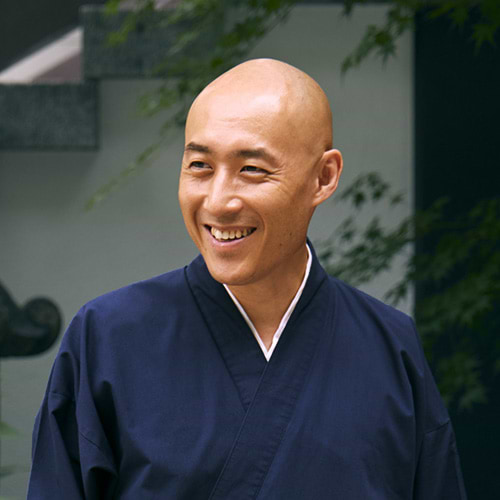
Member of the World Economic Forum’s Global Future Council on Responsible Leadership. Starting in 2025, he will serve as Mercator Visiting Professor at the University of Bonn in Germany. Drawing on ancient wisdom, he addresses contemporary issues such as ecology, AI, and responsibility toward future generations.His book *A Monk’s Guide to Cleaning: A Path to Mental Clarity* has been translated into 20 languages and became a global bestseller. He is also the translator of Roman Kurznarich’s *Good Ancestors: Can We Become “Good Ancestors”?*
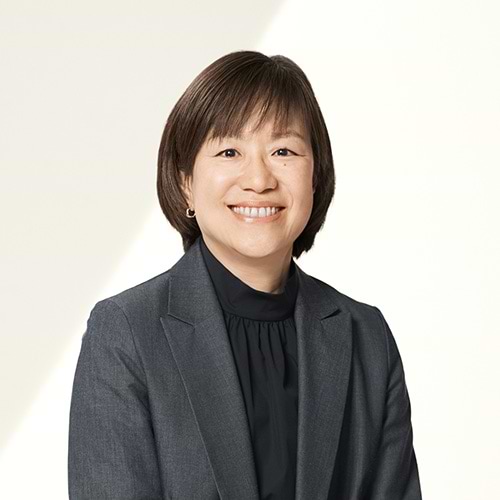
Yuko Kitakaze
Dentsu Group Inc.
グローバル・チーフ・サステナビリティ・オフィサー 兼 電通 取締役
After graduating from the Department of Social Psychology at the University of Tokyo’s Faculty of Letters, she joined Dentsu Inc. She has led projects from planning to implementation in the fields of marketing and product and service development. She founded the company’s first lab, “Mama Lab.” After serving as Director of the Creative Planning Division 4, Executive Officer of Dentsu Japan Network, and the company’s first Chief Diversity Officer, she currently drives sustainability strategies as the person responsible for enhancing non-financial value.Recipient of the WBCSD 2025 Leading Women Awards; juror for the SDGs category at the 2024 Cannes Lions; official columnist for Forbes JAPAN; and Pink Ribbon Advisor. A forward-thinking leader.
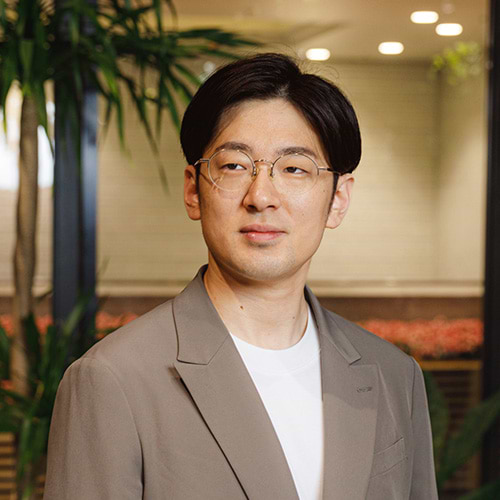
After graduating from Nihon University’s College of Art, I worked as a production coordinator for video content at a TV commercial production company. Subsequently, at an audio streaming startup, I gained experience in a wide range of roles—including sales, planning, and community management—that are characteristic of a startup environment.
After being involved in every stage of content creation—from “creating” to “delivering” to “nurturing”—I joined NewsPicks Studios. Currently, with a focus on sponsored content proposals, I am responsible for the entire process, from strategic planning to the curation of program guests and performers.
Leveraging a perspective gained from working across production, business, and community operations, she specializes in planning based on user data and designing content that directly addresses clients’ business challenges.
Also read
Incorporating the Concept of “Memorial Services” into Management Decisions: How We Bring Things to a Close Shapes a Company’s Future

 Buddhist Philosopher × Business Executive: “A Dialogue on the Future of ◯◯◯◯” [2/2]