As social issues grow increasingly complex, expectations for deep tech as a solution are rising. However, outstanding research findings and technologies do not automatically translate into the power to drive societal change. Numerous elements are essential, including long-term funding, managerial talent to drive business initiatives, partnerships with large corporations, systems to support real-world implementation, and effective communication to convey that value to society.
In Japan, too, initiatives to support startups and foster collaboration between companies are expanding. On the other hand, there are still not enough opportunities for researchers, entrepreneurs, corporations, investors, and government officials to exchange candid views and visions for the future across their respective roles, leading to sustained co-creation. That is why the “TECHNIUM Global Conference” (hereinafter “TECHNIUM”) was created as a forum where people seriously committed to deep tech can bring their respective visions of the future together and engage in dialogue.
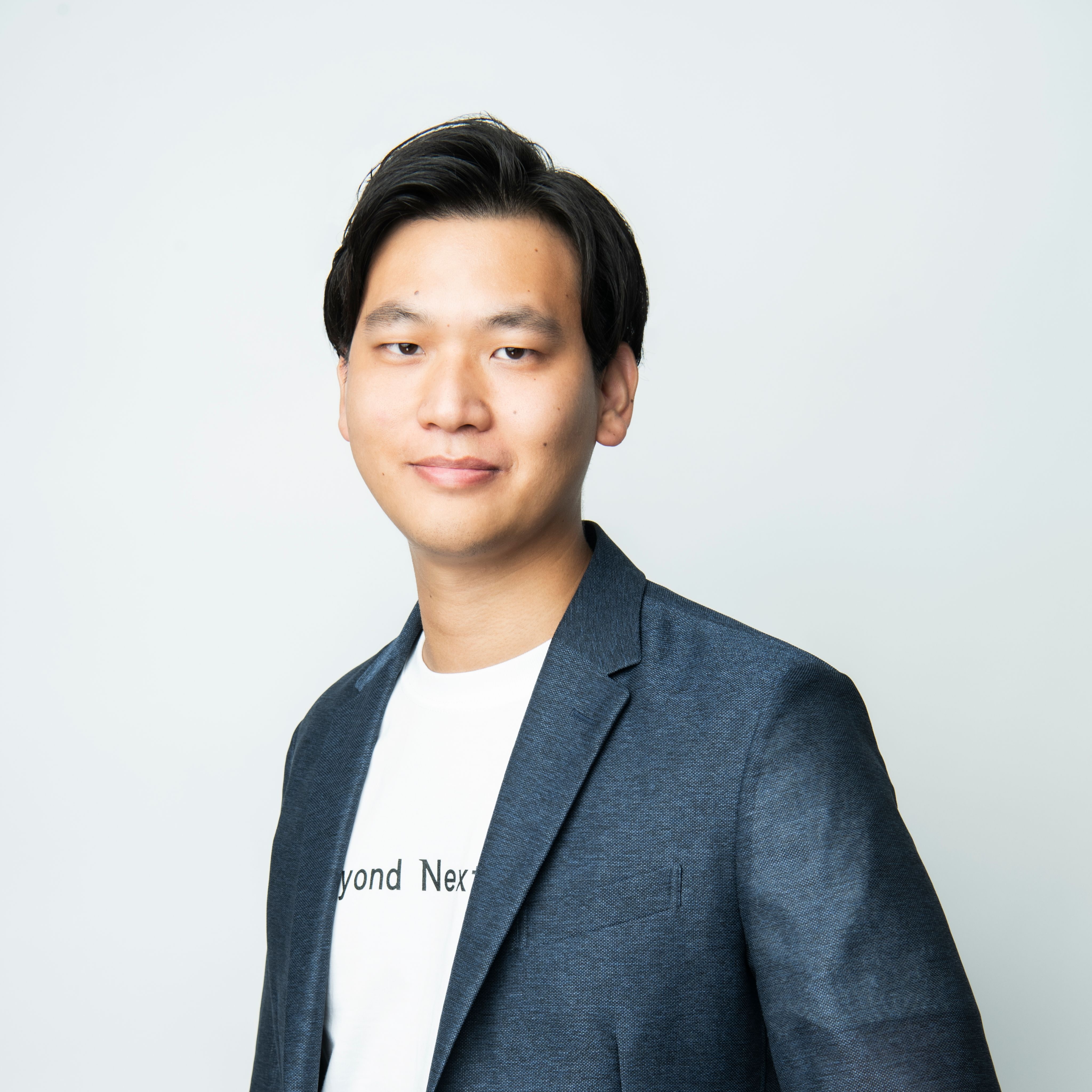
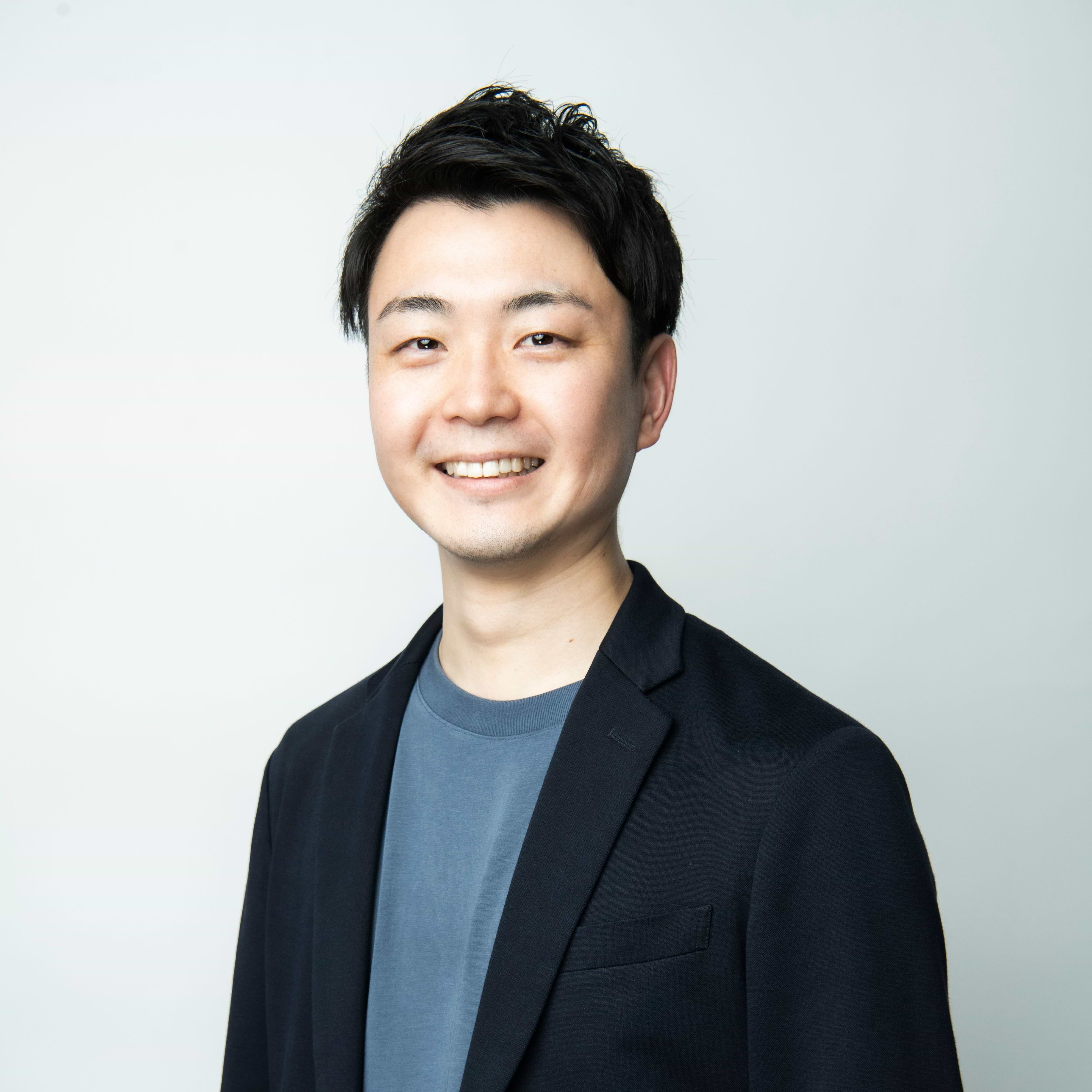
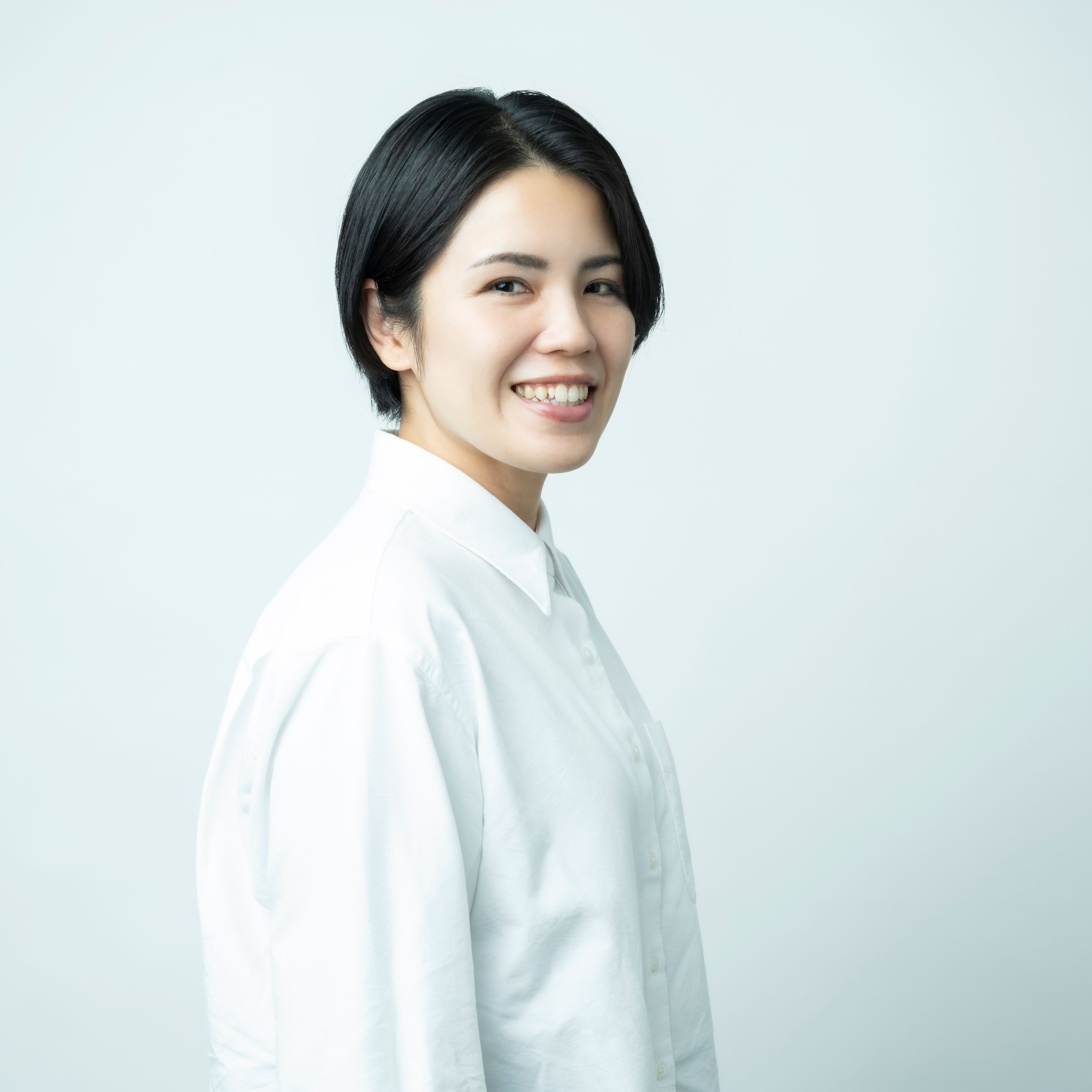
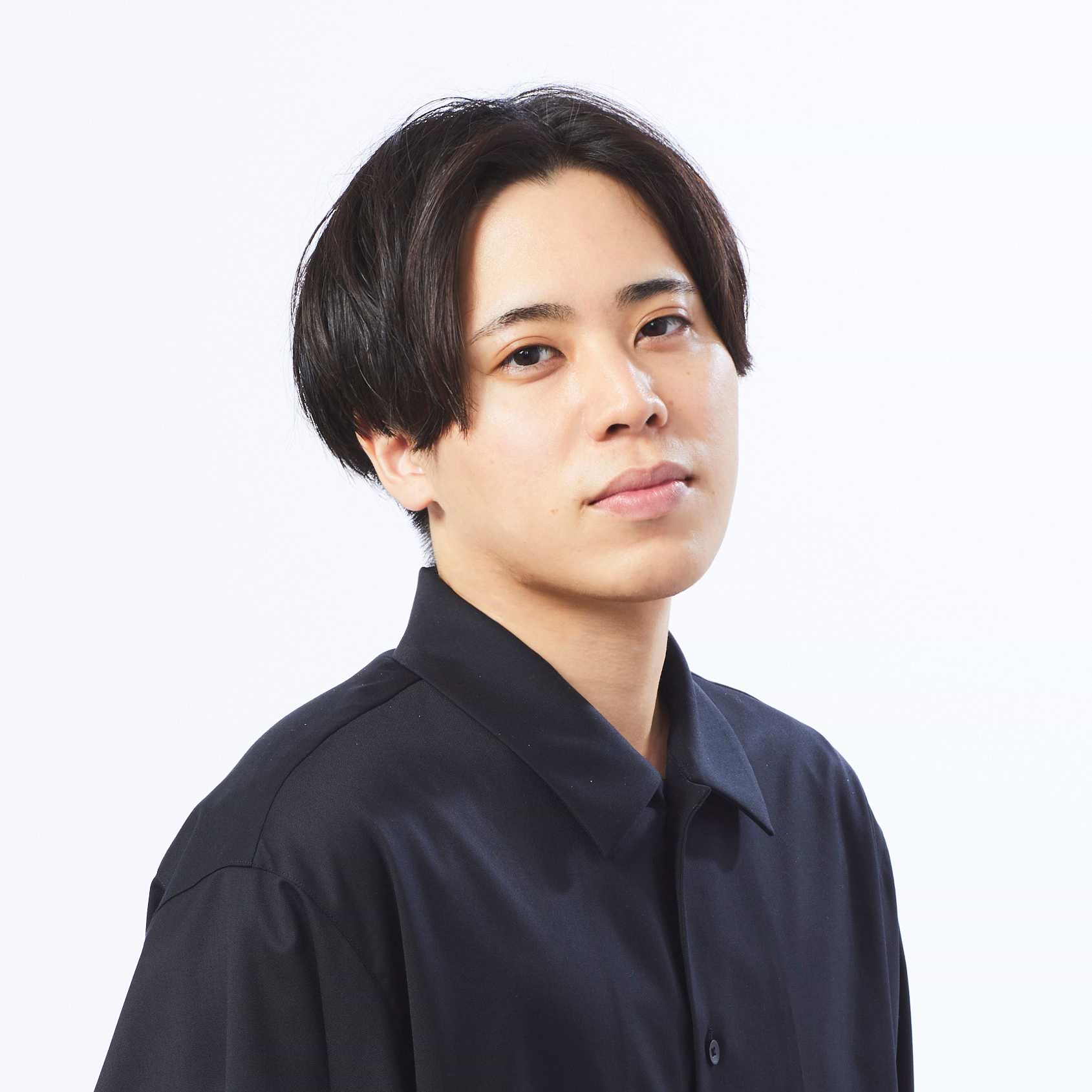
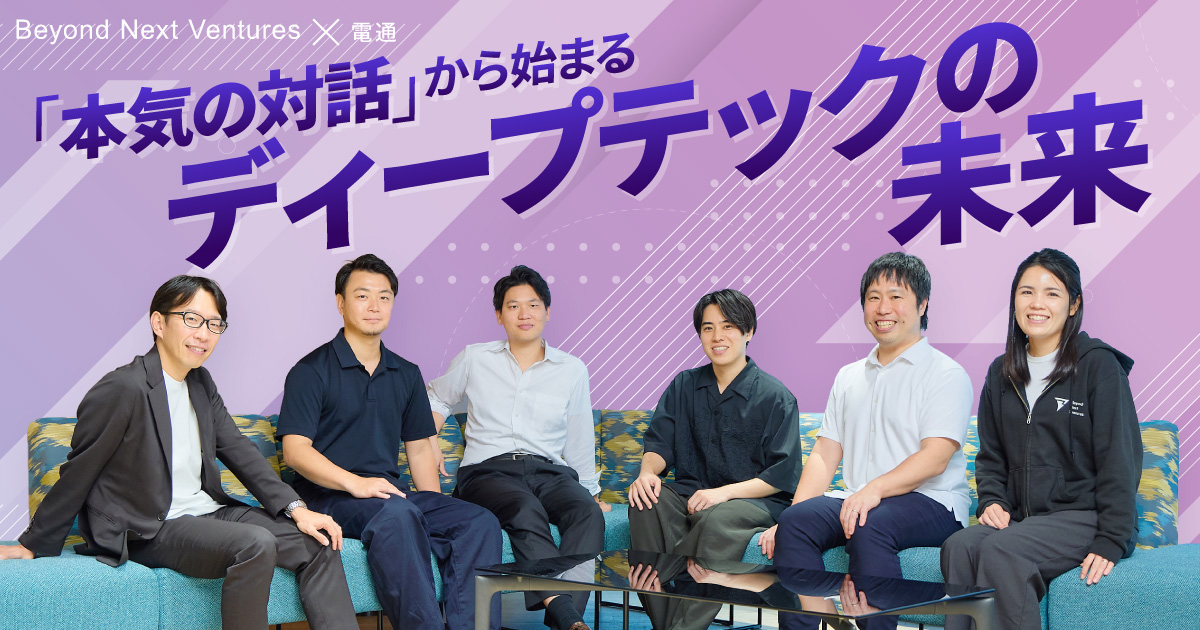
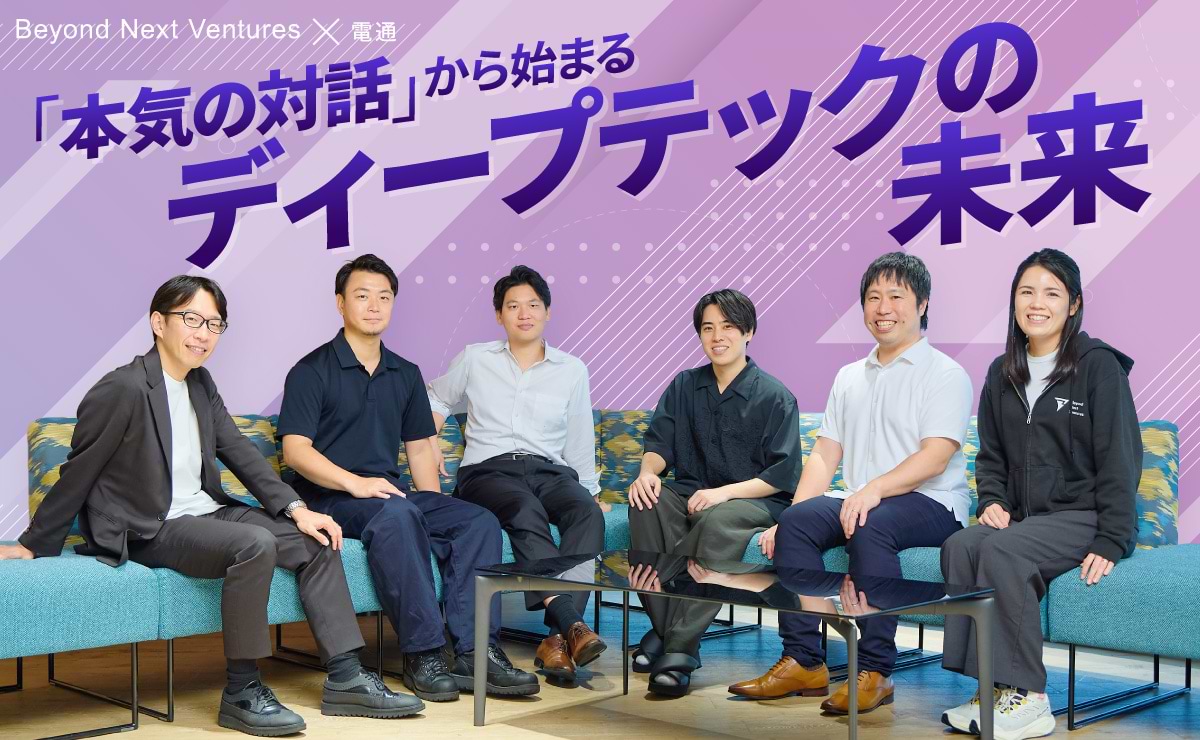
Research, business, capital, policy, and creativity. What is the goal of this gathering of professionals from diverse fields? Akiyoshi Arima, Keigo Yato, and Tomohiro Yamamoto of Beyond Next Ventures, along with Ryo Sasaki, Tomohiro Katayama, and Yoshiaki Takai of Dentsu Inc. Future Creative Center—which promotes TECHNIUM in partnership with Beyond Next Ventures—discussed its philosophy and vision.
It’s not enough to simply “create” startups. The 10 Years Leading Up to the Birth of TECHNIUM
—First, could you tell us how TECHNIUM—which has set the ambitious goal of building a deep tech ecosystem—came to be?
Arima: Beyond Next Ventures is an independent venture capital firm specializing in the deep tech sector. In addition to investing in startups, our activities span a wide range—including matching startups with management talent, supporting the commercialization of technological seeds, and facilitating open innovation. However, our consistent goal has been to build a system where research outcomes are implemented in society, and the funds, insights, and human connections generated from that process are reinvested into the next set of challenges.
TECHNIUM, jointly organized by Beyond Next Ventures, Dentsu Inc., CoA Nexus, and Corandom, aims to be a forum for dialogue where researchers, entrepreneurs, large corporations, investors, and others come together across organizational boundaries—not only to discuss immediate challenges but also to jointly envision the future that lies beyond them.Driven by a shared desire to enrich the deep tech ecosystem, these four companies are pooling their respective expertise and networks and combining their diverse perspectives to create a conference that fosters new encounters and dialogues unlike anything seen before in Japan.
It took about a decade to arrive at this vision. Beyond Next Ventures was founded in 2014 and has consistently provided investment and commercialization support specialized in the deep tech sector. At that time, we were in the very “zero-to-one” phase of figuring out how to create university-spun-off startups. Despite the existence of outstanding research成果 from universities and research institutions, there was an overwhelming shortage of management talent capable of turning those成果 into businesses that could benefit society.
Therefore, in 2015, we launched “BRAVE,” an acceleration program designed to support teams aiming to commercialize research outcomes.By connecting researchers with potential business leaders, we spent approximately three months helping them formulate business plans, build teams, and establish connections with investors and corporate partners. A total of 180 teams have participated, we’ve matched over 600 potential business leaders, and approximately 60 companies have been founded. We take pride in the fact that we have played a significant role in supporting the creation of deep tech startups.
However, over the course of more than five years of operation, the landscape has changed significantly. Around 2020, the government’s startup support initiatives gained full momentum, and acceleration programs similar to the one we launched began to emerge all across Japan.
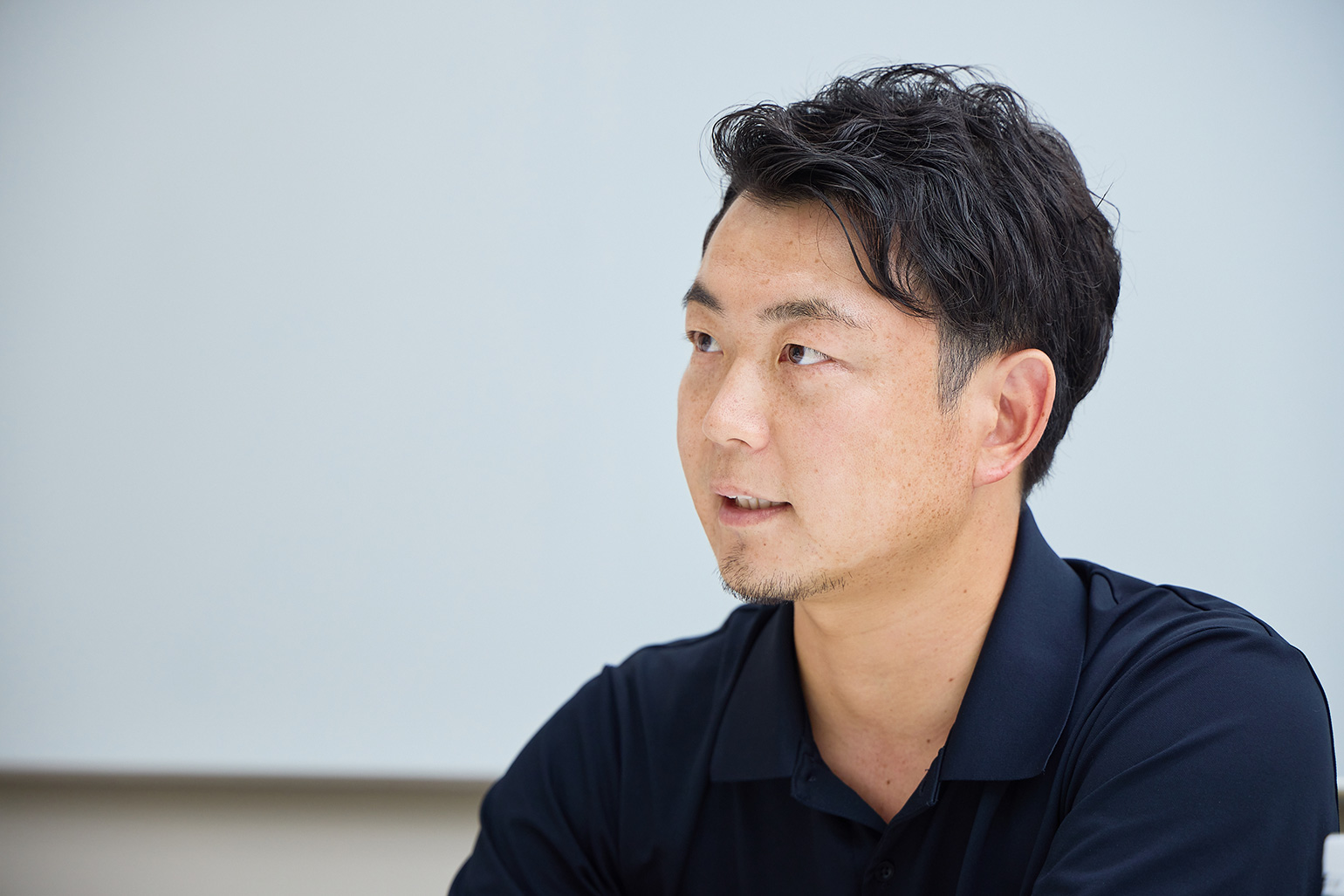
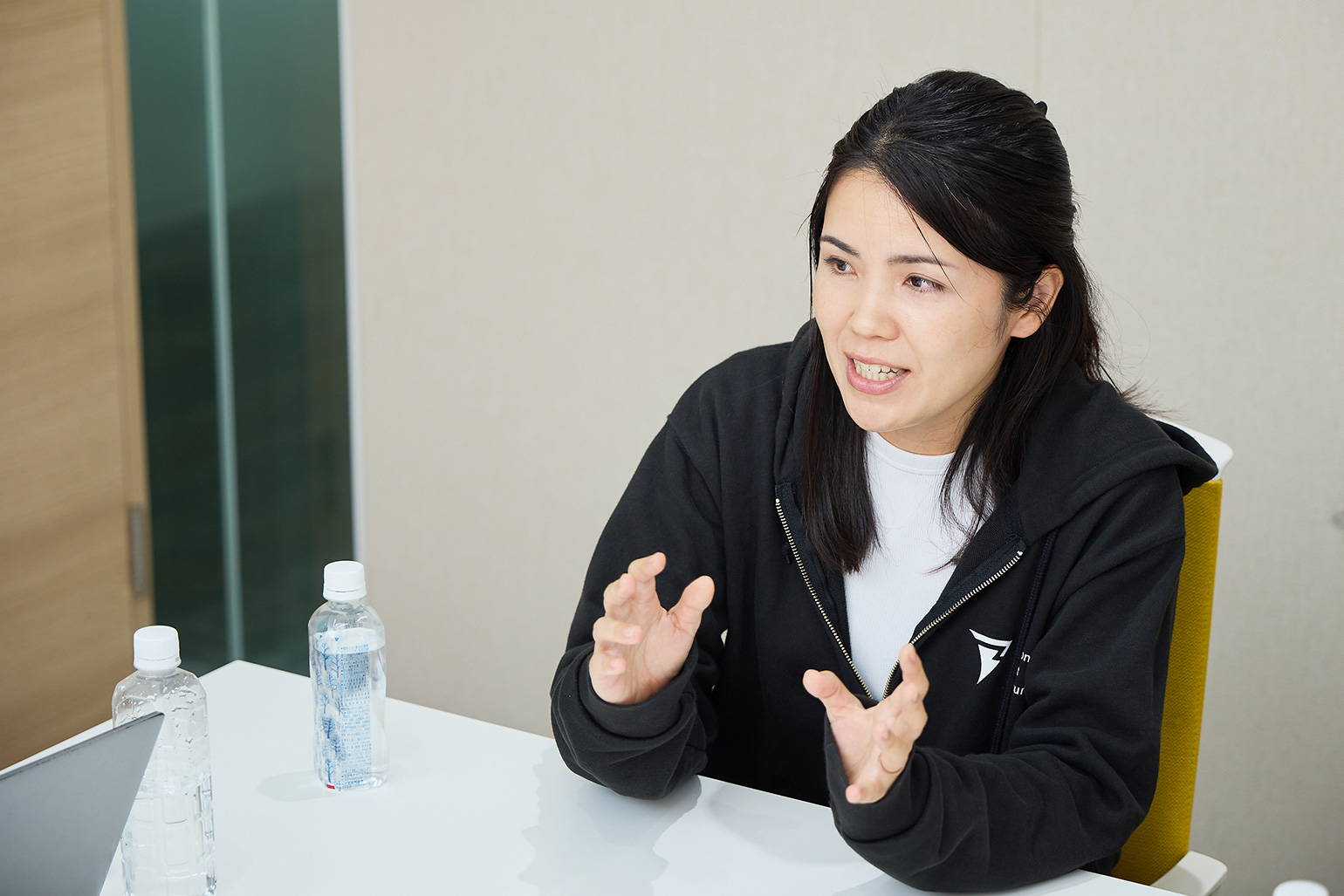
Akiyoshi Arima, Beyond Next Ventures
—So the support mechanisms for fostering startups spread across the country, didn’t they?
Arima: Yes. When that happened, we considered what we should do next. We realized that simply fostering startups within the limited framework of individual programs wouldn’t be enough to build an ecosystem for the entire industry. Rather, we felt that a new challenge had emerged: the startups emerging in various regions, along with the players supporting them—such as universities, corporations, and investors—were operating in isolation.
So, we concluded that we had reached a phase where we needed to shift our role to that of a “hub” connecting the entire industry. Bringing together players who are seriously committed to deep tech in one place to create a major wave of momentum—that was the starting point for the “TECHNIUM” concept.
People, time, funding, and collaboration: The four barriers that have become apparent over the past 10 years
—When viewed from the perspective of the industry’s overall ecosystem, what specific challenges have emerged?
Arima: Over the past decade, as we’ve been deeply involved in the deep tech field, four major barriers have become apparent. The first is the “shortage of talent capable of leading businesses,” as I mentioned earlier. The second is that the process from commercialization to societal implementation “takes longer than anticipated.” The third is that research and development “requires substantial funding.” And the fourth is that “open innovation with corporate partners is not progressing as smoothly as we’d like.”
In particular, there is a serious communication gap between people in different roles—such as researchers, startups, established companies, investors, and government officials. Because their objectives, timeframes, and cultures differ, it’s difficult to foster substantive dialogue.
Yato: It’s not uncommon for meetings between representatives of established companies and startups to remain superficial. The real concerns—the deeper challenges and honest opinions—rarely surface during formal meetings. Yet, the seeds of innovation are surely buried within those raw, real-world challenges.
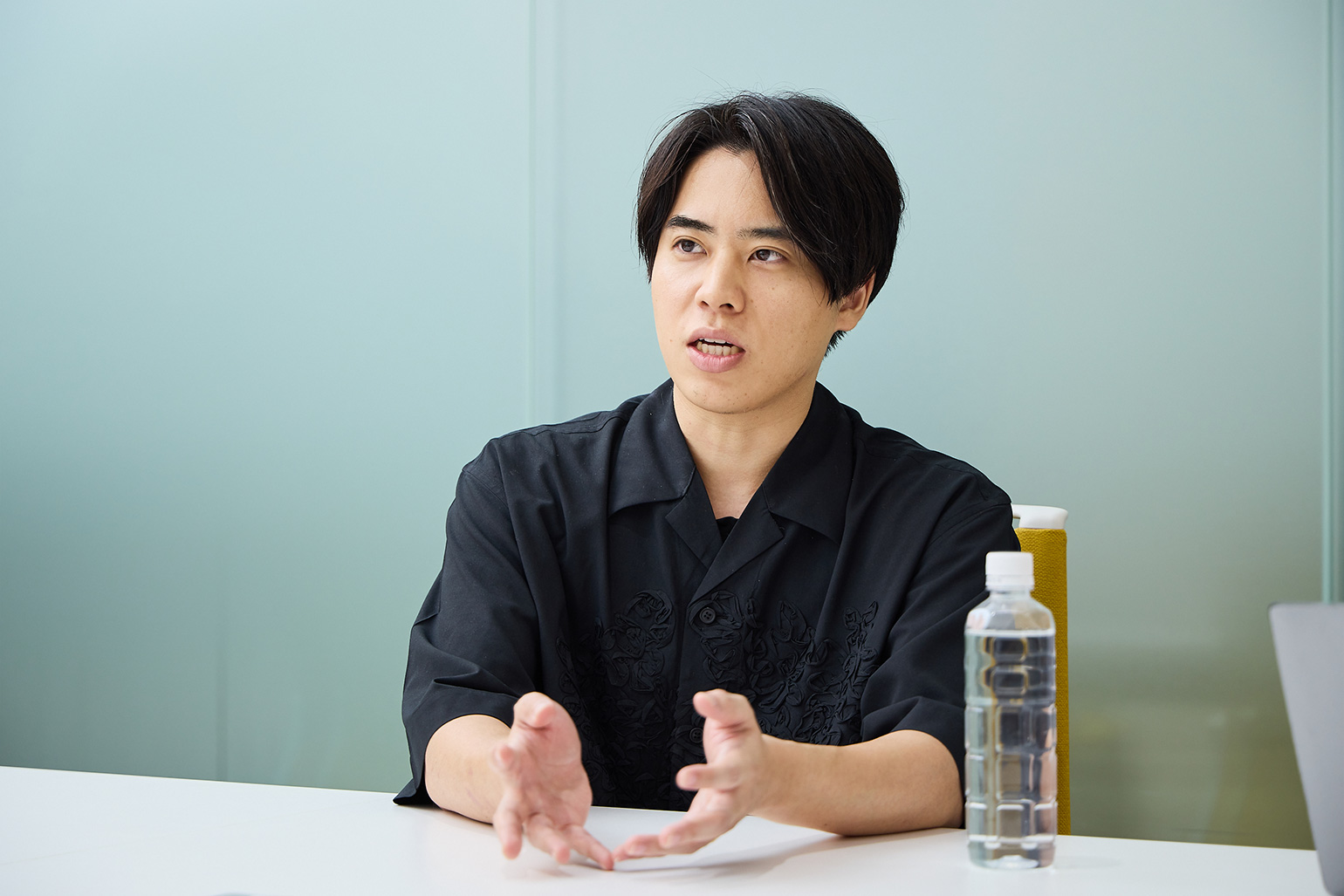
Keigo Yato, Beyond Next Ventures
Arima: We at TECHNIUM aspire to be a space that fosters encounters and dialogues that are difficult to create within existing frameworks.
Something like this happened to me once. In my previous job at a feed company, handling livestock manure was a routine part of the job—I’d never even considered it a problem. But one day, at an event, I met a startup with a technology that “raises insects using that manure as feed, and then converts those insects back into feed.” In that moment, I realized that what I’d taken for granted was actually a problem to be solved—and a new business opportunity.
TECHNIUM can serve not only as a place to connect known challenges with existing technologies but also as a space to discover challenges that no one has yet recognized as such. To achieve this, unexpected encounters with technologies and perspectives from different fields are essential.
From a company where “technology” is the subject to one where “the future” is the subject
—Isn’t communication strategy also a key consideration for the growth of deep-tech companies?
Yato: Yes. Japanese deep-tech companies are extremely skilled at explaining just how superior or innovative their technologies are. However, to truly increase corporate value, they need the ability to articulate not the technology itself, but “what kind of future can be realized” by implementing that technology in society.
I believe the process of first defining the very essence of our company’s value—before even creating pitch decks or press releases—is extremely important. Who are we? Where do our strengths lie? In which areas can we succeed? If that definition remains vague, we cannot engage a broad audience.
Arima: This “definition of value” becomes even more critical in the deep tech sector, where there are no precedents or comparable companies. Overseas, there are many companies that excel at articulating the future potential of their businesses and translating that into corporate value. When market capitalization rises, a virtuous cycle is created: companies can raise more capital and reinvest it in R&D and business growth.
On the other hand, Japanese companies still lack the ability to articulate the value of their technology and shape expectations commensurate with its excellence. There are cases where technological prowess does not directly translate into market expectations or valuation, which I find to be a tremendous waste.
Turning a Future That Does Not Yet Exist Into a Common Language
—From Dentsu Inc.’s perspective, what role do you think creativity and communication can play in discussing the future of deep tech?
Sasaki: What makes deep tech communication so fascinating is that, in many cases, the customers and markets that will emerge after societal implementation are still merely hypotheses. By articulating and visualizing value that does not yet exist, we generate anticipation for that potential and attract talent, funding, and business partners. This is the role that deep tech communication is called upon to fulfill.
Ryo Sasaki, Dentsu Inc.
Katayama: Furthermore, the societal implementation of deep tech is extremely complex. The growth process of a startup requires multiple forms of communication—such as fundraising, PR, marketing, and investor relations—but within companies, the departments responsible for these are often siloed. In addition, specialized knowledge regarding legal regulations, evidence-based requirements, and media regulations is indispensable. It is crucial to play a role that connects different experts and departments while maintaining a bird’s-eye view of the entire business growth process, thereby designing consistent communication strategies.
Tomohiro Katayama, Dentsu Inc.
Sasaki: Furthermore, different stakeholders—such as researchers, venture capitalists, corporations, and government agencies—each have their own specialized terminology and evaluation criteria. If we try to engage in dialogue based solely on the technical details, it creates the kind of communication gap that Mr. Arima mentioned earlier.
On the other hand, if the question is, “What kind of future do we want to realize with this technology?” then everyone—regardless of their position—can engage in the conversation as a stakeholder. It can serve as a common language that bridges the different areas of expertise represented by researchers, VCs, corporations, and government agencies. Perhaps our role lies in envisioning such a future and sparking dialogue among people with different perspectives.
Clash Different Visions of the Future to Align Our Direction
—Could you tell us again what you hope to achieve through TECHNIUM?
Arima: “Bringing together the futures that each of us sincerely envisions.” I hope TECHNIUM will become a place for that.
Even when looking at the same technology, the future envisioned by researchers, investors, corporations, and creators is sure to differ. There’s no need to forcefully merge those differences into a single vision. Rather, we should bring our respective visions of the future together and engage in a genuine exchange of ideas. I believe it is precisely this “creative clash” that gives rise to new possibilities we could never have imagined on our own.
Sasaki: In general organizational theory, emphasis is placed on sharing a common vision and moving in the same direction. On the other hand, when it comes to implementing deep tech in society, I believe that encounters with “differences” can actually be a major source of strength. TECHNIUM’s concept—“When differences meet, they become a source of strength”—perfectly captures this philosophy.
It’s not just about getting along; it’s about building relationships where we can candidly discuss challenges and the future from our respective perspectives. I believe that such “sincere dialogue” is the true driving force behind innovation.
Arima: That’s precisely why TECHNIUM aims to be more than just a one-time conference—we want to be a hub for building lasting relationships. When people think, “I should reach out to that person I spoke with at last year’s TECHNIUM,” those genuine, human connections will strengthen the entire ecosystem.
Not Just a Chance Exchange of Business Cards: The “Encounters” Designed by TECHNIUM
—What specific measures does TECHNIUM take to foster that “genuine dialogue”?
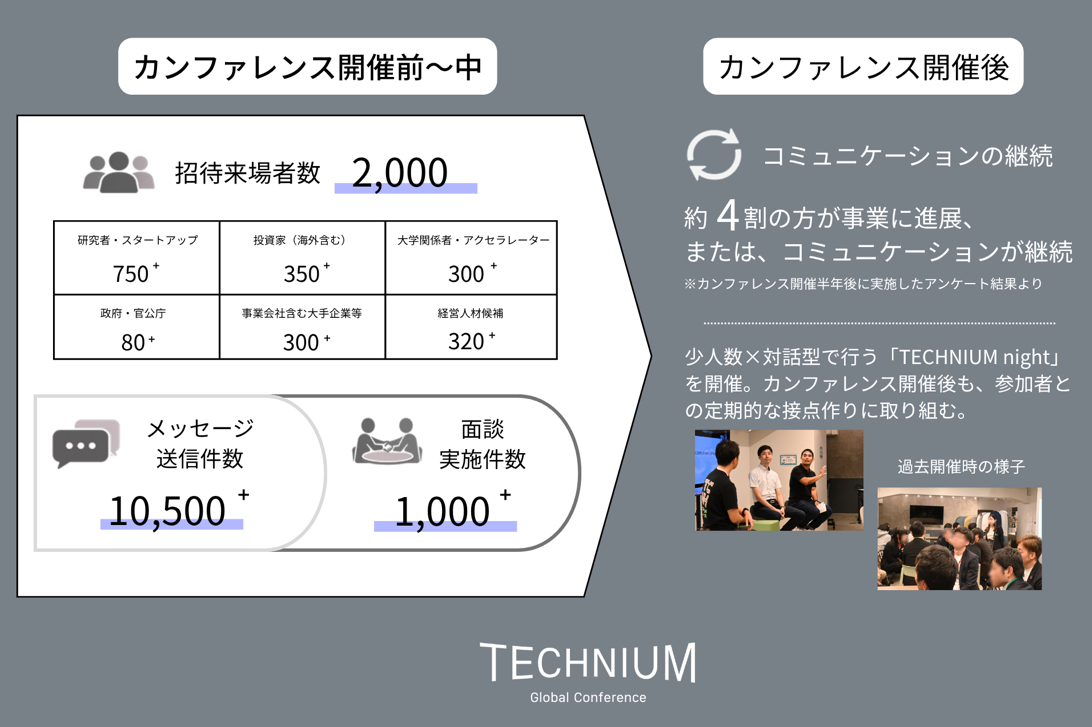
Arima: First and foremost, TECHNIUM operates on a strictly invitation-only basis. By bringing together individuals with a high level of literacy and passion for deep tech, we ensure the quality of the discussions. At the 2025 event, over 1,000 one-on-one meetings took place among approximately 2,000 participants. In 2026, we aim to increase that number even further and make this conference one of the world’s leading events for high-density dialogue.
TECHNIUM Global Conference 2025 Results
Yato: We also place great importance on intentionally designing high-quality interactions rather than relying on chance encounters.For example, we carefully explain to participating researchers in advance how to use the tools and the purpose of the conference. We also prepare materials to deepen dialogue—such as reports outlining how the technology in question could shape the future, rather than simply providing technical presentations. Another key practical point is that, rather than randomly pairing people from different fields, we design interactions between participants who, while possessing different areas of expertise, are expected to find common ground on specific challenges or themes.
Yamamoto: In addition to the main conference, we hold side events throughout the year organized by field under the title “TECHNIUM Night.” Through these ongoing touchpoints, we build relationships that extend beyond a single annual event. Here, too, by operating on an invitation-only basis, we bring together people who are genuinely passionate about their fields—the discussions are so lively that they often run over the scheduled time.
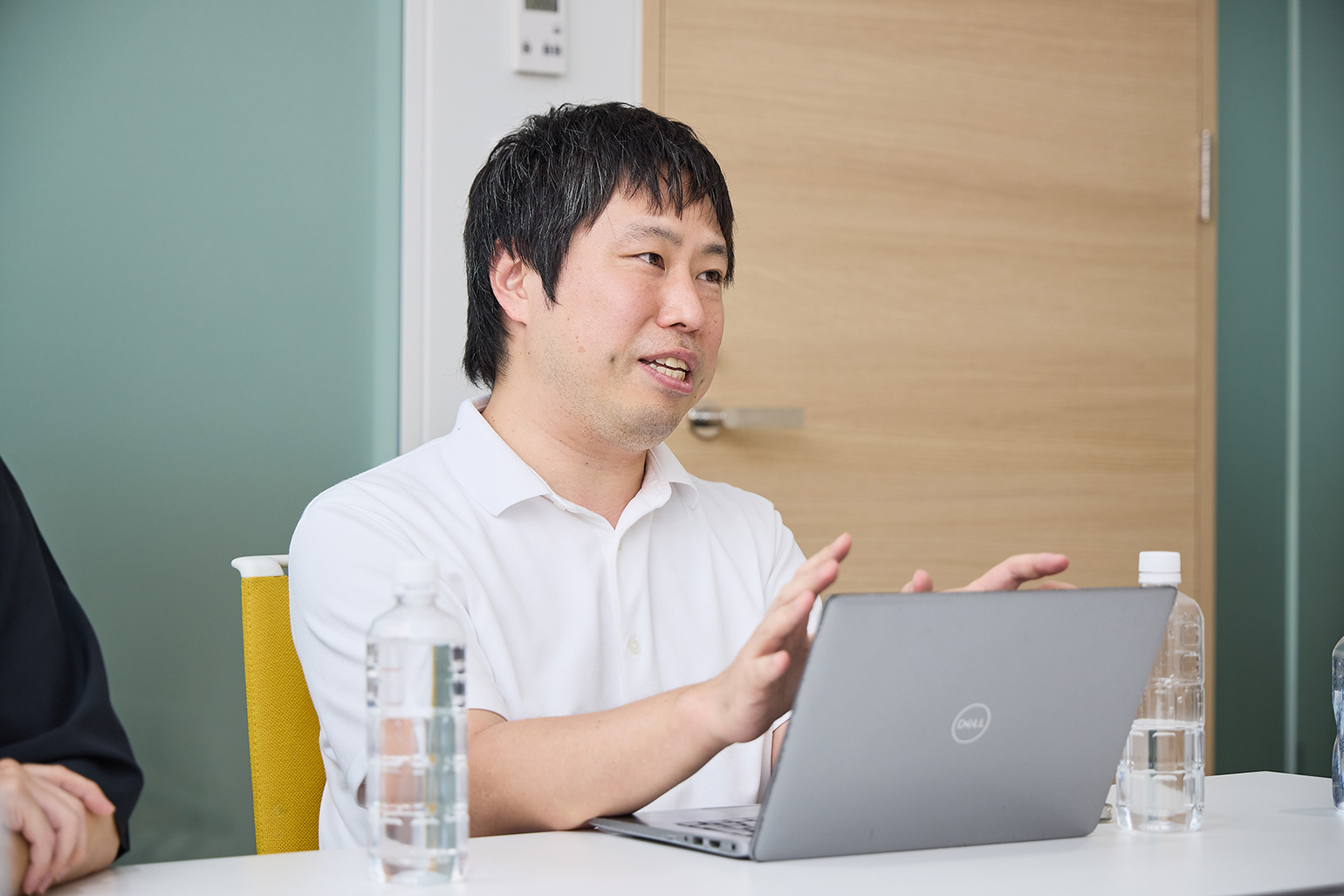
Tomohiro Yamamoto, Beyond Next Ventures
Katayama: I strongly feel that these close, one-on-one encounters have great potential to eventually evolve into large-scale co-creation involving multiple companies and organizations. Solving a single complex challenge requires collaboration among five, ten, or more players. It would be wonderful if TECHNIUM could serve as the initial hub for that.
A place where the future of deep tech converges—starting in Japan
—Finally, could you tell us about the future TECHNIUM aims to create?
Arima: TECHNIUM’s ultimate goal is not simply to make the event a success. It is to connect previously fragmented elements—such as research, business, capital, policy, and communication—and to nurture and enrich the very ecosystem surrounding deep tech.
And we have no intention of limiting this circle to Japan. We want people from all over the world who are seriously committed to deep tech to gather here and exchange their visions for the future. From these conversations, challenges that no one has yet recognized will be discovered, new businesses will be born, and the industries of the next era will be created. We want to make TECHNIUM a global platform that serves as the starting point for such a future.
Katayama: There are countless social challenges that can only be solved when individual companies and technologies collaborate—not just by shining on their own. I believe TECHNIUM can serve as a sort of “operating system for co-creation” to make this happen. We’ll share insights across different perspectives and go through a process of trial and error. I’d like to build this dynamic space together with all of our participants.
Yato: And we cannot accomplish this massive challenge on our own. We intend to build this ecosystem together with professionals from all fields who truly believe in the future of deep tech. If you resonate with our vision, please feel free to reach out to us.
The information published at this time is as follows.
He began his career at Marubeni, where he was involved in all aspects of the agribusiness sector—from production to sales—through the trading operations of the Grain Division.
He joined the company in 2019 and has been engaged in investing in and supporting the growth of startups in the agri-food tech sector. Additionally, through collaborations with the Ministry of Agriculture, Forestry and Fisheries (MAFF) and major corporations, he has spearheaded numerous industry-academia-government partnership projects, including a knowledge accumulation program, serving as chair of the “Food Tech Study Group / Genome Editing Working Group,” acting as project manager for the Comprehensive Startup Support Program (MAFF’s version of the SBIR program), and serving as representative director of the General Incorporated Association Next Prime Food.He also has a track record of investing in the bio-manufacturing and climate tech sectors. He was appointed Partner in 2022. Beginning in 2025, he concurrently served as General Manager of the Open Innovation Department and founded the deep tech conference “TECHNIUM Global Conference.” He graduated from the Department of Bioinformatics, Faculty of Science and Technology, Keio University.
Keigo Yato
Beyond Next Ventures, Inc.
Investment Division
Ph.D. / Principal
While a student, he conducted research on hepatitis vaccines and immune responses to viruses at the National Institute of Infectious Diseases. Recognizing the significant challenges in translating academic research into practical applications, he joined the company as a student intern in 2020 and subsequently joined as a capitalist in the bio and drug discovery sectors in April 2022. His goal is to improve Japan’s research environment and enrich the world through Japanese technology. He completed his doctoral program at the Graduate School of Advanced Engineering, Tokyo University of Science, and holds a Doctor of Engineering degree.
Tomohiro Yamamoto
Beyond Next Ventures, Inc.
Funds and Corporate Division
Media & Communications
After gaining sales experience at a staffing agency, she worked at a consulting firm where she was responsible for human resources, recruitment, and public relations. At that firm, she led efforts to strengthen the recruitment framework in preparation for the company’s IPO and was also involved in establishing its public relations operations. She joined our company in 2025 and is currently engaged in public relations activities for both our company and our portfolio companies, as well as managing the “TECHNIUM Global Conference.”
Ryo Sasaki
Dentsu Inc.
Future Creative Lead Office
クリエーティブ・ディレクター/コピーライター
Joined Dentsu Inc. as a new graduate. At the cross-functional creative organization Future Creative Center, provided creative support—centered on copywriting—addressing not only advertising but also business and management challenges. In 2022, joined Startup Growth Partners, the company's startup-focused support organization, from its inception, delivering hands-on creative support to startup executives.
He founded a startup offering an e-learning service to help job seekers practice for recruitment exams. After managing the company for two years, he sold the site through an M&A deal and subsequently joined Dentsu Inc. Upon joining Dentsu, he was assigned to the New Business Division, where he engaged in business and product development that leveraged digital technology and created synergies with the company’s existing assets. After serving as a director at an affiliated company, overseeing new business, public relations, and marketing, he returned to Dentsu.He has managed several health tech startups that leverage Dentsu Inc.’s expertise in the fields of communication and entertainment. Currently, he is responsible for the open innovation sector, providing support to both Dentsu Inc. and major corporate clients.
Startup Growth Partners, General Manager of Business Creation
After gaining experience in media, marketing, and business production, he led the startup “Fans” to victory in an acceleration program and was seconded to the company. He subsequently co-founded Startup Growth Partners, an organization specializing in startups, with colleagues, and returned to his original position.Currently, I am engaged in supporting the enhancement of startup enterprise value by leveraging the assets of the Dentsu Group in Japan, providing integrated investment and growth support through the SGP Fund, and facilitating co-creation with major corporations. In a concurrent role, I serve as COO of NewsPicks Studios—a joint venture between Userbase and Dentsu Inc.—where I provide management support and drive business growth.

 STARTUP GROWTH TALK [11/11]