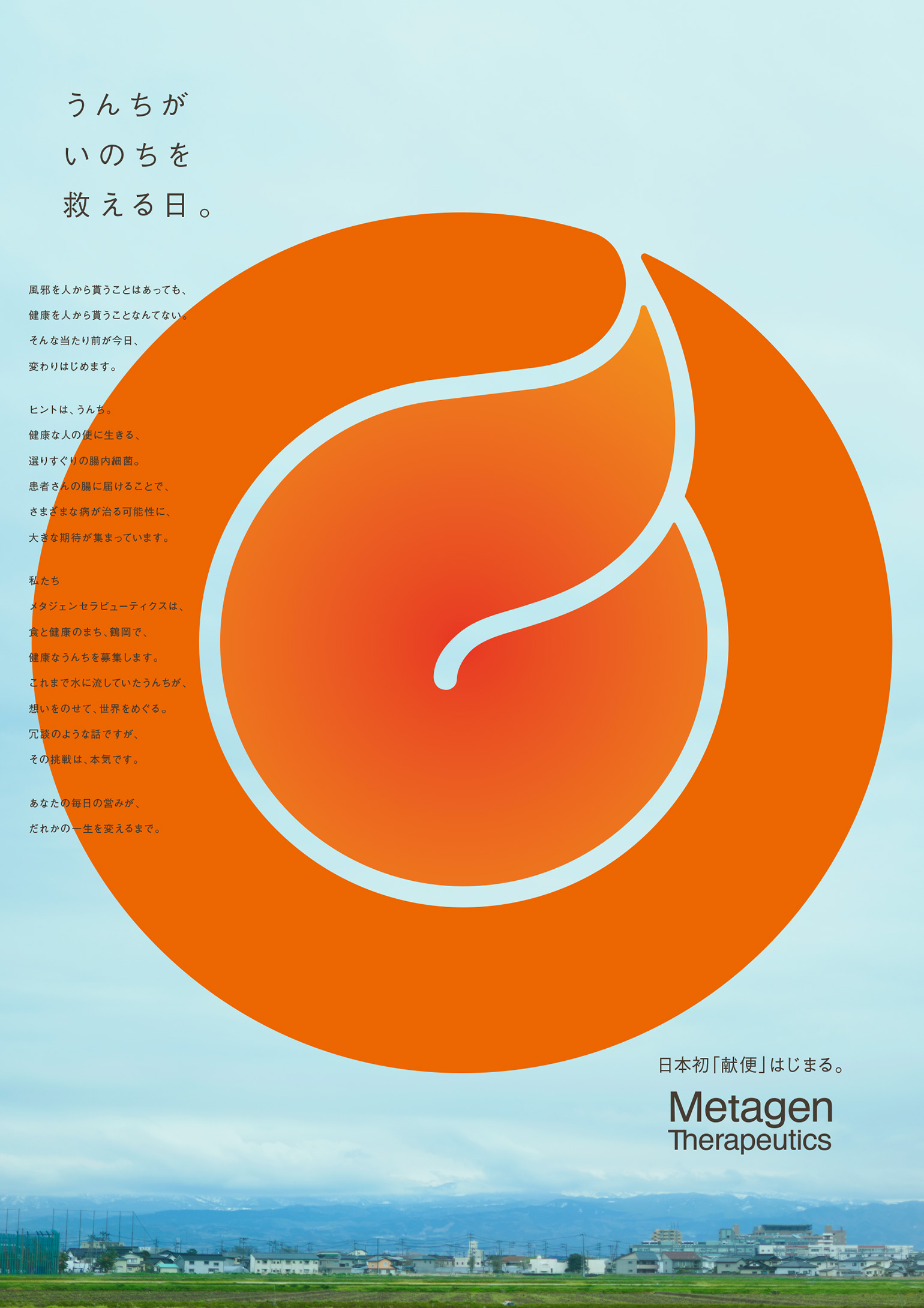
Your stool could potentially save people suffering from intractable diseases. Efforts are underway to socially implement "stool-based drug development" toward realizing future treatments utilizing gut bacteria.
Metagen Therapeutics is a startup tackling medical treatments like "microbiome transplantation"—where stool is provided by "microbiome donors" with excellent gut environments, their gut bacteria are extracted, and then transplanted into patients' intestines—and drug discovery based on this technology.
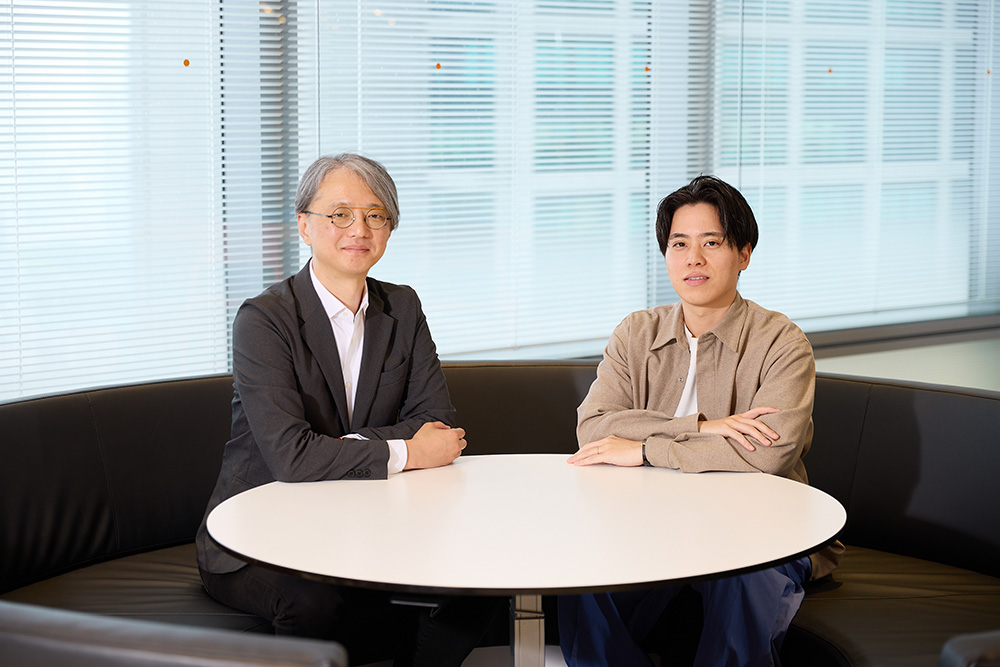
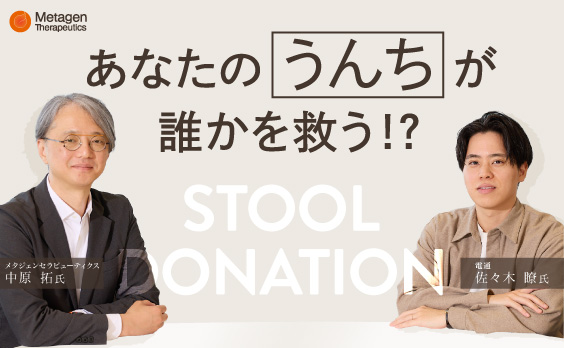
In this series, we interviewed Taku Nakahara, President and CEO of Metagen Therapeutics, and Ryo Sasaki, Creative Director at Dentsu Inc., who is accompanying the project. Following Part 1, where we heard about the "Health Share" vision of exchanging health through "poop donation," we now discuss concrete steps toward realization and future prospects.
Delivering the Future Experience of "Gifting Poop" to Society with Optimism
──Let's discuss specific measures and initiatives. First, please tell us about the hurdles involved in becoming a gut bacteria donor and continuing to donate.
Nakahara: There are two hurdles between donor certification and the actual "donation" of stool. The first is the extremely low probability of becoming a donor. To qualify as a donor, individuals first answer health and lifestyle questions online for a preliminary suitability check.
Those who pass this screening undergo thorough examinations at partner medical institutions, including stool tests, physical examinations, and blood tests, to ensure they are free of viruses and harmful bacteria. Only about 7.5% of all applicants ultimately become certified donors, or "poop elites," after clearing all screening and testing over a lengthy period of approximately three months.
Another challenge is the need for ongoing cooperation after donor registration. Donors must use specially equipped toilets at dedicated facilities to provide their stool. Unlike a stool sample test, where only a portion is collected, the entire stool must be collected and processed promptly to extract the gut bacteria. Since this cannot be easily done at home, maintaining this routine is quite difficult.
Sasaki: Putting myself in the shoes of someone aiming to become a donor, I realized that even for the sake of social contribution, maintaining motivation consistently for three months isn't easy. How can we help them stay positive and continue without losing their resolve to become donors?
One day, I decided to get tested myself to see if I could become a donor. I didn't pass (laughs), but interestingly, I received a report detailing the types and diversity of gut bacteria in my own intestines, presented almost like a report card. Mr. Nakahara also told me that by improving my own diet, I might have a chance to become a donor in a few months.
That was the moment my own "belly" – that black box – opened up for the first time.
At that moment, I thought: What if the necessary tests to become a donor weren't seen as a tedious procedure, but rather enjoyed as a process of facing one's own gut and becoming healthier? Wouldn't that lead to more people aiming to become donors?
What is "Chōmusubi," the app supporting gut bacteria donors?
──Specifically, what kind of service development did this lead to?
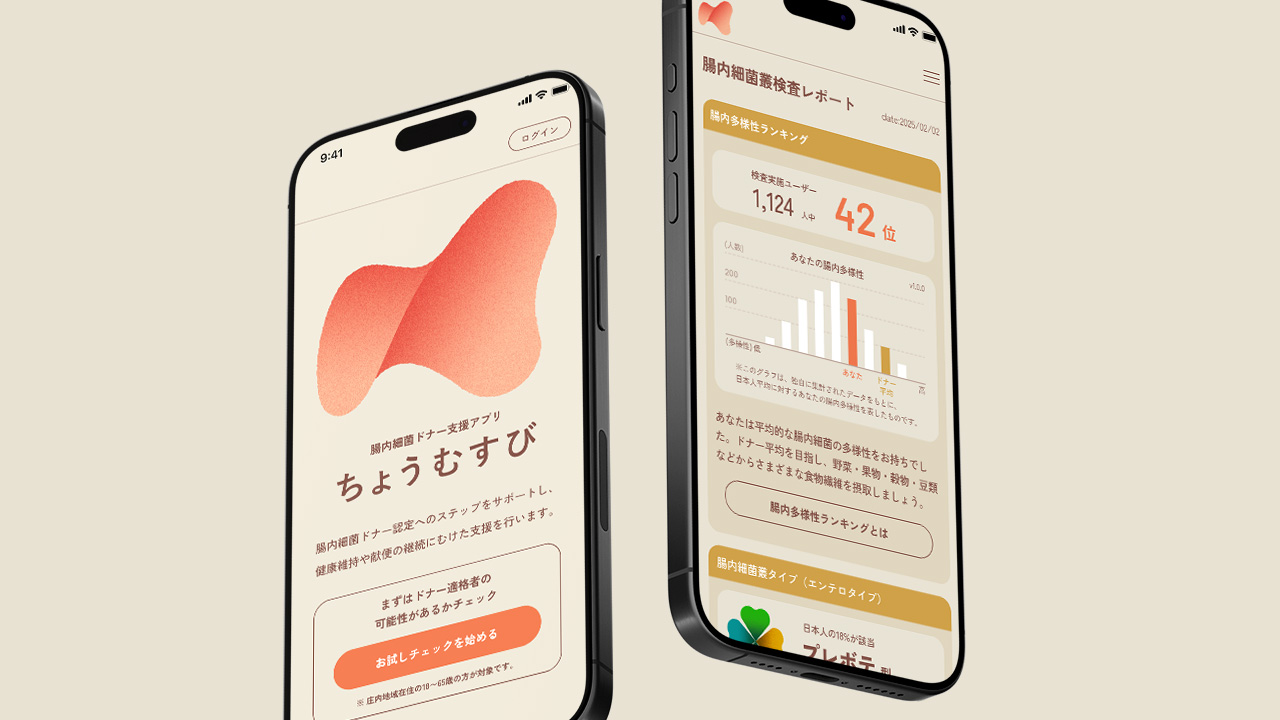
Nakahara: Together with Dentsu Inc., we created "Chōmusubi," a service supporting gut microbiota donors. It's an app that guides aspiring donors through the testing steps without confusion and ensures smooth stool donation once they become donors.
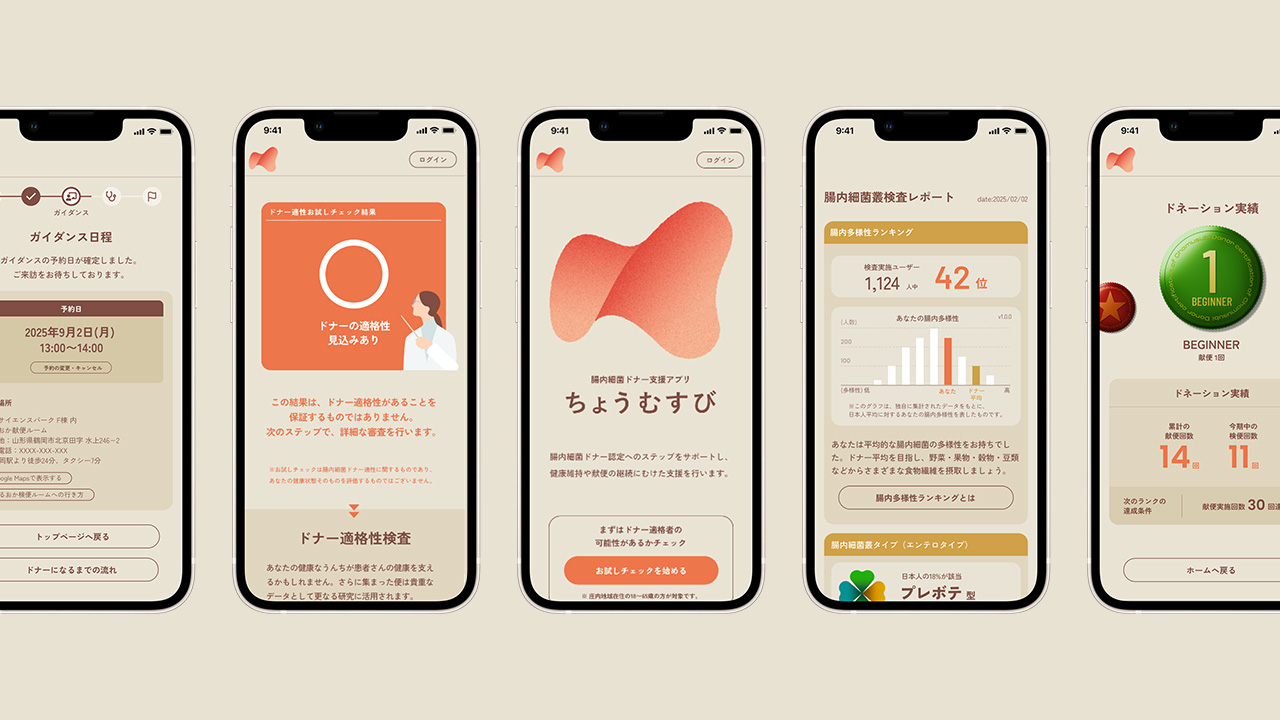
Sasaki: The primary function is to navigate the complex, multi-step process of becoming a donor in an easy and clear manner. It allows users to smoothly complete the entire series of appointments and procedures—from online screening and donation instructions to on-site training, hospital tests, and consultations—all within the service.
A major feature is the "Gut Report." Based on stool test results obtained during the donor process, users gain detailed insights into the attributes of their gut microbiota—the bacterial community shaping their intestinal environment—and the characteristics of each microorganism. By visualizing their gut bacterial diversity through a score and comparing it with other donors, users can gauge how close they are to achieving donor certification.
Furthermore, even after becoming a donor, the app supports scheduling stool donations and tracking your donation history. It also features an interface designed to boost motivation, such as awarding medals based on the number of donations made. MetaGen Therapeutics and Dentsu Inc. worked as one team, engaging in extensive discussions to meticulously craft this app as a user experience-focused tool incorporating all these designs and features.
The development involved Dentsu Inc. BXCC's Noriaki Okada, Ryota Mishima, Takumi Kaidani, and SGP's Kohei Tsukagoshi, alongside the Dentsu Digital Inc. team, who provided support from concept development through implementation.
Nakahara: Traditionally, "donation" implied sacrificing something part of yourself. But donating stool involves no sacrifice whatsoever. In fact, it's an activity that holds the potential to improve others' health while also aiming for your own wellness. The "Chomusubi" app is packed with this kind of experiential value.
──Could you tell us the background that led to this concept?
Nakahara: "Chōmusubi" launched this April, coinciding with the opening of the new "Tsuruoka Kenbin Room" in Tsuruoka City, Yamagata Prefecture—Japan's first UNESCO Creative City of Gastronomy. We initially targeted residents of the Shōnai region. To grow by engaging people of all ages and genders, who might not be familiar with cutting-edge science, we felt a gentle, warm approach was essential.
Sasaki: The name "Chōmusubi" embodies our wish for a new culture of "gifting health" to spread.
In fact, Japan's traditional food culture is full of ingenious ways to consume diverse dietary fibers. It's said to foster an intestinal environment with a diversity unmatched anywhere else in the world. Starting from the Japanese gut, we aim to gift health to people worldwide and spread it. That is the future vision of health championed by Metagen Therapeutics.
The key lies in Japanese food culture. Why Japan's first stool donation facility was established in Tsuruoka City, Yamagata Prefecture
──Japan's first stool donation room. What challenges did you face in establishing it?
Sasaki: Have you ever gone out specifically to use the restroom? Of course, neither have I. But a stool donation facility requires donors to visit regularly, specifically for their stool. Therefore, we considered it crucial to create a space and experience where visiting the restroom daily isn't a chore, but rather something people look forward to.
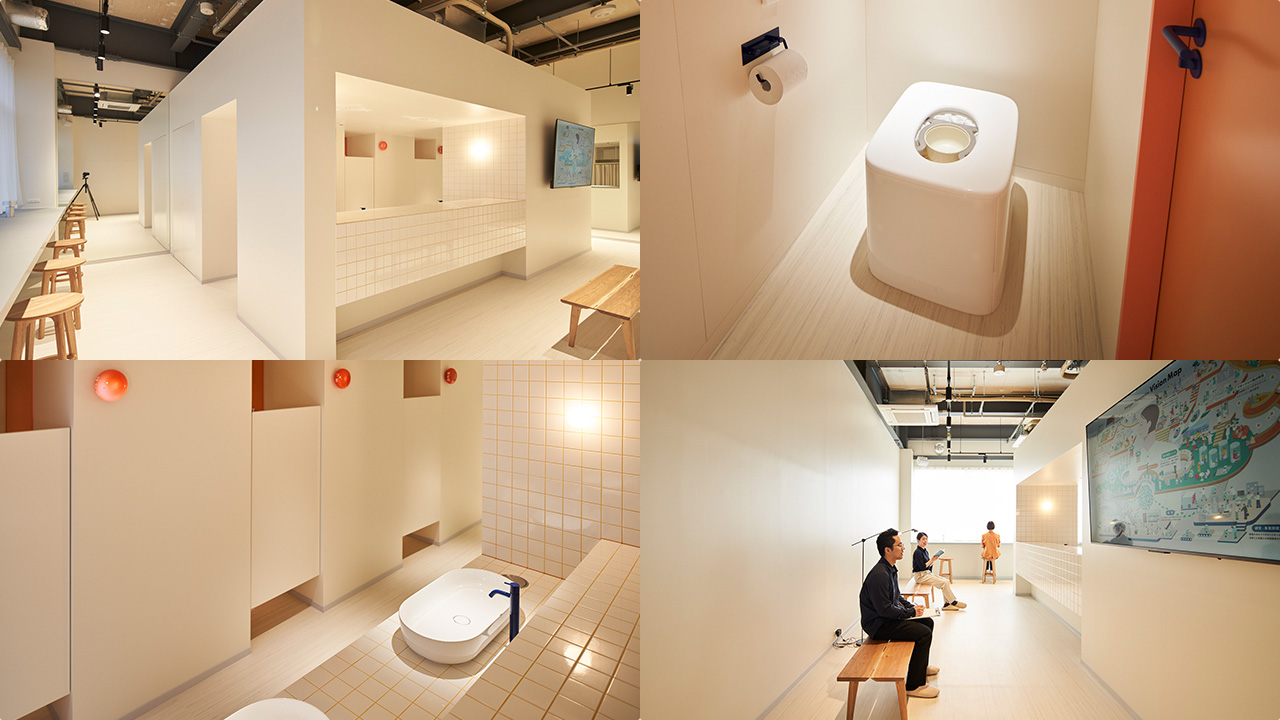
Japan's first "Tsuruoka Donation Room" opened in Tsuruoka City in April 2025. A donation post in the antechamber of the toilet stall connects to the adjacent stool processing room.
Nakahara: The essential function is a toilet. But since it's also a place to build relationships with partners creating the future together, I didn't want it to feel cold. Cleanliness is obviously important, but I also wanted it to be a comfortable place.
Our initial inspiration was the Paimio Sanatorium designed by Finnish architect Alvar Aalto. Despite being a medical facility, it's a space that conveys warmth and softness. We wanted to create a similar space that lifts the spirits of visitors.
Sasaki: We met and interviewed over 20 local residents directly, gradually solidifying the ideal form of the space. The challenge was how to fulfill what was probably the world's first requirement: "a destination restroom where people can linger until the urge strikes." We needed to create a comfortable space where private restrooms coexist with a relaxing area for extended stays.
Nakahara: Sasaki-san being both an architect and highly skilled in spatial design was a huge factor. I never imagined that Dentsu Inc. would go this far.
Sasaki: During the design phase, I collaborated with an architect friend from university. The toilet features a specialized bowl that doesn't flush waste into water. Its antechamber connects directly to a state-of-the-art processing facility via the "Poop Post." While it's actually a high-tech space, we designed it so users don't feel that. It includes areas for short breaks or work, and frankly, I believe it became a comfortable space where you could practically live.
──Please tell us how the "Kenshin" hub came to be established in Tsuruoka, known as a "Food Culture Creation City."
Nakahara: Tsuruoka City attracts global attention because of its deeply rooted, distinctive food culture, centered around wild mountain vegetables. Research shows that gut bacteria diversity thrives alongside diets rich in dietary fiber.
Furthermore, Tsuruoka is actually a region where various biotech startups are emerging, and I sense that many people here have a deep understanding of life sciences and innovation.
Sasaki: You could call it a holy land for creating good poop. The receptiveness to innovation and the rich, traditional Japanese food culture. I believe Tsuruoka City, possessing both, was the perfect starting point for this initiative.
Our future goal is "the day poop saves lives."
──How has the response been to the Donation Room that opened on April 24th?
Nakahara: The opening ceremony for the Donation Room was well-attended, including the Mayor of Tsuruoka, the Director of Shonai Hospital, numerous government and medical officials, and representatives from companies across a wide range of industries. It also received significant media coverage.
Despite only recruiting within a limited area, "Chōmusubi" received an astonishing 200 registrations within just a few days of starting. The response was several times greater than anticipated, which was surprising.
We created the "Donation Song" and launched it as a TV commercial right at the opening, and I believe that had a significant impact too. When I first heard the song, I was truly moved.
Sasaki: The singer is Kinuko Honma. With less than two months until opening, I reached out to her one weekend thinking she was the only one for the job. Within days, she wrote the lyrics and composed the music, then brought the recording data. I think this is also the magnetic pull of Metagen Therapeutics tackling social issues.
Nakahara: After the launch, even the lady at the register of a local farmers' market I visited with Sasaki-san told me, "I listened to the song with my kids." I'm already feeling the signs of a new citizen science community beginning to take shape.
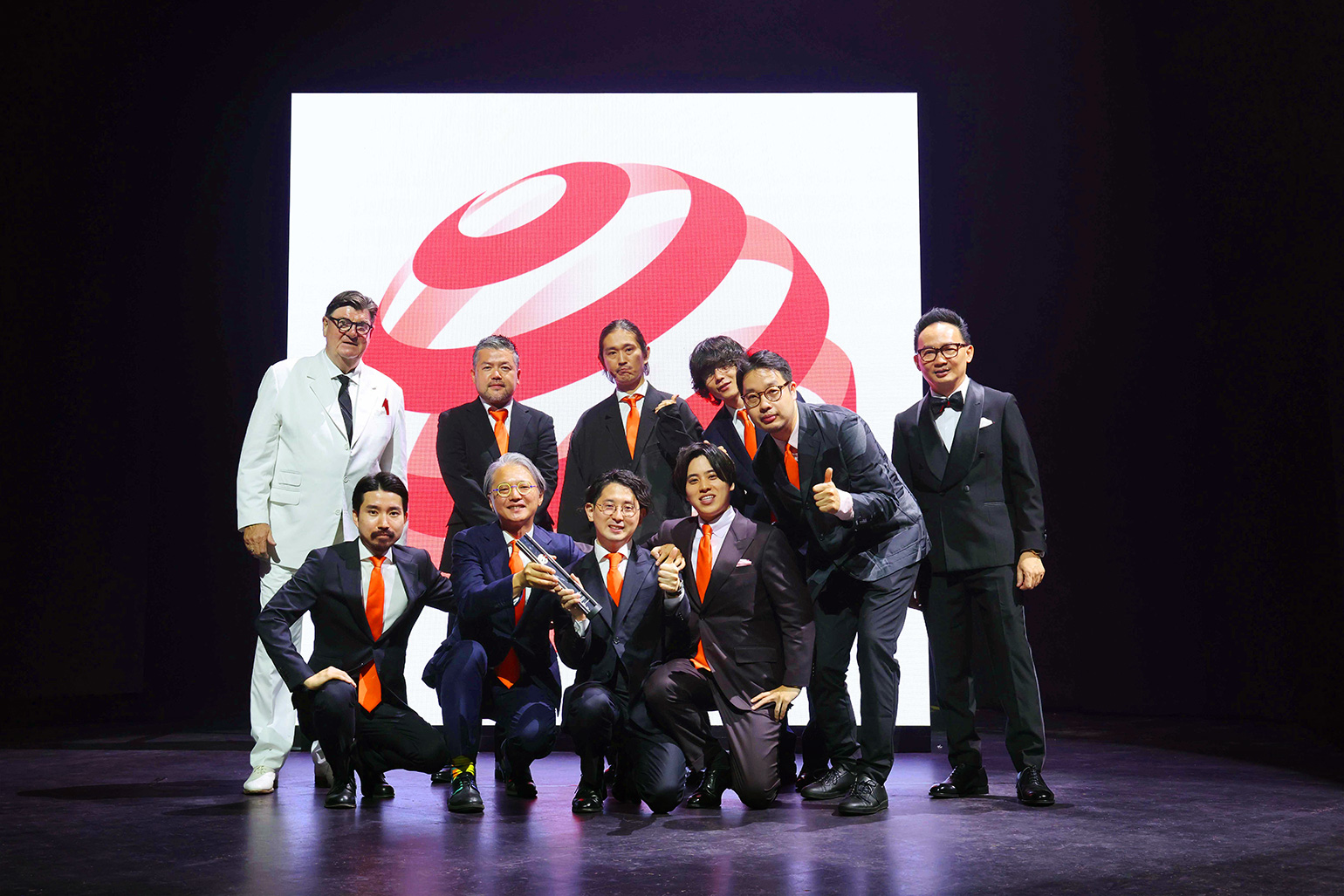
Sasaki: "Choumusubi" won the highest honor, Best of Best, at the Red Dot Design Award, one of the world's three major design awards. Using the rare resource of "poop," dormant in a small Japanese region, to change the world's concept of health. Thinking about it this way, I believe our seemingly niche "poop-based drug discovery" business is full of potential to bring significant social impact.
Winner of the Best of Best award, the highest honor in the Design Concept category of the Red Dot Design Award, one of the world's three major design awards. (At the award ceremony held in Singapore)
──What are your thoughts on the future potential of gut bacteria donation?
Nakahara: Since its opening ceremony, the Donation Room has become a hub visited by many companies connected to health for inspections and tours. I feel the community envisioned in our vision map—one involving new people and companies—is gaining concreteness and beginning to materialize from this place.
I believe that when the existing local community in Tsuruoka combines with our stool donation activities, there's potential for a new chemical reaction to occur. By having individuals and corporate partners who are interested in this join us, we want to cultivate a new culture through stool donation. And ultimately, I hope it reaches patients.
Sasaki:We've already invited key players from many large corporations to Tsuruoka. We spend two or three days together, sharing meals and lodging, working on initiatives to consider the future of Kenbin and health. Hearing "making medicine from poop" might sound like a niche endeavor, but we actually see it as a deeply meaningful activity with a large connected population. As the number of people, companies, local governments, and other "main players" involved in this project keeps growing, we hope this initiative will eventually spread throughout all of Japan.
Nakahara: "The day poop saves lives." This phrase represents the vision we presented at the opening ceremony for the Donation Room.
Since donations have only just begun, donors may not yet feel the tangible impact of "their poop saving someone." But eventually, when it reaches patients in a concrete form, people will realize "my health is helping someone," leading more to consciously prioritize their well-being. As this cycle expands, Japan as a whole will gradually become a "healthier society." We are earnestly pursuing this future through our efforts.
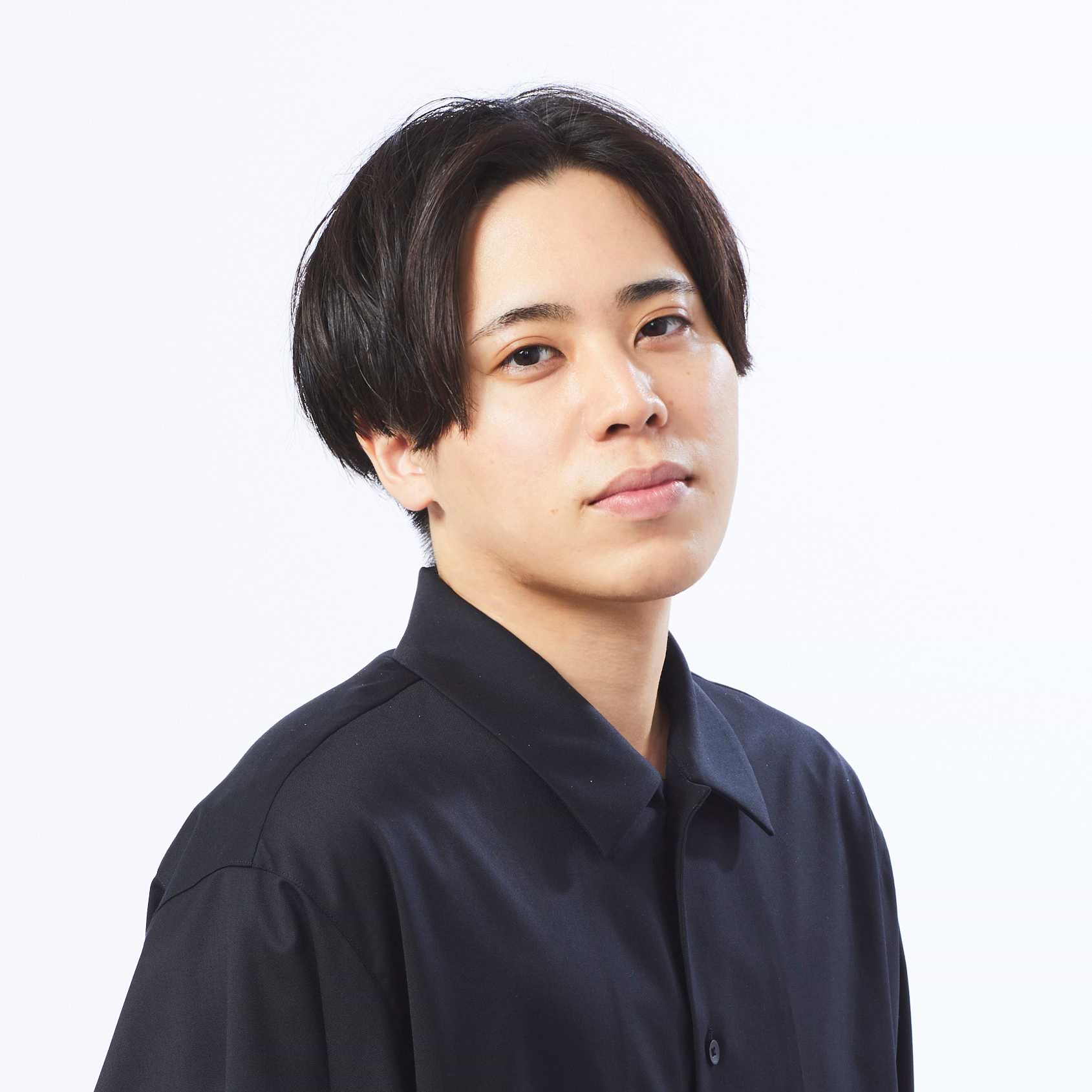
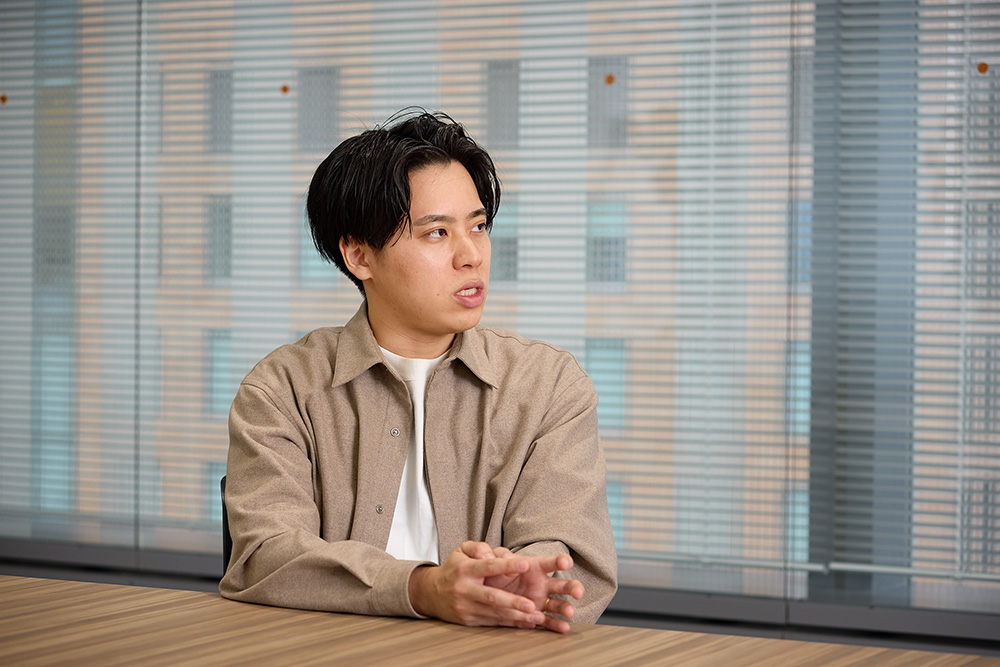
President and CEO
Beginning his career as a bioinformatics researcher, he later co-founded a Hokkaido University spin-off venture with a pharmaceutical company in 2008 based on research he was involved in. He served as Head of Bioinformatics in New Jersey for approximately six years. Subsequently, he worked on new business development and startup investments at a major Japanese consumer goods company, a US venture capital firm, and a Japanese venture capital firm.In 2020, he founded Metagen Therapeutics (MGTx) and, as CEO, is striving to commercialize microbiome-based medical and drug discovery seeds originating from Japanese academia and companies. He resides in Higashikawa Town, Kamikawa District, Hokkaido. He also serves as a Bio Business Advisor for Sapporo City, contributing to local bioinnovation ecosystem development activities.
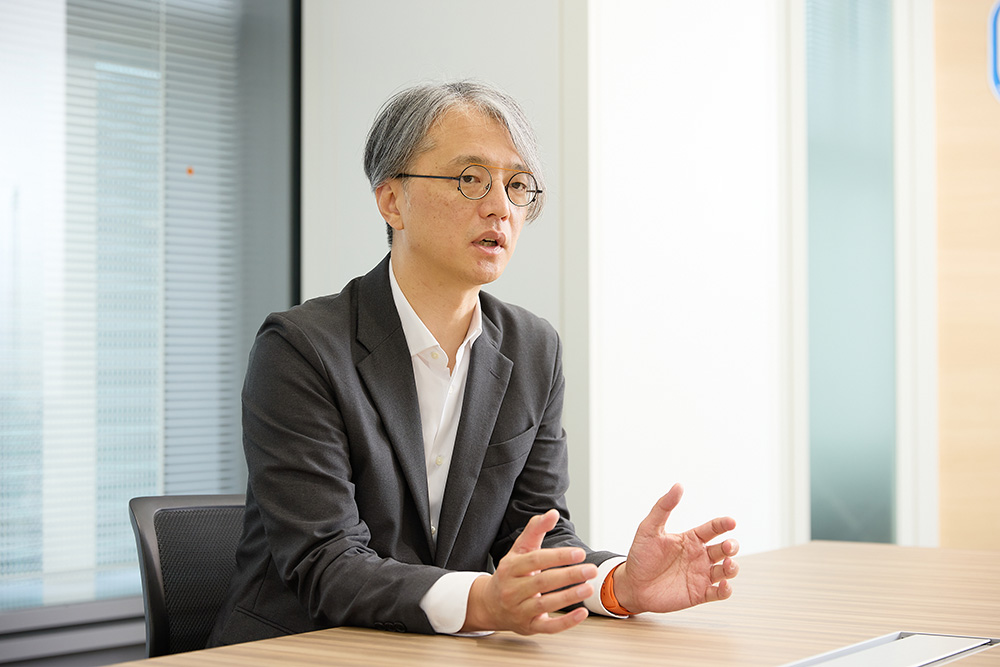
Ryo Sasaki
Dentsu Inc.
Future Creative Lead Office
クリエーティブ・ディレクター/コピーライター
Joined Dentsu Inc. as a new graduate. At the cross-functional creative organization Future Creative Center, provided creative support—centered on copywriting—addressing not only advertising but also business and management challenges. In 2022, joined Startup Growth Partners, the company's startup-focused support organization, from its inception, delivering hands-on creative support to startup executives.

 Poop-Based Drug Development [2/2]