
Note: This website was automatically translated, so some terms or nuances may not be completely accurate.
 FASHION HACKED [3/3]
"How Do Fashion and Technology Fall in Love?" ~ Decoded Fashion Tokyo Summit 2015: On-Site Report ~
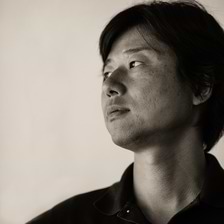
Yoshihiko Kyoi

In July 2015, "Decoded Fashion" finally came to Tokyo.
This marked the first time in Japan for the conference event, born in the US, aiming to fuse fashion and technology. It took a long time to get here. I was involved this time as the planning director, and I believe we've taken a meaningful first step.
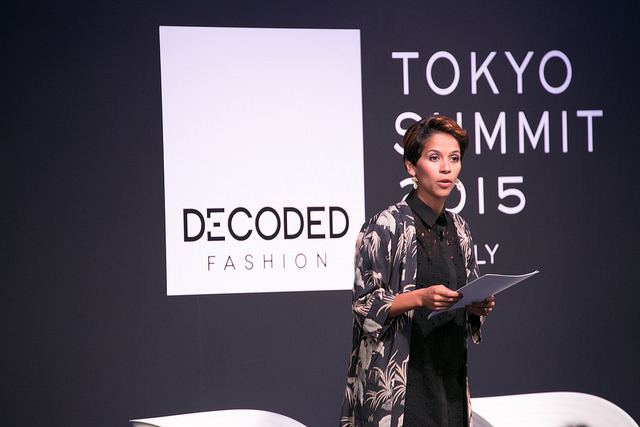
Leading figures from the fashion industry and elite from the technology sector gathered
The original initiator was Liz Basseller, a female journalist active in the US.
Four years ago, while fashion celebrities were connecting with fans by sharing their outfits on social media, the fashion industry was still conducting business via fax. Seeing this gap as an opportunity, she launched "Decoded Fashion" in 2011 with the ambition to "decode (rebuild) the fashion world with technology!"
What began as a New York event expanded to London, Milan, and Paris, becoming a movement. In Japan, it was featured in WIRED magazine, and the resulting buzz led publisher Condé Nast Japan to bring it to Tokyo.
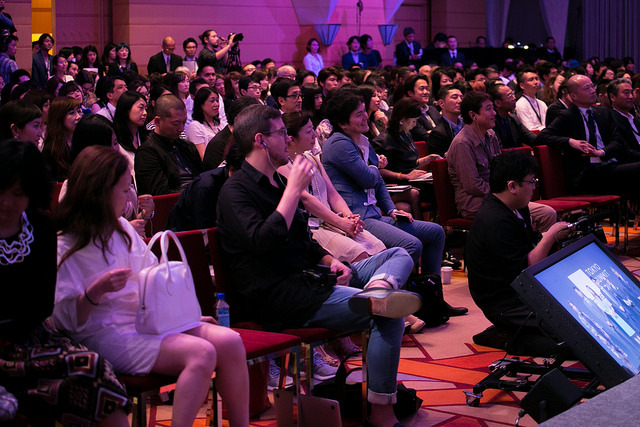
On the day of the event, the Tokyo American Club buzzed with excitement from early morning. Approximately 400 attendees gathered—notable figures from the fashion industry and elite minds from the tech sector—all eagerly anticipating the discussions to come.
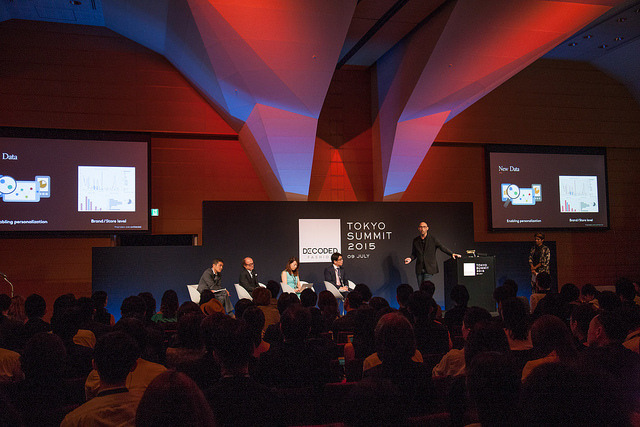
Inside the venue, Liz Basseller and Jun Kitada, President of Condé Nast Japan, took the illuminated stage first. Their welcome speeches kicked off the event.
Speakers included designer Henry Holland and Maria Hatzistefanis of skincare brand Rodial from the international fashion industry; Katie Jenkin, Head of Fashion, Luxury & Beauty at YouTube, and Lisa Green, Head of Fashion at Google, from the technology industry; and from Japan, Taishi Ohno, Representative Director of the Isetan Mitsukoshi Group; Yoshitaka Yasui, Founder of Origami; Shintaro Tabata of LINE; Simone representative Kaie Murakami, WIRED Japan editor-in-chief Megumi Wakabayashi, and many others.
The content covered a wide range of topics, including insights into the millennial generation (digital natives), methods for engaging with them, the potential of e-commerce, new in-store shopping experiences, the latest examples of digital promotion, and success stories of brands that have utilized these methods.
The competition winner was "MemoMi"
Decoded Fashion is committed to more than just being an inspirational event; it aims to generate actual business from this platform. For example, a key program is the "Startup Competition."
In this competition, sponsoring fashion companies set themes, and startups compete by presenting solutions addressing those themes.
This platform records and shares images of customers reflected in the mirror via the cloud, allowing them to see how clothes look on them virtually in mirrors at other stores without actually trying them on. After winning the competition, it was actually exhibited at Mitsukoshi Isetan.
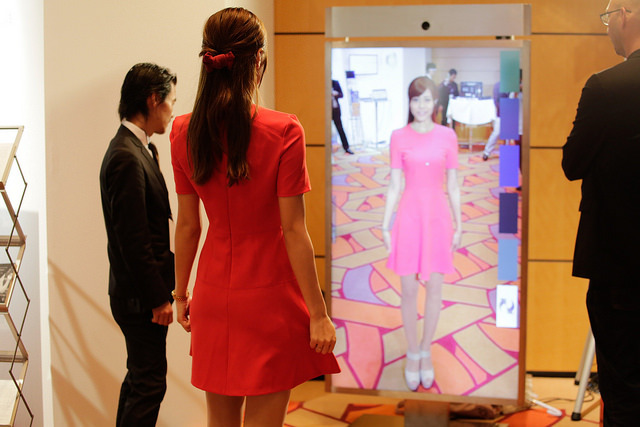
Furthermore, adjacent to the main venue was a "Mentorship Hub," featuring booths and meeting spaces designed to match fashion companies with tech startups. This hub has a strong track record even in its home country, and multiple business deals were successfully concluded this time as well.
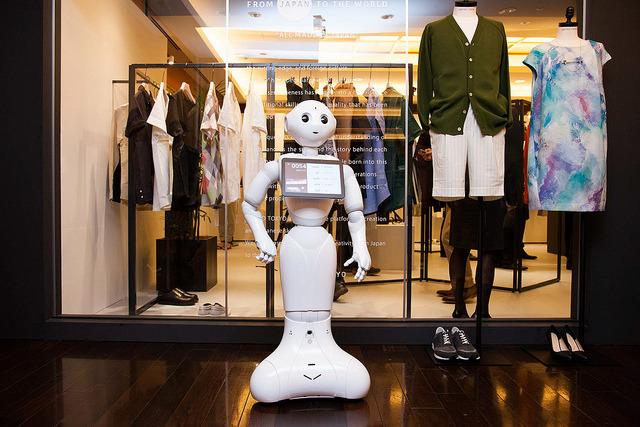
Beyond in-store experiences, booths featured many futuristic exhibits, including product development using wearable tech materials like paper watches and sunglasses, and operations for manufacturing accessories via 3D printers.
The Future of Decoded Fashion Tokyo Summit
While this Tokyo event was a huge success, personally, I wish we had delved deeper into the fundamental question: "What will the future of fashion look like?" Of course, in Japan, many fashion companies operate as distributors for Western brands, which presents limitations. However, if we truly aim to advance the fusion of fashion and technology, this is an unavoidable theme.
In modern society, people don't wear clothes merely to ward off the cold. They wear clothes as a means to express "who they are." In other words, fashion is style and an important form of communication for people. It might even be rephrased as wearing information rather than clothing.
As social media proliferates and people increasingly express themselves online, what meaning will fashion take on? How should the information we wear in real life align with the personas formed online? Technology is ultimately just a means to embody this essential future of fashion.
Decoded Fashion is scheduled to return to Tokyo next year. What lies ahead for Japan's fashion industry? We aim to expand into even deeper and broader realms than this year.
Please look forward to the "Decoded Fashion Tokyo Summit 2016."
Was this article helpful?
Share this article


Newsletter registration is here
We select and publish important news every day
For inquiries about this article
Back Numbers


Author