
Note: This website was automatically translated, so some terms or nuances may not be completely accurate.
From the US! What Does Time-Shifted Viewing Mean?
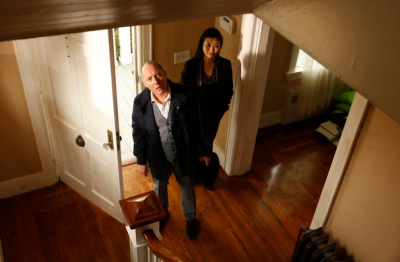 According to data from Dentsu Inc. Aegis Network's US-based Kala, the September 30th broadcast of NBC's "The Blacklist" (pictured) drew 11.4 million viewers on the day of airing. However, the "Live+7" viewership—measuring viewers within seven days of broadcast—reached 17.9 million. This means over 6 million viewers watched the program via time-shift viewing within the week.
Meanwhile, the primary metric currently used for program sales is "C3," which measures commercial viewership over the three days following the broadcast date. According to Kala, using "The Blacklist" as an example, the commercial timeshift viewership over the three days after the broadcast was only 1.2 million. Furthermore, some programs have lower C3 ratings than their live viewership, meaning timeshift viewing after the broadcast date does not necessarily compensate for the portion of the audience that did not see the commercials on the broadcast day.
A new concept called "C7," which measures commercial viewers over the seven days following the broadcast date, has also emerged. It seems the debate over how to measure a program's value for advertisers continues.
Details at AdAge→ http://bit.ly/1arDvaU
What This Season's Time-Shifted Ratings Boosts Really Mean to Advertisers
Big Surge in 'Blacklist' Audience Over a Week, but Smaller Lift by the Measure Advertisers Care About
Published: October 25, 2013
Was this article helpful?
Share this article


