Note: This website was automatically translated, so some terms or nuances may not be completely accurate.
 The Era of AI Writing Novels [1/2]
What "Creation" Means in an Era Where AI Writes Novels
Hitoshi Matsubara
Hokkaido University of Science and Technology
Naoki Matayoshi
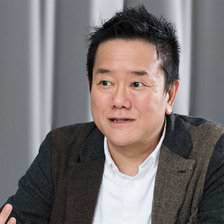
Keichi Yoshizaki
Dentsu Inc.
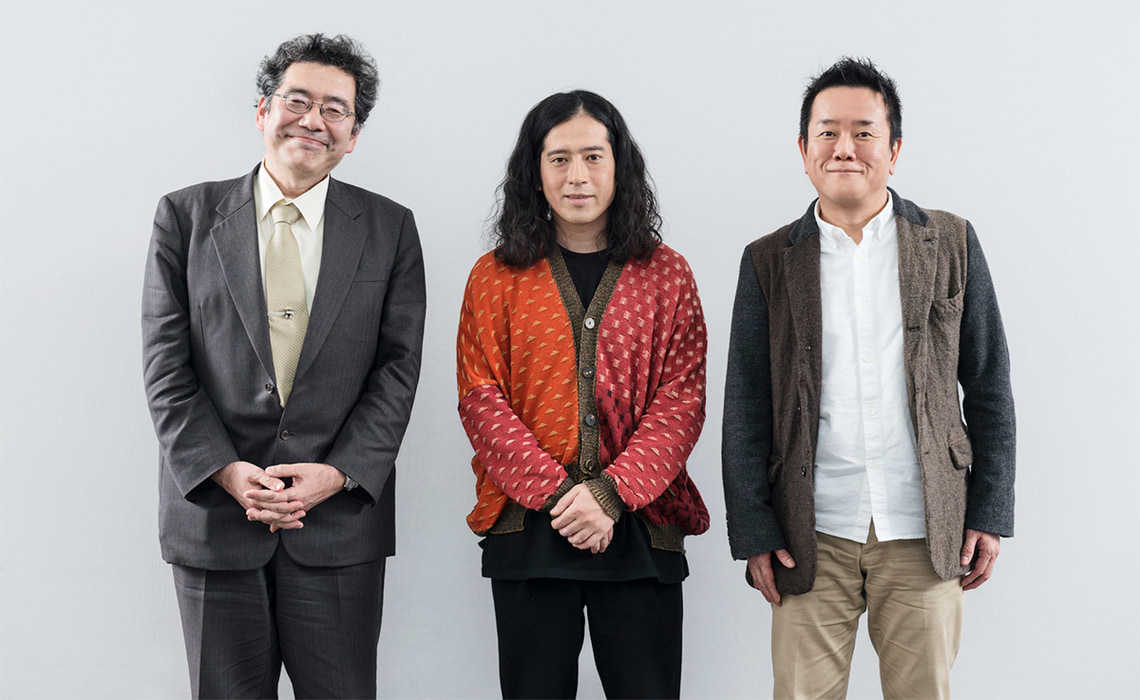
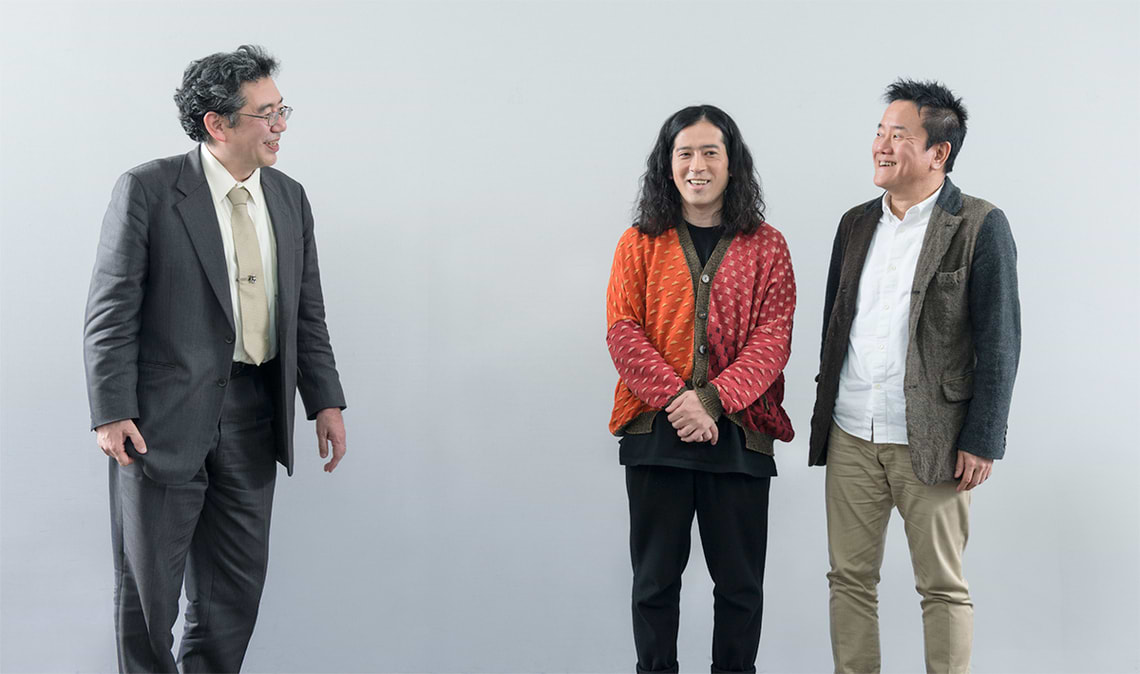
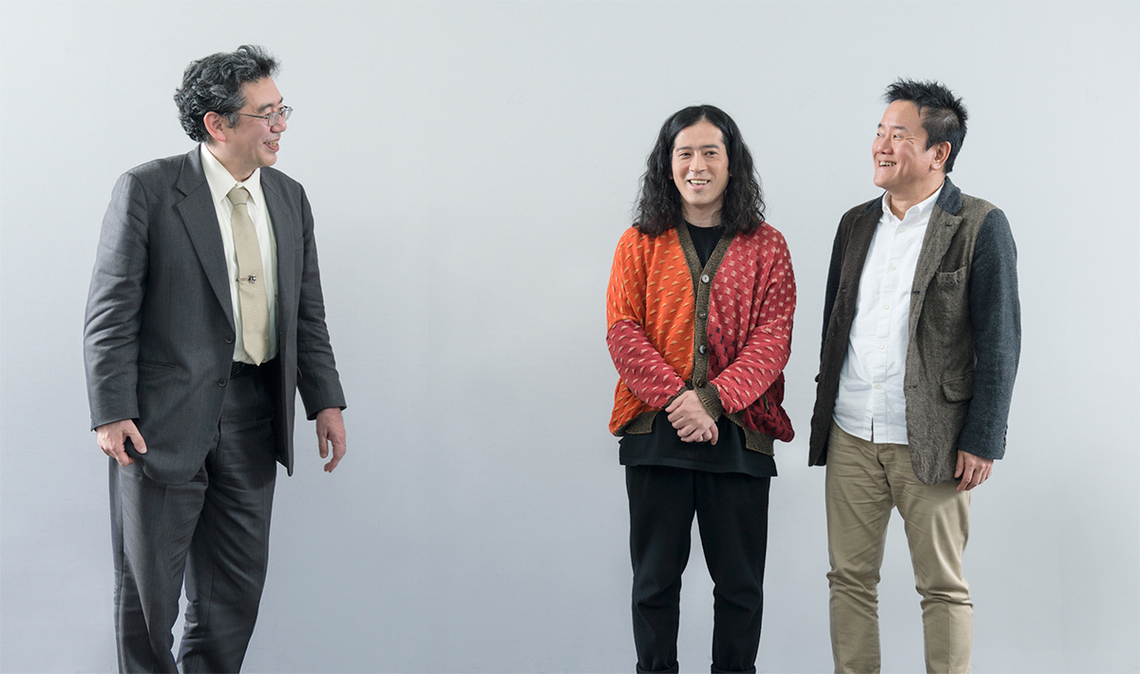
Amid growing attention on artificial intelligence (AI), an AI-generated novel was submitted to the recently announced Nikkei Hoshi Shinichi Literary Prize. How far has AI evolved in the realm of literature? What will 'creative writing' look like in an era where AI writes novels? Professor Hitoshi Matsubara of Future University Hakodate, who leads the project, discussed this with Naoki Matayoshi, an Akutagawa Prize-winning author and comedian, and Keiichi Yoshizaki of Dentsu Inc.
Submitting to Literary Awards: The Significance of AI Fiction
Yoshizaki: Since its inception in 2013, Japan's only science-focused literary award, the Nikkei "Seiichi Hoshi Award," has accepted submissions of AI-generated novels. This third iteration reportedly saw 11 entries confirmed as AI-generated works. Two submissions came from Professor Matsubara's AI novel team, "Whimsical Artificial Intelligence Project: I Am a Writer." Though the project started in 2012, it was surprising they reached the submission stage within just three years. Why did you decide to have AI write novels in the first place?
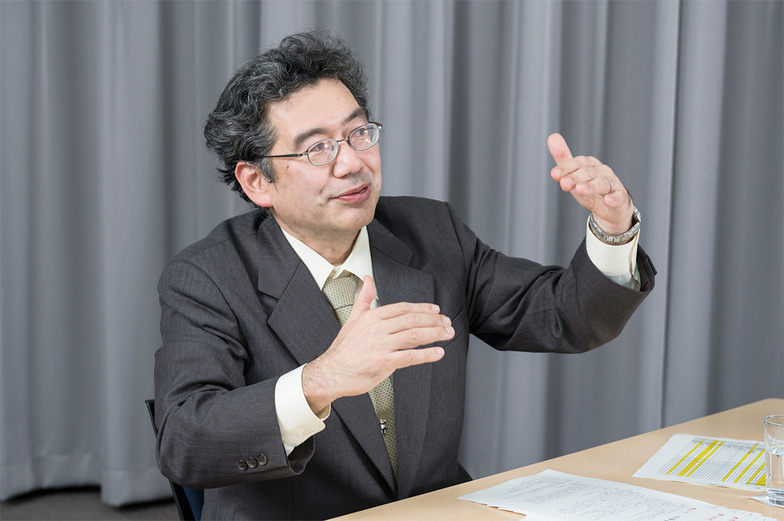
Matsubara: I've been researching AI for over 30 years. The technology for "having AI solve difficult problems" has reached a very high level. Examples include AI defeating professionals at shogi and go. However, intelligence also has an aspect of "creating something new." Research in this area hadn't progressed. The reason? It's extremely difficult. But I felt it was time to venture into this field.
Yoshizaki: I understand the project aims to recreate the novel style of the late Shinichi Hoshi, a master of short-short fiction. Why this particular style?
Matsubara: Actually, the initial spark came from Mr. Hoshi's daughter, Marina Hoshi. During our conversation, she mentioned, "If my father were still alive today, he would have created short-short stories using a computer to write fiction." That led to her suggesting, "Why not try creating fiction with AI?" Reflecting on it, Mr. Hoshi's short-short stories feature clear punchlines and lack complex historical backgrounds or intricate relationships. They seemed well-suited for AI. So we decided, "Let's start by creating stories like Mr. Hoshi's." We analyzed data from his short short stories and had the AI create new works based on that. We even named the project after his masterpieces, 'The Capricious Robot' and 'I Am an Assassin'.
Yoshizaki: What did you think when you heard an AI wrote a novel, Matayoshi?
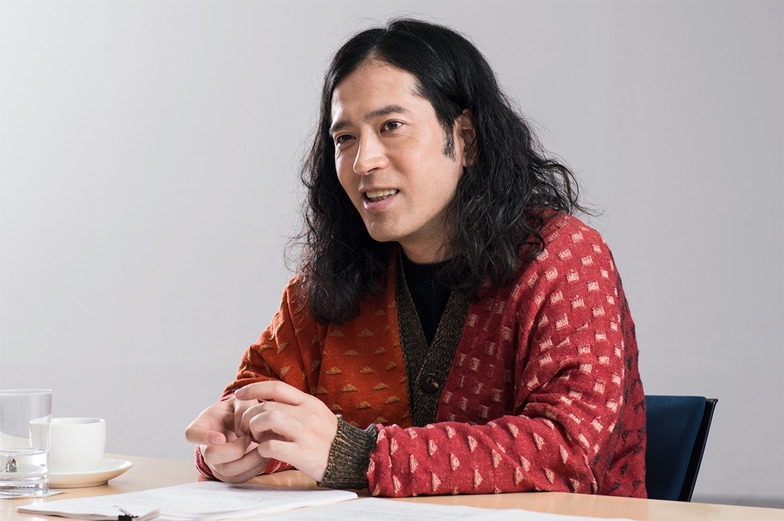
Matayoshi: My reaction was more like, "Oh, it can write already?" Rather than surprise, I was more curious about "What kind of stories will it write?" and "How will it write them?" I knew from news reports that AI was strong at shogi and go, but when it comes to writing, I thought even if it could do some things, wouldn't it still be difficult without humans fixing the grammar in the end?
Matsubara: That's right. Humans still assist with the crucial parts, but AI is becoming capable of generating the actual text. In our case, humans provide the story idea and framework, and the AI turns that into prose. The division of labor is still about 80% human and 20% AI at this stage.
(※For detailed AI creative methods, see below)
Yoshizaki: Mr. Matayoshi, how do you write your novels?
Matayoshi: For me, I start by setting the world. After that, it's about finding words that connect well with each other, and the story builds from there. With 'Spark', as I wrote, I started picking up the characters' dialogue, and that gradually shaped their characterization. You often hear people say, "The characters start moving on their own," right? Opinions seem to vary among writers about this, but in my case, with 'Spark', they really started moving around like crazy (laughs).
AI's Unique "Discrepancies" Are a Major Key to Research
Yoshizaki: This time it was a short short story, but could AI write novellas or full-length novels?
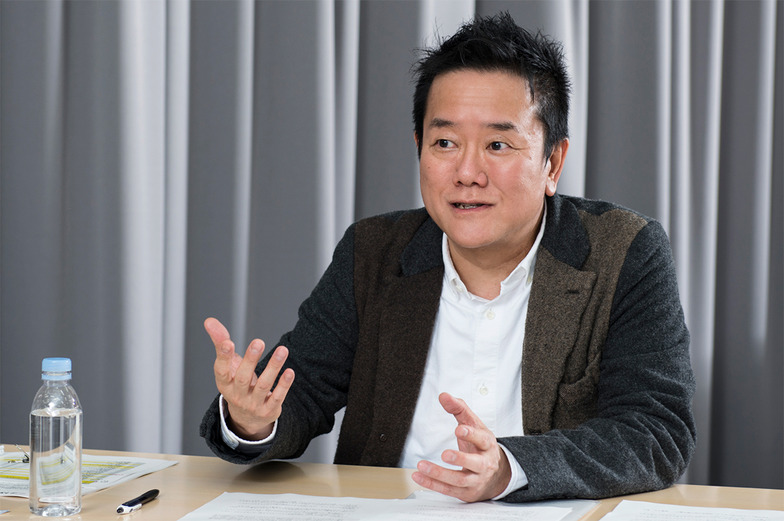
Matsubara: At this stage, getting AI to create long novels is difficult. As the text accumulates, a dissonance gradually emerges. Even though it's supposedly the same AI writing, the sense of something being off grows little by little. While each sentence makes sense on its own, you start to feel a disconnect from the writing of a single author.
Matayoshi: Why does this discrepancy occur?
Matsubara: Conversely, why don't humans produce such discrepancies...? Fundamentally, AI still doesn't properly possess a consistent tone or sense of self in its writing. It's like the text is formed by a series of coincidental overlaps. So, when those coincidences shift in different directions, the writing style changes.
Matayoshi: It sounds interesting if we could harness that dissonance—that rift where the writing shifts. Like, say you ask an AI to write a love letter for someone you like. The first half might be sweet, but the ending turns into something that insults the recipient (laughs). AI-generated novels might have these shifts, but if humans take on that setting, it could create something never possible before. Of course, someday AI might write perfect works entirely on its own, but even this intermediate stage seems fascinating enough.
▶︎ The Creative Method of "Whimsical Artificial Intelligence Project I Am a Writer"
The late Shinichi Hoshi would combine unrelated words or keywords to craft short-short stories. The project challenged this technique using AI, experimenting through trial and error. Professor Matsubara describes it as "similar to the rakugo technique of telling a story based on three given topics." Currently, over 1,000 Hoshino works have been cataloged in a database. By inputting the protagonist's name, setting, and plot development, the AI combines various elements to generate prose and output it as a novel. Humans provide the major plot developments (such as the initial situation explanation or the punchline at the end), and the AI creates the story accordingly.
The submitted works from this round are published on the project website ( www.fun.ac.jp/~kimagure_ai/ ).
Was this article helpful?
Share this article


Newsletter registration is here
We select and publish important news every day
For inquiries about this article
Author
Hitoshi Matsubara
Hokkaido University of Science and Technology
Professor
Naoki Matayoshi
Comedian / Writer
Keichi Yoshizaki
Dentsu Inc.
Content Business Design Center
Executive Officer