Note: This website was automatically translated, so some terms or nuances may not be completely accurate.
 Sunshine 60 Observatory Fully Renovated [1/2]
What on earth is this "Sky Circus" immersive observation deck?!
On April 21, the "SKY CIRCUS Sunshine 60 Observatory" opened at Sunshine City in Ikebukuro, Tokyo. After approximately one year of closure, the reborn observatory features content that allows visitors to enjoy "Views × Technology" through all five senses, utilizing cutting-edge technology, and is generating significant buzz. How was this "experiential observatory" created? Makoto Teramoto from Dentsu Inc.'s Creative Planning Division 4, who led its production, explains.
The Task of Rebuilding the Observatory
July 2013. A certain Saturday afternoon.
I was at the Sunshine 60 Observatory in Ikebukuro, Tokyo.
People scattered throughout the imposing space. I suddenly felt as if time had stopped since the Showa era. "This requires thinking about everything from arrival to departure." That day marked the start of a roughly three-year "project to rebuild the observatory."
The work of Dentsu Inc. is about solving problems. Many people are involved in various things beyond advertising, such as product development and business development. But an observatory? That was truly unprecedented. What do you do when there's no precedent? First, go to the site. Because there, you'll find not just problems, but also clues.

A flaw becomes a unique feature when you change your perspective.
Challenge ①: What could be more than "tall and offering beautiful views"?
Sunshine 60 opened in 1978. Its height of 251 meters above sea level was hailed at the time as "the tallest observatory in the Orient." However, in recent years, high-rise condominiums and skyscrapers have been built one after another. The reality is that simply being "tall with beautiful views" is no longer rare.
Challenge 2: Thick Columns and Unchangeable Walls
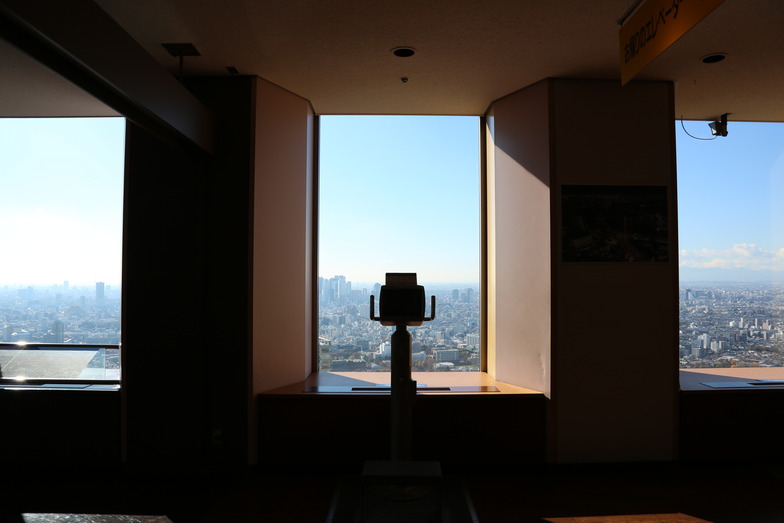
Thick pillars supporting the robust structure posed a challenge in securing expansive panoramic views. Furthermore, with a building this tall, the exterior walls cannot be altered. This meant only the interior could be changed.
Challenge 3: Time Value
Visitors feel "It was worth coming here" when the satisfaction of their time spent matches the cost. Families and couples must gain satisfaction exceeding the price paid. Yet observing guests revealed their excitement peaked the moment they first saw the view, then gradually declined afterward.
Yet, we also discovered hints and strengths unique to this location.
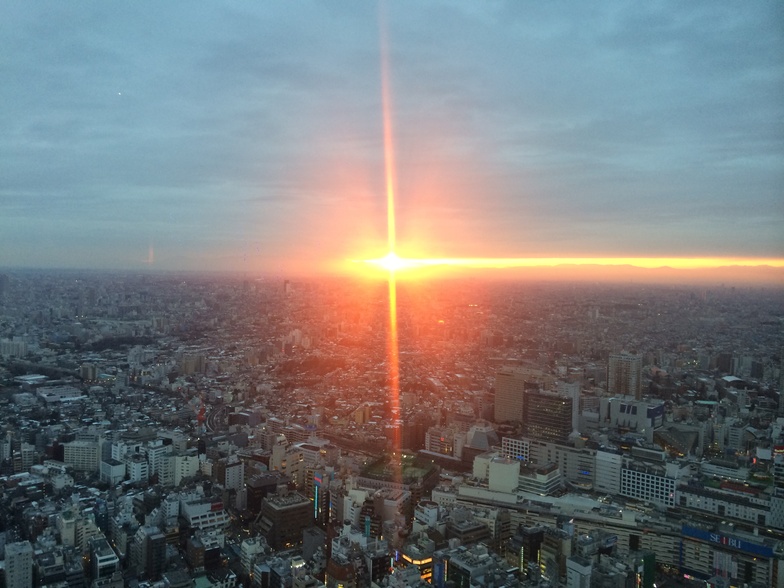
The breathtaking 360-degree view of Tokyo.
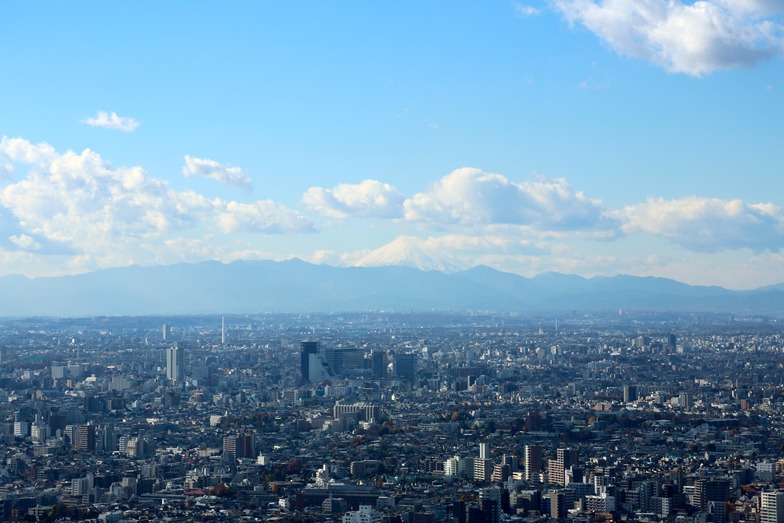
Sunshine 60 offers views of Tokyo in all directions. On clear days, you can even see the majestic Mount Fuji. If you want to have Tokyo's nightscape all to yourself, I can confidently say this is the place to come first.
Each distinct view can be enjoyed like a room.
The spaces divided by thick pillars felt like separate rooms. This was a discovery. It's a unique "character" that allows for the creation of distinctive and diverse spaces. Every time you pass a pillar, a new world appears. That's the image it evoked.
By shifting your perspective, challenges become unique characteristics.
Rather than lamenting shortcomings by comparison, viewing them as individuality allows us to create unique value. That was the starting point for our proposal.
"Don't do what can be done on the ground. Do what can only be done from an observation deck."
The proposal took many twists and turns, eventually forming a consortium (alliance) between Dentsu Inc., Nomura Kogei, and Sunshine City. Nomura Kogei brings overwhelming expertise in exhibition design and construction. Dentsu Inc. was valued for its concept development and storytelling. There were many heated debates, but as we spent more time together than with our own families, our focus gradually sharpened. However, the most valuable aspect was being able to speak directly with the client's on-site team and executives, including the president. The Sky Circus concept and content were never something Dentsu Inc. or Nomura Kogei could have conceived alone; they wouldn't have been born without the client's vision and passion. Especially with the president, whose motto was always "Don't do what can be done on the ground. Do what can only be done on the observation deck" – he had the most radical ideas of anyone – and the incredibly positive project leader, we were able to aim for the summit.
The concept was "Sky Circus"
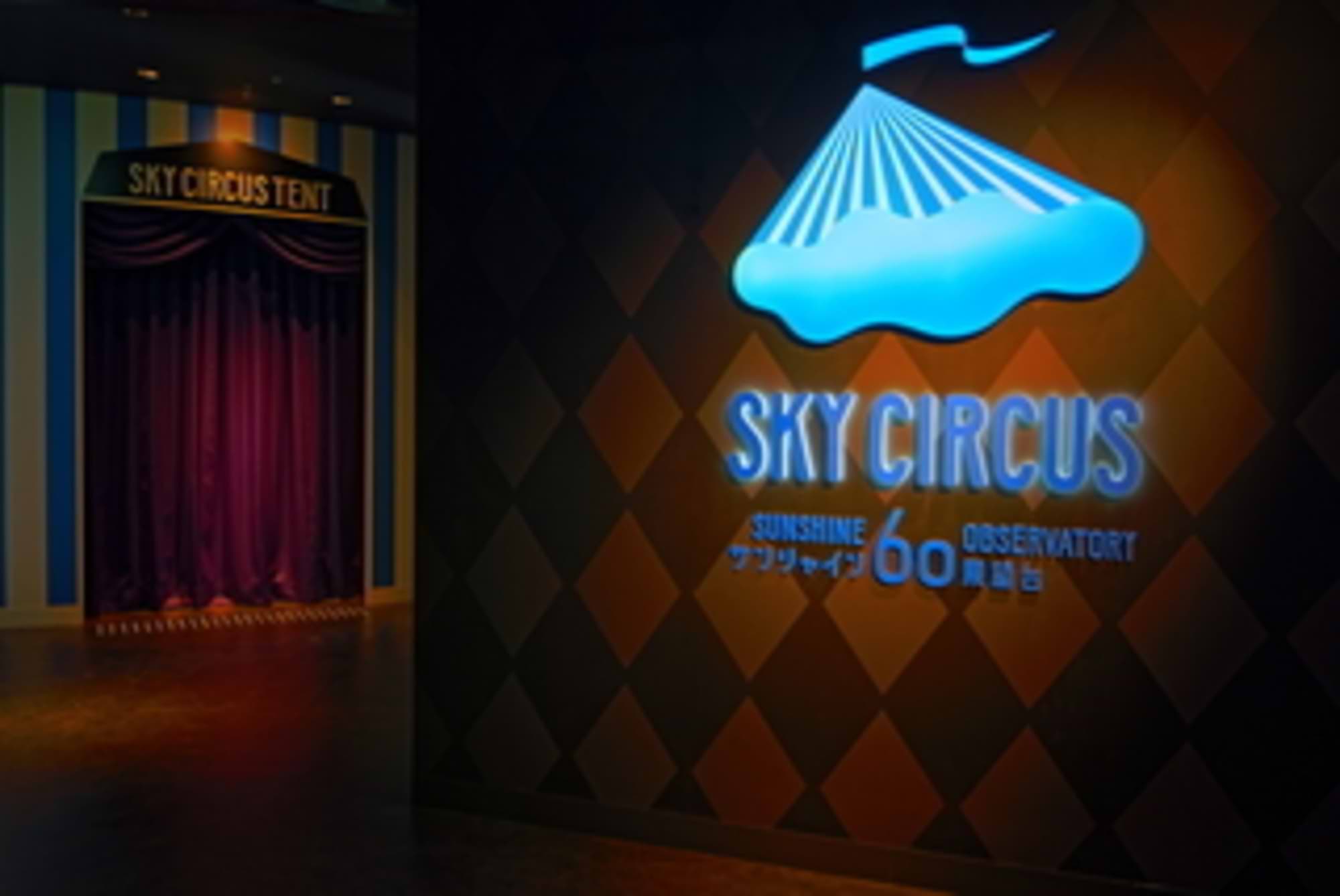
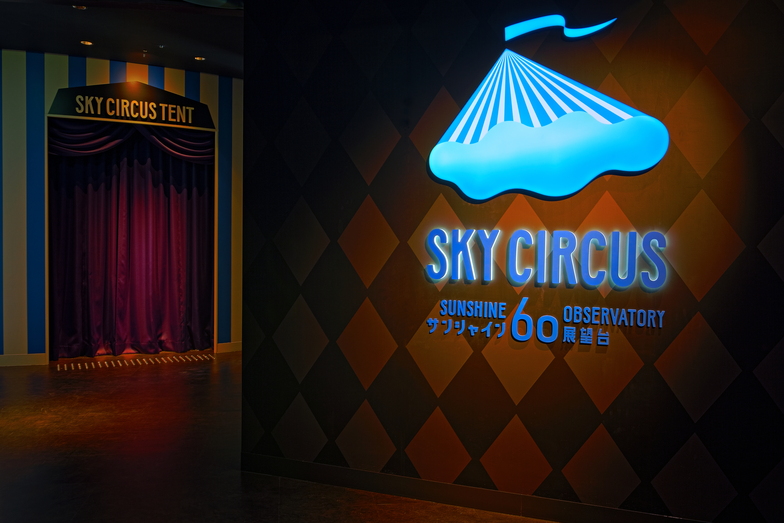
After exploring several concepts, the one adopted was "Sky Circus." A place that stimulates the senses like a circus, where everyone can enjoy and connect. Not passive, but interactive—a place you'll want to visit again and again. And above all, a place that feels vibrant. While novel and exciting things have happened on the ground until now, the sky is where the fun will be from now on. "Sky Circus" is a new observation deck business model that can convey this message. It was a shift from an "observation deck just for viewing" to an "observation deck for experiencing."
Making Tokyo exciting from the sky.
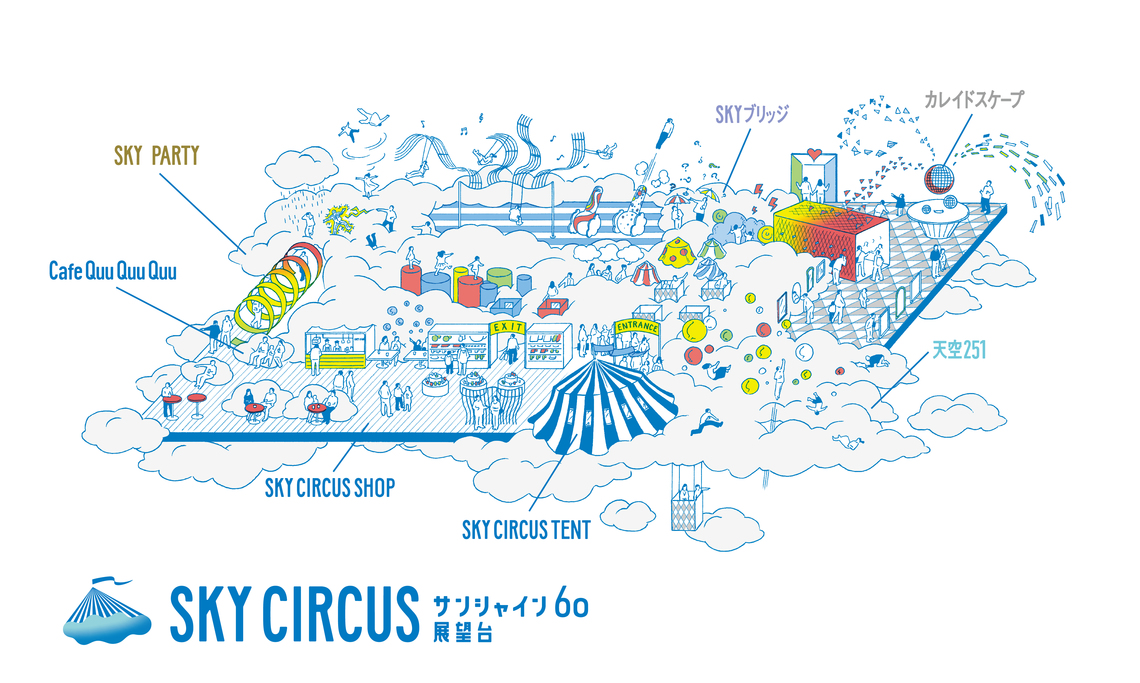
We developed the key visual and CI logo defining the worldview for this observatory, featuring 7 distinct areas and 25 unique experiences that let visitors enjoy the view and play in unprecedented ways, utilizing this space.
・Evokes the concept of an "elevated location" as an observatory.
・Conveys the "thrill and excitement" of not knowing what's happening inside.
・Upon closer inspection, the stripes resemble the view of Sunshine 60 from below.
Art Director Seri Tanaka conceived this design philosophy. From there, the design team at Nomura Kogei created the world of Sky Circus. The tent appearing in the Ikebukuro sky became the CI for Sky Circus, making Tokyo fun from the sky, and expanded into the structures, tools, uniforms, souvenirs, and even the content itself.
So, how was the content conceived and created? What kind of experiences were designed? That story is for next time.
Was this article helpful?
Share this article


Newsletter registration is here
We select and publish important news every day
For inquiries about this article
Author
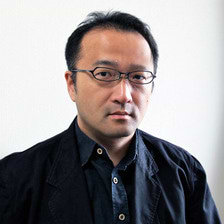
Makoto Teramoto
Dentsu Inc.
4th CR Planning Bureau
Creative Director