
Note: This website was automatically translated, so some terms or nuances may not be completely accurate.
 Copywriter, Year 2: My First Trip to Cannes [2/2]
Learning from the Cannes 2016 Seminar: "Ideas That Reach Beyond Japan"
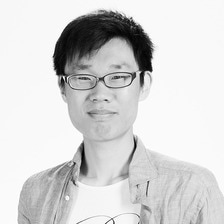
Higashi Naruki
I'm Higashi, a copywriter. I attended CannesLines 2016, an international creative festival held in Cannes, France, as a reporter for Dentsu CDC. Over 40,000 ideas, primarily advertisements, from approximately 100 countries worldwide are judged and awarded. Last time, I introduced "ideas that transcend borders" through interviews with judges from various countries.
The number of seminars at Cannes increases every year. This year, I was able to hear the perspectives and visions of globally active creators through 250 seminars and talks. This time, I will highlight four seminars I attended and introduce the concept of "planning that reaches beyond Japan" that I learned from them.


"Creating Magic: The Art of Brand Storytelling"
David Copperfield
First up is "Making Magic: The Art of Illusion in Modern Brand Narrative" by professional magician David Copperfield. He discussed how brands present themselves, using magic tricks as an example.
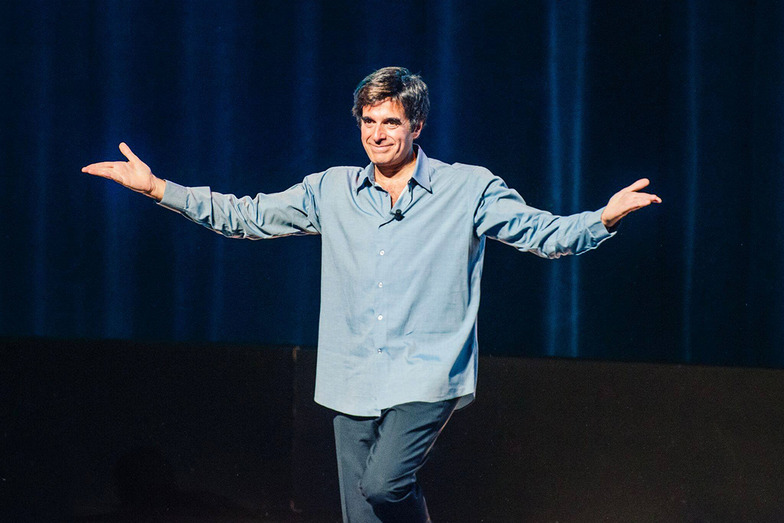
He states that his magic isn't about tricks, but about "storytelling." A magic show combines both tricks and a story. When asked, "How do you come up with magic tricks?" he answers, "Sometimes I come up with them from a story, and sometimes from a trick."
For example, he overlays the technology to spray snow with his childhood experience of never seeing snow. Every winter, he returned to his family home in Florida, the southernmost state of the USA, so he never encountered snow. One winter, he pleaded to stay and see snow, but that year, it never fell. Then, on Christmas night, he fell asleep gazing out the window.
Late at night, his mother woke him. Looking outside, he saw snow falling. He went out and felt the snow on his cheeks and palms. This was his first magic. Based on this story, he created the show "snow," where his present and past selves meet amidst falling snow.
The Power to Turn the Page
I believe stories possess the power to make you turn the page, wondering, "What happens next?" Copy and commercials that make you pause with a "Huh?" and then, once you've reached the end, leave you thinking, "What's the next story?" are the ones that stick in people's memories. I think ads that are first and foremost interesting stories, while also conveying their function, are what make people remember the product.
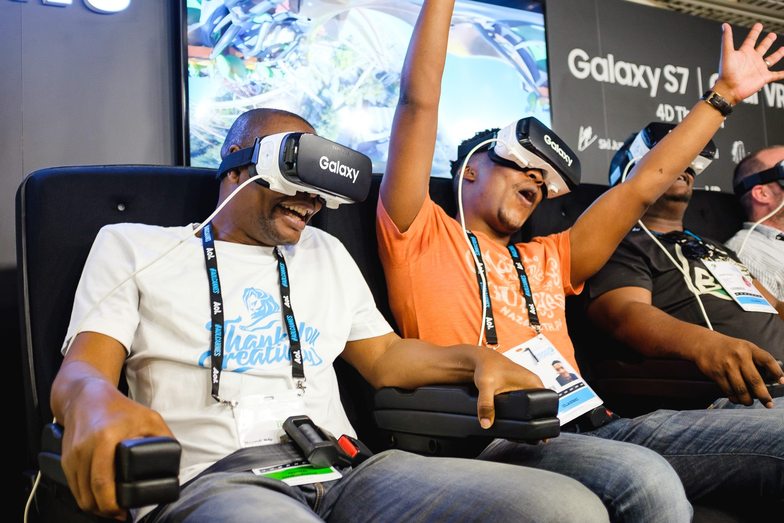
I've heard about the importance of "storytelling" from someone in a different field too. Aaron Koblin, founder of Within, a company specializing in VR (Virtual Reality) film. "The Displaced," which used VR to show the lives of refugee children in places like Syria, won the Grand Prix in the newly established Lions Entertainment category this year.
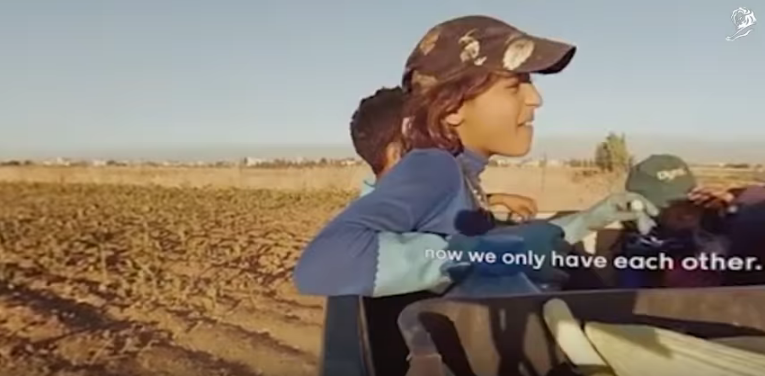
When I interviewed Aaron Koblin at Dentsu Lab Tokyo previously, he mentioned that what his company does daily is "learning the methodology of storytelling."Because VR can express the world as seen through another person's eyes, he explained they are experimenting with "how to create the connection between the viewer and the story within the 3D space of VR." For example, by lowering the camera position to include the figure of a refugee child, viewers can fully immerse themselves in the child's perspective. It seems they are experimenting with how to use VR to deliver the story to its fullest potential.
Whether through technology, magic, or commercials, I realized that the power of storytelling moves people's hearts.
"Thinking About Design"
Dentsu Inc.: Yoshihiro Yagi & Koichi Yamamoto
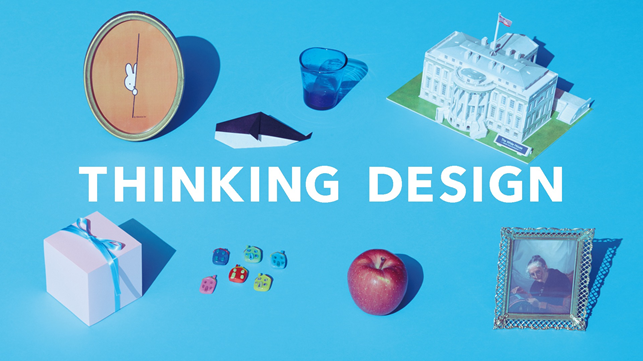
The next seminar, 'Thinking Design,' featured Mr. Yoshihiro Yagi, Creative Director at Dentsu Inc. CDC, and Mr. Koichi Yamamoto, Chief Executive Officer at Dentsu Inc. CDC. Mr. Yagi, a multiple Cannes Lions winner, posed the question 'What is design?' to the world. One answer was 'Design is Nature' – an attitude that recognizes the inherent value of things as they are.
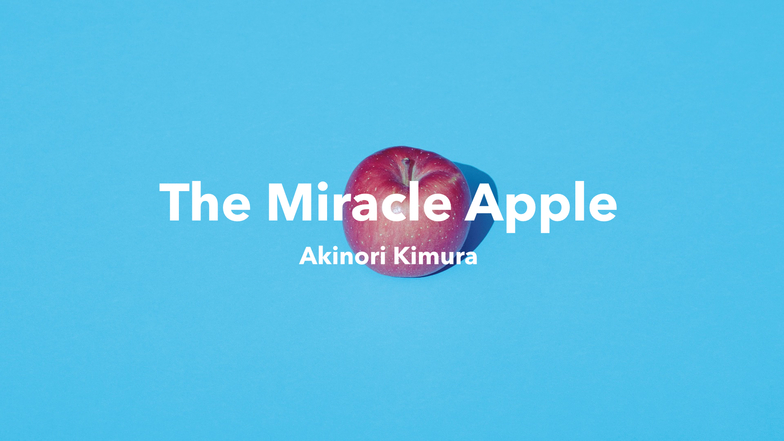
The seminar introduced Mr. Akinori Kimura, creator of the "Miracle Apples," as an example. Mr. Kimura successfully cultivated apples without pesticides. He grows apples in a natural state, allowing weeds to grow freely and maintaining the presence of wildlife and insects.Kimura states, "Everything that exists naturally has a purpose, so by utilizing these elements, I'm helping the apples grow." He adds, "The crop is the star. I'm just the helper, figuring out how the apple trees can grow and bear fruit without fertilizer or pesticides, without me doing anything."
Long-lasting relationships begin with "accepting things as they are."
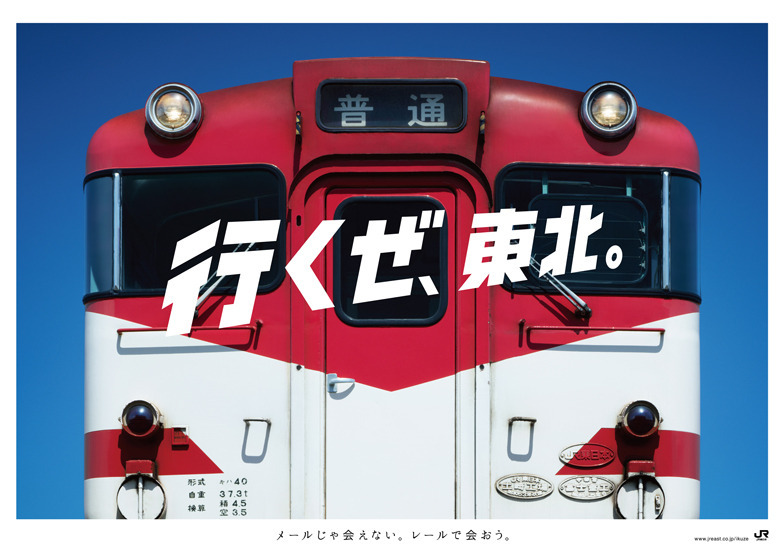
Additionally, the JR East campaign "Get Back, Tohoku.", for which Mr. Yagi serves as Creative Director, is another project that tapped into the inherent power of the brand.Mr. Yagi noticed that maintenance technicians affectionately nickname each train car body "Tarako" or "Red Demon." Recognizing that the trains themselves, filled with affection, hold value, he created posters and T-shirts featuring the trains as protagonists. This boldly and simply expresses JR East's value.
Both Mr. Kimura and Mr. Yagi treat apples and trains not as mere objects, but as if they were people. I learned that design is about seeing products as human, considering how to breathe life into them through expression, and how to make people fall in love with them.
AlphaGo Presentation
Google DeepMind
The Innovation Lions, which honors groundbreaking technologies and inventions, featured public presentations by 39 award-nominated teams. These presentations spanned two days, running from 9:00 AM until past 6:00 PM. Here, we introduce the presentation for the Grand Prix winner: Google DeepMind's AI Go program, " AlphaGo."
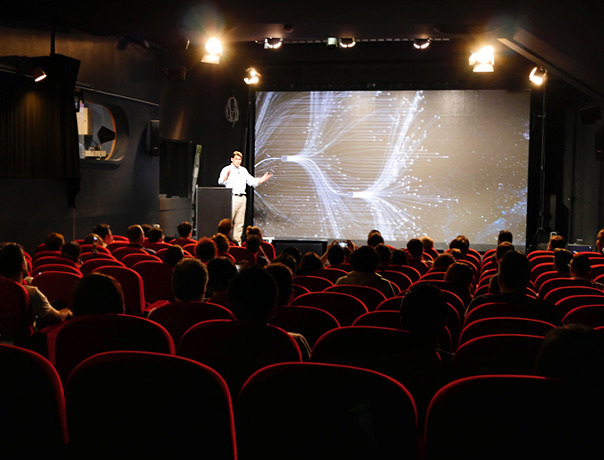
Scene from Google DeepMind's AlphaGo presentation
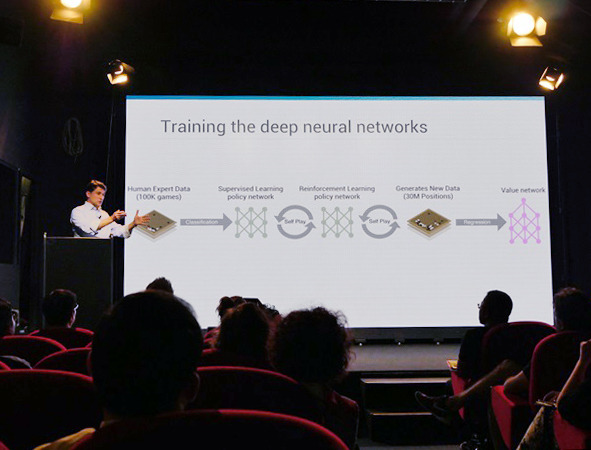
Games are an effective way to test AI capabilities. Among them, Go has 361 possible moves, with more possible sequences than atoms in the entire universe. AlphaGo used two networks—a "policy network" and a "value network"—to narrow down the best possible moves.The policy network narrows down options, suggesting "the next move should be here or here." From these narrowed choices, the value network looks ahead to determine which move seems most likely to win.
AlphaGo first trained by studying 100,000 professional game records. These records document every move made by players during matches. AlphaGo received a reward when it correctly predicted a professional's next move, encouraging the system to choose such moves. Incorrect predictions resulted in a penalty, discouraging them. Ultimately, it achieved a 57% accuracy rate in predicting a professional's next move.Next, it learned to predict where to play next—this is the policy network. It can be said to perform the role of intuition in humans. Then, it played thousands of games against itself, rewarding the winning side. As a result of this learning, it achieved a 4-1 victory over Lee Sedol, one of the world's top Go players.
Only humans can move hearts
By the way, how many years would it take a human to learn 100,000 games? Setting up a single game on the board takes about 10 minutes. 100,000 games would take 600 years, meaning AlphaGo can learn hundreds of times faster than humans. If it can learn at this speed, perhaps one day we'll cry over an AI-written novel after feeding it vast quantities of tear-jerking fiction.Indeed, there are ongoing efforts to have AI write novels.
So, how will the role of humans change? AI still cannot shed tears, laugh, or feel heartbroken over a lost love. I believe what only humans can do is be moved by feelings of longing or deliciousness, and express those emotions.
"How to Create the Worst Job"
Bruce McColl of Mars, Inc. and David Lubars of BBDO
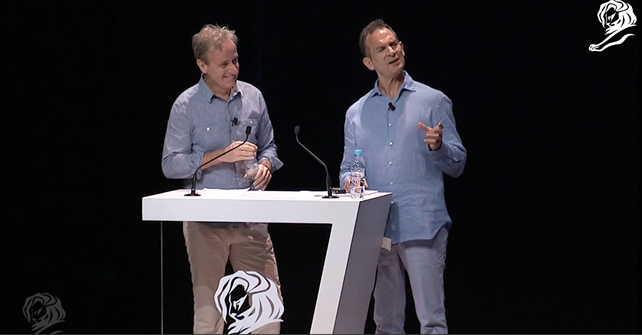
Finally, "How to Create the Worst Job" by Bruce McColl of Mars and David Lubars of BBDO. This seminar conveys how to create the best job by discussing the worst job. A key characteristic of the worst job highlighted was the phrase: "Only talk about yourself. Exclude the audience." For example, commercials that merely list features.
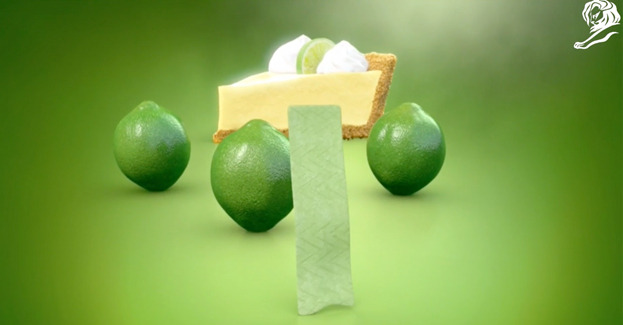
The example cited was the new dessert flavor commercial for "Extra Gum." It was a commercial that merely communicated the low-calorie feature and the product name, without considering how viewers would feel about it. So, they went back to what was important and created the next commercial.
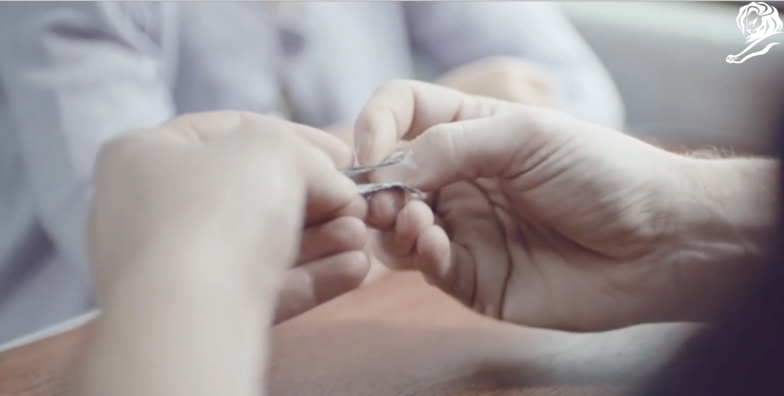
Extra Gum "Origami" Click the image to watch the video ( https://youtu.be/dxZu-6jewL4 )
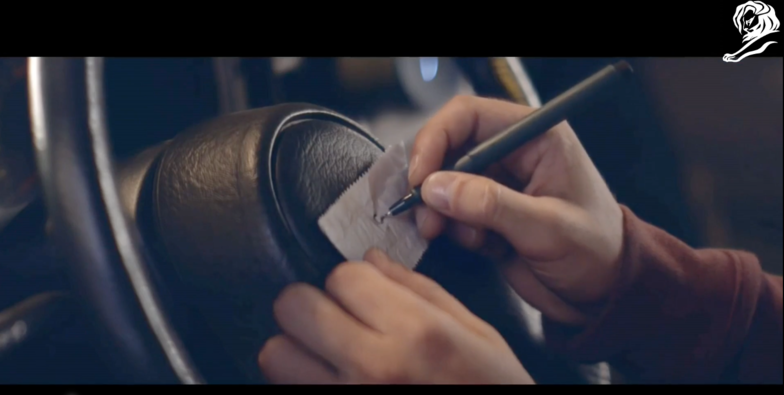
Origami (top left) is a story about folding a crane from the wrapper and infusing it with feelings for the recipient. This commercial was praised by the marketing director as "excellent work," leading to the team being entrusted with further production with the freedom to "create anything." The subsequent commercial, The Story of Sarah & Juan (top right), earned recognition including a Silver Lion in this year's Entertainment category.This example teaches us that conveying the story surrounding a product is crucial, not just discussing its features. Watching these two films brought tears to my eyes at the seminar venue. They were the most moving works at this year's Cannes.
That concludes our discussion on delivering stories, embracing authenticity in design, and the learning process of AI.
Will this reach Japan?
I realized that emotions like "tears" and "interesting" know no borders. A project that still receives praise after being judged by people of various nationalities moves the hearts of "people," regardless of nationality.
At Cannes, I felt it was a missed opportunity to see Japanese people exchanging business cards among themselves and not talking much with international attendees. It's a chance to connect with jurors and award winners, discovering that "you can empathize even with people who have different common sense." Meeting hundreds of Japanese people is important, but talking with 15,000 people from abroad opens up new perspectives. Simply having more Japanese people approach others in English could expand the possibilities for Japanese work. And it would broaden the range of people you can meet in your lifetime.
From Yanci Wu, who won at Future Lions and works in New York, to Chris Gove, who created edible beer packaging to protect marine life, I built many international connections. The real-life experience of Cannes gave me a new perspective: when crafting copy, I now ask myself, "How would I say this to them?"It allows us to test whether our ideas resonate with Japanese audiences and even reach overseas. I'd like to share this Dentsu-ho with the people featured in the articles as a thank you, and I hope to meet them again somewhere.
Was this article helpful?
Share this article


Newsletter registration is here
We select and publish important news every day
For inquiries about this article
Author