
Note: This website was automatically translated, so some terms or nuances may not be completely accurate.
Regional boom accelerates! Dentsu Inc. releases "Japan Brand Survey 2016"
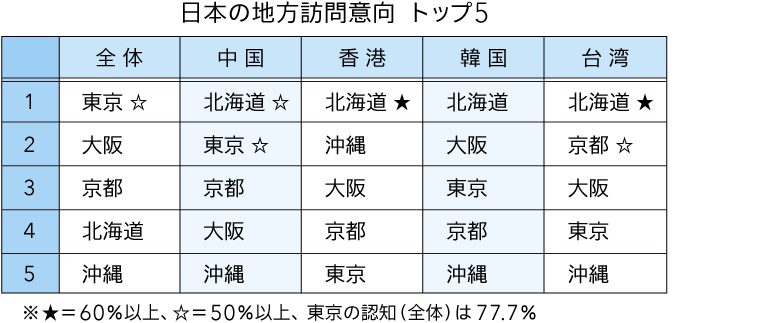
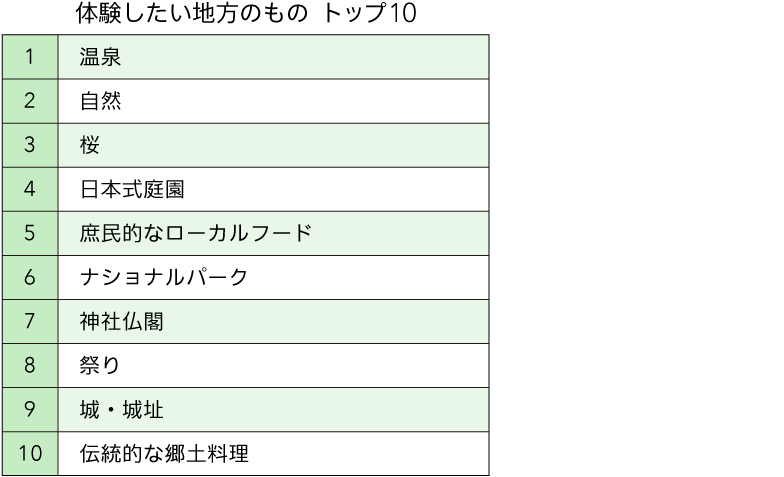
On July 26, Dentsu Inc. announced the "Japan Brand Survey 2016," designed to support client companies' marketing activities within the "Cool Japan" initiative, which promotes overseas expansion of products and services leveraging Japanese culture and strengths. In East Asia specifically, Hokkaido and Okinawa ranked high among desired prefectures to visit, while hot springs, cherry blossoms, local cuisine, and festivals topped the list of experiences sought in regional areas, indicating a growing shift in interest toward regional Japan.
This survey has been conducted annually since 2011. The 2016 edition, conducted from April to May across 20 countries and regions*, expanded the scope of questions compared to the previous survey. It collected detailed data and insights on pro-Japan sentiment, intent to visit Japan, preferred regions and reasons for visiting, as well as interest, awareness, and perceptions of Japan and Japanese products. The findings are provided to companies expanding overseas and those domestically preparing for inbound tourists.
*20 countries and regions: China (Beijing, Shanghai), Hong Kong, South Korea, Taiwan, India, Singapore, Thailand, Indonesia, Malaysia, Vietnam, Philippines, Australia, USA, Canada, Brazil, UK, France, Germany, Italy, Russia
While Tokyo remained the top choice for Japanese prefectures to visit, in East Asian countries like China, Hong Kong, South Korea, and Taiwan, Hokkaido, Osaka, Kyoto, and Okinawa ranked highly, indicating a growing shift away from Tokyo compared to the previous year.
Additionally, among those wanting to visit Hokkaido, activities they wished to experience locally included hot springs, cherry blossoms, snow, and autumn foliage – immersing themselves in nature and the four seasons. Ramen also ranked highly, likely influenced by Sapporo ramen.For Okinawa, besides the sea and islands, food like local cuisine and regional dishes, along with sightseeing at historical sites such as World Heritage locations and World War II ruins, were cited. These preferences are largely similar to what Japanese people feel about Hokkaido and Okinawa, suggesting that the symbolic tourist attractions, culture, and experiences of each prefecture are being communicated and understood overseas.
Additionally, Thailand ranked highest in both positive sentiment toward Japan and intention to visit. Among Japan's World Heritage sites, the Atomic Bomb Dome was the most recognized, while Mount Fuji topped the list for intended visits. Regarding outstanding Japanese things, Japanese robotics, Japanese cuisine, and anime/manga ranked in the top three for the second consecutive year.
Dentsu Inc. News Release
http://www.dentsu.co.jp/news/release/2016/0726-008990.html
Was this article helpful?
Share this article


