
Note: This website was automatically translated, so some terms or nuances may not be completely accurate.
 Evolving E-Commerce: What Does the New Era Look Like? [4/4]
Opening Purchase Data, Product Design... The Future of E-Commerce Created Through Co-Creation Between LOHACO and Manufacturers
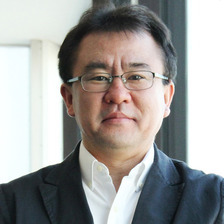
Akira Yoshioka
ASKUL Corporation
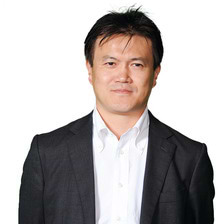
Junichi Kanno
This series interviews key figures in Japan's e-commerce market, now exceeding 13 trillion yen in scale, about the strengths they will leverage to engage consumers moving forward. For the final installment, we visited "LOHACO," the B2C daily goods e-commerce service operated by office supplies company ASKUL. What is the "Fourth EC" envisioned by ASKUL Director Akira Yoshioka, who oversees the service?
Part 2:Rakuten Brand's Future Pursuing "Good for Customers, Good for Stores "
Part 3:Amazon Embodies "The Company That Values Customers Most on Earth"
E-commerce that shares purchase data with manufacturers?
Kanno: Launched in 2012, " LOHACO " broke free from traditional industry structures. By building a collaborative framework between manufacturers and distributors while offering new value to users, it has surpassed ¥30 billion in annual sales over the past four years and has become one of Japan's major B2C e-commerce platforms. On the other hand, looking at the e-commerce market as a whole, while the market size will continue to grow, I believe users will increasingly demand that each service differentiate itself rather than evaluating them based on uniform criteria like expanding product selection or enhancing speed delivery. How do you view the current situation?
Yoshioka: Indeed, over the past 20 years, e-commerce has become indispensable in our lives. The range of products has expanded from limited, hobby- or preference-driven items to daily necessities, food, and even pharmaceuticals handled by drugstores, marking a complete paradigm shift in distribution. Companies have also intensively pursued factors like price, delivery areas, and speed.
Kanno: For LOHACO, having the expertise from ASKUL, our B2B mail-order business for office supplies, is a major advantage, right? We also own our own distribution centers.
Yoshioka: That's right. On top of that, leveraging Yahoo's massive online customer base, we gained significant support in a short time. However, precisely because all companies' services have reached a certain level of convenience, the question now is "how to move forward." Are customers seeking even greater convenience and efficiency? Or, assuming a certain level of convenience is already provided, are they seeking added value like a richer lifestyle or greater happiness?
Initially, we achieved growth by emphasizing "same-day or next-day delivery" and competitive pricing through direct manufacturer partnerships. Going forward, we plan to focus on customers seeking enrichment over mere convenience, advancing proposals for a more fulfilling lifestyle. We aim to leverage our direct manufacturer connections even more, becoming a bridge that connects manufacturers directly with customers.
Kamiya: Could you share how LOHACO is responding to manufacturers' needs?
Yoshioka: When speaking with manufacturers, I sense they prioritize three key areas. First, ① expanding market share. Second, ② enhancing product value. And third, ③ avoiding inventory disposal. Market trends shift rapidly, and some products undergo frequent revisions or discontinuation, leading to significant disposal of obsolete inventory. Ultimately, disposal costs get passed on to customers.
Given that our president, Shoichiro Iwata, was originally a marketer at a household goods manufacturer, we clearly recognized these challenges from the outset. At LOHACO, we considered from the beginning whether opening up big data could help solve these issues.
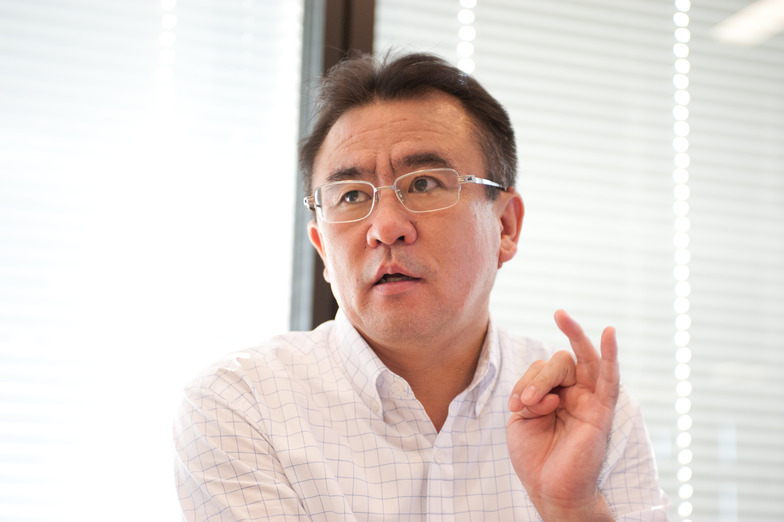
Participating Companies See Average 200% Sales Increase: "LOHACO EC Marketing Lab"
Kamiya: For online businesses, data is an extremely important asset. The fact that LOHACO openly shares all of it is a major feature and a bold decision. Did you originally have that vision?
Yoshioka: Yes. E-commerce has no shelf constraints and allows us to precisely "visualize" customer behavior. This enables us to reliably detect promising sales signals, start small with communication, and nurture products with a long-term perspective. This approach reduces waste and loss while enhancing value for customers.
By promoting this approach, manufacturers understand we're not just seeking to sell cheaply. I believe they recognize the value in partnering with us as a marketing channel.
Kamiya: I believe the "LOHACO EC Marketing Lab" (hereafter, the Lab) – a co-creation platform with manufacturers where we share LOHACO purchase data (excluding personal information) – truly embodies leveraging our direct connection with manufacturers. This initiative is now in its third year; could you outline it for us?
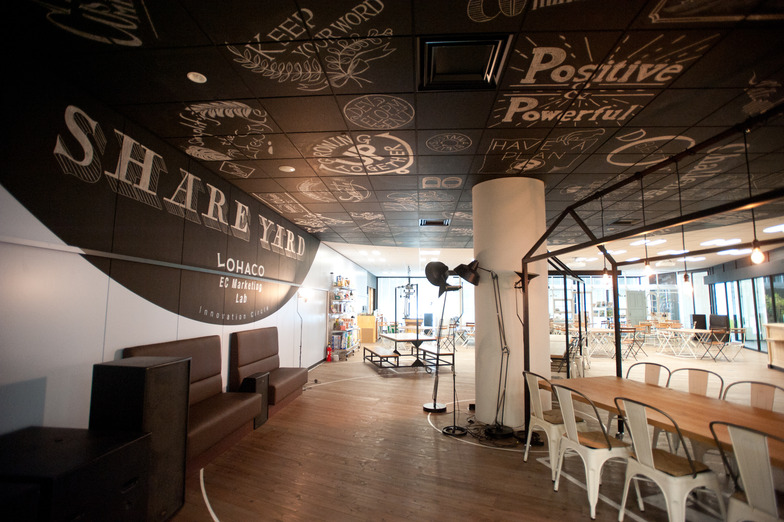
Yoshioka: We started in January 2014 with 12 participating companies. Since then, we've continued to expand without losing a single member, and this year we have 100 member companies. Simply opening up data means results vary depending on the user's skill level. However, at the lab, we provide multiple programs designed to help participants effectively achieve results. Participating companies are achieving sales on average more than double their previous period.
Kanno: Do you frequently hold study sessions or other events organized by your company?
Yoshioka: Yes, we do. We hold specialized workshops on themes like product development, data analysis, and advertising promotions, staffed by our own expert researchers. Simultaneously, we invite manufacturers to lead these workshops. Initially, we took the lead, but now it's increasingly manufacturer-driven, and individual business discussions between manufacturers are also rapidly emerging.
A thorough user-centric approach extending to product design
Kanno: What kind of discussions occur between manufacturers?
Yoshioka: For instance, looking at data through the lens of breakfast reveals that vegetable juice and cereal have a very high co-purchase rate. Or, from a caregiving perspective, adult diapers and caregiver meals complement each other well. Manufacturers who notice these patterns might then consider offering "bundle discounts" and propose these to us.
The "bundle discounts" offered on LOHACO include not only sets where a single manufacturer bundles products from different categories, but also sets that cross manufacturer boundaries, grouping products around themes like "Support for Busy Women and Moms!" This is one of the sales programs we prepare in our lab mentioned earlier, and it seems like a concept that's difficult to easily implement on the shelves of physical stores.
Kamiya: For this series, we also conducted an e-commerce user survey at Dentsu Inc., and the evaluation of LOHACO's bundle purchases was very high. Now I understand why. It's precisely because these bundles aren't forced, seller-driven packages, but rather offer users what they want at a good value. By involving multiple manufacturers, we've achieved something distribution alone couldn't, leading to real user benefits.
What other programs are part of the Lab?
Yoshioka: Since we have data on cross-category and cross-product purchase patterns, as well as buyer attributes, our targeted sampling programs based on this data consistently lead to high subsequent purchase rates. Encouraging review submissions during sampling also provides momentum when we launch full-scale sales.
Also, earlier I mentioned manufacturers' need to "avoid inventory disposal." Our outlet approach addresses this. While we present it to customers as buying discounted clearance items through the term "outlet," it can also be seen as paid sampling. Even if drawn by the low price, these buyers represent promising potential customers for improved products, making follow-up approaches viable. Ultimately, this reduces the volume of discarded goods. We also believe discarding products is socially undesirable, so we consider the social significance of outlets to be substantial.
Furthermore, by meticulously analyzing repeat customers, we can develop highly effective, unique incentive programs. This kind of careful marketing is strongly supported by manufacturers. Isn't this the reason the lab continues to expand without losing a single client?
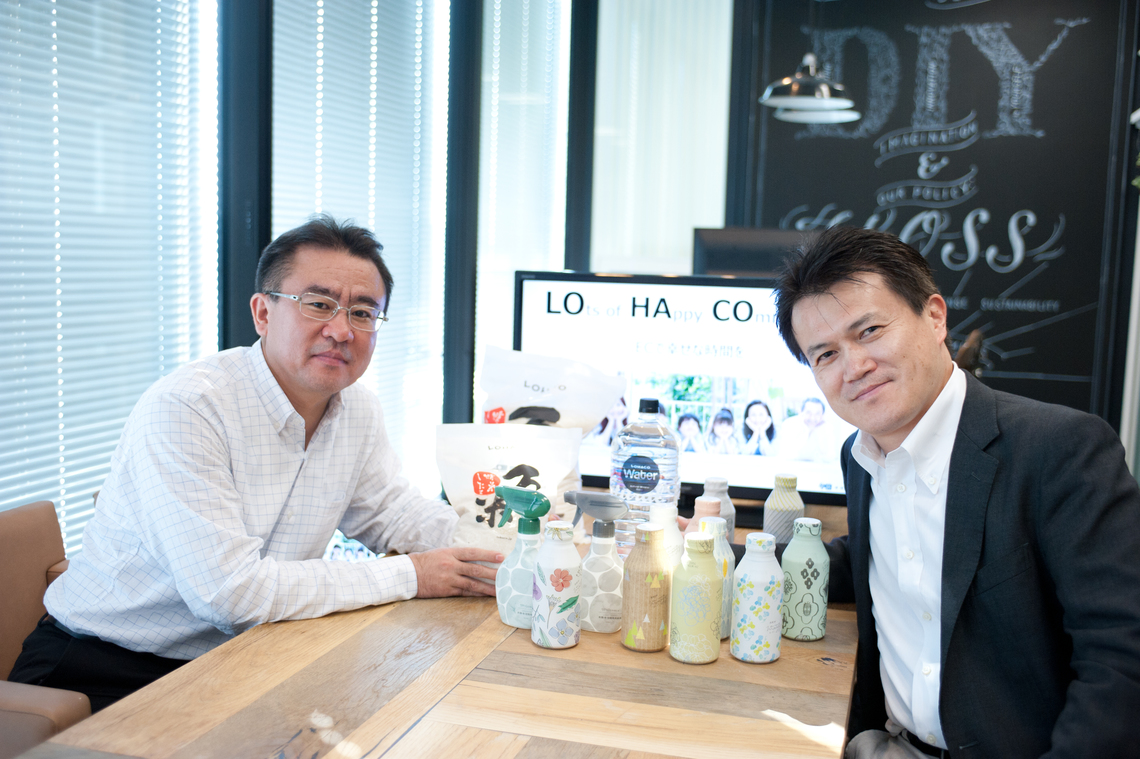
Kamiya: In LOHACO's collaborations with manufacturers, product development is also drawing attention. The "Designs That Blend into Daily Life" series, exclusive to LOHACO and ASKUL, is reportedly selling very well.
Yoshioka: Last fall, we participated in the design event "TOKYO DESIGN WEEK 2015." Together with 21 manufacturers involved in the lab, we developed and exhibited original design products. Since we developed them based on feedback from LOHACO customers, they received a huge response right after sales began early this year.
Products sold through e-commerce don't need packaging designs that stand out on retail store shelves. This result came from thinking together with the manufacturers' designers and customers about what kind of design truly feels good to use in customers' homes. ASKUL has also pursued design-oriented product development for some time, but we believe there's huge potential for product design that's uniquely possible in B2C e-commerce.

Expanding beyond food, beverages, and toiletries into pharmaceuticals and cosmetics
Kamiya: So you achieve hits based on data analysis and user-centric thinking. I believe some products even extended beyond packaging design to the product design itself.
Yoshioka: You're very knowledgeable (laughs). Nippon Paper Crecia's "Scotty Flower Pack Triple-Length Toilet Paper Roll" is a product realized through extensive collaboration with our company and their advanced technological capabilities.
Toilet paper is bulky to carry home, making it suitable for e-commerce. However, its bulkiness during transport also meant high logistics costs. So, we focused on the customer's subtle pain point of "replacing it is a hassle." We developed a product with three times the length per roll, reducing the replacement frequency, and it's selling well. For us, the reduced load volume by a third also brings the benefit of lower logistics costs. It's truly a win-win-win situation.
We also believe insights gained from our previous development of ASKUL's original film-wrapped tissue paper were beneficial. Switching from paper boxes to film packs was well-received by customers, eliminating extra waste and allowing them to see the remaining quantity.
Kamiya: Looking at the manufacturers currently participating in the lab, it's surprising to see nearly all the leading Japanese national manufacturers represented—from food and beverages, daily necessities, to pharmaceuticals, cosmetics, and stationery. How are the attitudes shifting across different categories?
Yoshioka: Manufacturers in food, beverages, and toiletries—areas LOHACO originally focused on—were quick to act. Beverages are heavy, and toilet paper is bulky, so the shift to e-commerce happened early. These manufacturers were highly sensitive to changes in consumer behavior and distribution. From last year to this year, we've also seen participation from cosmetics, drugstore-sold pharmaceuticals, and fashion-related underwear manufacturers.
Compared to food, beverages, and daily necessities, these products have lower annual purchase frequency and are less frequently top-of-mind. As LOHACO has grown as an everyday e-commerce platform, brands have come to better understand the value of exposure here. While there were initial concerns that high-end cosmetics might damage brand image, we've increased the number of participating brands by creating pages that leverage each brand's unique worldview.
Kanno: At this point, LOHACO is no longer just a "daily goods e-commerce" platform for users either.
Yoshioka: Recently, seasonally, camping tents are selling well too. We aim to provide a rich lifestyle through both left-brain analysis leveraging big data and right-brain creativity born from co-creation between manufacturers and us, or even between manufacturers themselves.
LOHACO's Vision for the Fourth E-Commerce
Kanno: Finally, please tell us about future developments. Most recently, starting at the end of August, we launched "Happy On Time" as an additional service for users, allowing them to specify delivery times in one-hour increments. This time-specific delivery service is free for orders over 3,000 yen.
As mentioned earlier in the e-commerce user survey under "Products or services you would use if available," about 50% expressed interest in "services allowing specified delivery dates and times," showing very high demand for time-specific delivery. The desire is less about immediate delivery and more about receiving items according to one's own lifestyle pace.
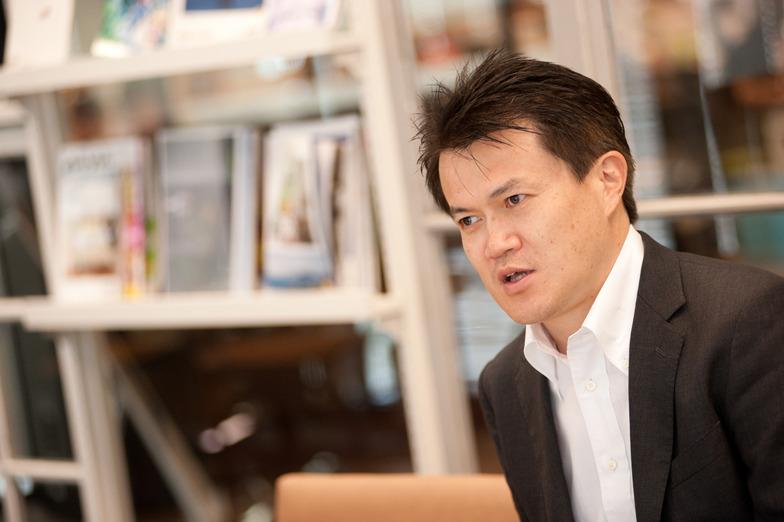
Yoshioka: Exactly, the demand for time-specific delivery is deeply rooted. Since the main users of current e-commerce are busy working generations and mothers raising children, we understand that even a 2-hour delivery window can still be inconvenient. Even on weekends, it's difficult to keep the entire morning free. That's why we implemented hour-specific delivery slots, delivery notifications in 30-minute increments, and a final notification 10 minutes before arrival.
We actually considered offering 24-hour delivery, but group interviews revealed customers saying, "Please avoid late nights." Beyond concerns about safety and disturbing neighbors, there was also worry about the burden on drivers. It shows we're in an era where convenience must be balanced with consideration for workers and society. We plan to evolve this service based on actual needs while operating it.
Kamiya: I believe this exemplifies how future e-commerce must go beyond simply listing and selling products; it's crucial to provide distinctive services tailored to user needs. What market position are you aiming for next?
Yoshioka: Within consumer e-commerce, we are aiming for the "Fourth EC." This classification was proposed by Mr. Kozo Takaoka, President of Nestlé Japan. The First EC refers to pure-play e-commerce specialists. The Second EC is retail e-commerce operated by existing brick-and-mortar retailers. The Third EC is direct-to-consumer sales by manufacturers like Nestlé. LOHACO aims to be this Fourth E-Commerce—a model with strong customer attraction that creates value through direct manufacturer connections.
Kanno: It truly is an entity that "directly connects manufacturers and users." Given the various innovative initiatives you've undertaken so far, the direction is already clear. Will the focus now shift more toward scaling up?
Yoshioka: Yes, that is our immediate challenge. First, we will strengthen our collaboration with Yahoo, starting with Yahoo Premium members. Building on LOHACO's launch on the SoftBank Mall this August, we will also advance partnerships with major platforms, such as directing SoftBank users to LOHACO. We will also accelerate our collaboration with Alibaba Group in China to further expand cross-border e-commerce. Additionally, we plan to explore marketing applications for our web magazine "Style LOHACO," which aims to propose lifestyle ideas. Regarding product selection, we intend to increase offerings beyond just items stocked in our distribution centers. This includes expanding the range of products delivered directly from manufacturers or production areas to customers, such as gourmet items shipped directly from producers.
Was this article helpful?
Share this article


Newsletter registration is here
We select and publish important news every day
For inquiries about this article
Back Numbers
Author
Akira Yoshioka
ASKUL Corporation
Director and B to C Company
Chief Operating Officer