
Note: This website was automatically translated, so some terms or nuances may not be completely accurate.
 ADWASIA 2017 Report [3/6]
Advertising Agencies and Consulting Firms: Will Their Future Be Competition or Collaboration?

Advertising Week Asia 2017
Advertising Week, the marketing and communications festival that made its Asian debut last year, returned to Tokyo this year as Advertising Week Asia 2017. Over four days from May 29 to June 1, Tokyo Midtown gathered top executives and CMO-level leaders from around the world, focusing on diverse themes including brands, media, and technology. The number of partner companies and organizations increased from 50 last year to 64, with approximately 13,000 attendees.
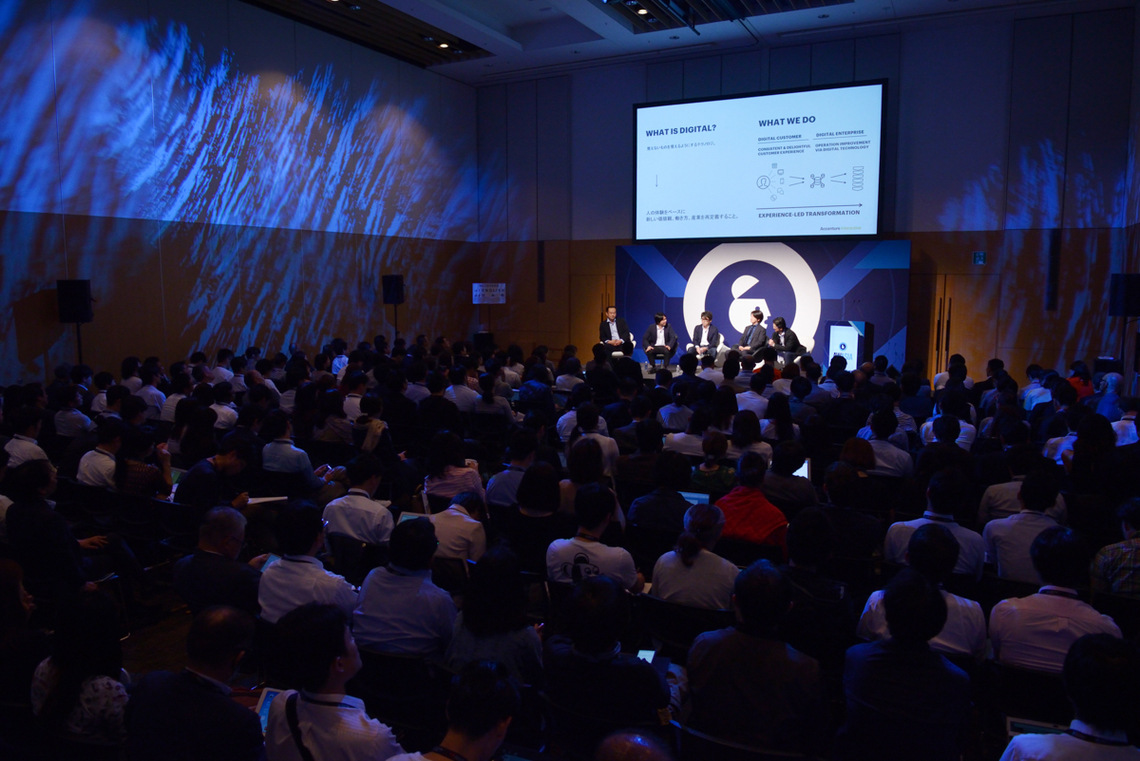
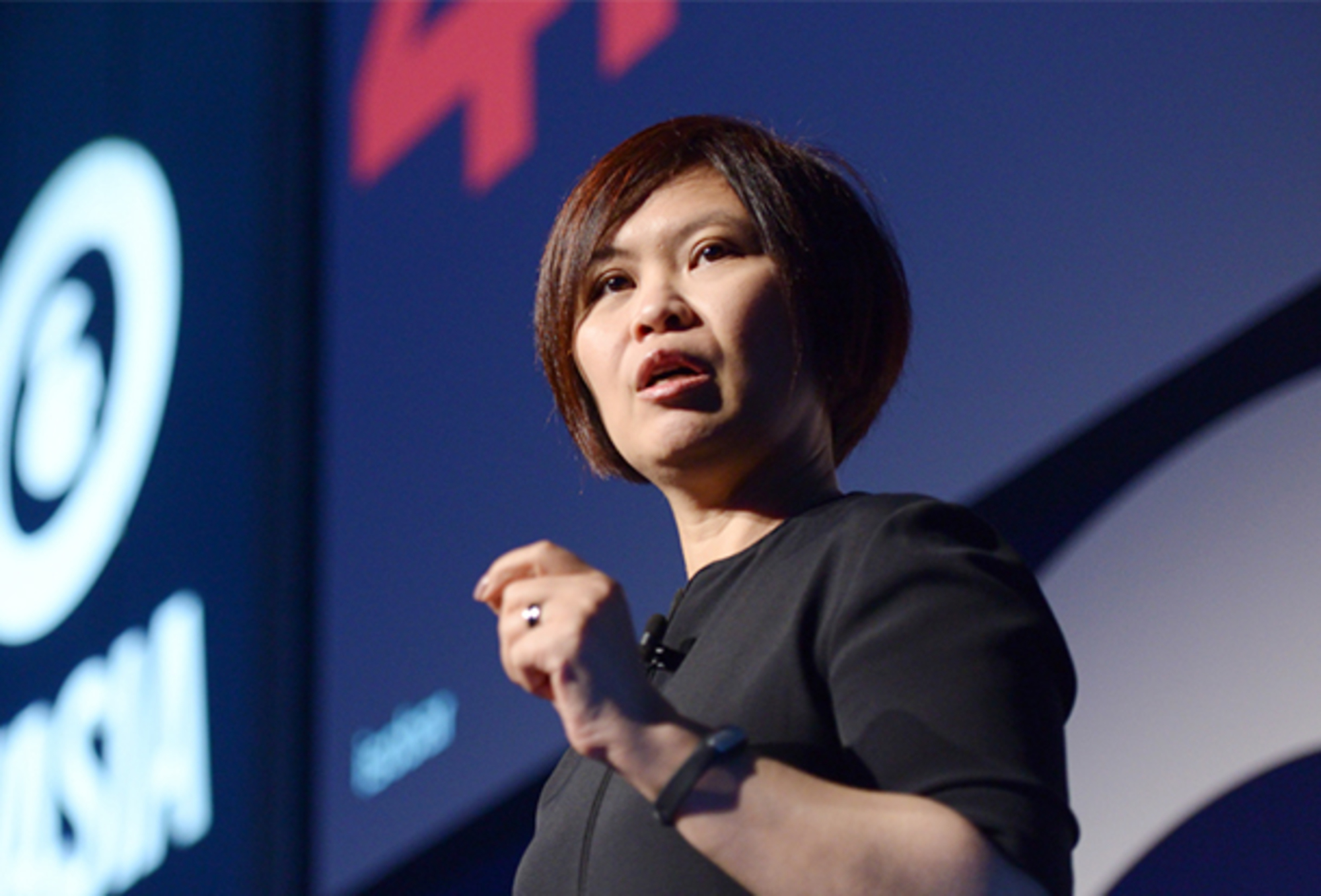
Among the diverse sessions, the one that drew the most attention and filled the venue to capacity was "Collaboration and Competition Between Advertising Agencies and Consulting Firms in the Digital Domain (Data Strategy)", featuring panelists from advertising agencies and consulting firms. Leaders in digital from Dentsu Digital Inc., Hakuhodo, Accenture, and PwC Consulting gathered to reveal how they perceive digital and how they view each other's moves. Here are highlights from the friendly yet heated discussion.
The Overlapping Domains of Advertising Agencies and Consulting Firms
As consumers freely master digital tools, digital has become an indispensable element of marketing for companies. To respond to this situation, both Dentsu Inc. and Hakuhodo have successively established specialized digital organizations in recent years, focusing on providing comprehensive execution services that far exceed the traditional scope of "advertising agencies." Meanwhile, in the consulting industry, major U.S. firms have been acquiring digital agencies and creative agencies in recent years, clearly signaling their intent to tackle corporate management challenges using digital solutions. In Japan, Accenture's acquisition of IMJ last year made headlines, sparking media buzz about an "advertising agency vs. consulting firm" dynamic.
Considering their different origins and areas of expertise, and the fact that client challenges vary widely, it's not accurate to say they are in direct competition across the board. However, it is true that in the US, the top three advertising agencies by digital revenue are all consulting firms (Ad Age's "Agency Report 2017").
The session was conceived by Yoshihiko Kasamatsu, President of Ignite and Managing Director of Advertising Week Asia. Serving as moderator, he explained, "My own candid question—how do advertising agencies and consulting firms view each other as their business domains increasingly overlap—was the impetus for this session."
Digital fundamentally changes human experience
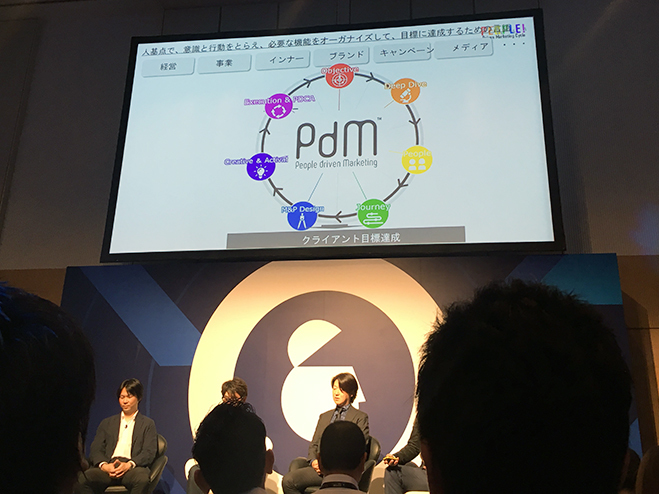
The session began with each company explaining their perspective on digital. Yoshihisa Suzuki, President of Dentsu Digital Inc. established last year, presented a new concept: "People Driven Marketing." This approach centers on people, anticipates their actions, and leverages the company's digital-focused methodologies for planning. "We also tackle management and business challenges based on this concept," Suzuki stated.
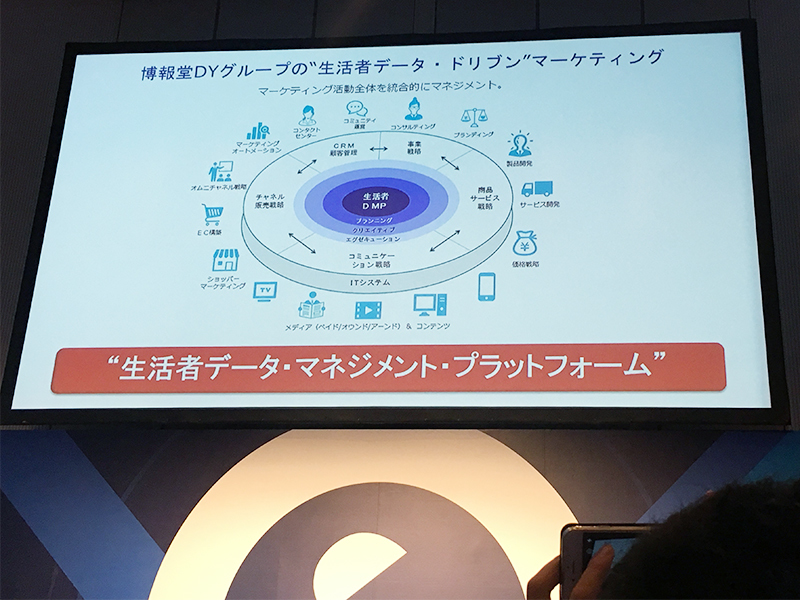
Motohiro Ando, Executive Officer at Hakuhodo, strongly resonates with Suzuki's emphasis on people-centricity. Hakuhodo established the Hakuhodo Institute of Life & Living in 1981. The company has practiced marketing centered on consumers, promoting value for them. "We've been refining our data collection methods from the very beginning. Now, with the power of digital, we believe we can fully build the 'Consumer Data Management Platform' that forms the backbone of our marketing."
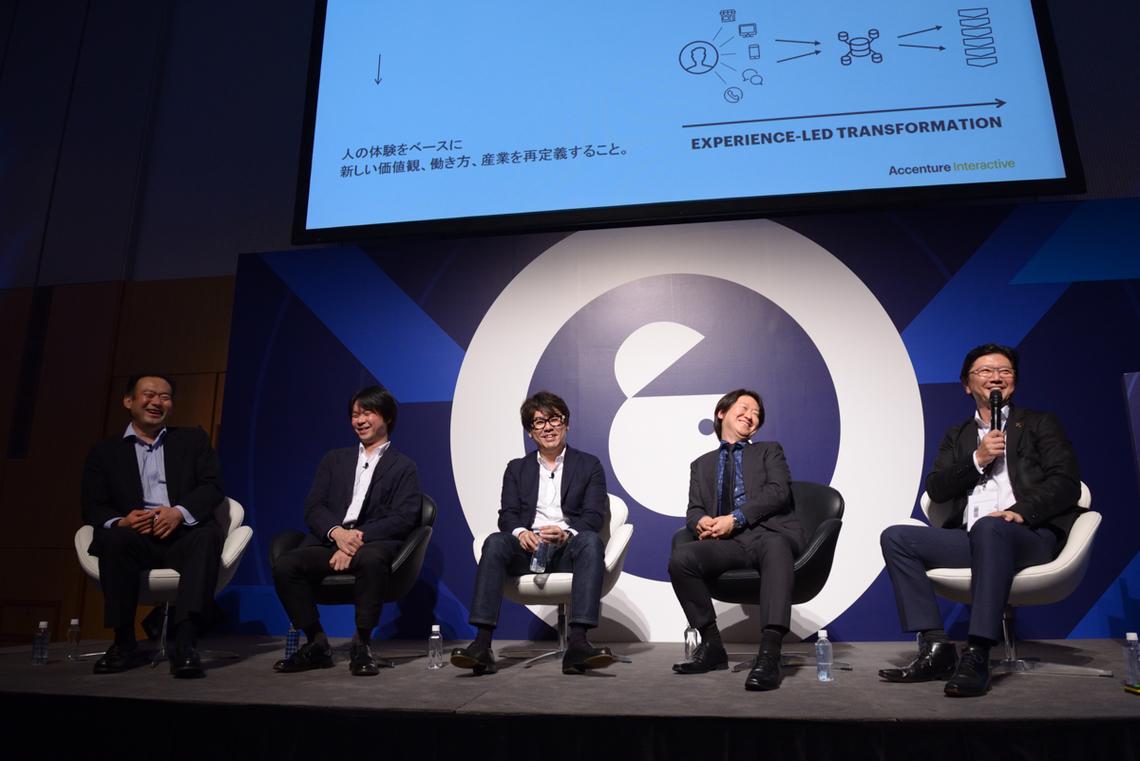
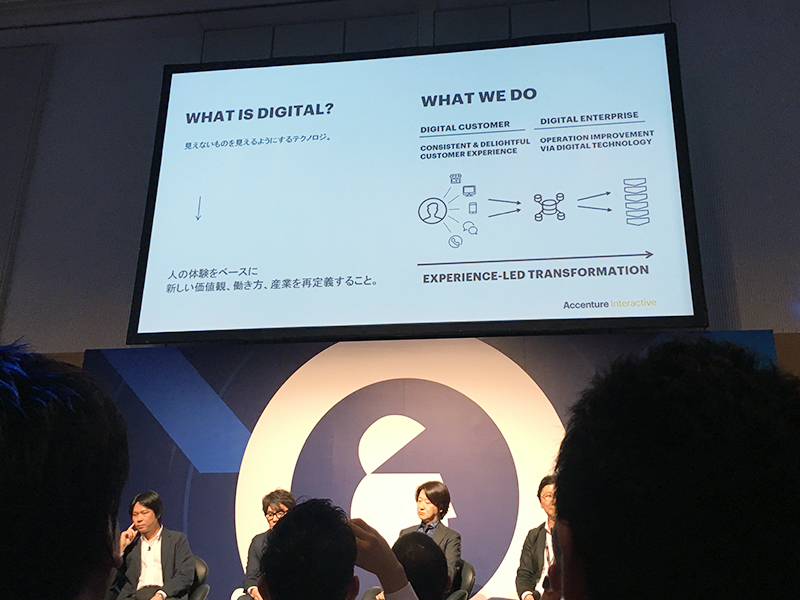
Junichiro Kurokawa, who leads Accenture Interactive at Accenture, views digital as "making the invisible visible through technology." "To use the analogy of white rice in a bowl, in the analog era, you'd say 'Extra rice, please!' In the digital era, it becomes 'Extra 3,500 grains!' Digital itself is merely technology, but I believe it is driving a major change akin to an industrial revolution, redefining people's experiences, values, ways of working, and even entire industries." Within the company, Accenture Interactive specifically embraces the mindset of transforming the entire enterprise starting from customer experience and the touchpoints between companies and customers, referring to this as "Experience-led Transformation."
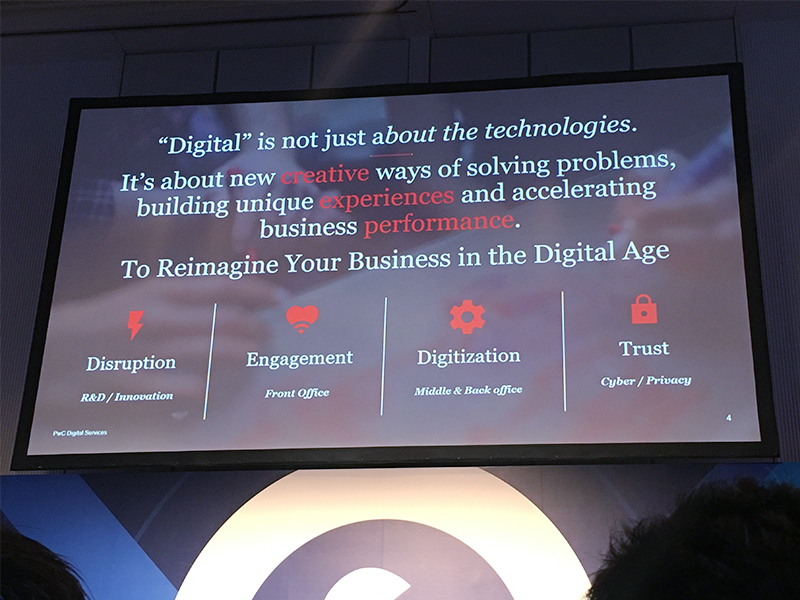
Eric Masunaga, Head of PwC Digital Services Japan at PwC Consulting, states, "We perceive digital as experience." Digital has profoundly changed human experiences, making it critically important for companies to enhance customer experience. "We have consistently provided consulting in business and technology domains, but now we aim to build a new future based on three pillars: business, experience, and technology. We advocate this through the term 'BXT' and practice a new consulting style with client companies—one where we collaboratively explore and build solutions together, rather than offering one-sided proposals."
Marketing itself is becoming more integrated with management
As digital permeates society, consumers connect with companies through diverse touchpoints, enabling businesses to capture much of this interaction as data. Against this backdrop, all four companies shared a common stance: prioritizing the experience of consumers or customers. So, how do they view the specific business domains they are now actively entering? In response to Mr. Matsunaga's question, "As an advertising agency, we've traditionally excelled in areas closer to output. How do we commit to areas closer to management?", Mr. Ando explained the difference in focus between advertising agencies and consulting firms, along with the changes occurring within client companies themselves.
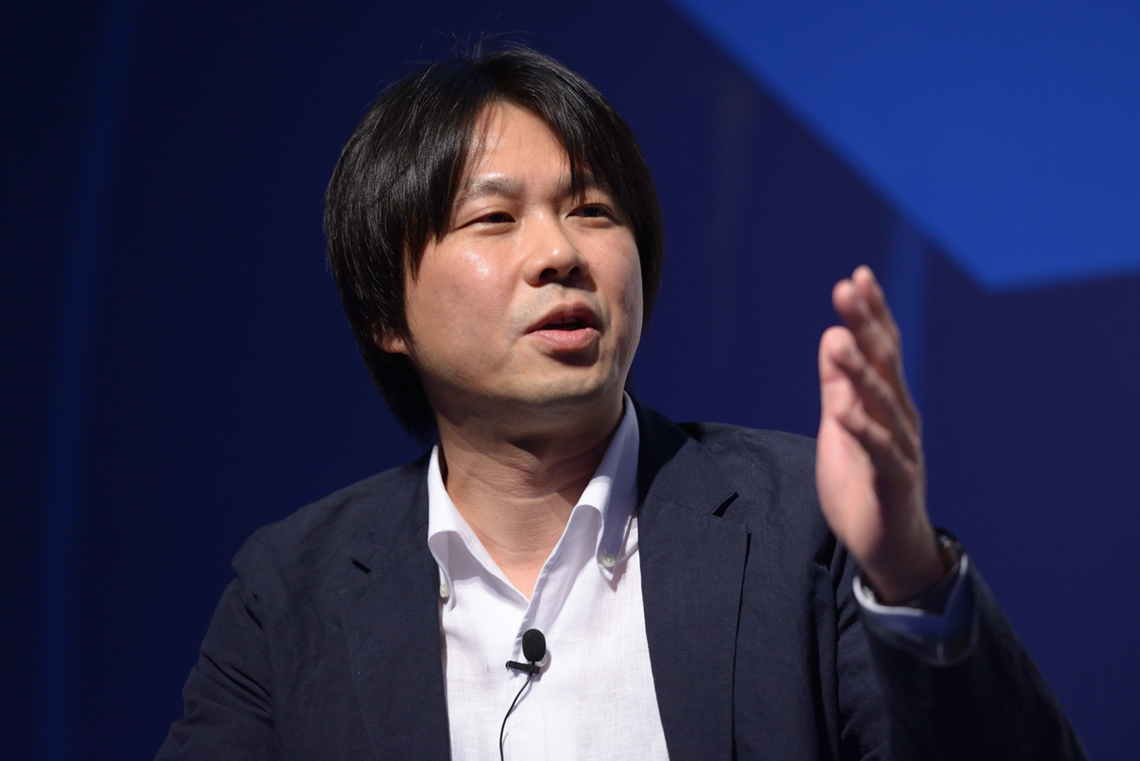
Within the flow from strategy formulation to output, consulting firms have traditionally been positioned upstream, while advertising agencies have primarily operated downstream. "When I joined in the 1980s, the concept of 'marketing from the downstream perspective' was just beginning to emerge. That said, while there has always been overlap between management consulting and our business domain, both types of work have coexisted," Ando stated. Today, however, IT consulting is often separated from general consulting. Considering strategy consulting and advertising agencies, a major trend is that marketing itself is becoming more closely aligned with management. Consequently, the businesses of both types of companies are increasingly overlapping. This shift is also influenced by the changing nature of client companies themselves.
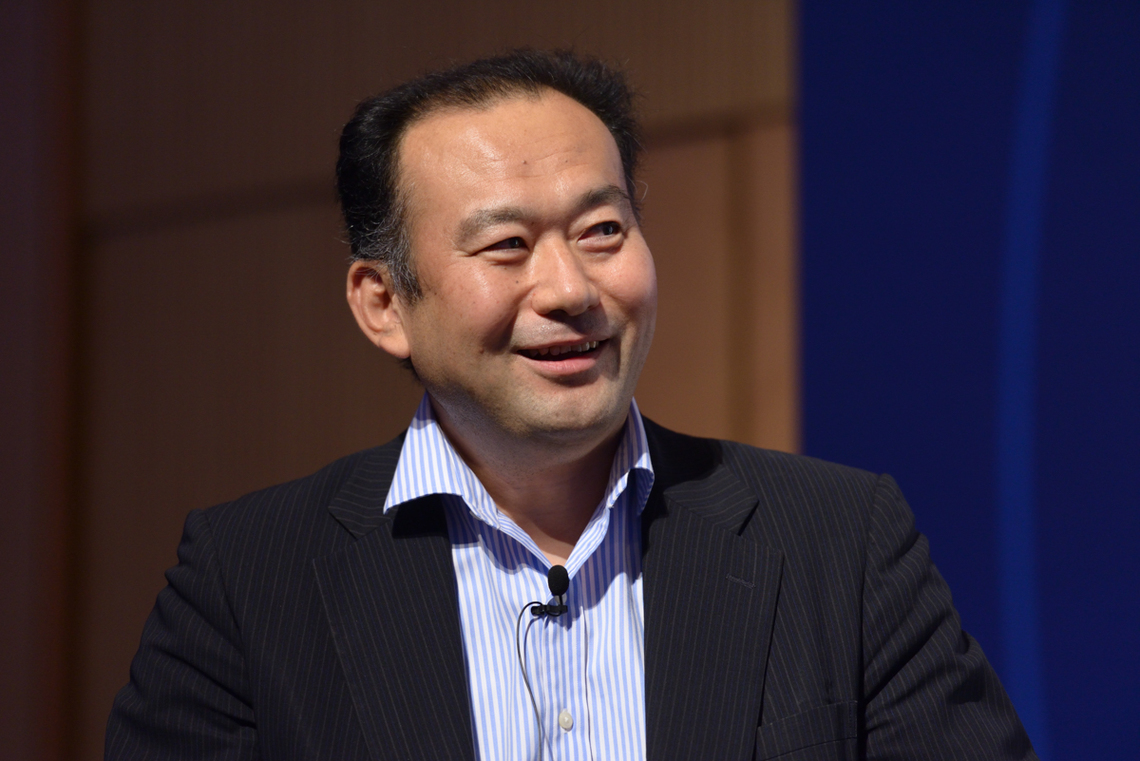
Suzuki also states, "As corporate digital transformation advances, both sides are looking beyond narrow goals to encompass marketing as a whole, so our business domains are definitely overlapping." While they may sometimes compete, their differing core strengths mean that in certain cases, teaming up could potentially offer greater value to companies.
Creative expertise remains an advertising agency's edge
From the outside, it's often framed as a "versus" rivalry, but Mr. Kurokawa has always felt uncomfortable with that perspective. "Fundamentally, even Mr. Suzuki's current approach isn't confined to the 'agency' perspective. When you're focused on improving client companies' businesses or enriching the lives of consumers beyond the business itself, it no longer feels like an agency business. Rather than advertising versus consulting, it strikes me as companies with slightly different areas of expertise but pursuing the same goal," he states. "Consulting firms historically have expertise in management thinking and reform, but since they can't handle media buying, they might partner with us to fill that gap. Furthermore, going forward, the challenges we face will increasingly be too big for any single company to handle alone. If partnering can yield better results, that should contribute to improving the Japanese economy."
When Mr. Ando remarked, "Consulting firms seem adept at creating frameworks. They can swiftly apply global case studies," Mr. Kurokawa responded, "We can't solve everything with 'templates' either." He explained that while they reference successful cases as a straightforward method because they must deliver results, the solution is ultimately different for every client.
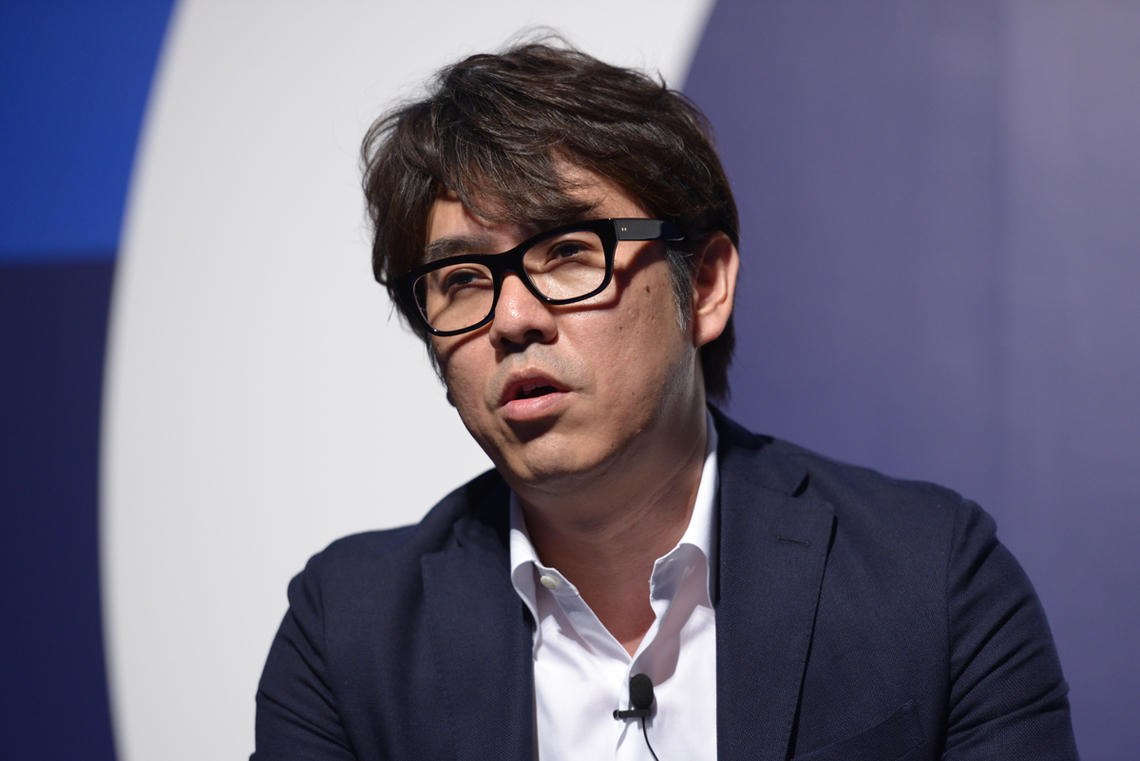
Conversely, regarding advertising agencies from a consulting firm's perspective, Kurokawa stated, "They have a distinct edge in creativity. We also want to incorporate that into our own processes to provide clients with creative solutions." Suzuki responded to this, sharing the challenge: "We feel we must stay one step ahead of creativity."
In this era, delivering results is equally demanded in advertising and marketing. With digital enabling the visualization of various effects, proposals based solely on a strong idea often fail to gain approval. There's a shift towards driving results through a "winning formula" + "practical knowledge" grounded in a certain level of analysis. "At that point, it becomes necessary to step back and view the entire business from a broader perspective than before, then consider what stage we're currently at and what mechanisms or communication are required," Suzuki explains.
How to Achieve Discontinuous Leaps
Meanwhile, Matsunaga pointed out that the approach to digital business differs significantly between advertising agencies and consulting firms, expressing his firm's strong sense of urgency as a consulting company. "We have tended to derive solutions from market and external factors rather than the customer perspective. But we strongly feel that approach is insufficient. The entire company, including even our auditors and tax accountants, needs a shift in mindset. We want to learn from the advertising agency approach of basing everything on the consumer experience."
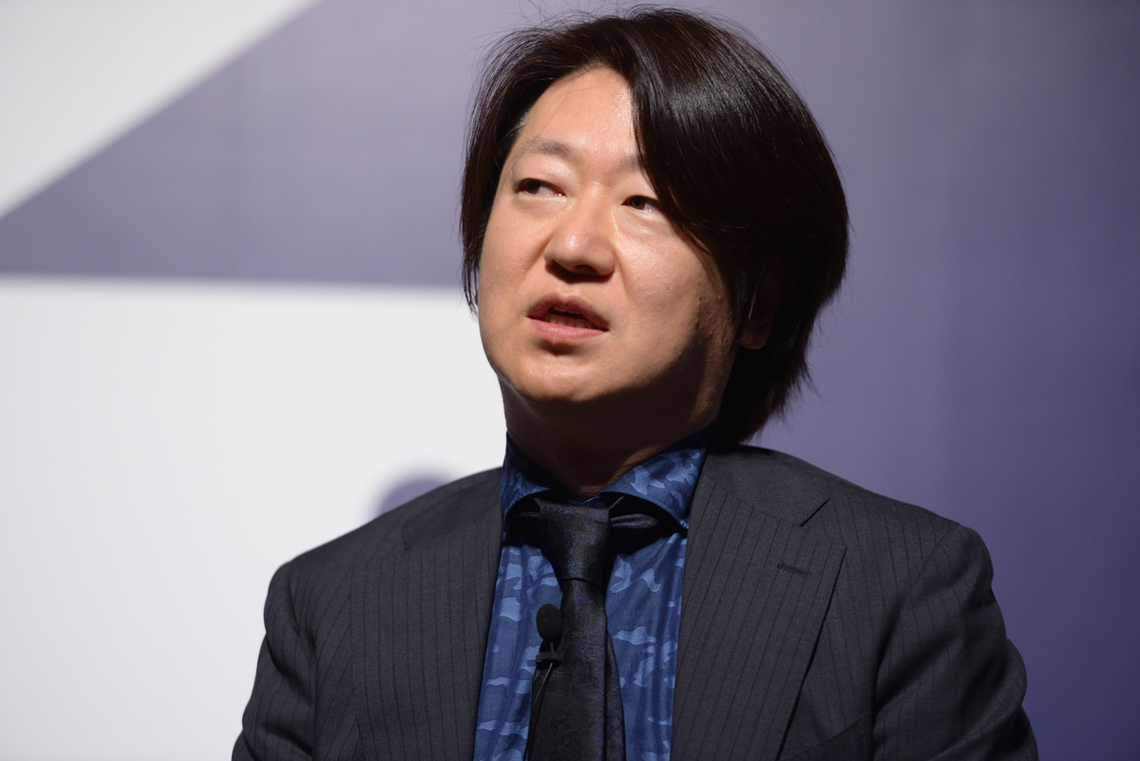
The old methods won't work anymore. The keyword Matsunaga cites is "discontinuity." Both companies and consulting firms alike must adopt new ways of thinking, adapt to discontinuous change, and even initiate such change themselves. In this context, the accumulated know-how and methodologies of the past can sometimes become a hindrance. "I believe it's important to sometimes throw everything away and start from zero," Matsunaga states. Mr. Kurokawa also notes that Accenture's digital team itself is expected to serve as a catalyst for internal change and to create a new culture. "Only by changing ourselves can we drive discontinuous change for our clients."
Moderator Kasamatsu observed, "Management demands 'reproducibility.' Yet the creativity discussed earlier is largely irreproducible, intertwined with the spirit of the times and various uncertainties. Listening to your discussions, I sense a shared resolve to leverage digital technology to tackle these challenges."
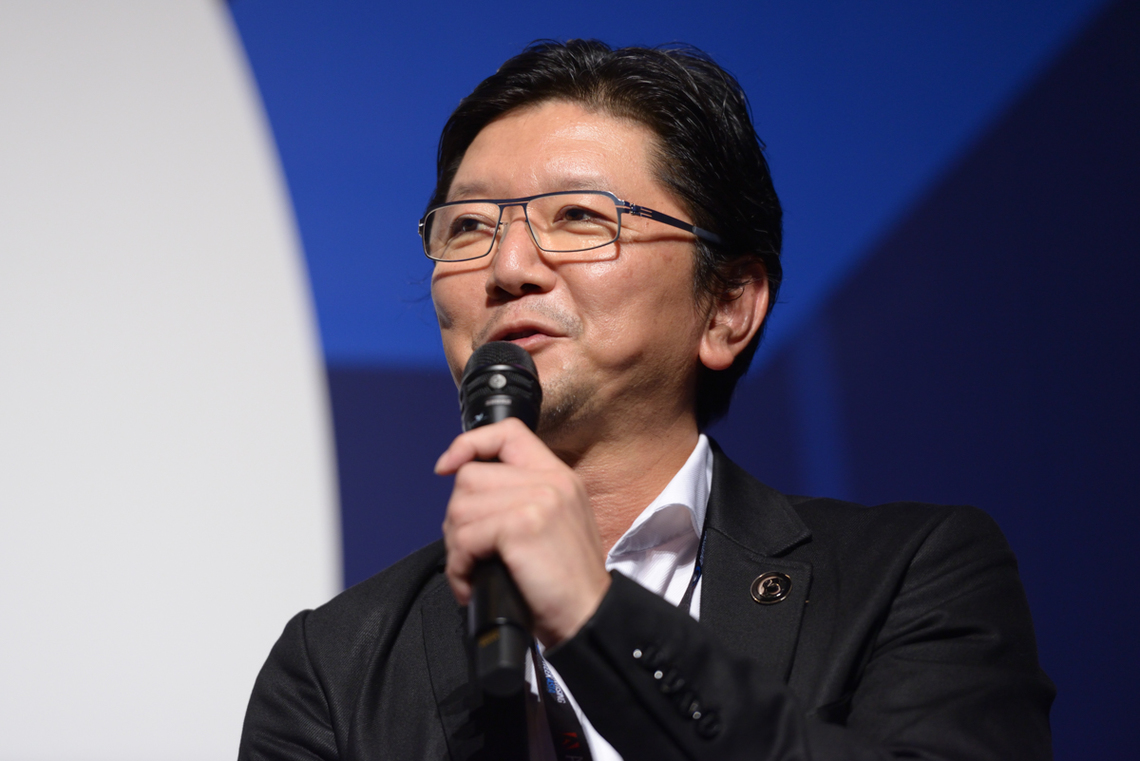
Finally, when asked whether competition or collaboration represents the best solution, Mr. Ando emphasized the keyword "joint combat." "During our initial meetings, the conversation flowed incredibly well, and I felt we were completely aligned. There are multiple ways to support corporate growth, but when it comes to taking responsibility for that support, it doesn't matter if you're an advertising agency or a consulting firm. We can be good competitors, and for the sake of the goal, we can also collaborate and co-create by combining our respective strengths. Either way, we can fight together."
Mr. Matsunaga added, "The fact that these four people came together and got so excited, and that this feels like the start of something new—I think that's unique to the digital age. There will be many instances where individuals bring their skills together, sometimes crossing company boundaries, to tackle challenges or projects." This session truly highlighted the conclusion that advertising and consulting work are fundamentally based on "people."
Was this article helpful?
Share this article


Newsletter registration is here
We select and publish important news every day
For inquiries about this article
Back Numbers
Author