
Note: This website was automatically translated, so some terms or nuances may not be completely accurate.
 ADWASIA 2017 Report [4/6]
BWM Dentsu Inc.: The 'Modern Master Brand' Approach - Overlaying Brand Uniqueness onto Customer Experience

Advertising Week Asia 2017
The marketing and communications festival "Advertising Week," which made its debut in Asia last year, was held again in Tokyo this year as "Advertising Week Asia 2017." From May 29 to June 1, Tokyo Midtown hosted a four-day gathering of top executives and CMO-level leaders from around the world, focusing on diverse themes including brands, media, and technology. The number of partner companies and organizations increased from 50 last year to 64, with approximately 13,000 attendees.
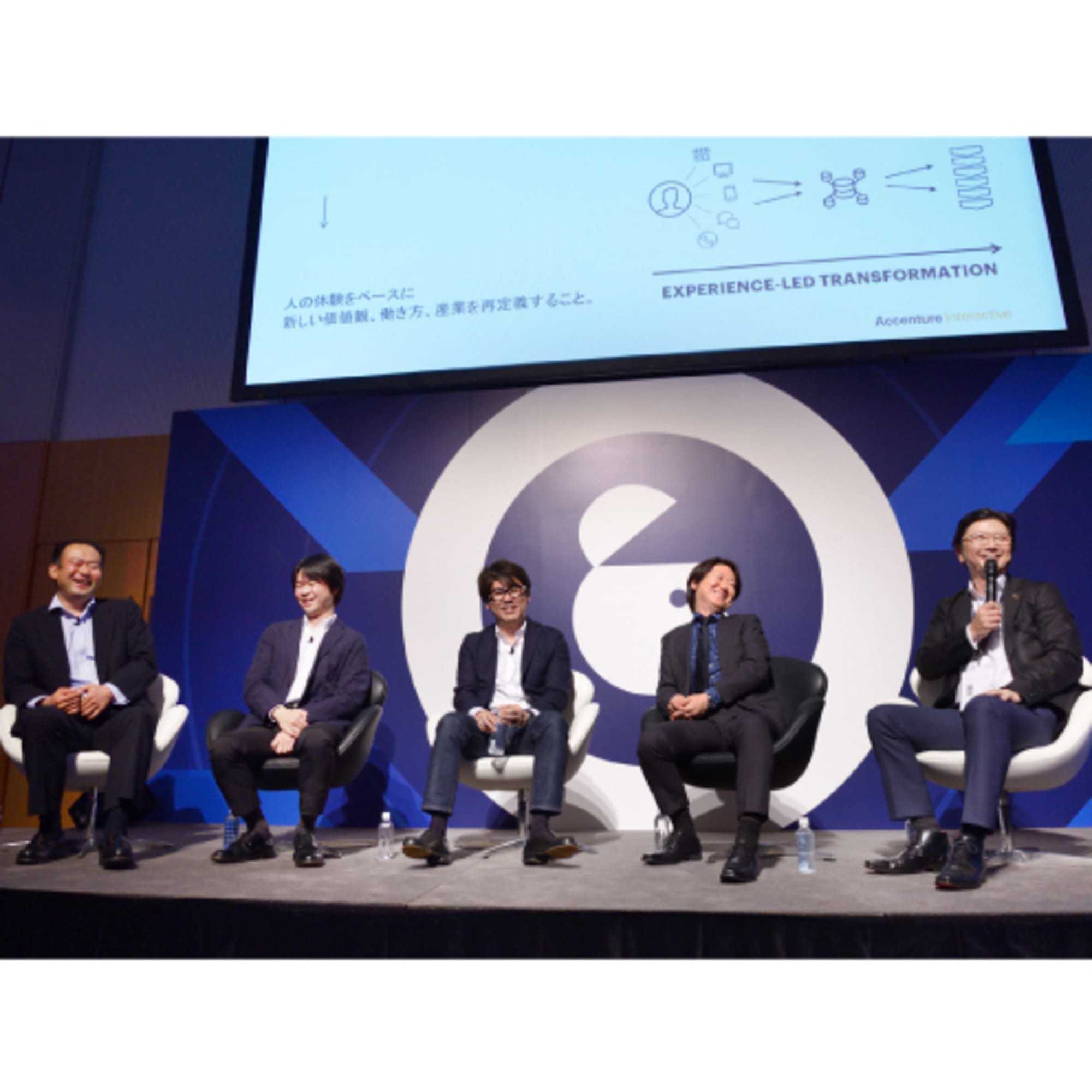
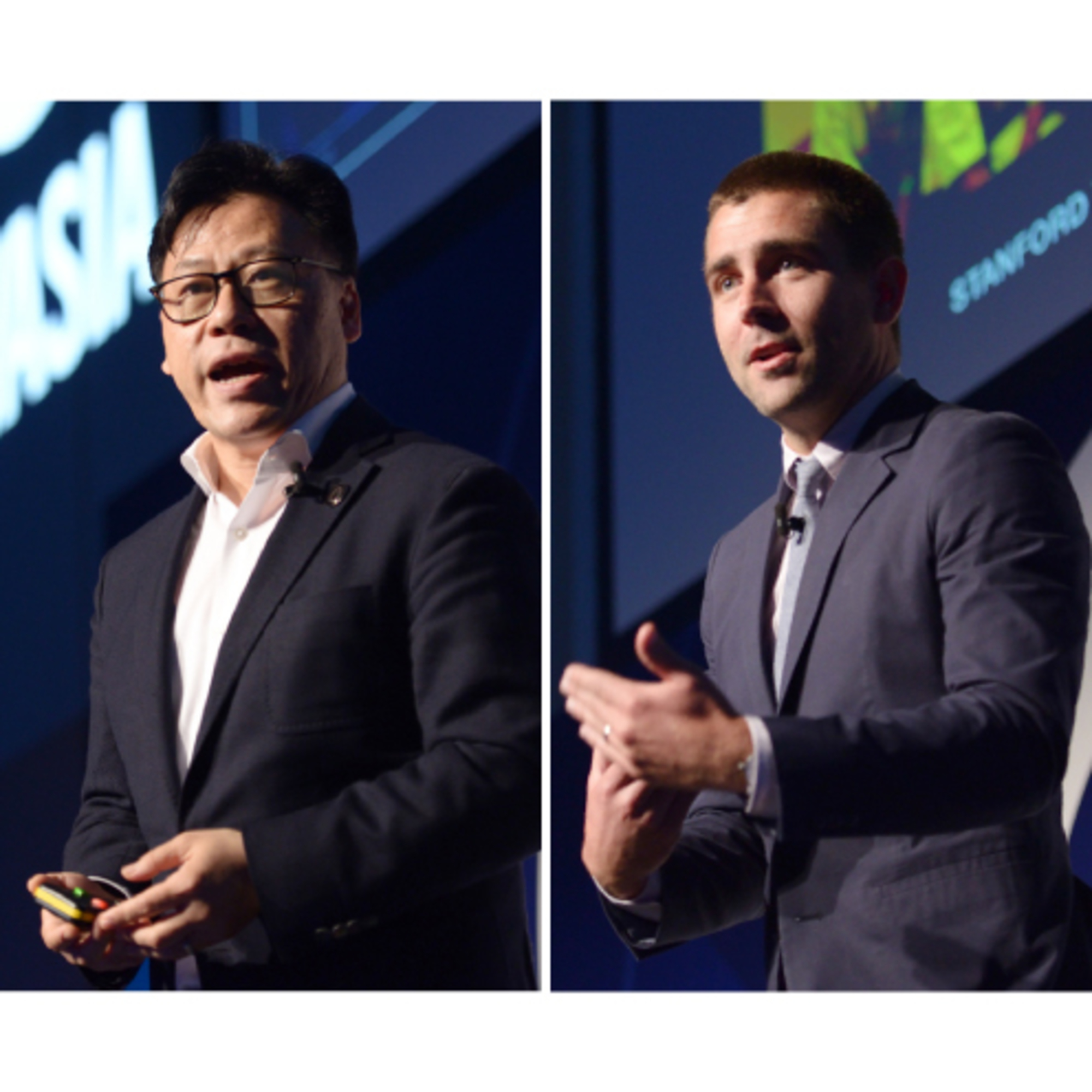
Moensie Rosier, Brand Planning Director at Australian creative agency BWM Dentsu Inc., proposed the "Modern Master Brand" strategic framework for brands to lead their own transformation. Moderated by Nick Lacy, Regional Director of Data & Strategy at Dentsu Brand Agencies APAC, and featuring Koichi Yamamoto, Chief Strategy Officer at Dentsu Brand Agencies APAC and Executive Creative Director at Dentsu Inc. CDC, the session thoroughly explored this new concept.
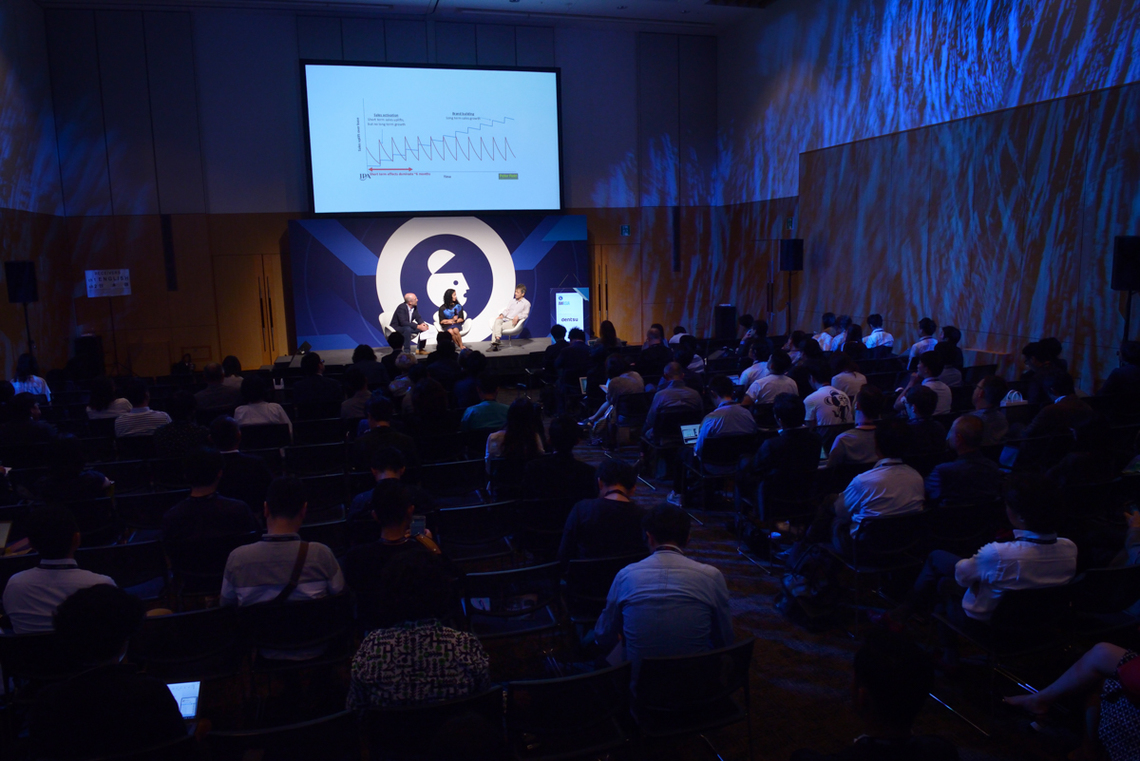
How to Preserve Your Brand Amidst Typhoon-Like Environmental Change
Over the past decade or even just a few years, our lives have undergone dramatic change. "It's hard to imagine this pace ever slowing down," Licence began. Exposed to typhoon-like environmental shifts and evolving customer needs, companies are being forced to redesign their products, services, and even their traditional business models.
Responding to this situation, Mr. Yamamoto explained, "I believe the 'happy days' when a single business model was universal have come to an end. External factors forcing companies to transform and internal factors driving companies to change themselves are like two sides of the same coin. Every business must continue its current operations while evolving under both internal and external pressures." According to him, clients previously posed the challenge of "how to grow a brand that adapts to business changes." Now, this has shifted to the reversed challenge of "how can the brand lead business transformation?" – a reversal in the relationship between brand and business.
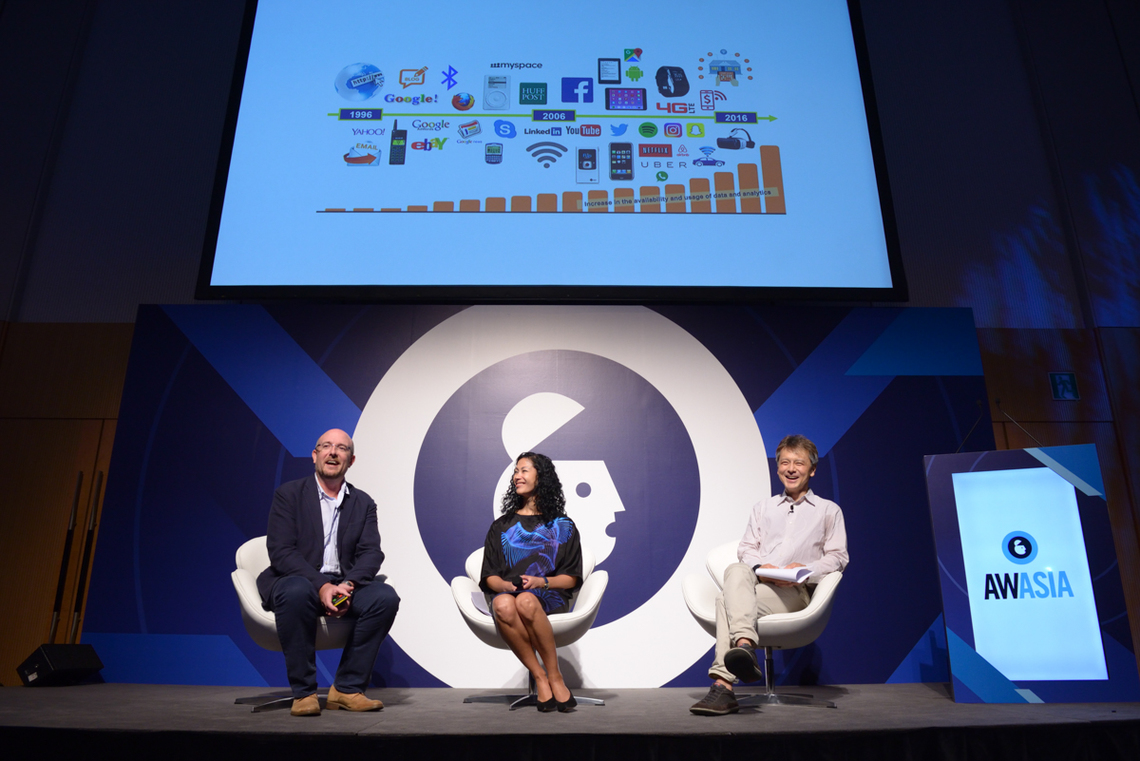
While Japanese companies do have a conservative nature toward change, amid intensifying global competition, more companies are developing a mindset to drive change. Meanwhile, in Australia too, companies are primarily forced to change due to strong external factors. "When you try to take control and overcome that wave rather than just go with it, you still need a solid framework," says Rosier. If there is a structure like a ladder that allows you to climb step by step through a major typhoon, companies can control their own destiny," says Rosier. That is the Modern Master Brand model.
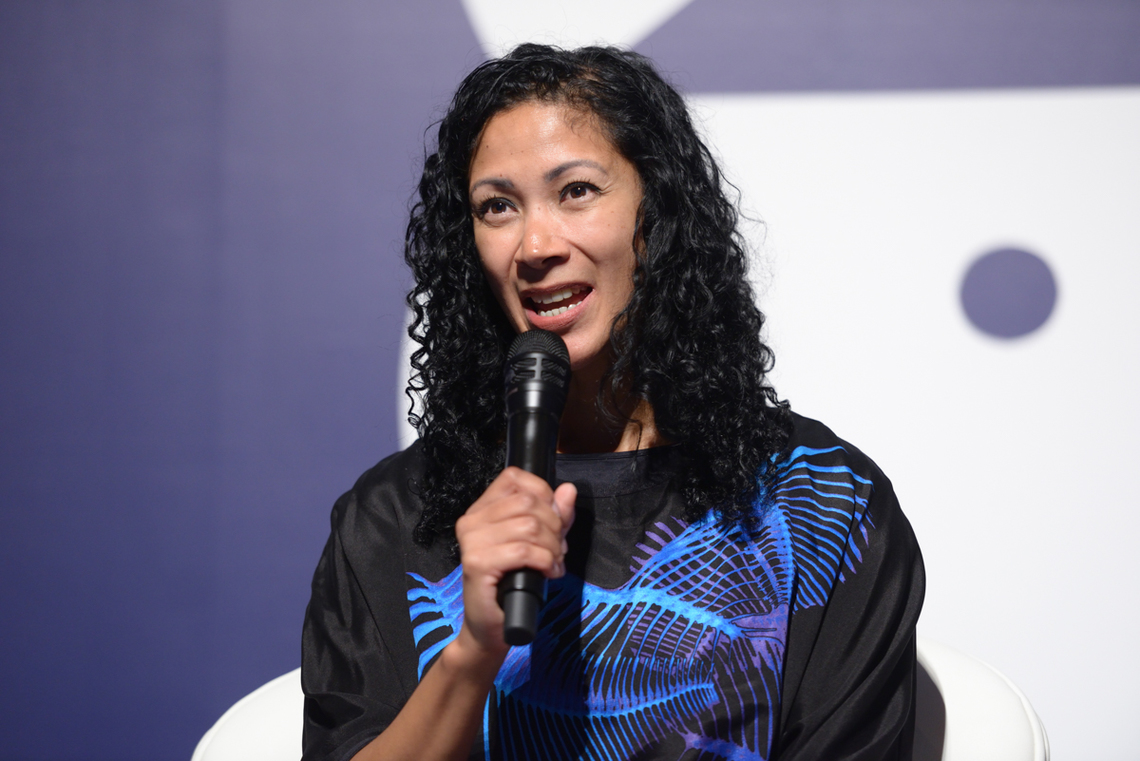
A long-term perspective and the brand's inherent philosophy are crucial
For a brand to lead business transformation, several prerequisites must be clear. First, avoid being swayed by short-term perspectives. While it's essential for any company to drive sales through advertising and promotions on short-term cycles like quarterly periods, overfocusing on this can lead to forgetting the long-term view. However, transformation requiring a shift in mindset from management to the front lines cannot be achieved without a long-term perspective. Rosier states, "While activating sales through short-term messaging is important, its effects don't last long. Alongside sales activation, we must simultaneously consider long-term brand building and balance budget allocation accordingly."
In response, Mr. Yamamoto notes, "Historically, Japanese brand companies have tended to take a longer-term view compared to their Western counterparts." The debate over whether to prioritize promotion or branding has existed for ages, but fundamentally, great promotion leads to great branding, and we constantly strive for ideas that achieve this. "The mobile carrier's 'white dog' campaign is a good example. However, it's true that in recent years, there's been a stronger tendency to seek short-term business results. Especially with the penetration of digital marketing and the ease of measuring effectiveness, a short-term perspective has become more prevalent."
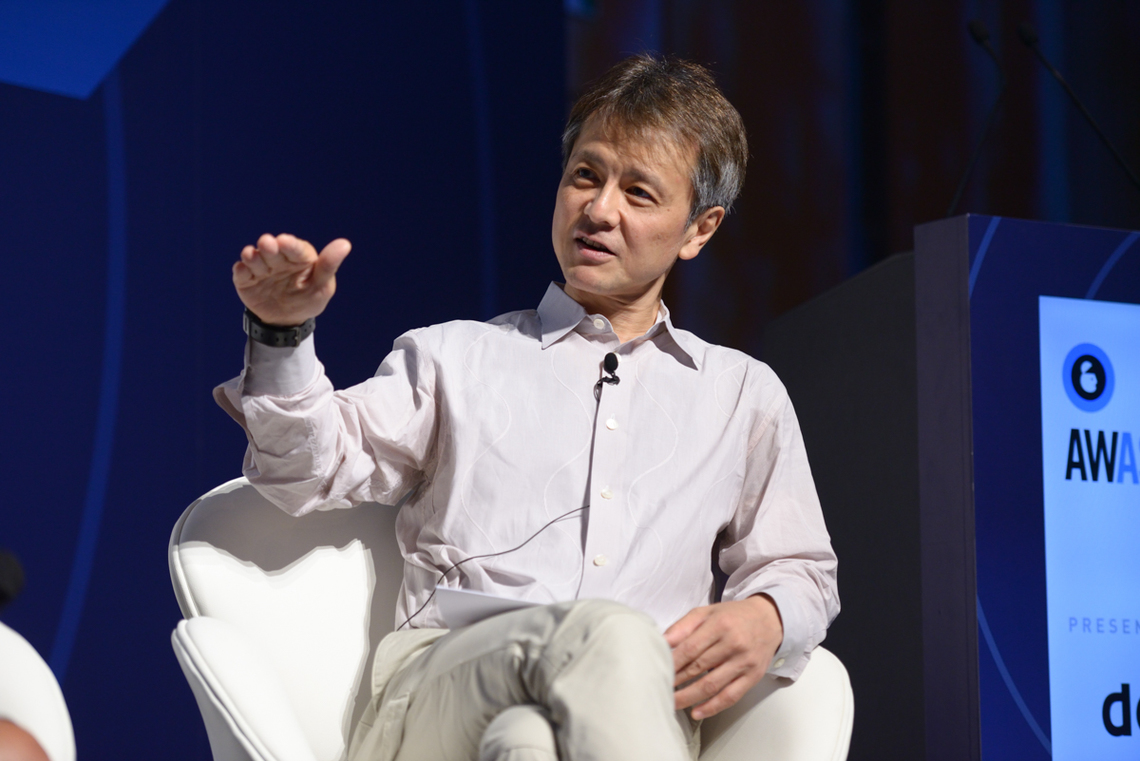
Internal stakeholders are the true source of brand creation
Alongside a long-term perspective, an "Inside Out" approach is essential for brand transformation. As mentioned earlier, this means driving change from within the organization's inherent elements, rather than being forced by external factors.
"A brand originates from the philosophy and vision at the heart of an organization," says Rosier. These spread to partner companies and staff as the business grows. However, as the number of partners and staff increases, the original ideals can gradually become diluted. Therefore, to transform a brand, it is necessary for each individual to return to the brand's origins and clearly define where it is headed. "The Inside Out approach is that the beliefs and actions of these staff members become the drivers, enabling them to deliver a unique brand experience to customers and partners."
Another prerequisite for brand transformation mentioned earlier is the "unique customer experience." Mr. Rosier refers to this as "Unique Brand Experience (UBX)." While the importance of UX (User Experience) and CX (Customer Experience) is frequently emphasized today, Mr. Rosier notes, "Of course, these are crucial from a customer-centric perspective." However, he cautions that overly pursuing an ideal customer experience can sometimes lead to generic offerings that competitors can easily replicate. Here, UBX means layering a brand's unique philosophy onto the customer experience to deliver distinctive experiential value that other brands cannot replicate.
Yamamoto agrees, stating, "If you become solely fixated on customer needs, you can lose sight of your own brand. The concept of UBX is extremely useful to avoid falling into that trap. If you don't cherish unique value and culture, trying to respond to shifting customer needs will only shake the very foundation."
A long-term perspective, an approach rooted in internal elements, and UBX. These three points are essential to keep in mind when realizing a "Modern Master Brand." "For a brand to maintain its raison d'être in an ever-changing society, the brand itself must also change," says Rosier. "But transformation—there's no single definition for it." What to change and how to change depends on the context, including the brand's history and its relationships with its surroundings. In other words, the starting point of the Modern Master Brand framework is precisely this act of self-reflection: discerning how the brand should evolve.
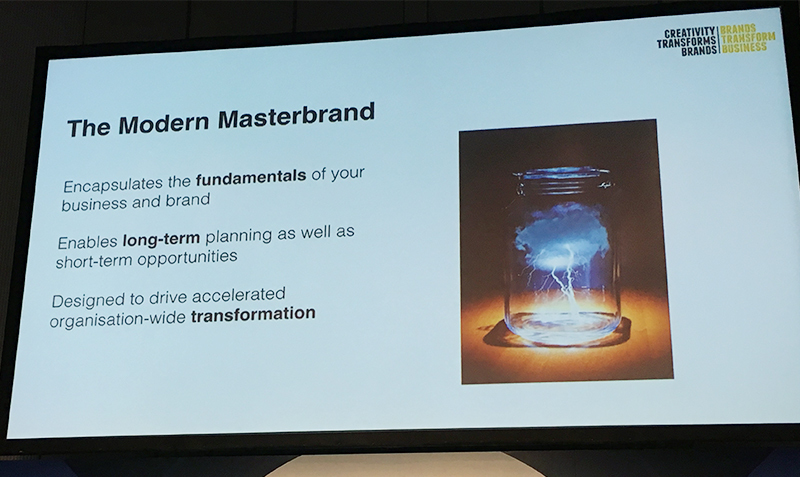
The definition of transformation varies depending on the brand's context
So, what specific process does this unfold through? Rosier presents the following four stages as the aforementioned "ladder" structure. First, transform strategy. Next, transform creativity. Then, transform the experience and manage it. "Modern Master Brand is always purpose-led. It is also an organizational approach," Rosier emphasizes. After clarifying the philosophy behind one's business, strategy is formulated, creativity is used to express that philosophy, and experiences are designed.
Rosier cites telecommunications company nbn as an example of a brand refresh following this process. The company had previously built Australia's high-speed broadband network, but its brand power had stalled. BWM Dentsu Inc. proposed a complete brand reset, transforming it from a "disruptive, faceless telecom provider" into a "human, visionary technology brand." According to Rosier, this image was inherent within the company all along. "We held workshops for executives and staff across the country, asking whether they wanted to become a utility brand or a visionary brand in the future. Everyone chose the latter. These workshops also helped capture the staff's interest."
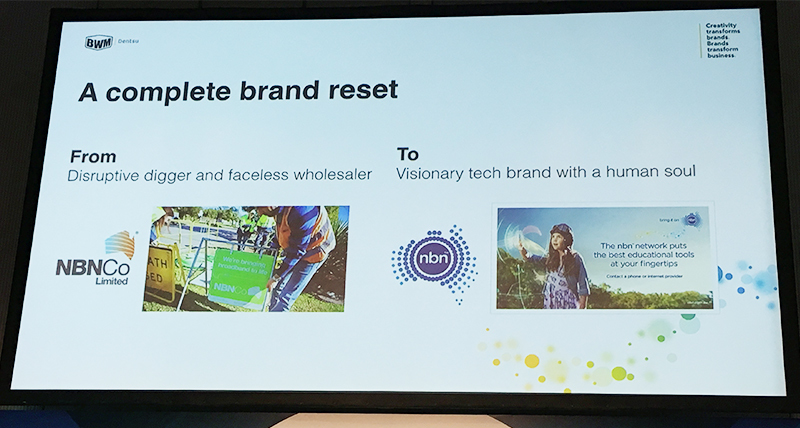
"That's not a very advertising-like approach. It's internal communication, right?" asked Licence. Rosier nodded and replied, "It's a very interesting process." Brand favorability and sales themselves reportedly improved by tens of percent.
BabyLove, a baby products brand, also shifted its image from a uniform "ideal family brand" to a "brand for cherishing the present moment." As part of this initiative, they launched the "Premmie Proud" campaign to support premature babies born below the expected weight and their parents. For parents who often feel apologetic about their baby's early arrival, the campaign provided photo stamps with the message "Be proud of it." This encouraged parents to actively share their baby's photos on social media, making it easier for them to receive supportive messages from family and friends. It's an excellent example of repositioning the brand to connect with a broader audience.
Merely chasing customer needs will not ensure survival going forward. Brands must return to the philosophy they have cultivated over time. Only by designing experiences that allow customers to feel the unique value of the brand, starting from this foundation, can a brand adapt to changing times. This lecture strongly emphasized the concept of the Modern Master Brand and its importance.
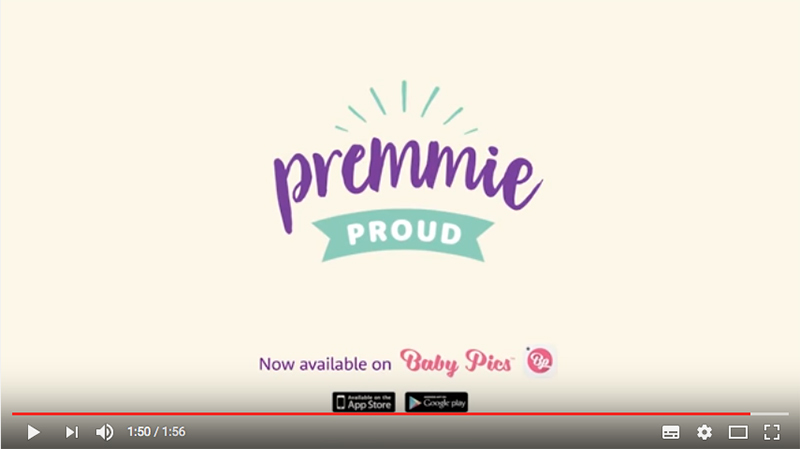
The diaper brand BabyLove launched a campaign supporting babies born with low birth weight, broadening its target audience.
Was this article helpful?
Share this article


Newsletter registration is here
We select and publish important news every day
For inquiries about this article
Back Numbers
Author