
Note: This website was automatically translated, so some terms or nuances may not be completely accurate.
 Thinking About "Thinking of" ~ Peeking Behind the Scenes of Ideas [1/2]
Is coming up with ideas a talent?

Shinpei Mizumoto
Dentsu Inc.
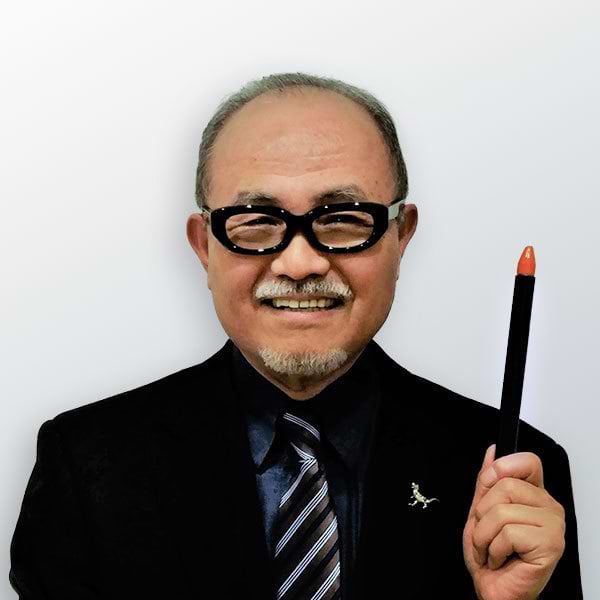
Sakaguchi Yoshiyuki
Ad Museum Tokyo
When a veteran musician is asked about the secret behind a hit song's creation, he replies, "It just popped into my head in the bathroom." Fans who read this oddly find themselves convinced: Ah, so ideas are this special product of special people. It's a "wall" born precisely because the phrase "it just popped into my head" is so vague. It makes us feel like thinking or creating things is an innate talent, and young people trying to create things are tormented by futile jealousy when comparing themselves to that reality.
Can ideas that move people or products that astonish the world be conceived? Is this a special ability possessed only by a select few? Or is it something anyone can achieve? Wanting to find the answer, I, Shinpei Mizumoto, a fourth-year copywriter at Dentsu Inc., and my peer, art director Chihiro Kato, planned the exhibition "Thinking About 'Coming Up With Ideas'" * currently running at Ad Museum Tokyo.
*1 Held at Ad Museum Tokyo, B2F Caretta Shiodome, 1-minute walk from Shiodome Station.
Through Saturday, February 24. Open Tuesday–Saturday 11:00–18:00 (Closed Sundays and Mondays)
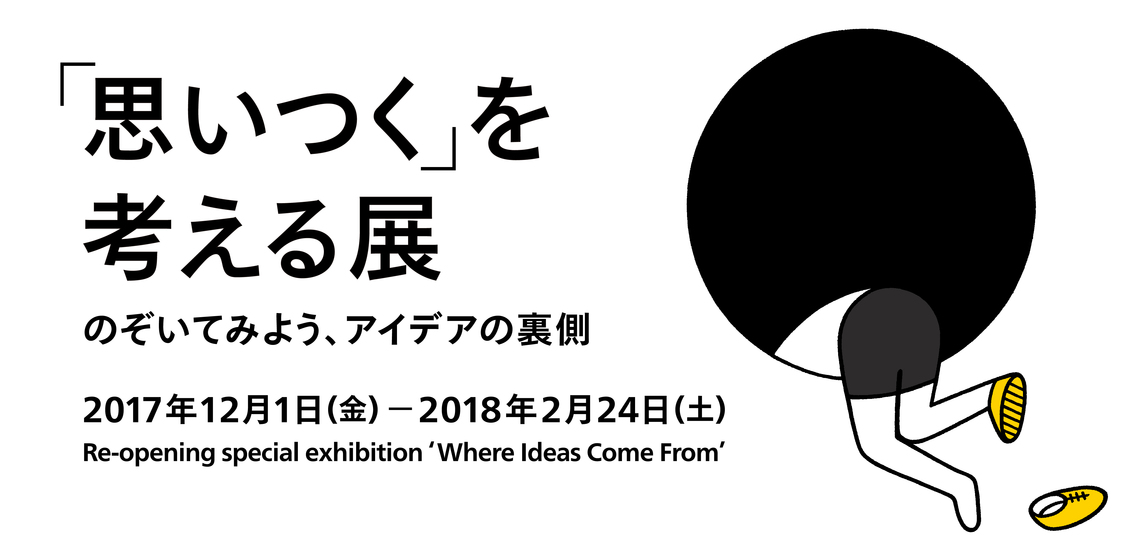
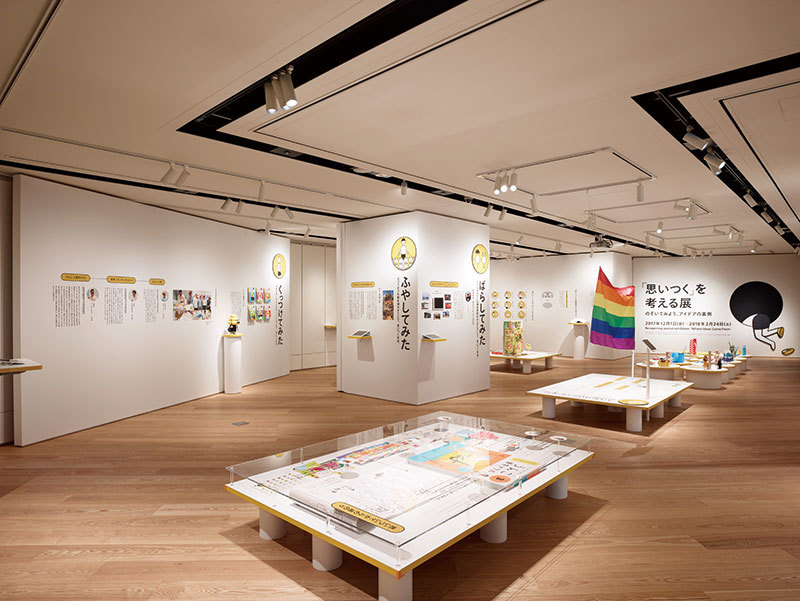
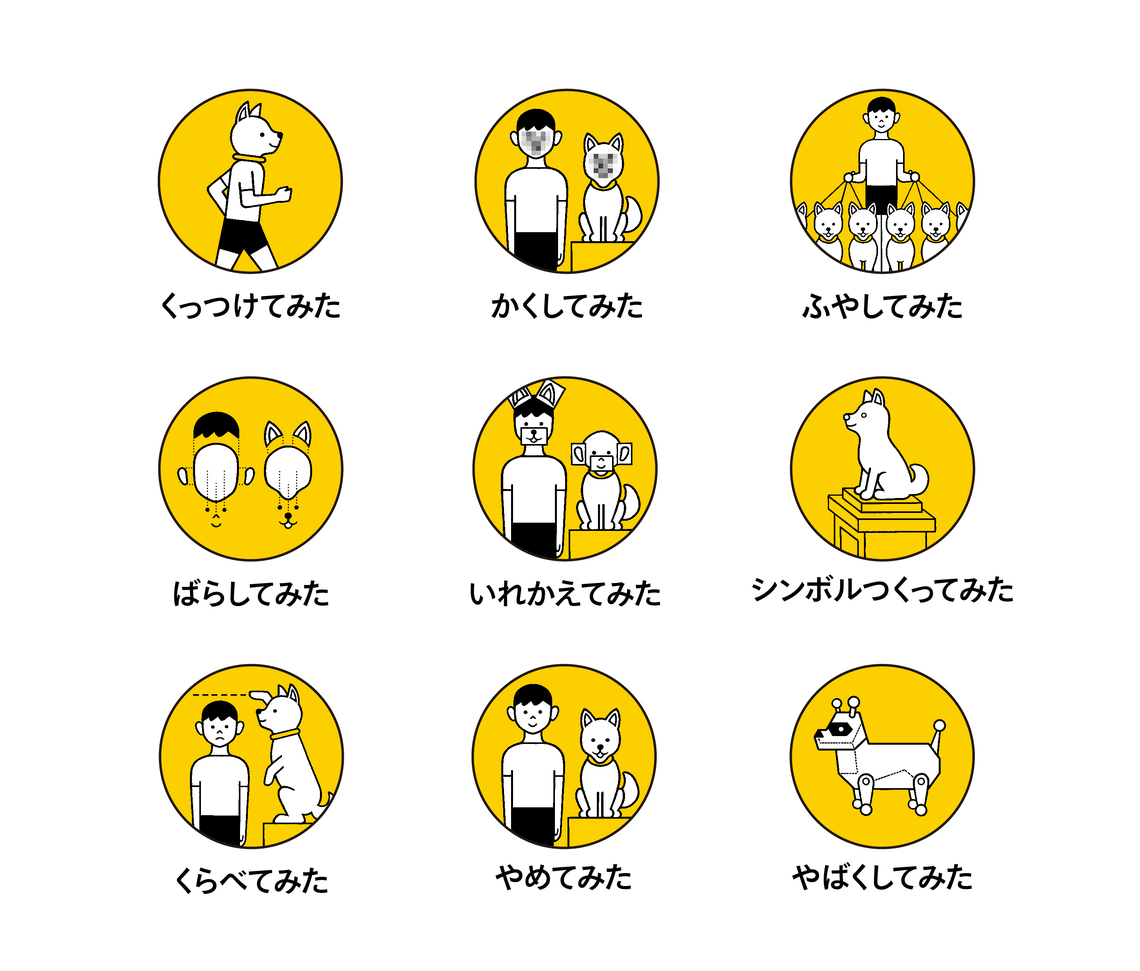
Building on the exhibition's content, this series challenges us to uncover the true nature of "coming up with ideas." We explore the thought processes behind outstanding ideas—whether they're hit products like "Unko Kanji Drill Inc." or "Bunko X," classic advertising masterpieces, or everyday household items—by delving into nine uniquely categorized themes.
First, we examined "coming up with ideas" from the perspective of neuroscience.
What does "coming up with an idea" mean from a neuroscience perspective? As one approach to unraveling its true nature, we asked neuroscientist Kenichiro Mogi to explain "coming up with an idea" from a specialist viewpoint.
"Motivated seniors are the strongest."
Recently, on a TV music program, pianist and composer Shinya Kiyozuka took on a challenge: composing an original piece on the spot while improvising to a video he was seeing for the very first time. As soon as he saw the footage in the studio, he composed a 90-second piece on the piano in under five minutes, astonishing his fellow performers. After the performance, when asked "How did you come up with it?", Mr. Kiyozuka explained that he essentially "searched through his existing repertoire for something that seemed to fit the footage."
According to Mogi, this act of searching within one's "repertoire" is precisely the neuroscientific essence of "coming up with an idea." He explains that we can come up with ideas when a request is sent from the "Thinking outside the box" function (the frontal lobe) – which operates outside the context and past successful experiences, challenging conventional thinking – to the "brain's big data" (the temporal association cortex) that governs all previously acquired knowledge and experiences.
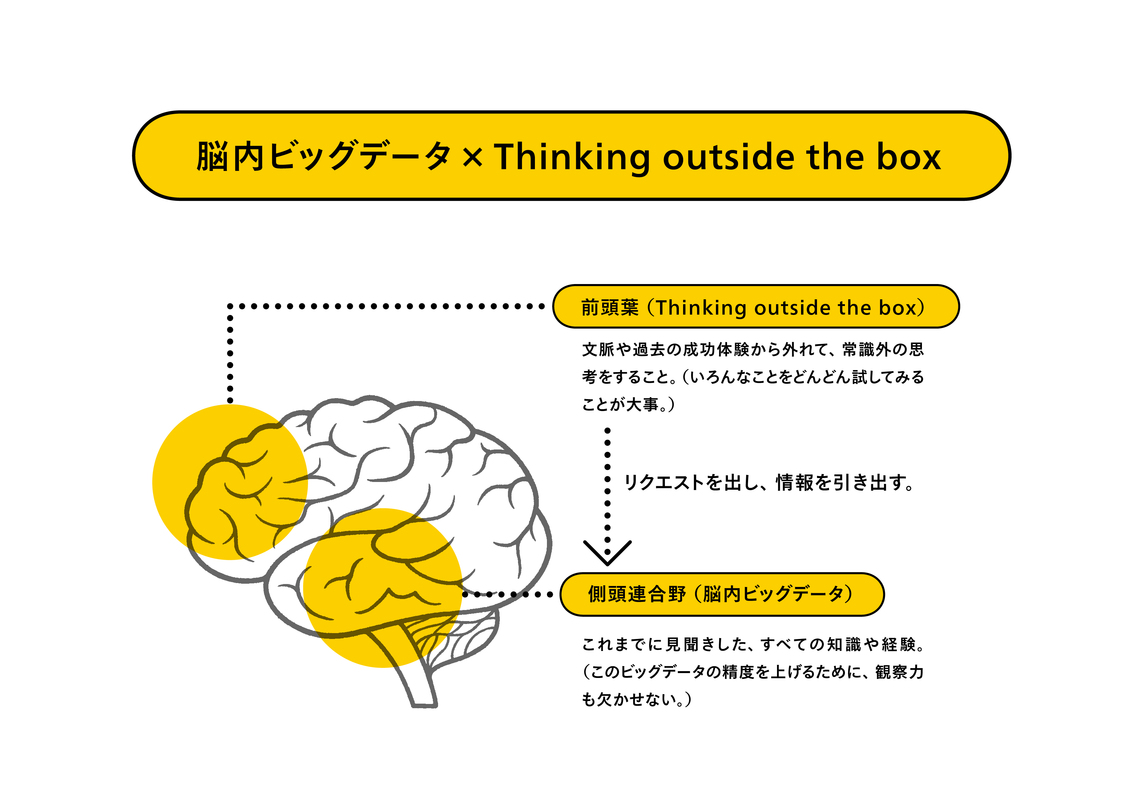
In other words, from a neuroscientific perspective, it's not that "younger people are more flexible thinkers and come up with ideas more easily." Rather, precisely because they possess more knowledge and experience, older individuals actually have a higher potential for "coming up with ideas." Even in the advertising world, new hires assigned to creative departments are tasked with reviewing a decade's worth of world-winning advertising award entries all at once and analyzing them in their own way. To generate new ideas, archiving history within the brain is crucial. Without this effort, "coming up with ideas" is simply impossible.
Relaxation after concentration is where inspiration is born.
So, are those "toilet-inspired quotes" from artists mentioned earlier just lies for self-branding? No, they're not. When your brain's big data and your prefrontal cortex interact, a 0.1-second synchronized firing occurs in your brain, creating "inspiration." However, much of this inspiration arises during the "relaxation following concentrated thought." In other words, relaxation is necessary as a trigger, but simply taking a bath won't make you think of anything. If that annotation were included in every interview, perhaps more people would be inspired to try it themselves.
In neuroscience, the circuit that organizes the brain and enables concentration is called the "default mode network." Creating an environment disconnected from smartphones, like taking a walk or a bath, activates it. In fact, Mr. Mogi reportedly never misses this time during his almost daily morning run. After interviewing Mr. Mogi, I was advised to walk and immediately tried to put it into practice. I walked for 40 minutes to my next presentation location, but it never became a habit. This year, I will...
Finally, when I asked Mr. Mogi for more neuroscience-based hints for generating ideas, he introduced me to the concepts of "flow" and "the zone."
"To generate ideas, aim for a 'flow' state."
Flow is a state of deep concentration where you lose track of time. During this state, performance peaks, and the activity itself becomes a source of joy. To achieve this, you need to challenge your brain, but the ideal level of challenge is one you can just barely manage to overcome.
Incidentally, ascending even higher leads to a state called the "zone." Even top athletes experience this only a few times in their lives, though some theories suggest Mozart may have been in this state constantly.
Thinking of something < Thinking
In his book The Art of Words, Takaya Isoshima, a senior copywriter, includes the subtitle: "It is not something that comes to mind. It is something that is thought." Understanding the true nature of the vague concept of "coming to mind" and gaining hints to think without being misled by illusions. It would be fortunate if the exhibition at Ad Museum and this series serve as that catalyst.

From here on, Yuji Sakaguchi, Curator at Ad Museum Tokyo, will explore the underlying process of Edo-period "coming up with ideas" based on Edo advertising examples featured in the Ad Museum exhibition.
Exploring "Edo Advertising"
The roots of today's advertising can be traced back to the merchant culture of Edo.
During the mid-to-late Edo period, when Edo became a major consumer city, vibrant commercial activities unfolded.
The imaginative "nascent advertising" that flourished around Edo's towns suggests universal methods and possibilities for advertising communication.
The philosophy of Edo commerce was grounded in a fundamental respect for the customer's presence and a commitment to actions that benefited society. It embodied the wisdom that business profit arises not from solely pursuing one's own gain, but from ensuring customer satisfaction and delight.
These advertising practices were refined under the aesthetic sensibilities of the Edoites, who valued "sui" (elegance), "shirae" (wit), and "tsū" (discernment). Indeed, it is said that advertising reflects the maturity of a culture.
In this era without mass media, let alone the internet or social media, there are numerous fascinating examples that can be considered prototypes of advertising concepts.
Though the word "advertising" didn't even exist then, the author playfully calls these "Edo-bataising." Hints for the future lie within history. How did Edo's advertising masterminds "come up with" ideas that moved people's hearts? Inspired by this "Thinking About 'Coming Up With'" exhibition, we'll categorize Edo advertising into nine techniques and introduce them starting next time.
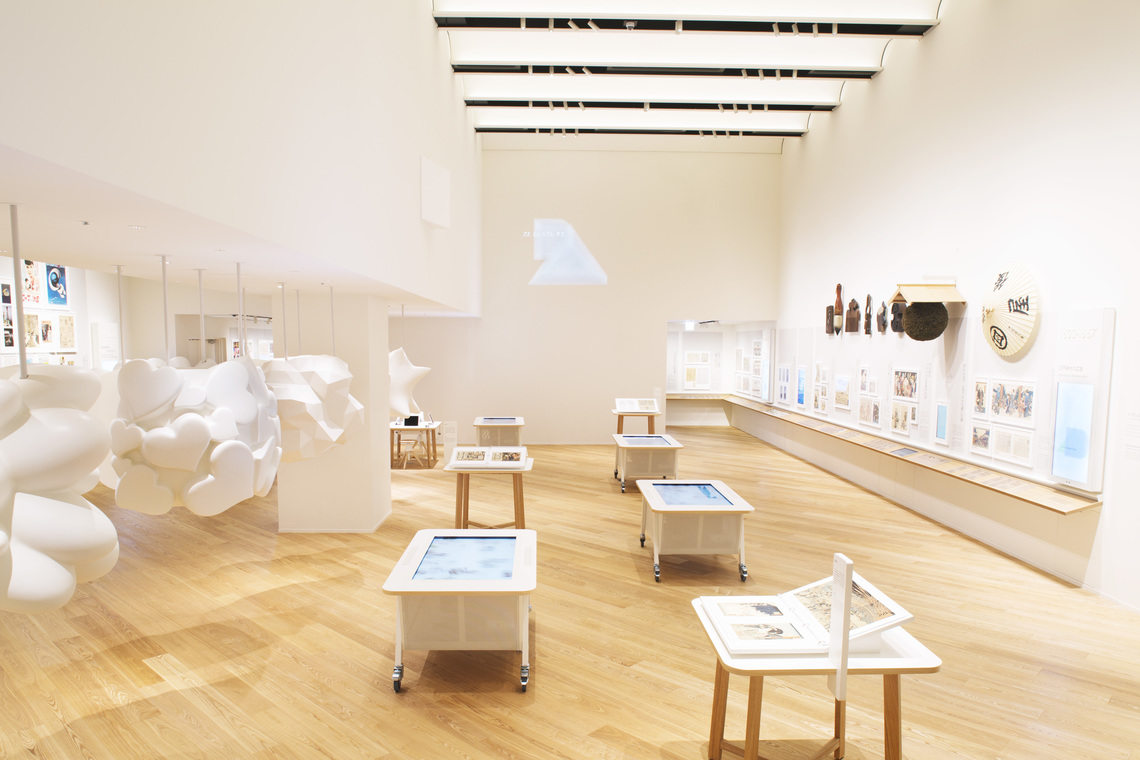
A globally unique museum dedicated to advertising, featuring exhibits on the history of advertising since the Edo period and a specialized library on advertising and marketing.
It houses 300,000 historical advertising materials covering all media and approximately 27,000 specialized books. The library allows searching and viewing digital archives of books and advertising works. This museum is a place to learn about advertising's social and cultural value, a treasure trove of ideas that move people. Experience for yourself that "advertising really is fascinating."
Welcome to Ad Museum Tokyo.
Was this article helpful?
Share this article


Newsletter registration is here
We select and publish important news every day
For inquiries about this article
Author
Shinpei Mizumoto
Dentsu Inc.
5th CR Planning Bureau
Copywriter/Planner
Articles by this person

Sakaguchi Yoshiyuki
Ad Museum Tokyo
Curator