Note: This website was automatically translated, so some terms or nuances may not be completely accurate.
 2019 "Creator of the Year" Double Award Commemoration [2/2]
Mr. Kawasoko: Masterfully gauging the distance from society ~Commemorative Dialogue for the 2019 "Creator of the Year" Double Award
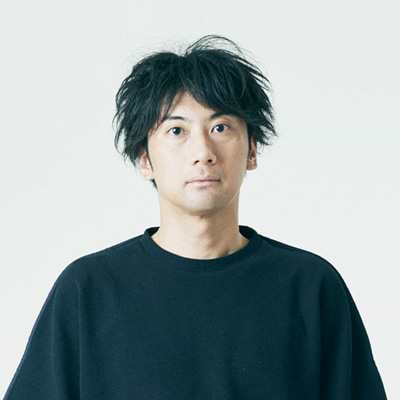
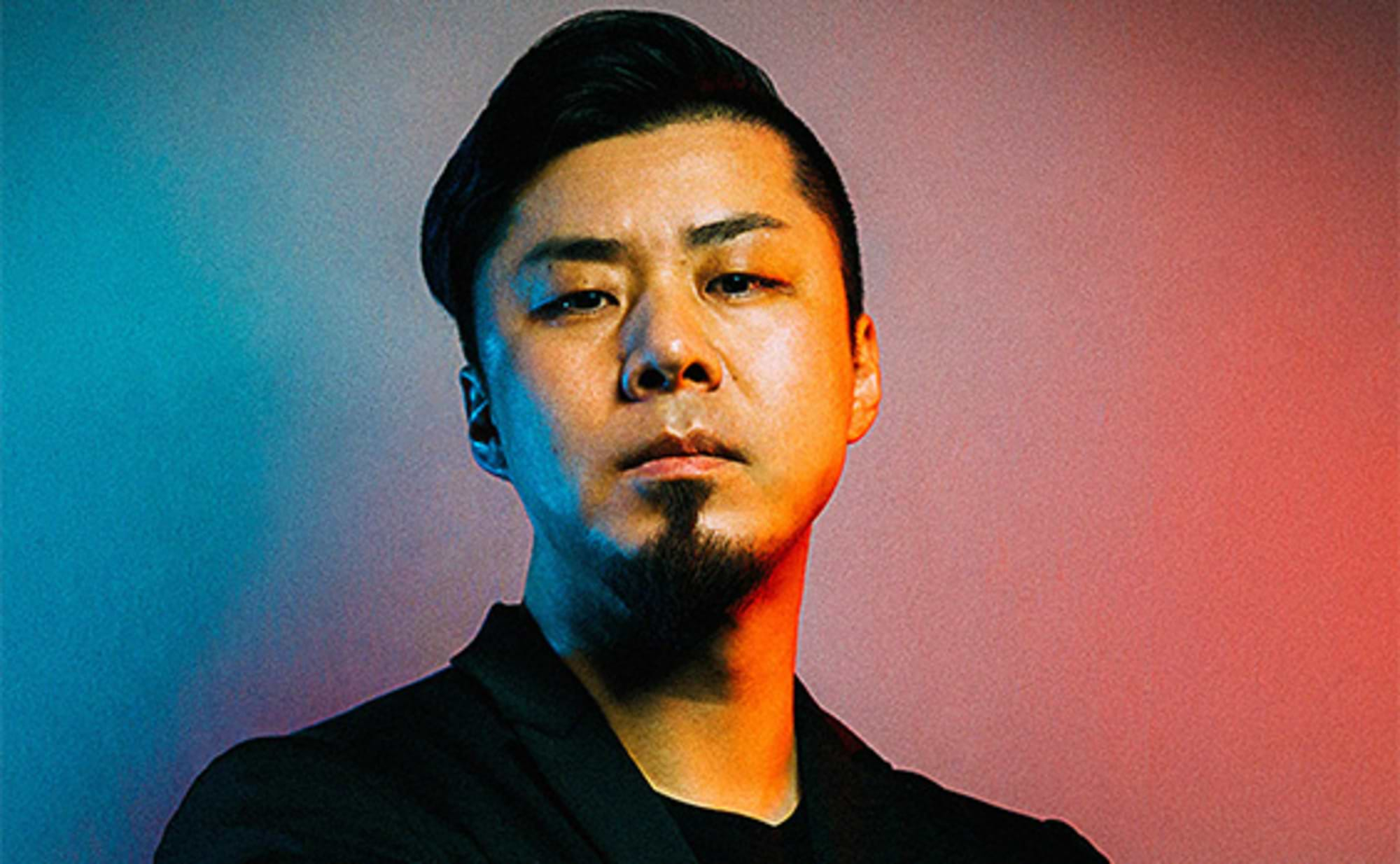
Yusuke Kanda
Hakuhodo Inc.
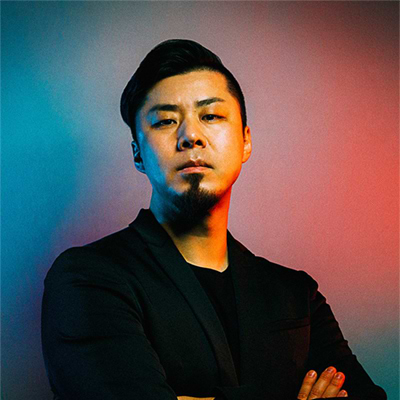
Kazunori Kawakoshi
Dentsu Inc.
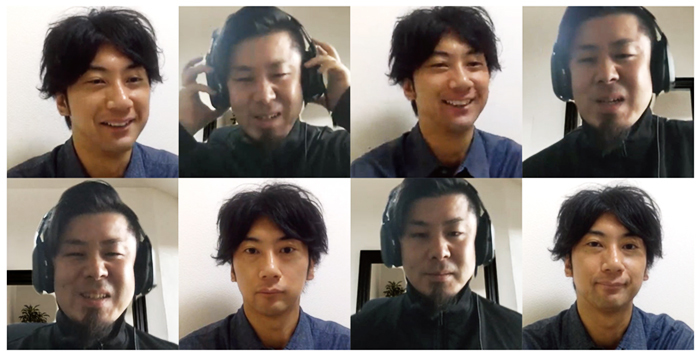
In April, the 2019 Creators of the Year (sponsored by the Japan Advertising Association) were announced. The winners were Yusuke Kanda of Hakuhodo and Kazunori Kawakoshi of Dentsu Inc. This marked the first time in the award's history that two individuals were honored simultaneously. To commemorate this achievement, a special joint interview was conducted as a collaborative project between the two companies' owned media. Following the previous interview focusing on Mr. Kanda, this installment centers on Mr. Kawakoshi's perspectives. The interview was conducted remotely, with simultaneous questions exchanged between the two, leading to a deep discussion on what creativity demands in the current climate. We also invite you to enjoy the interview with Yusuke Kanda.
An idea isn't complete until it's realized
──Congratulations on your award. We understand art directors haven't won this award very often in the past. First, could you share your thoughts on receiving this honor?
Kawakoshi: I was truly surprised myself to receive such a major award—I wondered if I was worthy. Now that some time has passed since the announcement, I'm really feeling the pressure. This award is only possible thanks to the support of our clients and team members, so I want to continue striving to repay them.
Also, since many past winners were Creative Directors with backgrounds as CM Planners, I'm incredibly happy to be recognized specifically for my Art Director background. As the value of each medium continues to shift and the field of expression evolves, I want to use this as motivation to become someone who can expand the boundaries of our profession.
──Could you share a work that served as a turning point in your career and its background story?
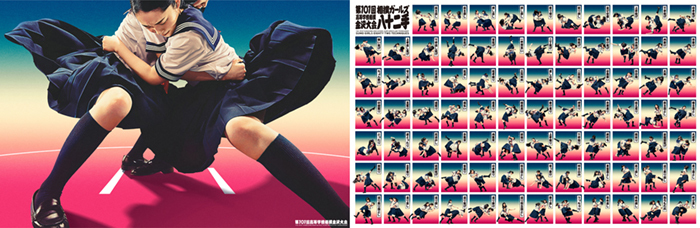
Kawakoshi: One was the visual "Sumo Girls 82 Moves" for the "101st High School Sumo Kanazawa Tournament," a project I handled for Hokkoku Shimbun in 2017. This was a rebranding project for a traditional national high school sumo tournament with over 100 years of history. To increase the tournament's recognition and convey the appeal of sumo to younger generations, we refreshed its traditional image through design ideas. Beyond newspaper ads, we expanded into various promotions including video content. As a result of extensive media coverage, we successfully raised awareness and significantly increased attendance.
As Creative Director and Art Director, I also handled planning. This was a collaborative effort where the team shared the vision of evolving the tournament's brand image. Amidst the constant emergence of new media, I found a creative niche as Art Director within the orthodox medium of newspaper ads. Successfully generating buzz through creative approaches unique to newspaper ads gave me a strong sense of accomplishment.
──You've won numerous international awards, including the Grand Prix in the Print Craft category at the 2018 AdFest, as well as D&AD Yellow Pencil, New York ADC GOLD, and One Show GOLD.
Kawakoshi: Yes, I believe that work is also connected to who I am today. While we ended up receiving many wonderful awards, during production we were desperately trying to make this campaign happen. Behind the scenes, the biggest struggle was that even after the concept was decided and multiple auditions were held, we couldn't find female models who could perform sumo grappling techniques. We were panicking that the project might fail. Finding two female judo black belts in the end was truly a relief. We shot both still graphics and video footage. The models performed the 82 sumo techniques over 500 times, including rehearsals, which took a full three days or more. It was tough for both the models and the production team. However, I believe that intensity came through in the visuals and made the work stronger.
──The Japan Advertising Association's award announcement release praised not only the "bold and meticulous design skills," but also the realization of an unprecedented concept for the "Your Name. Terrestrial Broadcast Project."
Kawakoshi: Whether it's "Sumo Girls 82 Moves" or "Your Name," even if you come up with a great idea, the real challenge is bringing it to life. That execution is just as important as the idea itself. While the core concept of swapping the male and female protagonists isn't overly complex, touching corporate logos is inherently taboo. Normally, such an idea would be rejected outright. This time, I believe it was only possible because we had the full team effort of the client, of course, but also the various sponsors and the advertising agency working together.
Where is the sweet spot that makes people want to pick it up?
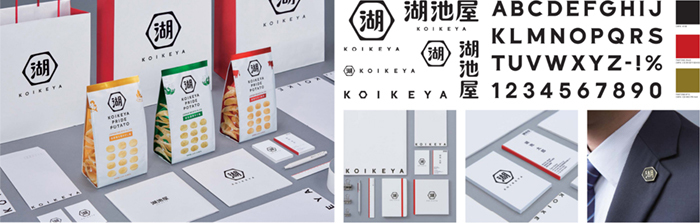
Kawakoshi: Another memorable project was the corporate rebranding for Koikeya, including CI development and the packaging design for their flagship product, "KOIKEYA PRIDE POTATO." While creativity is important in advertising, the ultimate test is whether the product sells and resonates with the public. It sold very well upon launch and continues to be a hit product in the first half of this year, so we felt a real sense of accomplishment.
When designing to drive purchases, aiming for high-end design alone doesn't guarantee sales. From the consumer's perspective, it needs a certain level of persuasiveness, clarity, and mass appeal to truly connect. You also have to consider how it stands out and looks on store shelves. What makes a design accessible to the general public? What defines a product that sells? I believe an art director is someone who can control the design, and this project involved researching where that sweet spot lies. It yielded solid results and gave me a real sense of successfully communicating with the market.
──How do you think about translating an idea into a concrete plan?
Kawakoshi: If we consider two approaches—one where you start with a rough image of the output and work backward from the visuals, and another where you logically build up reasoning to arrive at the output—as an art director, I tend toward the former, a more visually-driven planning method. Can a single visual become a concept? Wouldn't people be surprised if we had this kind of visual? That image often becomes the starting point for an idea.
From that idea, I then refine how to connect it to a conversation and solidly translate it into a product. For example, with the High School Sumo Kanazawa Tournament initiative, the goals were to increase awareness and boost attendance. To contribute to that, I built an overall design strategy. This involved using newspapers as the core while simultaneously planning PR that combined social media to generate buzz.
Balancing accessibility and mass appeal with high-quality design
──I understand you two met in person prior to this interview, during a feature for the Japan Advertising Association's newsletter. While you've both excelled in different fields, is there anything you'd like to ask Mr. Kawakoshi, Mr. Kanda?
Kanda: I really love your designs, Kawasoko-san. They capture the spirit of the times while maintaining just the right distance, advancing slightly ahead. I admire how you create "the design" so solidly. This sense of distance is actually something applicable to all professions, and I think it's incredibly difficult to achieve. If you advance too far ahead of the times, you risk being met with blank stares; if you align too closely with the times, it lacks freshness. Your ability to hit that perfect balance is truly impressive.
The Koikeya logo is a perfect example of that kind of work, right? The business cards also use red as the base color on the sides and such. How do you decide on that? Also, where do you start when thinking about corporate branding?
Kawasoko: Well, fundamentally, we start with the logo. After gathering various information—the company's philosophy, history, future vision—we consider what form the corporate CI should take. How can we express the company's personality attractively and in a way that conveys its message effectively? We explore this from multiple perspectives. From there, a logo like a family crest for the corporate branding was born, and then it was rolled out to the products.
The red color on the sides carries forward the color from the previous corporate logo. Rather than rejecting the past, we believe the new corporate identity emerges from building upon accumulated traditions. Therefore, we wanted to preserve the red color. We revisited the origins, extracted the essence, and then deliberated on it.
Kanda: The impression of this logo is that it's slightly ahead of its time, yet overall, it still conveys Koikeya's tradition. So, that thought process was behind it.
Kawasebashi: Exactly. We could have created a design that was deliberately quirky or a highly sophisticated logo, but we prioritized conveying the company's identity and carefully controlled how it was presented. And without a certain level of clarity and accessibility, it simply wouldn't communicate effectively. A design that doesn't communicate is meaningless, so it's a compromise with high-quality design. If it looks uncool, that's obviously no good, but being too mainstream is also no good.
Kanda: Not middle-of-the-road either.
Kawakoshi: Exactly. As you said, we aim for designs that hint at what's just ahead of the times. We consciously maintain that control in every design, targeting it with a certain level of precision. And we want to present the world with designs that are captivating—ones that make people feel excited, something you can't measure with numbers.
Creativity is essential cultural literacy for Japanese people
──We now find ourselves facing a situation where the entire world is being shaken to its core. Companies are forced to reevaluate investments, and consumers' values are shifting. What do you think is required of creativity in such times, and how do you personally want to respond?
Kawakoshi: A certain degree of economic stagnation is unavoidable. Within that, advertising budgets might be reevaluated, and aiming for guaranteed results within limited budgets could inevitably lead to more conservative thinking. Essentially, it becomes harder to take risks. In this environment, I believe companies that use the power of creativity to turn crises into opportunities will set the standard for the future. Personally, I hope to help make that happen.
Creatives often feel powerless during times like these—new projects stall. But precisely because of that, I asked myself, "What can creativity achieve?" That's why I planned this message ad for everyone facing this situation. When the world is shrouded in anxiety, I truly felt mass advertising remains the one-of-a-kind platform for offering encouragement and reassurance. As a creator working in mass advertising, I want to keep exploring what we can do.
When people's values shift dramatically, expressions that were once effective can lose their resonance or become sensitive. As a consumer myself, I want to keep my antennae tuned, stay sensitive, and incorporate what I perceive into my work.
──Thank you. Finally, could you share a message for those aspiring to work in the communications field?
Kawakoshi: As consumer values shift, changing how we work and consume, the ability to adapt flexibly will become increasingly essential. However, one role of advertising is to brighten and improve society, no matter the circumstances. I hope you'll aim for that kind of creativity. I also aspire to be a creator who can serve as a model for that.
To build flexible adaptability for the coming era and expand my own knowledge, I continue my independent initiative " NEWSPACE PROTOTYPE OF ART DIRECTION " – an experimental space to explore and expand the possibilities of art direction. While I aim to monetize by first conceptualizing prototype ideas, then seeking projects to collaborate with those outputs and ultimately connect them to business, I place great importance on the pure creativity that springs from within – the desire to shape, create, and bring my own ideas to life. I believe this creativity is the most essential cultivation Japanese people—who tend to be reserved and conformist—need right now. So, I want to share the joy and potential of creativity, including my own, and I hope more people will join in.
■A Q&A Exploring the Profile of Creators■
Since this is a special joint project between our two companies, we ended with a Q&A to learn about each other's companies and more. Some surprising common ground emerged!
[Mr. Kawasoko Edition]
Q1. If you were a Hakuhodo employee, what kind of work would you like to do?
A1. Hmm, I'd like to do stylish, tasteful work. Hakuhodo has that chic image, doesn't it?
Q2. Why didn't you join Hakuhodo?
A2. I didn't get in (laughs).
Q3. Is there anyone at Hakuhodo you admire?
A3. Since my gap year, I've admired Mr. Kashiwa Sato. Hakuhodo has produced incredible art directors like Mr. Sato, Mr. Kenjiro Sano, and of course Mr. Takuya Onuki. If possible, I would have loved to learn under them. I want to study how they worked.
Q4. What influenced you outside the advertising industry?
A4. For me, it's manga too ( ※Mr. Kanda also answered "manga" ). As a kid, I wanted to be a manga artist. I was good at drawing, but I lacked the ability to create stories, so I gave up... My absolute favorite... I'd hesitate, but I'd have to go with the classic choice: "Dragon Ball."
Q5. If you were reborn, would you do your current job again?
A5. I might not do advertising. But I still have this desire to do work that moves people or makes them laugh. If I could do any job right now, I'd want to be an artist. As an artist, I'd want to spend my days creating in the world of contemporary art.
Was this article helpful?
Share this article


Newsletter registration is here
We select and publish important news every day
For inquiries about this article
Author
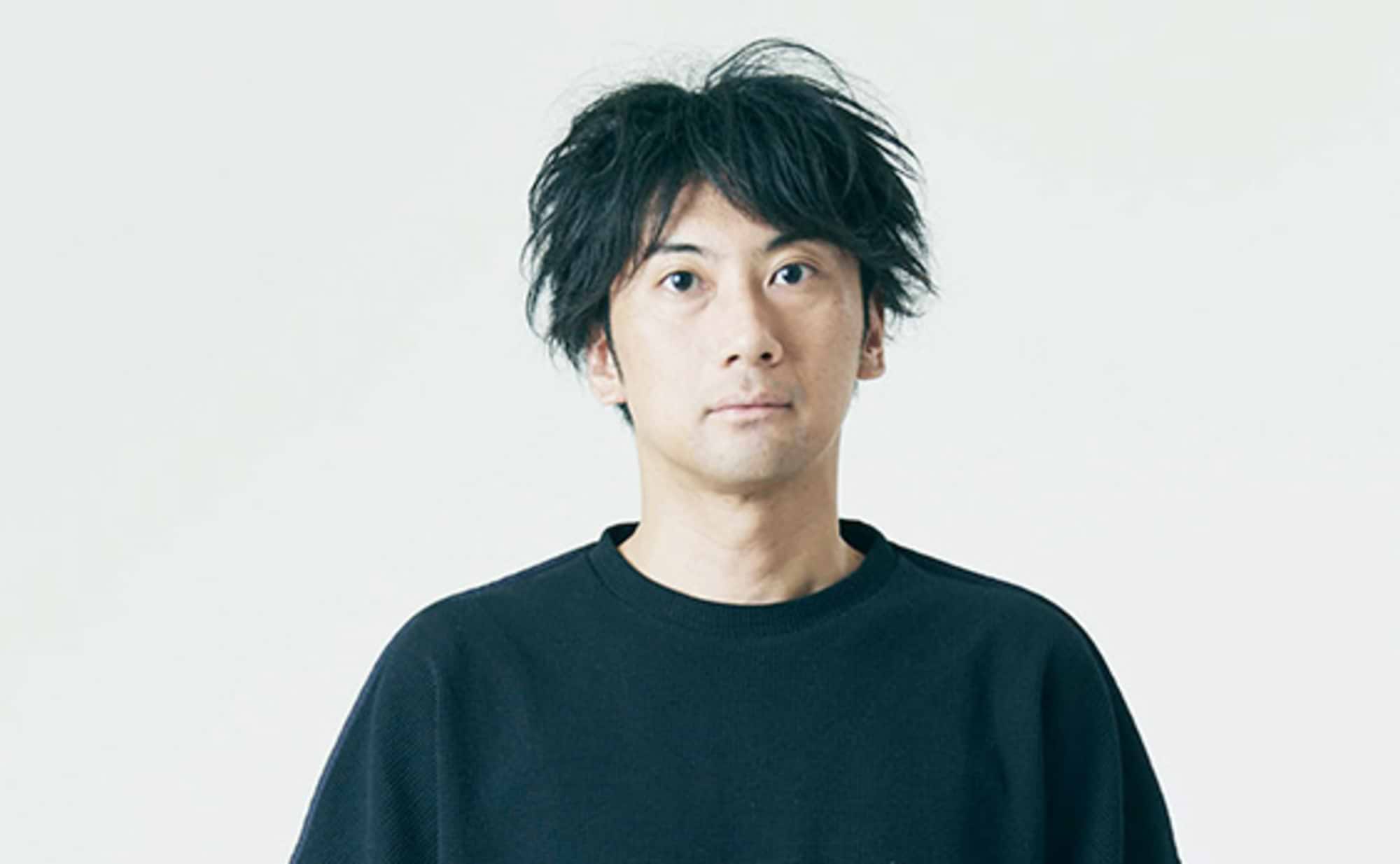
Yusuke Kanda
Hakuhodo Inc.
First Creative Bureau
Creative Director / CM Planner
Kazunori Kawakoshi
Dentsu Inc.
Third CR Planning Bureau
Creative Director / Art Director