
Note: This website was automatically translated, so some terms or nuances may not be completely accurate.
 UX that drives business growth [1/2]
The Essential Role of UX: Insights from a Leading UX Design Company
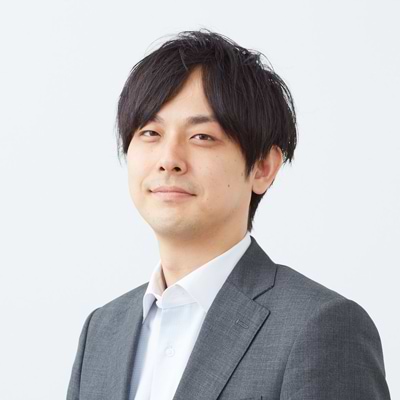
Masahide Kakei
Dentsu Inc.
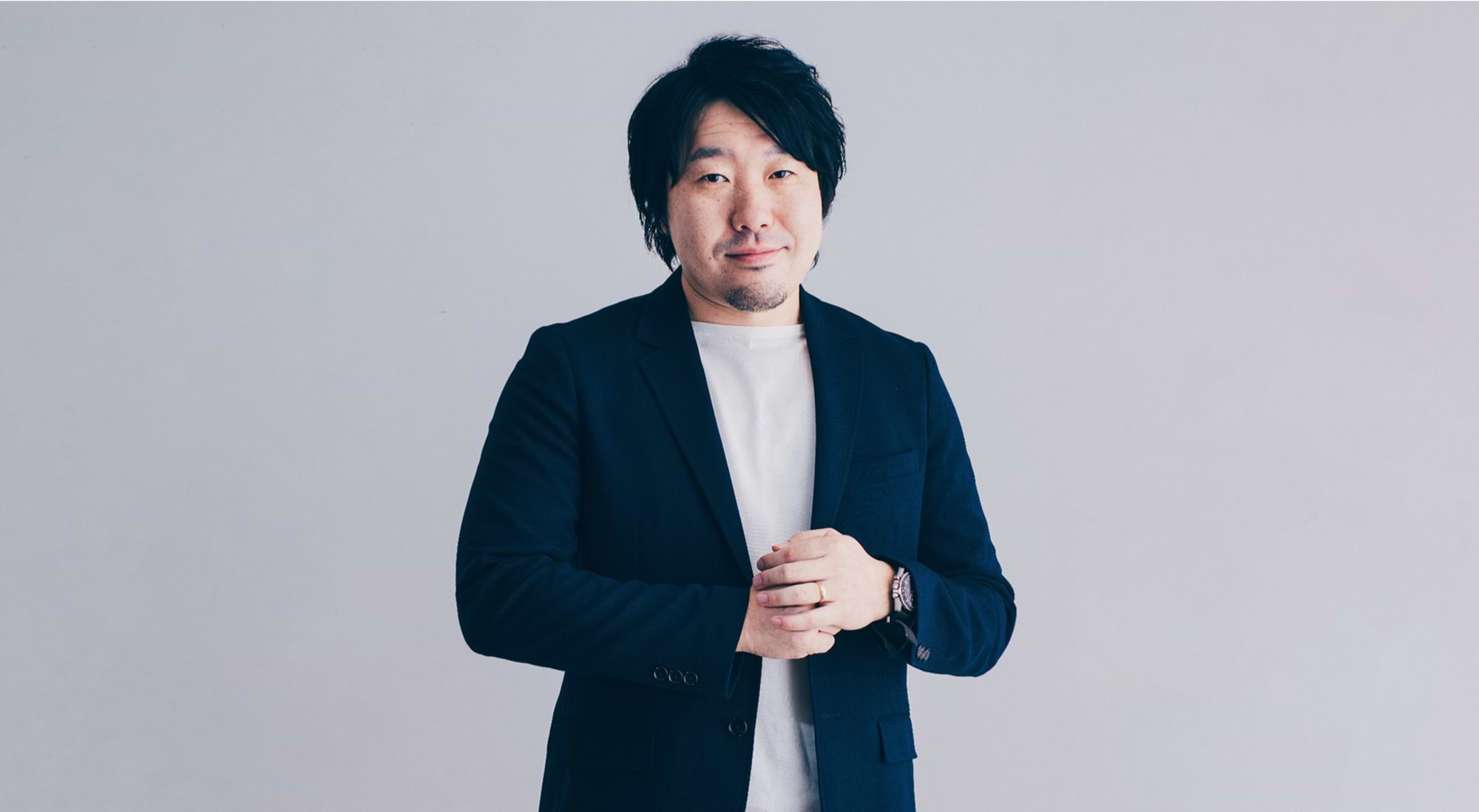
Naofumi Tsuchiya
Goodpatch Inc.
User experience (UX) demand is rapidly increasing across all fields in recent years. UX-based design is now required in areas like management strategy, business development, and DX. More companies are acquiring design firms, and there's a growing trend of bringing design talent into executive leadership.
Dentsu Inc., a leading company in Japan's UI/UX field, has partnered with Goodpatch—the first design company to list on the Tokyo Stock Exchange Mothers market—to launch "X Design Partner." This initiative provides end-to-end service design rooted in UX and marketing strategies for business growth.

In this series, Goodpatch members explain the importance of incorporating UX into business and how UX can solve business challenges.
For the first installment, we interviewed Mr. Naofumi Tsuchiya, President/CEO of Goodpatch. Dentsu Inc. Creative Strategist Masahide Kakei revisited the essential role of UX in business and recent market trends.
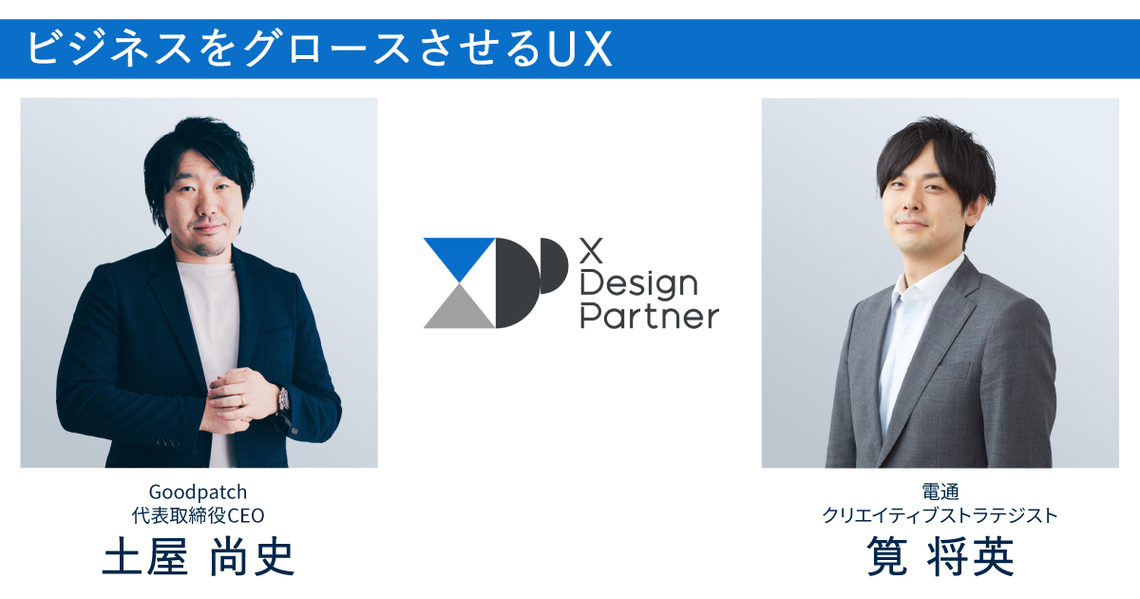
[What is Goodpatch?]
A global design company that propels business forward through design. It solves business challenges for companies ranging from large corporations to startups through design, including launching new ventures, renewing existing businesses, formulating corporate design strategies, and supporting the establishment of design organizations. It offers services such as the prototyping tool " Prott," the designer-focused career support service " ReDesigner," and the fully remote design organization " Goodpatch Anywhere." In June 2020, it became the first design company to list on the Tokyo Stock Exchange Mothers market.
【Dentsu Inc. and Goodpatch】
In November 2020, they launched the joint project "X Design Partner." This initiative combines both companies' strengths to provide end-to-end service design centered on customer experience value and marketing strategies for business growth in developing new digital ventures and products. ( See press release for details )
The Arrival of the UI Era: iPhone and the Silicon Valley Experience
Kakei: First, could you briefly recount the background of Goodpatch's founding and its evolution to date?
Tsuchiya: Goodpatch was founded in September 2011 as a design company specializing in the UI/UX field. While many design firms were still primarily focused on website production at the time, I believe we were the first in Japan to specialize specifically in software UI/UX.
We started by supporting startups and new ventures at large corporations. Today, we have offices in Tokyo, Berlin, and Munich, with approximately 170 design professionals. Including the talent from our fully remote design organization, "Goodpatch Anywhere," we now have around 300 design professionals.
Kakei: That makes you one of the largest companies in Japan gathering digital designers, right? It's impressive you spotted the UI/UX field so early. What led to that?
Tsuchiya: In 2007, Apple unveiled the first iPhone. Steve Jobs called the iPhone's interface "Revolutionary UI." Using it felt truly revolutionary. The interface was clearly different from anything before, and I knew it would change the world.
Kakei: Were you already thinking about starting a UI-focused business back then?
Tsuchiya: No, back then I never imagined I'd run a business specializing in UI. But I was completely hooked on the iPhone, and I only used apps with excellent UI from overseas, so I guess I had a latent interest.
Later, aiming to start a business, I went to Silicon Valley and encountered startups like Instagram, Uber, and Airbnb, which were just getting started. It was a shock. Because the quality of the UI in the digital products they were creating was clearly different from what we had in Japan. At that moment, I became convinced that UI would become an indispensable part of business going forward. That's why I returned to Japan and launched Goodpatch.

UI Matures, Evolving Toward UX-Driven UI
Kakei: I recall that around 2011, when Goodpatch was founded, terms like UI and UX were just starting to gain traction in Japan. Having been involved in UI/UX for so long, how do you perceive the market's changes and growth?
Tsuchiya: Back then, academic circles were debating the concept and definition of UX, but generally speaking, UI/UX hadn't really taken hold yet. However, even if the terms themselves weren't widely recognized, the usability of a product was a crucial metric. It was undeniable that usable things—meaning those with excellent UI—continued to endure.
That's why UI is very tangible as a deliverable. On the other hand, UX is harder to define as a deliverable or final product. Even if you said, "I'm good at UX," clients would be left wondering, "What exactly will you do for us?" We also stopped promoting UX upfront and focused on UI.
Kakei: I see. So it was an era where you could differentiate solely through UI.
Tsuchiya: Yes. Then, the overall UI quality of products and services in the market improved, making it harder to differentiate solely through UI. Consequently, the entire user experience of a product or service—not just the UI—became crucial. Business models also shifted to requiring the creation of digital products that prioritized user experience.
Kakei: Nowadays, businesses that don't consider UX simply can't succeed.
Tsuchiya: Of course, companies that valued user experience have always existed. But the major shift over the past decade is the reversal of power between consumers and businesses (the providers). The era where products sold themselves just by being made is over. Businesses clearly won't succeed unless they create what consumers truly want.
I believe this past decade has seen a dramatic rise in prioritizing the user.
Growing a new business requires the owner's will and resolve
Kakei: Goodpatch solves problems for diverse clients, from large corporations to startups, using design. What are the key points for incorporating UI/UX design into business?
Tsuchiya: The key points differ slightly between large corporations and startups. For startups, founders often intuitively grasp user needs in a non-verbal, sensory way.
That intuitive understanding is precisely why the business has grown to a certain extent. However, to achieve further growth, it's crucial to articulate and structure the core question: "What is the true value of this product/service?"
This is because, beyond helping users understand the value provided, if internal team members proceed without a shared understanding, it leads to issues like difficulty prioritizing tasks and teams not functioning effectively, ultimately slowing the company's overall growth.
Visualizing the user needs and value proposition that the founder intuitively grasped and guiding everyone toward a shared understanding becomes extremely important.
Kakei: So, even before designing the UI, you leverage design power starting from defining the business vision and value proposition.
Tsuchiya: Exactly. In large corporations, we often work on new business projects, but both completing them and achieving success is extremely challenging. Why? Because while startups have founders who intuitively grasp needs and possess strong will and resolve, project managers in large corporations don't necessarily start with that mindset.
Therefore, it's not just about conducting needs mining with the project owner; we must guide them through the process to foster a sense of ownership.
Kakei: That's an interesting point. For example, when promoting DX within a company, it's easy to focus too much on methodologies or tool selection. But what's more important is that the project owner has the will to drive it forward.
Tsuchiya: It might sound like a motivational speech, but ultimately, the key to business growth lies in the will of those who own the business.
Among the various companies we've supported, eight startups have gone public. What they share is that their founders possess a strong will for the business. Those who succeeded are the ones who persisted with the conviction that they would make the business succeed no matter what—even if they failed, or were criticized or ridiculed by others.
To infuse a business with soul, "co-creation" is indispensable.
Kakei: While founders might naturally have this drive, it's not easy for someone entrusted with a business by the company to develop such resolve. How does Goodpatch facilitate this?
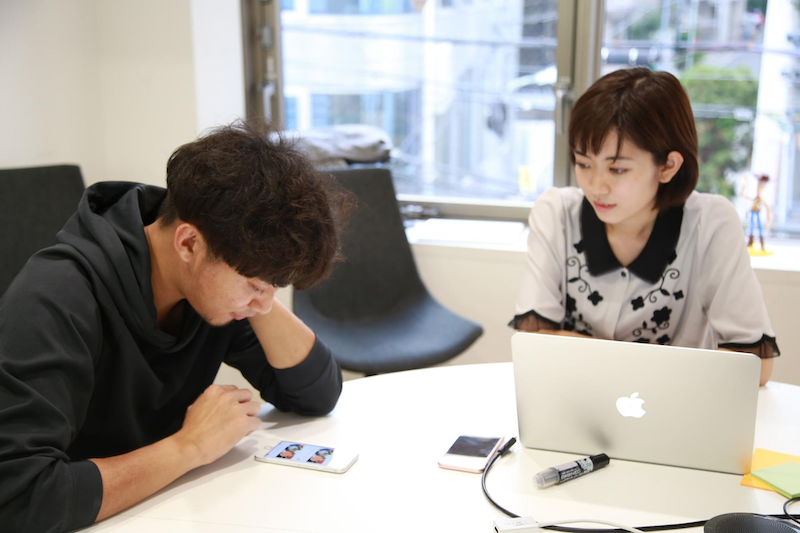
Tsuchiya: First, it's crucial for them to develop a sense of ownership. Methods vary by situation, but for example, we have the person responsible join user interviews to hear authentic user voices firsthand. Unfortunately, simply summarizing market research or user needs in PowerPoint presentations won't infuse the business with soul. It's only when the person responsible for the business places themselves in the user's shoes and feels the needs viscerally that they can truly internalize even the most visualized and structured materials.
Kakei: Beyond personally experiencing needs, seeing them systematically organized as information builds conviction. It helps you truly internalize the business's purpose as your own.
Tsuchiya: Yes. To achieve that, we must fully commit to the project and engage in face-to-face discussions. It's precisely because we commit as design partners who run alongside the challenges, not merely as contractors fulfilling orders, that we can establish a culture where designers participate from the business design phase and where the business is designed and structured from the user's perspective.
Kakei: Indeed, Goodpatch's work feels more like "co-creation" than contracting.
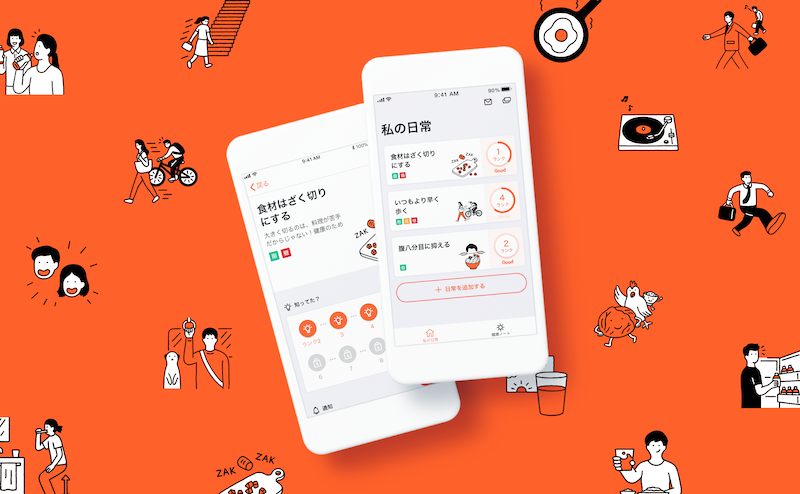
Tsuchiya: For Suntory Beverage & Food International's new business project " SUNTORY+," initially only the broad outline was decided: "Create a service leveraging Suntory's assets in the healthcare field."
But from there, we worked together with them to define the vision, mission, values, and principles, delved into user needs, and repeatedly prototyped and refined our approach while learning about Suntory's assets ourselves.
I believe it became a great product precisely because the responsible parties were determined to keep the business going, even without any guarantee of success. Furthermore, the fact that the management team believed in this project and continued investing for over a year and a half was also a tremendous source of support.
Kakei: I believe one reason DX and new ventures often fail to materialize within companies is the tendency to demand short-term business results. We need to evaluate both social impact and business impact from a long-term perspective and execute investments accordingly. Isn't this essential for creating new value for society?
We want to create significant social impact together.
Kakei: As mentioned earlier, business trends now cannot succeed without UX. Against this backdrop, the joint Dentsu Inc. and Goodpatch project "X Design Partner" launched, offering end-to-end service design rooted in UX and marketing strategies for business growth. What expectations do you have, Tsuchiya?
Tsuchiya: By combining our strengths in UI/UX design and service development with Dentsu Inc.'s expertise in advertising, PR, and growth strategies, we believe new possibilities will open up. 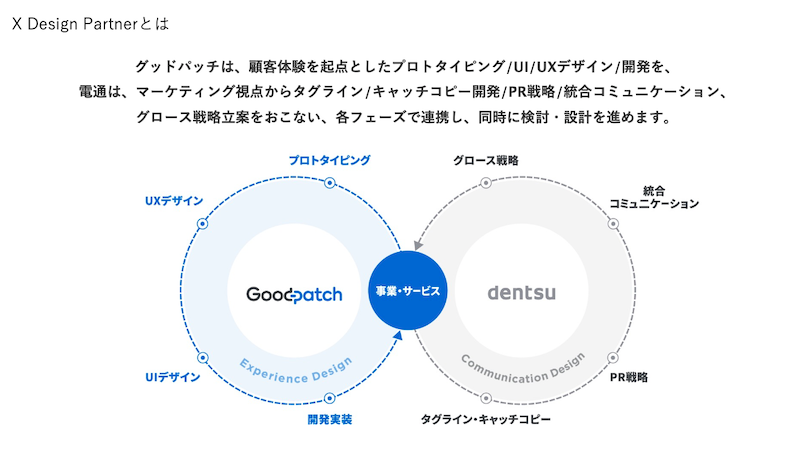
Kakei: It's still early days, but I sense significant demand for offering both companies' strengths in an integrated manner. I'd be delighted if we could develop projects while creating synergy in an equal partnership.
Tsuchiya: It was unthinkable just a few years ago that a company like ours would be recognized as an equal partner. I'm excited because it feels like something different from before is about to happen.
At the same time, I believe the market will question the significance of our partnership. We must prove the value created by Dentsu Inc. and Goodpatch joining forces through tangible results. Even if it's not a huge success, we want to create a significant wave that becomes a learning opportunity for society.
Kakei: I feel like I'm under tremendous pressure (laughs). I'll do my best to create truly representative examples with our clients that will surprise the world. Thank you very much for today!
Was this article helpful?
Share this article


Newsletter registration is here
We select and publish important news every day
For inquiries about this article
Author
Masahide Kakei
Dentsu Inc.
Second Integrated Solutions Bureau
Creative Strategist

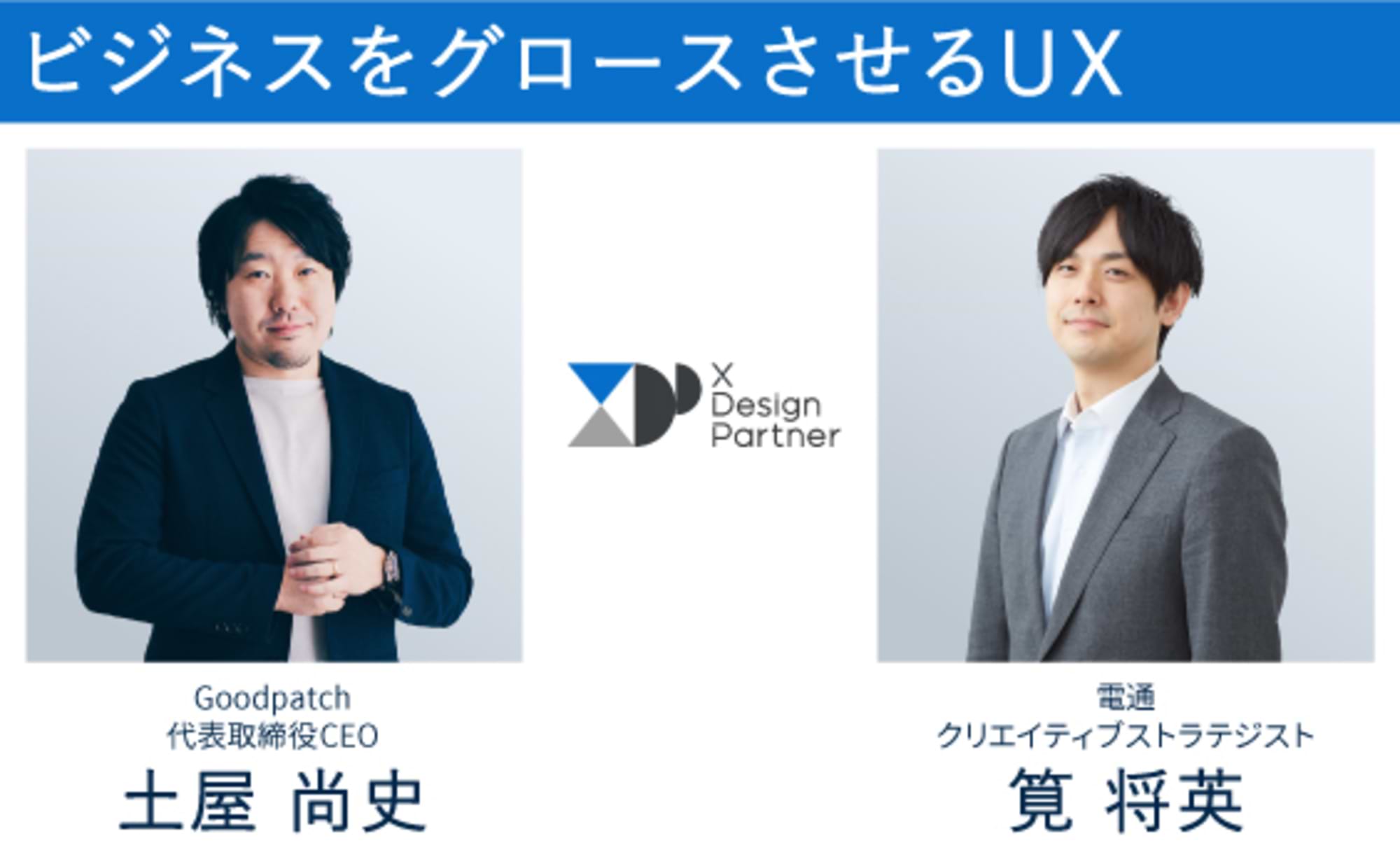
Naofumi Tsuchiya
Goodpatch Inc.
President and CEO