Note: This website was automatically translated, so some terms or nuances may not be completely accurate.
 Solving Future Challenges This Way by Future Creative Center [20/29]
What is Zebra's "kaku lab."—the office that blooms employee creativity?
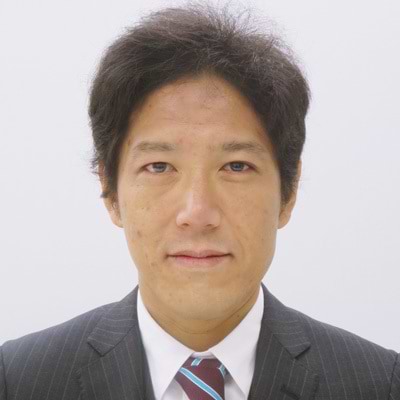
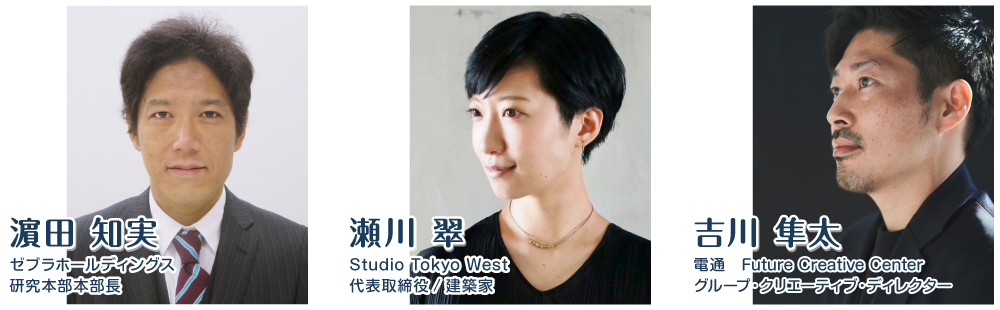
Tomomi Hamada
Zebra Holdings Co., Ltd.
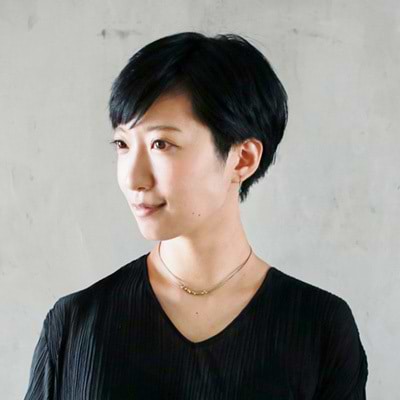
Midori Segawa
Studio Tokyo West Co., Ltd.
Yoshikawa Hayata
Dentsu Inc.
Dentsu Inc.'s cross-functional creative organization, the "Future Creative Center (FCC)," is a group of over 70 people supporting the creation of the future through creativity, transcending the boundaries of advertising. In this series, centered on the theme "Future × Creativity," FCC members discuss their future initiatives.
When people think of Zebra, many likely picture a company that has produced various writing instruments. However, the company's stated mission is not to be a "company that makes writing instruments," but rather to "promote human creativity." This is also reflected in Zebra's slogan: "Open your imagination."
To become a company that promotes creativity, Zebra employees themselves must first become a group that actively exercises creativity. This led to a focus on the office environment. As a space designed to foster employee creativity and ideas, "kaku lab." was born in September 2021.
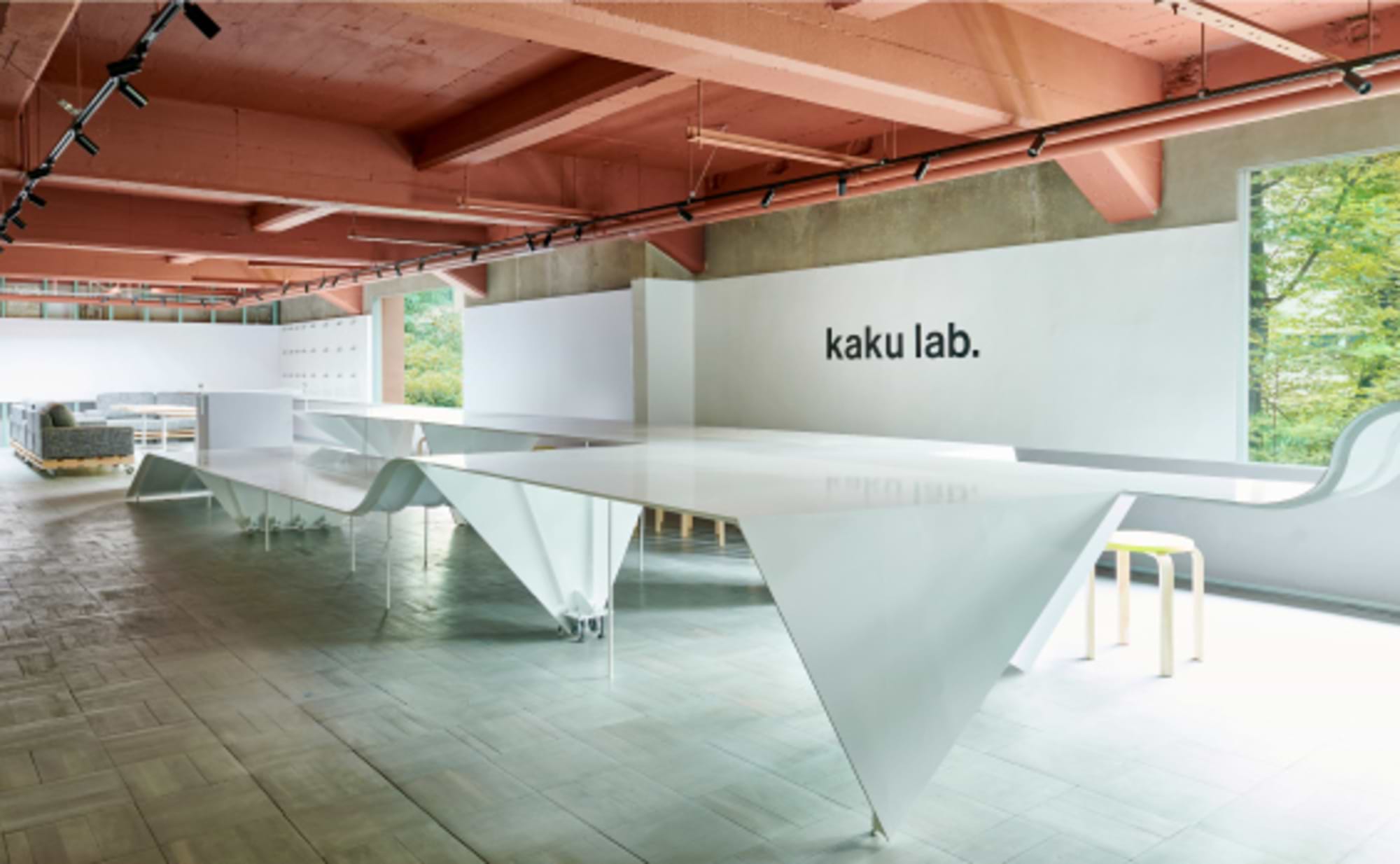
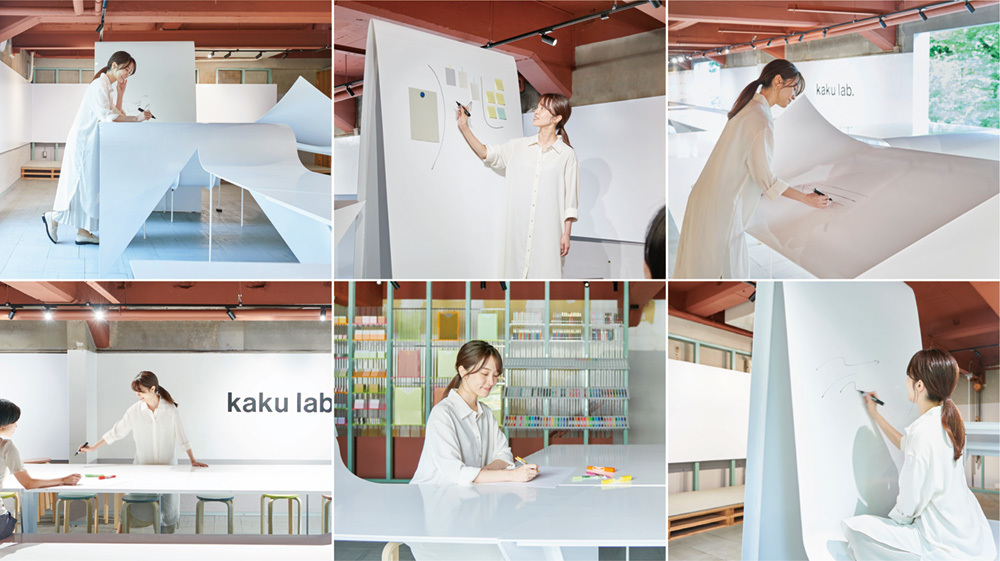
kaku lab.'s defining feature is its office design that triggers various forms of "kaku"—writing, drawing, sketching—the very actions that underpin Zebra's business.
FCC spearheaded this office project. In this article, Tomomi Hamada, Head of the Research Division at Zebra Holdings, Midori Segawa, Representative Director of Studio Tokyo West and architect responsible for the office design, and Hayata Yoshikawa, Creative Director at Dentsu Inc. FCC Group, reflect on the kaku lab. project.
The mission was "to unlock employees' creativity"
Hamada: The kaku lab. project began in September 2020. The catalyst was the transfer of Zebra's R&D division to Zebra Holdings. We used this opportunity to consider how Zebra employees could better unleash their creativity.
Underlying this was the belief that our work is not just "manufacturing writing instruments" but "creating culture." This is also reflected in Zebra's slogan, "Open your imagination." Writing instruments have long provided the spark to stimulate humanity's inherent "creativity." When people create something, they almost always have a writing instrument in hand. This remains true even in our increasingly digital age. Writing stimulates the brain, vision, or even hearing, often leading to new creations.
Precisely because Zebra is a company that champions creativity, we must first nurture the creativity of our own employees. We were considering how to do this when we received various proposals from the FCC team—that was the beginning.
Yoshikawa: The timing was miraculously perfect. FCC proposed several concrete actions to embody Zebra's corporate philosophy. One of these was the office renewal.
We proposed the office renewal because we believed the office is crucial as a place to nurture human creativity. While September 2020 saw the rise of shared offices and remote work, the office's function as a place where diverse members gather and generate new ideas remains indispensable. We proposed that the office should become a place that embodies "Open your imagination."
After making the proposal, we were told, "We have the perfect location for a renovation," and were immediately shown the office space. The project started moving forward right away.
Segawa: From there, we began designing the office, aiming to create a space that sparks various forms of "kaku." The origin of this design stemmed from Mr. Hamada's words: "I want an office centered around 'writing.'"
Hamada: The background to that conversation was that Zebra employees were increasingly entering even small notes into PCs or mobile devices. While that's certainly more convenient in some cases, I felt Zebra should be the company that believes "writing can unlock people's creativity" and should be the company that practices it.
Driven by that conviction, I made this crazy request: "I want an office where you can write absolutely everywhere—on tables, walls, anywhere!" (laughs). But I believed that creating such an office would also send a message from the company to its employees: "Let's believe in the power of writing."
The role of icons conveying the office's meaning, entrusted to giant paper-like tables
Segawa: After that, we focused on designing an office that makes employees want to write. It wasn't just about making tables and walls "writable," but how to make them "inspiring to write on." We really drilled down on this with the FCC team, right?
That's when the term "writing communication" emerged, which became the office's core concept. For example, when employees from different departments have a quick chat, if there's a setup that makes them want to write right then and there, they can develop ideas on the spot. We thought that could be the spark for creativity. We wanted to create such spaces everywhere in the office.
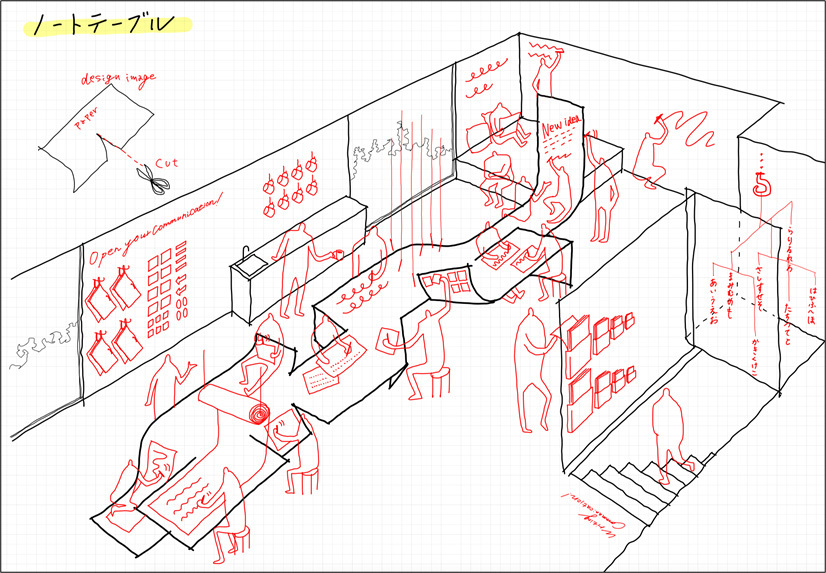
Yoshikawa: Beyond writing communication, there's also the idea that "employees are pens, and the office is a notebook." If employees are the pens generating ideas, then the office is the notebook-like space. This is another key concept from kaku lab., right?
Segawa: We conducted many interviews with employees this time, and everyone was truly full of ideas. That's why we decided designing this office as a notebook was the way to go. People kept suggesting, "If we had a place like this to write..." We used those discussions as a starting point and translated them into the physical space.
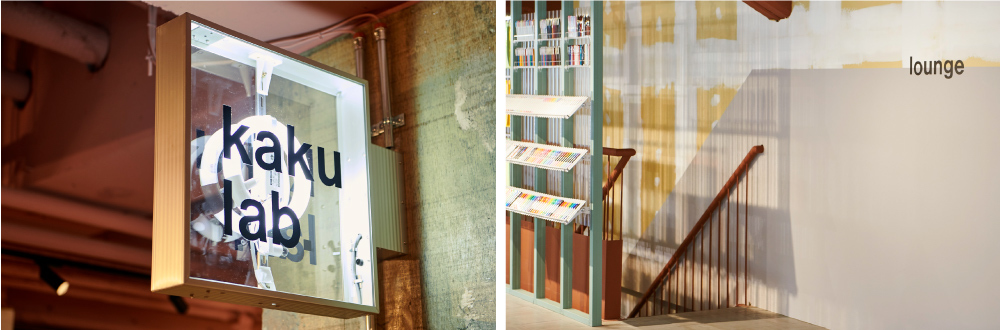
Yoshikawa: And so, one year later, in September 2021, the office was completed. At the entrance, we've explicitly stated our vision for this office. Also, the colorful zebra at the office entrance was drawn by Zebra employees. While the zebra is Zebra's corporate logo, it embodies the founder's wish that "all employees unite as firmly as this zebra."
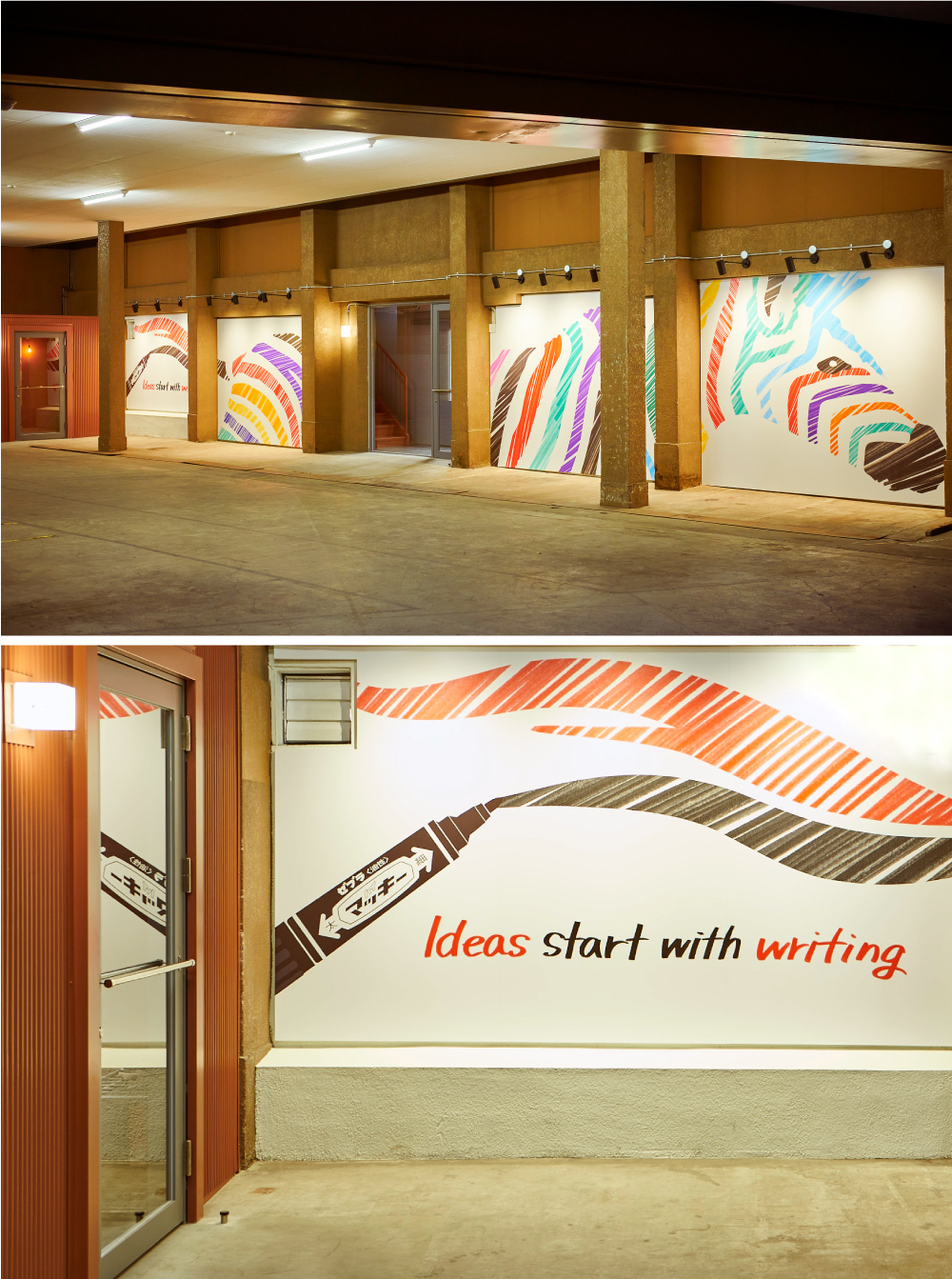
Segawa: Since the office is in Kagurazaka, the color and lighting design harmonizes with the neighborhood's rich atmosphere. Precisely because it's an area steeped in history and culture, we designed it to preserve as much of the original building's character as possible, allowing it to coexist with the new design.
Yoshikawa: And throughout the office, we've distributed various "kaku" spaces so people can write anywhere. The symbol of this is the giant "notebook table," inspired by paper.
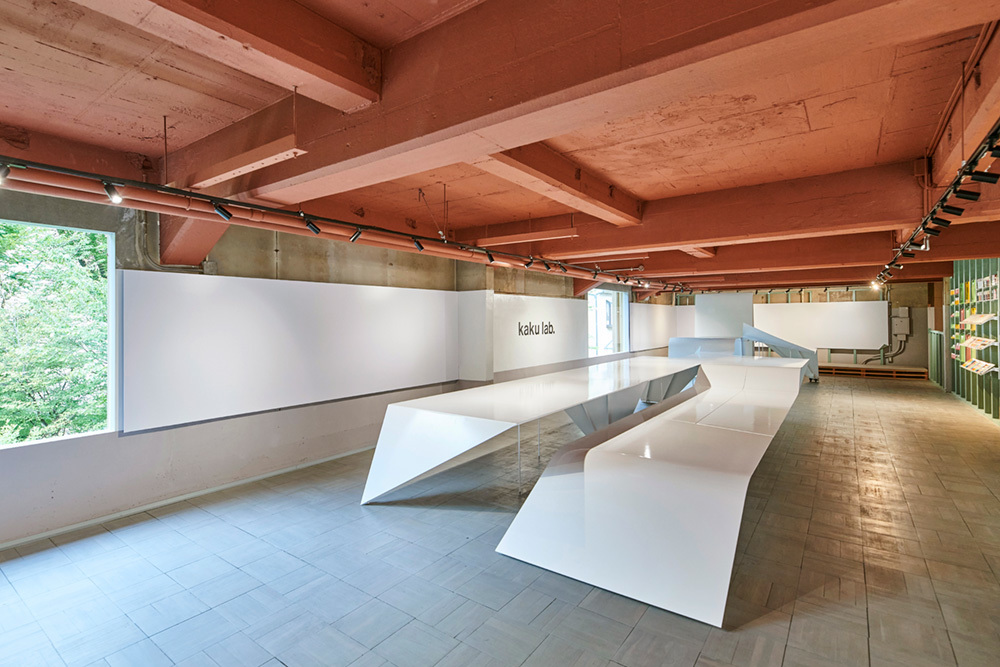
Writing itself comes in many forms—sitting, standing, and so on. Sometimes a slanted table works better. That's why we created a table suited for diverse writing styles. You can write directly on this table or on the surrounding walls.
Segawa: Honestly, this table was the most challenging part. Achieving a table as thin and smooth as a single sheet of paper involved significant technical hurdles—structural design, welding, and logistics for moving it in.
Yoshikawa: Of course, a simple table wouldn't have been difficult. But to strongly convey kaku lab.'s message, we felt we needed a symbolic icon. An icon that employees would recognize as embodying the meaning of this office. That said, I was nervous whether Zebra would approve this table concept... (laughs).
Segawa: But in reality, Mr. Hamada said, "Let's go with this table." His words, "Being simple and easy to use doesn't automatically equal boosting creativity," really stuck with me.
Hamada: The moment you see this table, I believe both employees and external visitors will instantly feel something. I felt placing this table held significant meaning.
Whether it's writing instruments or offices, the core of manufacturing remains unchanged.
Yoshikawa: Now that the office is complete, how have employees' behaviors and work styles changed?
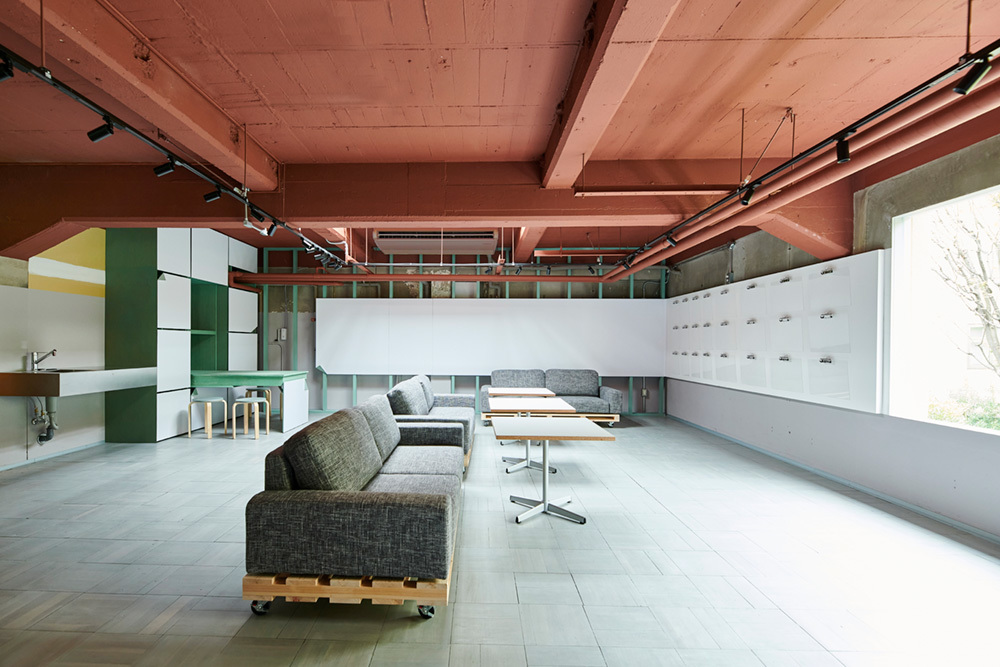
Hamada: Some employees hold meetings while writing notes on the walls, or use the walls for notes during impromptu chats. We have whiteboards that are long and connected horizontally, and some teams fill the entire board with notes while discussing. Recently, I've seen people photographing notes on the board and pasting them into PowerPoint presentations. That's a great use of the space.
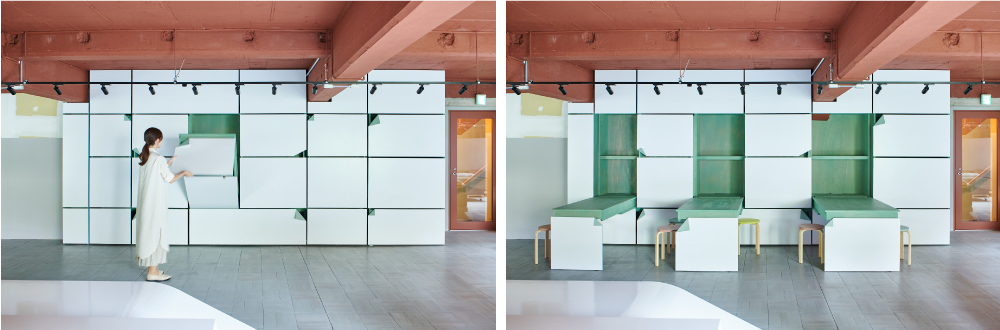
Yoshikawa: Personally, I really like the "notebook wall." It's a storage wall that pulls out to become a bench where you can write and think. If you pull out all the storage, you can even display products. When we have media interviews or invite external guests, this feature helps convey how Zebra values creativity.
Hamada: Right now is the peak job-hunting season for students, and they're using this office. I think kaku lab. is a great way to convey Zebra's philosophy to students. Going forward, we'd also like to use this space as a hub for open innovation, where we can brainstorm ideas with people outside the company.
Yoshikawa: I learned during my work that Zebra's technologies have potential applications across various industries. For example, applying pen mechanisms to other products. It would be wonderful if kaku lab. could become a place for such emergent innovation.
Hamada: For Zebra, kaku lab. isn't just the name of this specific office we built. It's the name for our shared creative hubs. kaku lab. exists within Zebra's network across Japan, and it's positioned to be present in our overseas branches and factories as well.
Yoshikawa: For us creators, it's rewarding to see our creations endure into the future. More than anything, this office itself becomes a driving force for the company's growth. We've advanced this project feeling that significance.
Segawa: I also found it enjoyable to co-design the future of a company that fosters human creativity, and it became a project filled with passion. I hope unique creations born from kaku lab.'s essence will emerge going forward.
Hamada: Thank you. Creating an office was a first for me, and I learned a great deal. However, even when the subject is an office, the core principle of making things remains unchanged. That is, "considering who will use it."
Visualizing that person and applying your creativity to improve their life—that is design. I believe kaku lab. was able to embody this very design process.

Was this article helpful?
Share this article


Newsletter registration is here
We select and publish important news every day
For inquiries about this article
Back Numbers

Author
Tomomi Hamada
Zebra Holdings Co., Ltd.
Research Headquarters
Head of Department
Midori Segawa
Studio Tokyo West Co., Ltd.
President/Architect
Yoshikawa Hayata
Dentsu Inc.
Future Creative Lead 室
グループ・クリエーティブ・ディレクター/ゼネラル・マネージャー