
Note: This website was automatically translated, so some terms or nuances may not be completely accurate.
 Behind the Scenes of the Blockbuster Film "10 Years to Live" [1/2]
Behind the Scenes of "10 Years to Live" (Part 1)
The highly talked-about film "10 Years to Live" (released March 4, 2022) has surpassed 2.25 million cumulative admissions and is nearing ¥3 billion in box office revenue, making it the top-grossing Japanese live-action film released this year (as of early May).
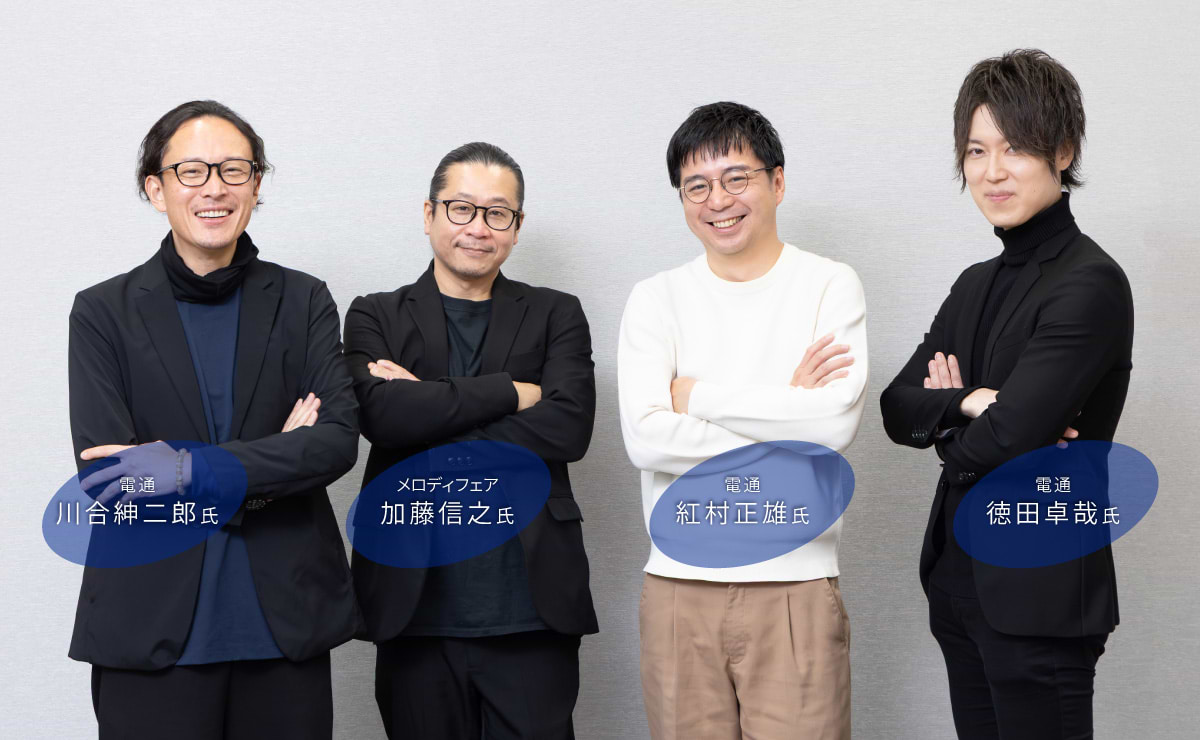
Director Michinori Fujii, who won six Japan Academy Film Prizes including three top awards and is considered one of Japan's busiest directors, combining talent and experience; Shinjiro Kawai of Dentsu Inc., who secured the film adaptation rights and served as producer; and Tomoya Kitagawa of Dentsu Inc., who supported the production as a member of the team, discussed their thoughts behind the film and behind-the-scenes stories.
Beyond the behind-the-scenes of "10 Years to Live," this was an incredibly exciting time as the "comrades" who sweated together on set discussed the possibilities that arise when an advertising agency—strongly associated with creating 15- and 30-second commercials and managing sports events—joins film production. We present the content of this conversation in two parts: "Part 1" and "Part 2."
Ryuka Kosaka's Visit to Her Hometown "Mishima" Proved a Turning Point
Kitagawa: First, I'd like to hear about your memories surrounding the production. Specifically, the process of adapting the original novel into a film and how we came to offer the director role to Mr. Fujii. I'd like to hear from both of you about Director Fujii's feelings and emotions the moment he received the offer.
Kawai: During a meeting between Warner Bros. and Dentsu Inc., we discussed proposing director candidates. Coincidentally, both Warner's producer and I independently suggested, "We want Director Fujii to direct!" After that meeting, we made the offer. Personally, I'd seen several of his films, and I was particularly moved by "Blue Return," a visual work that wasn't just a typical coming-of-age story, but one that captured the unique blend of freshness and bitterness inherent to adolescence. I really wanted him to direct this film.
Kitagawa: Director Fujii, how did you feel when you received the offer?
Fujii: I was really eager to work on a project for a major studio, so I was thrilled at first. Like, "Yes! Finally, a major studio project!" But then I heard the title "10 Years to Live," and I thought, "Why am I being offered a romance film?" I had just finished filming "The Newspaper Reporter," and I wasn't really in the mood for romance at that point. It struck me as quite novel.
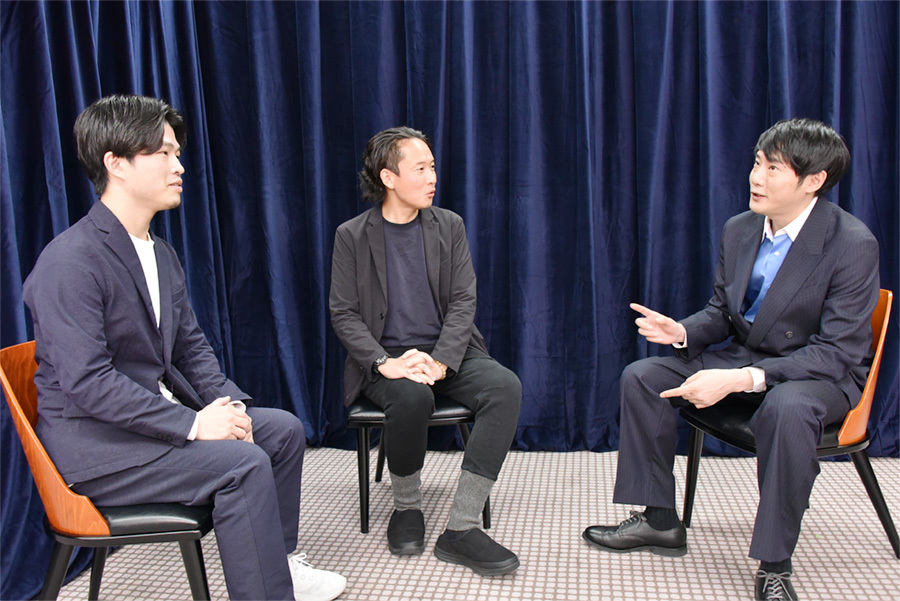
Kitagawa: You mentioned being a bit surprised at first. What process led you to finally commit to this project?
Fujii: Honestly, at first I was a bit bewildered by the "division of labor" typical of major productions. For the first six months or so, I was quite anxious about whether I could build consensus and create something within that framework.
Then, at just the right moment, Mr. Kawai took me to Mishima, the hometown of the original author, Ryuka Kosaka. Meeting Kosaka-san's family, they welcomed me so warmly. Hearing them recount Kosaka-san's life story, often with tears, really left a deep impression on me. That's when I realized I didn't just want to adapt the original work into a film; I wanted to properly preserve Kosaka-san's legacy as a living testament through this movie.
Kitagawa: Mr. Kawai, looking back on your visit to Mishima with the director, what are your thoughts?
Kawai: At that time, though it was our responsibility, I felt production had stalled somewhat. However, to realize this film's concept—a hybrid where the "story of the novel" intersects with the "life of the original author, Ryuka Kosaka"—I strongly believed Director Fujii needed to meet the family directly. Having Director Fujii go to Mishima spurred production forward dramatically. As you mentioned, I was deeply moved witnessing how Kosaka-san's living legacy was breathed into the film.
Kitagawa: The production process for this film also had its share of drama. Looking back now, what moment do you feel was the biggest turning point?
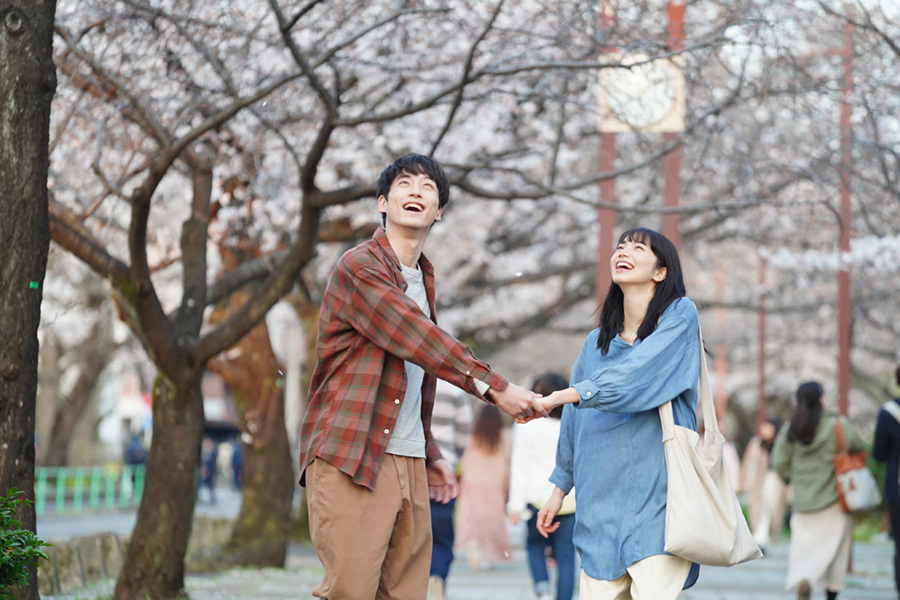
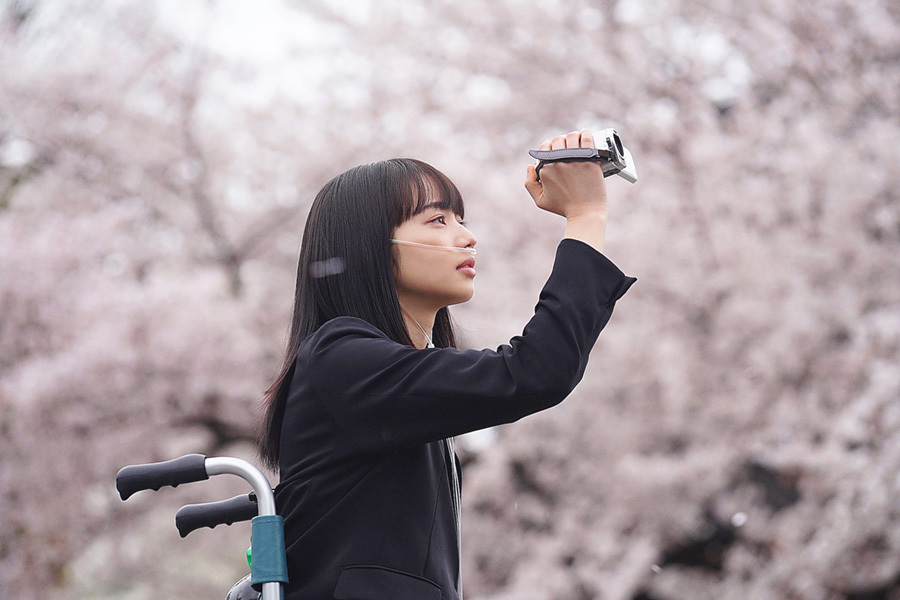
Fujii: For me, it was definitely the cherry blossom scene where Mari falls in love with Kazuto. I felt a certain responsibility within myself, thinking this film should follow a classic path. During script development, I believed we needed to depict the precise moment Mari clearly fell for Kazuto. However, putting that into the script would have made it feel like mere text on a page, and I worried those making business decisions would be concerned. But I flatly refused to add explanatory narration. I wanted the visuals to convey the shared experience of witnessing those cherry blossoms drifting down. I said if it absolutely didn't come across, then narration could be added. So when we shot that cherry blossom scene, I was actually incredibly nervous. What if it turned out totally awkward? (laughs) There was huge pressure, but the result was really great.
Kitagawa: Kawai-san, is there a scene that stands out for you?
Kawai: The symbolic one was the wedding scene. We were filming in Hakone, and it was pouring rain during the shoot (laughs). Right before filming Mari and Kazuto's scene, the rain stopped and a rainbow just popped out. Seeing that rainbow, I thought this film was going to be blessed.
Fujii: Yeah. It rained nonstop until morning. For the wedding scene. I thought, "It's over, this is rough," but then during Mari and Kazuto's scene, the rain stopped and a rainbow just popped out.
Kitagawa: The sky was incredibly blue, right? Not just the weather, but we also managed to keep the impact of COVID to a minimum, didn't we?
Fujii: We were blessed. Even with the films I've made before, there were various difficulties we overcame, but this time, it was a good kind of hardship. There's a strong feeling that we all overcame it together. With "Ten Years Left to Live," there wasn't a single moment where I thought, "This is painful," "I can't take it anymore," or "I never want to remember this."
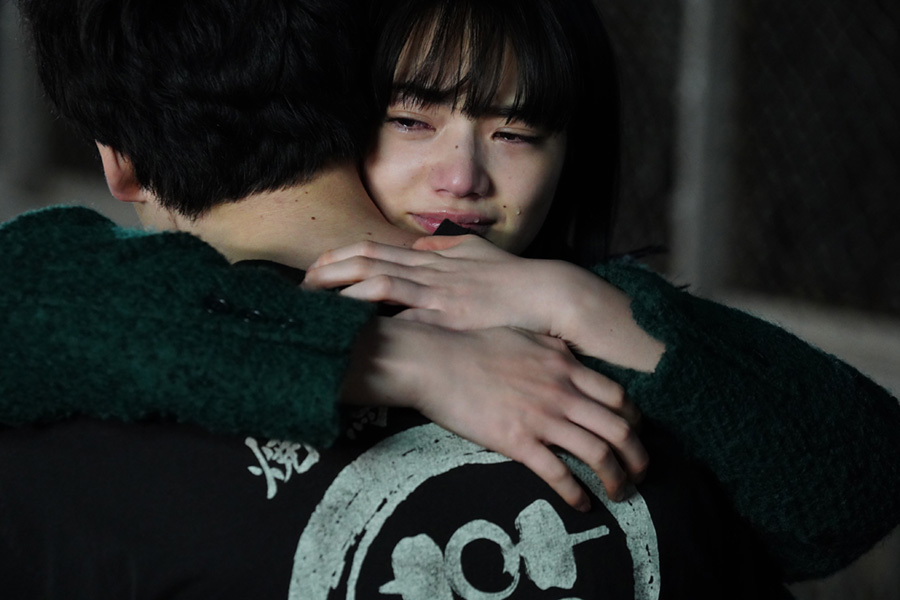
Kitagawa: This film features Ryuka Kosaka, the original author, as the model for the protagonist, Mari. It must have been a challenging project, straddling fiction and nonfiction. What was the biggest difference from a typical film? What aspects did you pay the most attention to?
Fujii: I wanted to create a cycle. Simply adapting the original work would have been like coloring by numbers. I worried that might make the original seem more interesting in comparison, which isn't ideal.
I wanted to depict things not shown in the original work, things the author herself might have imagined. And this time, I wanted to portray the proof of life of this person, Ryuka Kosaka. When I actually met the Kosaka family in Mishima, I felt strongly that I wanted to properly tell their story. I wanted to create a cycle: people reading the "10 Years to Live" she left behind as proof of her life, then returning to this film dedicated to the writer Ryuka Kosaka who wrote it. I felt this could be a new form of adaptation.
And after meeting Ms. Kosaka's family, things steadily moved in that direction. I think we've properly shaped the hypothetical story of how Ms. Kosaka's testimony—the novel "Ten Years to Live"—came to be.
Kitagawa: Kawai-san, during the collaborative process, were there any points that particularly concerned you?
Kawai: Yes. After Director Fujii met with the family in Mishima, I felt the family became even more cooperative and positive. While naturally carrying the responsibility Director Fujii mentioned—to make this a testament to Ryuka Kosaka's life—we approached the production with a supportive stance. I feel that's what created this film's unique story.
Past successes are just that—past successes. They don't guarantee future attempts.
Kitagawa: For this project, Dentsu Inc.s Strategic Creative Team joined not only in production but also in promotion, forming a joint team with Warner Bros.' promotion department. Could you share your honest thoughts on what it felt like to have an advertising agency involved in film production and promotion, and what challenges you perceive in current film promotion?
Fujii: It wasn't so much about Dentsu Inc. or being an advertising agency; what mattered most was working alongside Kawai-san. He handled everything, including caring for the Kosaka family members. Under the name "film," there were no big companies or small companies—everyone was on a level playing field. Combined with Kawai-san's character, we could genuinely collaborate as partners creating something together. That was truly valuable.
Kawai: Thank you. For me, acquiring the film rights, co-planning the project, and bringing it to the screen alongside Warner Bros. and Director Fujii felt like we were guided by some significant karmic connection. Having worked extensively in film promotion before, I was determined to do right by the promotion for "10 Years to Live" and had prepared thoroughly with our internal team beforehand.
Fujii: Regarding promotion, I think this applies to any industry—we get too fixated on past successes and established conventions. But those successes are from years ago; they're not attempts to shape the future. Methods and rules from an era before TikTok or YouTube still get used today. I understand stability is important, but I always wonder where the future lies for people who become complacent in that stability. For example, I believe the promotion team should get involved much earlier in the production process. Overseas, promotion teams join right from the director negotiation stage. They use everything – like deciding on the lead actor – as material to generate buzz.
Kawai: I've always felt the difficulty in film promotion—there's this kind of formula, this tendency to just follow precedent. But this time, for example, after Mr. Noda from RADWIMPS read the script, we did costume fittings for the actors while listening to the demo of the theme song "Uruubito" he composed for us. The actors also listened to the theme song while developing their roles. Plus, cinematographer Mr. Imamura took stills, which we also used for promotion. The Fujii Group kept trying new things one after another.
I believe this positive momentum within the Fujii Group—their willingness to embrace such new approaches without hesitation—had a beneficial impact on the promotion. Warner Bros.'s promotion team really embraced Dentsu Inc.'s strategic creative team on an equal footing. For instance, the promotional strategy for this film, "A story that accompanies all those who struggle," was developed collaboratively. We looked at marketing data while imagining the realities of young people and others, then discussed and built the strategy together based on facts.
Fujii: I think everything was probably unprecedented.
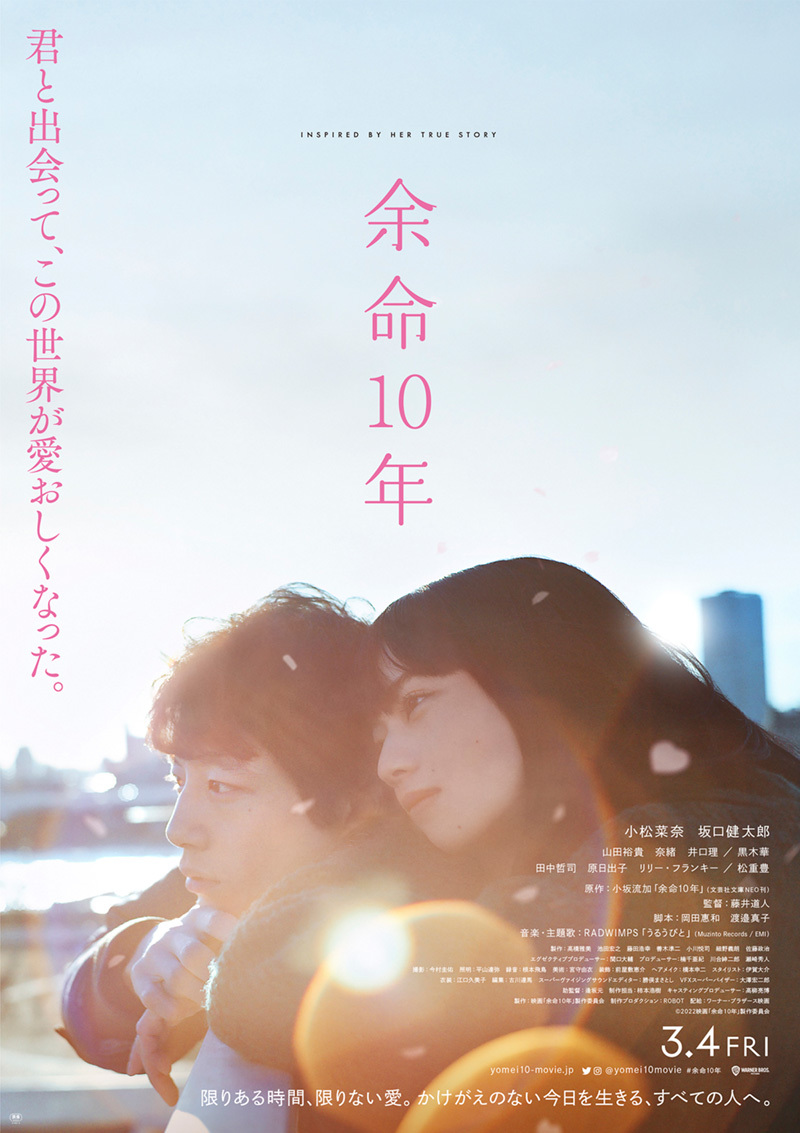
Director: Michito Fujii Starring: Nana Komatsu, Kentaro Sakaguchi Music & Theme Song: RADWIMPS ©2022 Film "10 Years to Live" Production Committee ▼Watch the trailer here.
[ Postscript] From Kiyoshi Kitagawa (Dentsu Inc.)
Director Fujii's mention of "unprecedented" actually ties into the promotion. This film's publicity team has handled various tasks with both meticulous effort and effectiveness. For instance, the special trailer features footage of Director Fujii, Mr. Noda, and the leads Komatsu and Sakaguchi discussing their feelings about the film and its music, along with behind-the-scenes insights. Creating such footage itself is quite unprecedented, I believe. The attitude of the Fujii team, challenging "unprecedented things," was refreshing even for us working in advertising agencies, and above all, we learned a great deal.

Was this article helpful?
Share this article


Newsletter registration is here
We select and publish important news every day
For inquiries about this article
Author
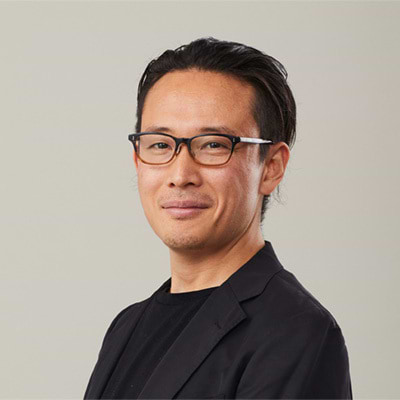
Shinjiro Kawai
Dentsu Inc.
エンターテインメントビジネス・センター IP・事業開発部
ゼネラル・マネージャー / 部長


Kitagawa Kimiya
Dentsu Inc.
Content Business Design Center
Producer
