Note: This website was automatically translated, so some terms or nuances may not be completely accurate.
 Signs of Seniors Unlocking the Potential of the "100-Year Life Era" [1/3]
The elusive reality of seniors. What are the trends gaining attention now?
Dentsu Inc. Senior Lab and Lixis have launched a project to identify signs that open up possibilities in the era of 100-year lifespans. In this series, Tamami Koga of Dentsu Inc. Senior Lab explores seniors' attitudes and intentions through quantitative and qualitative research, introducing the real needs, trends, and future business possibilities revealed by the findings.
Part 1 explores three "potential areas" revealed by Dentsu Inc. Senior Lab's "Senior Trends Survey 2022" and Lixis's "Caregiver Survey 2022".
About Dentsu Inc. Senior Lab:
An internal cross-functional project at Dentsu Inc. focused on developing insights and solutions through research on seniors, with the theme of "Solving Social Issues in a Super-Aged Society."
About Rixis:
With the mission of "Realizing Happy Longevity through 'Information' and 'Connections,'" Rixis provides the "LCAT" cloud platform supporting work-care balance, senior business creation support services, and promotion & marketing services targeting the elderly and senior markets.
Website: https://www.lyxis.com/
<Table of Contents>
▼Seniors: A Hard-to-Define Target!? The "Growth Potential" of Needs Among Seniors in Their 60s and 70s
Top 10 Needs Revealed
▼Over 70% Show Interest in "Hearing-Impaired Friendly Speakers"
AgeTech Solutions Becoming Commonplace in Care Settings
▼ "Family Caregivers" Have High Non-Care Needs and Strong Digital Literacy
▼"Senior Business Task Force" Supporting Senior-Focused Ventures
Seniors: A Hard-to-Define Target!?
Announcing the Top 10 Growth Areas for Senior Needs in Their 60s and 70s
Japan's median age (*) was 48.6 years in 2020 and is projected to reach 52.4 years by 2030 (Source: Statistics Japan, World Statistics 2022). Approximately half the population is now aged 50 or older. The number of seniors aged 65 and over reached a record high of 36.4 million (Source: Statistics Japan, 2021).
Today, seniors represent a significant demographic segment and are attracting attention from corporate marketing professionals.
※ = median age
The age at which a population is divided into two equal halves when arranged in order of age
On the other hand, we often hear marketing professionals say, "It's difficult to provide goods and services to seniors."
This stems from several challenges: limited information on segments with potential, a scarcity of senior employees within marketing teams, and a lack of firsthand experience with senior lifestyles, making it easy to misinterpret insights.
The "Senior Trends Survey 2022" explored hints for solving these challenges. Figure 1 compares what seniors "are doing now" with what they "want to do in the future" based on the survey results.
While "current activities" show dining out and socializing with children/friends ranking high, "future aspirations" reveal strong intentions toward "activities to maintain and improve health": "Brain Health" (81.3%), "Exercise" (79.9%), "Diet" (79.6%), and "Fatigue Recovery/Energy Boost" (77.0%). Next in line are "using smartphones wisely" (74.6%) and "decluttering" (73.6%).
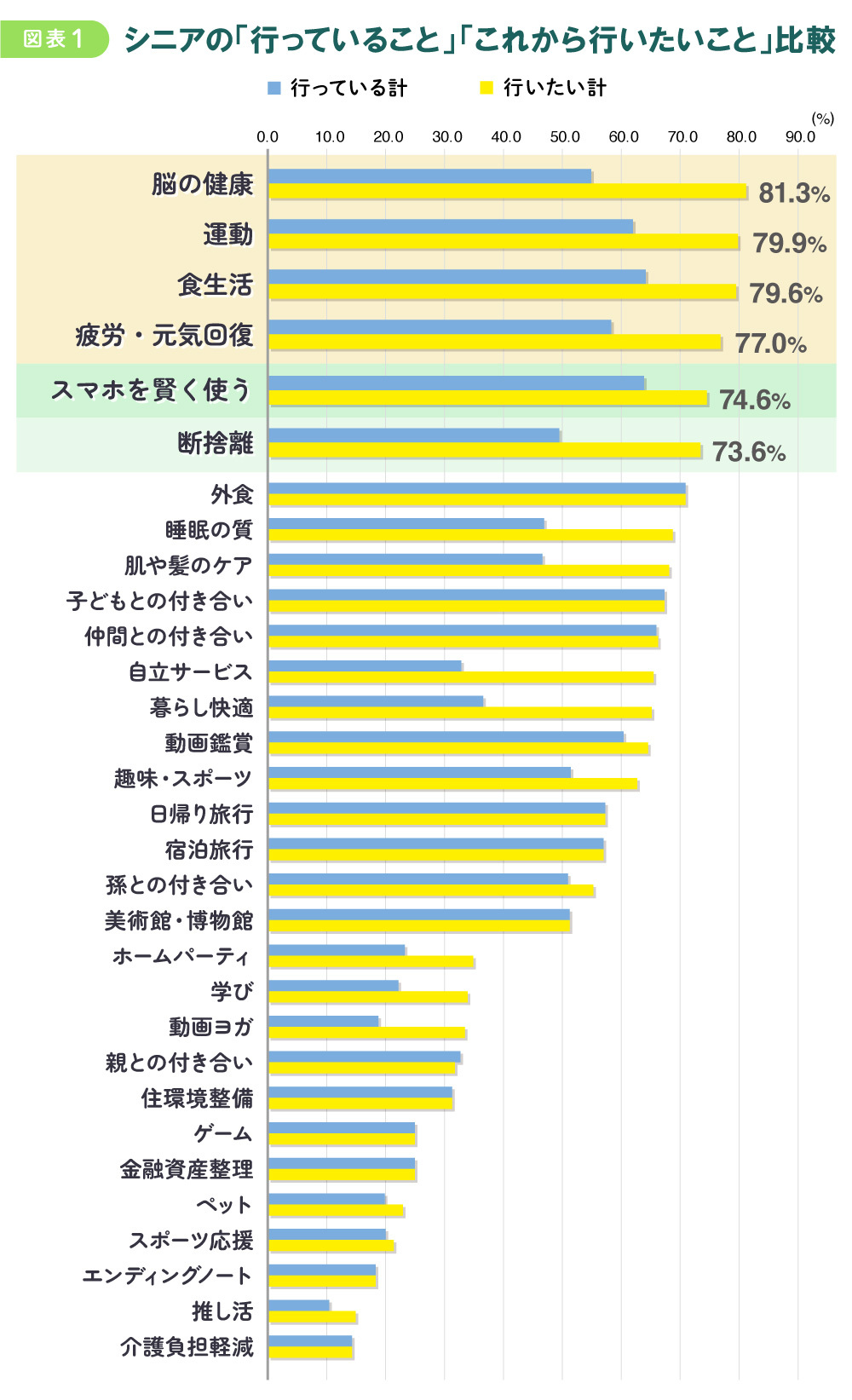
Next, we examined the gap between "current activities" and "desired activities." This gap represents the potential for growth—where desire exists but action hasn't yet followed.
From the Top 10 gaps in Figure 2, the following three areas emerged as potential growth areas. In other words, these represent "potential areas" for senior marketing.
① Seeking a comfortable, independent lifestyle
② Decluttering and end-of-life planning to avoid burdening others
③ Health maintenance and aging care
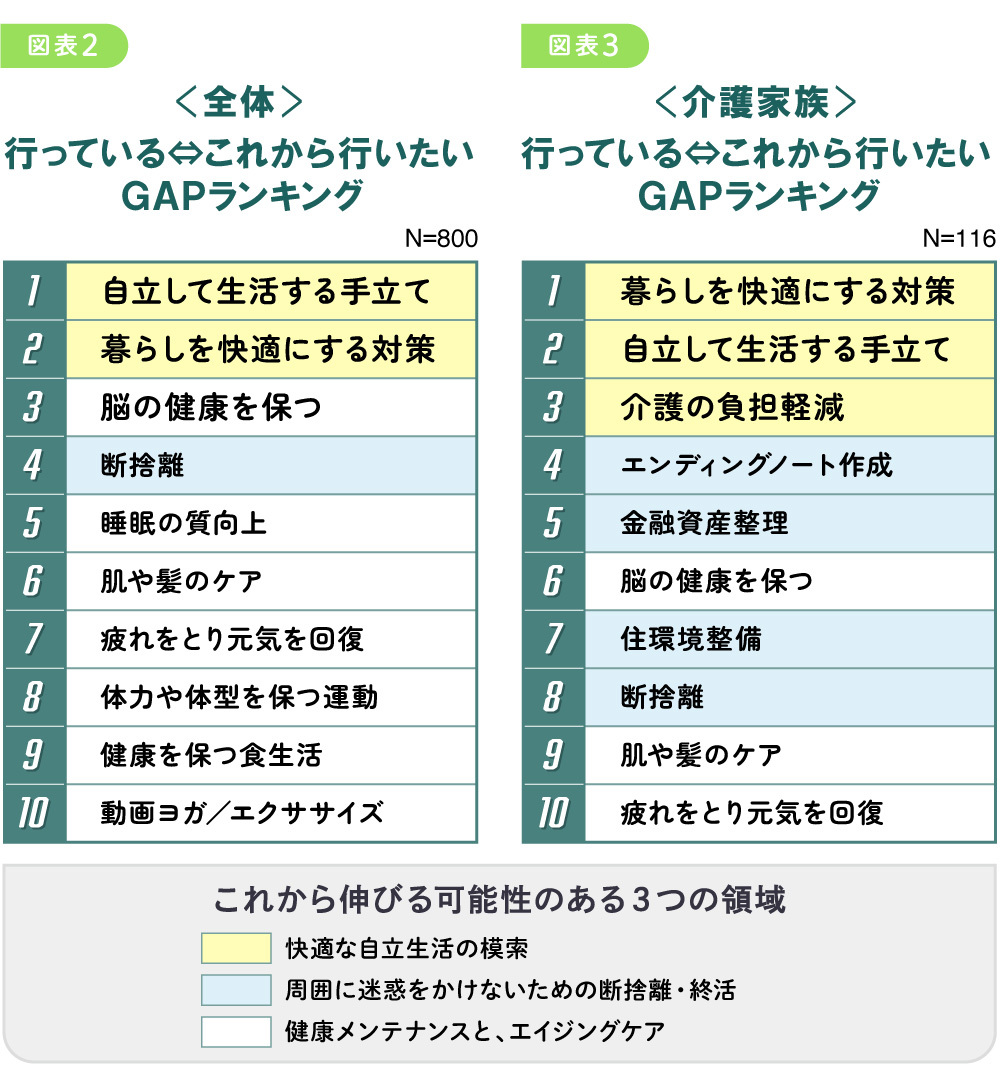
Overall, seven items in the Top 10 fall under the "③ Health Maintenance and Aging Care" domain.
When narrowing the focus to seniors who responded that they "care for or support a parent or spouse" (hereafter "caregiving family"), the "① Seeking a Comfortable Independent Life" area adds "Reducing Caregiving Burden," while the "② Decluttering and End-of-Life Planning to Avoid Burdening Others" area adds three items: "Creating an Ending Note," "Organizing Financial Assets," and "Improving Living Environment."
Interpreting this trend through the "Life and Lifestyle" questions in the "Signs of Aging Survey 2022" reveals that 87.1% of those in their 60s and 70s want to "live life on their own terms," while 94.9% want to "live without causing trouble for others." This reflects a desire to take proactive steps to maintain independent, comfortable living for as long as possible.
Meanwhile, among "caregiving family members," 82.3% responded to questions about "support awareness" that they "want to incorporate products or services that reduce the burden even slightly if care becomes necessary," and 75.5% stated they "want to entrust care to medical professionals or care specialists as much as possible if care becomes necessary."
Mr. Takeshi Kiba of Lixis, a professional caregiver with over 20 years of experience in home care, stated, "While the notion that 'caregiving is the family's responsibility' has been deeply ingrained, it is profoundly moving to see this shift in awareness confirmed by the numbers."
Furthermore, the high level of interest in "end-of-life preparations" among caregivers (Figure 3) likely reflects their awareness, gained through daily caregiving, of the need to organize their personal affairs to avoid burdening others.
Interest in "Hearing-Impaired Speakers" Exceeds 70%
AgeTech solutions becoming commonplace in caregiving settings
So, what kinds of products and services are seniors looking to use to meet their needs?
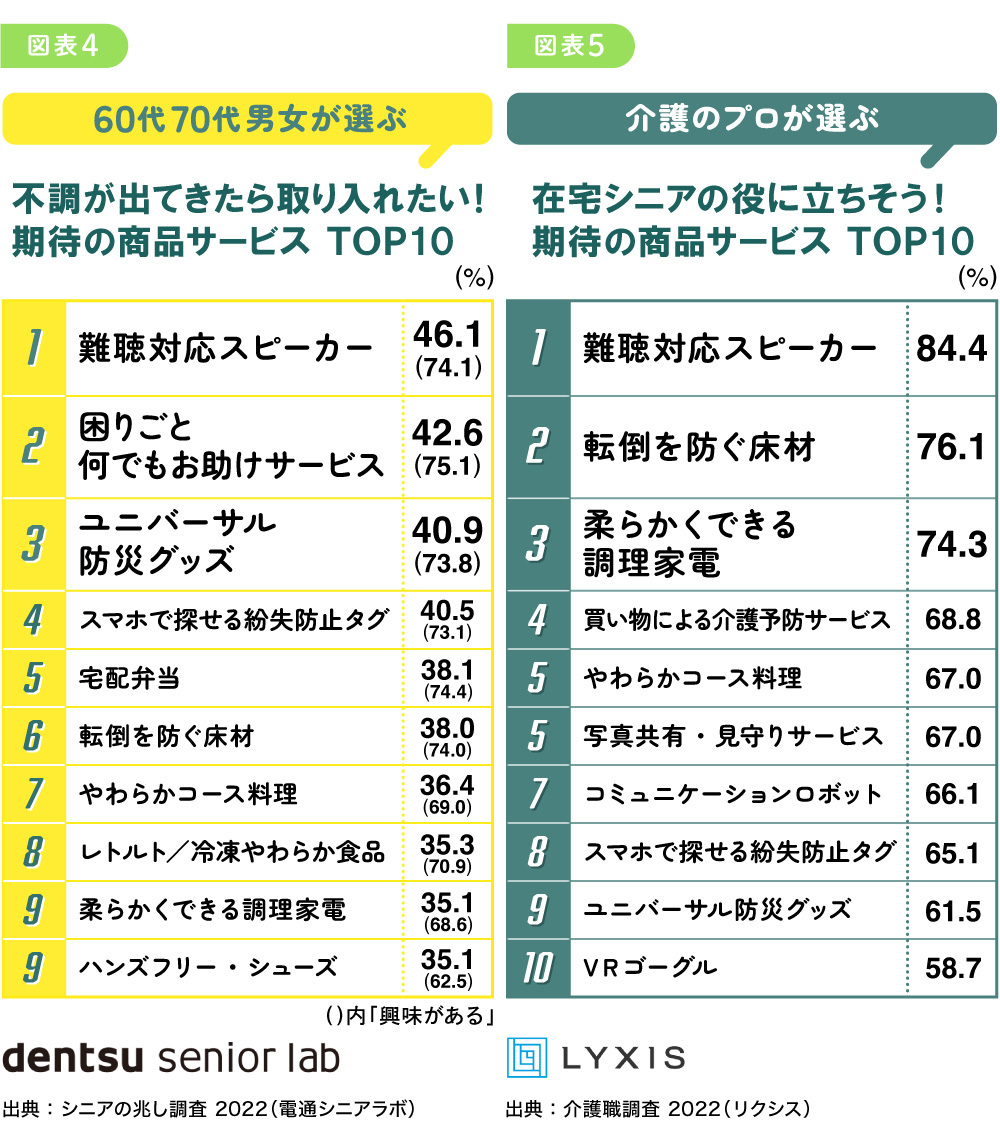
Figure 4 ranks the products and services seniors hope to adopt when health issues arise. Notably, even among the general senior population, four problem-solving "AgeTech" solutions appear in the Top 10.
"AgeTech" is a portmanteau of "AGE" (elderly) and "TECH" (technology), referring to technologies that support daily life and health by addressing physical changes and challenges associated with aging. Within this ranking, items like the "Hearing-Impaired Speaker" (which ensures everyone in the same room hears clearly at the same volume), the "Lost Item Tag" (which helps locate misplaced items via smartphone), the "Soft-Cooking Appliance" (which softens food while maintaining appearance), and the "Hands-Free Shoes" (which can be put on and taken off without using hands) fall under "AgeTech."
Interest in the "hearing-impaired speaker" in particular exceeded 70%, indicating a growing demand for "age tech."
Meanwhile, the "Care Worker Survey 2022" conducted by Rikisys targeting professional caregivers like care managers and home helpers shows that expectations for hearing-impaired speakers exceed 80% in the "Ranking of Products/Services Expected to Be Useful for Seniors Living at Home" (Figure 5). This indicates "Age Tech" is even more deeply penetrating the care field.
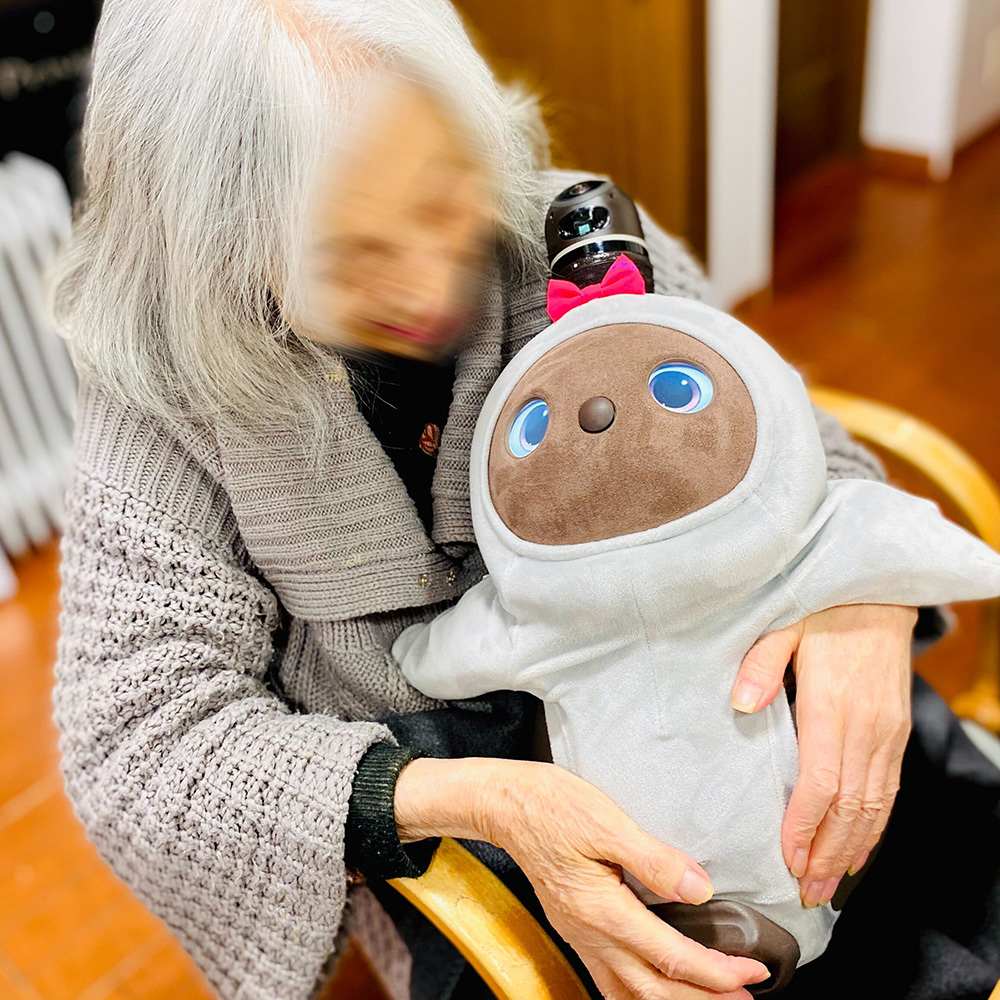
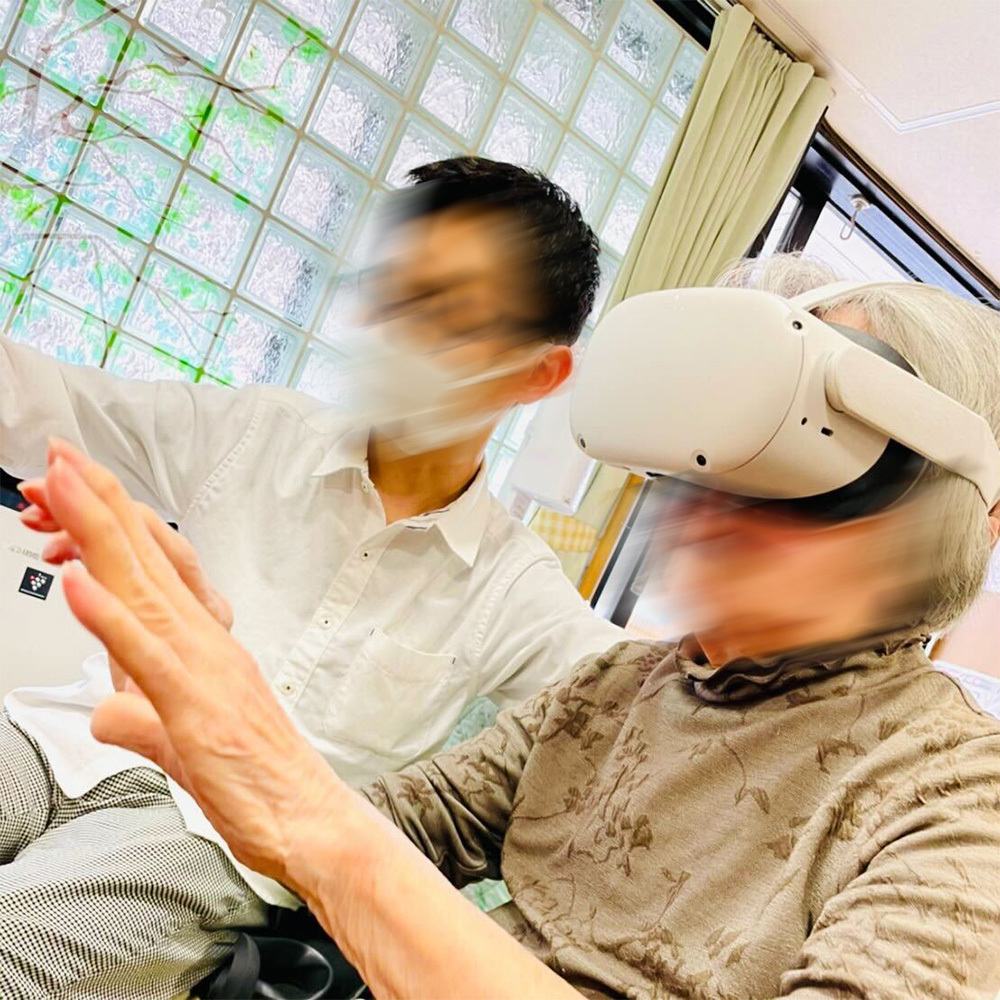
Furthermore, among the items professional caregivers expect to gain traction among seniors at home are "communication robots" and "VR goggles" – items whose value seniors themselves may not yet recognize, but which show potential for future adoption.
When asked why they listed these items, professional caregivers provided responses like: "At day services, someone hugged the robot and talked to it, showing us a smile," and "Even men couldn't help but smile and ended up petting the robot's head."
Regarding VR goggles, they shared voices enjoying the sense of the extraordinary, such as: "When we showed overseas footage to someone who finds going out difficult, they were delighted, saying 'It really felt like I was traveling abroad!'" and "Someone watching safari footage exclaimed, 'It's like the animals are right in front of me!'"
Professional caregivers often wish they could spend more time conversing with and entertaining seniors, but their busy schedules prevent them from doing so sufficiently. AgeTech is the technology that helps bridge that gap.
"Caregiving families" have high needs beyond care and strong digital literacy
Currently, there are 6.534 million "caregiving family members" nationwide. While the term "caregiving family" might bring to mind people in their 40s and 50s, as the term "elder-to-elder care" suggests, those aged 60 and over make up the majority at 3.352 million, accounting for over half. (Source: Ministry of Internal Affairs and Communications Statistics Bureau "2021 Basic Survey on Social Life")
Among the 800 men and women in their 60s and 70s who responded to the "Senior Trends Survey 2022," 116 were caregiving family members. Their responses to questions about "the impact of the COVID-19 pandemic," "smartphone and computer usage," and "support awareness" revealed insights for marketing approaches targeting senior "caregiving family members."
◆Their concerns extend beyond caregiving itself
- Want to go out more but feel their stamina and muscle strength have declined: 63.8% (Overall: 57.3%)
- 60.3% (51.1% overall) feel self-conscious about clothing, hair, or makeup when going out more often
◆High digital literacy
- High e-commerce usage rate, with 64.8% using e-commerce at least once a month (Overall: 58.6%)
- Have researched or made reservations on smartphones or computers for parents or spouses: 69.8% (Overall: 55.1%)
◆Potential of Human-Centered Design
- 71.6% (Overall: 68.6%) believe that products easy for seniors to use are also easy for people with disabilities and younger people to use.
These results suggest that the demand for designing products and services that are easy for everyone to use— —is likely to grow even stronger in the future.
Senior Business Task Force Supporting Senior-Focused Ventures
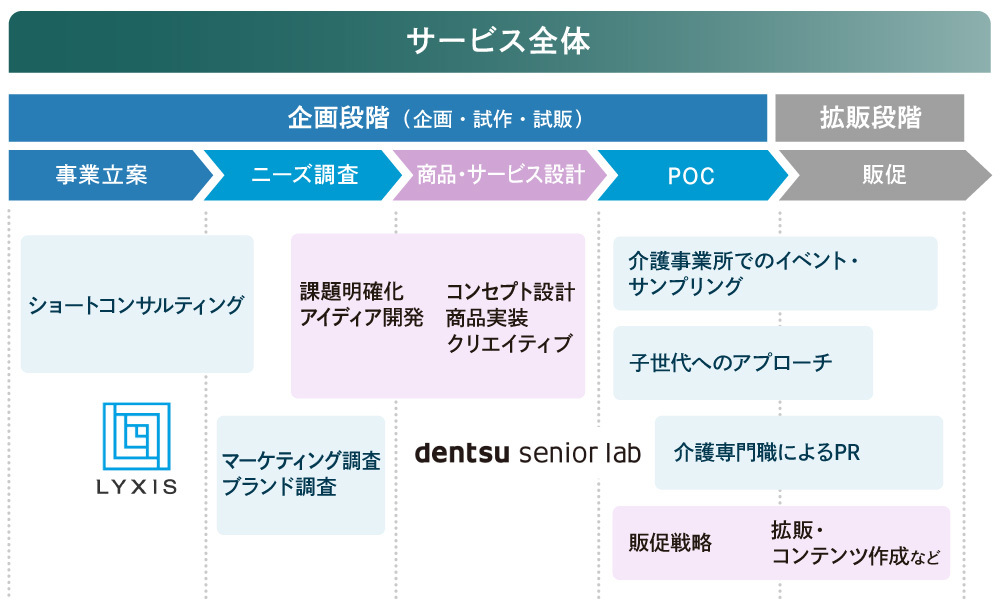
To address these latent needs, Dentsu Inc. Senior Lab and Lixis have launched the "Senior Business Task Force." This initiative aims to enhance the safety and comfort of seniors' lives by jointly supporting the senior business sector.
The Senior Business Task Force will leverage insights and networks from both seniors and care providers. It will support the growth of senior businesses through product and service development—including human-centered design—and approaches targeting professional caregivers and family caregivers.
Next time, we will share insights from the collaboration between Dentsu Inc. Senior Lab and Waseda University's Life Redesign College. We will discuss the characteristics of the "pro bono (social contribution) segment," the challenges they face, and the solutions needed to address them.
【Contact】
Dentsu Inc. Senior Lab, Contact: Koiso / Koga
senior-lab@dentsu.co.jp
【Survey Overview】
"Signs of Aging Survey 2022"
Subjects and Sample Size: Men and women aged 60-70 nationwide; Screening: 9,825 ss, Main Survey: 800 ss
Eligibility: Individuals owning and using smartphones, PCs, or tablets at least once daily
Survey Method: Internet survey
Survey Period: July 2022
Survey Management: Dentsu Inc. Senior Lab
"Care Worker Survey 2022"
Target Population and Sample Size: Care Workers: 109 respondents
Survey Method: Internet survey
Survey Period: July–August 2022
Survey Management: Rixis

Was this article helpful?
Share this article


Newsletter registration is here
We select and publish important news every day
For inquiries about this article
Author

Tamami Koga
Dentsu Inc.
First Integrated Solutions Bureau
Solution Director