
Note: This website was automatically translated, so some terms or nuances may not be completely accurate.
 Through competitive programming, let's make Japan a powerhouse of highly skilled IT professionals! [9/9]
Why Toyota Engineers Learn "Algorithms"

Izumi Kento
Toyota Motor Corporation
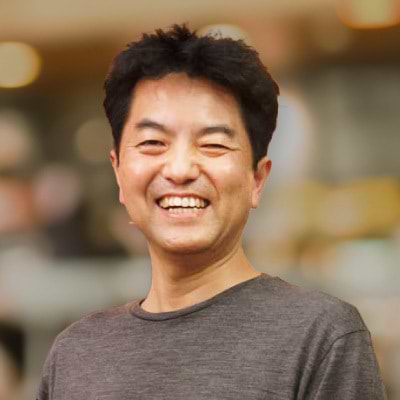
Akinori Jikumaru
Toyota Motor Corporation
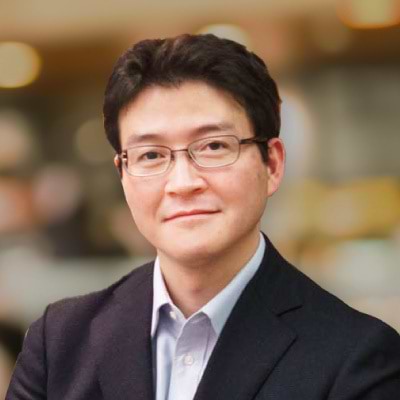
Shintaro Fukushima
Toyota Motor Corporation

Saori Hashimoto
Toyota Motor Corporation

Masashi Chijiwa
Toyota Motor Corporation
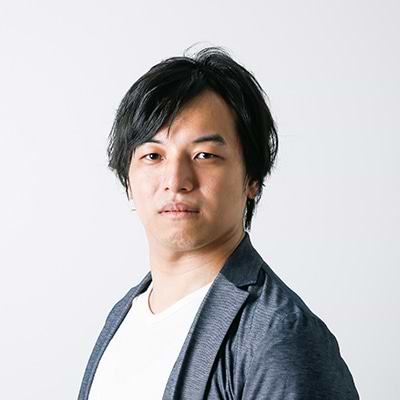
Naohiro Takahashi
AtCoder Inc.
Toyota Motor Corporation (hereafter Toyota) is focusing on leveraging "algorithms" to advance its own digital transformation (DX).
In June 2022, Toyota partnered with AtCoder, a provider of competitive programming contests, to establish a new organization: the "Digital Transformation Promotion Office Algorithm Group." Naohiro Takahashi, President of AtCoder and a familiar face in this series, joined Toyota as the head of this department and will serve as the project leader.
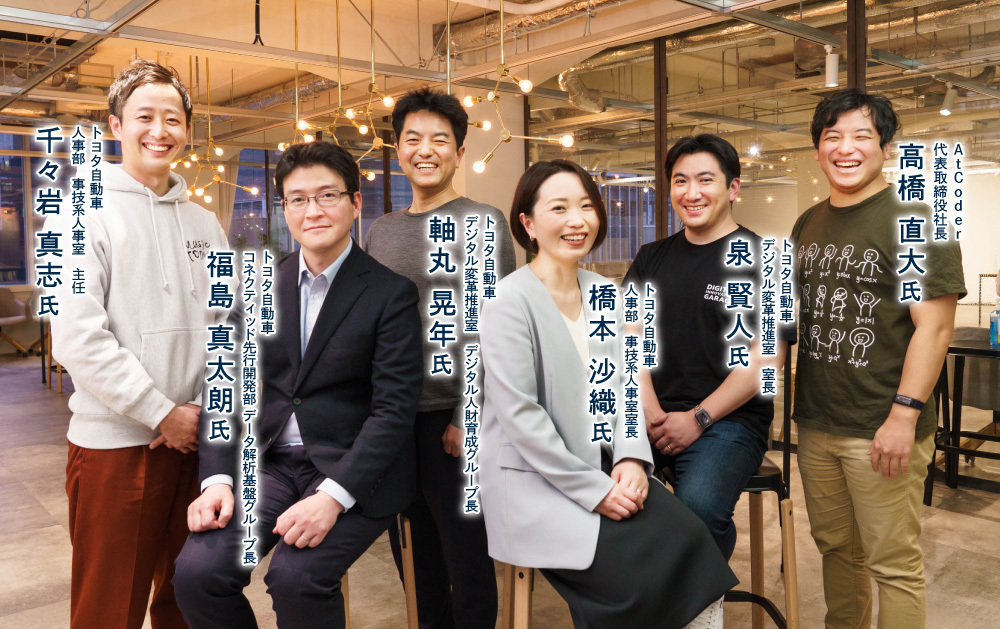
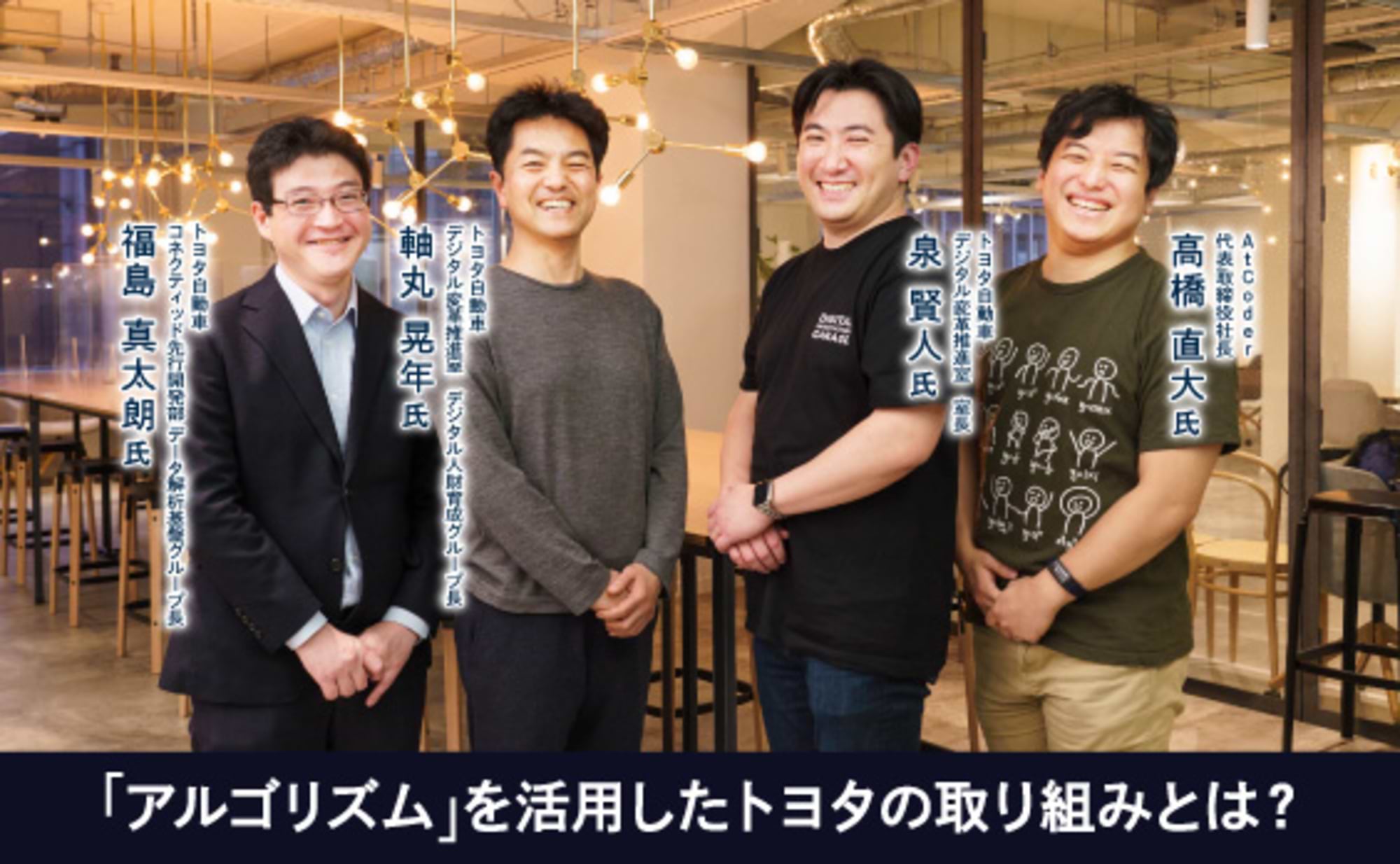
In this second part of the interview, we expand the discussion on the digital talent Toyota seeks and the future it aims for. Joining the previous participants—Toyota's digital transformation leaders Kento Izumi, Shintaro Fukushima, and Akinori Jikumaru—are recruitment specialists Masashi Chijiwa and Saori Hashimoto.
Part 1: What is Toyota's Digital Transformation Utilizing "Algorithms"?
Developing and Recruiting Digital Talent Across 22 Job Categories
Takahashi: In the first part, we learned that Toyota is advancing digital utilization across various domains. Toyota also places great emphasis on nurturing engineers—I serve as an instructor myself—and offers a wealth of upskilling programs, right?
Jikumaru: We are currently in the process of standardizing and systematizing the digital training courses that each department has been conducting separately. While continuing beginner-level courses on using digital tools, we're also strengthening intermediate and advanced data science courses covering Statistical Quality Control (SQC) and machine learning. We're leveraging high-quality commercial online video course services to establish a system where every motivated employee can quickly acquire digital literacy and digital skills.
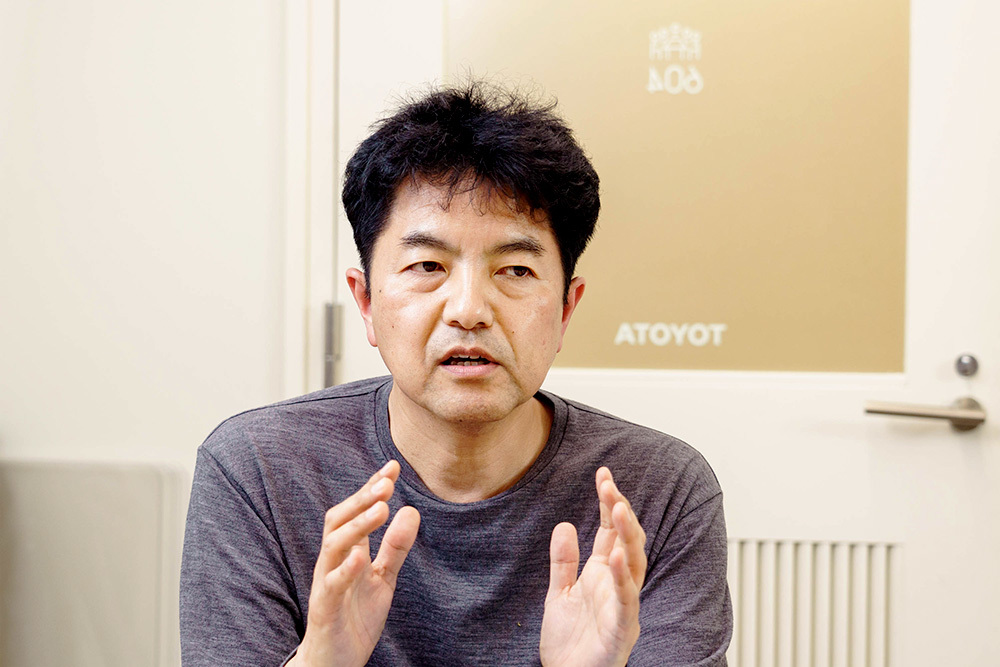
After joining Toyota Motor Corporation, he worked in the Quality Assurance department on early detection and resolution of market technical issues. He then moved to the Corporate Planning department, where he was responsible for company-wide planning (Toyota Global Vision, Business Continuity Management, Connected Strategy, Vehicle Data Utilization, etc.). In January 2021, he established the Digital Transformation Promotion Office and is currently executing the transformation of "employee mindset/values and organizational culture" and "company-wide digital talent development" to become a mobility company.
Takahashi: Toyota's digital talent spans a wide range, doesn't it? What kind of talent are you aiming to cultivate?
Jikumaru: Toyota formally defined digital talent internally last July (2022) and is further strengthening its development and recruitment of such talent. Toyota's digital talent is categorized into four types: "Planners," "Drivers," "Data Utilizers," and "Software Developers." Specifically, there are 22 positions (Product Manager, Product Designer, Agile Development Engineer, Algorithm Engineer, AI Engineer, Data Scientist, etc.). The majority (19 types) are roles commonly cultivated and utilized in many digital-related companies. Three (Support "Action" Talent, Digitalization Promotion Talent, IT Utilization Talent) are unique to Toyota. While individuals aiming for just one of the 22 roles is certainly acceptable, we are more focused on developing versatile digital talent capable of handling multiple roles.
Takahashi: Many people tend to lump digital talent together as simply "programmers." It's good that you've divided them into four distinct types: "planners," "promoters," "data users," and "creators."
Replacing a craftsman's intuition and know-how with algorithms
Takahashi: Moving forward, I'd like to discuss algorithm utilization. Currently, Toyota offers various educational programs to cultivate algorithm engineers. One course I'm involved with is the "Advanced Algorithm Application Software Development Study Group [Case Studies]". It explains how algorithms were used to improve internal and external operations and what transformations they brought about. This program is more geared towards "planners".
On the other hand, the "Advanced Algorithm Utilization Software Development Study Group [Methodology Edition]" is a practical education program for "developers" who tackle actual improvements through problems like those in AtCoder contests. It aims to cultivate algorithm engineers who can think about how to apply techniques like "simulated annealing" (※1) and "beam search" (※2) and then write the code. Could you tell us why you established these algorithm courses?
※1=Simulated Annealing
A general-purpose algorithm for combinatorial optimization problems. Also known as simulated annealing.
※2=Beam Search
A type of search algorithm used in combinatorial optimization, natural language processing, machine learning, and other fields.
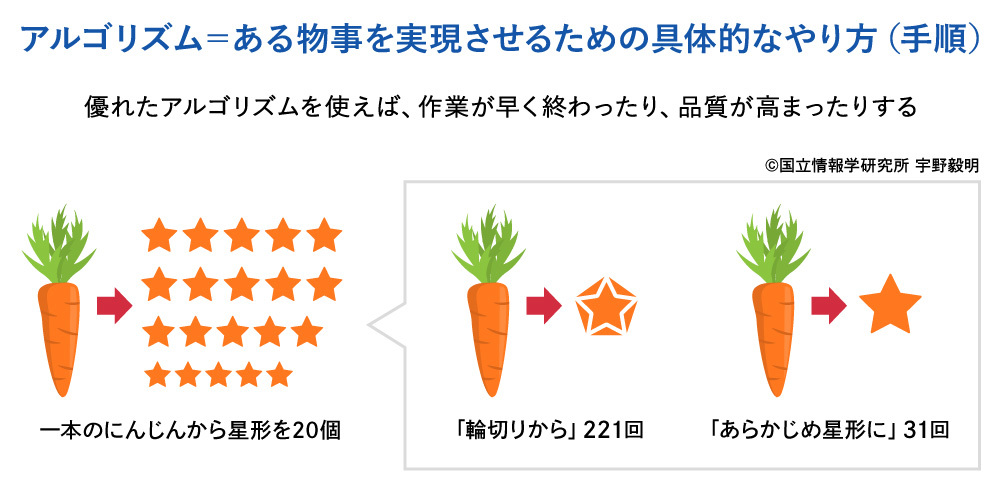
Izumi: I believe the concept of algorithms is crucial for updating Toyota, which is why we established an educational program. The Toyota Production System, cultivated by Toyota, has two major pillars: "Jidoka" (automation with self-regulation) and "Just-in-Time." Simply put, "Jidoka" means making someone's work easier. Mr. Takahashi often uses the example of slicing carrots into stars: which is more efficient? Cutting thin slices of carrot and then shaping each slice into a star, or slicing pre-star-shaped carrots thinly? The latter approach is algorithmic thinking.
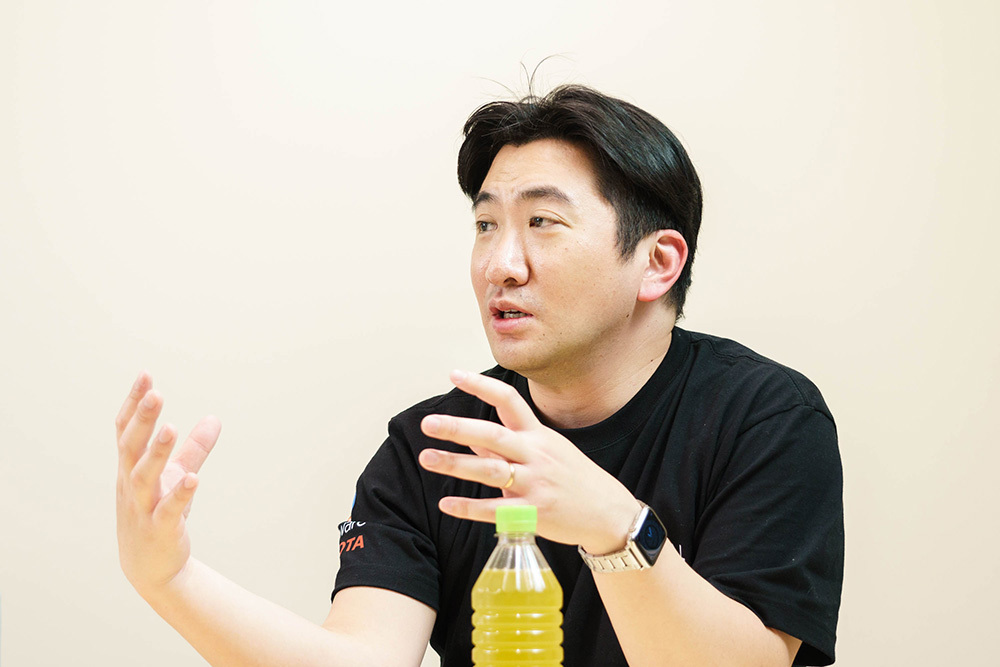
After joining Toyota Motor Corporation, he spent approximately 18 years in the corporate information systems department. Starting with the maintenance and management of legacy systems, he gained experience in large-scale projects worth tens of billions of yen, cloud service development, and digital transformation. With extensive overseas assignments, he has formed teams with members from different cultures and executed projects. Currently, as the Head of the Digital Transformation Strategy Planning Office, he is dedicated to transforming the mindset and reskilling the 70,000 employees at Toyota Motor Corporation.
Jikumaru: Many Toyota workplaces are built on the accumulation of daily improvements, master craftsmen's skills, and the "kankottsu" (intuition and know-how) cultivated over many years. That's precisely why algorithm education is crucial. Learning new ways of thinking and entirely different approaches can spark the realization, "Ah, that's one way to do it!" The new algorithms discovered can then further elevate on-site skills and master craftsmen's techniques.
Takahashi: The strength of algorithms lies in their ability to replace "kantsu" and craftsmanship, right? We're teaching courses focused on replacing those tasks that previously relied on "kantsu" with algorithms to enhance reproducibility.
Identifying the problem to solve – problem definition is crucial
Takahashi: What kind of digital talent is Toyota seeking now?
Chijiwa: While we broadly call them digital talent, the scope is vast. Beyond the fundamental vehicle functions of "driving," "turning," and "stopping" – the core requirements for safe and secure operation – software also handles real-time recognition and judgment of the surrounding environment, continuously performing optimal control, as well as cockpit navigation displays. With connected cars leading the way, vehicles are beginning to connect with everything. Therefore, digital talent is needed not only within the car's internal systems but also outside the vehicle—in areas like dealerships, service shops, and smartphone apps. The scope for their contributions is expanding rapidly.

Joined a major telecommunications company as a new graduate in 2010. Built a diverse career spanning network engineering, corporate sales, and new graduate recruitment/young talent development. Later joined Toyota Motor Corporation's HR Department in 2021. Currently responsible for recruiting and developing software talent, as well as establishing the Tokyo recruitment hub.
Takahashi: With 22 different job types, the required skills must vary significantly for each. How do you assess talent?
Hashimoto: You're right. The required expertise and experience vary by job type, so we assess whether candidates possess the appropriate expertise and experience in each field. However, what's even more important is their attitude toward work. Toyota's mission is "Mass-producing happiness," and we value the mindset of "working for others." Therefore, we carefully evaluate the attitude of applicants toward their work and what kind of challenges they want to take on.
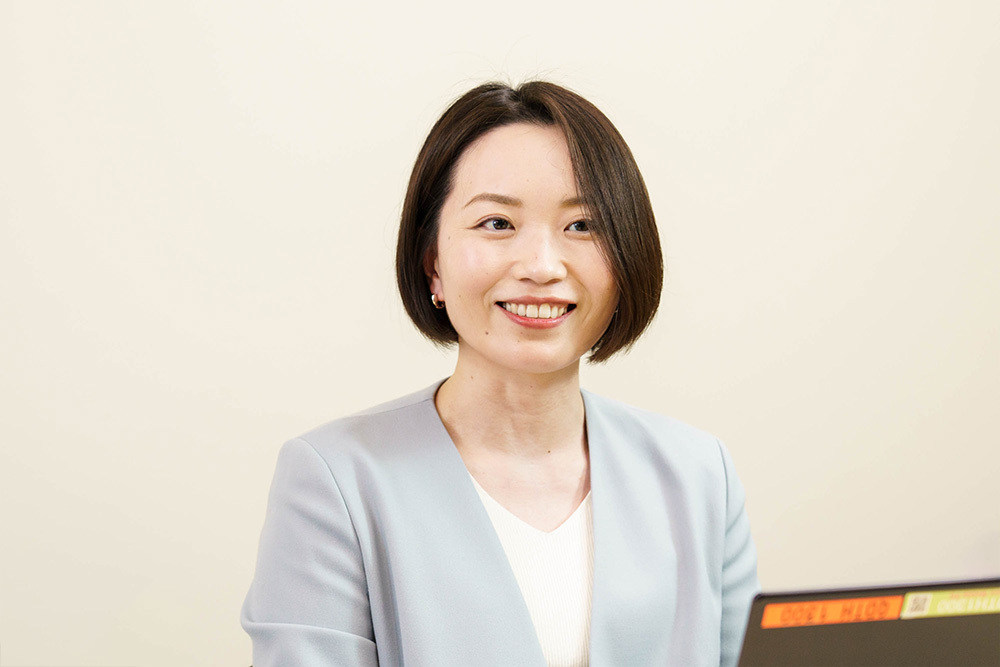
Joined Toyota Motor Corporation in 2004. Gained extensive experience in labor relations and personnel management within the HR Department. Involved in initiatives such as the introduction of the company system. Later, at the Connected Company, handled all management functions including accounting, HR, and general affairs. Assumed current position in January 2023.
Takahashi: I understand you're also involved in recruitment, Ms. Fukushima. Do you place significant importance on input from the field when hiring?
Fukushima: Absolutely. First, we assess whether the applicant's skills and experience match the job role. Additionally, since nearly all jobs at Toyota involve preceding and subsequent processes, we also evaluate their ability to structure work with the entire process in mind and effectively utilize technology.
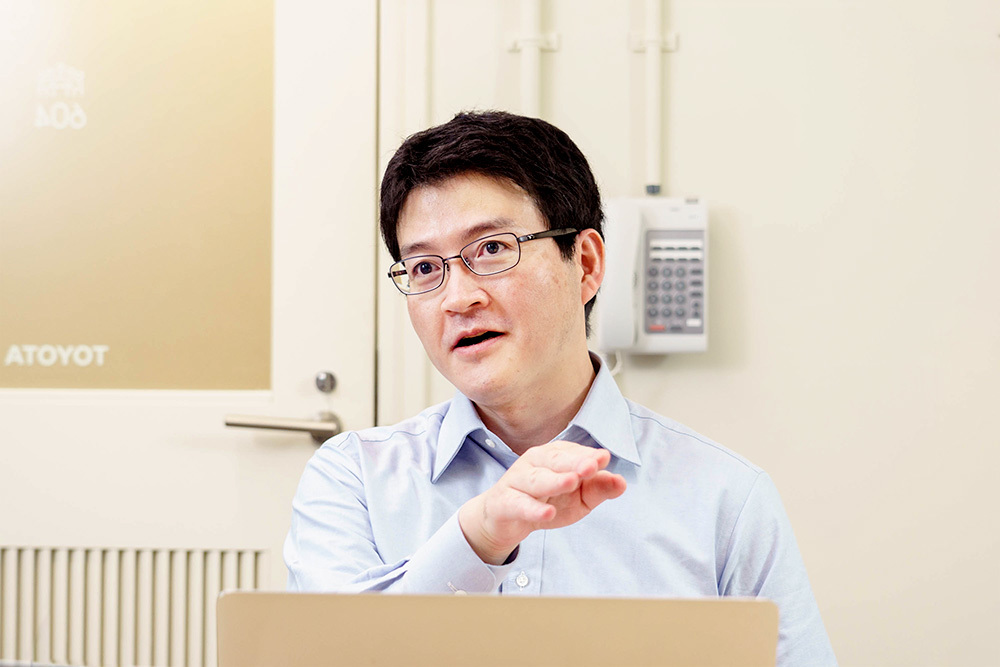
With experience at an electronics manufacturer and its think tank, he has worked on R&D and consulting in machine learning, data mining, and financial engineering across multiple industries and functions including manufacturing, finance, healthcare, logistics, and web services. He has also been involved in planning and building large-scale data collection, storage, and analysis platforms. Since joining Toyota Motor Corporation, he has engaged in R&D for machine learning and data mining across diverse fields including connected vehicles, factories, production technology, powertrains, and materials. Currently, as Group Leader, he promotes R&D related to the analysis and utilization of driving operation/vehicle behavior data and image data collected from connected cars. Major publications include "Python Machine Learning Programming: Pytorch & scikit-learn Edition" (Impress, Supervising Translator) and "Data Analysis Process" (Kyoritsu Publishing).
Chijiwa: It's also crucial to leverage software technology and digital expertise while effectively engaging others to advance work. We seek colleagues who sincerely contemplate how to shape the future mobility society—not just those with advanced programming skills—and who can collaborate with us.
Izumi: Toyota has the "Toyota Principles." The opening line states: "All employees, from top to bottom, shall devote themselves to their work with sincerity and achieve results that contribute to the nation through industry." "Industrial contribution to the nation" means the idea of building up the industry to benefit the country. Since about 5.5 million people are involved in the automotive industry, we want to hire people who share a passionate desire to contribute not just to Toyota, but to the automotive industry and ultimately to the nation.
Takahashi: The Toyota Guiding Principles are also an important guideline for me when considering my work at Toyota. I work at Toyota now, but I can't decide everything on my own. In those moments, having an absolute standard like "I just need to follow this" makes it easier to act. Also, the Toyota Guiding Principles include the line: "Devote your mind to research and creation, and always stay ahead of the times." I interpret that as meaning we should freely utilize algorithms (laughs).
For example, there are engineers who excel at algorithm development but know nothing about system development—people strong in specific digital skills but weak in other digital areas. Would such talent not fit at Toyota?
Fukushima: Regardless of their skill set, if someone lacks the ability to recognize problems, articulate their importance in their own words, and engage others while driving toward solutions, their scope for impact becomes limited.
At Toyota, there aren't many tasks where the problem is already defined and just needs solving. While digital skills are certainly valuable in certain situations, identifying the problems we need to solve for the future is crucial. It's also important to consider why that problem matters, what its priority level is, and what the bottlenecks are. Toyota engineers start writing reports like this around their 3rd to 5th year, so that culture is deeply ingrained.
Takahashi: I see, that makes sense. Having worked at Toyota myself, I deeply understand what you're saying, Mr. Fukushima. Initially, I thought my role would be to solve assigned problems. But it seems I'm actually performing well in problem-setting too – identifying challenges in areas other employees don't see as problematic.
On the other hand, defining a problem and then determining what solutions are appropriate requires skill, doesn't it? Isn't it precisely because you know how to solve problems that you can clearly define "this is the problem"?
Fukushima: Exactly. If you can't visualize the solution, you can't define the problem. And if defining the problem alone doesn't let you visualize the solution, you can't move forward. Toyota needs people who can define problems not as theoretical exercises, but with a technical background and a realistic approach grounded in DX and AI expertise.
Takahashi: Competitive programmers who've mastered algorithmic problem-solving methods do this unconsciously. Depending on the problem, they instinctively filter data—discarding what's irrelevant and prioritizing what's crucial. When someone with a skewed sense of this balance gets involved, you end up with data completely irrelevant to the problem. So, while having the engineers actually doing the development define the problem is the simplest approach, ideally, everyone should be capable of both problem definition and solution. To achieve this, I want Toyota engineers to learn from various case studies through the educational programs provided by the Algorithm Group.
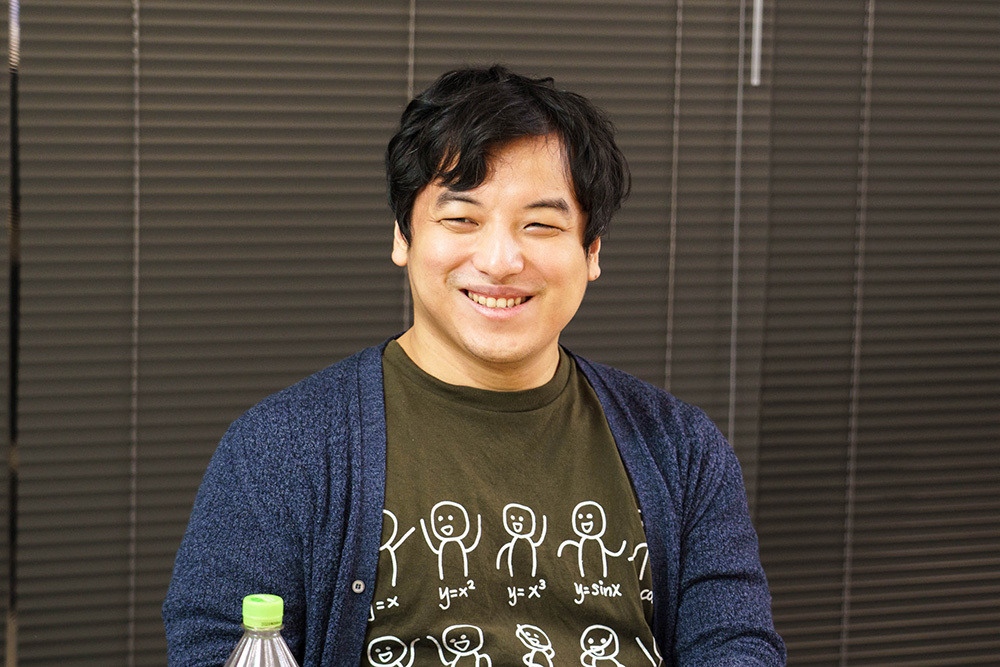
Placed 3rd globally in Microsoft's "Imagine Cup" programming contest. Subsequently achieved numerous top results in programming contests, including four wins at the ICFP Contest and two runner-up finishes at the TopCoder Open. Founded AtCoder, a service hosting programming contests in Japan, in 2012. The contests now attract over 7,000 participants weekly.
Connecting with competitive programmers enables tackling a wide range of "kaizen" initiatives
Takahashi: Earlier, you mentioned that digital talent can be categorized into four types: "planners," "drivers," "data users," and "builders." As someone on the building side, I can picture the "builder" role. What kind of career paths do the other three types represent?
Fukushima: "Data Utilization Specialists" are data scientists and data engineers. They include people who worked in online ad delivery or did contract data analysis. Many are involved in the process of determining what problems to solve using data and what value to uncover through data analysis.
Takahashi: What about "planners" and "promoters"? Also, you mentioned Toyota has its own three job categories. How do they recruit for those roles?
Izumi: Planning and promotion involve what we call service design. Talent capable of UX and UI design is very scarce in Japan. Recruitment is difficult, but the Toyota Production System includes a "flow chart of materials and information," which is also an effective tool for service design and business design. Based on that, I think it's crucial to focus on how to upskill internal talent. Similarly, since recruitment for Toyota's unique three job types is also challenging, we are putting significant effort into internal development.
Takahashi: Indeed, for those roles, developing internal talent is the most sensible approach. Finally, how do you think AtCoder can contribute to the development and recruitment of digital talent?
Chijiwa: From an external perspective, I believe the image of Toyota and digital talent still isn't strongly connected. Through our collaboration with AtCoder, I hope we can help people understand, even just a little, the link between Toyota and digital.
Hashimoto: I agree. Toyota has many areas where digital talent can thrive, but awareness is still lacking. In our new graduate hiring, we occasionally see candidates with competitive programming experience. Since it aligns well with Toyota's operations, we encourage them to apply.
Izumi: I envision Toyota in 10 or 20 years as an entity that connects openly with both internal and external stakeholders, providing diverse services for our customers. To deliver experiential value not only while customers are in their vehicles but also after they exit, we need to collaborate with open communities. One reason we started working with AtCoder is to build such a community. By connecting Toyota with the competitive programming community, I believe we can create new value.
Toyota is a large company, so our challenges are diverse. Optimizing our logistics network to reduce CO2 emissions could also contribute to solving societal issues. To achieve optimization across various domains, we plan to host programming contests with AtCoder and tackle these challenges together.
Takahashi: I also saw great potential for competitive programmers to thrive at Toyota. IT companies with many competitive programmers often handle existing data. In contrast, manufacturing companies like Toyota start from conceptualizing digitalization—how to digitize each manufacturing process in factories or manual tasks, and how to utilize that data. This offers unique, unconventional work. By combining Toyota and AtCoder's strengths, we can tackle a broader range of "Kaizen" initiatives.
Currently, the Algorithm Group focuses on solving problems that have surfaced on the factory floor. Moving forward, I'd be thrilled if we could also engage in solving problems from a higher strategic perspective.

Was this article helpful?
Share this article


Newsletter registration is here
We select and publish important news every day
For inquiries about this article
Back Numbers
Author
Izumi Kento
Toyota Motor Corporation
Digital Transformation Promotion Office
Section Chief
Akinori Jikumaru
Toyota Motor Corporation
Digital Transformation Promotion Office
Head of Digital Talent Development Group
Shintaro Fukushima
Toyota Motor Corporation
Connected Vehicle Advanced Development Department
Head of Data Analytics Infrastructure Group
Saori Hashimoto
Toyota Motor Corporation
Human Resources Department Technical Personnel Office
Section Chief
Masashi Chijiwa
Toyota Motor Corporation
Human Resources Department Technical Personnel Office
Chief
Naohiro Takahashi
AtCoder Inc.
President and CEO