Note: This website was automatically translated, so some terms or nuances may not be completely accurate.
Toyota's "Waste-Free Manufacturing": Building Partnerships Toward Complete Resource Circulation
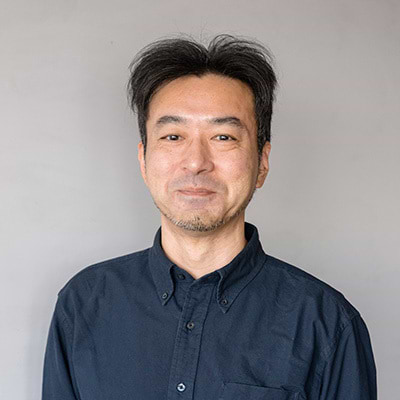
Koichi Daigaku
Toyota Motor Corporation
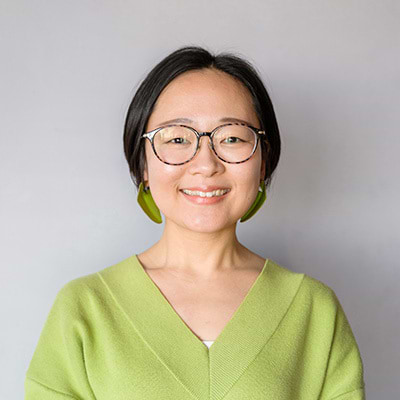
Nozomi Koseki
Dentsu Inc.
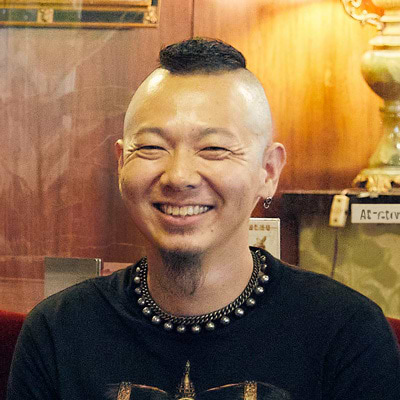
Kenichiro Ito
Dentsu Inc.
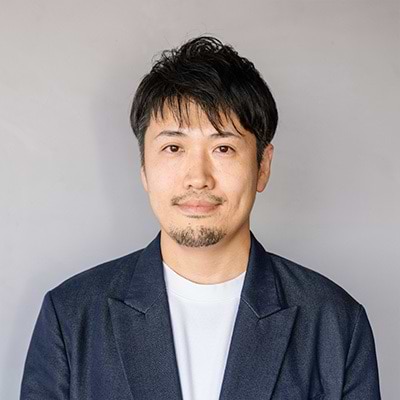
Takayuki Fukushima
Dentsu Inc.
What we want to create is a "car with no waste"—Koichi Daigaku, who heads the TOYOTA Structural Design Studio at Toyota Motor Corporation, speaks of this goal, aiming to achieve a complete resource cycle in manufacturing. In this roundtable discussion, joined by Mr. Nozomi Koseki, Mr. Kenichiro Ito, and Mr. Takayuki Fukushima of Dentsu Inc., who collaborate with the Structural Design Studio alongside Mr. Daigaku, we engaged in a wide-ranging and deep conversation. We explored the philosophy and approaches to manufacturing demanded by our times, drawing analogies from jazz at times and from the traditional Japanese practice of matagi hunting at others.
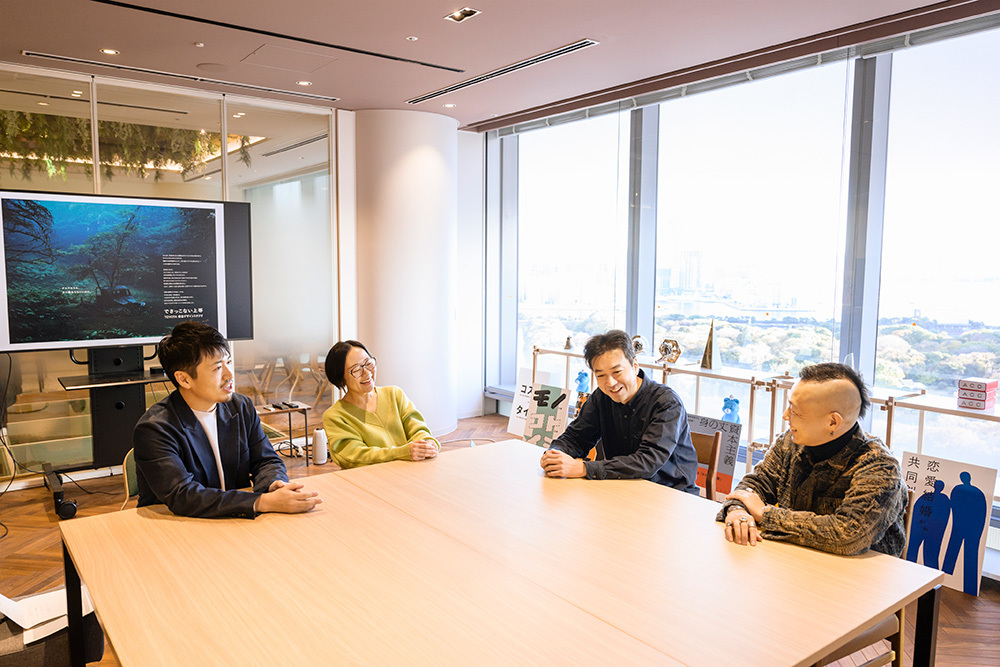
Their activities are like a jazz session
Fukushima: "What makes a good car?"—The answer to this question has changed with the times. This isn't limited to cars; it applies to manufacturing as a whole. What should our stance on manufacturing be in this era? More fundamentally, what should our philosophy be? How should we take action moving forward? We'd like to explore these questions with Koichi Daigaku, who leads the TOYOTA Structural Design Studio at Toyota Motor Corporation.
First, could you introduce the Structural Design Studio?
Daigaku: The Structural Design Studio is one organization within Toyota Motor Corporation's technical division. It functions as a "department," but unusually for Toyota, its name doesn't include "department" or "division."
We're a small team of about 20 members. Each has a different area of expertise, and it's a flat organization without hierarchical structure. To use an analogy, it's like a "jazz" team where skilled players gather to jam, each playing a different instrument.
Our main work is building cars, but it's not just about building them. Beyond designing components like suspensions and bodies, we oversee the entire process—vibration, rigidity, strength—to build in performance and evaluate it. We then connect this to the product companies' manufacturing. In a way, you could say we're involved in Toyota's entire manufacturing process.
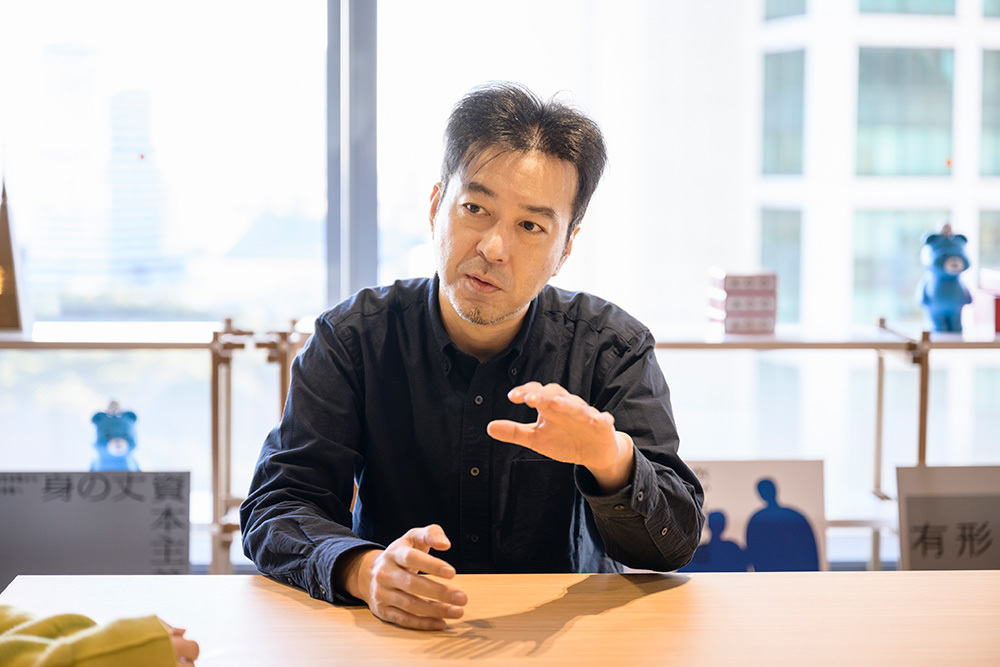
Fukushima: The relationship between the Structural Design Studio and Dentsu Inc. is truly like a jazz session. It all began with the meeting between Mr. Koseki and Mr. Daigaku.
Koseki: I work in Dentsu Inc. zero organization, providing solutions to corporate challenges for clients. A mutual acquaintance introduced me to Mr. Daigaku, saying, "You absolutely must meet him!" Actually, before joining Dentsu Inc., I started my career at Toyota Motor Corporation right after graduation. That might be why my acquaintance thought I was the right person for the job.
When I finally met Mr. Daigaku, he was truly fascinating. I remember feeling excited, thinking, "There are people creating things with this kind of thinking! It would be so exciting to work with people who have the potential to change the very mechanisms of manufacturing!" At the same time, I wondered, "Is there really anything Dentsu Inc. (myself) can do to help?"
For the first six months, Mr. Daigaku and I held repeated one-on-one sessions. Through this process, I realized that what Mr. Daigaku was grappling with was defining "what a studio is" and how to develop that concept. I thought we might be able to help with that. So, I first brought in Mr. Matsumura (now with Business Producers Division 10) and Mr. Nomura from the 1st Business Production Bureau within the company. Then, I reached out to Mr. Fukushima, Mr. Ito, and Art Director Mr. Tagashira, and the project officially began.
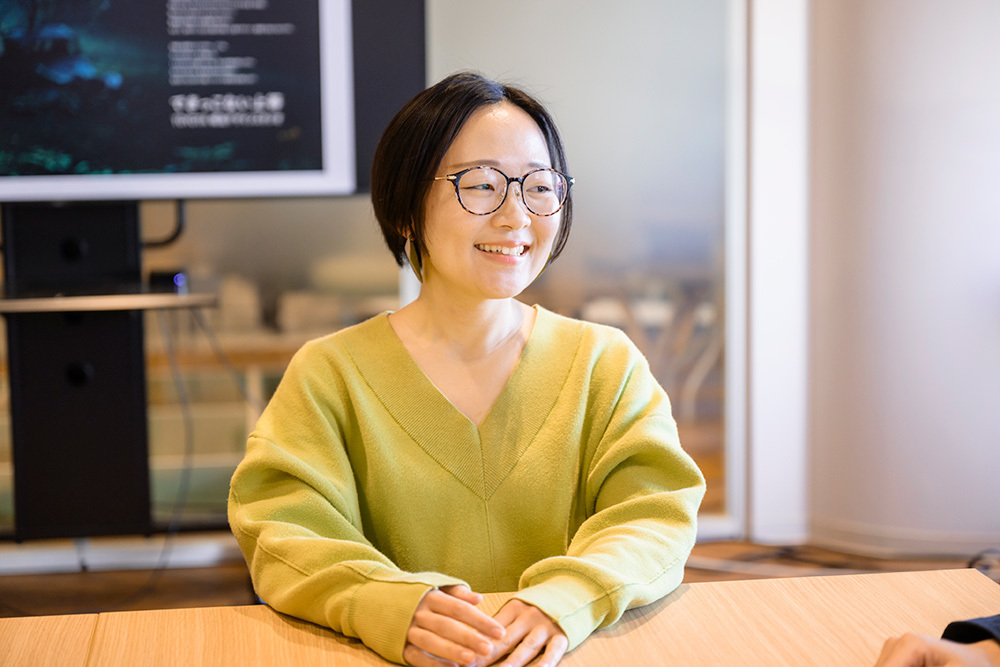
Fukushima: Mr. Ito, what was your first impression when you met Mr. Daigaku?
Ito: I've been involved in Toyota's corporate and group reform project since 2019. Around the time Toyota Group announced its new vision, "Let's invent the next road," someone from the internal Business Production Bureau I'd been working with suggested, "There are people on the ground trying to embody Chairman Akio Toyoda's vision. Why don't you meet them?" When I met them, their passion was incredible! They were pure science graduates, yet so innocent and incredibly interesting. That was my first impression of Mr. Daigaku and everyone at the Structural Design Studio.
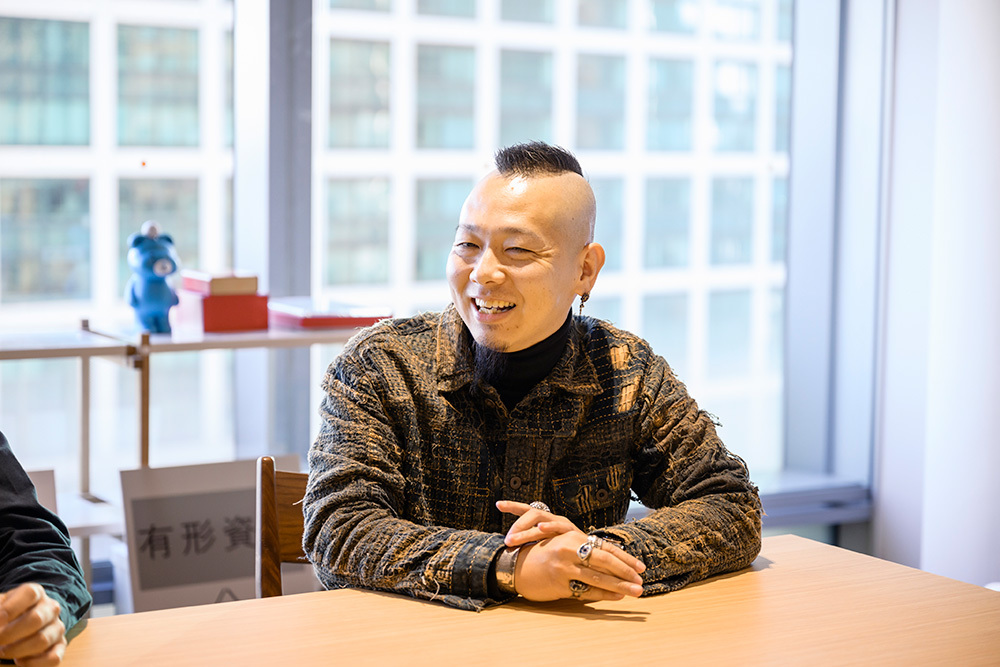
Fukushima: I was invited by Mr. Koseki, and I understood this as "a project that forges a new path right from the heart of Toyota's core business: car manufacturing." I distinctly remember feeling incredibly excited.
A Car with Nothing to Discard
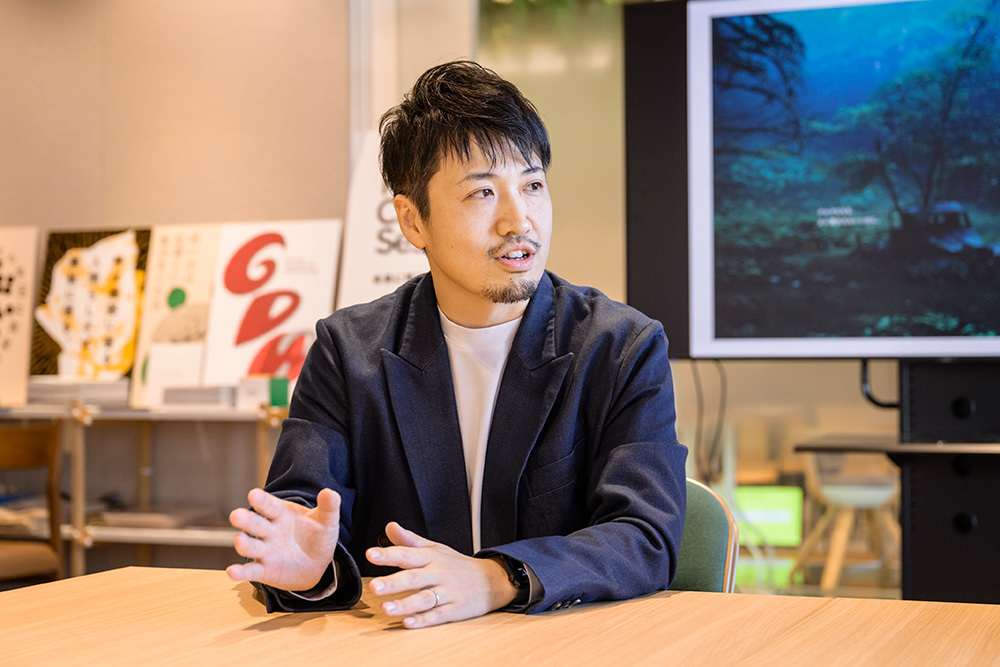
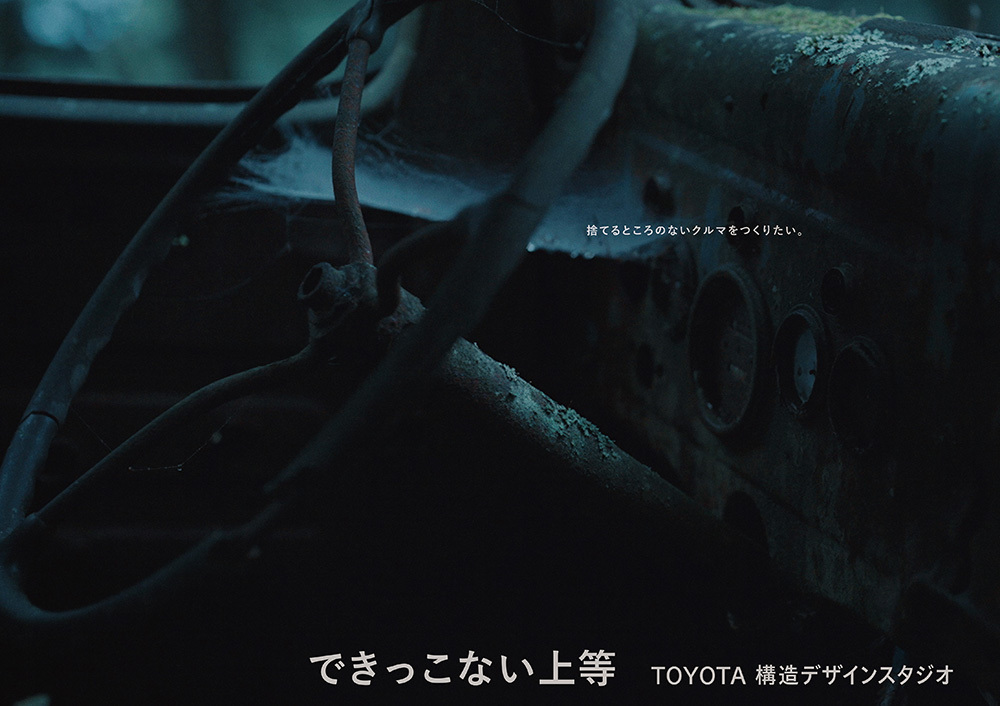
Fukushima: The Structural Design Studio embraces the theme "A Car with Nothing to Discard" as our approach to manufacturing.
Daigaku: About a year ago, when Chairman Akio Toyoda announced the new vision "Let's invent the next road," it sparked a discussion within our team to rethink and redefine what makes a good car.
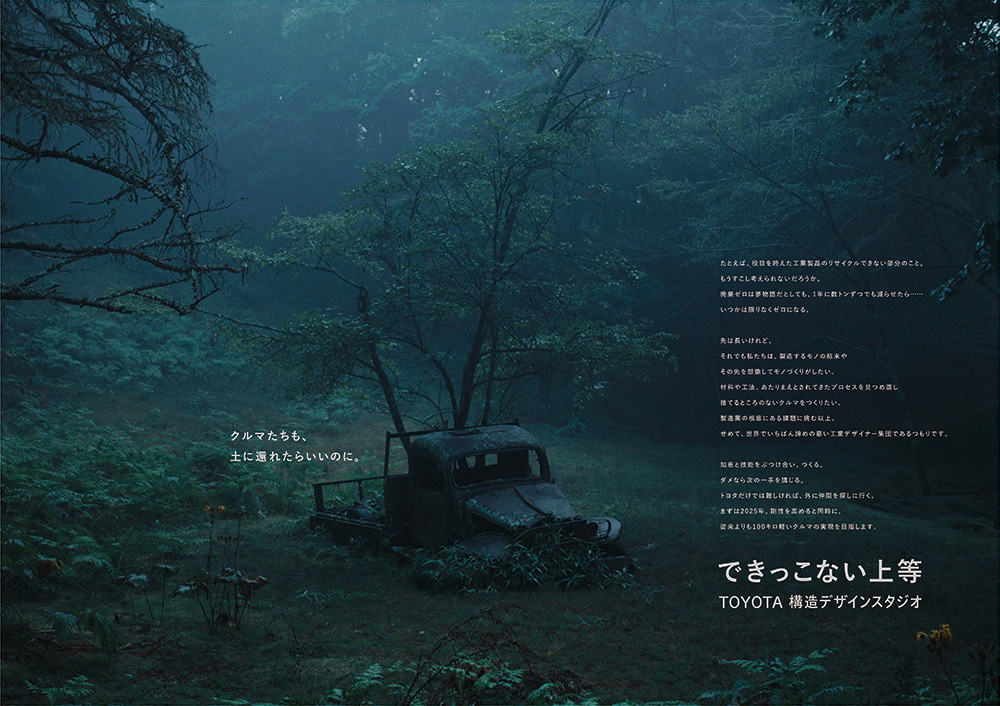
Around that time, I had the opportunity to visit our company's end-of-life vehicle processing facility. While it's a facility with quite advanced recycling efforts, there are still limits. I was surprised, thinking, "Wait, they're throwing this away?" Among the materials, glass stood out – even after careful sorting, there was nowhere for it to go, so it had to be discarded. Witnessing this reality made us realize we shouldn't just think about building cars; we should also consider what happens after they're made.
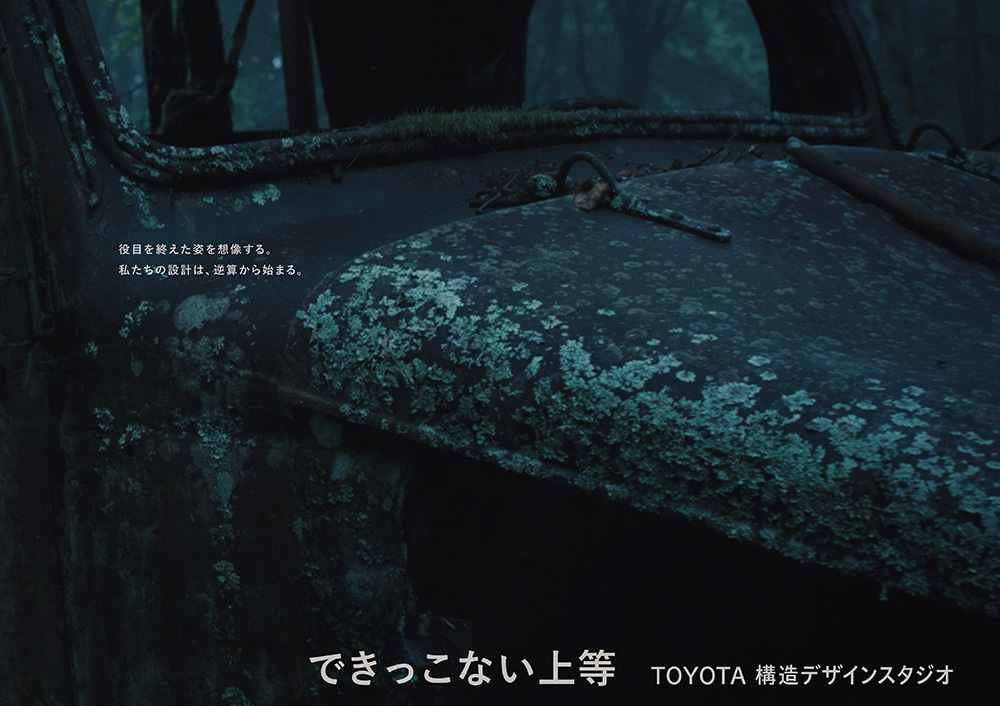
It's too late to start thinking about what to do with waste materials after they become scrap. We need to consider end-of-life scenarios before even building the car. We decided to create "cars with nowhere to be discarded" when their purpose ends. Beyond just cars, we aimed to make "manufacturing with nowhere to discard" a movement across the entire manufacturing industry.
Ito: At our very first meeting for the project, the phrase "a car that will never be discarded" came up repeatedly, and it really stuck with me.
Daigaku: I believe it was Mr. Koseki who first said "a car that will never be discarded."
Koseki: That was during our one-on-one session, right?
Daigaku: That's not a phrase I would have come up with myself. Mr. Koseki took what I was thinking and turned it into a sharp, impactful statement.
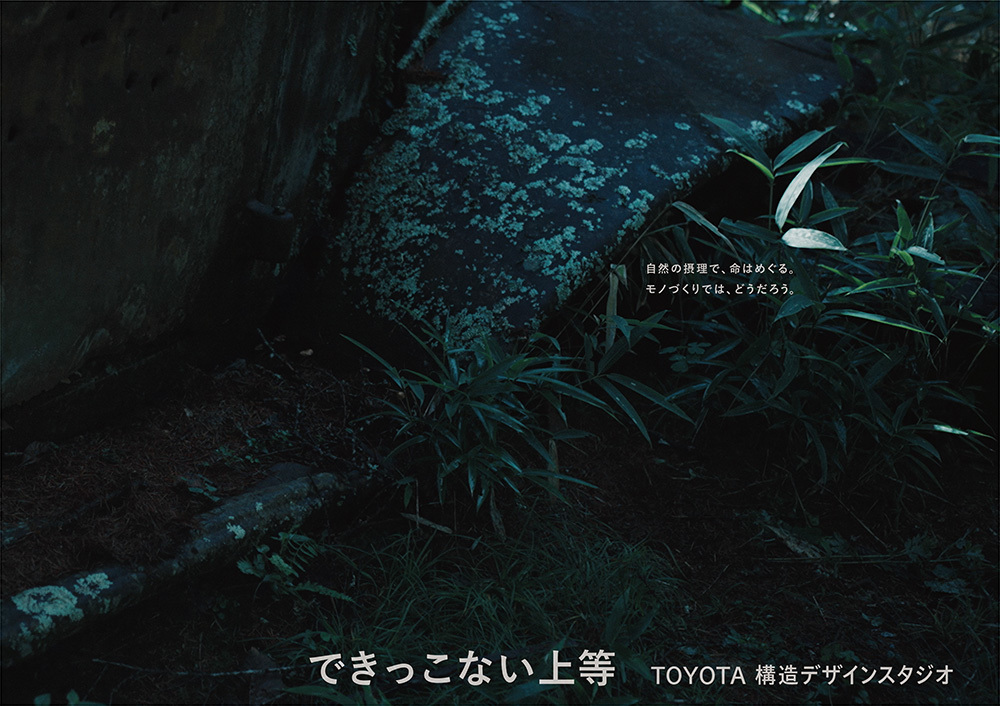
Ito-san's catchphrase, "Wouldn't it be nice if cars could return to the earth too," was also very memorable. Ito-san says he just picked up on my words, but...
Fukushima: The structural design studio members were discussing something like, "If they weren't painted, they could return to nature as-is." That's when Mr. Daigaku casually said something like, "Ultimately, it would be great if they could return to the earth." That really stuck with me too.
Daigaku: When discussing with Fukushima-san, we stuck sticky notes with keywords onto the wall one after another. He skillfully verbalized what was in my head, turning it into words with higher resolution.
Things that existed in my mind but I couldn't express well in my own words—Mr. Koseki, Mr. Ito, and Mr. Fukushima transformed them into expressions that could reach many people. Whether it was words, drawings, videos, or context. Each of those expressions felt incredibly fresh to me.
Fukushima: I'm truly grateful to hear you say that. For us, it's incredibly rewarding to collaborate on projects not through a traditional client-presenter relationship, but through a "creative session approach" where ideas and opinions layer upon each other like jazz. It's a constant stream of learning and surprises. In our conversations with you, Mr. Daigaku, I always felt like we were discovering raw diamonds.
For the Earth, Start by Lightening the Load by 100kg
Fukushima: One challenge for the Structural Design Studio is reducing weight by 100kg compared to conventional cars. How does making cars lighter connect to creating vehicles with the planet in mind?
Daigaku: Considering the global environment, minimizing the amount of waste generated by cars is essential. This is the responsibility of the manufacturer. The quickest way to achieve this is by reducing the number of parts that make up the car. Fewer parts naturally make the car lighter. And a lighter car improves fuel efficiency, reducing CO2 emissions during driving.
Our current challenge is to reduce the number of parts by an amount equivalent to 100kg while maintaining vehicle performance—indeed, enhancing rigidity and ride comfort.
Efforts to reduce the number of parts have existed within Toyota before. However, most of these were driven more by cost reduction than environmental concerns. Even when the goal is the same reduction in parts, the fundamental mindset behind manufacturing is vastly different.
Fukushima: I see. So the fundamental thought process in manufacturing is crucial.
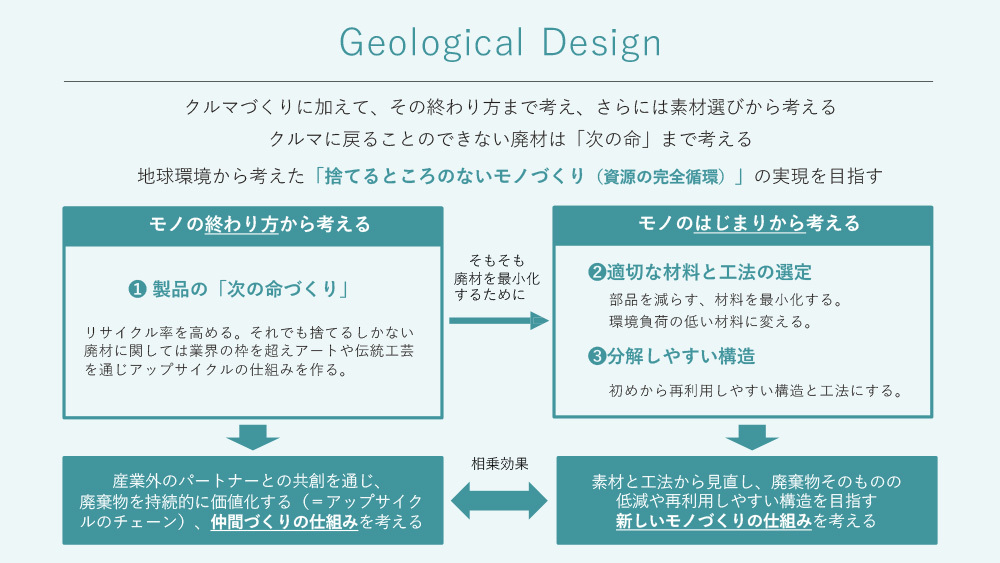
Daigaku: Once you define how you want to transform manufacturing, you can work backwards from there to take action. If you want to create a "car with nothing to discard," you can start by using recyclable materials, reduce the number of parts, and even design structures that don't require welding to make disassembly easier. I believe there's still so much more we can do for the global environment.
Ito: Speaking of "the Earth," it reminded me—sometimes you start talking as if having an inner monologue. You muttered, "When you think about the Earth, car manufacturing isn't really a good thing, is it?"
Normally, you'd expect people to think, "We're making good things. Let's build even better things as an extension of that," right? But what Mr. Daigaku said was the exact opposite. "We're creating things that don't naturally exist in the world, and that might be destroying the natural order as it should be. If that's the case, isn't it our duty to find a solution?" He always speaks after reflecting on ourselves. I find myself wanting to believe in the activities of people who can say such things so naturally, and I want to support them in my own small way.
Daigaku: If you ask what's best for the environment, it's not making cars. But we have to make them. Because we have this absolute vision of providing the joy of mobility. The option of not making cars simply isn't there for us, at least not right now.
That's why we talk about achieving 100% recycling rates, but I think it becomes problematic if that just turns into empty rhetoric. Toyota Motor Corporation makes a lot of cars. That means we generate a lot of scrap material. We must build cars with that understanding. It's crucial to start from the understanding that making cars is inherently bad for the planet. In a way, it's like a "karmic burden" or "karma." It's something we bear simply by existing.
Take the matagi hunters who go into the mountains in winter to catch bears. If they caught dozens driven by human greed, it would destroy the ecosystem. But they hunt with gratitude for the mountains, limiting themselves to a minimum number each winter. And since they've taken a life, they use every last bit of it thoroughly. That mindset might be a kind of tacit knowledge Japanese people have held since ancient times.
I want to create things with partners from different fields, breaking down barriers
Fukushima: At the Structural Design Studio, we list "building partnerships" as one key point in car development, aiming for exchange and co-creation with experts from different industries and fields. What's the intention behind that?
Daigaku: I believe most people in Toyota's technical departments spend their entire careers within Toyota. They don't particularly need to communicate anything outside Toyota, and until now, that wasn't a problem.
But now, we're pursuing "cars with no waste" and "manufacturing with no waste." To achieve this, we realized we need to look beyond Toyota, actively share our ideas, engage, and co-create. Doing so will likely yield outputs far more impressive than what we could achieve alone, and above all, it makes the work more enjoyable.
Koseki: Working with Mr. Daigaku and the team on this project, both our studio members and I feel like we're constantly running alongside each other, searching for the right answers together, even though we each have different areas of expertise. At the same time, it constantly makes us think about what unique value Dentsu Inc. can provide.
Ito: I absolutely love this dynamic where I can honestly express my thoughts and receive equally honest feedback from my peers. Since it's essentially a one-person-per-role team, there's deep mutual respect. It's truly like a "jazz session."
After many sessions with you all, what struck me about the Structural Design Studio team was how calm yet incredibly punk you seemed. I sensed this incredible resolve—this refusal to look away from your goals, no matter what others say. I wanted to capture that determination in words, so I came up with the rallying cry "Impossible? Bring it on!" I wanted it to be a phrase that inspires teammates, even as members change over time, embodying the spirit of the Structural Design Studio.
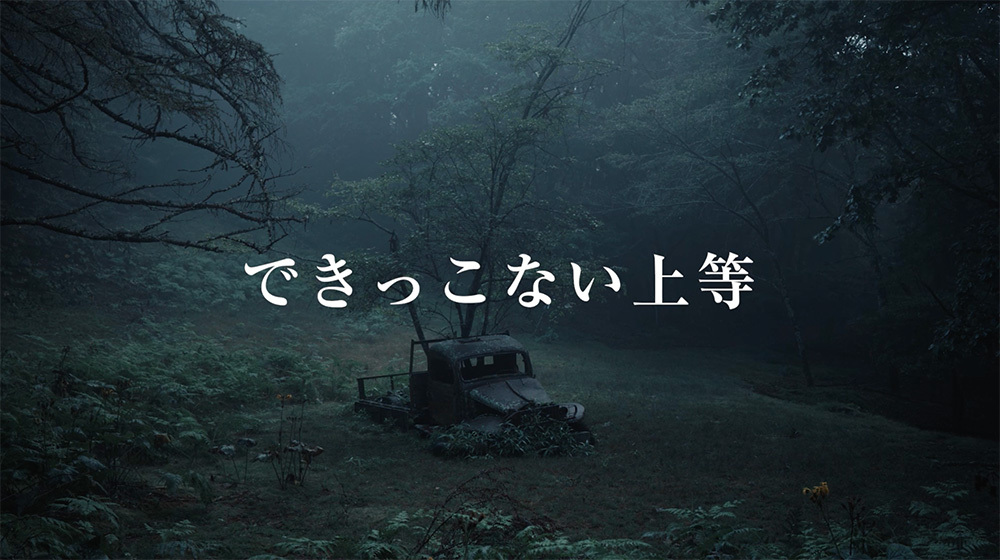
Daigaku: When aiming for complete resource circulation in manufacturing, you have no choice but to overcome each seemingly impossible challenge one by one. Even things we can't overcome alone might become possible by joining forces with partners from different industries and fields who share the "Impossible? Bring it on!" spirit. Right now, we've just taken that very first step.
Fukushima: We're thrilled to be running alongside you as partners in that first step, and in every step forward toward "manufacturing with zero waste."
Daigaku: Last year, we were honored that the very activities of the Structural Design Studio were selected for the Good Design Award's "Good Design Best 100." I believe this recognition was given in anticipation of our future endeavors. In 2025, we want to push forward even more powerfully, trying new things constantly. Let's make it a fruitful year, improvising like a jazz session.
All: Absolutely!
Fukushima: Thank you for your time today.
The activities of Toyota Motor Corporation's Structural Design Studio were selected for the Good Design Award's "Good Design Best 100."
https://www.g-mark.org/gallery/winners/25806

Was this article helpful?
Share this article


Newsletter registration is here
We select and publish important news every day
For inquiries about this article
Author
Koichi Daigaku
Toyota Motor Corporation
Structural Design Studio
Theme Producer
Nozomi Koseki
Dentsu Inc.
zero
Project Director, Creative Strategist
Kenichiro Ito
Dentsu Inc.
Creative Planning Division 1
Copywriter

Takayuki Fukushima
Dentsu Inc.
Sustainability Consulting Office / Future Creative Center
Creative Planner