Note: This website was automatically translated, so some terms or nuances may not be completely accurate.
New Collaborative Strategies for Advertising and Media in the Digital Era

Tsuyoshi Sugihara
Atara Inc. Founder and CEO
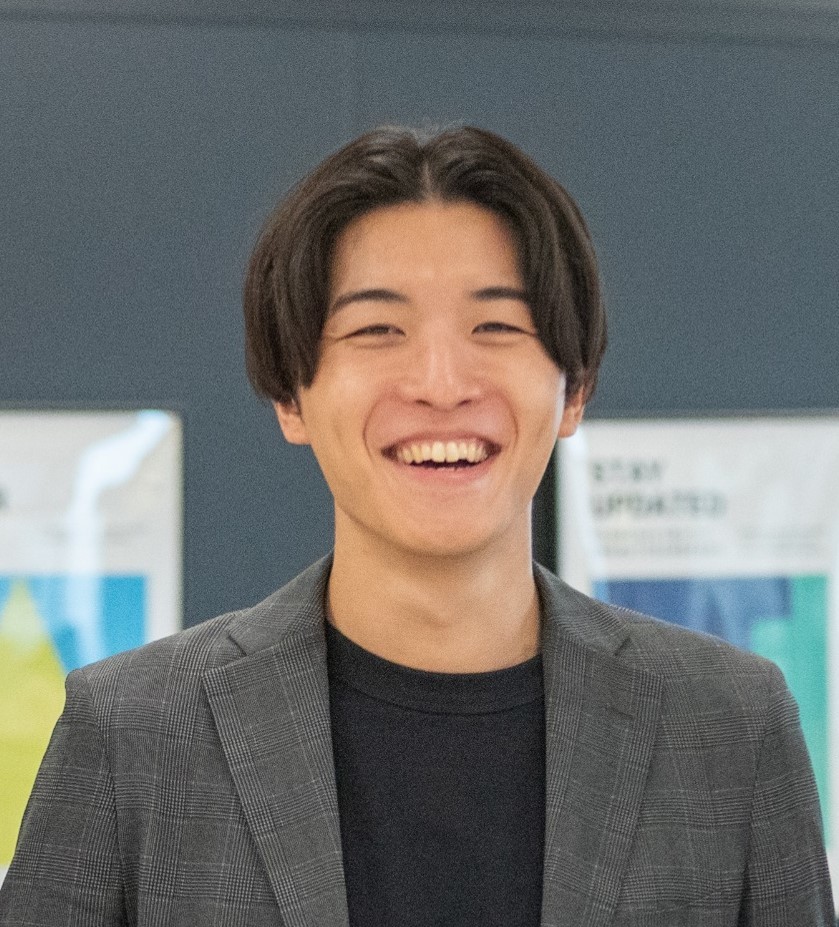
Kazuma Watamoto
Representative Director of Four M Co., Ltd. and Executive Officer of AnyMind Japan Co., Ltd.
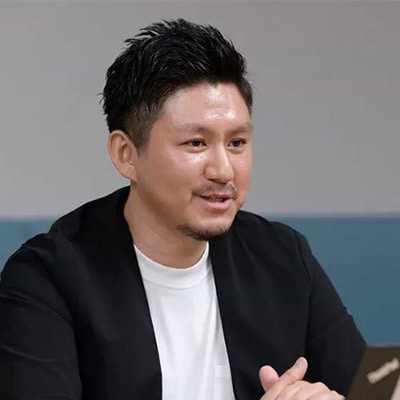
Nobuyuki Onodera
Dentsu Digital Inc.
The digital advertising industry is undergoing a major transformation driven by rapid technological evolution. Within this context, it has been pointed out that insufficient information sharing and mutual understanding between the demand side (advertisers and agencies) and the supply side (publishers) may be hindering the industry's development.
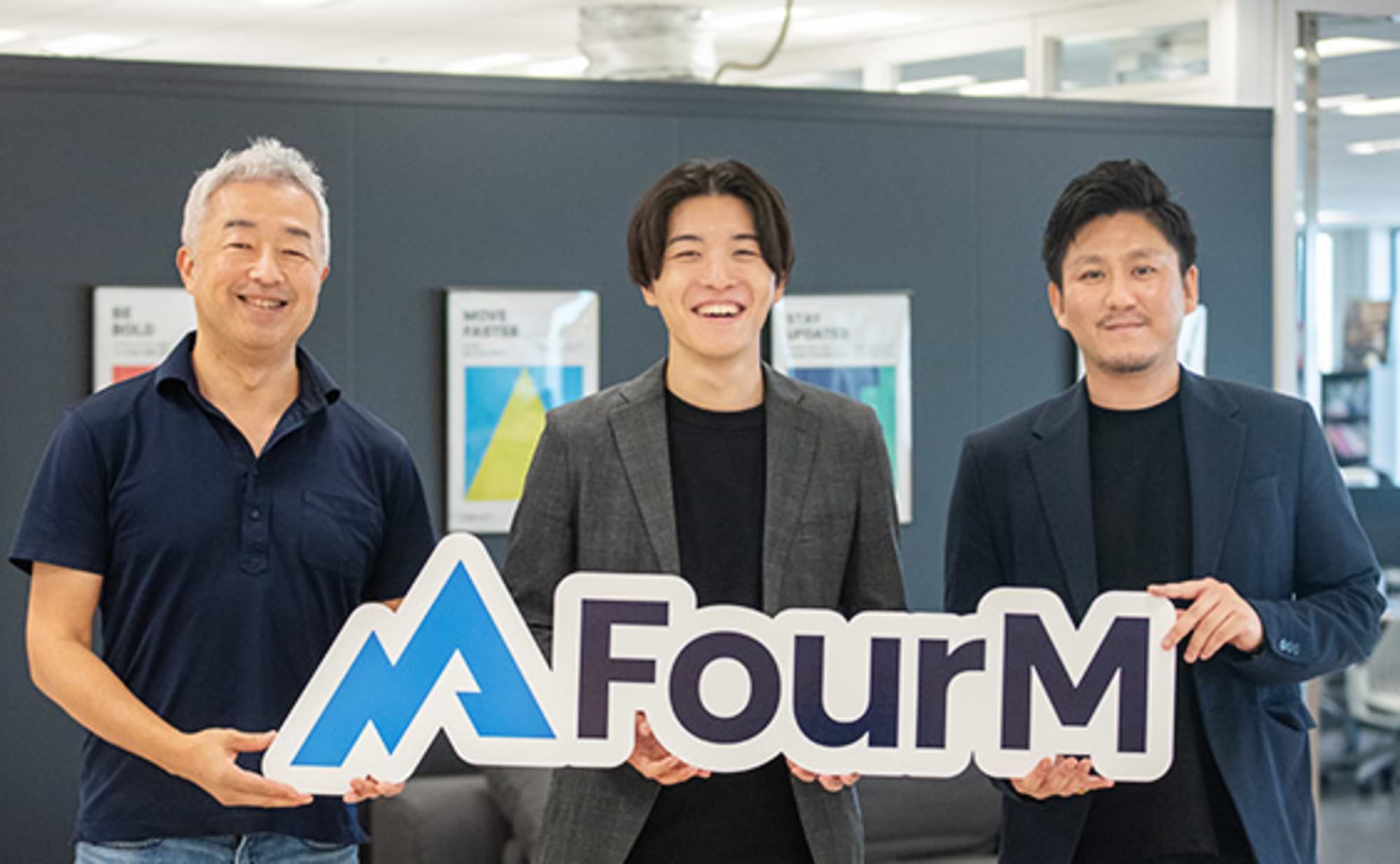
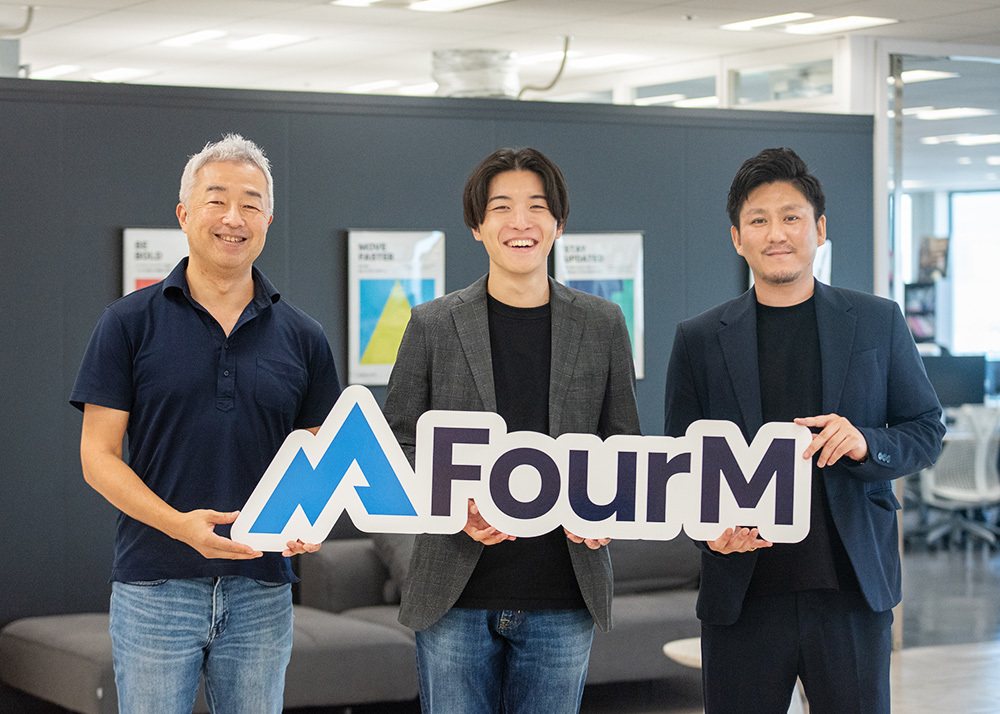
In this article, Kazumasa Watamoto, Representative Director of Forem, which supports media companies in solving business challenges and achieving growth; Tsuyoshi Sugihara, CEO of Atara and Advisor to Forem; and Nobuyuki Onodera, Manager of Dentsu Digital Global Center (DDGC) at Dentsu Digital Inc. (DDGC), a Forem partner—these three individuals discuss the current state, challenges, and future outlook of the digital advertising industry.
Various Challenges Surrounding the Digital Advertising Industry
Sugihara: First, I'd like to ask Mr. Onodera: How do you view the current challenges facing the digital advertising industry? Please share your perspective from the advertiser and advertising agency side.
Onodera: The challenge with digital advertising is that numerical targets like impressions and clicks are often prioritized to the extent that the user's advertising experience isn't sufficiently considered. As a result, ads are merely displayed without building any meaningful connection with the user.
In today's information-saturated world, users consciously and unconsciously filter information. Merely chasing numerical targets won't make ads resonate with users. Moving forward, it will be more crucial than ever for advertising to adopt a perspective that aligns with users' lives and values, building meaningful connections.
Sugihara: Regardless of whether they're foreign or domestic companies, have you noticed a shift in clients' awareness regarding the advertising experience?
Onodera: Awareness of the advertising experience is increasing, but it still seems limited to a subset of advertisers. Delivering the right ad at the moment of user interest is essential for building brand trust and enhancing value. However, across the industry, "immediate results" and "targeting precision" often take precedence, and ads lacking a user perspective are still prominent. Prioritizing the user perspective in advertising experiences not only elevates brand value but also establishes competitive advantage. I hope this approach spreads across the industry, leading to the establishment of sustainable and effective advertising experiences.
Sugihara: Are there challenges beyond the advertising experience itself?
Onodera: One is that traditional quantitative metrics, particularly CTR (click-through rate) and CVR (conversion rate), only capture a limited aspect of advertising effectiveness. For example, while a CTR in the 1-3% range is often considered acceptable, the remaining 97-99% of users are not prompted to take direct action. Thus, relying solely on traditional quantitative metrics fails to adequately assess the true value of advertising. Furthermore, the value of advertising should be evaluated holistically, extending beyond direct user actions to include enhanced brand awareness, shifts in user attitudes, and the cultivation of brand loyalty. By adopting this perspective, advertisers, agencies, and media can enable more effective advertising communication.
Furthermore, with the regulation of third-party cookies, rebuilding targeting methods and ad effectiveness measurement techniques is urgent. To respond to this change, approaches that respect privacy are essential, utilizing first-party data, contextual targeting, persona targeting, and predictive models. Seizing this new phase as an opportunity and promoting sustainable marketing strategies will be key to establishing competitive advantage.
Sugihara: In July 2024, Google announced it would reverse its policy of deprecating third-party cookies. However, it's still anticipated that third-party cookies will become largely unusable, meaning the media environment remains in flux. Mr. Watamoto from the supply side, how do you view the current challenges?
Watanabe: Simply put, it's media monetization. Many media companies face tough business conditions, and I feel there's a significant increase in actions taken to generate short-term cash. Ironically, formats and creatives that can potentially hinder user experience tend to show higher CTR, CPC, and CPM numbers on dashboards. Looking at the numbers alone, it might seem like we should implement them. But I often see decisions being made without considering the bigger picture – the advertisers behind the ads and the users experiencing them.
Sugihara: What is FourM doing to address this?
Watanabe: In the short term, we need to boost performance even slightly, so honestly, there are opportunities where we propose such formats. On the other hand, when monetizing media through advertising, reducing the number of ad slots can sometimes improve overall revenue efficiency. We strive not to focus solely on short-term numbers. Personally, I believe that even if the numbers on the report look good, looking at the entire marketing ecosystem, the current state is not healthy. We are developing unique advertising products to maximize the value of media content and brands, and provide high-quality advertising experiences. We are working hard every day on proposals to make this a reality. We'll tackle it with grit and determination.
Sugihara: I believe media should pursue revenue diversification rather than relying solely on advertising for monetization.
Watanabe: You're absolutely right. There aren't many success stories yet, but we want to increase them going forward. Since around the second half of 2023, I get the impression many media outlets have been focusing on revenue diversification, so I expect more examples to emerge.
Sugihara: In terms of revenue diversification, what is FourM currently working on?
Watanabe: Through collaboration with our parent company, AnyMind Group, we're taking a tailored approach for each media outlet. This includes launching and growing e-commerce businesses, monetizing content, expanding beyond text to grow and monetize video and audio media, and leveraging generative AI.
Cookieless and First-Party Data Bias
Sugihara: While various cookie-less solutions are emerging, I also feel this is leading to an overemphasis on first-party data. "This makes me feel greater collaboration is needed between the demand side (advertisers/agencies) and the supply side (media). What are your thoughts, Mr. Watamoto?"
Watanabe: Very few media outlets actually possess first-party data. Therefore, I believe it's crucial for media companies to form alliances and collaborate on data through data clean rooms. This approach is essential for ensuring sufficient data volume and improving data quality.
Additionally, data standardization presents challenges. For example, suppose a segment called "high-income earners" is used to target users based on annual income. Media outlet A might define this as ¥10 million to ¥13 million, while Media B uses ¥9 million to ¥12 million. Cases like this, where data collection methods differ significantly, are common. I feel that standardizing data rules won't progress unless someone takes the lead.
Sugihara: Precisely because Japanese media have a smaller user base compared to the US, I believe the key to success lies in "consolidation." That necessitates data normalization, doesn't it? I think FourM will take on that role.
Onodera: Advancing data aggregation and standardization to establish a unified data foundation offers significant benefits for the demand side too. Utilizing consistent data across multiple media platforms allows for a more precise understanding of user behavior and interests, leading to a substantial improvement in targeting accuracy. As a result, the quality of reach should also improve dramatically. Furthermore, enhanced data integration will enable the design of optimal touchpoints between users and brands, improving advertising ROI. This will establish a foundation where data reliability is ensured across the entire ecosystem, allowing all players to collaborate sustainably.
Resolving Challenges and Returning to Fundamentals
Sugihara: Hearing this discussion makes me feel that the demand side needs to re-engage with the supply side. For example, in the past, a media rep would hold briefings where they shared information about a media outlet's advertising products, which was a valuable opportunity. Nowadays, such opportunities have disappeared, and above all, I feel there is a lack of dialogue between demand and supply.
Onodera: You're absolutely right. Deepening mutual understanding and fostering cooperation between the supply and demand sides is essential for the industry's sustainable growth. While existing industry events and study sessions exist, I believe it will become increasingly important for both sides to take greater initiative. This goes beyond simply disseminating and sharing information; it means jointly discussing themes like "fundamental advertising effectiveness" and "user-centric advertising," and translating these discussions into concrete marketing actions.
Sugihara: The demand side and supply side use different terminology and KPIs. Therefore, while creating opportunities for interaction is essential, I believe it's important not only for the demand side but also for the supply side to experience the other's perspective.
Onodera: I believe advertising agencies have a mission beyond just providing media, platforms, and solutions tailored to advertiser requests. We must also deliver sustainable value to the entire industry through optimal proposals that reflect market changes. Furthermore, safeguarding media value and striving for mutual development between the supply and demand sides are crucial roles for advertising agencies. This requires deeply understanding the supply-side perspective, collaborating on the design and development of advertising products, and proactively addressing new industry challenges.
Media must also cultivate brand awareness
Watanabe: Is there anything else you expect from media?
Onodera: There's a term called "media branding." I believe it's essential for media to clarify their value and establish a trustworthy, consistent brand. Media tie-ups and page views (PV) are important factors, but simply placing large volumes of advertorials or ad slots to boost PV carries the risk of diminishing the media's brand value. What matters isn't just the numbers; it's how much value the media can create for the advertiser's brand, products, and services.
Watanabe: Even well-known, established media outlets risk being treated like MFAs (Made For Advertising: websites created solely to display ads) if they prioritize numbers over user experience. It feels incredibly wasteful to undermine your own brand strength through your actions.
On the other hand, creating consistently high-quality content as a media outlet requires significant investment, making it unavoidable to some extent. While striving to produce excellent media and advertising products remains a given, I hope more marketers will turn their attention to the open web. I believe the entire industry must work together to find solutions.
The Case for "Zero-Party Data" and "Dialogue"
Sugihara: Earlier, we touched on the topic of a third-party cookie-less future. As cookie-less approaches advance, challenges like more difficult data aggregation are foreseeable. In such circumstances, I believe returning to "zero-party data" (highly reliable information voluntarily provided by users, such as surveys, purchase intent, or feedback) could be a viable solution.
This makes it crucial for media companies to clearly understand the data they should possess versus the data the demand side requires, and then design the first-party data they should hold. Position-wise, I believe this is something only companies like 4M can do. On this point, could I hear your thoughts, Mr. Onodera?
Onodera: The discontinuation of third-party cookies risks obscuring the data layer and potentially impacting targeting accuracy. Within this context, designing the data media should possess becomes increasingly vital.
Properly leveraging media first-party data contributes to improved ROI. Furthermore, incorporating zero-party data enables advertising communication that delivers value for both parties. This data design and the coordination of needs between media and demand-side players are Forem's strengths. We expect that by enhancing the quality of advertising and media, and providing users with valuable advertising experiences, we can contribute to improving the industry's overall trustworthiness and sustainable development.
Moving forward, shifting investment toward the open internet will become as important in Japan as it is overseas. However, due to the structure of programmatic advertising, it is not easy for the supply side to receive sufficient attention and fully demonstrate its value. In this environment, we believe FourM has a role to leverage the characteristics of the supply side and coordinate the interests of both media and advertisers.
Sugihara: Are there any initiatives DDGC and Forem are undertaking together?
Onodera: Currently, DDGC and Forem are collaborating to provide optimized PMP delivery packages for client companies. By expanding the range of media outlets, adjusting pricing, and enabling flexible programmatic buying via DSPs, we believe we can establish effective and sustainable media communication that benefits advertisers, media, and users alike.
Sugihara: Are there specific approaches to realize this collaborative model?
Onodera: While establishing data-driven approaches and advanced programmatic techniques is important, I believe returning to the fundamental principle of "delivering the right ad to the right user on the right media" is paramount. Instilling this perspective among advertisers, media, and planners at neutral advertising agencies is the essential approach for realizing this collaborative model.
Sugihara: Increasing opportunities for direct dialogue between the demand side and supply side seems like a good idea. For example, a common sentiment in the current digital advertising industry is that the supply side can attract customers, but the demand side wants to attract even more. In that case, I think it would be beneficial for both sides to host matching events.
Onodera: That idea is very intriguing. When you go overseas, you notice how much closer the distance is between advertisers, agencies, platforms, and media. In fact, opportunities for direct dialogue between supply and demand sides, like lunch sessions or short pitches, are actively created. These venues help both sides understand each other's needs and form a crucial foundation for building strategic partnerships.
Watanabe: We definitely want to create such a space.
Sugihara: FourM occupies a crucial position connecting both demand and supply. Are there other things you'd like to achieve or collaborate on?
Watanabe: I believe it's crucial to quantify and visualize the advertising value of content media so it's clear to everyone. Through our collaboration with DDGC, we aim to articulate and prove this value, making it easier for more advertisers to utilize our platform. We often consume content for free without thinking much about it, but content plays various roles in our lives, enriching our hearts and more. Through our collaborations, we want to protect this fundamental aspect.
Sugihara: Today, we discussed various aspects of bridging the gap between demand and supply. To put it simply, I concluded that many challenges require direct engagement to resolve. Throughout our conversation, numerous hints and actionable steps emerged. I believe continuing these dialogues and fostering collaboration will be key to solving these challenges.

Was this article helpful?
Share this article


Newsletter registration is here
We select and publish important news every day
For inquiries about this article
Author
Tsuyoshi Sugihara
Atara Inc. Founder and CEO
Kazuma Watamoto
Representative Director of Four M Co., Ltd. and Executive Officer of AnyMind Japan Co., Ltd.
Nobuyuki Onodera
Dentsu Digital Inc.
Dentsu Digital Global Center
Group Manager / Dentsu Inc. Innovation Initiative (DII) Connect Member