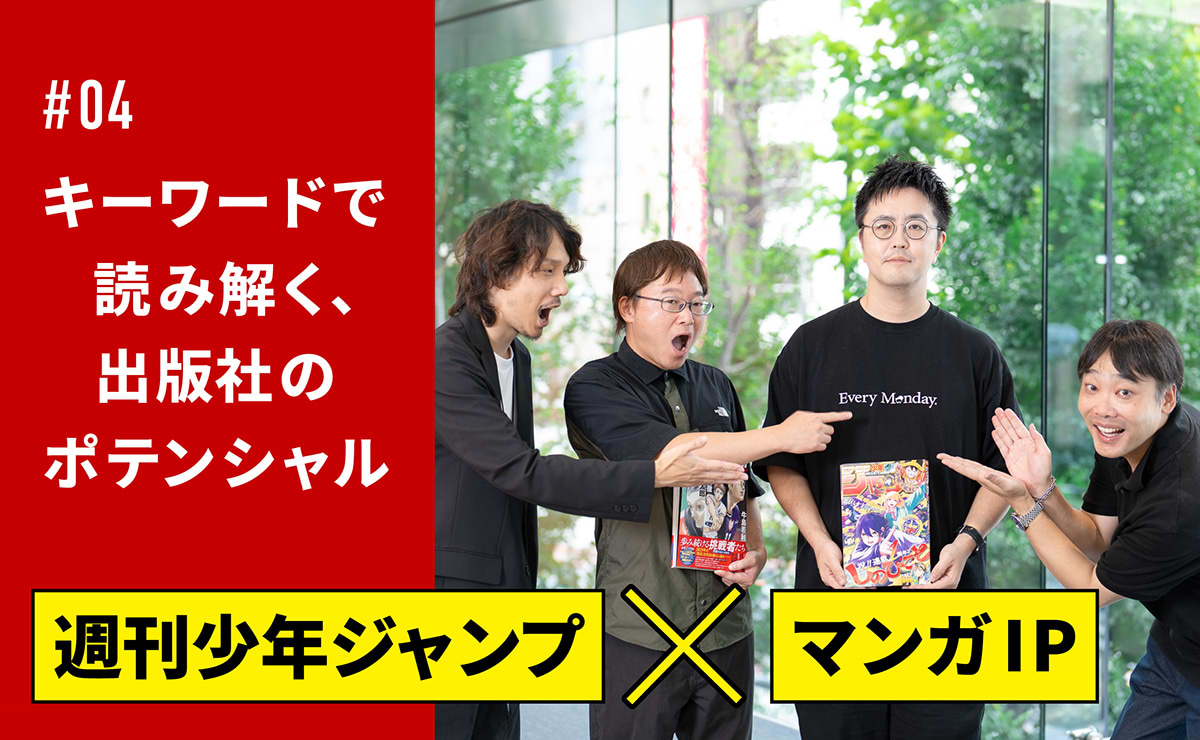
The creative power and brand strength cultivated by publishers through magazine and book production are now gaining significant attention. This series introduces the assets and content creation capabilities of publishers in today's era through various themes, offering insights for marketers on how to leverage the publishing industry.
This installment's theme is "Manga IP." We explore the secrets behind the strength of Shueisha's "Weekly Shonen Jump," a top-tier Japanese manga publication that has produced numerous hit works and now boasts passionate fans worldwide, as well as the potential for collaboration with companies.
Our guests are: Yu Saito, Editor-in-Chief of Weekly Shonen Jump; Kohei Onishi, Head of the Third Media Production Office; and Hiroki Tanaka from the Media Business Department. The interviewer is Yu Naito from Dentsu Inc.'s Publishing Business Development Division.
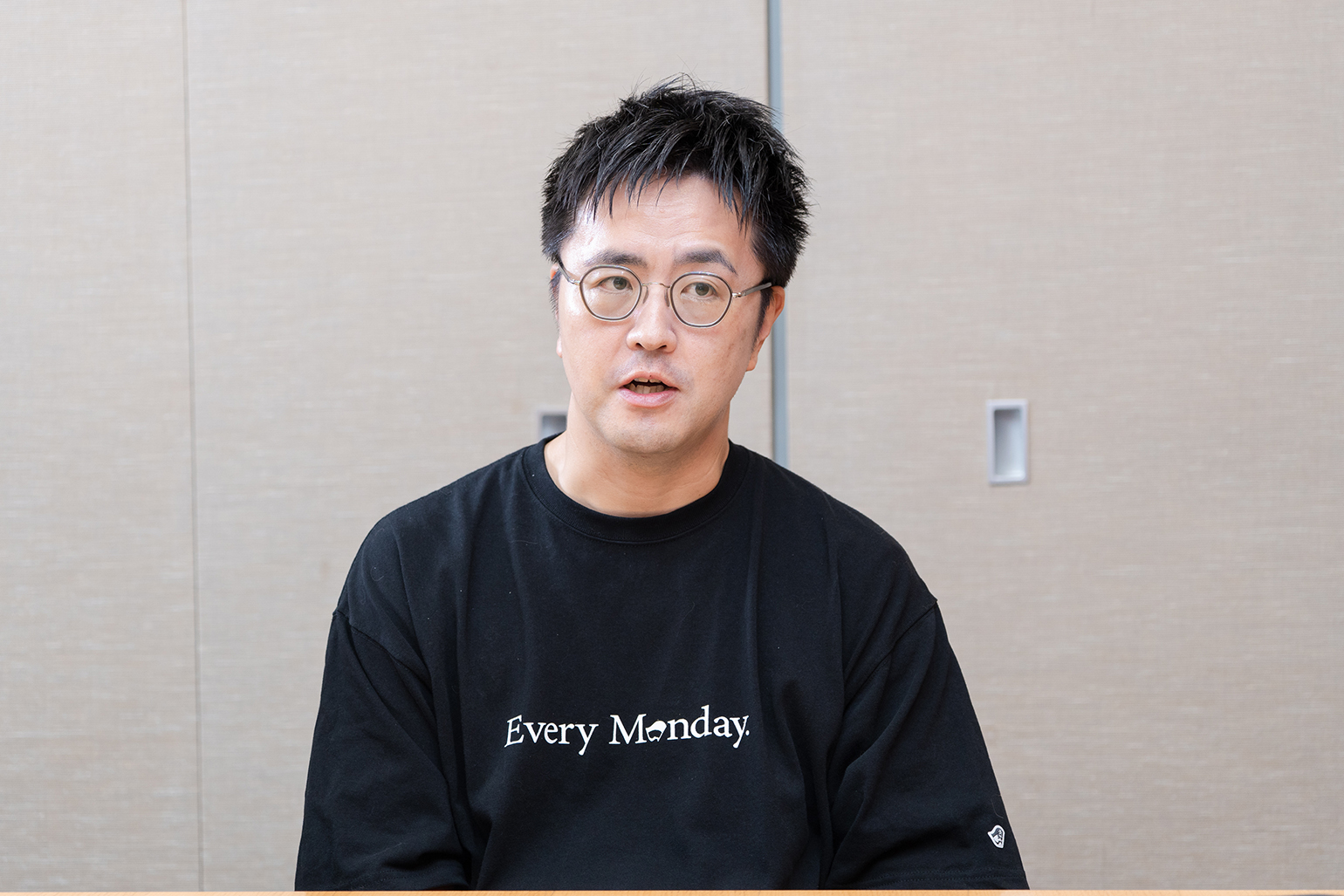
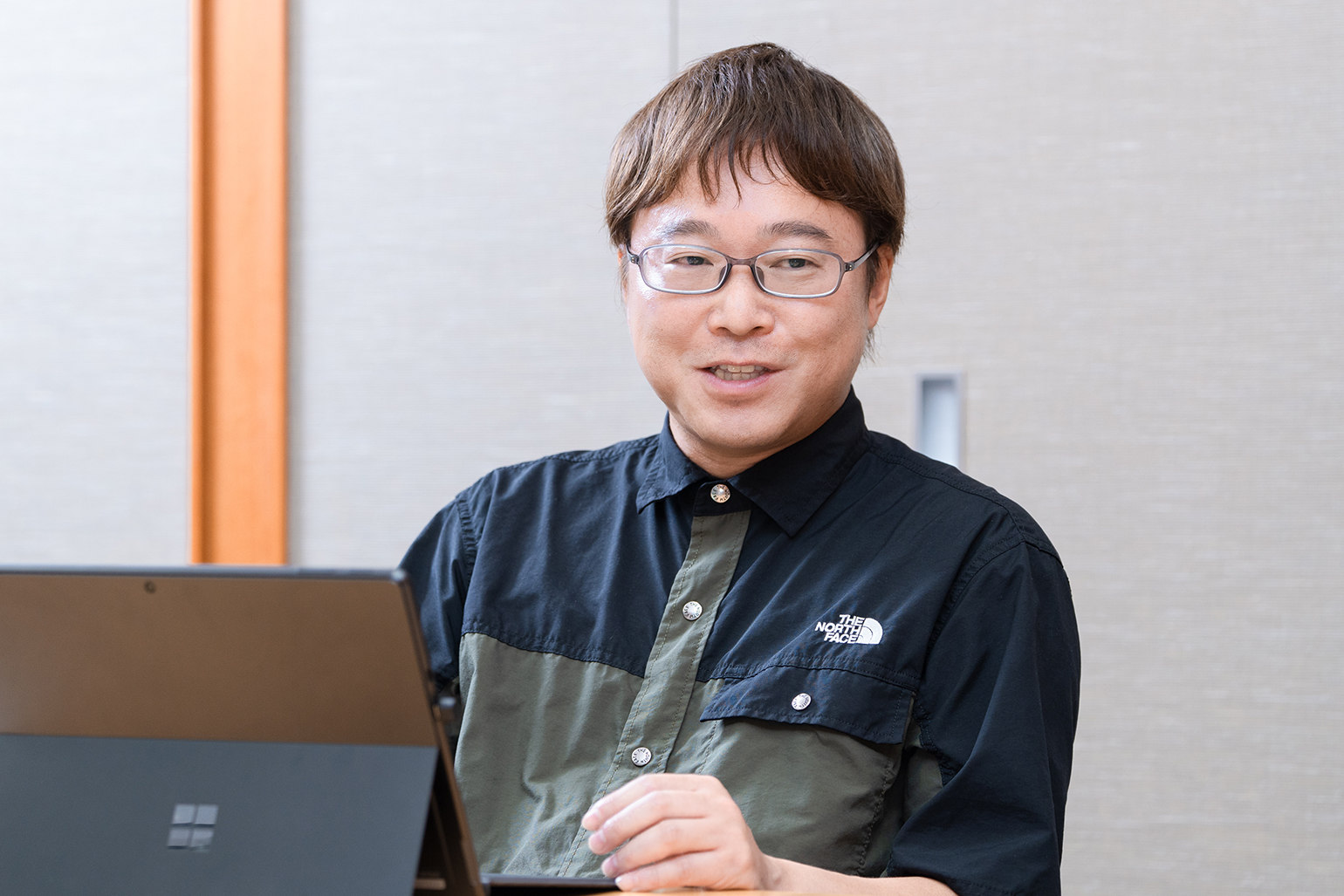
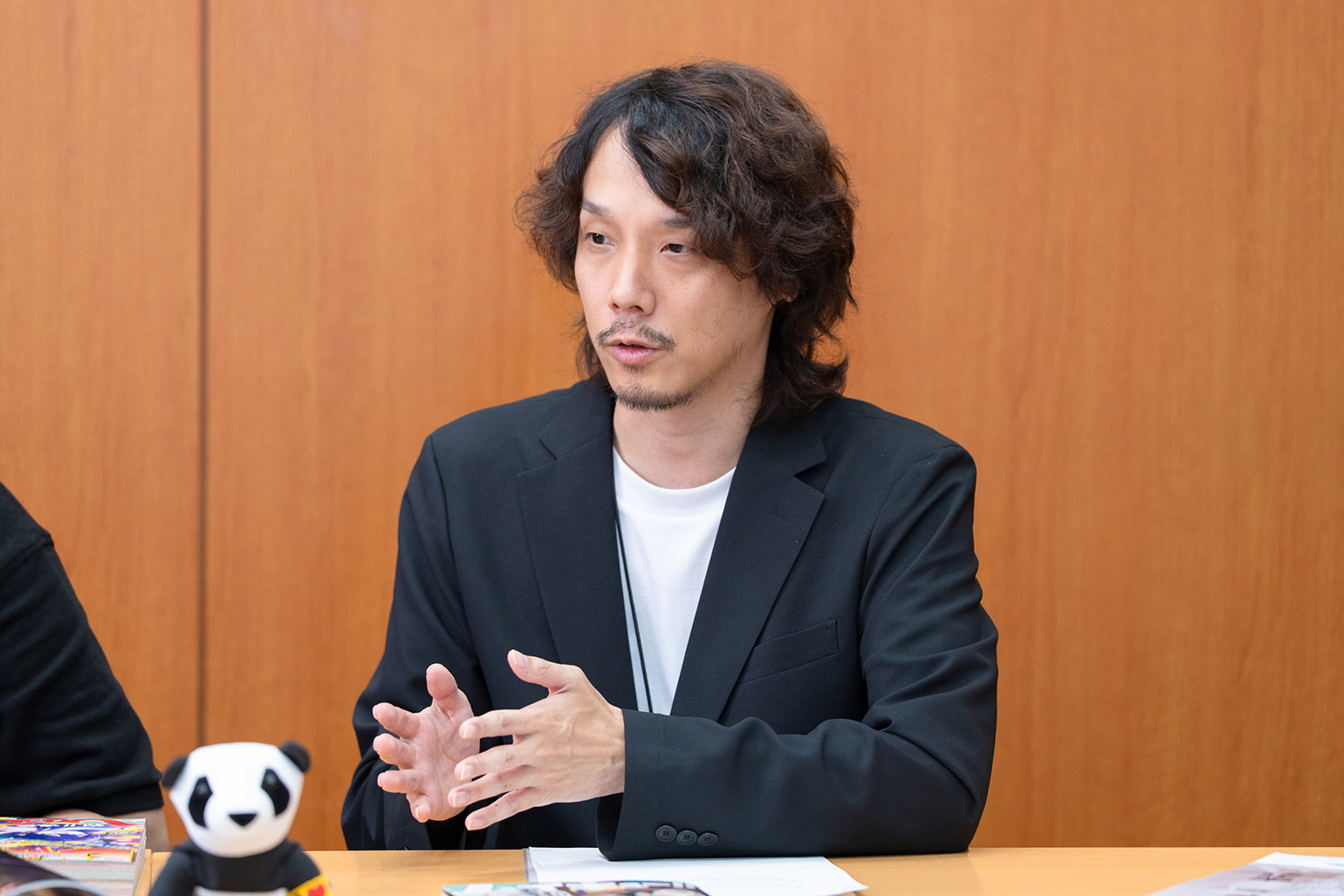
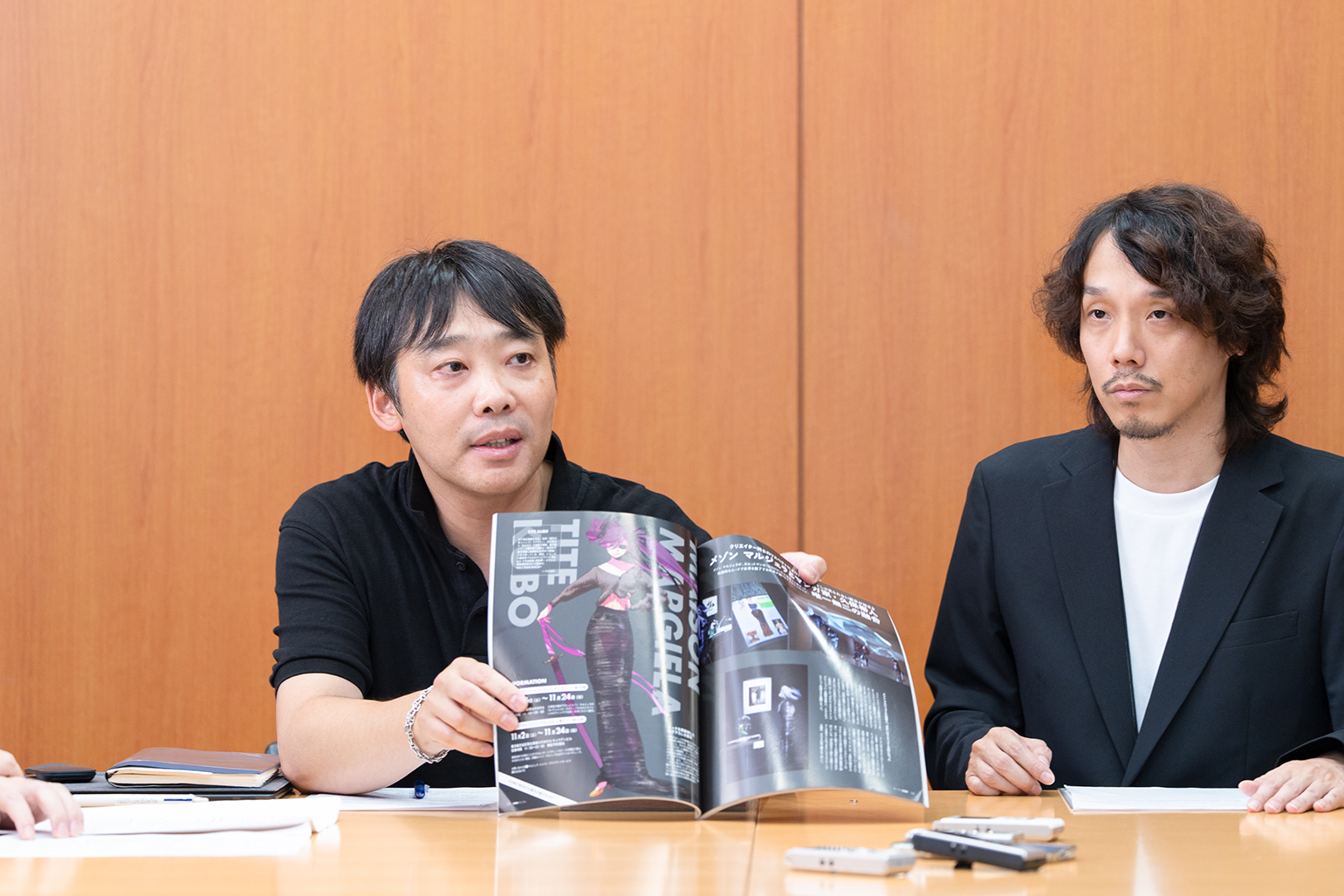
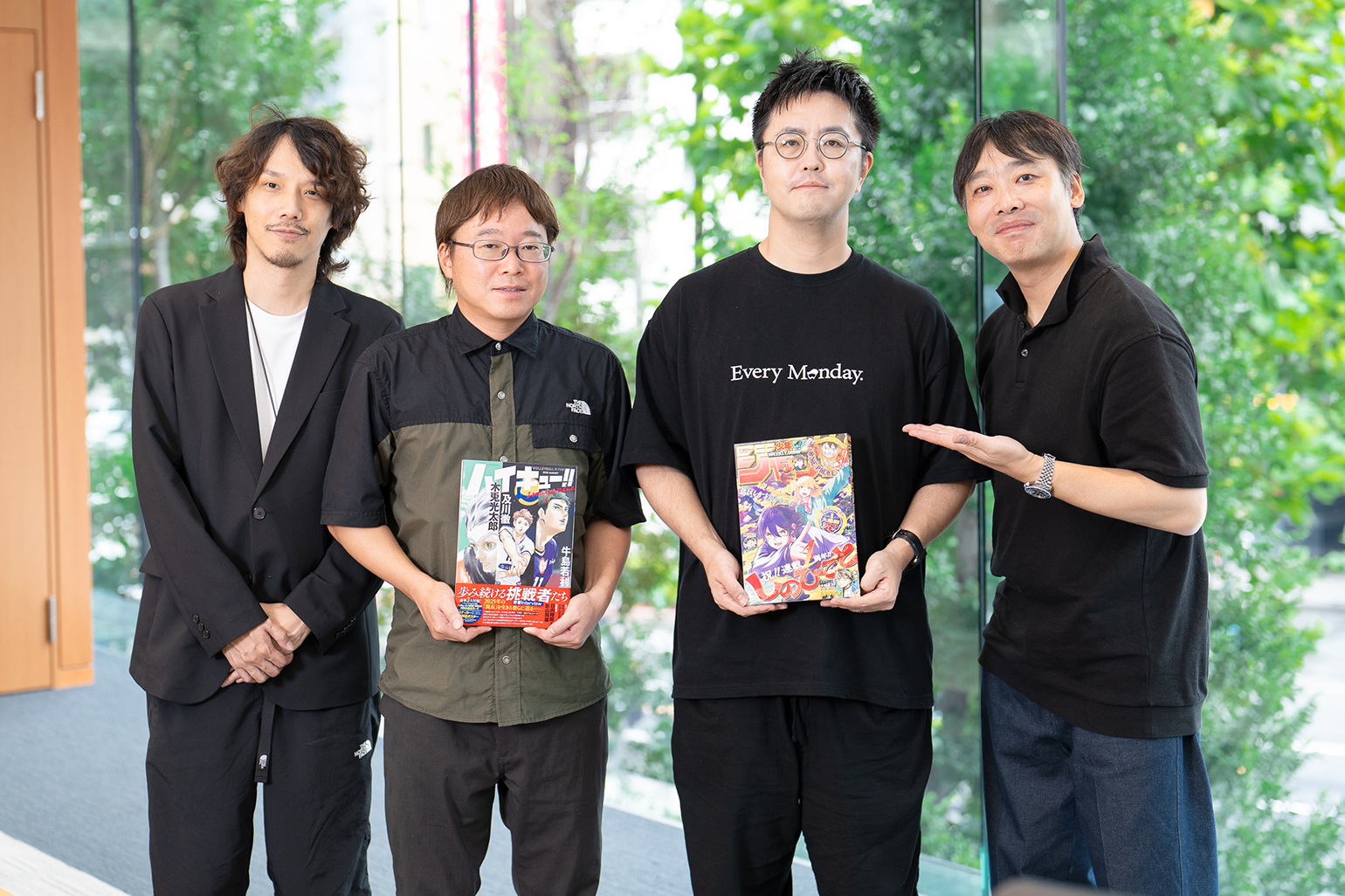
(From left) Dentsu Publishing Business Development Division, Yuu Naito; Shueisha, Head of the Third Media Production Office, Kohei Onishi; Shueisha, Editor-in-Chief of Weekly Shonen Jump, Yu Saito; Shueisha, Media Business Department, Hiroki Tanaka. Mr. Saito is wearing a T-shirt from "Every Monday," a new product brand by Weekly Shonen Jump exclusively for digital subscribers.
"Field Supremacy" and "Proactive Use of New Writers" Create Jump's Strength
Naito: First, please introduce yourself.
Saito: I serve as Editor-in-Chief of Weekly Shonen Jump. I joined Shueisha in 2005 and was assigned to the Weekly Shonen Jump editorial department, where I handled works like Kuroko's Basketball, Nisekoi, HUNTER×HUNTER, and World Trigger. After that, I served as Deputy Head of the Character Business Department and Deputy Editor-in-Chief of Weekly Shonen Jump before assuming my current position in 2024.
Onishi: I joined in 2001 and was assigned to the Weekly Shonen Jump editorial department. I became Editor-in-Chief (Media Division) in 2020. I've handled numerous titles including "ROOKIES," "Gintama," and "ONE PIECE." Since 2025, I've overseen the Three Media Production Department, managing secondary developments for Jump works like anime, merchandise, and films.
Tanaka: I joined in 2002. I was first assigned to the women's magazine "LEE," then transferred to the Advertising Department (now the Media Business Department) a few years later, where I remain today. I've spent a long time in sales, primarily handling luxury brands. In 2024, an "IP Planning & Promotion Section" was established within the department. As its section chief, I also handle advertising strategies like collaborations between companies and manga IPs.
Naito: Thank you. I'd like to hear about Jump's approach to creating works. What values or philosophy does the editorial department prioritize?
Saito: I'd say it's a "field-first" approach. At Jump, one editor is assigned to each creator. We generally leave each work entirely to the editor in charge, so I rarely intervene in the content. Editors have significant discretion.
Naito: Jump is widely known for its slogan, "Friendship, Effort, Victory." Is this slogan consciously considered in your editing?
Saito: Actually, we don't explicitly promote that. At least in my 20 years since joining, I've never once been told within the editorial department to "focus on Friendship, Effort, Victory." I recall the former editor-in-chief saying, "Manga that's genuinely interesting and enjoys broad popularity will naturally incorporate elements of 'Friendship, Effort, Victory.'" That made sense to me. If I had to pinpoint a theme, it would be "Is it interesting?" That's all that matters.
We do tell our editors, "Show us something new." For example, if you try to start a new pirate battle manga, it will inevitably be compared to ONE PIECE. If you're competing in the same genre as a great pioneer's work, you won't win unless you have at least one new element. Both editors and authors are constantly experimenting and creating something new every day.
Tanaka: Constantly seeking something new—that very attitude might be what defines "Jump-ness." There was no path before Jump; the path was forged after Jump. Even from my perspective outside the editorial department, both creators and editors possess a sense of pride in making manga for Jump.
Naito: What are Jump's strengths and defining characteristics?
Saito: This has remained unchanged since the beginning: actively promoting new writers without established track records. When Jump launched, popular writers from other magazines weren't joining easily. It started when the first editor-in-chief promoted new writers. That's why promoting new writers remains crucial today. When publishing the first chapter of a new writer's serialization, we always feature them on the main cover visual.
Naito: Regarding methods for serializing new authors. I imagine you receive submissions via phone calls, but what other efforts do you make to discover new talent?
Saito: We do accept submissions, but with the increase in manga platforms and fierce competition, we've expanded the variety of manga awards we offer.
Naito: Do hit works like Demon Slayer or Jujutsu Kaisen give you that "wow" feeling right from the first submission?
Saito: Of course, sometimes we recognize talent immediately. But often, as we work together on a project, the artist grows beyond our initial expectations. That's why I tell our editorial staff: an artist's growth is unpredictable. If you sense even a hint of potential, believe in them and support them.
Onishi: That's right. For example, with Mr. Gotouge Koyoharu of Demon Slayer, I was his editor from his monthly manga award win until just before serialization. After about a year of meetings, when I saw the storyboards he brought in—which would become his debut work—I felt he had "completely broken through his shell." That's when I knew he could make it to serialization.Demon Slayer was certainly interesting from the start, but the anime adaptation had a huge impact on its success. When the serialization began, I couldn't have predicted it would become such a massive hit.
Naito: What is the process for nurturing a new author into a top-tier creator?
Saito: Even if we sense talent, we almost never offer a serialization spot right away. First, we publish several one-shot stories in Weekly Shonen Jump or its special issues. Through this process, the artist identifies their strengths and weaknesses. Once the timing is right, we take the step to compete with a serialized work.
Many series gain popularity later even if they don't perform well initially, so it's about relentlessly running the PDCA cycle. Weekly reader feedback surveys let us see if planned "hooks" – like new developments we consciously create – get the expected reader response.
We also prioritize thinking about the next steps based on results—like placing more focus on characters that seem likely to gain popularity. Weekly magazines have a short production cycle, which is demanding, but I see the ability to accelerate the PDCA cycle as a benefit. Naturally, within the department, we actively engage in discussions where, for example, if another editor asks, "How did this week's development go?", we provide well-reasoned explanations.
Naito: Including PDCA, communication between authors and editors is crucial for creating hits. Is there anything you prioritize when building these relationships?
Onishi: Not treating it purely as a business transaction. Especially for new writers, the journey from submitting their first manga to securing a serialization spot typically takes 3 to 5 years on average, sometimes longer. Even if there's no profit during that time, we continue working with them because we believe in their "potential." We build trust over time through support like helping them find housing when they move to Tokyo or providing reference materials for their work.
Expanding IP. The target remains unchanged: "the reader's inner child."
Naito: As we discussed earlier with Demon Slayer, do you feel the anime adaptation has truly expanded the work's reach?
Saito: In terms of getting the work known, anime has always been the most effective method, both then and now. The advantage of anime is that it possesses a different kind of appeal through color, movement, and music. It's also common for people to become interested through the anime and then pick up the original work.
Onishi: Especially now, streaming offers the advantage of reaching audiences worldwide. A decade ago, introducing Japanese manga overseas was a high hurdle, but now, anime can instantly appeal to the global audience, which is still a huge impact.
Naito: Regarding expanding the reach of your works, could you tell us about the efforts you make to communicate with readers?
Saito: We place great importance on real-world events like the "Jump Victory Carnival" held in summer and the year-end "Jump Festa," which we've been running since 1999. I don't think there are many other manga magazines hosting events of this scale.
Naito: "Jump Festa" has a long history. Have you seen changes in attendees compared to the past?
Onishi: Compared to when we started, the audience has broadened in age and gender, including more families and women. The number of participating companies increases every year, and the venue size keeps expanding.
Tanaka: You really feel the expansion of manga IPs, don't you?
Naito: When I was a kid, Jump's main readers were elementary, junior high, and high school students, but now it seems adults read it too. With this growing diversity in readers, has your target audience strategy changed?
Onishi: Not really. Jump has always positioned itself as "for boys," and that hasn't changed. However, it's not just about real boys; perhaps we're targeting the "boyish spirit" within people. For example, even business professionals don't necessarily want to read only "salaryman manga." They probably still have that desire to go on adventures.
The same applies to women. We're appealing to that "boyish spirit" that everyone possesses, regardless of generation or gender. In that sense, I'd say our target hasn't changed.
The newly established Media Production Department will serve as the "voice of the creators."
Naito: Regarding IP utilization like anime adaptations, merchandise development, and promotion. First, please tell us about the newly formed Media Production Department.
Onishi: Originally at Jump, a single editor handled everything surrounding a manga: not just manuscript meetings, but also anime, movies, merchandise supervision, and more. However, about 15 years ago, when 'ONE PIECE'—which I was editing—expanded to an unprecedented scale, it became impossible for one person to manage everything. So, we added another person dedicated to media. At that time, I, as the editor in charge, became the media representative for 'ONE PIECE'.This approach then expanded beyond ONE PIECE. For every work adapted into an anime, a two-person system was established: a manga editor and a media editor. Subsequently, within Jump's editorial department, a media team was formed under my supervision to coordinate these media editors.
As the scope of these works accelerated year after year, and titles like Haikyuu!! and Demon Slayer: Kimetsu no Yaiba continued to expand through movies and merchandise even after their serialization ended, the need arose to further scale the team. Consequently, the media team within the editorial department was spun off in an evolutionary manner, leading to the creation of the Three-Series Media Production Office, which I currently head. Our role is to handle tasks outside the manga field, allowing manga editors to focus entirely on creating the works.
Naito: Since transitioning from the Media Team to the Media Production Office, what specific initiatives have you undertaken?
Onishi: In a nutshell, we act as the "voice of the creators." While our Rights Division handles copyright matters and shares some overlapping responsibilities, they are also members of the anime production committees. This means they must prioritize the overall committee's interests and align with other investors' demands.
However, separate from that, original creators often have strong personal convictions about "how they want their work to be perceived" and a deep desire to protect the work's image. We originated as an independent organization from the editorial department, and many of us have experience communicating directly with original creators. Therefore, we see our mission as standing between the anime production committee and the creators, acting as a bridge while placing greater emphasis on respecting the creators' opinions.
Naito: Does the Media Production Department also handle advertising and promotion?
Onishi: Yes. While we have an in-house Promotion Department, its primary role is focused on activities to sell the Jump magazine itself. Therefore, we handle promotions for works that tend to fall outside that scope, such as those after a series has ended. To increase awareness in today's era, we also collaborate with the Promotion Department on utilizing social media.
Naito: I see. With the recent increase in collaborations between content IPs and companies, has the establishment of the Media Production Office made coordination easier? If there are examples of utilizing manga IP, please share those as well.
Tanaka: As Onishi mentioned earlier, we greatly rely on them acting as the "voice of the creators." Until now, Jump hasn't developed tie-in manga; merchandise based on anime rights was the main approach.
However, we were also considering the potential for expansion using manga copyrights. Since the Media Business Department has deep relationships with companies, we thought we could listen to various corporate needs and match them with creators. Recently, we had a project where Maison Margiela asked Mr. Tite Kubo of 'BLEACH' to create original designs featuring characters. We were able to proceed by collaborating and consulting with Onishi.
Tanaka: The Media Production Office is closely connected to companies like Bandai Namco Group that hold our IP. This brings more opportunities for us to introduce companies we work with to them or conduct direct sales.
As the Media Business Department, we also had a collaboration project between Jujutsu Kaisen and DOLCE&GABBANA. We ran this advertisement (photo) in Jump. While it was an anime license, Jump is the original source, so introducing it within Jump's context can sometimes generate more response.
(Top) For Jujutsu Kaisen × DOLCE&GABBANA, collaboration visuals inspired by the characters were featured on Jump's back cover. This became a project with broader reach beyond just product collaborations. A similar project occurred with ONE PIECE × LACOSTE. (Bottom) Akagi Dairy's "Milcrea," a sponsor of "Haikyuu!! FANPARK," produced collaboration packaging utilizing the original work's copyright. As promotion for this, a special PR advertisement was also created in "Haikyuu!! magazine."
Naito: As you mentioned, collaborating with popular companies can boost recognition and attract new fans, providing promotional benefits for the work itself. Do you ever pursue collaborations from that perspective?
Onishi: Yes. Since we operate closer to the creators' perspective, we do accept collaborations if they contribute to promoting the work or advancing its branding.
The "Haikyu!! FAN PARK" held in June 2025 is a prime example. Timed with the anime's 10th anniversary, we consulted with Dentsu Inc. and collaborated with various companies to create pro motions. Previously, only the editorial or publicity departments sought sponsors, but now we can actively participate in the search, which is incredibly valuable.
Looking only forward, we will continue to create new hits
Naito: Could you tell us about your future goals and challenges?
Saito: Ever since I joined the company, I've constantly been told that "the biggest project for a manga magazine is launching a new serialization." We've always focused on launching new series, and that hasn't changed. I've never thought, "We've had a hit, so we're set for a while." Moving forward, we'll keep looking only ahead, focused solely on producing new hits.
Also, while I think more readers are shifting toward buying collected volumes compared to the past, we work hard every week to offer new developments and new series. So, I still want readers to pick up the Jump magazine itself. Nowadays, you can also subscribe to the digital version.
Onishi: Our ultimate goal, both now and in the future, is to keep delivering works to fans through this cycle: "Serialize the most interesting manga in Japan → Have readers enjoy it in magazines or digitally → Expand the reach of those works through anime and merchandise." We believe this is something we must continue.
Tanaka: When merchandise based on manga IPs is released, it further expands promotion and helps build the world. We want to keep working to spread Shueisha IPs even more.
Editor-in-Chief, Weekly Shonen Jump Editorial Department. Joined Shueisha Inc. in 2005 and was assigned to the Weekly Shonen Jump Editorial Department.After assignment, handled titles including 'Eyeshield 21', 'Kuroko's Basketball', 'Nisekoi', 'HUNTER×HUNTER', and 'World Trigger'. Also actively handled works serving as introductory guides for aspiring manga artists, such as 'Heta-ppi Manga Laboratory R' and 'Believe in What You Want to Draw!!: The Manga Drawing Method Weekly Shonen Jump Desperately Wants to Convey'. Assumed current position in 2024.
Kohei Onishi
Shueisha Inc.
Third Editorial Department
Head of Media Production Office
Head of the Third Editorial Department, Third Media Production Office. Joined Shueisha Inc. in 2001 and was assigned to the Weekly Shonen Jump editorial department.After assignment, handled works like Hideaki Sorachi's "Gintama" and Koji Oishi's "Inumaru Dash!" from their serialization starts; took over works like Masanori Morita's "ROOKIES" and Eiichiro Oda's "ONE PIECE" mid-serialization; and was involved with Koyoharu Gotouge's "Demon Slayer: Kimetsu no Yaiba" until its serialization start, working with numerous works and authors.Currently, as Head of the Three-Media Production Department, he oversees the anime and live-action adaptations of Weekly Shonen Jump works, as well as merchandise production.
Hiroki Tanaka
Shueisha Inc.
Media Business Department
Manager, Business Production Division 1, and Manager, IP Planning & Promotion Division
Manager, Business Production Section 1, Media Business Department, and Manager, IP Planning & Promotion Section. Joined Shueisha in 2002.After working in the LEE Editorial Department, moved to the Advertising Department (now Media Business Department). Handled luxury brands and cosmetics brands as a sales representative. Since the 2010s, has also handled numerous manga-related projects, including Menicon, Shachihata × 'The Prince of Tennis', Dior × 'SPY×FAMILY', and TASAKI × 'Chainsaw Man'.
Yū Naito
Dentsu Inc.
Publishing Business Development Division, Content Marketing Department
Planner
Planner, Content Marketing Department, Publishing Business Development Division. Initially assigned to the Sales Section, handling various clients. Later transferred to the current bureau, the Publishing Business Development Division. After working on media operations for Shueisha, Kodansha, Shogakukan, and others, currently responsible for the IP business domain utilizing manga and anime IP.

 Unlocking a Publisher's Potential Through Keywords [4/6]