*Published September 10, 2025. Reprinted from DHBR Online Advertisement.
Summary: In today’s rapidly changing world, what kind of beings will “people” become? “The Exploration of ‘People’” is an irregular series in which members of dentsu Japan discuss the fundamental potential of “people” with experts from various fields.
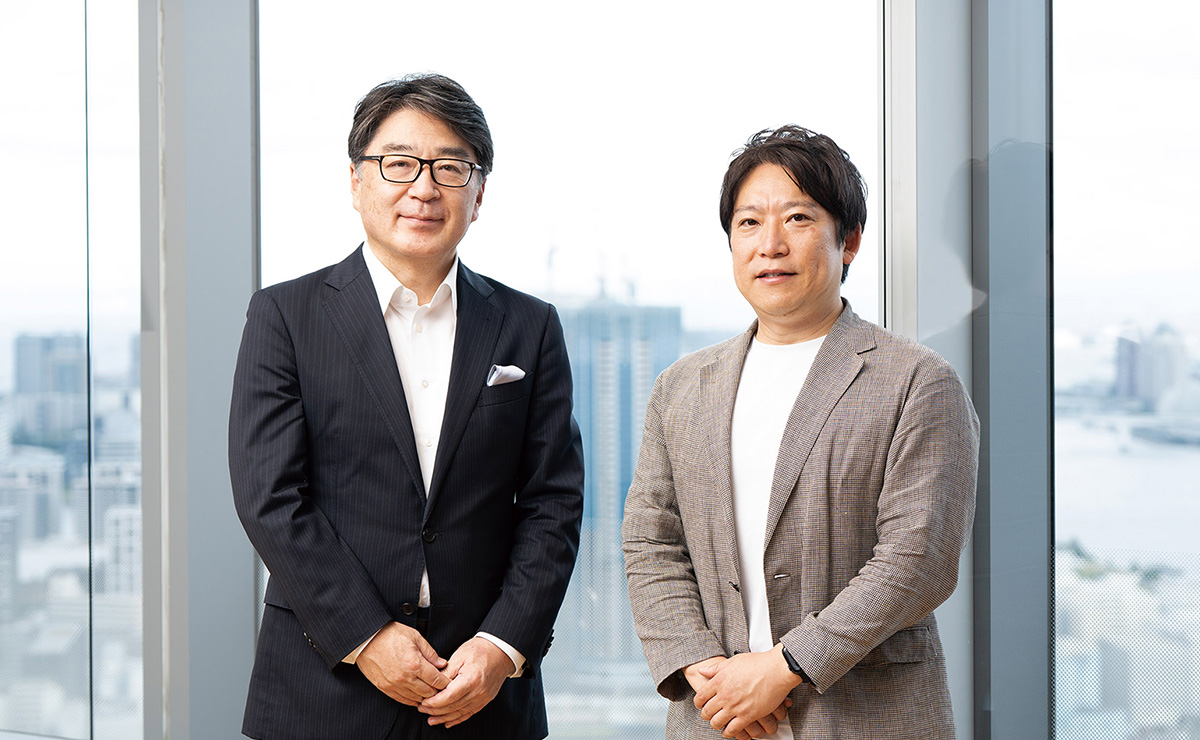
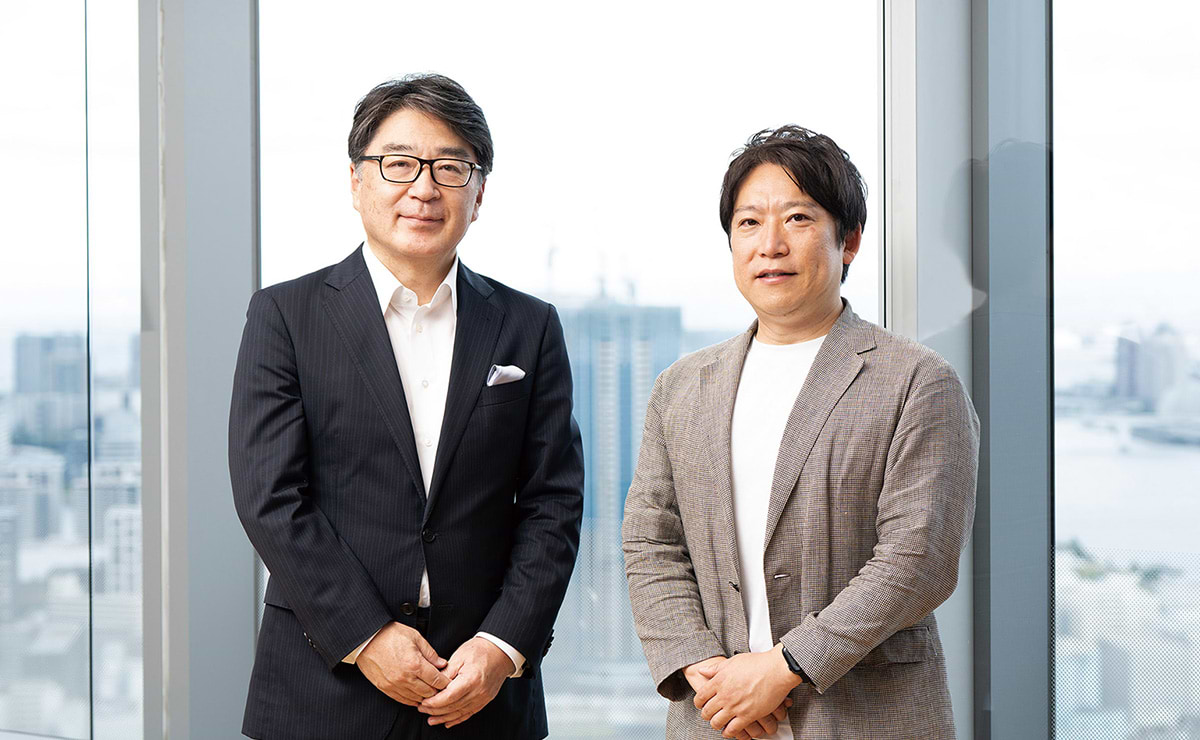
This installment focuses on the dilemmas—such as social division and the crisis of democracy—that lie on the flip side of the convenience brought about by the evolution of digital technology.In today’s world, how can business growth and the healthy development of human society be reconciled? Through a dialogue between Professor Tatsuhiko Yamamoto of Keio University Graduate School—an expert in constitutional and information law and author of *The Dilemma of the Attention Economy*—and Seiji Nagai, Executive Vice President and Representative Director of Dentsu Inc., this discussion presents a new compass essential for future corporate management and society.
The Chaotic Information Space and Mass Communication
Nagai: The evolution of digital technology and the proliferation of digital devices have profoundly transformed society. For example, in elections—the cornerstone of democracy—social media and online videos are altering voters’ voting behavior. In response, member companies of the Japan Newspaper Publishers & Editors Association announced in June 2025 that they would fundamentally reexamine their approach to election coverage and actively pursue reporting that contributes to voters’ decision-making.
At Dentsu Inc., we have long operated in the fields of marketing and communication. However, given that one-size-fits-all communication has already become ineffective due to the diversification of values in modern society, and with social division continuing to deepen, I feel we have reached a stage where it is essential to fundamentally examine whether the very concept of “mass communication” can be sustained at all.
However, as long as humans form societies, the role of the media will never disappear.The challenge lies in how we respond to the fact that the relationship between “the general public and the media” is rapidly shifting toward a model of “the individual and the media.” Moving forward, mass media will be forced to increasingly take personal media into account, while conversely, personal media will seek to become more mass-oriented in order to monetize. Caught between these two forces, we—as the ones responsible for our clients’ businesses—recognize that we are at a major turning point in how we should perceive the current state of the media business.
Yamamoto: The current information landscape feels chaotic and even hostile. Not only are elections and the very nature of democracy undergoing major transformations, but on an individual level as well, our dignity is constantly under threat as comments spark online backlashes and baseless information spreads.
The delivery of personalized ads and content brought about by technological advancements has also brought to light issues such as “filter bubbles” (*1) and “echo chambers” (*2), which trap individuals within their own spheres of interest. This makes it difficult to form a “public” capable of sharing knowledge and information and discussing matters of public interest.The chaotic information landscape in the United States, for example, is approaching the state of “war of all against all” (*3) once described by the philosopher Thomas Hobbes, and I feel a strong sense of crisis that a similar situation could arise in Japan within a few years.
*1 Filter bubble: Selective news delivery based on AI profiling and other factors *2 Echo chamber: Amplification of opinions through interaction with people who hold similar views *3 War of all against all: In a “state of nature” devoid of law and order, people become “wolves” and fight one another for their own self-interest
In this context, Dentsu Inc.’s role is crucial. It goes without saying that damage to a brand’s image resulting from its ads appearing alongside content containing misinformation or defamation poses a significant risk to advertisers.We are no longer in an era where it is sufficient to simply place ads on content that generates page views. How will Dentsu Inc., with its extensive network of advertisers, build an advertising ecosystem? This goes beyond the mere structure of the advertising business and extends to shaping humanity and society itself through media.
The Dignity of “Self-Determination” Eroded by the “Attention Economy”
Nagai: Since our founding in 1901 as “Nippon Kōkoku” and “Denpō Tsūshinsha” (which merged in 1906 to form “Nippon Denpō Tsūshinsha”), we have regarded it as our vital mission to support the development of a healthy society as a media partner.In the early days, newspapers were the primary medium. By fulfilling both the role of a news agency—promptly delivering news to newspapers—and that of an advertising agency—securing the advertising revenue that formed the foundation of newspaper companies—we built an ecosystem that supported the development of the newspaper industry. Subsequently, during the rise of mass media such as magazines, radio, and television, we have a proven track record and history of contributing to society by supporting the sound development of these industries alongside our clients.
For this very reason, the issues pointed out in Professor Yamamoto’s book *The Dilemma of the Attention Economy*, published in 2024, are highly relevant to the current state of the media business. In particular, his observation that beyond issues such as social division lies the risk of “the loss of self-determination”—a fundamental human value and a major factor related to sovereignty—struck a chord with the unease and anxiety I had been feeling recently, and it came as quite a shock.
Yamamoto: We live in an age of information overload. However, the “attention” we can devote to information and our disposable time are finite. It is this scarcity that generates economic value, and the trading of these resources constitutes the “Attention Economy.”
Most social media platforms are free to use, but that is because users are “paying” with their attention instead of money. When AI is integrated into this business model, it creates an extremely powerful mechanism for capturing attention. In this context, behind the facade of convenience, content tends to become increasingly sensational and extreme in order to capture more attention.Furthermore, AI-driven personalization analyzes users’ cognitive tendencies and preferences, continuously recommending content likely to be clicked, thereby creating an environment where misinformation and defamation are easily spread and amplified.
This can be described as a state where users unconsciously repeat a reflexive response (clicking) to a stimulus (recommendation), much like "Pavlov’s dog." I believe this is akin to a state where human autonomous decision-making—that is, the "right to self-determination"—is being hacked from the outside.
Nagai: When it comes to capturing “attention,” this is fundamentally the core purpose of advertising and is a highly sensitive issue for us as well. However, on the other hand, with such an overwhelming flood of information, it has become impossible for individuals to independently sort through and select everything based on their own judgment. There is a view that following information backed by algorithms optimized for the individual results in fewer mistakes and drastically reduces the cost of making decisions.
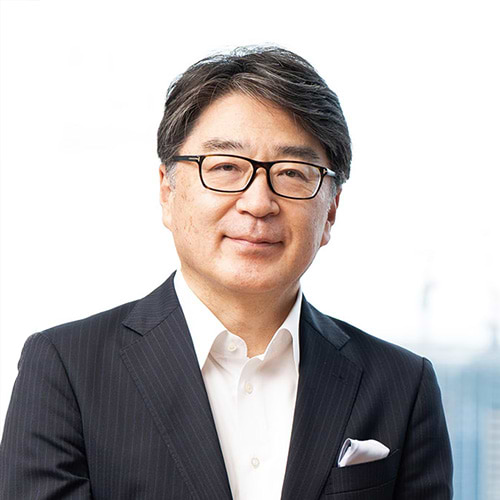
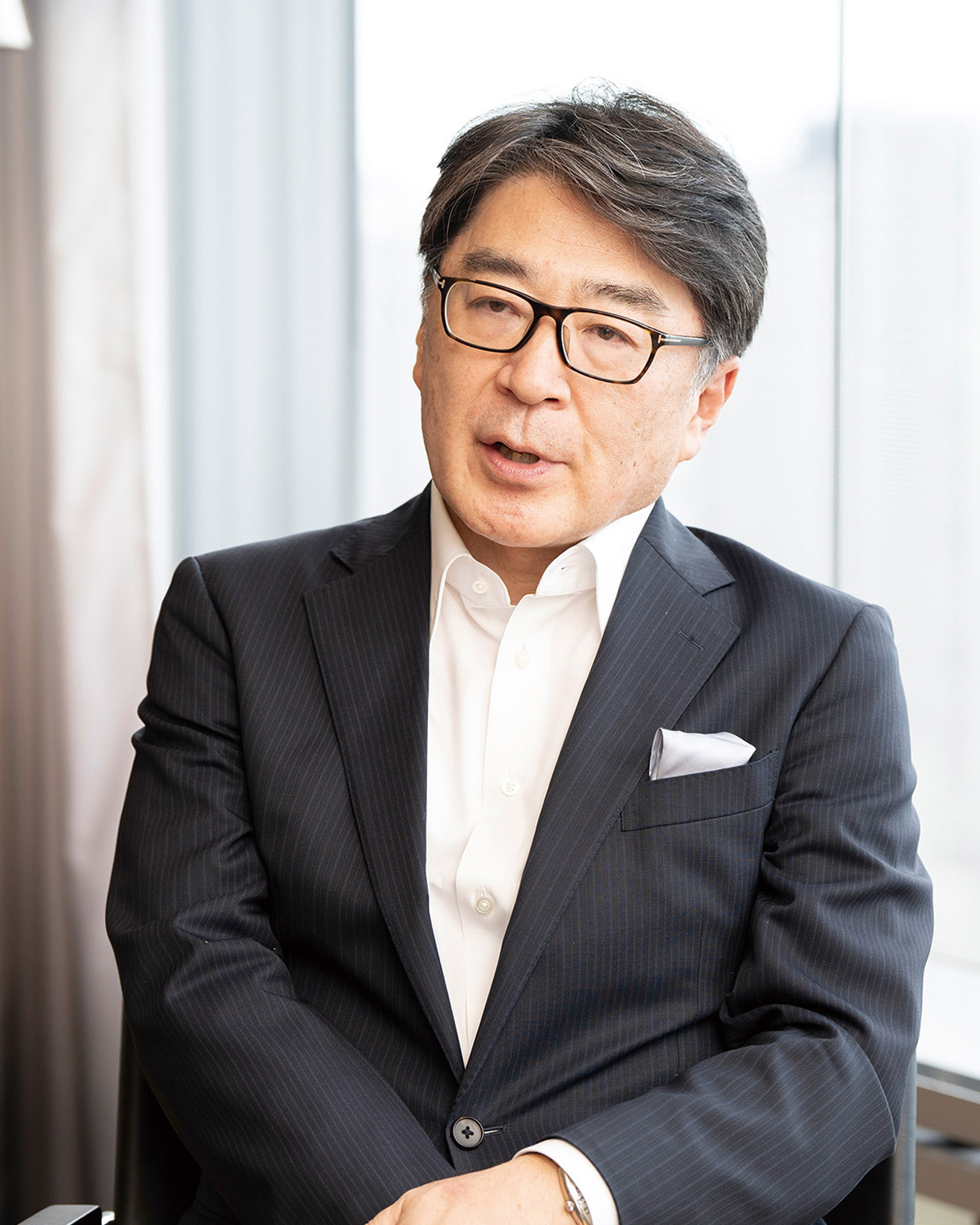
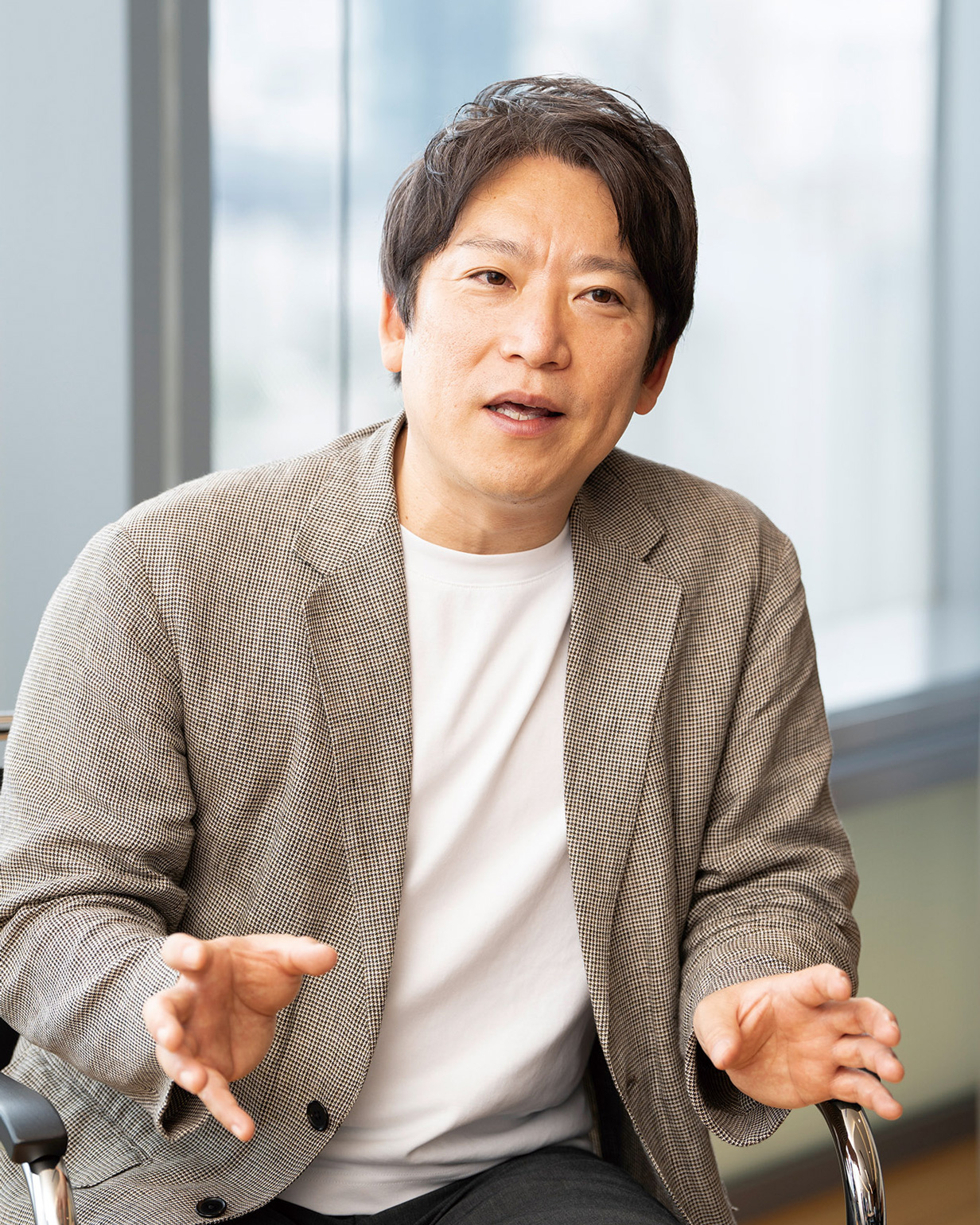
Dentsu Inc.,Executive Vice President and Representative Director,Seiji Nagai Joined Dentsu Inc. in 1987. He began his career at Media Services / Radio,TV Division and has long been involved in the television business and media/content business.He has held various positions, including Director of the Media Services / Radio,TV Division and Senior Executive Officer in charge of Media and Content. He assumed the position of Executive Vice President and Representative Director in 2024. He serves as Chair of the Media Committee of the Japan Advertising Association and on the Advisory Board of the X Dignity Center at Keio University.
Yamamoto: This touches on the profound question of how we should view “modernity” itself, which has been premised on autonomous and rational individuals. It is certainly true that in today’s society, it is practically impossible to personally track every data transaction and make decisions on one’s own. Nevertheless, I believe that “self-determination” should be upheld as a principle. There are two reasons for this
First, if we do not decide for ourselves, the question inevitably arises: who will decide, and by what criteria? Ultimately, the justification for following an algorithm must lie in the fact that we “decided for ourselves” to entrust that decision to the algorithm. Otherwise, we would be unable to theoretically resist being “decided upon” by algorithms for the sake of “societal optimization” or the “self” as defined by AI.Of course, since human cognitive abilities have their limits, hybrid decision-making—where we entrust part of the judgment to AI—will become important in the future. However, the division of roles must ultimately be decided by “myself.” Technologies such as AI must serve to support individuals’ important decisions.
Second, there is a shift in the meaning of privacy. In the past, privacy was secured simply by staying in one’s own room, but in today’s world of constant internet connectivity, even when we are in our rooms, behavioral data is transmitted to the outside world through our devices. Physical walls no longer hold any meaning. Consequently, privacy can only be artificially created by “deciding for oneself” which personal data to share with others.If we abandon self-determination, our “private sphere” will always be defined by others, and we will forever lose the space and time where we can truly relax.
If we become accustomed to having decisions made for us, not only will self-determination at the individual level be compromised, but the foundation of self-determination at the societal level—that is, “democracy”—will also be shaken. In fact, while some argue that “we might as well entrust the political system itself to AI and algorithms,” we must still uphold the principle that “we” are the ones who decide, including how roles are divided with AI.
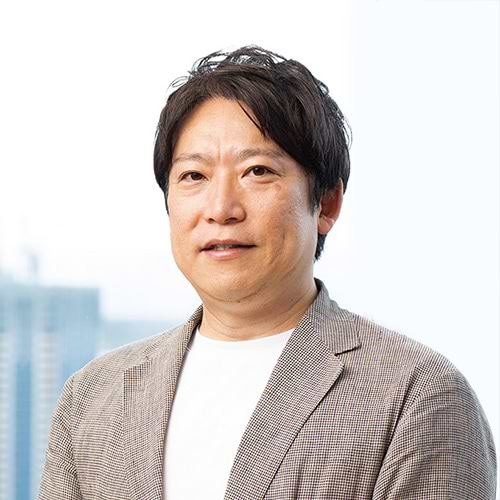
Tatsuhiko Yamamoto, Professor, Graduate School of Law, Keio University; Co-Director, X Dignity Center, Keio University Graduated from the Department of Law, Faculty of Law, Keio University in 1999; withdrew from the doctoral program at the Graduate School of Law, Keio University in 2005 after completing coursework. Doctor of Law.Professor at the Graduate School of Law, Keio University, and Co-Director of the X Dignity Center at the same university. He also serves as a Director of the Japan Society of Public Law, a member of the Consumer Commission of the Cabinet Office, and Chair of the Ministry of Internal Affairs and Communications’ “Study Group on Improving Literacy for ICT Utilization.” His recent publication is *The Dilemma of the Attention Economy* (KADOKAWA, 2024).
Nagai: It is fascinating that we must interpret agency to the extent of addressing the paradox of exercising self-determination even when entrusting decisions to AI. Furthermore, the perspective of “hybrid decision-making” that you pointed out is extremely important for considering the future. Additionally, your observation that the future of “privacy” (the private sphere) will likely be determined by the scope of “personal data” sharing is a contemporary interpretation that is easy to understand.
Mass Media Struggling with the Dilemma of Attention Acquisition and Public Interest
Nagai: The statement from the Japan Newspaper Publishers & Editors Association mentioned at the beginning can be understood as an expression of concern regarding the credibility of the mass media, and we, too, share that concern from the perspective of the media business.
Yamamoto: When discussing the “attention economy,” we often hear criticism along the lines of, “Hasn’t that always existed?”—with some arguing that commercial television, in particular, is the original pioneer of this model. A business model that gathers public interest in the form of ratings and provides content for free can certainly be considered a type of attention economy.
However, while broadcasters have a desire to attract attention driven by economic motives, they have also been required not to become overly fixated on gaining attention alone, in order to fulfill the public purposes outlined in the Broadcasting Act, such as maintaining and developing democracy. It could be said that the very act of grappling with this “dilemma”—the tension between the desire to gain attention and the duty to safeguard the public interest—has generated a certain kind of creativity.I included the word “dilemma” in the title of my book precisely because I wanted to emphasize that very advantage.
On the other hand, many current digital platforms differ fundamentally from traditional media business models in that they are free from legal constraints, allowing them to devote all their energy to capturing attention while also leveraging vast amounts of user data and AI technology. As a result of media being forced to compete on this playing field, the overall balance has shifted heavily toward attention-seeking, and this is by no means a healthy state of affairs.
Nagai: You are absolutely right that the very essence of soundness lies in the media maintaining a certain level of discipline while grappling with the economic freedom required for business growth.I believe the credibility that mass media currently possesses is precisely the result of this dilemma. On the other hand, we in the advertising industry have made a living out of figuring out how to capture people’s attention. I am acutely aware that work which takes awareness as its starting point always carries the risks inherent in the negative aspects of the attention economy.
Yamamoto:When I spoke at an internal study session held by Dentsu Inc. some time ago, I was honestly surprised to see how deeply everyone was grappling with this issue. I actually felt reassured seeing you all seriously wrestling with fundamental questions like, “Is advertising a form of ‘expression’ guaranteed by the Constitution, or is it merely a ‘stimulus’ designed to trigger reflexive behavior?” and dilemmas such as whether advertising creativity is “a creative activity or data-driven hacking.”
Nagai: We at Dentsu Group are committed not only to our own business growth but also to contributing to the creation of a society based on altruism and well-being. So, perhaps during the study session, it simply came across that each Dentsu Inc. member is approaching their work by constantly re-examining these dilemmas within themselves—but I actually view this as a healthy perspective.In that context, regarding AI, which is currently developing rapidly, we are promoting its use on the premise of improving business performance and combining it with human creativity. What challenges do you see with AI technology in the attention economy?
Yamamoto: AI can efficiently generate stimulating content that essentially “hacks” human cognitive processes and deliver it in a personalized manner. In that sense, AI and the attention economy are highly compatible, amplifying the risk of distorting human autonomous and independent decision-making.
A Human-Centered Ecosystem Pioneered by “Information Health”
Nagai: For example, newspapers could also become personalized media in the future through the use of AI and personal data. Optimizing article composition and delivery priorities for each individual reader may be essential for business growth. However, this simultaneously carries the risk of creating filter bubbles and echo chambers. The same applies to the broadcasting industry, where the convergence of broadcasting and streaming is advancing. How should vast amounts of viewing data and user ID information be leveraged for business purposes?While data-driven personalization is considered essential for next-generation business growth, it creates a major dilemma when balanced against the mission to remain a healthy, public-service media outlet.
Yamamoto: I believe the dilemma currently facing the media industry can also serve as a positive opportunity to create new business models.
For example, one possible approach is to distinguish between “recommendations” and “targeting.” While we should be cautious about using viewing data to recommend content tailored to individual interests, I believe we can take a more flexible approach to using it for targeted advertising. Furthermore, utilizing data to accurately deliver necessary information in situations where a strong public interest is required—such as during disasters or election coverage—actually serves to enhance that public interest.
The handling of data must be carefully considered in context; it cannot be judged uniformly.
Nagai: Going forward, both data providers and users will need to possess a high level of literacy and actively engage in data utilization. I believe that underlying this is a deep understanding of human dignity and the principles of human behavior, which are subject to change over time.In this context, I feel the establishment of the “X Dignity Center” at Keio University in 2024 is of great significance. As Dentsu Inc. is also participating as a member, we intend to collaborate from a broad perspective.
Yamamoto: The X Dignity Center is an interdisciplinary research hub designed to reexamine the question of “human dignity” in an era where previously self-evident boundaries—such as those between humans and AI, humans and nature, and even gender—are dissolving and intersecting. We are exploring this fundamental question through the integration of the humanities and sciences, industry-academia collaboration, and dialogue with civil society.
One of the research themes we are pursuing is “information health.” In the digital age, just as we check the origin and ingredients of food, we must verify the source, raw materials, and whether information has been processed, and “consume” diverse information in a balanced way without bias. I believe it is crucial to build “immunity” against fake news and misinformation through this process, thereby creating a state where we can achieve the happiness we seek.
If this concept of “information health” takes root in society, I believe we will be able to make rational choices about information through “information labeling” that indicates the safety and reliability of content, much like food labeling. Furthermore, while companies that provide and promote nothing but “sensational content” face criticism, a new market should emerge where companies that provide and promote safe and reliable information are fairly evaluated and grow.At the Center, we are collaborating with various companies, including Dentsu Inc., to explore the creation of a new information distribution system centered on “information health.”
Nagai: The foundation of communication has always been people, regardless of the era. As Dentsu Inc., a company that operates in the communication sector, we deeply resonate with the X Dignity Center’s philosophy of “gaining a deeper understanding of people.” How do people perceive things, and how do their behaviors change? Through deep exploration of these questions, we aim to create new forms of communication and society together with our clients and media partners.In that sense, we have high expectations for our industry-academia collaboration with the X Dignity Center. Interest within the company is also high, and many employees from various departments are participating. We strongly recognize that contributing to the design of social systems—such as improving information literacy and creating mechanisms for displaying credible information—is part of our mission as we continue to walk alongside our clients and media partners.
Professor, Graduate School of Law Co-Director, X Dignity Center, same university
Graduated from Keio University Faculty of Law, Department of Law in 1999; withdrew from the doctoral program at the Graduate School of Law, Keio University in 2005 after completing required coursework. Doctor of Juridical Science.Professor, Graduate School of Law, Keio University; Co-Director, X Dignity Center, Keio University. Also serves as Director, Japan Public Law Association; Member, Consumer Affairs Commission, Cabinet Office; Chair, Ministry of Internal Affairs and Communications "Study Group on Improving Literacy for ICT Utilization." Recent publications include The Attention Economy Dilemma (KADOKAWA, 2024).
Seiji Nagai
Dentsu Inc.
Executive Vice President and Representative Director
After joining Dentsu Inc., he began working at the Media Services / Radio,TV Division and was involved in television business and media/content business for many years. He served as Head of the Media Services / Radio,TV Division and Executive Officer in charge of Media and Content. He assumed the position of Executive Vice President and Representative Director in 2024. He serves on the Advisory Board of the Keio University X Dignity Center.