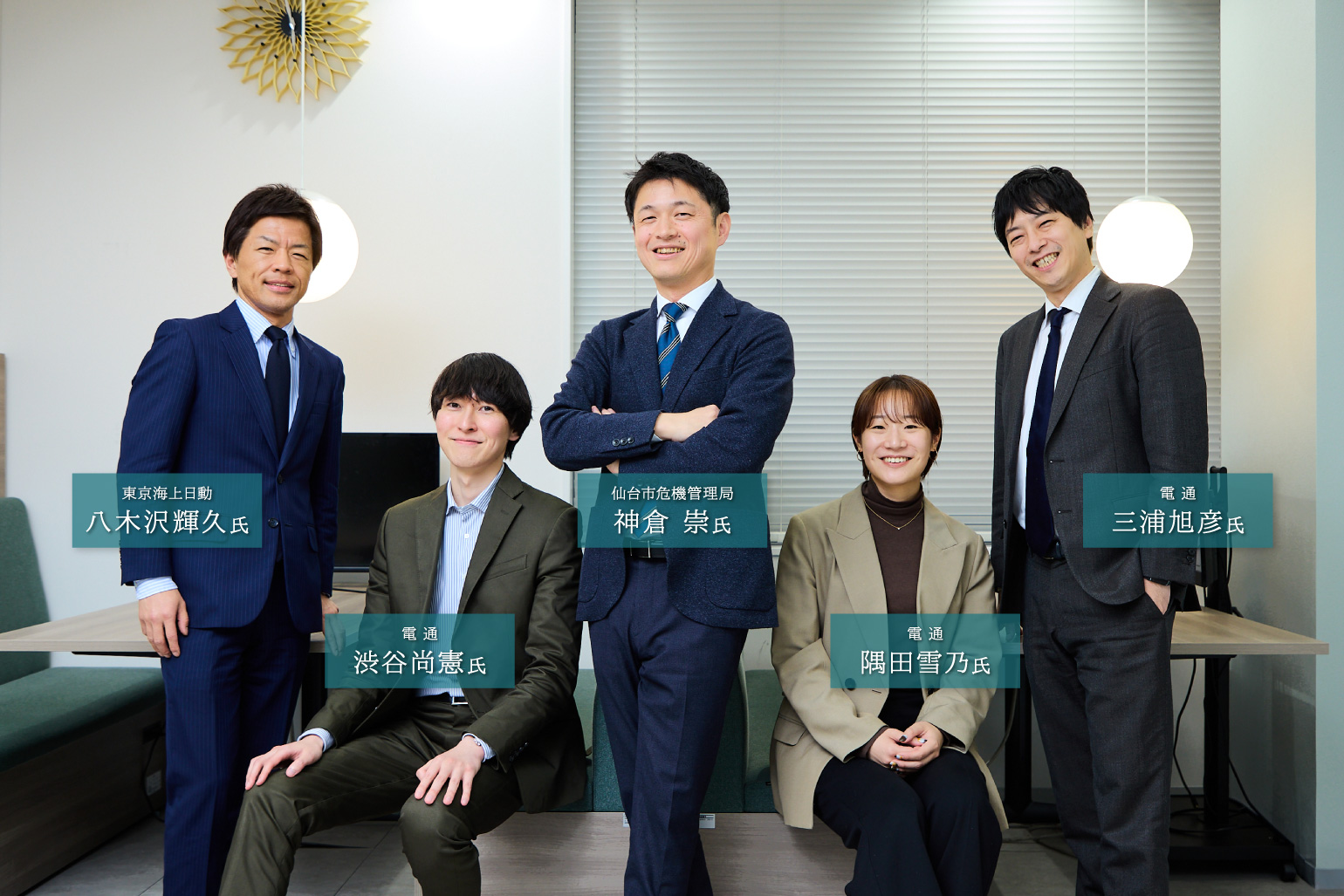
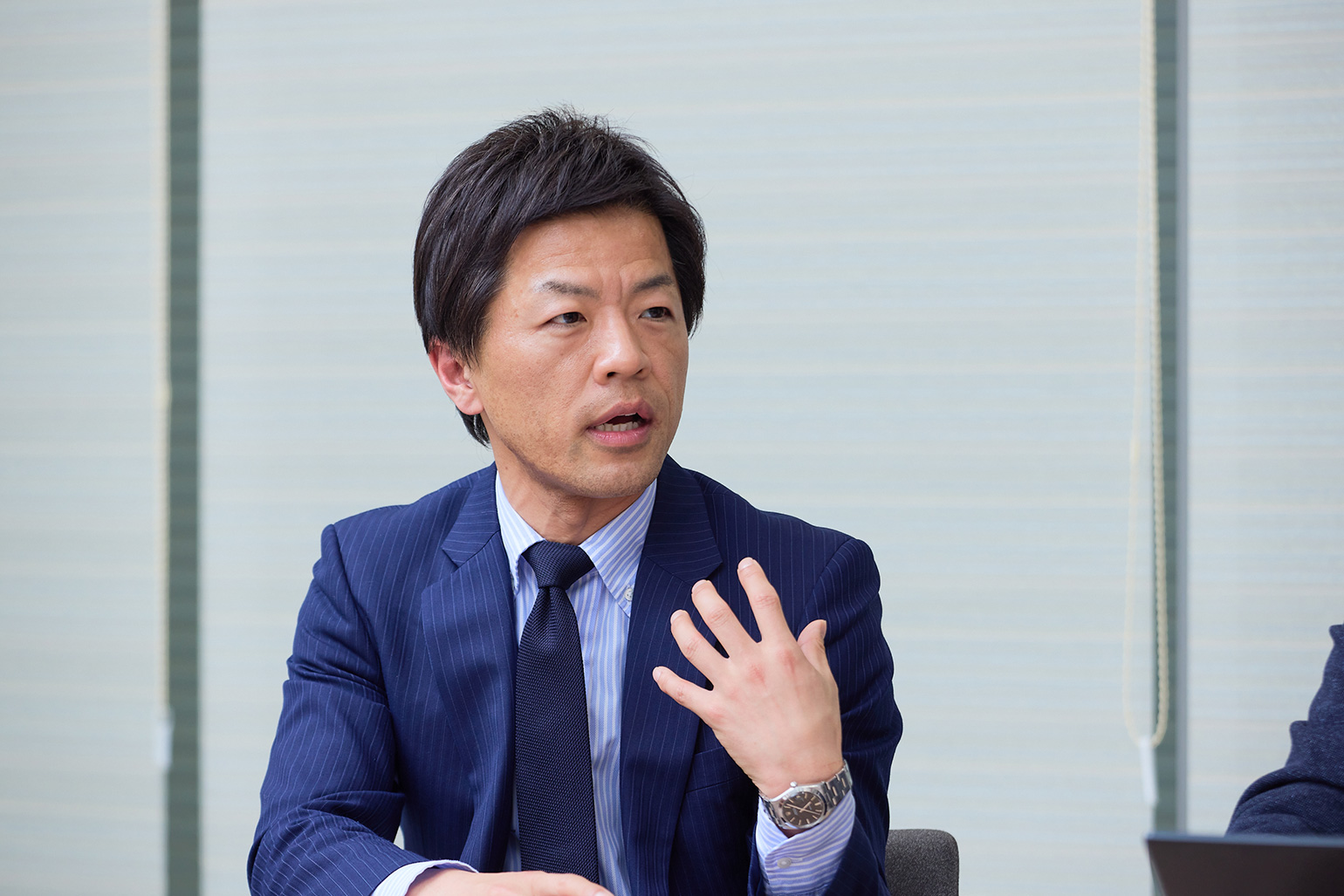
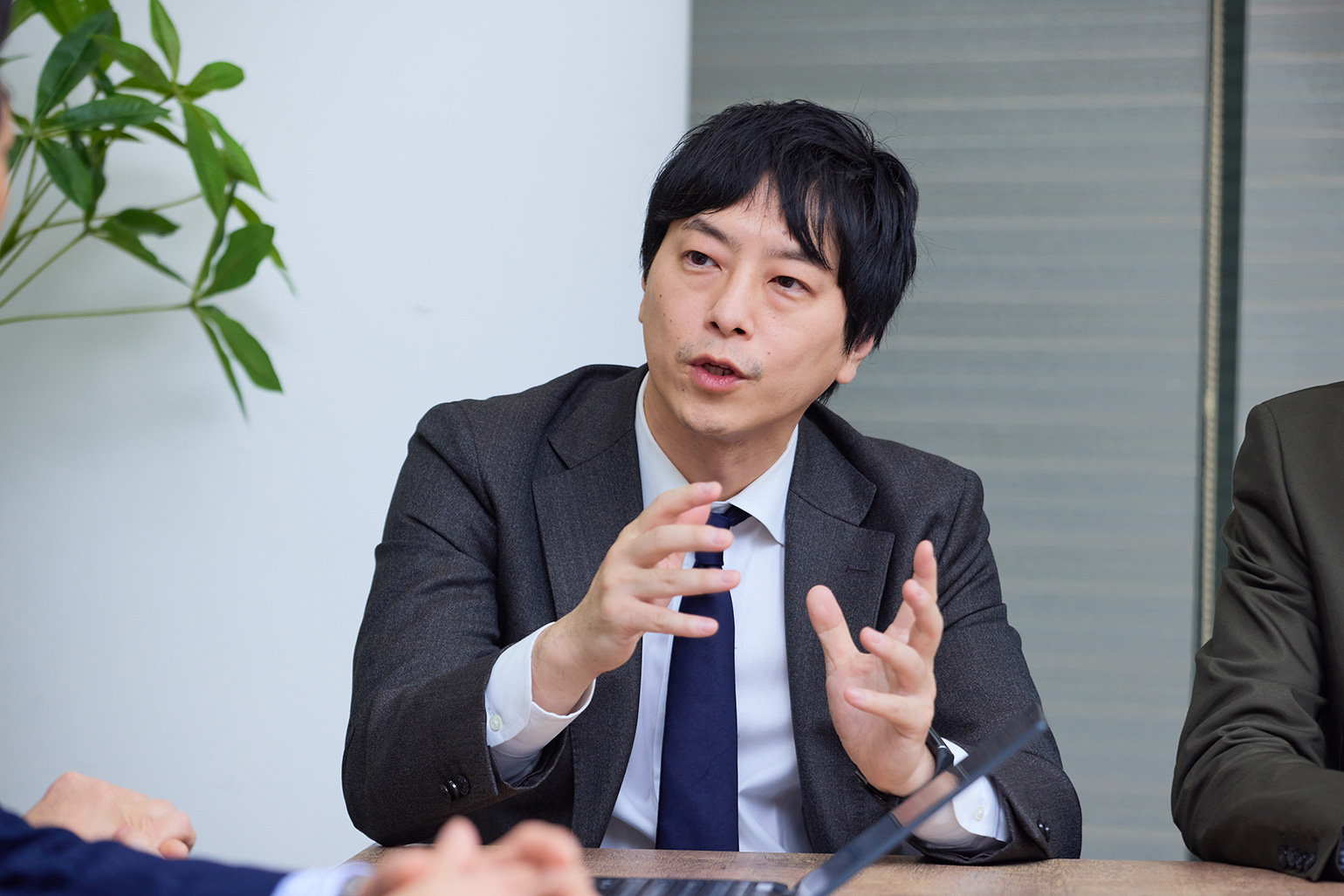
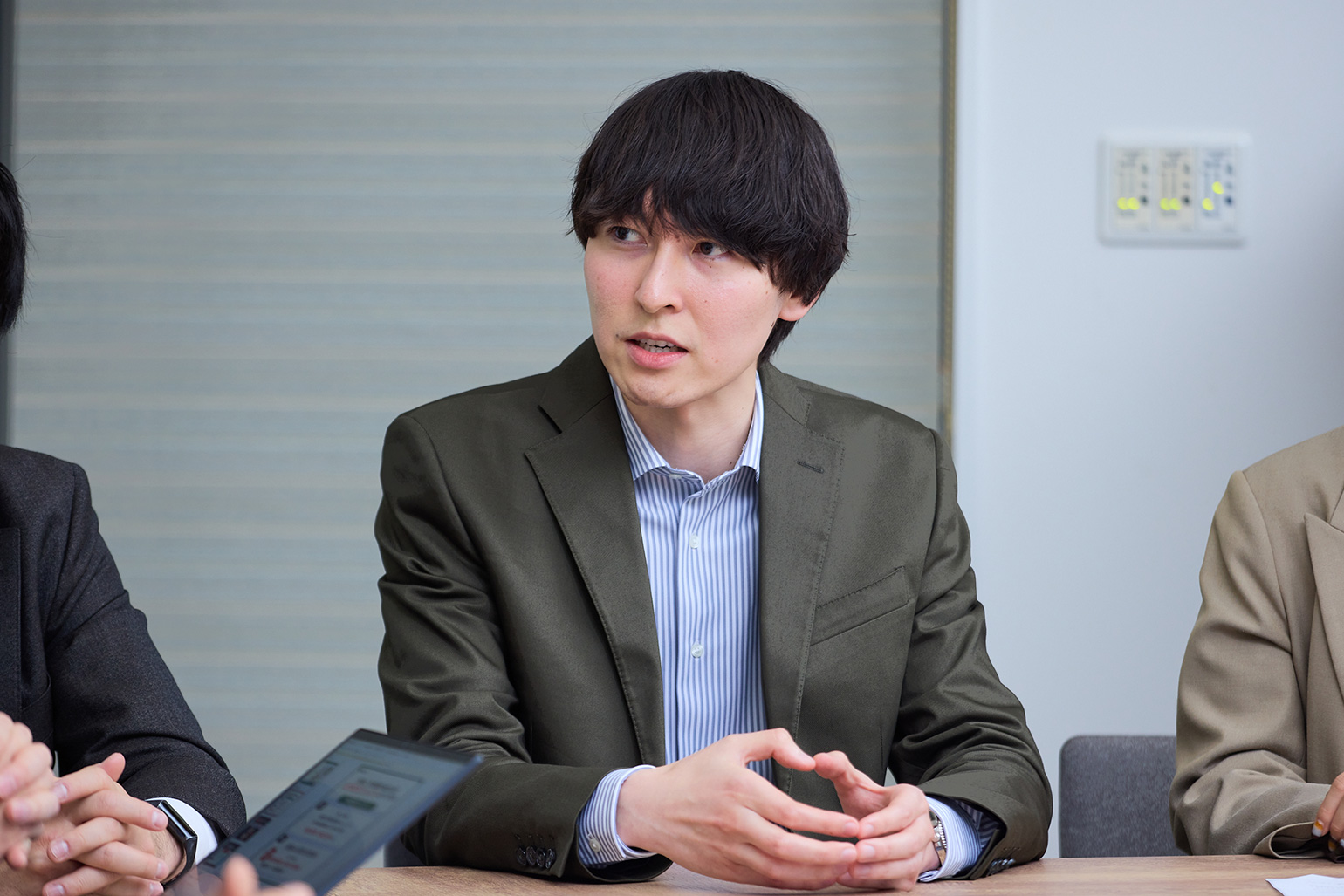
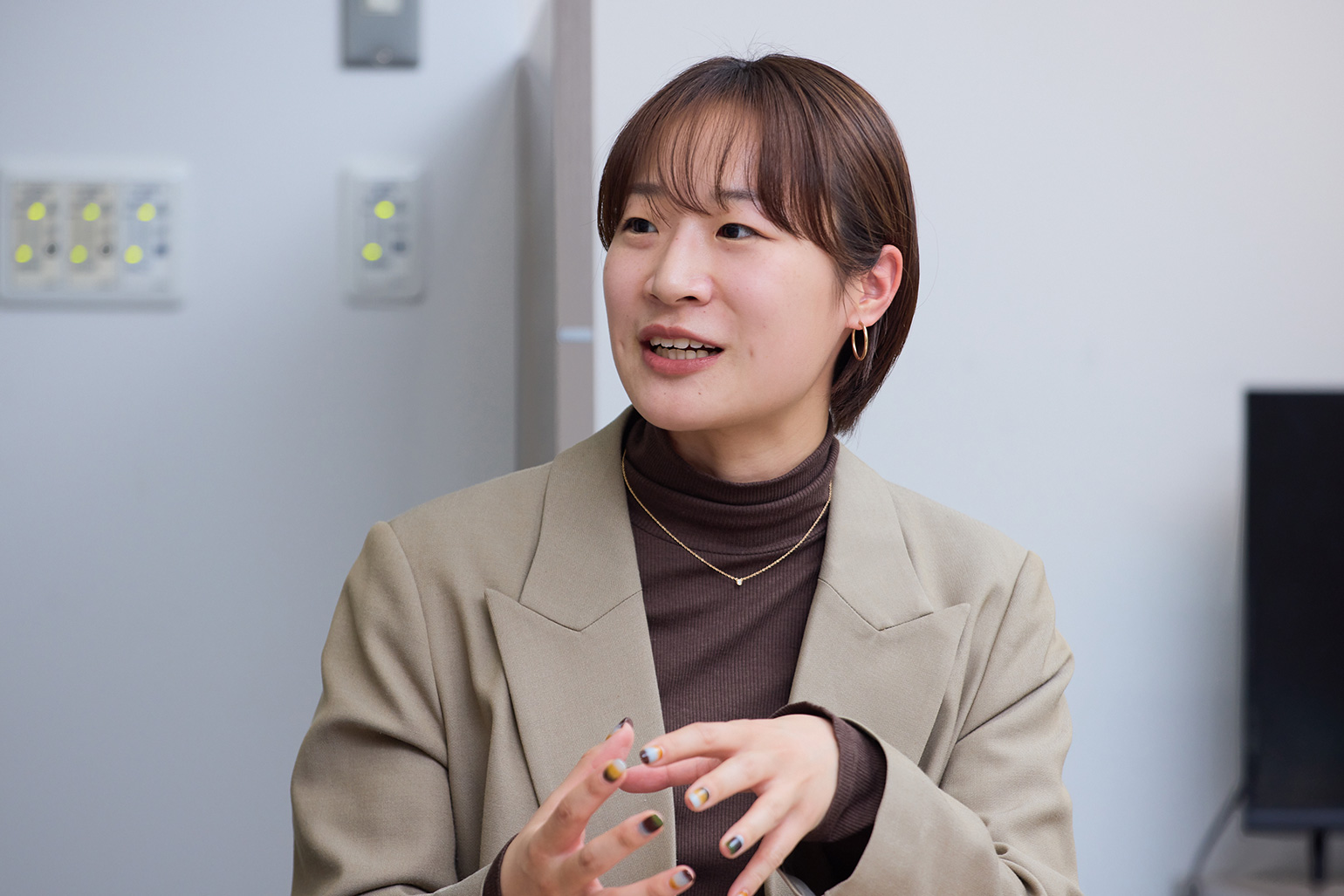
The business operations of "Xross Innovation BOSAI" are managed by Sendai City, along with Tokio Marine & Nichido and Dentsu Group.
On August 28, 2025, Sendai City spearheaded the launch of " Xross Innovation BOSAI," formed through collaboration with Tokio Marine & Nichido and the Dentsu Group. It was established as a co-creation consortium where wisdom and actions gained from diverse experiences—transcending fields, generations, regions, and borders—intersect ("X"), creating new value.
This consortium aims to generate numerous initiatives contributing to regional disaster prevention and mitigation through the assets and resources held by its many participating stakeholders. Currently, 10 entities, including Tokio Marine & Nichido and those with comprehensive partnership agreements with Sendai City, participate in forming the consortium.
This series explores the significance and potential of industry, academia, government, finance, and citizens collaborating to solve regional social challenges, as well as insights for advancing B2B2S (Business to Business to Society) initiatives.
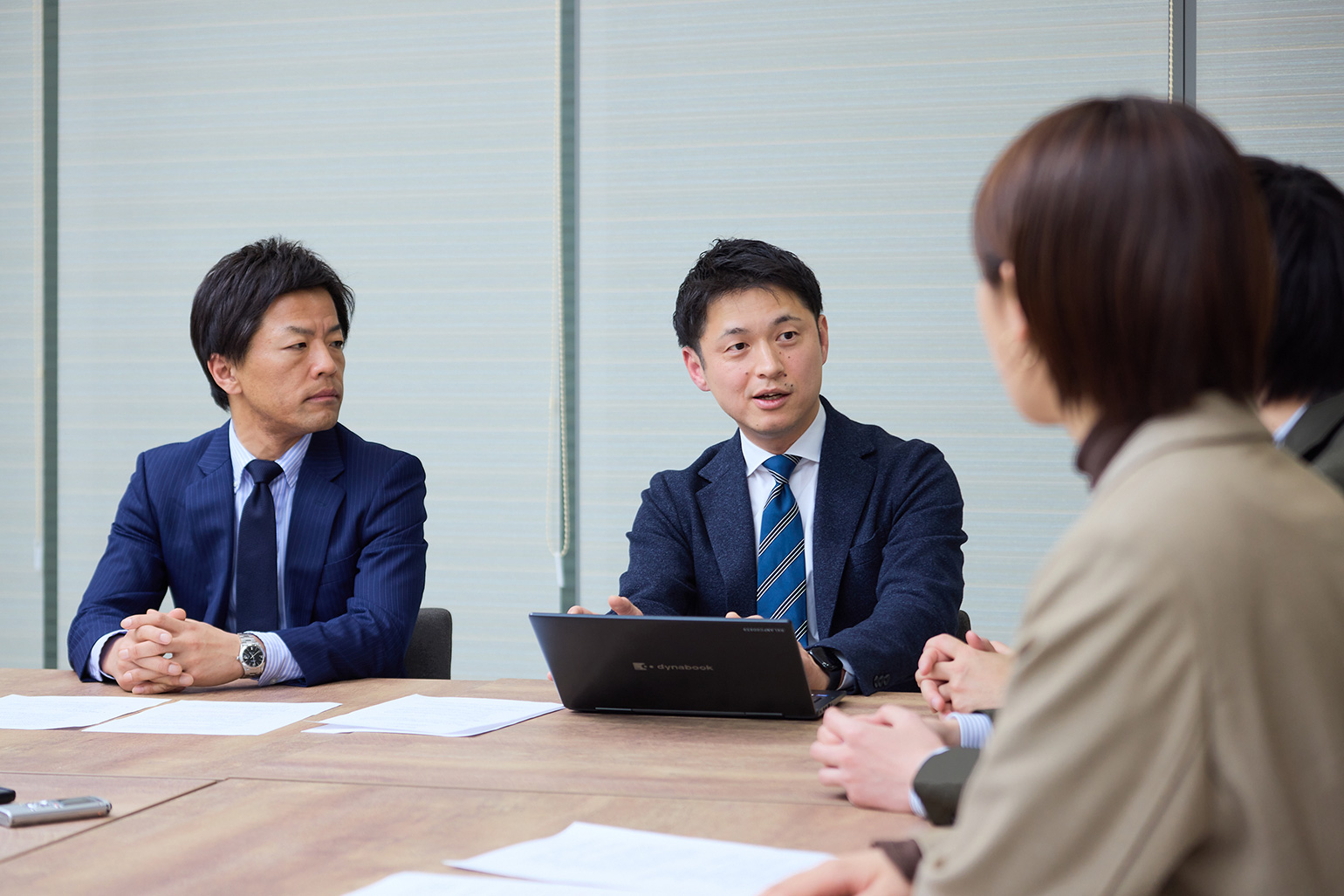
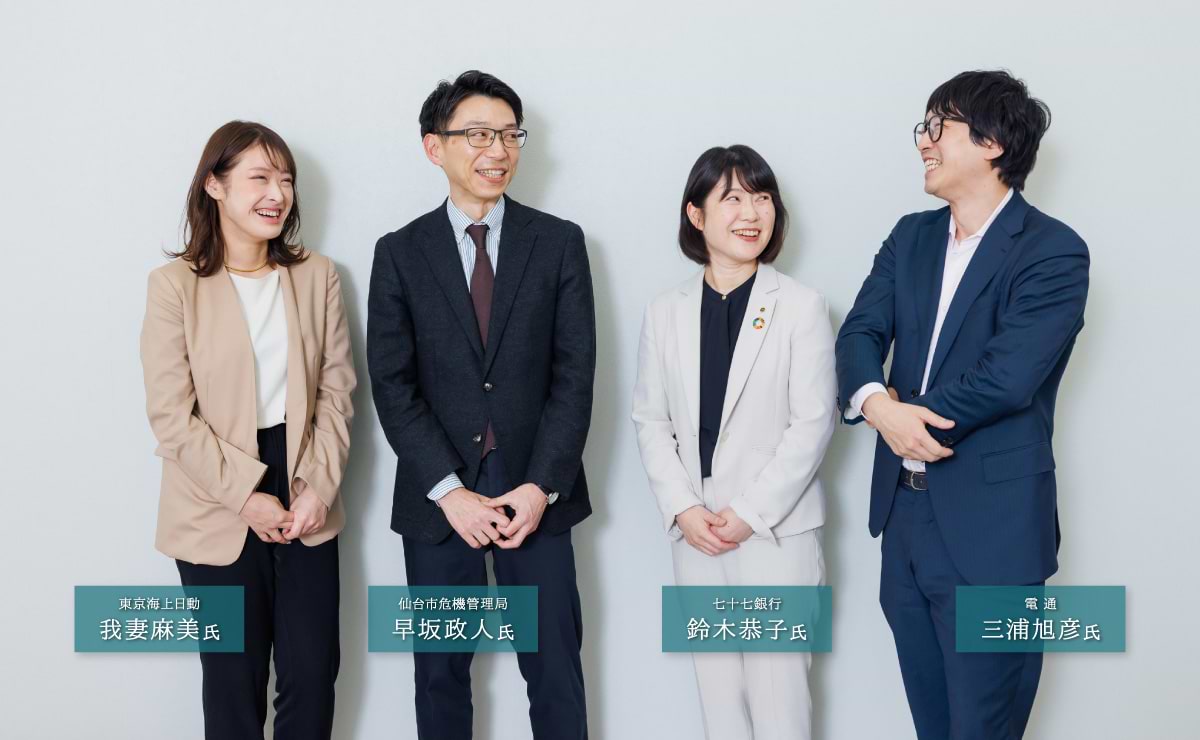
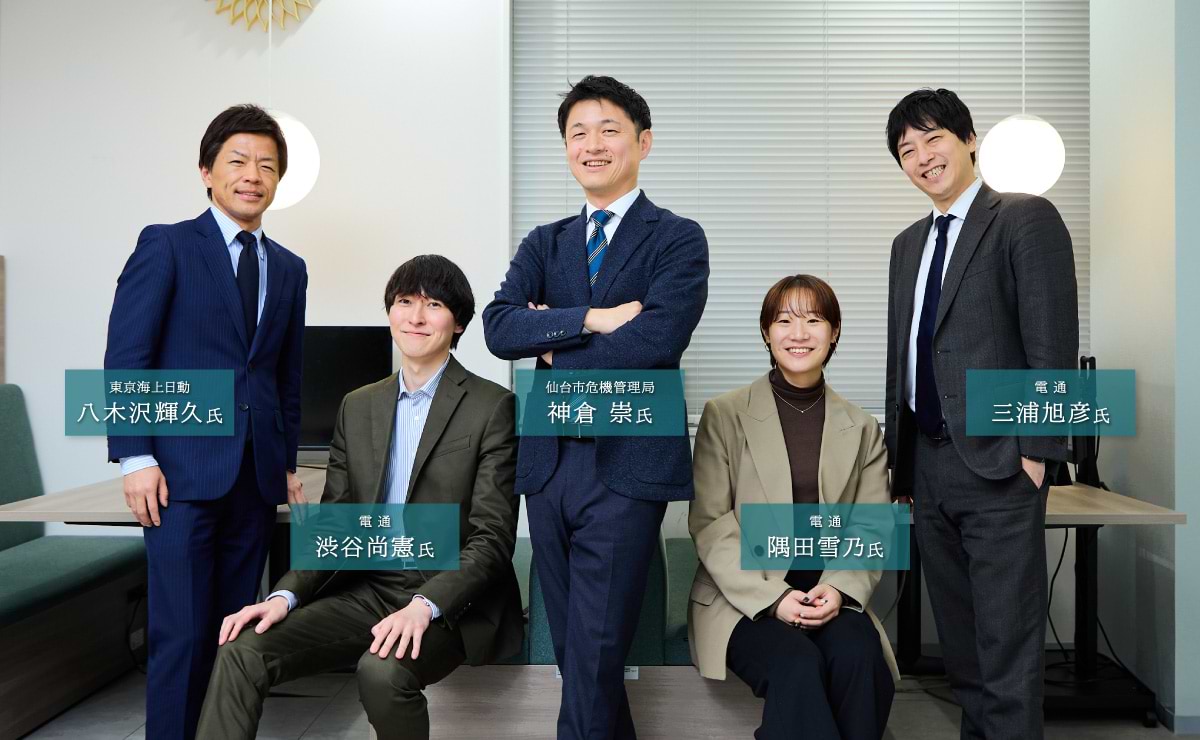
This installment features a roundtable discussion with five project members from the Sendai City Crisis Management Bureau, Tokio Marine & Nichido Fire Insurance, and Dentsu Inc., who are leading the operational management of "Xross Innovation BOSAI."
What is essential for creating a mechanism that fosters innovation by combining the strengths of various organizations?
Disaster Prevention Challenges Facing Sendai City and Japan. What is the UN Disaster Prevention Framework "Sendai Framework for Action 2015-2030"?
Shibuya (Dentsu Inc.): First, I'd like to ask Mr. Kamikura about the background behind this project's creation.
Kamikura (Sendai City): About five years ago, when I was serving as the Director of Industrial Promotion at Sendai City's Economic Affairs Bureau, my primary focus was on how to support the growth of local SMEs and IT companies.While Sendai City has major local corporations like The 77 Bank and Iris Ohyama, it faced the challenge of having few listed companies. To achieve sustainable regional economic development, it is essential to create an environment where diverse companies can grow and new industries can flourish. While considering directions for corporate growth, I thought of the rapidly growing group of IT companies in the US known as "GAFA" (※1).
This wasn't about aiming to become a giant corporation ourselves, but rather recognizing that there were lessons to learn from their success stories—such as building mechanisms to co-create new value with diverse stakeholders as a platform provider.
Sendai City possesses numerous strengths in the disaster prevention field, including the International Research Institute of Disaster Science at Tohoku University. To leverage these local resources and create new value by combining IT and disaster prevention, we first decided to establish an "Innovation Platform" connecting industry, academia, government, and finance. The initiative that concretized this vision is the " Sendai BOSAI-TECH Innovation Platform " (*2), which supports the creation of disaster prevention businesses utilizing technology.
Last year, I was assigned to the Disaster Reduction Promotion Division of the Crisis Management Bureau, where I became acutely aware of the need for new disaster prevention and mitigation initiatives. To tackle pressing challenges like reducing the projected death toll from earthquake fires and enhancing regional disaster resilience, while engaging diverse stakeholders through a more socially implemented approach, we conceived this consortium: "Xross Innovation BOSAI."
※1 GAFA = An acronym for the major U.S. IT companies Google, Apple, Facebook (now Meta), and Amazon. They hold significant global influence as platforms for web and IT-related services. ※2 Sendai BOSAI-TECH Innovation Platform = A platform for the social implementation of disaster prevention technology, co-creating new businesses through the convergence of disaster prevention, IT, and business, and expanding them domestically and internationally. Approximately 300 companies and organizations from 17 countries and regions participate.
Miura (Dentsu Inc.): I was unaware that GAFA served as the model for the concept.
Kamikura (Sendai City): "Innovation" generally refers to creating new value by combining different existing values. Meanwhile, Sendai City possesses "trust" accumulated over many years as a local government.
By combining this value of trust with all manner of other values, we can co-create significant, unique value. This could lead to the substantial reduction in disaster risk and damage that the Sendai Disaster Risk Reduction Framework aims for. That conviction was the starting point for launching Xross Innovation BOSAI.
Shibuya (Dentsu Inc.): What specifically does the Sendai Framework entail?
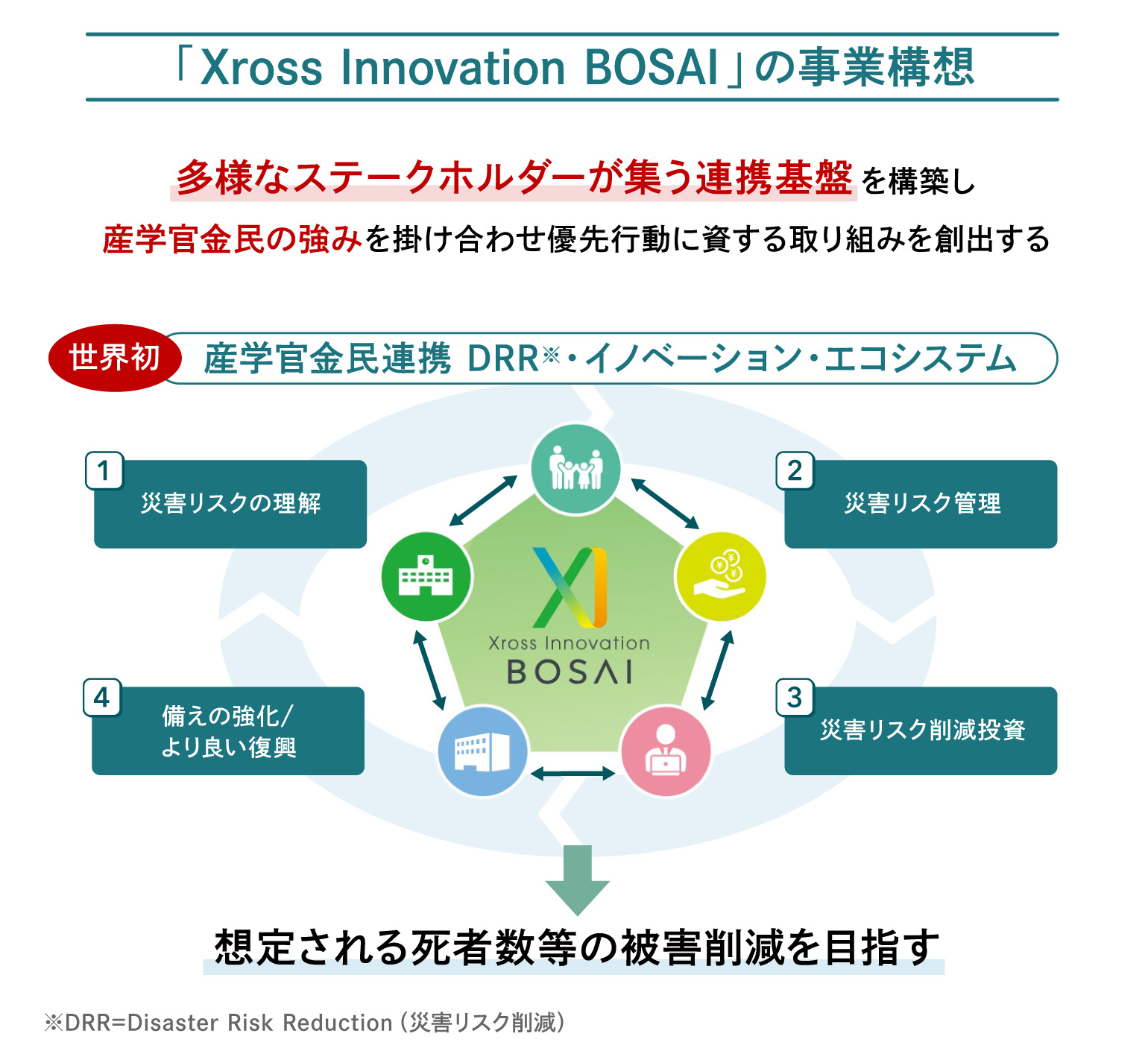
Kamikura (Sendai City): Following the 2011 Great East Japan Earthquake, the "Third UN World Conference on Disaster Risk Reduction" was held in Sendai City in 2015. The adoption of the "Sendai Framework for Disaster Risk Reduction 2015-2030," which serves as an international action guideline for disaster prevention, was a monumental event for our city. This framework emphasizes: 1. Understanding disaster risks 2. Disaster risk management 3. Investment for disaster risk reduction 4. Strengthening preparedness and "building back better" are woven into society as a whole to create a major momentum for disaster prevention.
A defining feature is that this is not solely advanced by government. Instead, it involves collaboration with diverse stakeholders—civil society, volunteers, academic and research institutions, businesses and professional associations, charitable organizations, private financial institutions, and media—representing the so-called "industry, academia, government, finance, and civil society."
Furthermore, the Sendai Framework for Disaster Risk Reduction has been adopted as an evaluation metric for setting SDG targets and is positioned as one of the "three major international agendas," alongside the Paris Agreement and the SDGs.
Miura (Dentsu Inc.): I see. So the disaster prevention philosophy originating from Sendai is playing a significant role within this major global trend.
Kamikura (Sendai City): On the other hand, observing disaster prevention activities on the ground, we see citizens, primarily through neighborhood associations, working with genuine dedication. Elementary and junior high schools are also actively implementing disaster education, led by their respective disaster prevention coordinators. However, to be honest, the significance and necessity of these efforts have not yet fully reached households with limited ties to neighborhood associations or working generations like ours.
And this challenge isn't limited to Sendai City; I believe the same trend can be seen nationwide.
It is essential to embed the concept of "pre-disaster preparedness" into citizens' daily lives.
Shibuya (Dentsu Inc.): Why hasn't awareness of disaster prevention and mitigation taken root among citizens?
Kamikura (Sendai City): One reason is that disaster prevention efforts before the Great East Japan Earthquake were heavily focused on post-disaster response, or so-called "reactive disaster prevention." For example, when we heard "disaster prevention" in school, we were taught actions immediately after a disaster, like "hide under your desk if an earthquake strikes."
Furthermore, a major challenge is the tendency to fall into the so-called "normalcy bias" – the assumption that "since we haven't suffered major damage before, we'll be fine going forward."
Miura (Dentsu Inc.): Evacuation drills are widespread, but they're also a post-disaster response, right?
Kamikura (Sendai City): Yes. Evacuation drills correspond to Priority Action 4, "Strengthening Preparedness," within the Sendai Framework for Disaster Risk Reduction we mentioned earlier.
Sumida (Dentsu Inc.): I also get the impression that "passing on traditions" – sharing the history and experiences of past disasters – is considered important...
Kamikura (Sendai City): That also falls under Priority Action 4. Passing on traditions is a very important effort, but simply passing on the experiences and lessons of the Great East Japan Earthquake alone cannot significantly reduce disaster risk.Natural disasters encompass not only earthquakes and tsunamis, but also floods, inundation, landslides, storm surges, volcanic eruptions, and more. Countermeasures differ entirely for each disaster. While municipalities create and publish hazard maps for natural disasters, it's also true that many people still perceive them as "not relevant to me."
This is precisely why, as outlined in the Sendai Framework for Disaster Risk Reduction, it is crucial to deepen "Understanding Disaster Risks" (Priority Action 1), followed by "Managing Disaster Risks" (Priority Action 2). This means properly identifying the disaster risks to oneself and one's family, anticipating potential damage, and organizing challenges and countermeasures.Based on these measures, implementing Priority Action 3—"Investing in Disaster Risk Reduction"—such as practicing rolling stock management, securing furniture, and obtaining insurance, is what finally allows "pre-disaster preparedness" to have a significant impact.
Relying solely on post-disaster responses makes it difficult to significantly reduce damage to life, limb, and property. Above all, peacetime actions based on the concept of "pre-disaster preparedness" are essential.
Shibuya (Dentsu Inc.): What should we aim for to achieve this?
Kamikura (Sendai City): For example, the Nagamachi-Rifuse Fault Zone crosses Sendai City. The Fifth Earthquake Damage Estimation Survey published by Miyagi Prefecture showed extremely severe projected damage from fires if this fault zone were to become active: 845 fatalities and 17,825 buildings destroyed.
Based on these projections, our city formulated the "Sendai City Disaster Countermeasures Action Plan" in 2025, setting a clear goal to reduce the death toll by more than 50% over the next decade. However, achieving this goal is impossible through "post-disaster prevention" measures alone. It is essential to firmly embed the concept of "pre-disaster prevention" into the daily lives of our citizens.
The key lies in collaboration among diverse stakeholders—not just government, but also businesses, academic institutions, media, and citizens. Through innovation-driven value creation, we must integrate four priority actions into lifestyles and solutions, building a circular ecosystem where society as a whole reduces disaster risk.
Shibuya (Dentsu Inc.): So, the "Xross Innovation BOSAI" consortium aims to implement the Sendai Framework for Disaster Risk Reduction in society.
Regarding the significance of participating in "Xross Innovation BOSAI" and the respective roles
Miura (Dentsu Inc.): Initiatives like pre-disaster preparedness fall within Tokio Marine & Nichido's business domain and represent an area where their strengths can be leveraged. What was the original reason for joining this consortium?
Yagisawa (Tokai Marine & Nichido Fire Insurance / hereafter Tokai): As you mentioned, we engage in property and casualty insurance and life insurance businesses. We focus not only on post-disaster responses like insurance payouts but also on pre-disaster preparedness initiatives aimed at mitigating disaster damage as much as possible.In that sense, disaster prevention and mitigation are highly compatible areas for us. Enhancing "resilience" (the ability to respond swiftly and recover when facing difficulties or crises) at the community level is also one of our core objectives. As an organization supporting the reconstruction of our customers' lives and businesses, we believe our raison d'être lies in consistently addressing local social challenges.
In November 2022, we signed a comprehensive partnership agreement with Sendai City to tackle regional challenges together. Our involvement stemmed from the belief that by solving Sendai's disaster prevention-related issues, we could also generate revenue for our company.
Kamikura (Sendai City): The execution power and influence possessed by industry-leading companies like Tokio Marine & Nichido and Dentsu Inc. Combined with the value Sendai has cultivated as the adopted city of the Sendai Framework for Disaster Risk Reduction and our ability to connect stakeholders. By applying these two strengths to disaster prevention challenges, we believe we can update global disaster prevention into a "new form" that is more comfortable and accessible for everyone.
Miura (Dentsu Inc.): At Dentsu Inc., our core value creation model "B2B2S" (*3) is centered on contributing to society by solving social issues. This project was an unparalleled opportunity. While we regularly collaborate with various companies on diverse initiatives, we often feel that many goals cannot be achieved by a single company alone.
In this context, Sendai City possesses the centripetal force to unite stakeholders as a local government and lead from a high vantage point. This excites us, as it means we can join forces to help change society.
※3 B2B2S stands for Business to Business to Society. It refers to a business model where companies (Business) deliver value to society (Society) as a whole through other companies (Business).
Kamikura (Sendai City): When creating new businesses through innovation, rival companies often resist collaborating. This is where Sendai City's "power of trust" comes into play.
Precisely because we are a neutral administrative body, we can call out: "Even if you're competitors, why not co-create for the common goal of disaster prevention and mitigation?" We believe that by serving as a bridge, the administration can foster an environment where companies feel secure in joining forces.
Shibuya (Dentsu Inc.): Dentsu Inc.'s role is to consolidate participating companies' opinions and support their implementation, while also managing the entire project. Beyond this framework, we focus on generating non-linear, new value and guiding its realization. We approach this not merely as supporters, but with the mindset of becoming equal stakeholders and partners who run alongside them.
Kamikura (Sendai City): Thank you. We find this truly reassuring!
Dentsu Inc. accurately depicts the consortium's vision and meticulously organizes and proposes the necessary steps to achieve it.Their sincere attitude, working alongside us to build the future, always encourages us and gives us the strength to take on challenges. Furthermore, their ability to understand the aspirations of participating businesses while guiding the whole toward a unified direction is truly exceptional. We strongly feel that Dentsu Inc. is an indispensable partner for us.
Shibuya (Dentsu Inc.): Personally, I find immense fulfillment in this work. The greatest motivation is knowing we are contributing to society. Furthermore, I find joy and satisfaction in seeing Sendai City and each participating company working as one team toward the shared goal of social contribution, without any hierarchy of superiority or inferiority.
Kamikura (Sendai City): As Mr. Miura mentioned earlier, in the field of disaster prevention, many things cannot be achieved by a single company alone. Even working only with group companies tends to lead to a biased perspective. That's precisely why combining the strengths of various businesses is essential to achieve truly valuable implementation.
Sumida (Dentsu Inc.): Seeing competitors and companies from different industries join hands toward a common goal truly makes me believe society can move forward, and I feel tremendous energy. Above all, I believe it's the kindness and warmth of the people of Sendai City that makes this 'one team' approach possible.
What will disaster prevention look like in 10 years under an "ego" system?
Yagisawa (Tokai): Earlier, I mentioned that solving social issues is the raison d'être of Tokio Marine & Nichido. By joining this consortium, we've been able to match with various comprehensive partnership agreement companies and develop new businesses we couldn't have done alone. It's truly fascinating that this has created a new domain for solution businesses that foster co-creation.
For example, by matching us—who possess disaster prevention solutions—with The 77 Bank, their bank tellers can now introduce our group's products to their corporate clients. This allows us to expand our own products through new networks while also contributing to solving social issues. Creating a mutually beneficial relationship is a key motivator.
Miura (Dentsu Inc.): Tokio Marine Nichido's drive is remarkable. They actively engage with diverse companies, and this proactive approach is a key driving force behind the consortium.
Sumida (Dentsu Inc.): Another defining feature of this consortium is how we've become one team using "ego" as our common language. Each business partner openly shares what they want to achieve or sell, collaborating and discussing together. This openness makes matching easier and creates an environment where innovation can flourish.
Yagisawa (Tokai): That's exactly what Mr. Kamikura named it – not an "ecosystem," but an "egosystem" (laughs).
Sumida (Dentsu Inc.): "Ego" has stopped being a negative word for us, hasn't it? (laughs)
Kamikura (Sendai City): "Combining the 'desires' of consortium participants is the driving force behind the ecosystem." The term "egosystem" suddenly came to mind as a concise way to express this value.
Natural ecosystems circulate because living things act on instinct and desire, and that chain creates a large cycle, right? We believe that by combining our positive desire to "solve social issues with our solutions," we can drive an "innovation ego-system" that continuously reduces disaster risk through chain reactions.
Yagisawa (Tokai): In our work, solving a client's problem means our proposal is accepted—so ultimately, it's about ego, right?
Miura (Dentsu Inc.): For example, what kind of situation would make you feel this consortium has succeeded in 10 years?
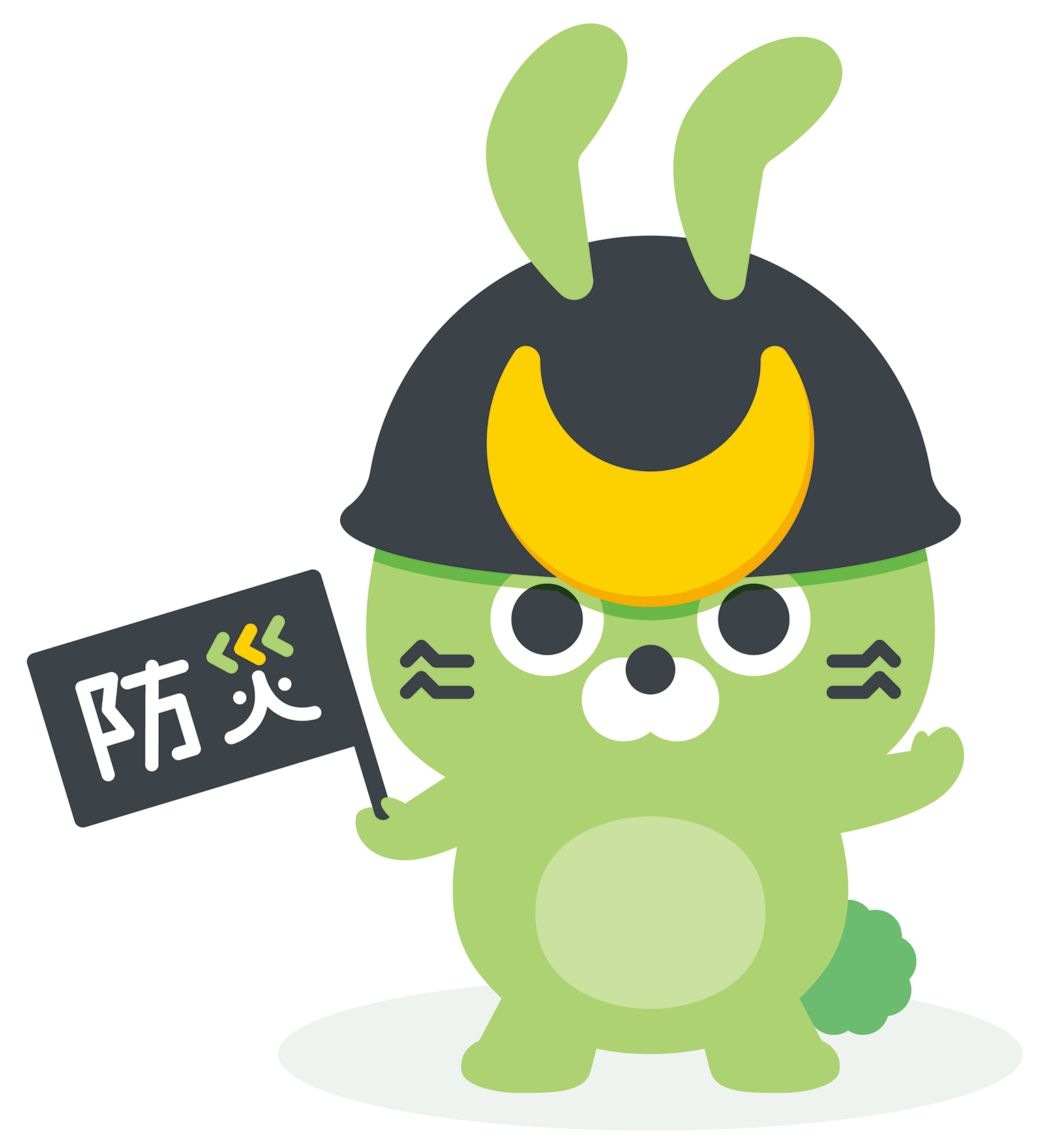
Kamikura (Sendai City): The ideal isn't the traditional black-and-yellow "warning colors" often seen on caution signs. Instead, it's a vision where disaster prevention quietly and naturally blends into everyday life. For instance, a scene where "Usabō," the Sendai Disaster Prevention Promotion Leader character, is present in various places around the city, and disaster prevention is simply a natural part of diverse initiatives across different fields.
Furthermore, a society where citizens naturally understand their own disaster risks, take necessary precautions, and manage their risks—including through insurance—as a matter of course. It's also crucial that mechanisms supporting this awareness and action are subtly integrated into all solutions. This state, where disaster prevention blends seamlessly into our daily, enjoyable, and comfortable lives, is precisely how I believe disaster prevention should be.
The character "Usabō" (Rabbit Disaster Prevention), the Sendai Disaster Prevention Promotion Leader.
Shibuya (Dentsu Inc.): That's wonderful.
Kamikura (Sendai City): As our most immediate initiative toward this ideal state, we will conduct a joint disaster prevention campaign called "Sendai Disaster Prevention WEEK" with consortium members in early March, marking the 15th anniversary of the Great East Japan Earthquake.The vision is to create new innovations by combining each company's business domain with disaster prevention, including partners like Tokio Marine & Nichido, AEON Tohoku, Miyagi Co-op, POLA, and Iris Plaza Daiyuki Company. We see "Sendai Disaster Prevention WEEK" as the opening act to spread this new vision of disaster prevention throughout society. Furthermore, this framework can become a model applicable to cities worldwide.Together, let's build a globally recognized standard for disaster prevention, starting from Sendai. That is our wish.
Miura (Dentsu Inc.): Ultimately, we want this to serve as a beacon, spreading nationwide and globally. We would be delighted if our skills, like the Xross Innovation BOSAI initiative, could contribute to co-creation with various municipalities, countries, companies, and citizens, helping to build a better society.
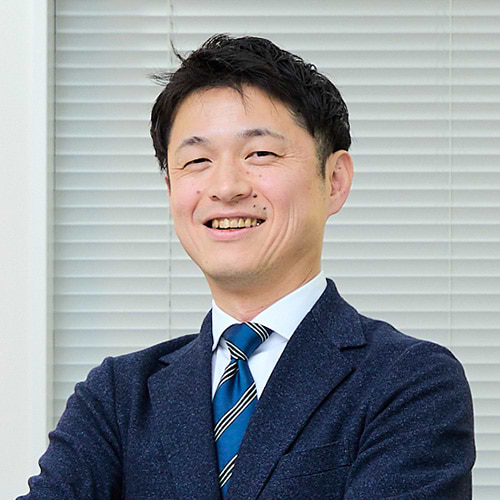
In Sendai City, he is responsible for promoting disaster mitigation policies based on disaster prevention innovation. He spearheaded the collaboration among industry, academia, government, finance, and the private sector, leading the launch of the “Sendai BOSAI-TECH Innovation Platform,” which involves approximately 300 companies and organizations from 17 countries and regions worldwide. Leveraging this experience, he is contributing to the advancement of policy measures and the development of the disaster prevention industry.
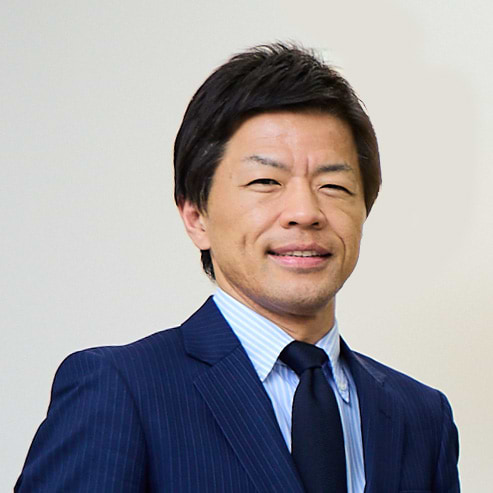
Teruhisa Yagisawa
Tokio Marine & Nichido Fire Insurance Co., Ltd. Sendai Branch
Regional Strategy Promotion Office
Manager
Based in Sendai, I lead industry-academia-government-finance-community collaboration in disaster prevention and mitigation. Building on risk expertise and regional networks cultivated as an insurance company member, I participated in launching and planning/operating "Xross Innovation BOSAI." My goal is to establish a co-creation model that enhances regional resilience while achieving business growth, working alongside diverse players.
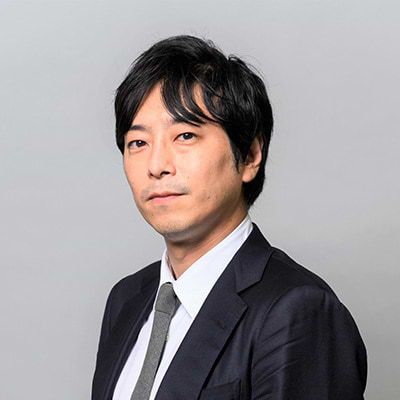
Miura Teruhiko
Dentsu Inc.
Business Transformation Division 1
Group Innovation Director / Group Integrated Producer
Supporting business growth from conceptualizing transformation to launch and execution. Taking a challenge-first approach without limiting domains, engaged in consulting and production across diverse fields: product/service development, marketing strategy formulation, CR development, and operational reform. In this rapidly changing world, my purpose is to work hand-in-hand with client partners—worrying, thinking, solving problems together, and finally raising a celebratory toast. Hints for creating "the ultimate customer experience" PLAZMA 15 Speaker / Manager of Hitotsubashi University's "Ideas Lab to Make the World a Little More Interesting" / Other
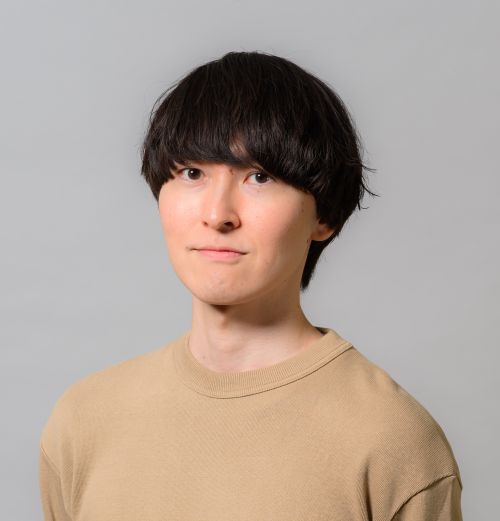
Originally from an IT consulting firm. Joined Dentsu Inc. to commit more deeply to clients' business growth. Primarily handled new business development and digital marketing/CRM domains. As a planner, I didn't stop at conceptual design but worked side-by-side with clients, leading through to execution.
We provide end-to-end business growth support and solutions, from consumer-centric conceptualization and strategy development to implementation and execution. We partner with regions and sponsoring companies on sports marketing strategies, manage digital solution projects, and support corporate culture transformation—accompanying clients daily to solve their diverse challenges.

 The Power of Co-Creation to Revolutionize Disaster Preparedness—A Sendai-Based Project Shaping the World's Future— [1/2]