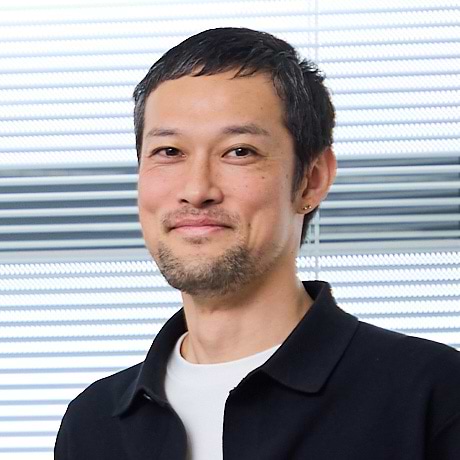
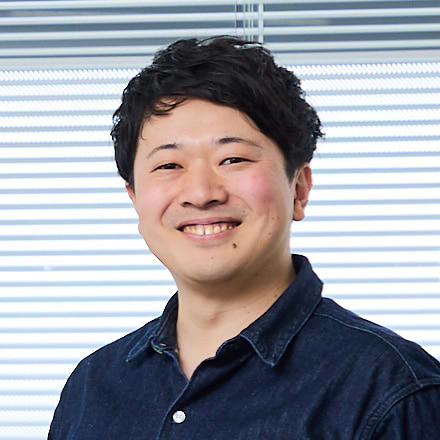
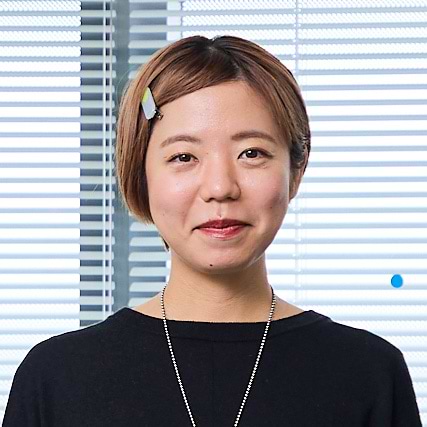
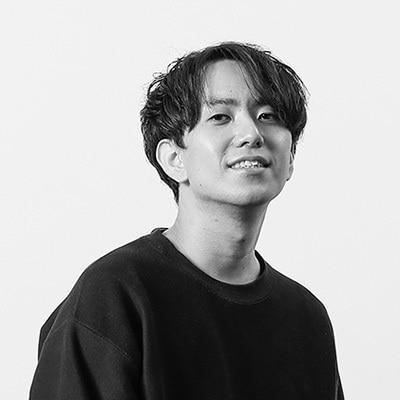
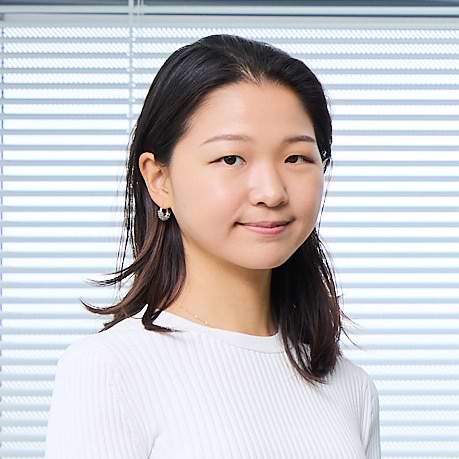
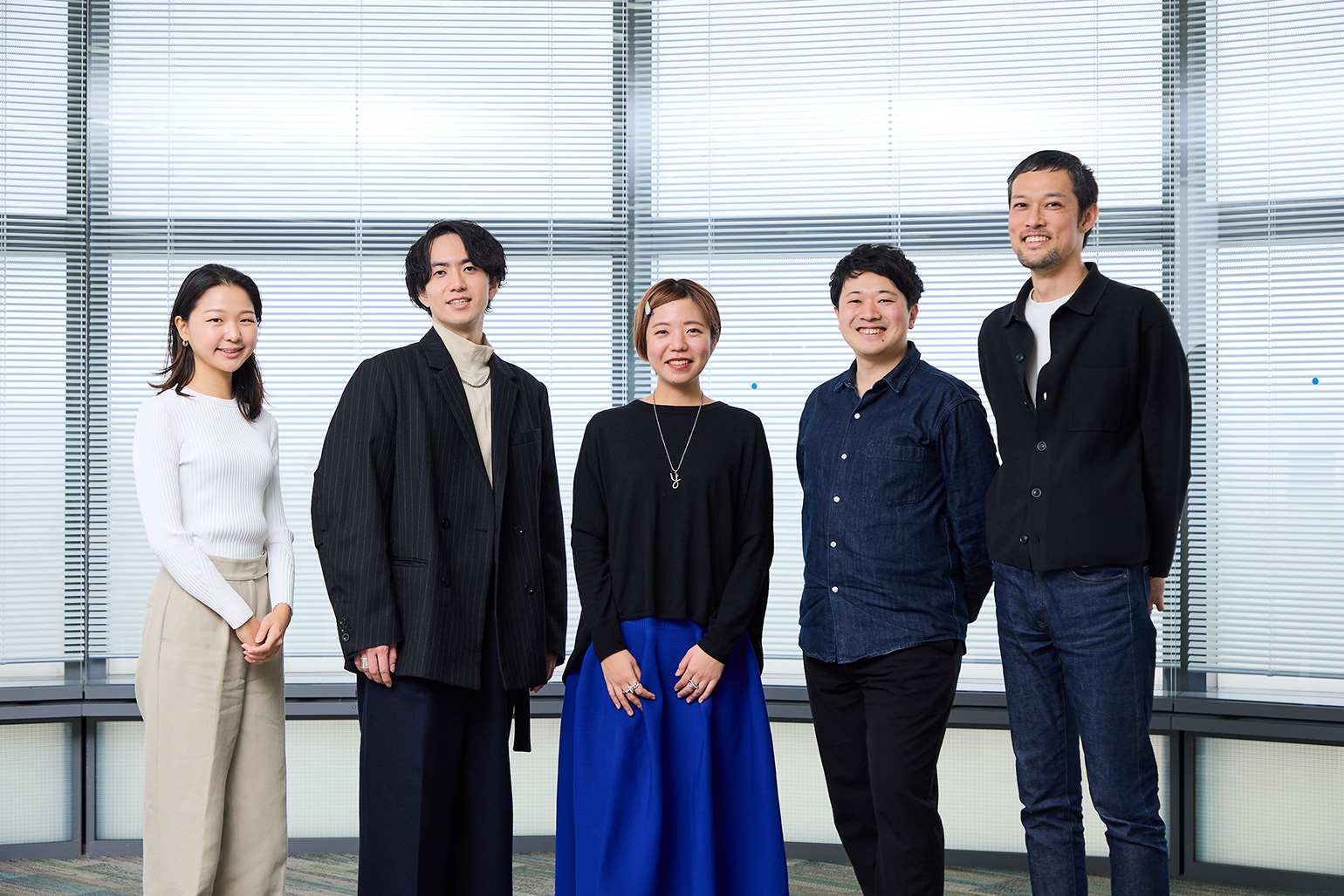
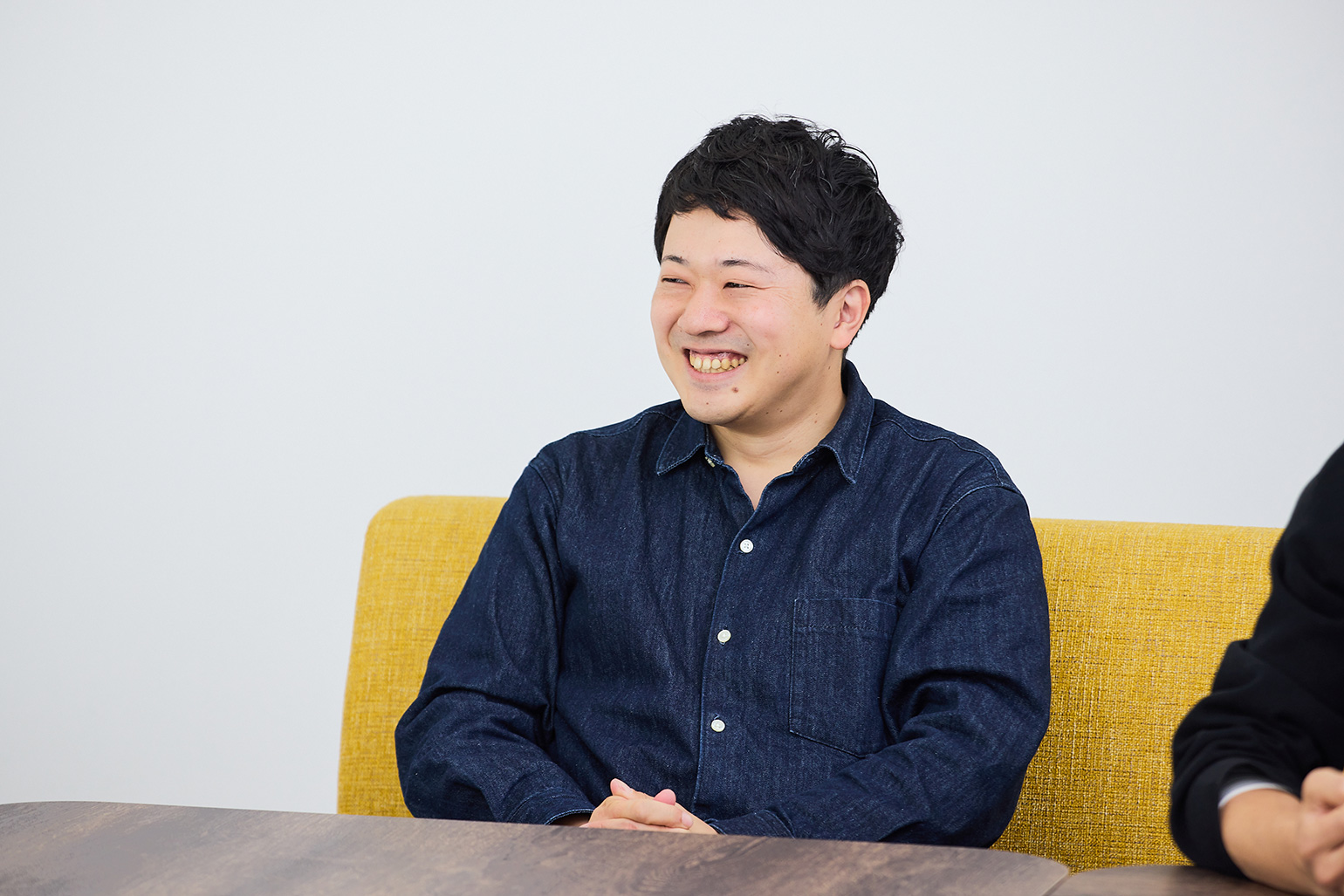
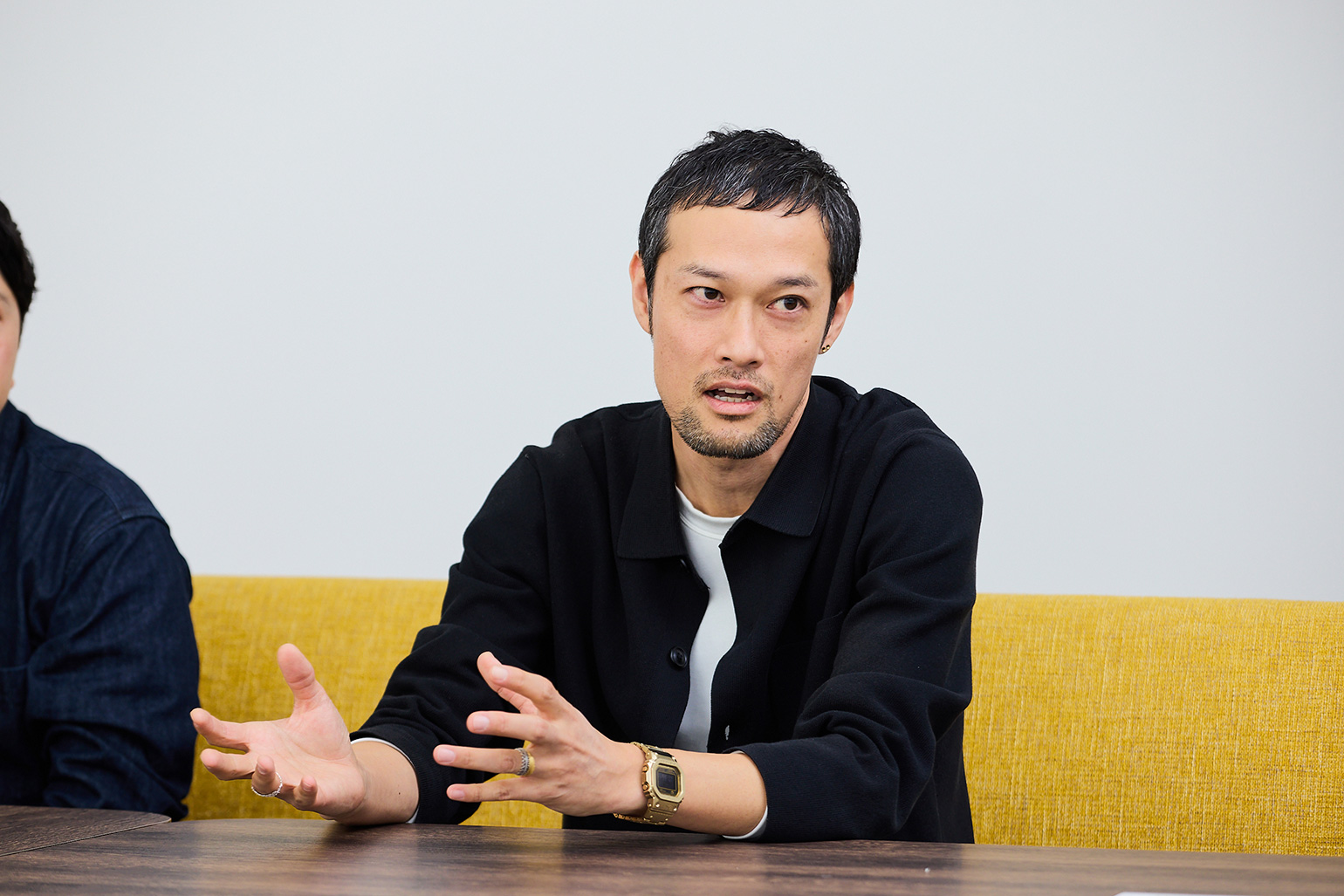
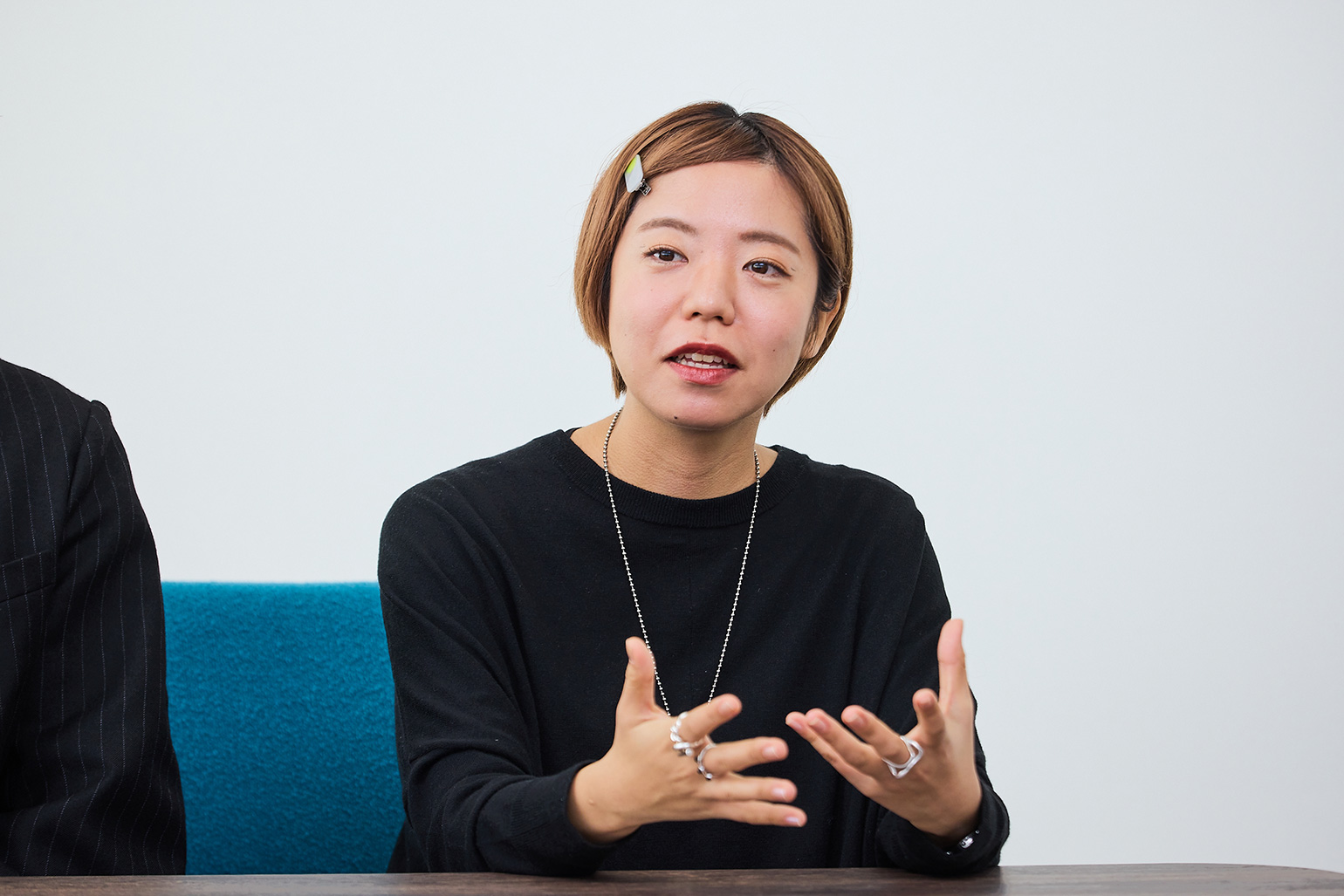
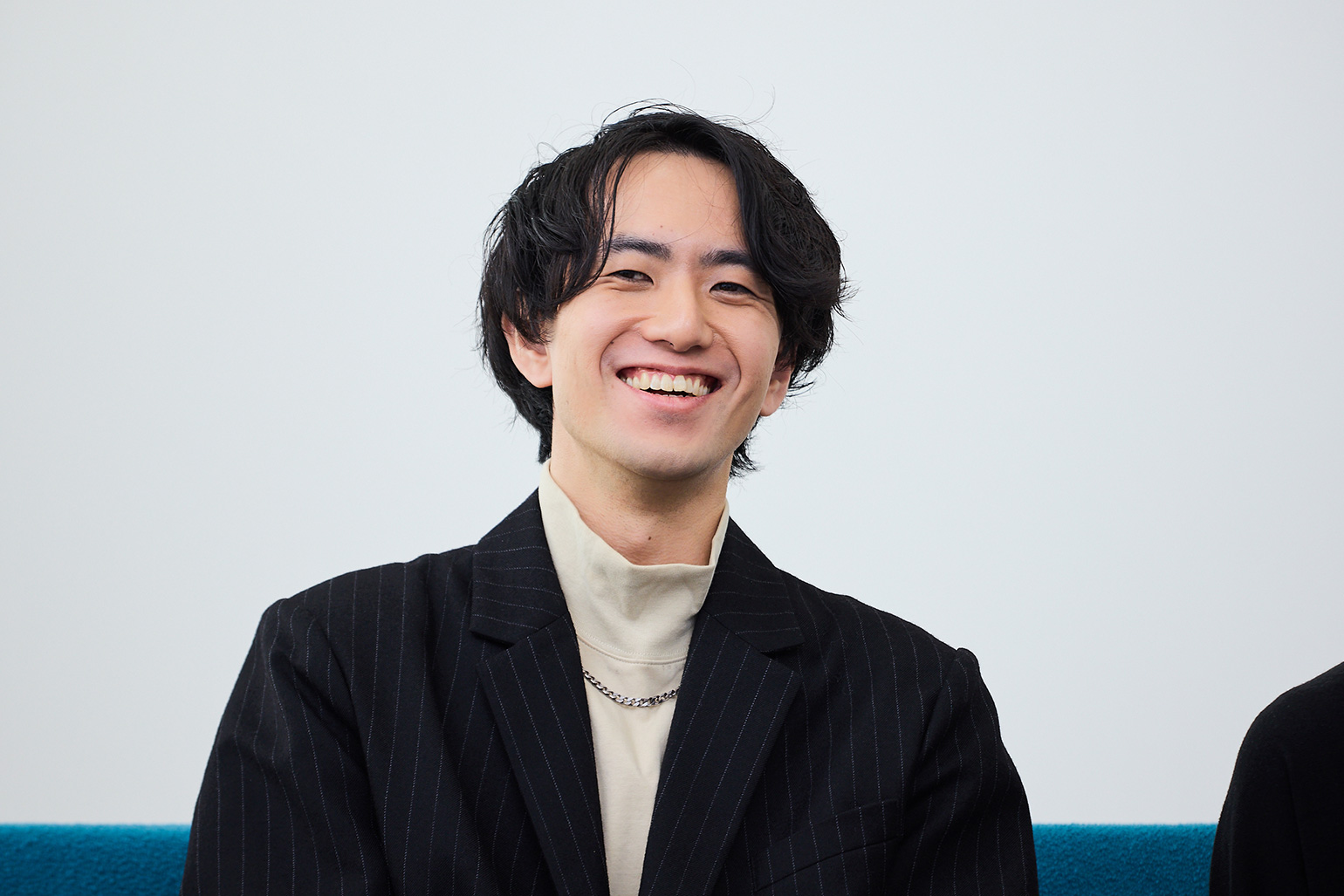
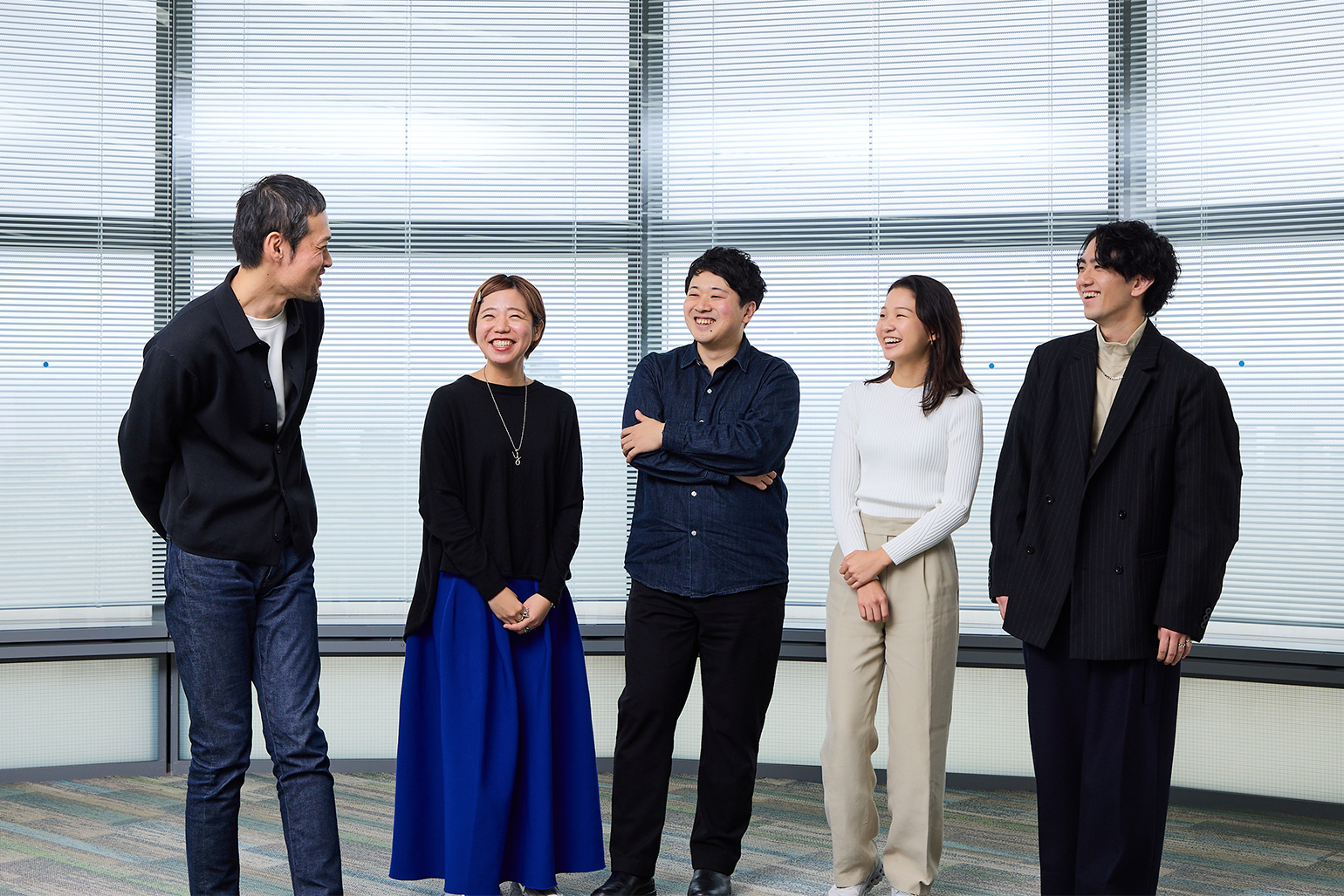
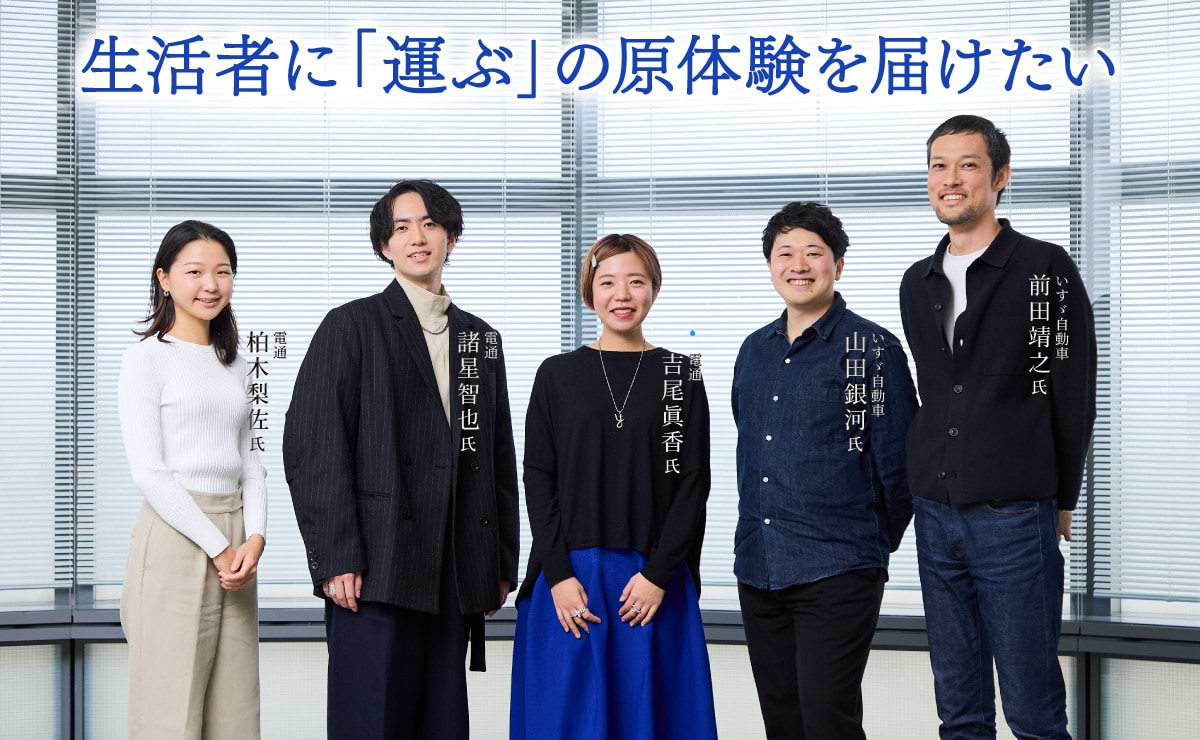
(From left) Risa Kashiwagi, Tomoya Morohoshi, and Mako Yoshio of Dentsu Inc.; Ginga Yamada and Yasuyuki Maeda of Isuzu Motors
The "Japan Mobility Show" (hereinafter JMS) brings together the latest domestic mobility technologies.
The Isuzu/UD Trucks booth attracted attention not only from B2B professionals but also from general visitors by creating a future "transportation" experience for 2025.
In this article, following up on our previous coverage, we take a look behind the scenes at the creation of this booth, which was filled with various ingenious touches.
Our guests this time are Yasuyuki Maeda from the Isuzu Motors Design Center, who served as creative supervisor, and Ginga Yamada from the Public Relations Department.
We also asked Tomoya Morohoshi, Creative Technologist at Dentsu Lab Tokyo, and copywriters and planners Mako Yoshio and Risa Kashiwagi—who handled the production—to reflect on their collaboration spanning nearly a year.
We wanted to deliver the fundamental experience of “transportation” to consumers
──Please tell us how you positioned JMS within Isuzu Motors’ public relations activities and what your approach was for the 2025 exhibition.
Yamada: JMS is one of the major trade shows for the mobility industry, and for our company—which focuses primarily on B2B commercial vehicles—it is a valuable opportunity to connect with the general public. We position it as a crucial showcase that serves as a starting point for corporate branding.
In particular, since Isuzu assumed the role of chair company for the Japan Automobile Manufacturers Association (JAMA) from 2024 to 2025, we also felt a sense of responsibility to take the lead in embodying JMS’s concept: “Let’s go find an exciting future!”
Mr. Ginga Yamada, Isuzu Motors Public Relations Department
──While B2B clients typically make up the majority of attendees, I believe you placed a greater emphasis on engaging with the general public in 2025. What was the reason for that?
Maeda:In the future Isuzu envisions, we aim to build a mobility infrastructure that can be utilized more freely not only by businesses but also by the general public. On the other hand, given that our current focus is on commercial vehicles, “Isuzu cars” are not widely recognized by the general public. In communicating Isuzu’s future of mobility, we felt it was important to once again effectively reach the general public and clearly demonstrate how Isuzu’s technology is connected to their daily lives.
Yasuyuki Maeda, Isuzu Motors Design Center
──Given those challenges, you organized an exhibition where visitors could experience the “future of transportation.” Rather than a simple display of mobility, you emphasized the “experience” within the booth, which I imagine was a challenging approach for reaching the general public. What was your objective?
Yamada: To begin with, “transportation” is so deeply ingrained in society that it’s taken for granted, so there’s generally little public interest in it. If we simply explain it to people who aren’t interested, they’ll just say, “Oh, I see,” and that’s the end of it. That’s why we felt we needed to design an experience that goes beyond just providing information about “transportation”—one that connects with physical movement so people can truly grasp, “Ah, this is what transportation is all about.”
Maeda: Most people have formative experiences of encountering or riding in cars. But formative experiences of “transportation” are rare, aren’t they? That’s why, ever since the Tokyo Motor Show days, we’ve felt a challenge: no matter how densely packed with information we present our vision of “transportation,” it’s hard to get the message across. To overcome this barrier, creating “experiences” and “moments of realization” became a key focus this time.
What unexpected aspects of Isuzu’s personality emerged from the workshops?
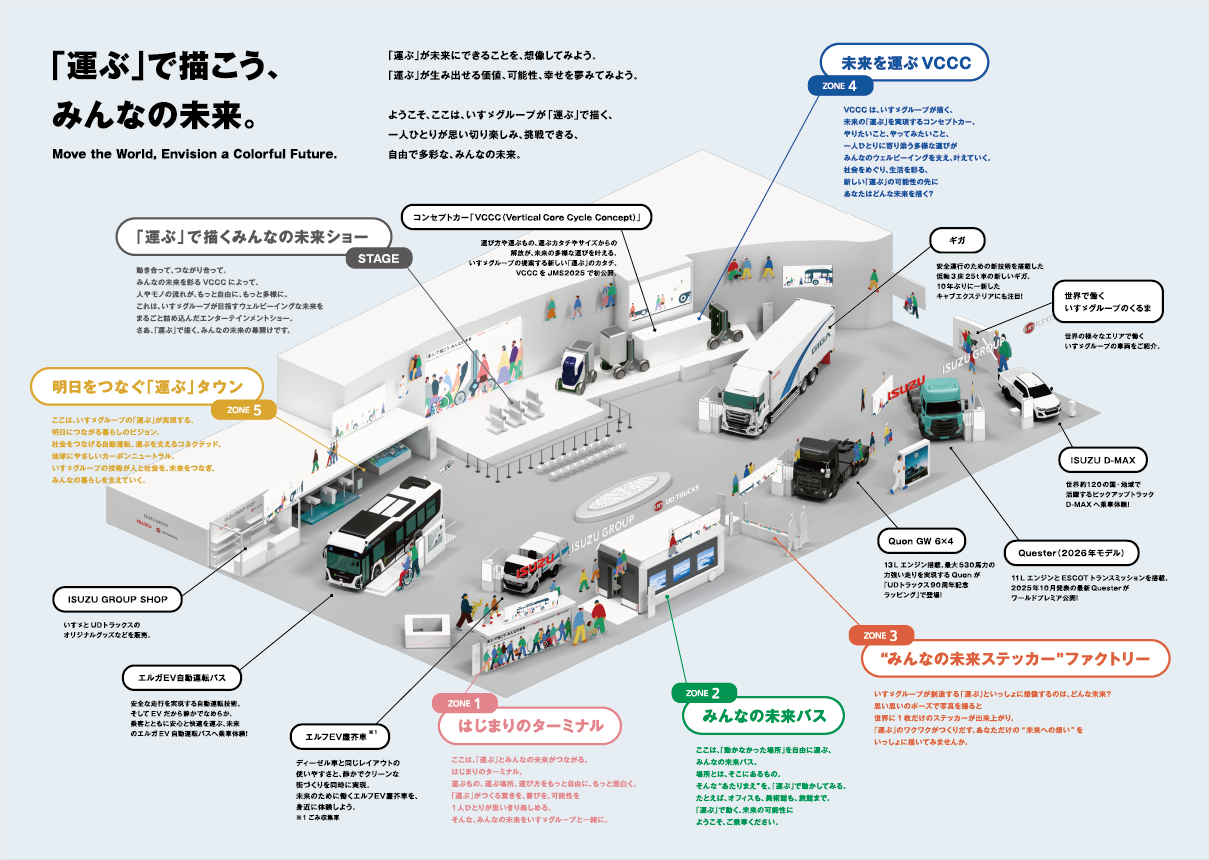
──From here, I’d like to ask the representatives of each zone about the exhibition, which consists of five zones in total, and how they designed “future experiences” based on Isuzu’s technology.
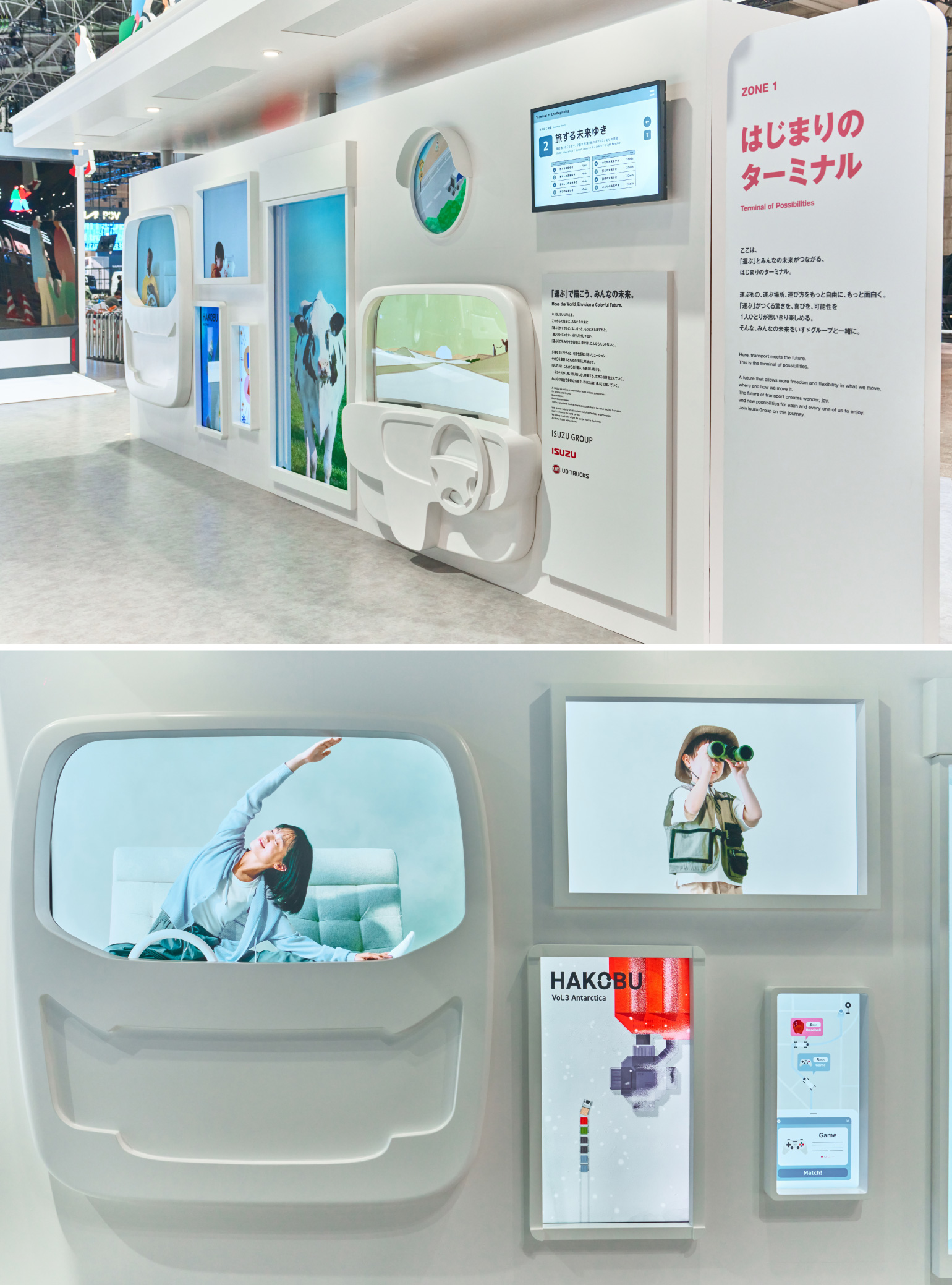
First, in Zone 1, “The Terminal of Beginnings,” which serves as the entrance to the exhibition, various future forms of “transportation” were visualized through videos and other media based on the overarching concept of “Let’s Envision Everyone’s Future Through ‘Transportation.’” Mr. Yoshio, who was in charge of production, what are your thoughts?
Zone 1: “The Starting Terminal.” Future lifestyles featuring various forms of “transportation” are projected onto numerous “windows.”
Yoshio: I’m Yoshio, and I was in charge of planning Zone 1. My goal for Zone 1 was to help visitors “open their minds.” To encourage them to actively imagine their own future behaviors, I aimed to express the possibilities of future “transportation” as simply as possible—much like Doraemon, suggesting that “this and that” could be possible.
For example, we’ve visualized possibilities like, “In a future where autonomous driving is practical, you’ll be able to sleep in the driver’s seat.” Personally, I had absolutely no prior knowledge of truck or bus technology; I learned through workshops with Isuzu and at exhibition facilities. I wanted to recreate that right-brain-style joy of seeing my knowledge grow exponentially from a complete beginner’s perspective (laughs).
Maka Yoshio, Dentsu Inc.
Yamada: As a feature at the entrance to the Isuzu/UD Trucks booth, we initially considered ideas like creating a theater or a tunnel, but after some twists and turns, I think we ended up with a really interesting design. You created a vast array of diverse future scenarios, including video content, which effectively conveyed the concept of “everyone’s.”
──Was the decision to present future possibilities not as a broad category, but rather as a “this and that” approach, made during discussions with Isuzu?
Yoshio: Exactly. The inspiration for this approach came from a workshop we held with Isuzu about a year ago. Around 30 employees from Isuzu and Dentsu Inc. gathered and spent two full days discussing the future as envisioned by Isuzu. As we spoke with people from various departments, we realized that each individual’s perspective on the future was quite diverse.So, rather than presenting Isuzu’s vision of the future as the one “correct” answer, I wanted to convey that diversity.
──I imagine the workshop helped align our perspectives, but how was the experience for Isuzu?
Maeda: We’ve started co-exhibiting with UD Trucks, which recently joined the Isuzu Group, and with the influx of people bringing new perspectives, I think it was a great opportunity for us to get to know each other better within the company as well.
I remember Dentsu Inc. often using the phrase “consumer perspective,” and thanks to that, we were able to reexamine what Isuzu aims for—specifically, the values we want to deliver to consumers beyond the convenient and reliable act of “transportation.”
The Expo Visit That Fostered a “Common Language” for the Future
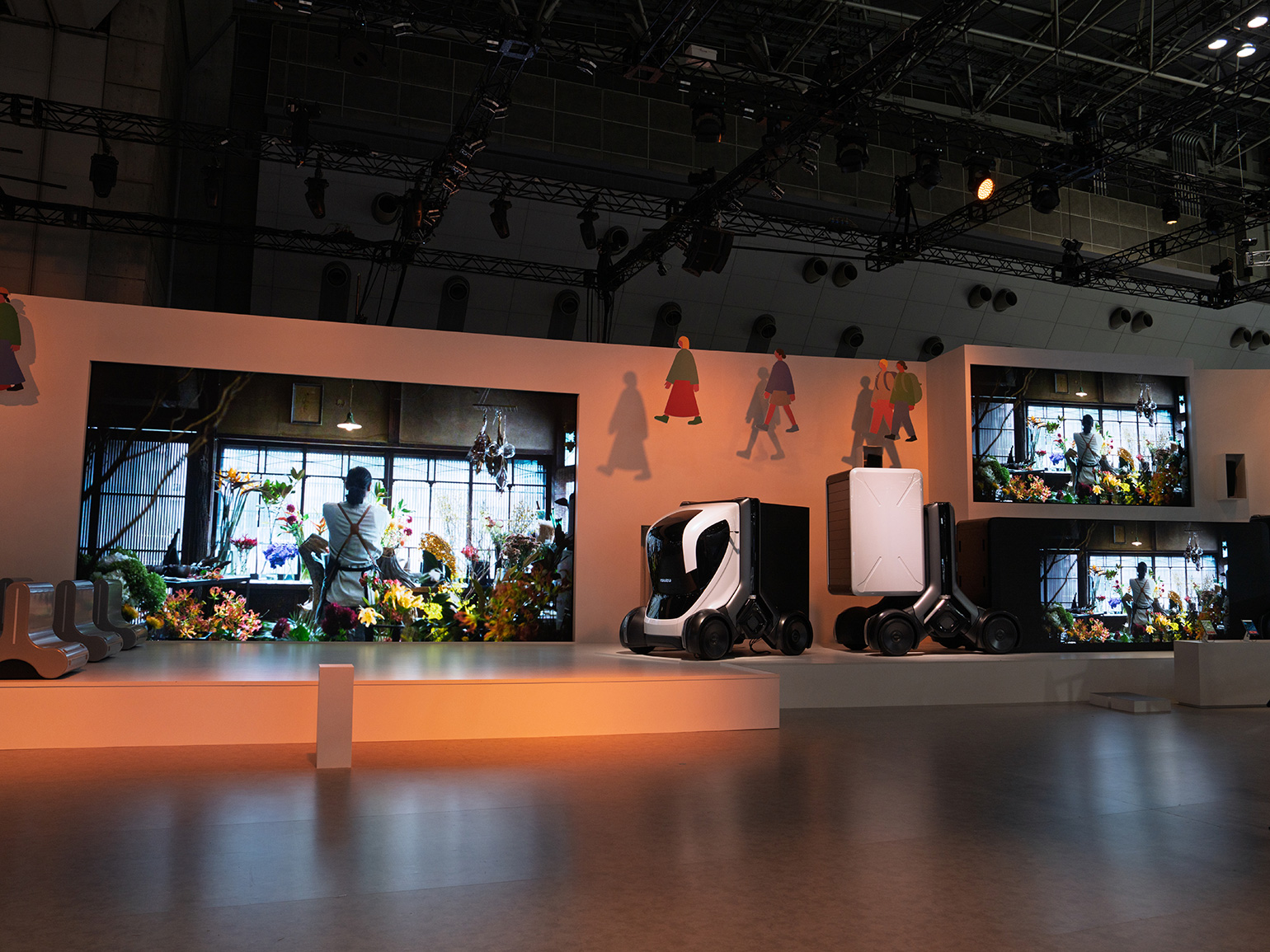
──Next, I’d like to ask about the promotional video for the “VCCC”* concept car, which you also oversaw. In cases like this, the safe bet would be to make the vehicle the star, but the video’s composition—which deliberately centered on “people”—was striking. What was the intention behind that?
*VCCC = Vertical Core Cycle Concept. A future mobility solution proposed by the Isuzu Group, where various modules are connected to a vertical frame, allowing it to function as a truck, bus, or taxi.
A promotional video featuring a certain floral artist as the protagonist. A key feature was the staging where the entire booth interacted with the video.
Yoshio: To help viewers feel personally connected to the future, we decided to depict a realistic vision of future well-being—one where transporting something in this vehicle can bring a little happiness to the people around you. We also thought that if we were going to transport something, it should be a visually striking, uplifting motif like flowers. So we chose a contemporary floral artist as the protagonist and paid close attention to balancing realism with a sense of the future.
──What did you two from Isuzu think when you saw the finished video?
Yamada: Since I wasn’t familiar with the profession of a floral artist, I was a little surprised when the proposal was made. But by deliberately highlighting the character’s individuality, I think we were able to suggest the “future of each and every individual consumer that lies beyond the car of the future”—which is exactly what we wanted to convey.
Maeda: I’ve also produced videos for concept cars in the past. Back then, we tended to force a “futuristic” feel by depicting cars driving in a distant future, sterile cityscapes, and changes in the workstyles of specific professions. But that approach failed to effectively convey the underlying challenges, making it difficult for viewers to relate.
The video you produced this time didn’t have that exaggerated “sense of the future”; instead, it depicted a future that’s a natural extension of the present, making it much easier to relate to. As someone who’s been involved in motor shows and mobility exhibitions for a long time, I feel that video helped us overcome a significant hurdle.
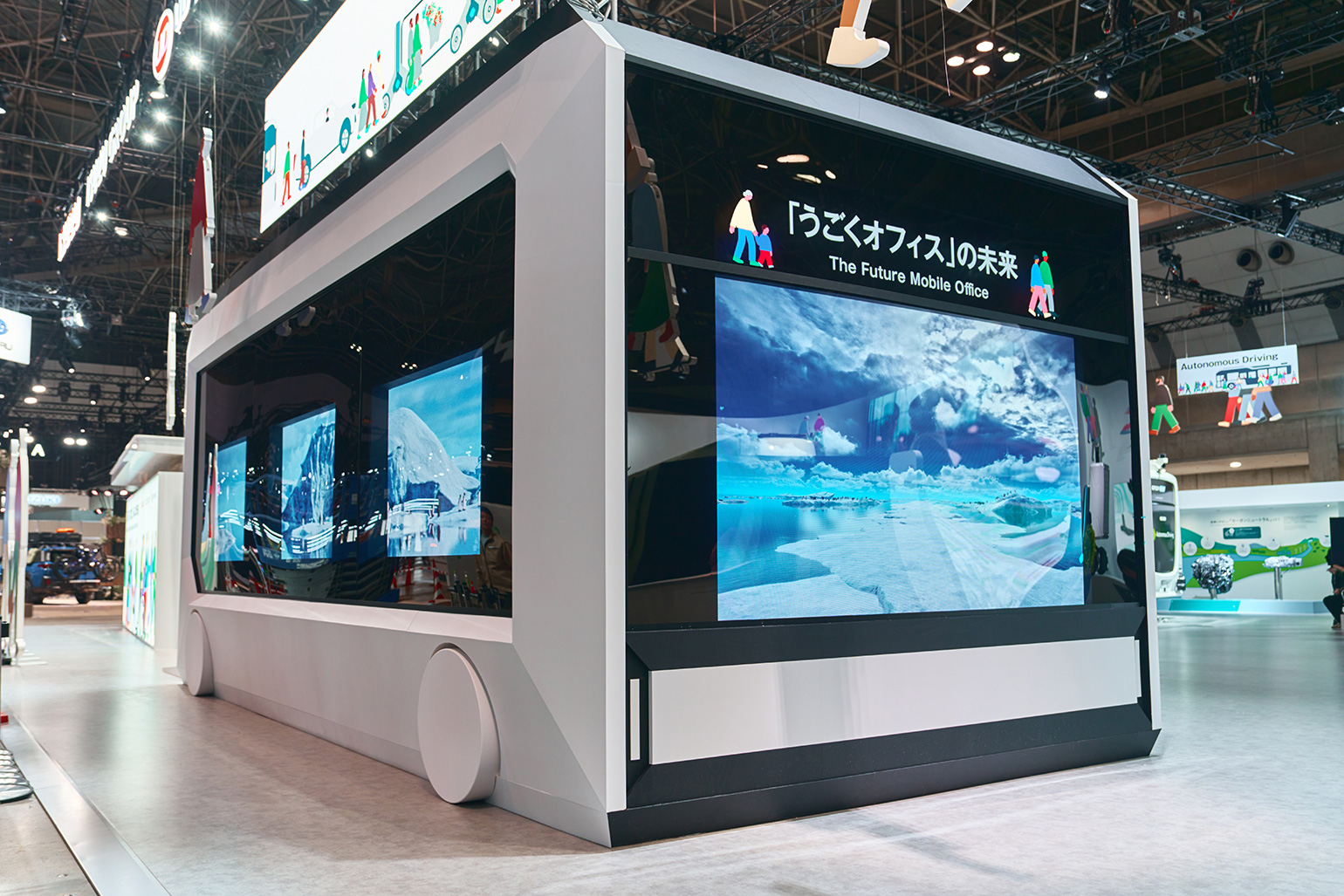
──Perhaps portraying a future that’s a natural extension of our current lives is a key factor in evoking empathy. In the following Zone 2, titled “Everyone’s Future Bus,” we created a nearly life-size bus model to realize an immersive space where visitors can experience future mobility firsthand. Mr. Morohoshi, a Creative Technologist, what were the key points you prioritized in designing this experience?
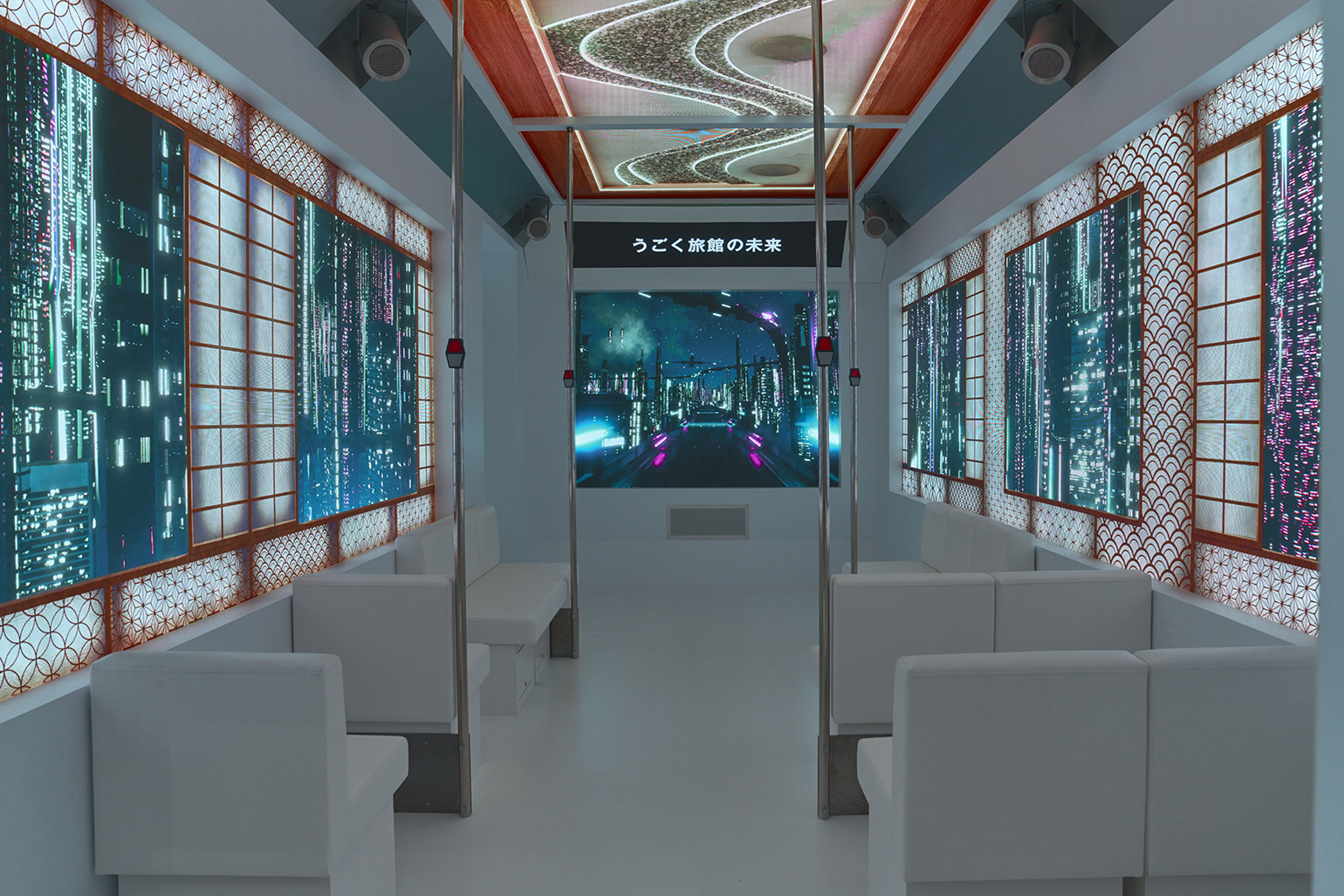
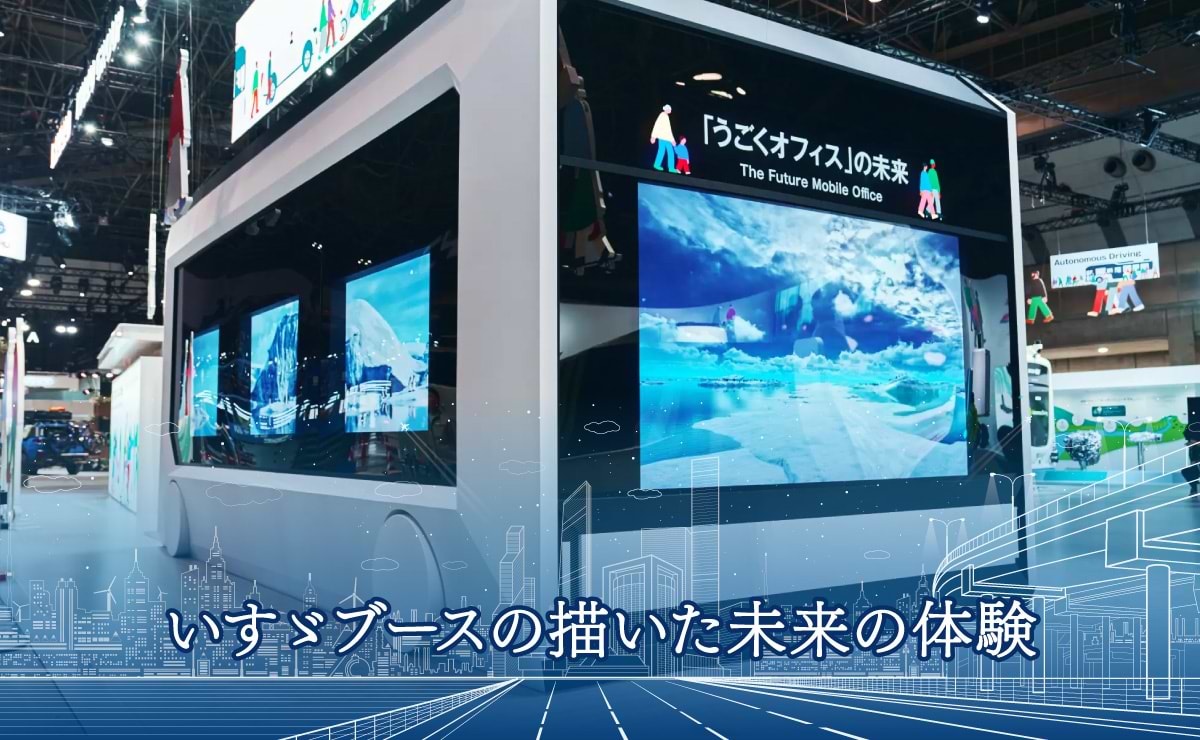
Zone 2: “The Future of the ‘Mobile Office.’” Spaces like offices and inns, which are currently fixed to a specific location, become mobile entities—visitors can actually step aboard the Future Bus to experience this future firsthand.
Morohoshi: Above all, I focused intensely on creating excitement within the first second—a sense of joy that hits you instantly. As we discussed earlier regarding a “future that flows seamlessly from the present,” I made sure the interior details, such as the seats and window frames, were realistic enough to feel plausible in the modern world, so it wouldn’t feel unrealistic. At the same time, the visuals seen through the windows have a distinctly futuristic feel.
In terms of the overall quality of the immersive experience, we didn’t just rely on projection to create immersion; we paid meticulous attention to every detail of both the bus and the visuals. However, it was difficult to verify the recreation at the venue, so during production, we often kept Mr. Yamada, Mr. Maeda, and everyone at Isuzu waiting.
Tomoya Morohoshi, Dentsu Inc.
Maeda: For Isuzu, undertaking such a large-scale installation was a challenge in itself. Since I usually work on car design, I gave a lot of thought to how we could create something that felt natural as an Isuzu exhibit while staying true to that foundation. By sketching out ideas and incorporating the unique character of Isuzu’s vehicles, and by working together to refine the details, I think we were able to realize the “wow” space we were aiming for.
Morohoshi: Enhancing the realism was a real challenge—we even prepared and tested several different sounds for the bus stop button. But I really enjoyed the process of building it up through discussions with the Isuzu team.
──Was there anything you referenced while creating this future experience together?
Yamada: When the project first kicked off, we visited the Osaka-Kansai Expo to see how future society is being envisioned. The variety of immersive experiences there was very inspiring.
Morohoshi: Like Isuzu, the Dentsu Inc. team members also visited the Expo. It’s rare for us to work on a project while viewing the same exhibits as the client, but seeing the same things allowed us to share common ground—for example, saying, “That exhibit did a great job conveying information”—which served as a shared language when creating our own exhibits.
With AR and VR experiences, it’s hard to persuade others when everyone has different ideas in mind, but because we shared the same experience at the Expo, we were able to move the discussion forward smoothly.
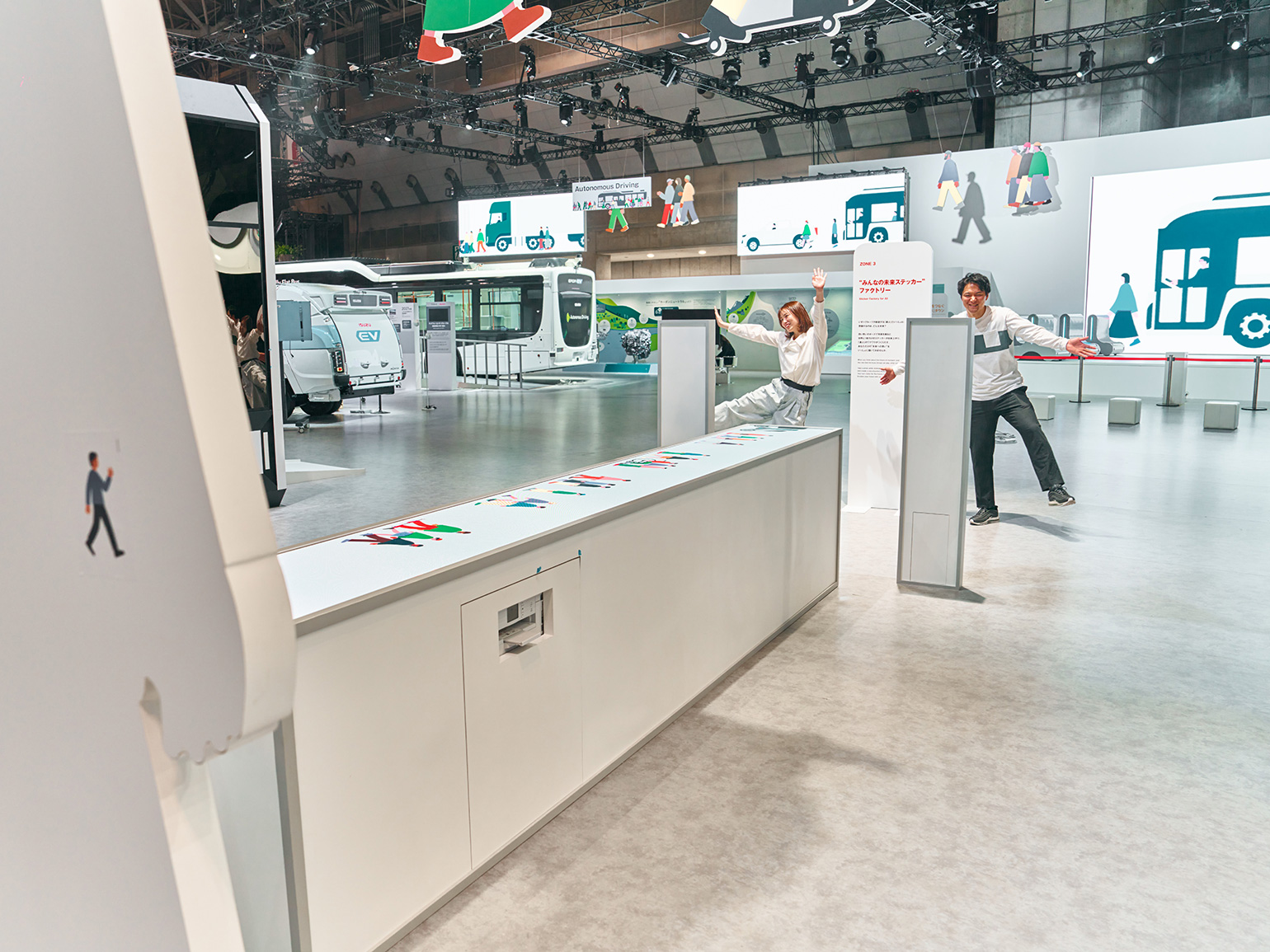
Zone 3: “Everyone’s Future Sticker” Factory. By answering simple questions and striking a pose in front of the camera, visitors receive a sticker depicting their own personal vision of the future of “transportation.”
──In Zone 3’s “Everyone’s Future Sticker Factory,” we incorporated an experience where visitors could create their own original stickers using generative AI. Why did you decide to utilize AI?
Morohoshi: The great thing about AI is that it generates an infinite number of answers, so I thought it would be a perfect fit for interactively expressing the excitement of an infinite future. I believe we were able to utilize it effectively as a partner in helping to create the future.
──On the other hand, weren’t there concerns about the risks associated with using generative AI?
Yamada: Regarding that, Dentsu Inc. leveraged their experience and expertise to help us avoid the legal and ethical risks associated with AI use, so we were able to entrust the project to them with peace of mind.
It was great to be able to effectively utilize AI to achieve our goals, such as depicting diverse future stories and illustrating visitors’ outfits to help them personally connect with the concept of “carrying.”
The trial-and-error stage show developed with Abstract Engine
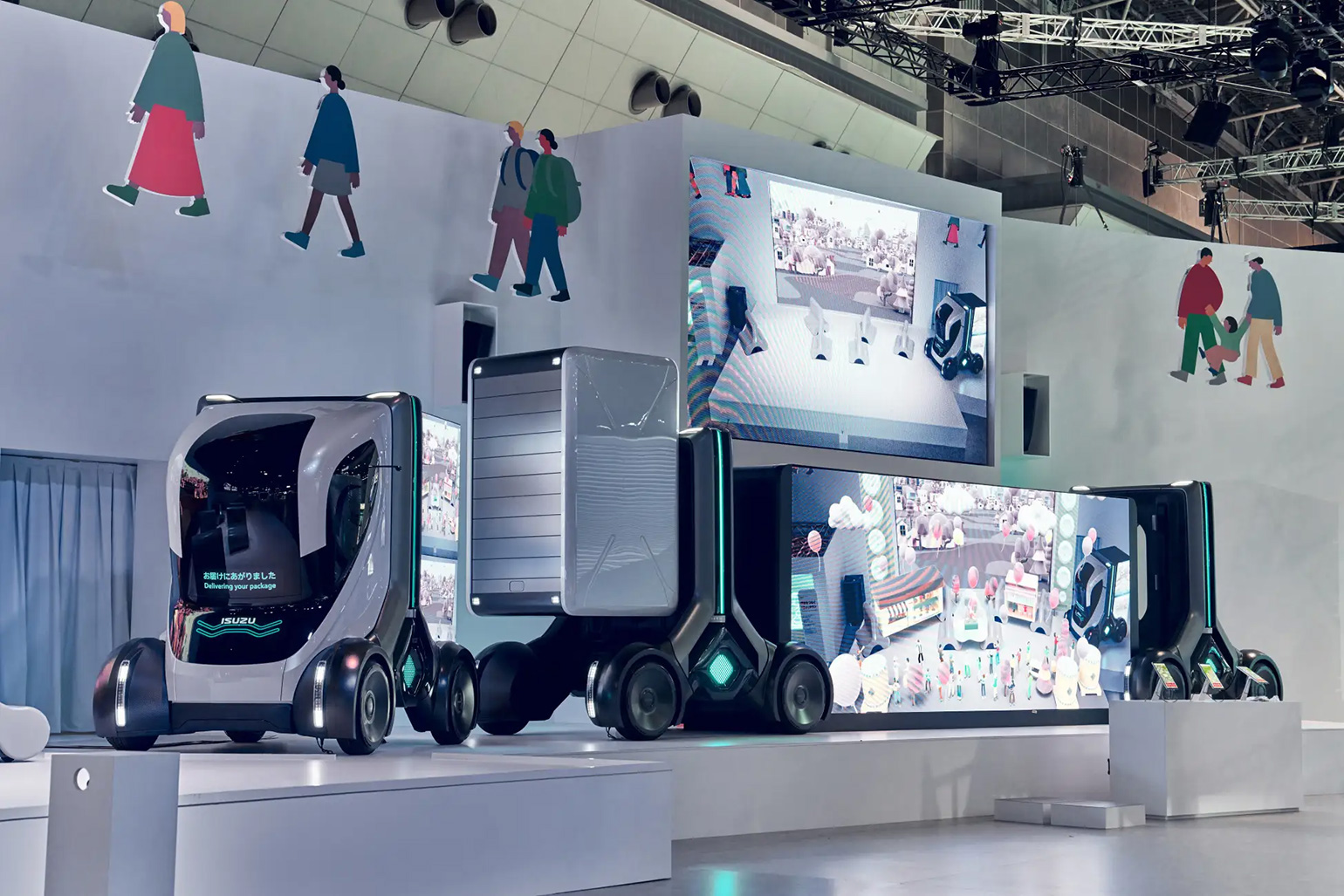
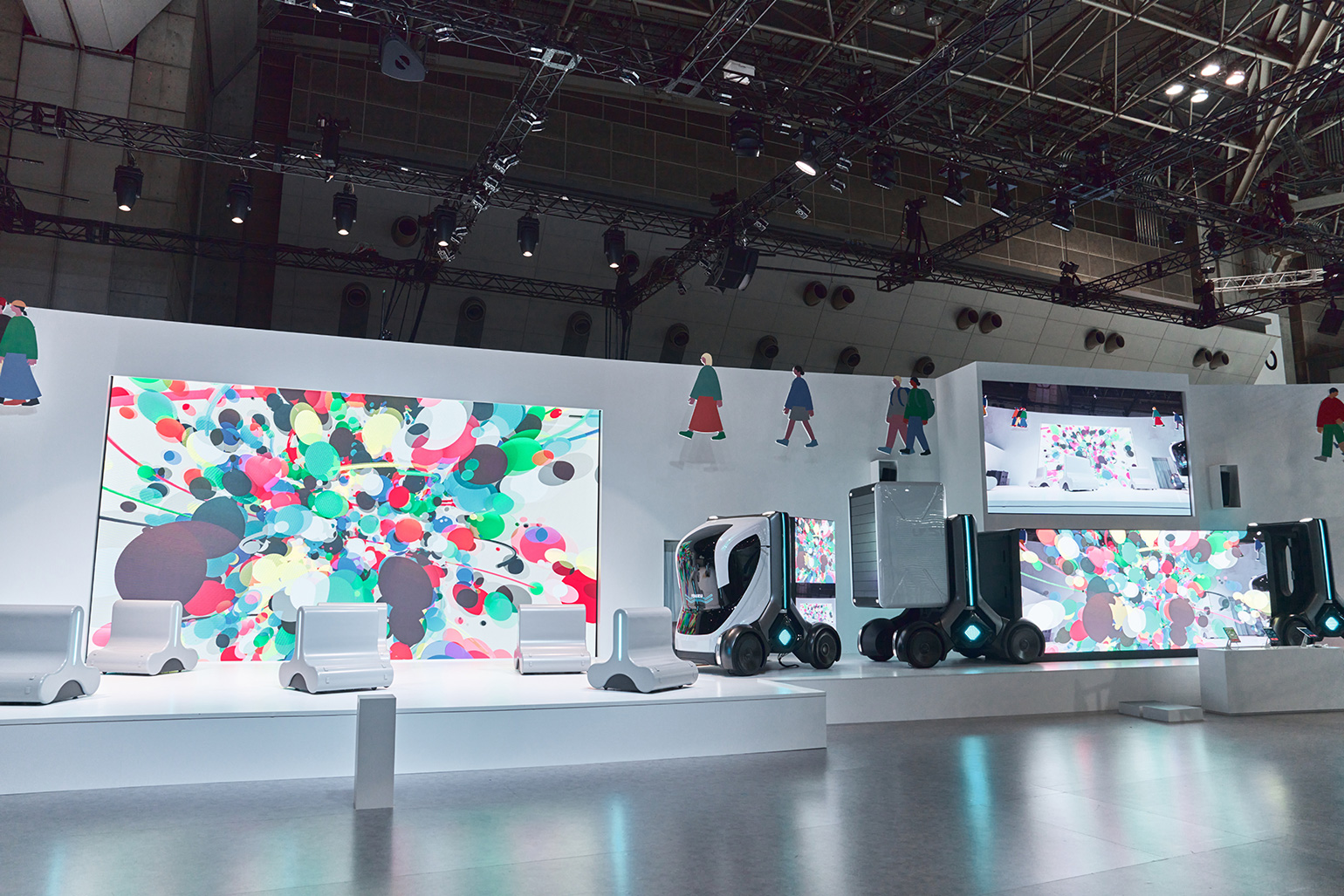
Zone 4, “VCCC: Carrying the Future,” and the stage show. The vehicle on the right in the photo is the actual VCCC concept car; the truck’s body displays a live feed of animations that are AR-overlaid in real time onto the moving vehicle on stage.
──The stage show featuring the Zone 4 concept car, the “VCCC,” was also one of the highlights of the booth. It was a bold show that incorporated robots and AR technology—what was the goal behind it?
Morohoshi: When I first heard about the VCCC, I was really excited by the vision of its modular sections moving, connecting, and separating—actions seamlessly integrated into everyday life. I wanted to convey that sense of excitement through the show.
We worked with Abstract Engine to ensure that Isuzu’s advanced and challenging corporate spirit would shine through, striving to create a show unlike anything seen before.
──When it comes to stages at motor shows and mobility shows, most events typically involve a talk accompanied by car footage, so I think this was a refreshing change. The pop-style AR presentation was also distinctive.
Morohoshi: Yes. We held workshops with the Isuzu team and thought about how we could convey the company’s friendly atmosphere. You see, when people think of a company that deals in commercial vehicles, they often feel a certain distance from it. Also, trucks and the like tend to have a masculine image. But after actually talking with everyone, that image was completely turned on its head.I wanted to convey Isuzu’s wonderful qualities—being both cutting-edge and friendly—which is why we settled on the pop AR presentation.
As for the music, rather than the heavy bass and pounding four-on-the-floor beats common at mobility shows, I believed we could create a friendly vibe by balancing a pop sound that’s easy on the ears with an uplifting feel. That’s why I commissioned Peterparker69, who attracts attention with his unique musical style.
I think it was very difficult to convey this concept—essentially a battle of combinations, where one challenge is layered upon another—in the proposal document, so thank you for believing in it until the very end (laughs).
──Since this was a new technical challenge—with robots modeled after the VCCC moving around and being composited in real-time via AR—there was a lot of trial and error during production, wasn’t there? I imagine Isuzu must have had some concerns; what were your honest thoughts?
Yamada: That’s true. Since we weren’t privy to the production team’s discussions, I did find myself wondering, “What on earth are they doing right now?” (laughs). But Isuzu also had a strong desire to try a show that was “unlike anything we’ve ever seen,” so I think it worked out well that we conveyed our general vision and let the production team create that chemical reaction on their own. In situations like this, it’s important to trust the creative staff and adopt a certain “wait-and-see” attitude.
Maeda: On the other hand, as production progressed, some content changed significantly from the initial proposal due to trial and error, so internal coordination was necessary. But personally, since the core concept of “realizing something everyone can enjoy through ‘transportation’” never wavered, I was able to fully trust the creative team.
The booth layout was also effective because the intention was clear: to bring together the future stories from Zones 1 through 4 on the final stage, and then connect them to the current Isuzu in Zone 5.
At the end of the exhibition, how to make Isuzu’s technology truly resonate
—That final Zone 5, “The ‘Transportation’ Town Connecting Tomorrow,” played a major role in presenting “Isuzu’s actual technologies and solutions” after visitors had experienced the futuristic themes of Zones 1 through 4. Mr. Kashiwagi, who was in charge of production, how did you feel about working on this?
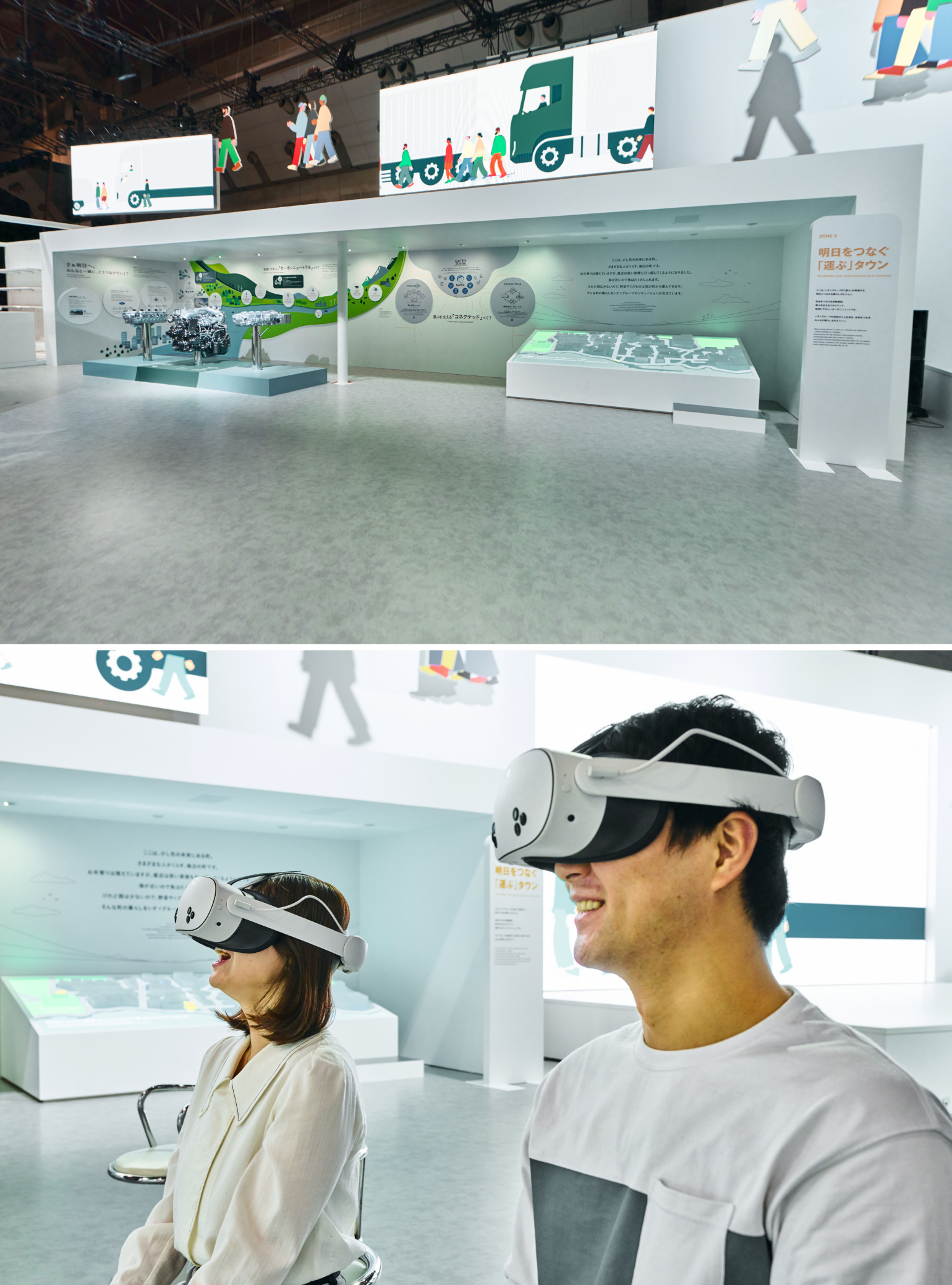
Zone 5: “The ‘Transportation’ Town Connecting Tomorrow.” Here, visitors can learn about the Isuzu Group’s technologies and initiatives in areas such as autonomous driving and connected vehicles.
Kashiwagi: When I first heard about Isuzu’s commercial vehicles, I was truly amazed to learn that they have technology capable of detecting signs of impending vehicle failure and performing repairs before an accident occurs. The challenge was how to help visitors personally connect with these unseen, cutting-edge technologies. We decided on this flow because we felt it made the most sense to first expand visitors’ imagination of the future through Zones 1 through 4, and then conclude by introducing “the current technologies that are making that future a reality.”
Risa Kashiwagi, Dentsu Inc.
Yamada: For Isuzu, our technology and solutions are ultimately what we want to convey most, so I’m glad you created a flow that allowed attendees to take that message home with them.
──We often hear terms like “autonomous driving” and “carbon neutrality,” but how these technologies actually benefit commercial vehicles isn’t widely known. What creative approaches did you take in presenting them?
Kashiwagi: After seeing various exhibits, I realized that “text-only explanations make it difficult to capture the interest of people who just happen to stop by.” So, we placed eye-catching elements like dioramas and VR at key points.
Given that the Mobility Show attracts a wide range of visitors, from young children to adults, I thought it would be wonderful if people of all ages could get excited about Isuzu’s technology and think, “I want to know more!” So, we aimed to create a booth that children could understand and that adults would find interesting upon closer inspection.
Maeda: It was great that the diorama allowed visitors to get a bird’s-eye view of a town where “transportation” is integrated into people’s daily lives. I felt that the sense of scale of a coastal town was easy to convey, much like the scale you see in a picture book.
Another positive aspect was how the technologies explained in Zone 5 were linked to keywords unique to Isuzu—such as “exchangeable” for carbon neutrality and “cargo management” for connected vehicles—which helped us differentiate ourselves from other companies.
At first, we tended to cram in too much information, but during the mock-up phase, we selected and refined the content to adjust the level of detail.
──As Mr. Maeda mentioned, I imagine organizing and selecting from such a large amount of information was quite a challenge. Was there anything you kept in mind while leading the production, Mr. Kashiwagi?
Kashiwagi: The materials we received from various departments at Isuzu were packed with such in-depth technical details that no amount of time would have been enough to fully grasp them. With that in mind, I made a point of assigning keywords to every technology so that visitors could grasp the overview at a glance as they walked by. We also incorporated techniques like starting wall panels with questions, such as “What is ‘Connected’?”
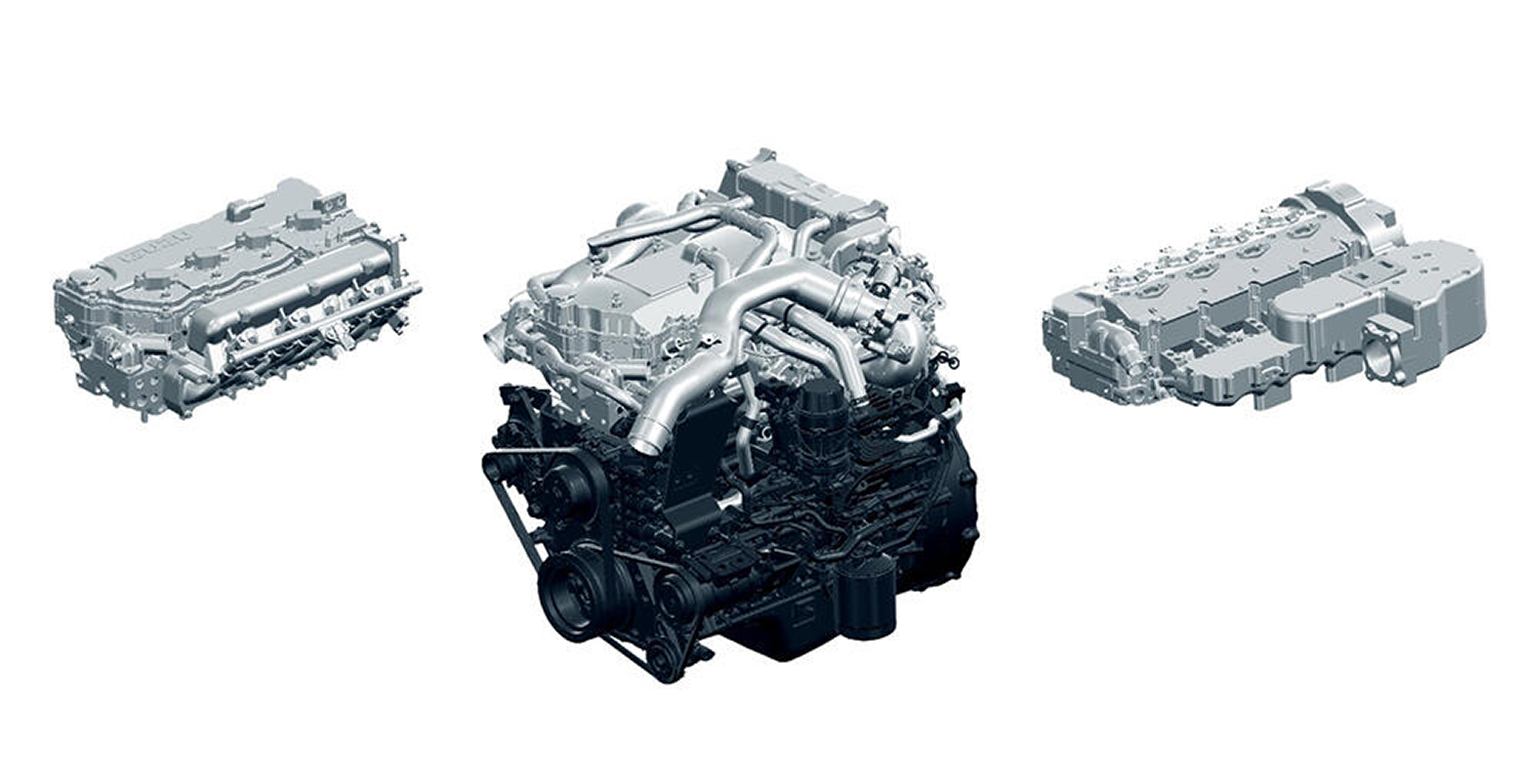
One of Isuzu’s technologies that I found particularly fascinating was the “multi-fuel engine,” which, despite being a single engine, can use eco-friendly fuels suited to specific regions. Their approach of tailoring their technology to the client’s situation reminded me in some ways of how Dentsu Inc. engages with its clients, and I found myself feeling a sense of kinship with them (laughs).
Yamada: I think we were able to clearly convey how Isuzu’s technology can address specific challenges in the cities of the future, starting with carbon neutrality. Creating an accessible entry point that’s easy to understand—whether for children or adults who aren’t tech-savvy—is a model we’d like to continue using going forward.
──The booth as a whole was designed so that not only traditional B2B clients but also children and the general public could feel a personal connection to the value Isuzu provides. We hope to continue conveying Isuzu’s “transportation” in a way that’s easy for everyday consumers to understand. Thank you very much for your time today!
Graduated from Kanazawa College of Art and Design. Joined Isuzu Motors in 2006. Assigned to the Design Center. Experienced all aspects of design development, from large trucks to SUVs and advanced design. Currently concurrently serves as interior designer for SUVs and design manager for mobility shows.
Yamada Ginga
Isuzu Motors Limited
Public Relations Department
Graduated from the University of Tokyo Graduate School (Master's). After working in the construction industry and as a planner for a corporate museum, joined Isuzu Motors in 2023. Since then, has been responsible for PR initiatives centered on digital media and events, involved in JMS exhibition planning, new vehicle launches, owned site/SNS management, and advertising production.
Yoshio Makusa
Dentsu Inc.
First CR Planning Bureau / TELECY, inc.
Copywriter/Planner
Graduated from Tokyo University of Science, completed graduate studies at Tokyo University of the Arts. Joined the company with the tagline "Hybrid of Science and Art." Strives to think and create joyfully across all domains—copywriting, commercials, exhibitions, program scripts—without being confined by boundaries. Currently on assignment at TELECY, inc. since 2024.
Graduated from the Entertainment Computing Laboratory, Graduate School of University of Tsukuba.After joining Dentsu Inc., worked as a Creative Technologist, planning and directing projects across mediums and domains—including video, spatial design, digital content, and XR—with technology as the starting point. Recipient of numerous domestic and international awards, including selection for the Agency for Cultural Affairs' Media Arts Creator Development Support Program, Spikes Asia Grand Prix, CICLOPE Asia Winner, Dentsu Advertising Award Grand Prize, ACC Grand Prix, and Good Design Award.
Graduated from Keio University's Faculty of Environment and Information Studies. After joining Dentsu Inc., handled diverse fields including video, copywriting, and spatial exhibitions. Enjoys developing solutions by engaging with the context of places and objects.

 How to Create an Exhibition. What is an Exhibition in the "Content × Experience" Era? [5/5]