As mentioned in the 29th installment of this series, a consumer awareness survey conducted by Dentsu Inc. revealed that 82.4% of respondents agreed that “Japan’s food system needs to be reformed,” indicating a high level of public interest in issues surrounding food in Japan. What kinds of initiatives are being undertaken to address these challenges?
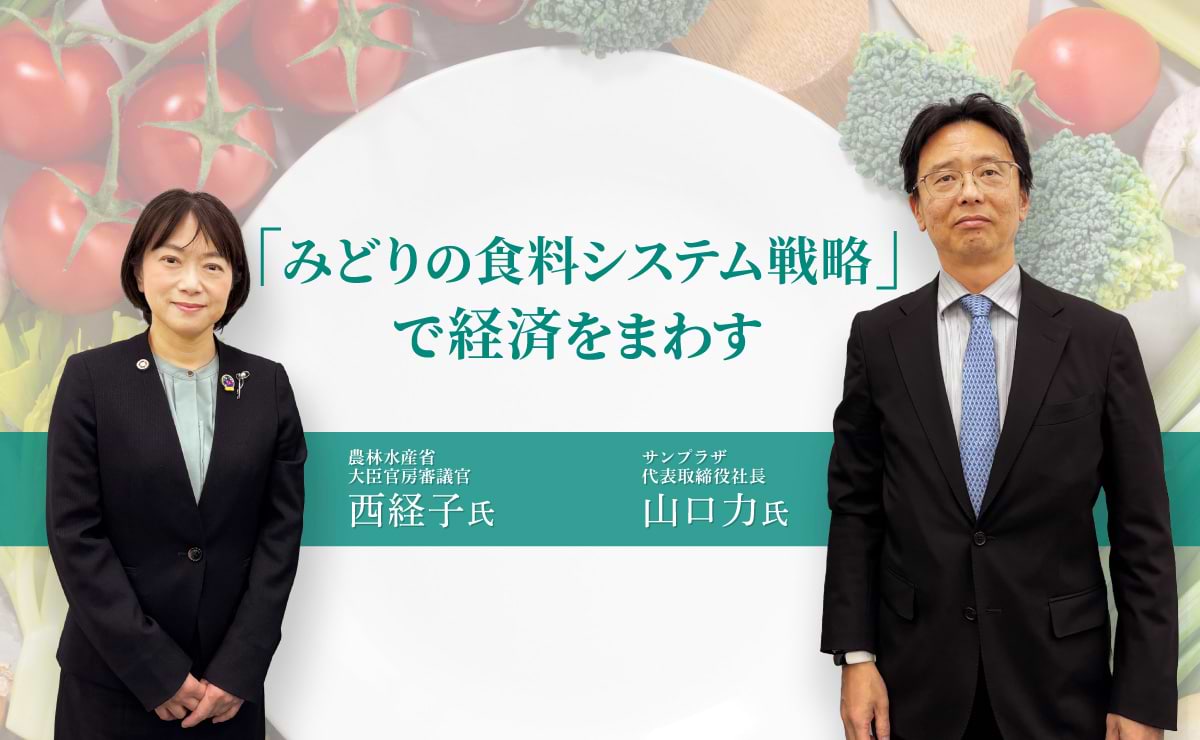
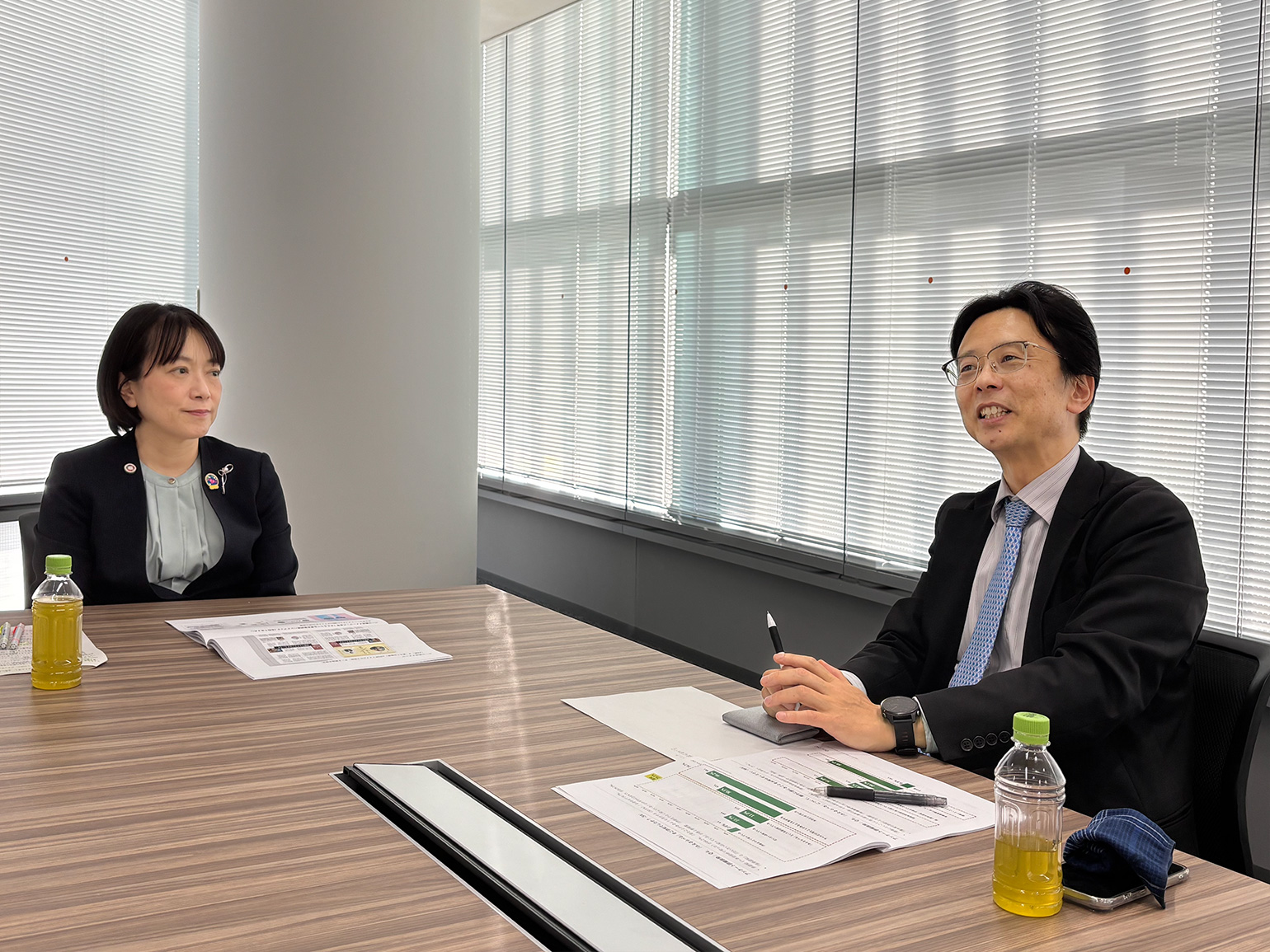
In this article, we spoke with Ms. Kyoko Nishi of the Ministry of Agriculture, Forestry and Fisheries, who is in charge of the Green Food System Strategy (*1), and Mr. Tsutomu Yamaguchi, President and CEO of Sampraza—a supermarket chain operating primarily in the southern Osaka area that handles agricultural products with minimal use of pesticides and additives and has won numerous awards. The interviewer is Rie Tanaka of Dentsu Live Inc. (Titles and affiliations are as of the time of the interview in February 2026.)
*1 Green Food System Strategy = A policy framework formulated by the Japanese government in 2021 to achieve both increased productivity and sustainability in the food, agriculture, forestry, and fisheries sectors through innovation.
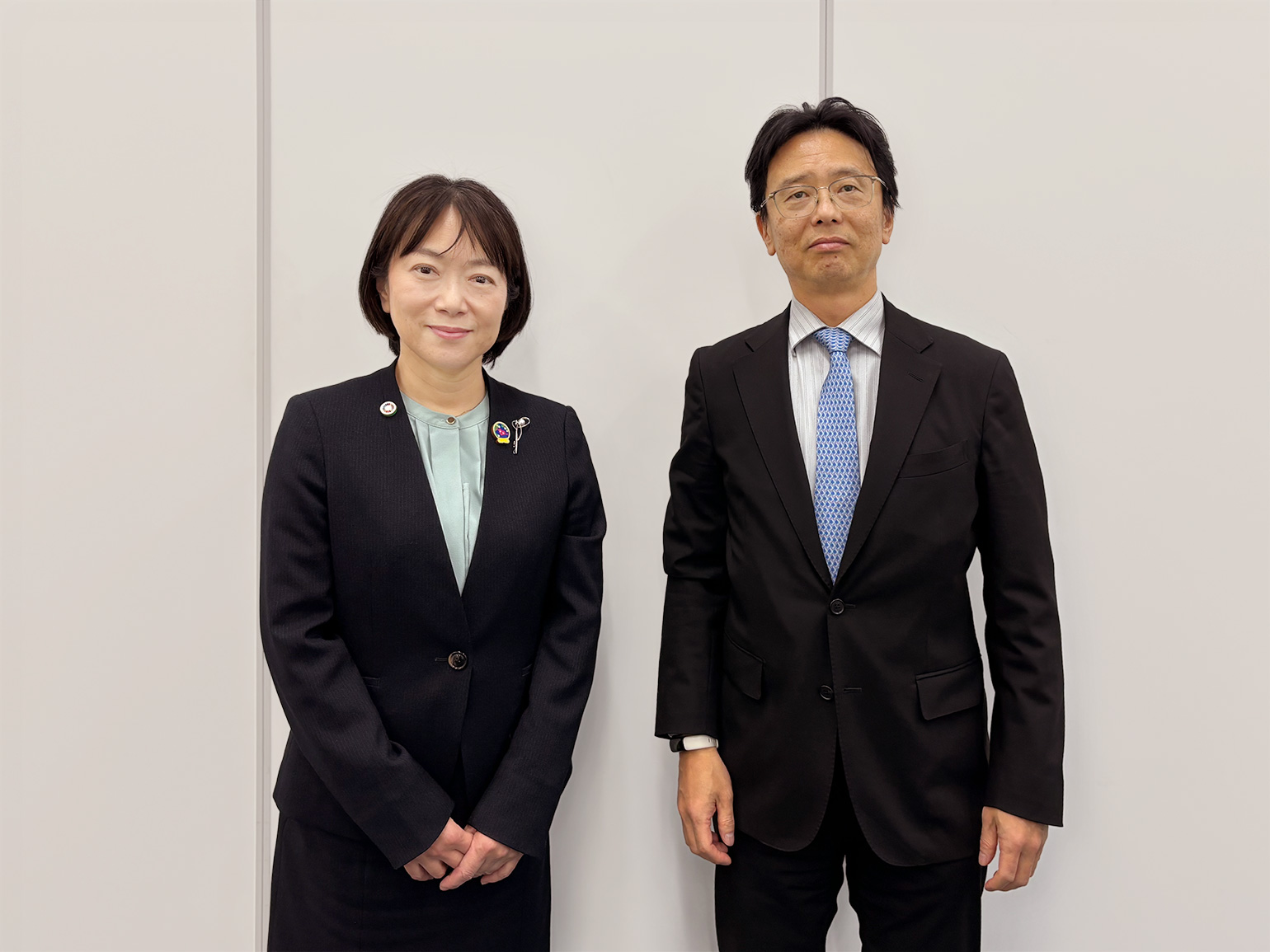
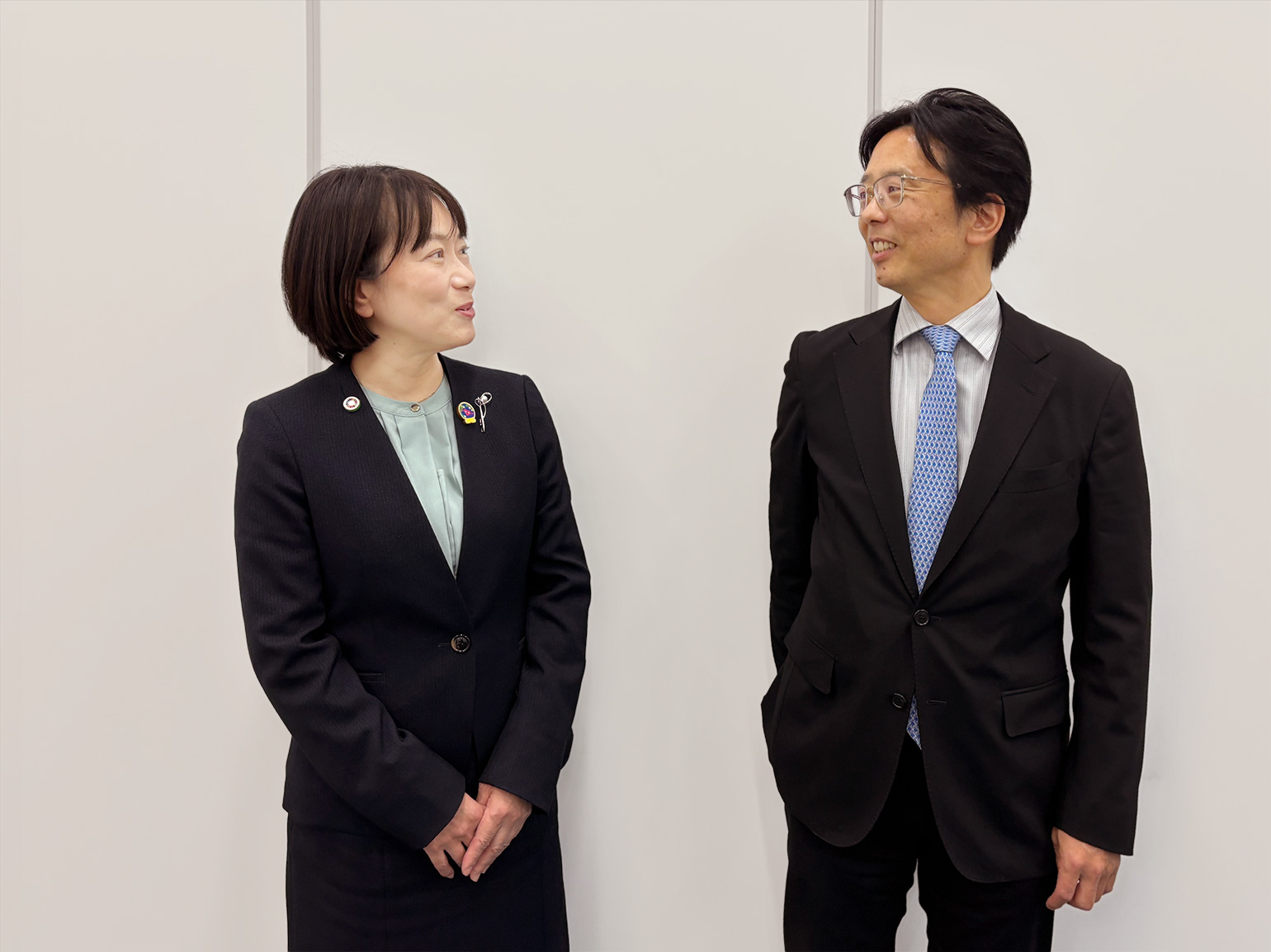
(From left) Kyoko Nishi, Deputy Director-General, Minister’s Secretariat, Ministry of Agriculture, Forestry and Fisheries; Riki Yamaguchi, President, Sunplaza
The Background Behind the Green Food System Strategy
──First, Ms. Nishi, please tell us the main point you want to convey today.
Nishi: The main point I want to make… To be honest, it’s that “the Green Food System Strategy (hereinafter referred to as the Green Strategy) is profitable.”
People tend to think that being environmentally friendly drives up costs, but with J-Credits, producers actually earn income, and producing eco-friendly agricultural products makes them more likely to be chosen by distributors. Companies are also required to disclose information on natural capital under the TNFD (*2), so opportunities to enter into long-term contracts with such producers will increase.
Furthermore, startups, major agricultural machinery manufacturers, and input suppliers are all advancing technological development to achieve high productivity with low environmental impact, and Japanese companies are beginning to possess these new technologies. I feel that the Green Strategy is expanding in tandem with the economy.
*2 TNFD (Task Force on Nature-related Financial Disclosures) = A framework for companies and organizations to assess and disclose the impacts of their economic activities on the natural environment and biodiversity
──Could you briefly explain the Ministry of Agriculture, Forestry and Fisheries’ “Green Food System Strategy” again?
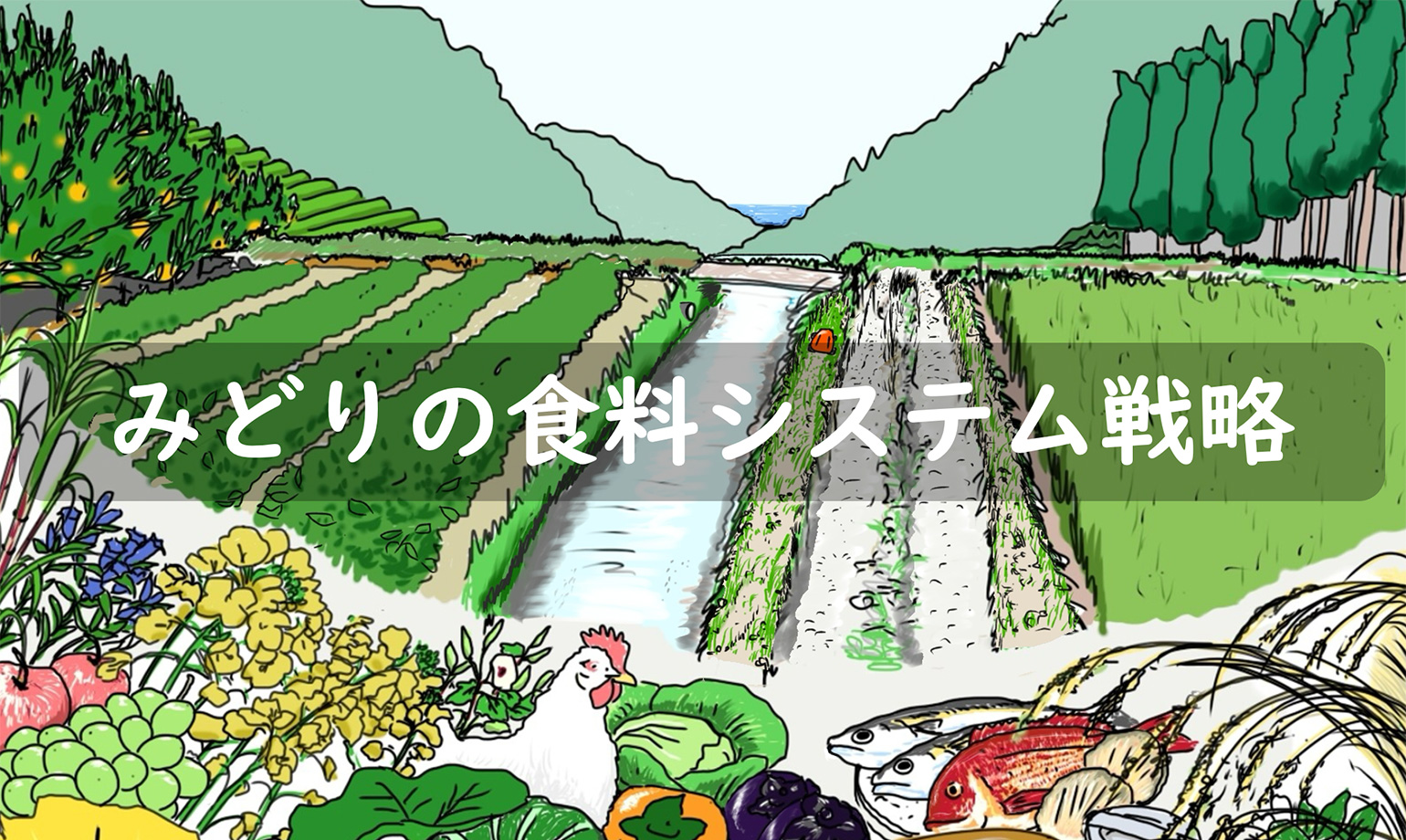
Nishi: Originally, the Green Strategy was launched with the aim of Japan taking the lead in creating a sustainable food system model for agriculture, forestry, fisheries, and the food industry in the Asian monsoon region.
In 2020, the EU moved to standardize the “Farm-to-Fork Strategy” (Note 3) across the bloc. Around the same time, the United States also released its “Agricultural Innovation Strategy” (Note 4). Europe, in particular, acts as a rule-maker and has begun to set the standard for what global agriculture should look like in the future. However, the climates of Europe and Japan are different.Agricultural methods are bound to differ between a country with a generally dry climate where crops can be grown with minimal intervention, and a country in the Asian monsoon region with high temperatures and humidity, where weeds and plant diseases proliferate unless the soil is tended with great care.
If rules were established under Western leadership, Japan would surely face difficulties. That is why the official in charge at the Ministry of Agriculture, Forestry and Fisheries at the time believed we must create rules for an environmentally friendly food system unique to the Asian monsoon region, leading to the creation of the Green Food System Strategy in 2021. It has now been five years since then.
*3 Farm-to-Fork Strategy = A comprehensive strategy published by the European Commission in 2020 to ensure the sustainability of human health, a healthy global environment, and equitable food systems
*4 Agricultural Innovation Strategy = A U.S. national strategy aiming to increase production by 40% and reduce environmental impact by 50% by 2050
Yamaguchi: 2021 was before the situation in Ukraine deteriorated, wasn’t it? I think it’s wonderful that the Green Strategy was already in place before that.
──That’s true; it was around that time that we started to experience rising food prices and shortages firsthand.
Yamaguchi: During the regional consultation meetings for the revision of the Basic Law on Food, Agriculture, and Rural Areas, I read through the entire thick set of materials that the Agricultural Policy Bureau handed out, saying, “Please feel free to read this.” It all laid out the expected rise in fertilizer prices, and I found myself in agreement with aspects like circularity and institutional design.
Nishi: While there are still some KPIs we haven’t met yet regarding our 2050 goals, we want to contribute to global decarbonization through Nature-Based Solutions. In particular, we hope to contribute to decarbonization in the Asian monsoon region.
──What results has the Midori Strategy achieved over the past five years?
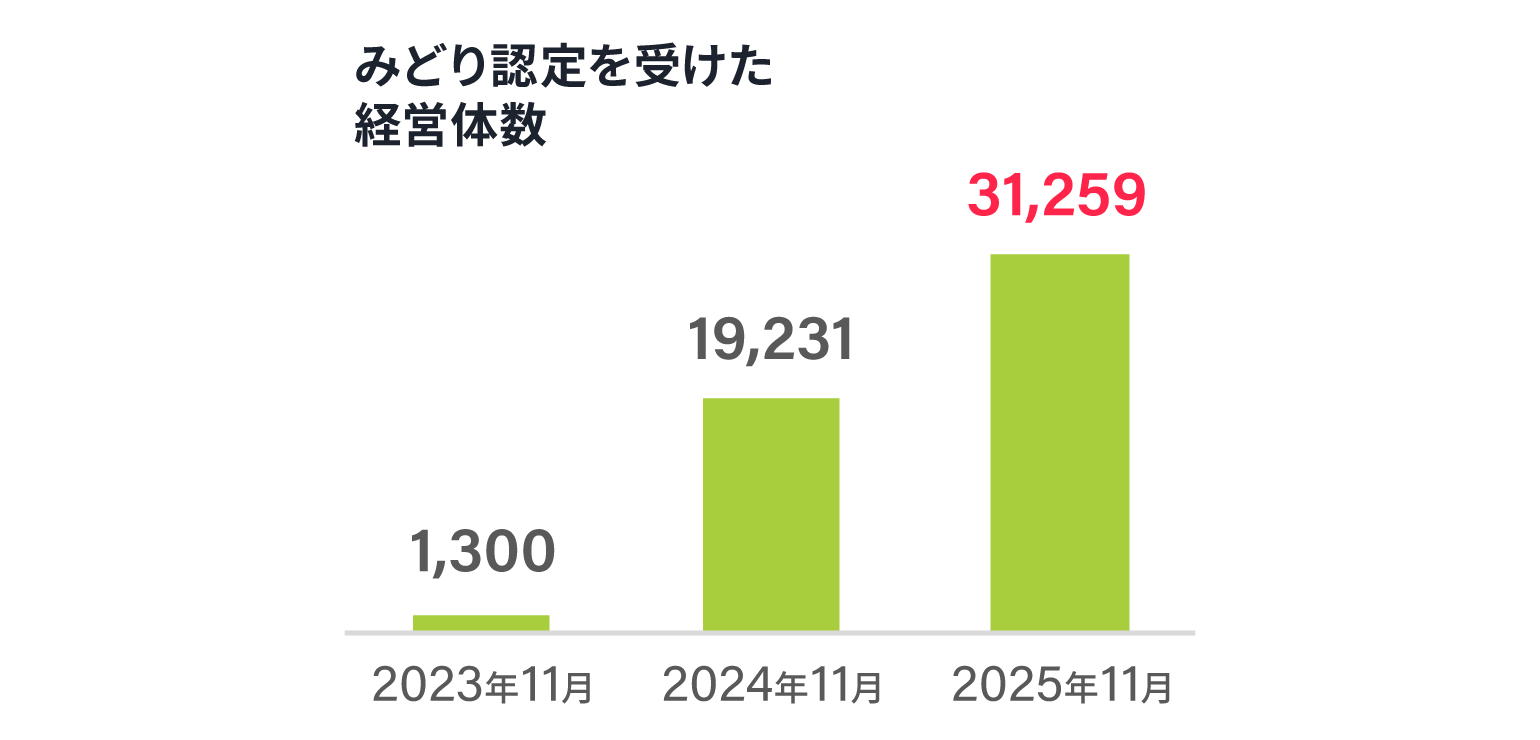
Nishi: Related technologies are emerging one after another, and a separate category for the agricultural sector has been established within the J-Credit system. Among the 210,000 certified farmers, approximately 30,000—or about 15%—have currently received Midori certification and are generating revenue through environmentally conscious agriculture. Technologies are born and implemented in Japan’s rural, mountainous, and fishing villages.People and companies with these technologies go overseas to generate revenue, use those funds to develop the next generation of technologies, and then implement them both domestically and abroad. I believe that if this cycle is realized, it will create a self-sustaining virtuous cycle in Japan’s rural, mountainous, and fishing communities—not only in the environmental sphere but also economically—thereby enhancing the “earning power” of these regions.
If it’s not good for me, I won’t stick with it! The key to sustaining natural capital lies in dietary habits
──What are your thoughts on sustainable agriculture and consumption?
Yamaguchi: Preserving farmland isn’t just about leaving it as is; it requires field improvements, including the maintenance of small-scale irrigation channels. When I looked at data from a certain municipality, the percentage of people in areas where field improvements had been implemented who said, “I want to continue farming 10 years from now,” was clearly higher.
—So, the more effort you put in, the stronger the sense of sustainability becomes.
Yamaguchi: Of course, we can’t invest unlimited labor, and we must improve productivity to make it economically viable. So, we can’t just keep doing what we’ve always done; we need innovation. We must reduce costs and implement practices that are good for the environment.
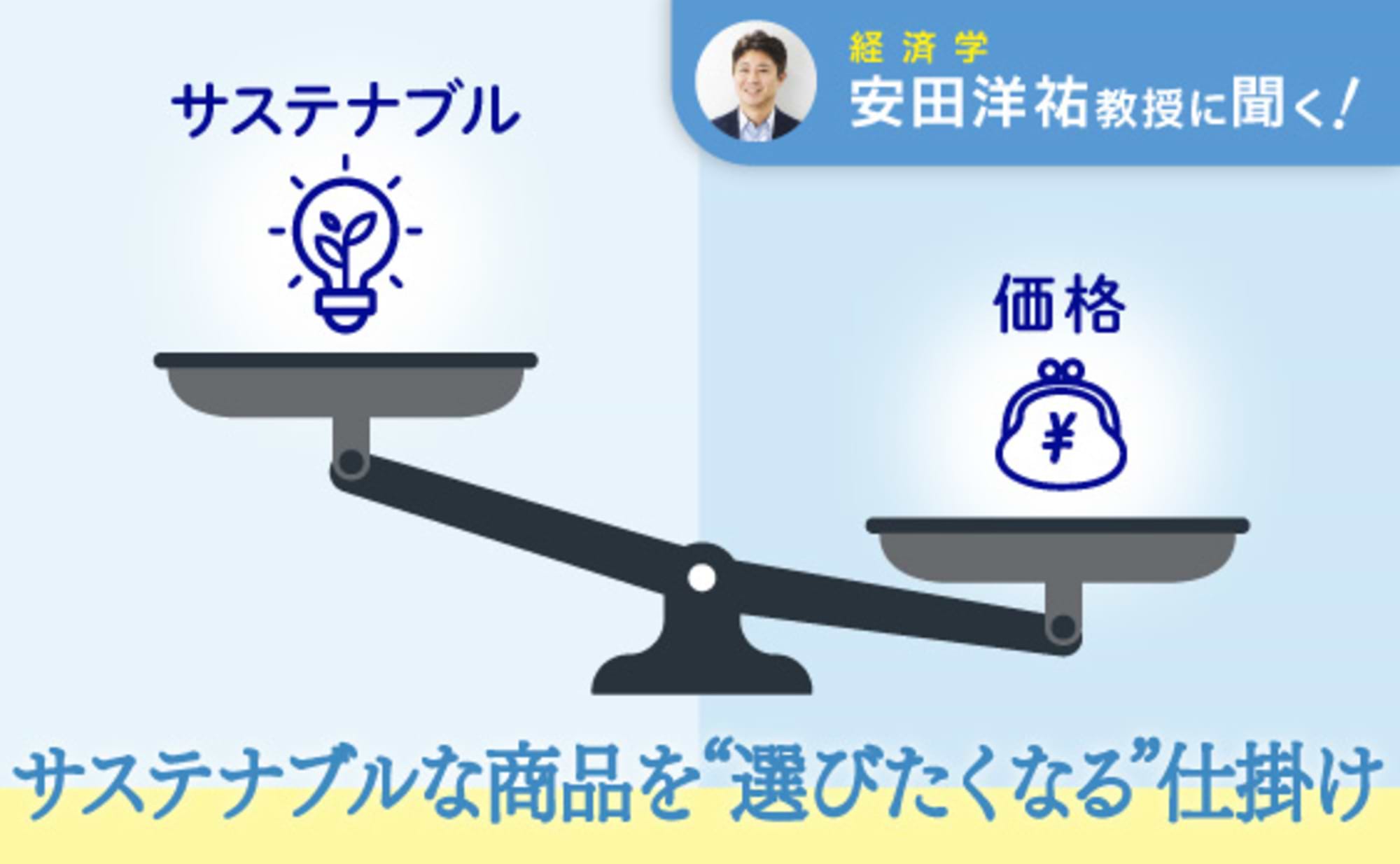
Nishi: You’re absolutely right, Mr. Yamaguchi, and that’s precisely where the Green Strategy is focusing its efforts. There is scientific evidence that agriculture places a burden on the environment, so reducing that environmental impact is the first priority. However, unless people continue to consume the agricultural products produced with that reduced environmental impact, it won’t lead to sustainable agricultural production. Naturally, this raises the issue of price.
Yamaguchi: I feel uncomfortable using the term “passing on costs” when it comes to agricultural products and food. People say, “We need to charge more to cover the labor and costs involved,” but since these aren’t industrial products, I think that if food prices are set too high, fewer people will be able to afford them. If we want to make a profit, I believe we should design pricing that allows consumers to perceive added value.
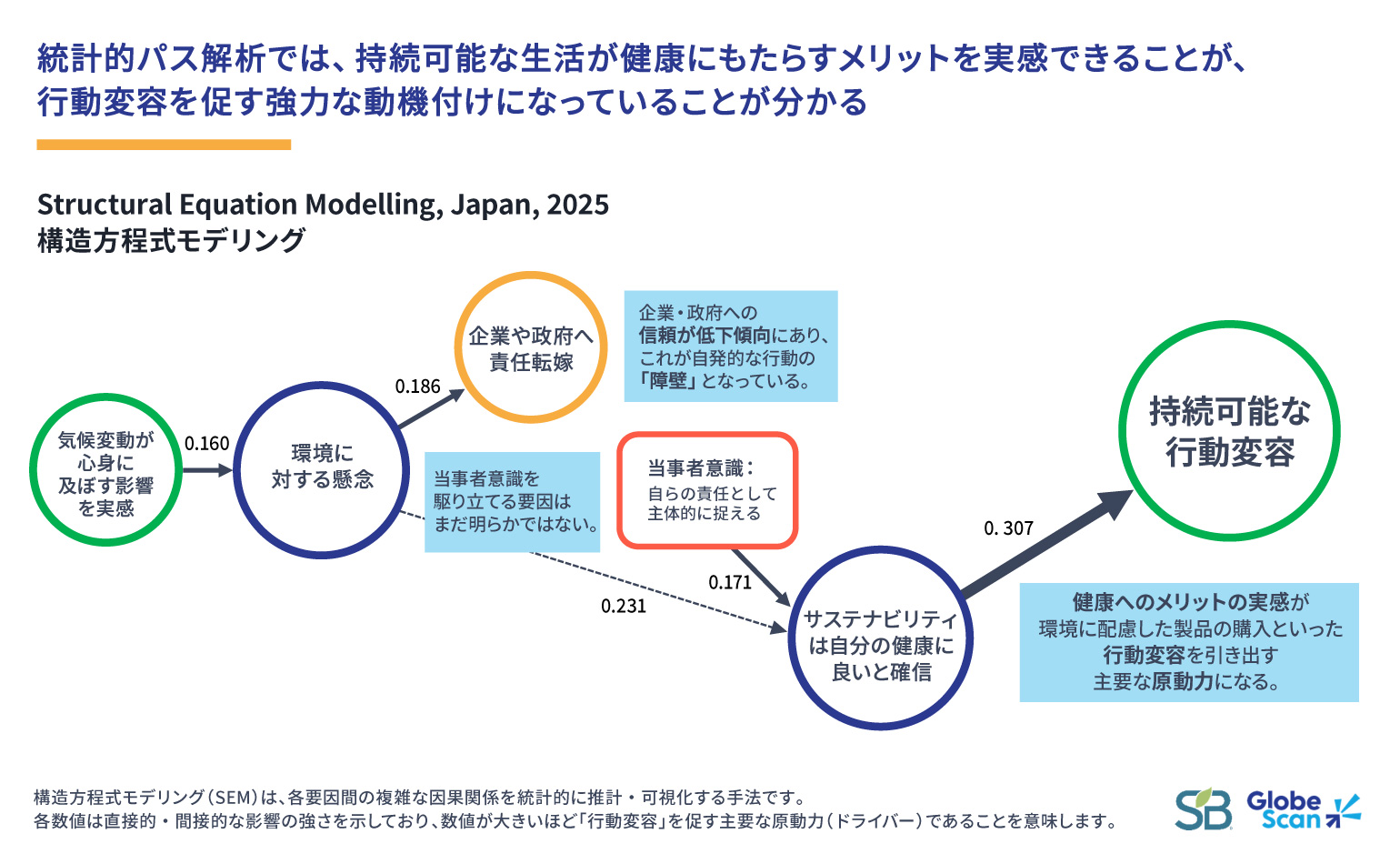
Nishi: To ensure the sustainability of natural capital, it’s important for consumers to develop the habit of choosing environmentally friendly foods. However, people tend to adopt habits only if they’re personally beneficial; otherwise, it’s hard to make it a habit. So, it won’t work if the government simply imposes policies.
──Survey results show that the conviction that “it’s good for my health” serves as the motivation for purchasing environmentally friendly products.
Nishi: For people living in cities, how crops are grown is no longer part of their everyday lives. The challenge is how to make that “non-everyday” aspect part of their daily lives. If prepared meals or bento boxes include information about where the ingredients were grown or state that they provide a day’s worth of vegetables, it gives people an opportunity to think about nutrition and the local community, so I believe this initiative is effective.For example, suppose there is a product labeled “salad containing a day’s worth of nutrients.” Even if people don’t know that the vegetables used were grown using methods that reduce environmental impact, I think it would be great if more people ended up thinking, “It’s 30 yen more expensive than a regular salad, but since I’m buying one anyway, I might as well get this one.”
Yamaguchi: I also don’t think we need to make environmental considerations the primary purpose of shopping. If the environment becomes the sole objective, it will become something only a select few can participate in. There are all kinds of people, and it’s about accumulating small steps—what’s good for each individual and what they can do. Rather than deciding solely based on whether something is cheap or expensive, I think it’s important for each person to consider which choice is better in terms of reducing waste in society and aligning with the future we should strive for.
──Please share a final thought each.
Yamaguchi: Ultimately, there is no single “secret formula” for sustainability; it comes down to the accumulation of small steps and consistency. For example, we run programs where our customers can experience harvesting komatsuna (Japanese mustard spinach) and engage in dialogue with producers. We’ve been doing this every year for over 20 years. By learning how these products are actually grown, we aim to create opportunities for each individual to develop decision-making criteria that will guide them in the future, thereby creating a virtuous cycle where sales naturally increase as a result.
We have also launched an initiative to collect used cooking oil from households and repurpose it as sustainable aviation fuel (SAF). It’s a system where items generated in daily life are recycled as resources. I believe it’s important to use these accessible initiatives to spark reflection on the future of the environment and food.
Nishi: Even for companies not directly in the food industry, there are countless opportunities emerging to engage with food and natural capital. I hold the hope that if we can work together as a nation to link “Nature Positive” to corporate profits and transform costs into value, society will surely change.
Finally, if any readers of this Dentsu-ho article have suggestions, I would be delighted if you could contact the Ministry of Agriculture, Forestry and Fisheries (MAFF) via their website and write, “I read the Dentsu-ho article and had this thought.” Both the Green Food System Strategy and the goal of a decarbonized society are targeting the year 2050. That is 24 years from now, which means today’s high school students will be in their 40s and will be at the core of driving society forward.The Ministry of Agriculture, Forestry and Fisheries runs a program called the “Green Strategy Student Challenge” to recognize the efforts of young people. I hope we can work together to realize the future we envision.
──After hearing your explanation today, I realized that the Food System Strategy can only succeed when the government, producers, distributors, and consumers are all connected. I also felt that it’s important for everyone to take small steps to connect with one another—not just within stores, but through initiatives like bringing customers to production sites—each stepping out of their own sphere to build these connections.
Deputy Director-General (Technology and Environment), Cabinet Secretariat
Joined the Ministry of Agriculture, Forestry and Fisheries in 1994. Earned an MBA from Cornell University in the U.S. Served as Director of the Food Industry Behavior Division at the Ministry of Agriculture, Forestry and Fisheries; Planning Officer at the International Public Relations Office of the Prime Minister’s Office; Director of the Rural Policy Promotion Division; Director of the Food Culture and Market Development Division; Director of the International Policy Division, International Affairs Bureau, Minister’s Secretariat;and Director of the General Affairs Division, Livestock Bureau. Since 2022, he has served as Deputy Director-General of the Cabinet Secretariat (attached to the Deputy Chief Cabinet Secretary), overseeing initiatives such as the Digital Garden City Nation Vision, digital administrative and fiscal reform, and regional revitalization and SDGs.He has held his current position since July 2024, promoting agriculture, forestry, and fisheries administration from an “environmental” perspective—including biodiversity and GX—and spearheading the “Green Food System Strategy,” which aims to achieve both increased productivity and sustainability in the food, agriculture, forestry, and fisheries sectors through innovation, such as achieving net-zero CO2 emissions in these industries by 2050.
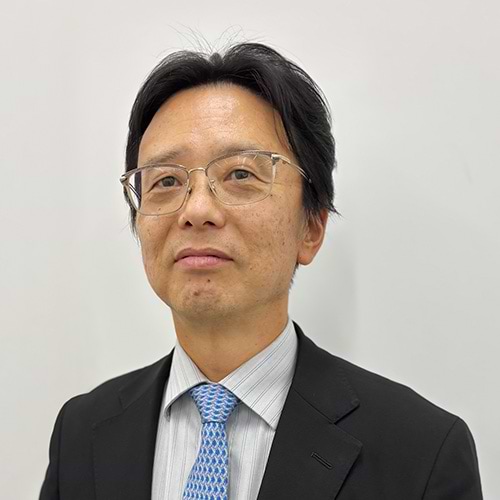
Riki Yamaguchi
Sunplaza Co., Ltd.
President and CEO
We operate a supermarket chain in the southern Osaka area that handles foods with minimal use of artificial colors and food additives, as well as JAS-certified organic produce and agricultural products grown with reduced use of pesticides and chemical fertilizers. By connecting directly with producers and production areas across the country, we sell safe and reliable products in a fresh state. We are also promoting initiatives to deliver delicious, additive-free prepared foods—made in-store to highlight the natural flavors of the ingredients—to our customers’ tables.Recipient of the "Sustena Award 2023" Decarbonization Prize, the "GAP Japan Award 2024," and the Grand Prix at the Japan Agricultural News "Midori GX Award 2025."
Rie Tanaka
株式会社電通ライブ
シニアディレクター
After working at a telecommunications company, he joined Dentsu Inc. Following the establishment of insight research teams such as Dentsu Wakamon and the Food Lifestyle Lab, he was seconded to Dentsu Digital Inc. in 2016 and to the Data Science Department of a consumer goods manufacturer in 2017, where he worked on digital transformation (DX).In 2019, he returned to the Dentsu Global Business Center. After holding concurrent roles within the Dentsu Group, he has led international research, branding, and consulting at the Sustainability Consulting Office since 2023. Since 2022, he has served as Executive Coordinator at the Kanazawa University Organization for the Promotion of Advanced Science and Social Co-creation. Since 2024, he has been a partner at the certified NPO Service Grant. He will be seconded to Dentsu Live Inc. starting in 2026.

 【Global】Accelerating Sustainability & Circular Economy [32/34]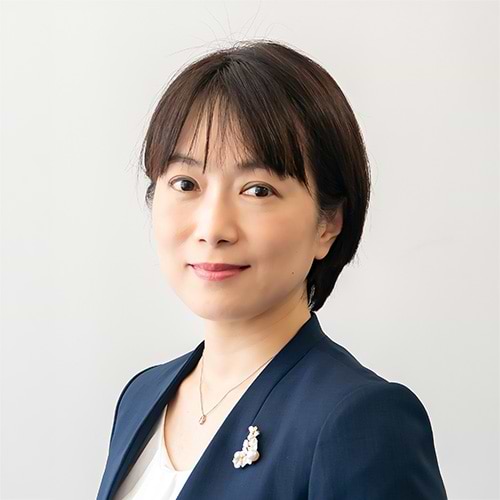


![[SB 2026 Tokyo] What Is Required of Corporate Sustainability Communicationsのサムネイル](https://cdn.speedsize.com/e7df76a9-4406-40f5-bc97-57e7c2c2d99d/https://cdn.dentsu-ho.com/834def09-4013-422a-a14f-45c659fd7b82/gbc33_top.jpg/f_auto,w_3840)