
Note: This website was automatically translated, so some terms or nuances may not be completely accurate.
 【Global】Accelerating Sustainability & Circular Economy [33/34]
[SB 2026 Tokyo] What Is Required of Corporate Sustainability Communications
The "10th Sustainable Brands International Conference 2026 Tokyo Marunouchi (SB 2026 Tokyo)" was held on Wednesday, February 18 and Thursday, February 19, 2026, at the Tokyo International Forum.Over the course of two days, experts in sustainability from Japan and abroad, as well as practitioners from leading brands, gathered to engage in multifaceted discussions regarding the future of business and society. Dentsu Live Inc. participated in two sessions. Here is a report featuring excerpts from those sessions.
*This content is a reprint of a PR article originally published on the Dentsu Live Inc. official website on March 5, 2026.
https://www.dentsulive.co.jp/column/20260306
The "B2B2S" Perspective: Crossing Boundaries. A Form of Co-creation Engaging the Entire Supply Chain
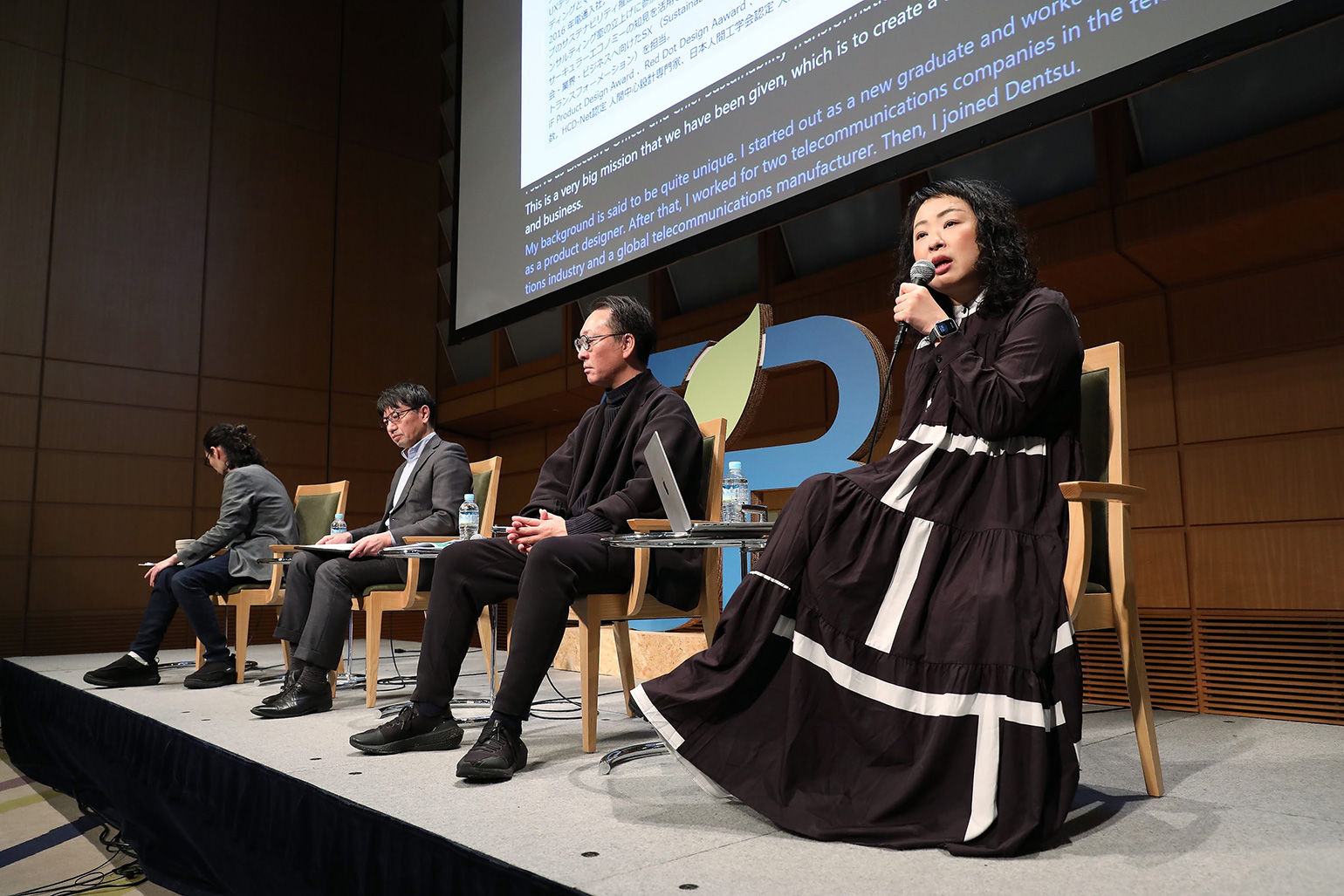
Mineko Hotta, Executive Officer and CSXO at Dentsu Live Inc., took the stage for the session titled “New Norms in Communication: A B2B2C Perspective.” It served as a valuable forum for a multifaceted discussion on new customer relationships in the era of sustainability, featuring Mitsui Chemicals (a materials manufacturer) and Sumitomo Mitsui Financial Group (a financial institution).
Aiming to break away from the “make, use, and dispose” linear economy that has long plagued the event industry, Hotta, speaking from her position as a leader of cutting-edge initiatives,stated, “It is essential to adopt an approach that transcends the B2B and B2C distinctions, fostering changes in consumer awareness and behavior to proactively create new demand.” Regarding the implementation steps, Hotta commented as follows:
"First, as a premise, the common challenge in sustainability management—regardless of whether it is B2B or B2C—lies in balancing 'business viability' and 'social contribution.' However, the business objectives and success factors differ between the two."In practical terms, I believe it is easier to achieve smooth business progress by first building a solid foundation for inter-industry collaboration in the B2B sector, then connecting consumers in the B2C sector to that foundation, and ultimately establishing a social circulation framework," said Hotta.
Furthermore, even for B2B companies, success hinges on how they approach “changing end-user awareness and behavior.” The core of the model proposed by Hotta lies not in merely supplying products, but in redefining all players involved in the supply chain as “partners.”
B2B communication is beginning to shift from one-way advertising to deep dialogue rooted in social issues. It has become clear that the new face of business moving forward is a mindset that invests budget and prepares concrete materials for discussion when engaging with partners.
The concept of “partnership” is equally important when engaging with consumers. In a circular economy where resources circulate, consumers are not the “end point of consumption” but rather the “starting point of the cycle” that connects resources to the next stage.
Inspiring “Sustainable Customers” and Creating New Demand
A survey by the Dentsu Group has revealed the existence of a next-generation customer group known as “Sustainable Customers.” Horita explains that they account for about 20% of the market and possess highly intriguing characteristics.
“We have found that Sustainable Customers maintain a high level of motivation to participate in collection and recycling activities through non-monetary incentives—such as visualizing the CO2 reductions achieved through their own actions or receiving feedback on where collected resources are reused—even without financial incentives.Furthermore, they tend to view information such as the use of recycled plastic as a positive selling point for products, and they are extremely likely to purchase environmentally conscious products even if they are priced higher,” says Hotta.
To effectively capture this new demand, it is essential to combine “labeling”—which intuitively communicates value—with “education”—which instills an understanding of the underlying significance—while maintaining a bird’s-eye view of the entire value chain. He emphasized that by making these two elements the core of communication, companies can clearly articulate the “reasons why” sustainable products are chosen.
In closing the session, Hotta reiterated the recognition that customers in the era of sustainability are no longer merely recipients of one-way information, but “partners” who create the future alongside companies. The usefulness of a co-creative approach to solving social issues while enhancing corporate value was presented as a universal insight that transcends the boundaries between B2B and B2C.
Reference: Dentsu Inc. Press Release “Dentsu Conducts the 4th ‘Sustainable Customer Survey’”
Reference: @DIME " Will 'Cost Awareness' Regarding Sustainability Change? What Companies Need to Consider Now "
Companies Need to Rebuild Trust by Resonating with Consumers Through “Health and Economic Value”
Rie Tanaka, Senior Director of the Next Business Development Department, Management Promotion Bureau at Dentsu Live Inc., served as the facilitator for the session titled “Redefining Sustainability in Japan Through Health and Affordability: Interpreting the GlobeScan/SB Japan Survey Report.”
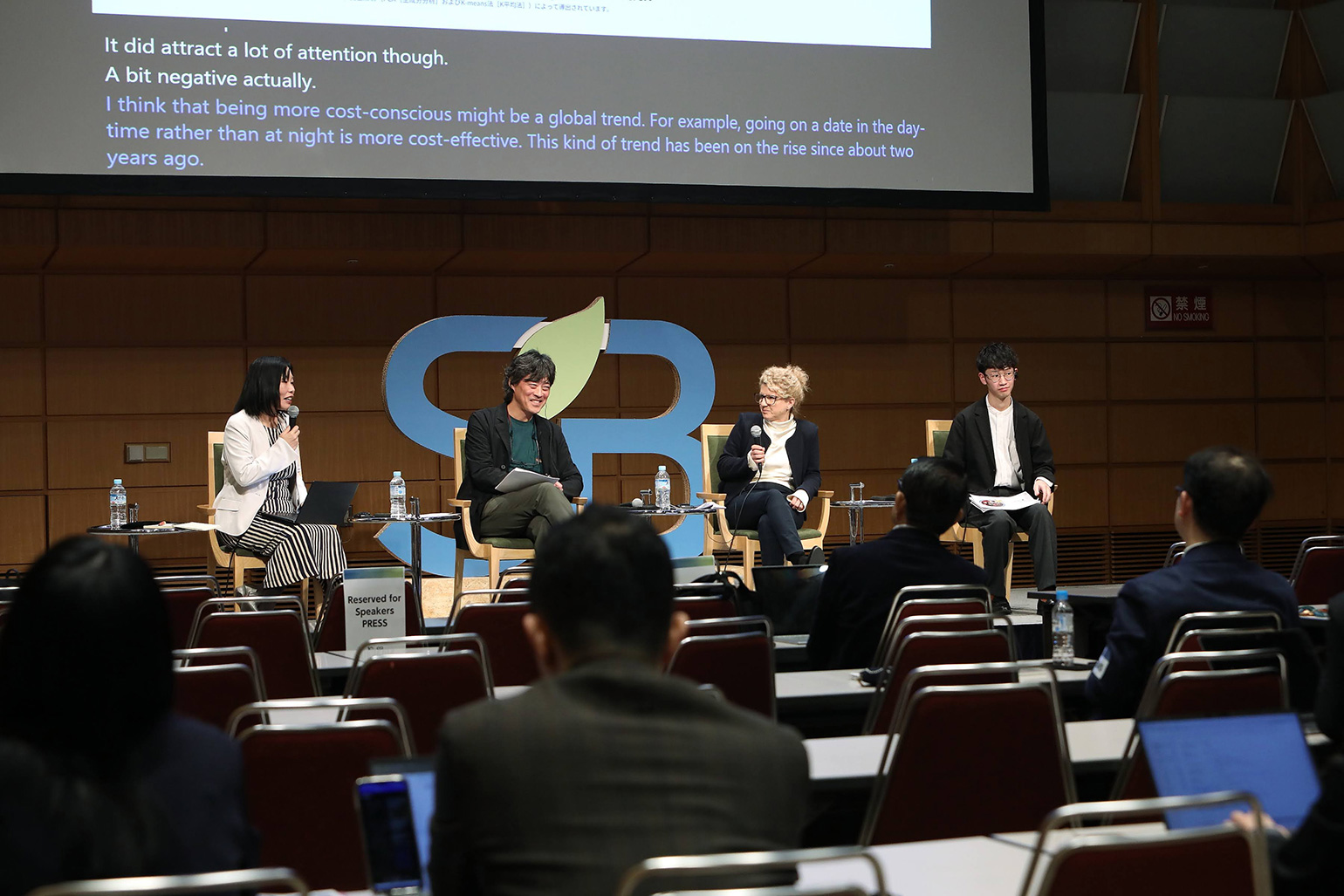
The survey results presented by Minoru Hattori of GlobeScan revealed a stark reality: while over 50% of consumers across 33 countries purchase sustainable products, the figure in Japan remains at around 30%.
The solution proposed was to shift the focus from social issues to “personal benefits (health and affordability).”Victoria Taylor, CEO of Flag Communication, cited Nike as an example, explaining how the company shifted its focus from appealing to elite athletes to supporting comprehensive health through the “Nike Well Collective,” thereby rebuilding connections with consumers through rest and yoga. Yu Murase of nest also commented that well-being is a relatable touchpoint for the next generation.
In response to a question from the audience, it was noted that to make sustainable purchasing a habit, a “state of positive emotional engagement” that fosters autonomous action is essential. Tanaka summarized that appeals that stoke fear or anxiety ultimately lead to shifting blame onto “the government or corporations.” Therefore, it is necessary to provide diverse entry points—such as narratives focused on fashion, food, or practical benefits for price-conscious consumers—to help people find the key to taking proactive action.
Redefining sustainability from a “social issue” to “personal benefit (health and economic efficiency).” Moving beyond the framework of environmental consideration, this session, which questioned the essence of future marketing, presented clear guidelines for implementing sustainability in society.
Reference: Dentsu Live Inc. Release: “ Dentsu Live Inc. Establishes ‘Emotion LABO,’ a Research and Development Organization to ‘Scientifically Analyze’ the ‘Emotions’ That Move People ”
Was this article helpful?
Share this article


Newsletter registration is here
We select and publish important news every day
For inquiries about this article
Back Numbers

Author
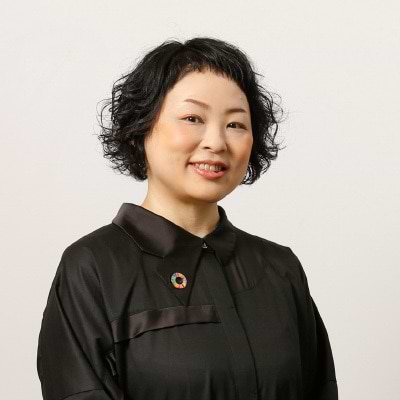
Hotta Mineko
Dentsu Live Inc.
Executive Officer, CSXO
Material Innovation!We monetize those "ideas" and "creative concepts"!Co-Creating a Circular EconomyCreating a Sustainable Era: Insights on Collaboration—Sustainable d Actions—The Next Generation of Customers Supporting Sustainability Management: "Sustainable Customers"Events Can Contribute to BX! —Dentsu Live Inc.: Pioneering the Future with Expertise and CreativityThe Good Relationship Between Marketing and Sustainability【Global】Accelerating Sustainability & Circular Economy![[SB 2026 Tokyo] What Is Required of Corporate Sustainability Communicationsのサムネイル](https://cdn.speedsize.com/e7df76a9-4406-40f5-bc97-57e7c2c2d99d/https://cdn.dentsu-ho.com/834def09-4013-422a-a14f-45c659fd7b82/gbc33_top.jpg/f_auto,w_3840)
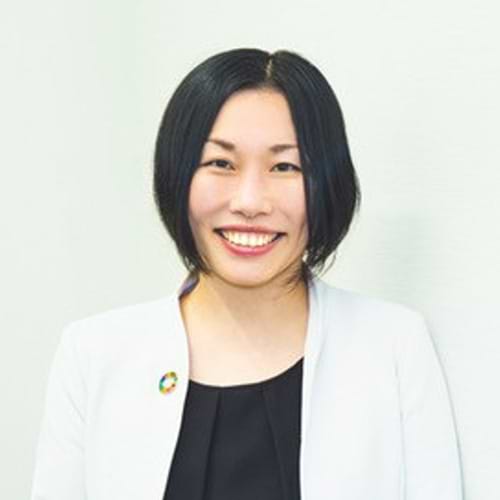
Rie Tanaka
株式会社電通ライブ
シニアディレクター