Have you heard of the term “RD Worker”? RD Worker is a new concept announced in September 2025, referring to people who are working or seeking to work while living with a “rare disease.” When you hear the term “rare disease,” you may feel that it’s a world unrelated to your own. However, the intersection of “rare diseases and work” is likely to become much more relevant to us in the future.
In Part 1, we explained the meaning of the term “RD Worker” and the background behind its development. In Part 2, Dentsu Inc. Creative Director and Copywriter Ikumi Sotozaki continues to present the rest of the creative work she produced on the theme of “Rare Diseases and Work,” along with interviews with the speakers who participated in the event where the work was unveiled.
*In this article, the term “rare and intractable diseases” is used comprehensively to include not only those defined by national systems—such as “rare and intractable diseases,” “designated rare and intractable diseases,” “rare and intractable diseases under the Act on Comprehensive Support for Persons with Disabilities,” and “rare diseases”—but also “intractable chronic diseases,” as defined by the NPO Ryoyu World.
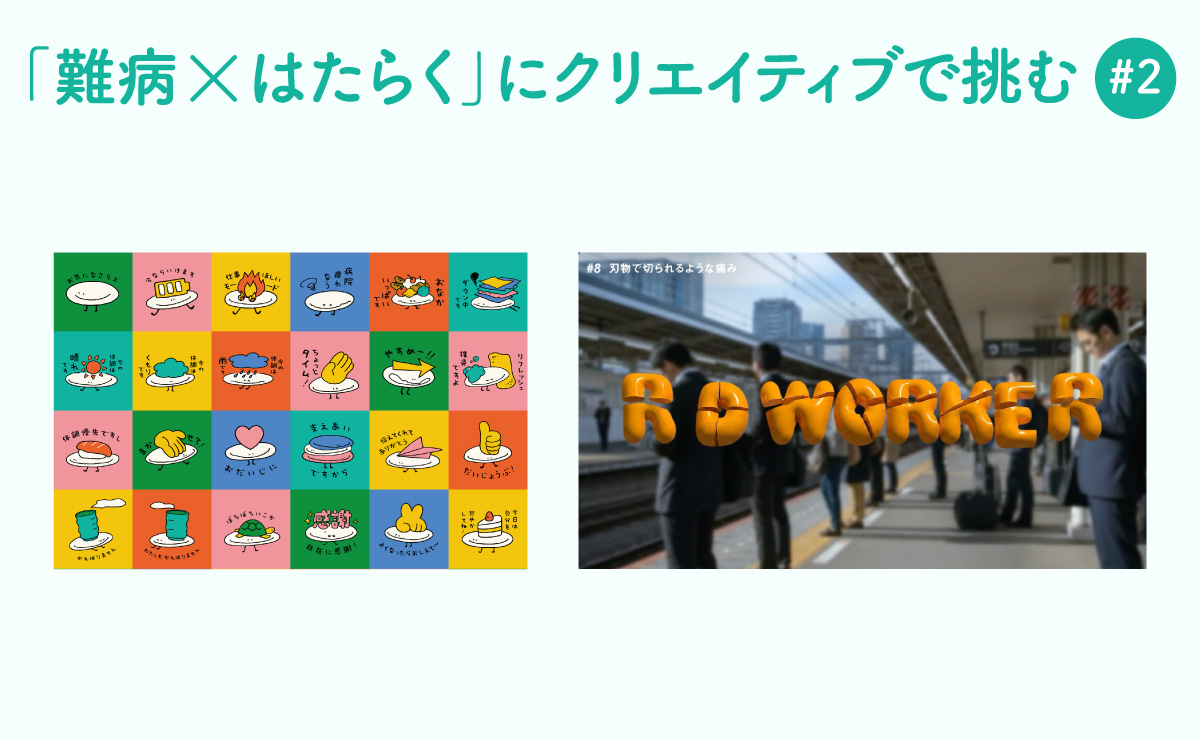
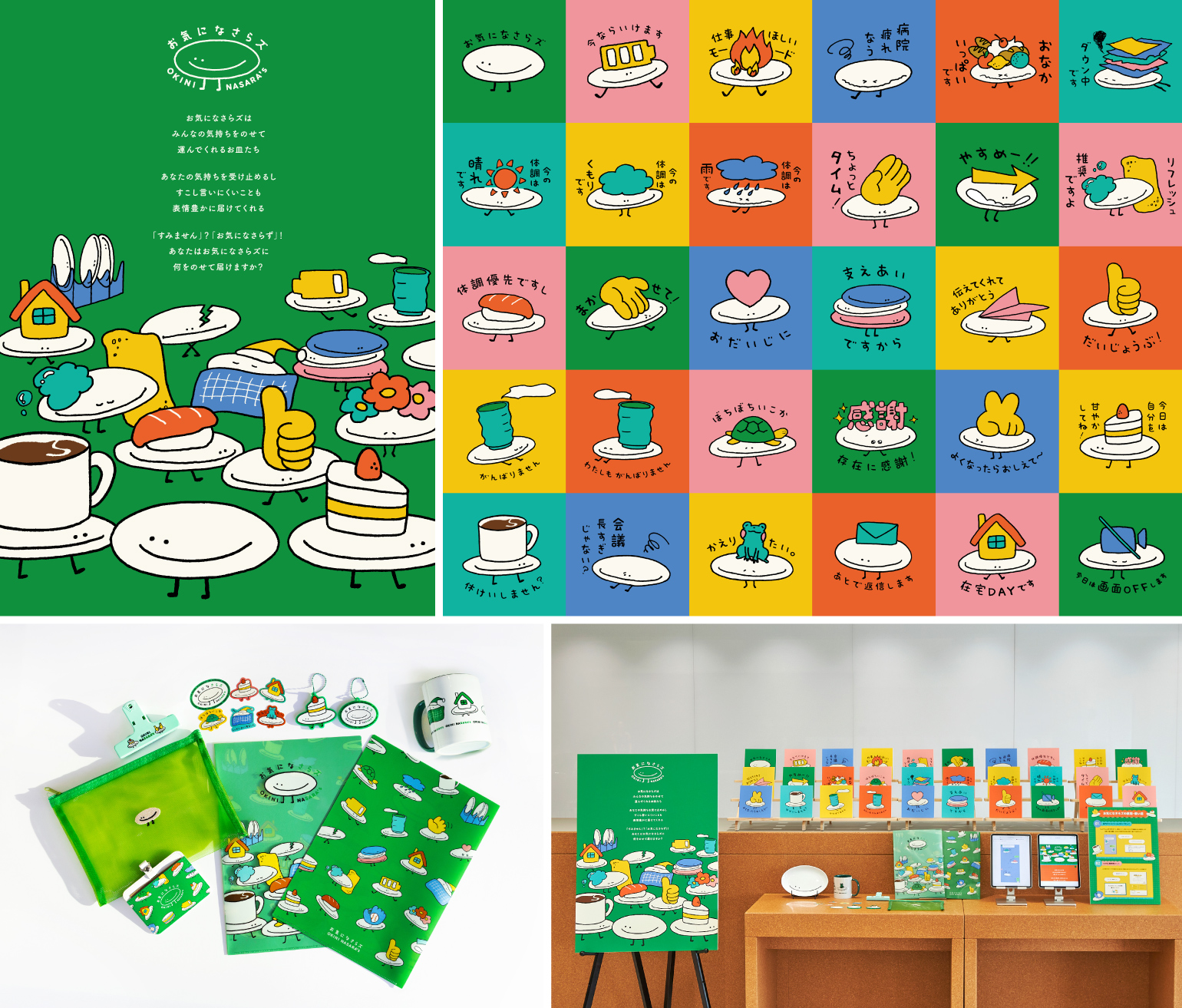
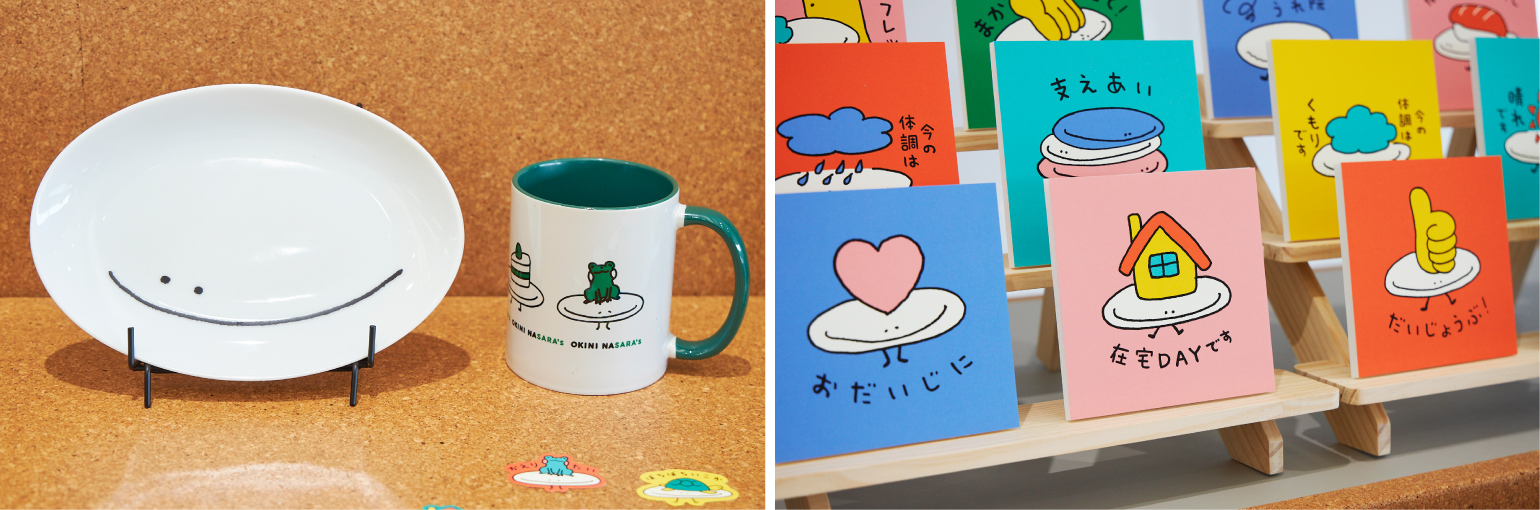
Vol. 3 “Okinasarasazu”: Conveying Even Difficult Topics with Charm
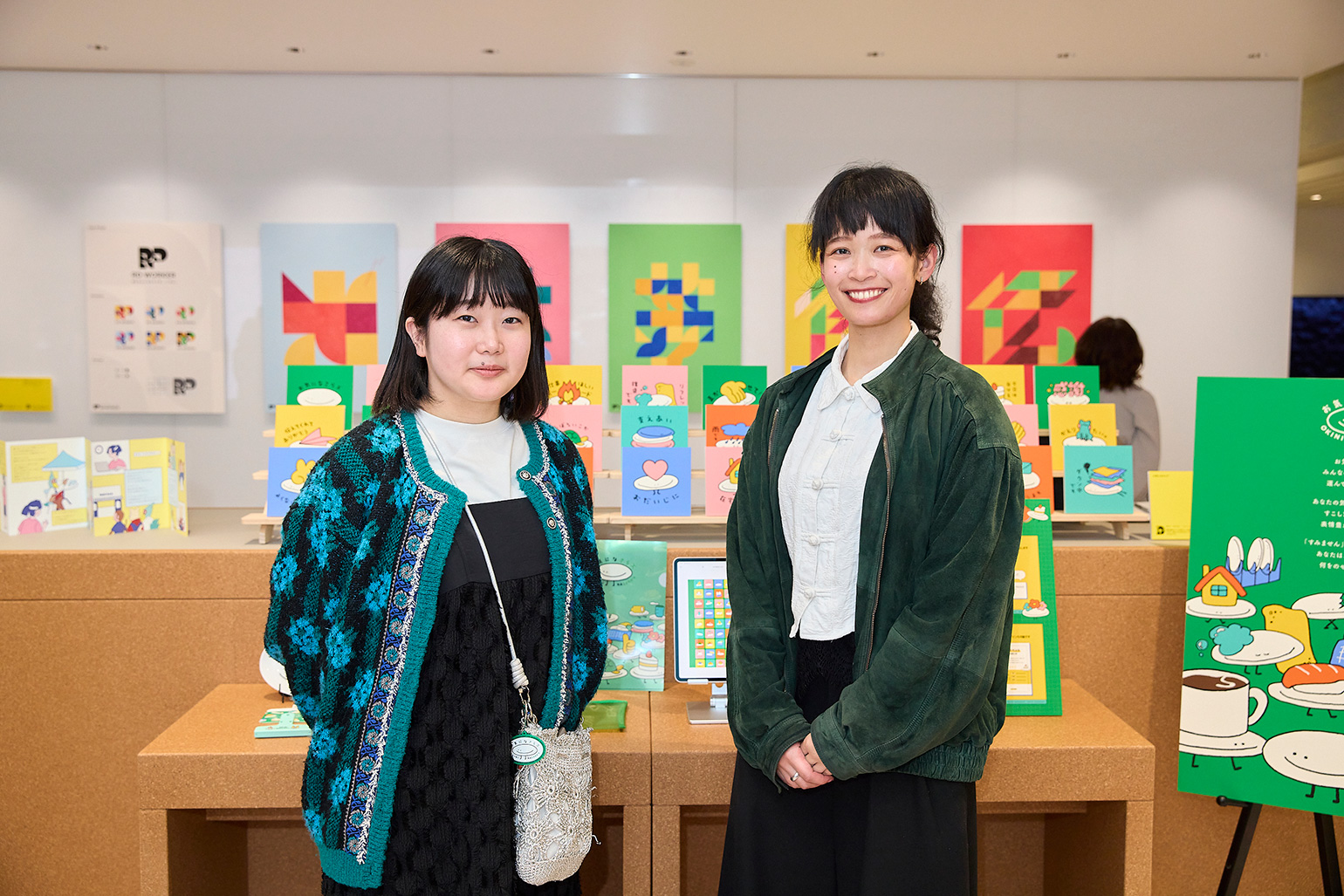
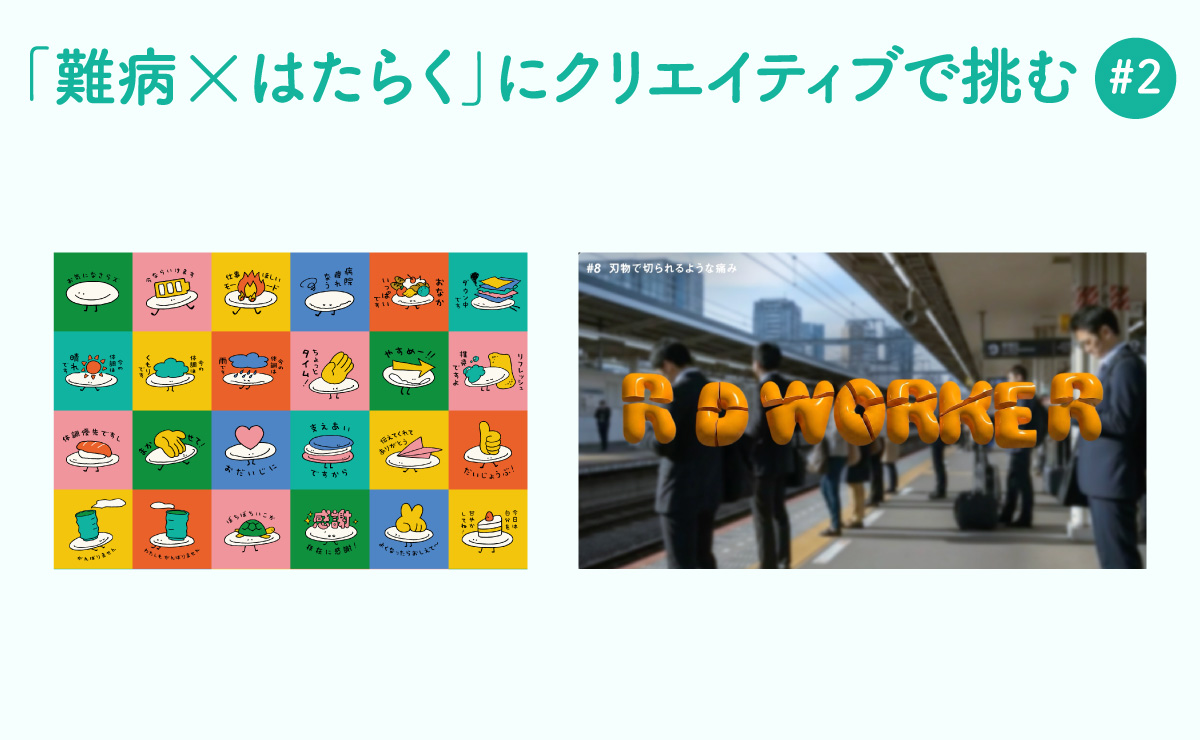
The communication tool “Don’t Worry About It.” Click the image to view details
Planning and Production:
──This team came up with ideas to make communication with others fun and smooth for people with intractable diseases in the workplace. What was the inspiration behind this project?
Hoshi: It all started with a story we heard from someone directly affected who said, “Thanks to a workplace environment where it’s easy to explain my situation, it’s become easier for me to work.”
Eguchi: We thought about how we could reduce the burden on RD workers when explaining their situation. We thought it would be great to have a tool that allows them to convey this information casually, without having to go out of their way to say it.
──You created 65 different character designs and phrases so that this tool could be used casually in business chat apps like Teams or LINE. Could you tell us about any special considerations or efforts you made during the process?
Hoshi: We were careful during production to ensure the phrases accompanying the characters weren’t words that people in those situations wouldn’t actually use, and that they wouldn’t unintentionally hurt others. That’s why, throughout the process, we had the users review the designs multiple times. We incorporated their feedback—such as “We’d like more phrases like this” or “This character’s expression might not match this phrase”—one by one, eventually arriving at the final version we have now.
Eguchi: We also focused on making the phrases “easy to use in daily life” for both RD workers and non-workers alike. Phrases like “Take it easy!” and “Resting is part of the job” convey the same general idea, but their subtle nuances can change depending on the situation or how they’re received. We felt that choosing between them was part of the fun of sticker messages, which is why we ended up with 65 different types.
──Please share the message you hope to convey through this work.
Hoshi: I think there are times when not just RD workers, but everyone, can’t work at 100% capacity. The ideal is a tolerant environment where we can all say, “We’re all in the same boat,” to one another during those times. I’d be happy if this “Don’t Worry About It” could be of even the slightest help.
Eguchi: It’s easy to say “Don’t push yourself,” but I think we live in a world where it’s quite difficult to actually “not push yourself” without feeling guilty. However, I’d be happy if “Don’t Worry About It” serves as a safety net that helps alleviate that guilt, even just a little, and helps people choose to “not push themselves when they can’t.”
(From left) Art Director Mitsuki Eguchi, Planner/Animator Sakura Hoshi
Vol. 4: Visual Representations That Make the Pain and Symptoms of RD Workers Visible
*Please note that the video contains flashing images
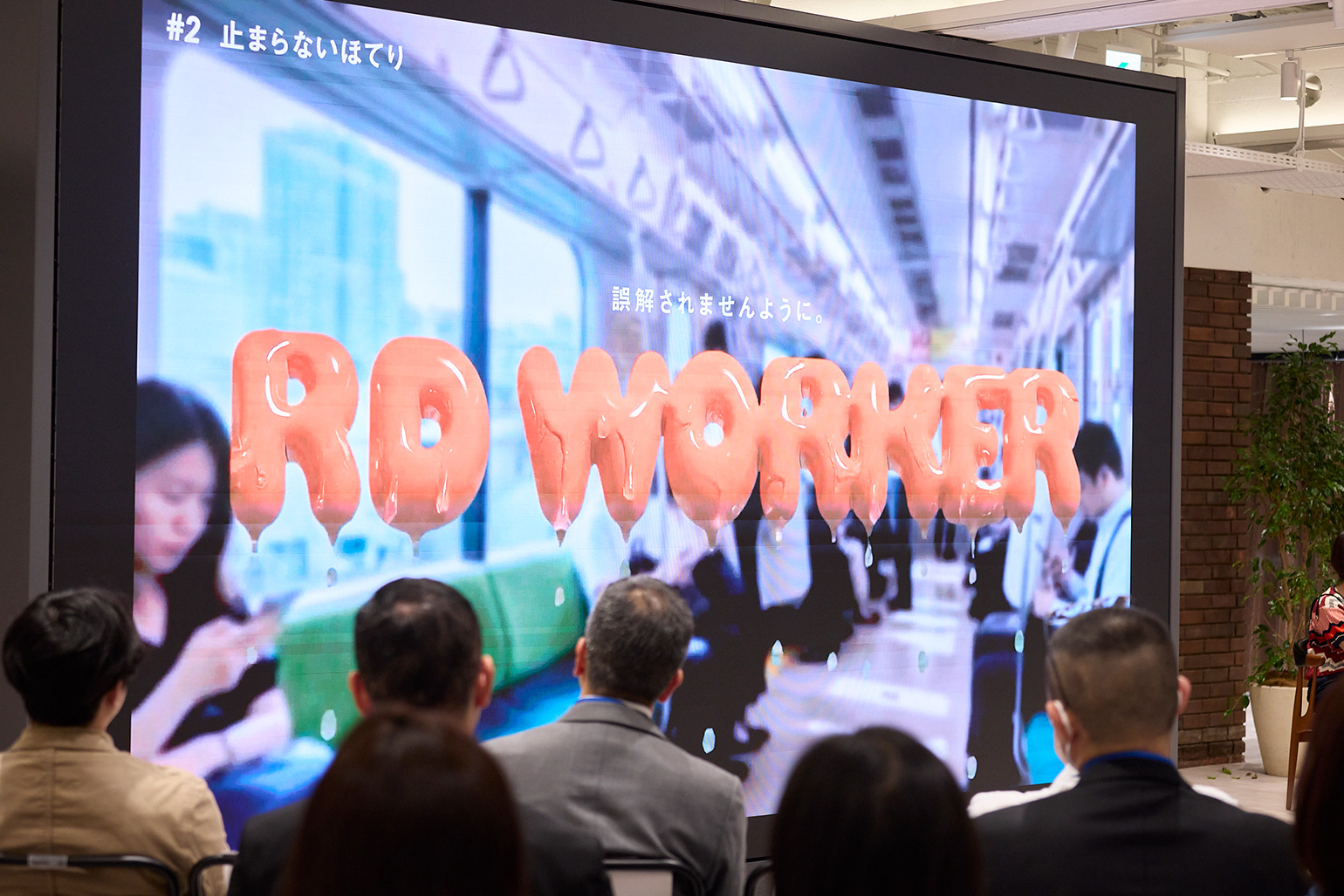
Symptom Typography — Visualization of pain and symptoms. Click the image to view details
Planning and Production:
──This team created a video work that personifies and transforms the typography of “RD WORKER” to express the actual pain and symptoms RD workers experience in their daily work. How did you come up with this concept?
Urano: The pain and symptoms of intractable diseases are difficult to discern from outward appearances, and those affected often struggle with how to convey them to others. Rather than simply explaining them, we wanted to create a form that would allow people to intuitively empathize with the “discomfort occurring inside the body.”
──You conducted interviews with RD workers while creating the video. Could you share any insights or specific details you focused on during that process?
Urano: Listening to their stories, I learned that symptoms vary widely from person to person—ranging from “a constricting pain” to “a leaden heaviness.” Therefore, in the video, we sought to create different textures and distortions for each scene. What I wanted to express was the “difficulty of living” that arises when pain is overlooked. Alongside the heartfelt voices of those affected, I focused on accurately visualizing the symptoms that hinder their positive desire to “work.”
──I imagine it takes a lot of imagination to translate the pain and symptoms of RD workers into copy. Could you tell us about any particular challenges or precautions you took?
Tsuno: I struggled with how realistically to portray the pain and symptoms. By crafting copy that made the most of the actual words of those affected, I carefully ensured that every single phrase remained true to their lived experiences.
──In creating expressions that don’t exist in the real world from scratch, you utilized AI with the cooperation of the VFX team at Dentsu Creative Pictures Inc. Could you tell us if there were any specific points you were particularly particular about regarding AI generation?
Urano: We deliberately chose to use AI rather than 3DCG. The pain of rare diseases is unpredictable and uncontrollable. By having the AI generate the visuals, we attempted to express an “uncontrollable rawness” and “unknown undulations” that go beyond what humans can conceive. I’d also like you to pay attention to the “sound.”When the text distorts, we’ve layered sounds like creaking bones and nerve-tingling noise. By conveying stimulation through the ears as well, we aimed to create something so realistic that viewers would feel as if “their own bodies were in pain.”
──If there is a message you’d like to convey through this video, please share it.
Urano: Rather than asking for “special consideration,” I hope this video will serve as a catalyst for us to work together to create a truly inclusive “future of work” where everyone can work flexibly according to their physical condition and circumstances.
Tsuno: The pain and symptoms experienced by RD workers are even more diverse than what is depicted in this video, and even with the same diagnosis, the pain differs for each individual. That is precisely why I believe it is crucial not to assume we understand, but to continue imagining with humility. I hope this video will serve as a catalyst for updating the way we interact with RD workers.
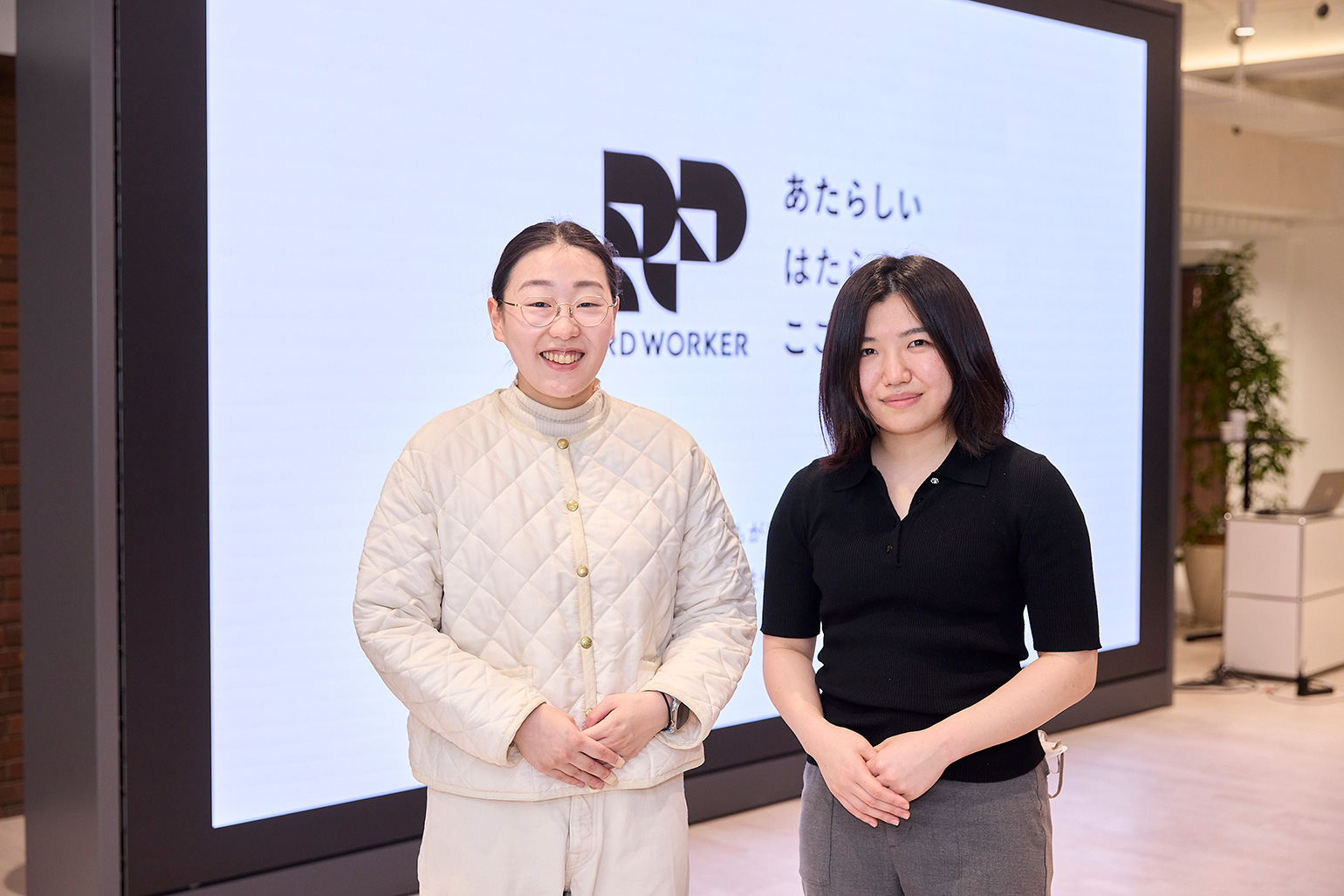
(From left) Art Director Natsumi Urano, CM Planner Fumika Tsuno
Approaching the Theme of “Inclusivity”
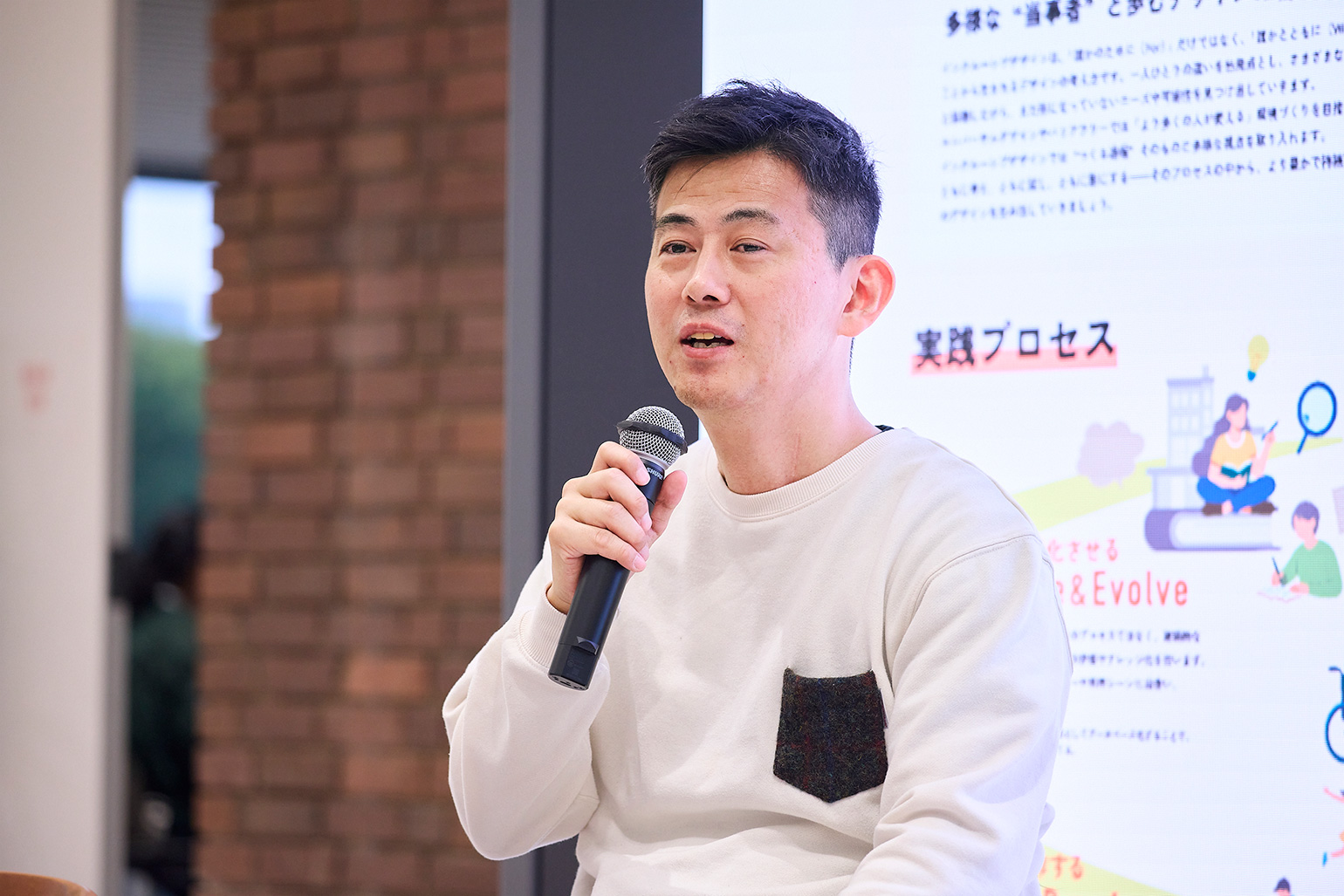
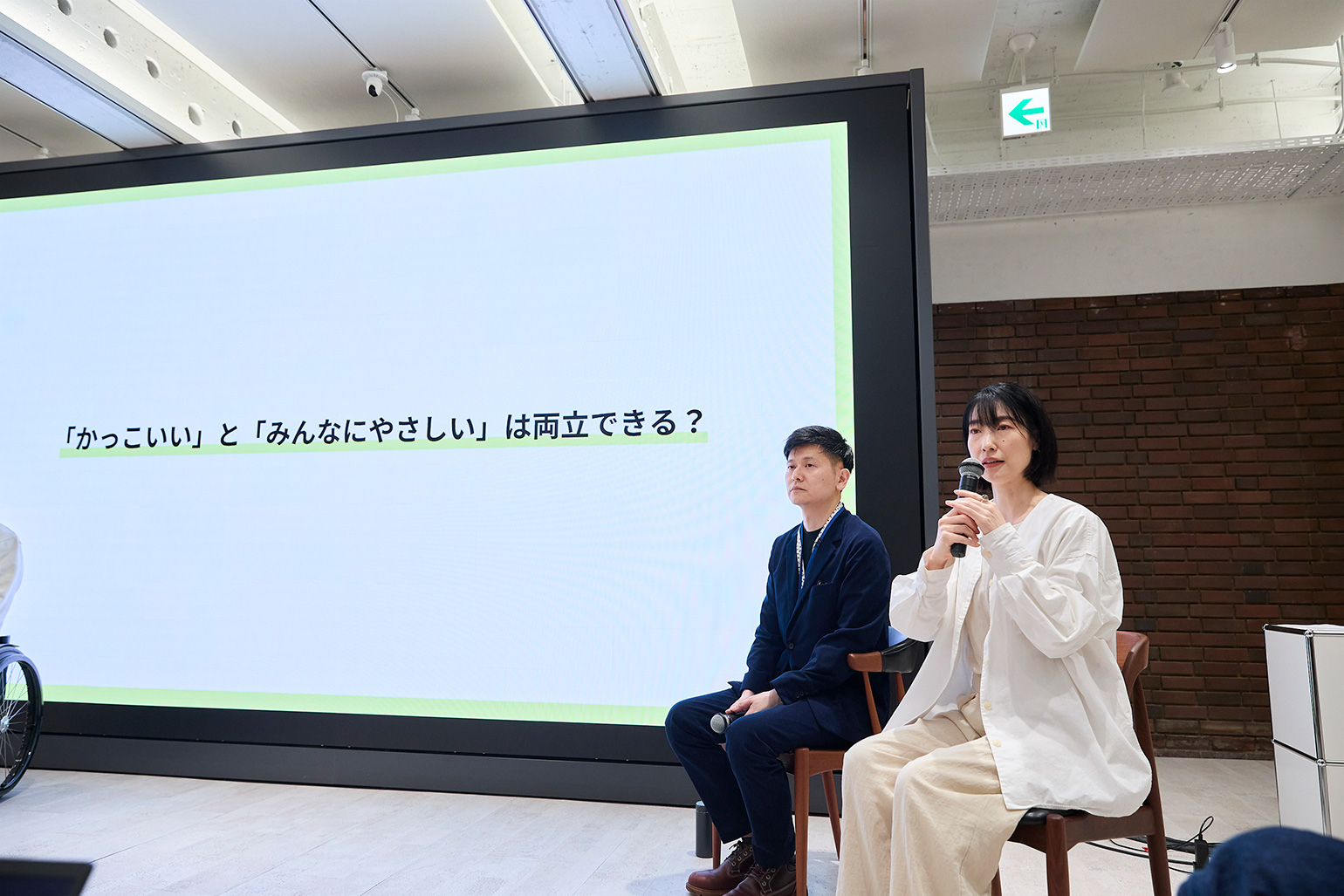
In conjunction with the release of creative works aimed at raising awareness of RD workers, we held a panel discussion under the theme “Designing a Workplace and Society Where Everyone Can Work Comfortably.” Participants included Tomohiko Yamanashi, Chief Design Officer at Nikken Sekkei; Isamu Nishi of Nikken Sekkei’s Inclusive Design Lab; Takayuki Shigemitsu, Chairman of Ryōiku World; and Ikumi Sotozaki of Dentsu Inc.
At the Nikken Sekkei Inclusive Design Lab, where Mr. Nishi is based, they place great importance on a process of collaborating with diverse stakeholders to create a social environment where everyone can live and work authentically, regardless of physical or mental condition, age, language, or other differences.On this occasion, Mr. Shigemitsu of Ryoyu World approached them with a proposal to expand the reach of RD Workers. With the hope that this event would serve as an opportunity to raise awareness about rare diseases—which still lack widespread public recognition—and help promote RD Workers, Nikken Sekkei’s Inclusive Design Lab co-hosted the event with Ryoyu World.
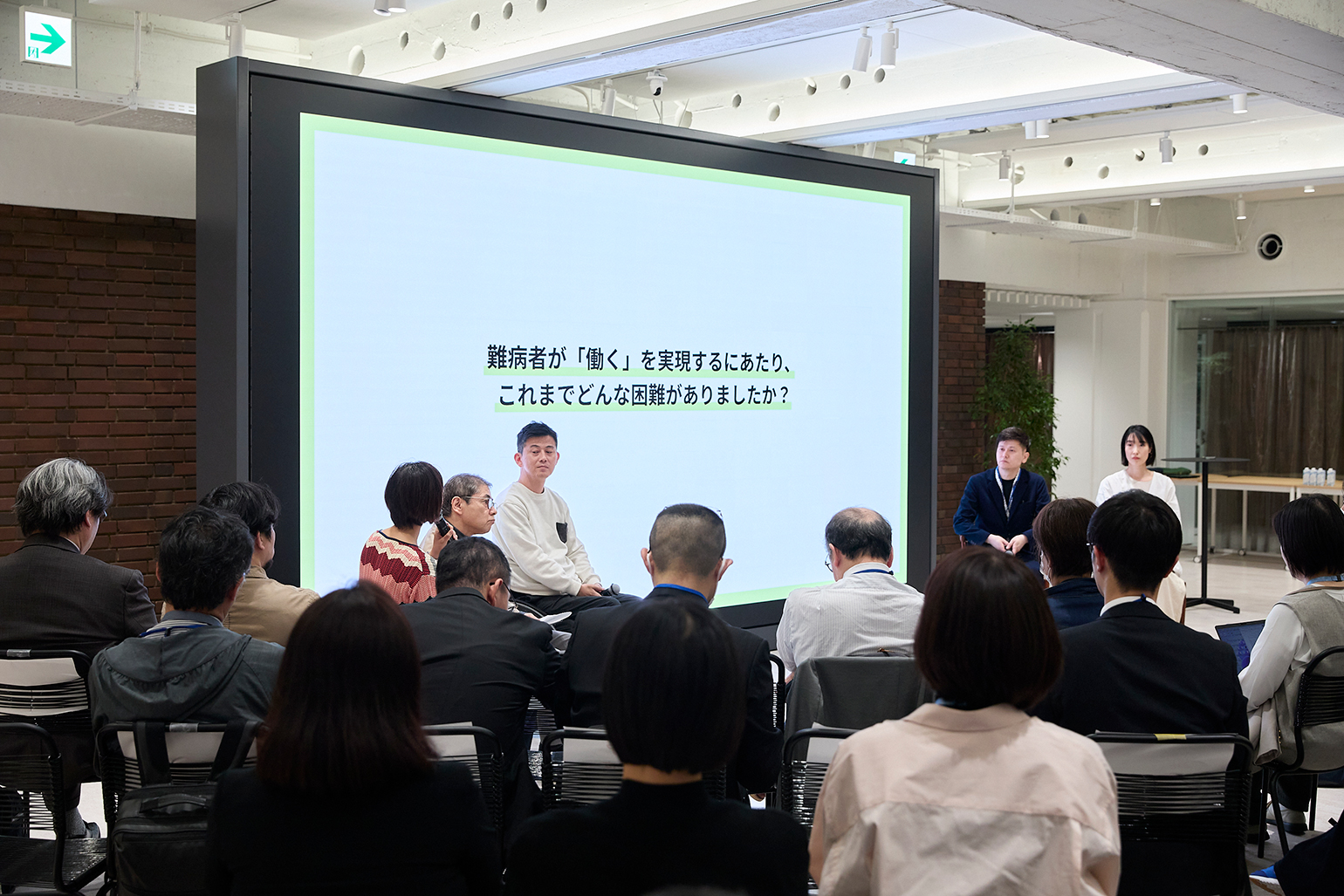
A scene from the panel discussion on the day of the event
──How did you find hosting this event titled “Designing the Future of ‘Intractable Diseases × Work’”?
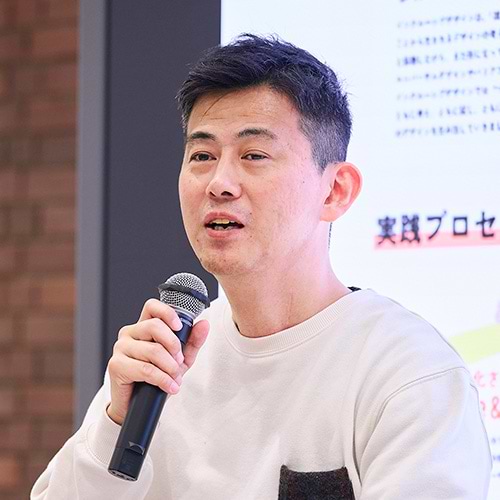
Nishi: I’ve always believed that raising awareness about issues with low social visibility is incredibly important. There’s a term called “cognitive injustice,” and I found it refreshing to see “creativity” as a means to address it. I also thought it was wonderful that the term “RD Worker” was developed as a way to realize the concept of “Intractable Diseases × Work.”
Nishi: The video (“Symptom Typography—Visualizing Pain and Symptoms”) was particularly striking. When discussing diversity, I actually believe that using abstract expressions is very important.I use a wheelchair myself, and I think that if, for example, a video simply showed “a wheelchair unable to cross a step,” viewers would just accept that fact at face value. However, when the frustration and confusion of being unable to cross a step are expressed through abstract means, I think it becomes easier to expand one’s imagination. I also liked how this video visually expressed relatable experiences—like pain or itchiness—that could happen to anyone, incorporating sound and light.
──I see. It was a new discovery for me that abstracted concepts make it easier for a wider range of people to relate to them personally. What do you think is needed going forward to help RD Workers gain broader recognition?
Nishi: Just as there are creators and users in design, there are employers and employees when it comes to RD Workers. I think it’s crucial for these “employers” to understand the concept deeply, expand their imagination, and be able to visualize what an RD Worker is like. Dialogue is absolutely essential here, and I’m sure many valuable insights will emerge from those conversations.
Yū Nishi, Nikken Sekkei Inclusive Design Lab
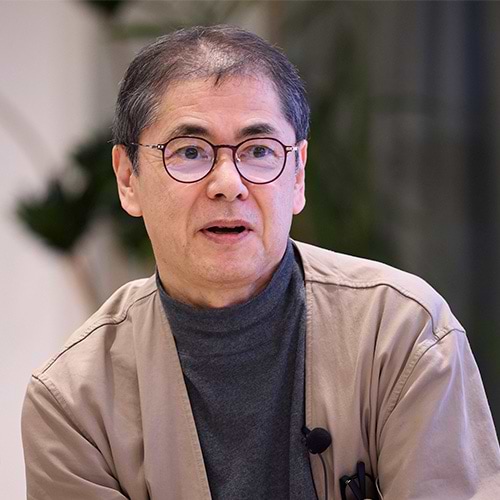
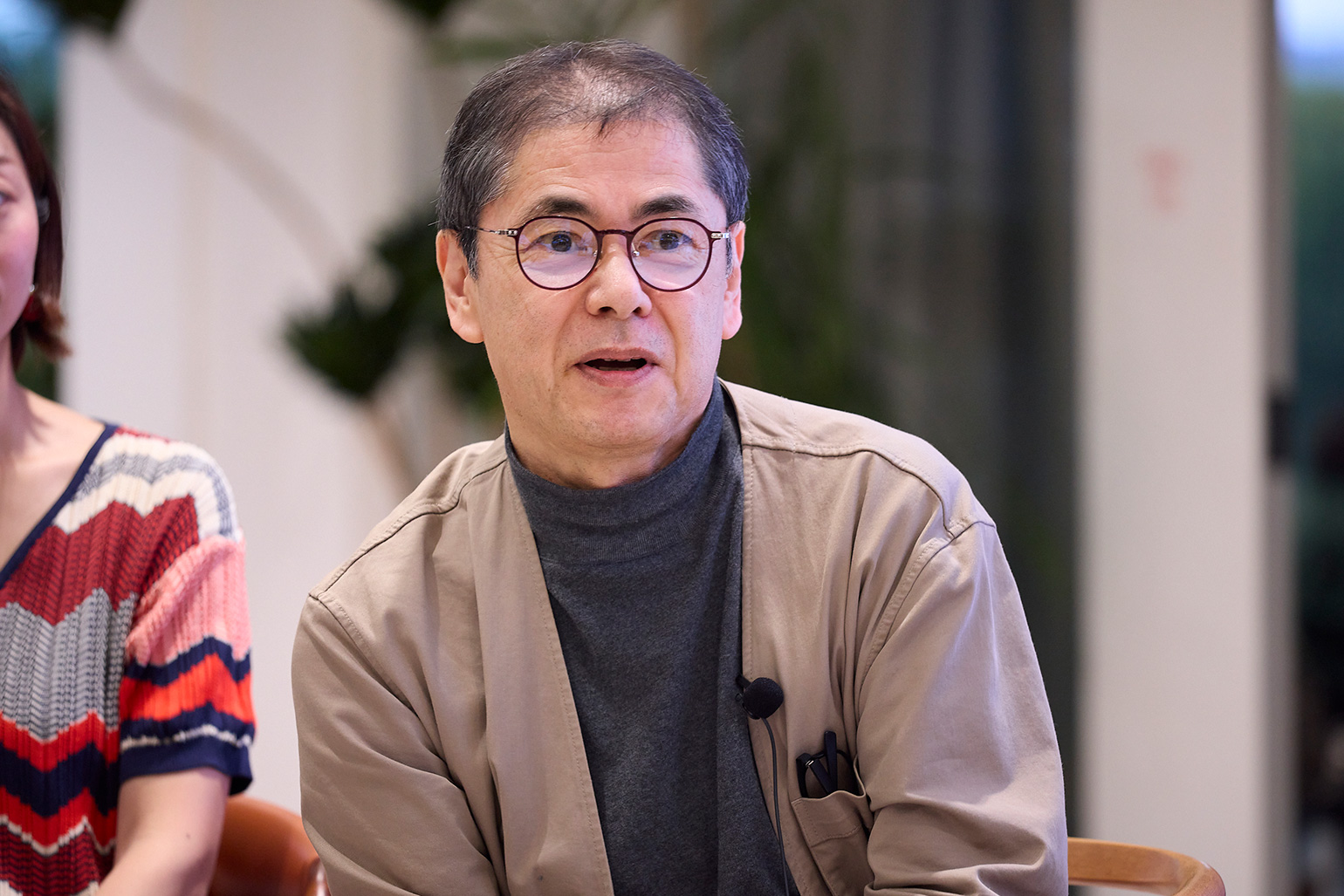
We also spoke with Tomohiko Yamanashi, Chief Design Officer at Nikken Sekkei, who spoke at this event. As an architect, Mr. Yamanashi has worked on numerous renowned buildings, but 10 years ago, he was diagnosed with Parkinson’s disease and experienced becoming an RD worker himself.
Mr. Tomohiko Yamanashi, Chief Design Officer, Nikken Sekkei
—Mr. Yamanashi, you have been active on the front lines as an architect for many years. Since becoming ill, has your perspective on your current work or architecture changed?
Yamanashi: Given my line of work, I had always taken it for granted that architecture should be considerate of people with disabilities. I thought that becoming ill myself would drastically change my approach to architecture, but it didn’t. That was a shock. I had believed that having a disability myself would surely enable me to create designs that accommodate disabilities, and that I could surely contribute to society as an RD Worker, but it didn’t work out at all. These past 10 years have been a time when I’ve felt the difficulty of this issue firsthand.
──So it’s not a straightforward process to incorporate that into your work, is it?
Yamanashi: Just because you’ve become a person living with a rare disease doesn’t mean you automatically become an expert on rare diseases.In my case—with rare diseases and architecture—it takes a certain level of literacy to bridge that gap effectively. Looking back now, I was in a state of panic for about three years after getting sick; I wasn’t really facing my illness head-on. In that state, I couldn’t apply it to my work, let alone contribute to society. I thought I was being foolish. But now, conversely, I’ve come to think that maybe humans are creatures who learn that way.
—Was there a specific turning point that changed your perspective, Mr. Yamanashi?
Yamanashi: It was after I became able to talk to people about my illness. For several years after I got sick, I was nervous and worried that my colleagues or clients might find out about my condition. But I began to think that if there was a possibility my illness might cause some inconvenience, letting the other person know beforehand was simply a matter of professional courtesy. I realized that disclosing my illness put my own mind at ease more than hiding it did. Based on that experience, I came to believe that raising society’s awareness of rare diseases is crucial.I’ve come to believe that my role isn’t just to think about “universal design,” but also to raise public awareness of rare diseases by “disclosing my illness.”
──Has anything changed since you started disclosing your illness?
Yamanashi: By no longer hiding it, I’ve actually been able to work more relaxed. Since I no longer have to pretend to be healthy, the tension has disappeared. Also, because the time I have each day to move my hands freely is limited, I’ve shifted from being a generalist to working as a specialist in architectural design. Perhaps because I have more mental space now, I’ve started doing the dishes at home—something I never helped with when I was healthy—and I’m even feeding those insights back into my architectural design work. In this way, my perspective on society as a whole has changed.
──What do you think is needed to create a society that brings out the potential of RD workers?
Yamanashi: The world isn’t just full of healthy people; there are also many people who aren’t feeling well. If we start promoting the term “RD Worker,” I think people will come forward and say, “Actually, I’m not feeling well either.” Recently, more people are working into old age, and I believe most people over 65 have some kind of illness or condition. Health isn’t the “norm”; everyone lives with their own individuality and differences. I think society needs to catch up to the idea that “diversity is the norm.”
──From your perspective as an architect, could you share a message for the creative team behind this project?
Yamanashi: I feel that the work of an advertising creative is quite similar to that of an architect in terms of approach; it’s a job that involves responding to requests from various perspectives. I believe that through this steady work and the countless rounds of feedback, we can achieve a balance between “cool” and “kind,” so I really hope everyone will aim for that.
Precisely because the world is full of “meaning,” we must cherish that sense of “something just feels right”
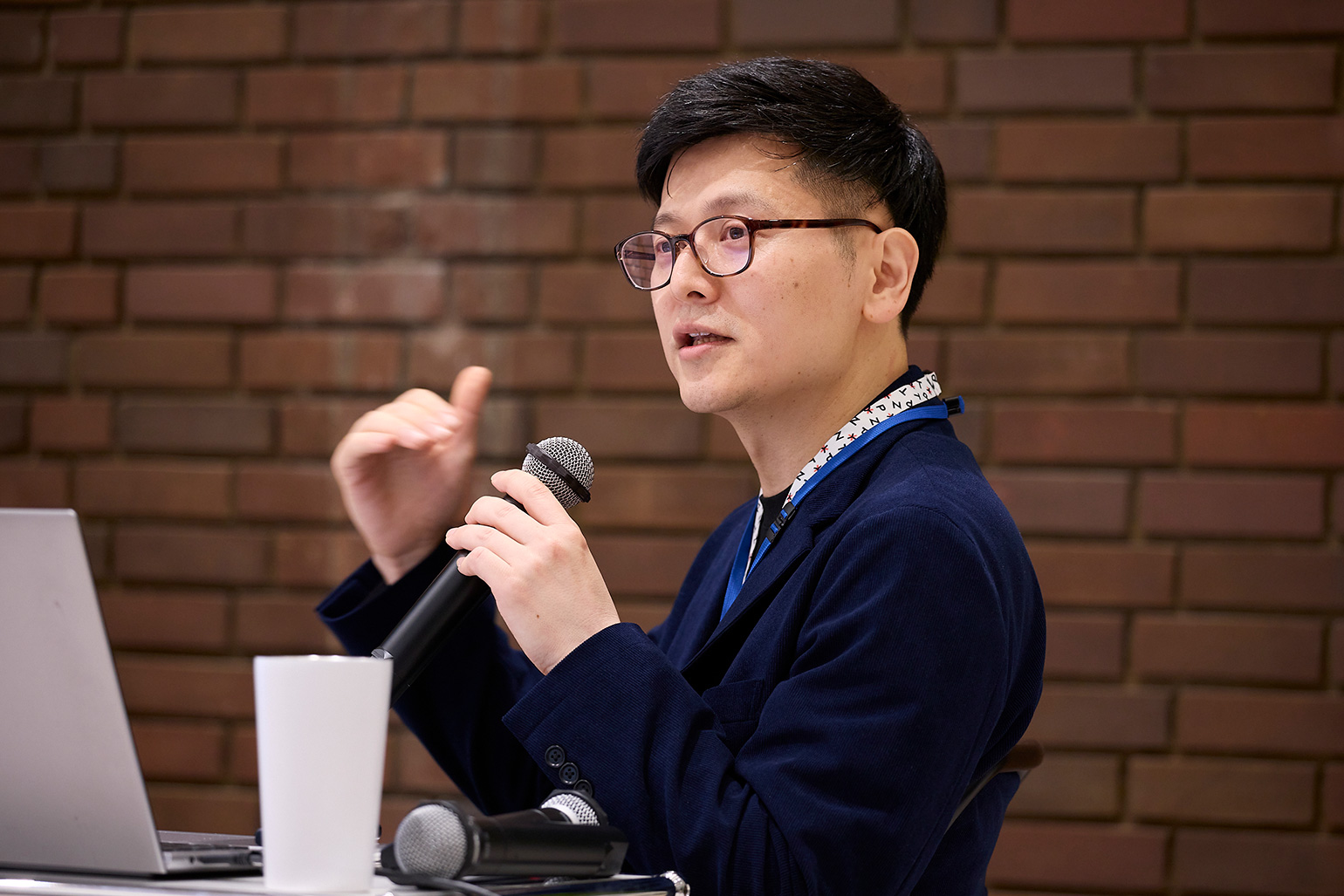
Finally, we spoke with Mr. Shigemitsu, Chairman of the NPO Ryoyu World, who helped develop the term “RD Worker” and who collaborated with us throughout this creative project, working closely with people living with intractable diseases and supporting us every step of the way.
Mr. Takayuki Shigemitsu, Chairman of the NPO Ryoyu World
──What were your expectations for this creative project?
Shigemitsu: As people living with these conditions, when our organization’s members or those involved in the “Study Group on Social Participation of People with Intractable Diseases”—a volunteer group comprising members from our organization and external groups—carry out activities, we often rely on more formal methods, such as white papers and policy proposals. While these methods reach those directly involved, the challenge is that they don’t easily resonate with the general public. I felt that creativity was the only way to break through that barrier.
When we created posters with Mr. Tonosaki and his team in the past, complete strangers would approach us, and both those directly affected and those who weren’t would say, “That’s cool.” The power of the poster itself came first, and that’s how empathy spread. I had similar expectations this time as well.
──This time, four teams of young creators each brought their ideas to life using different approaches. I’d like to hear your honest thoughts.
Shigemitsu: I think it’s great that expression is free. I could really feel the creativity and free-thinking of the younger generation firsthand, and I was delighted to sense the possibilities. I just know that “RD Worker” is going to take off.
──Thank you for your kind words. Now that we have works and tools to spread the term and concept of “RD Worker,” could you share your thoughts and outlook for the future?
Shigemitsu: Whether people are directly involved with RD Workers or not, I think it would be great if the concept spreads through reactions like “That’s cool” or “This is fun,” and as a result, people come to know about RD Workers. Rather than approaching it from a perspective of “social significance,” I believe it’s better to start with the idea that people simply think “That’s nice” because of the inherent quality of the creative work itself.
(From left) Takayuki Shigemitsu, Chairman of NPO Ryōiku World; Ikumi Sotozaki, Dentsu Inc.
—I often feel this way in my work with advertising and communications as well. Do you think it’s better not to start with “significance”?
Shigemitsu: Yes, I do think so. Everyone has their own circumstances, and the world is already full of “significance,” so people don’t really have the bandwidth to think about other people’s significance as well. That’s why I think it’s better to approach it from a different angle and let people realize the significance later on.
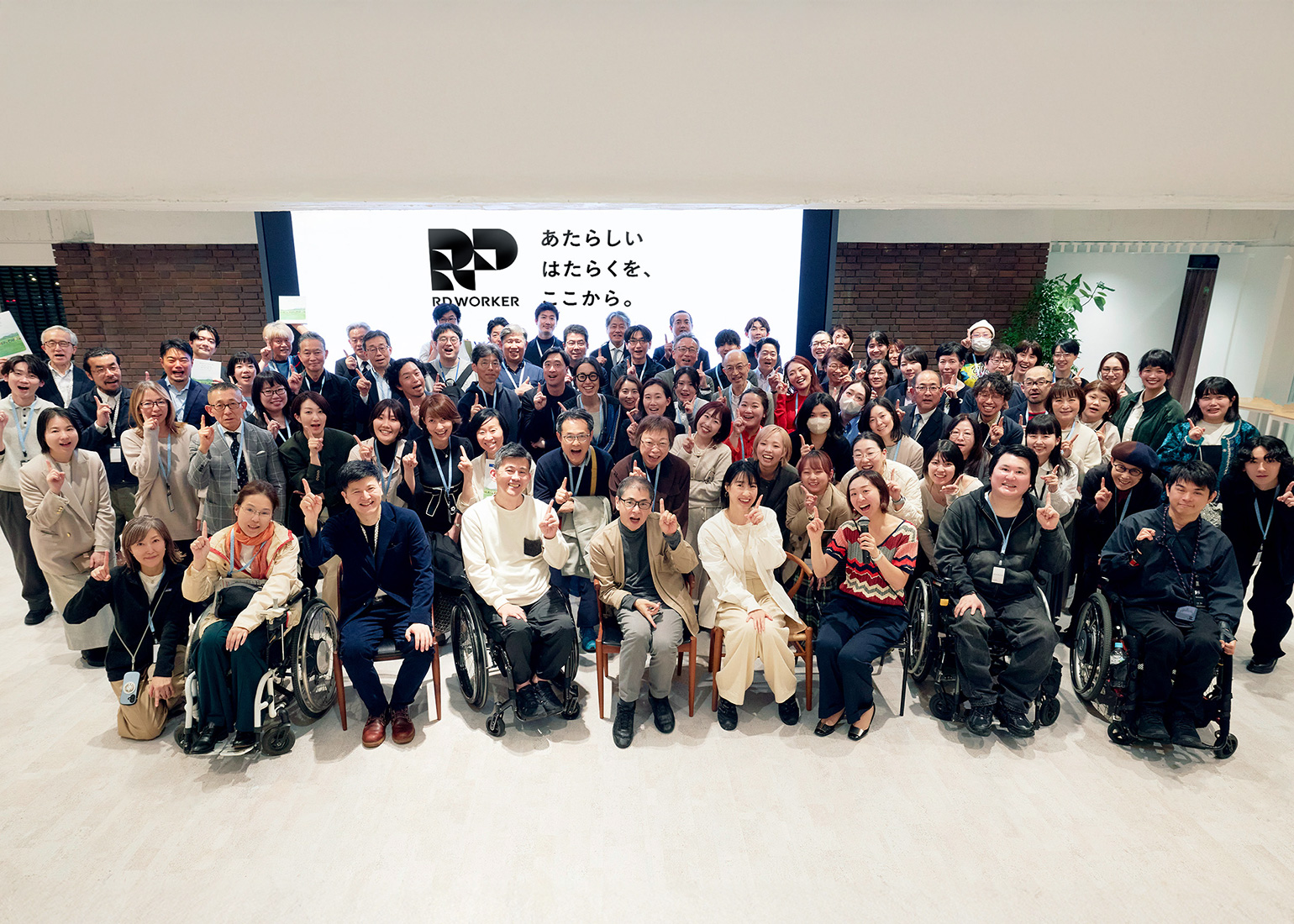
Group photo taken on the day of the event
It was very impressive to see Mr. Shigemitsu—who lives with a rare disease and has long dedicated himself to social support for people with such conditions—place the highest priority on “That’s cool” and “This is fun,” and value making the experience something everyone can easily relate to personally.
I believe this creative project will be a major step toward spreading the term and concept of “RD Worker”—which is still in its infancy—to the wider world and growing it into something everyone knows.
His specialty is architectural design. He has received numerous awards, including the MIPIM Asia Special Jury Award in 2009 for the “Timber Hall,” the Architectural Institute of Japan Award (Project Category) in 2014 for the “NBF Osaki Building (Sony City Osaki),” and in 2019 for “Building No. 1, Toho Gakuen University Chofu Campus.” His recent works include the “Japan Pavilion” and “Sumitomo Pavilion” for the 2025 Osaka Kansai Expo.He has served as Vice President of the Architectural Institute of Japan since 2024 and is also a judge for awards such as the Japan Seismic Isolation Association Award.
Isamu Nishi
Nikken Sekkei Ltd.
Digital Strategy Office / Inclusive Design Lab
While advancing digital design and digital transformation (DX) in the architecture and urban planning sectors, we are also dedicated to promoting and implementing inclusive design both within and outside the company. We prioritize a “co-creation” approach where users with diverse characteristics participate in dialogue from the design stage, advocating for urban development that transforms each individual’s sensibilities and experiences of inconvenience into new value.
Takayuki Shigemitsu
NPO Ryoyu World
Chairman
Fellow at the Institute for Healthcare and Nursing Solutions, Tama University Graduate School; Researcher at St. Marianna University School of Medicine. Developed cerebrospinal fluid hypovolemia in my mid-20s; after resigning from two jobs and spending five years bedridden, I am currently conducting a social experiment on flexible work arrangements. My primary symptom is pain 24 hours a day, 365 days a year; the stress from this pain has exacerbated my alopecia areata and made me even more impatient.
Ikumi Toga
Dentsu Inc.
Second CR Planning Bureau
クリエイティブディレクター/コピーライター
Creative direction and copywriting form the core of my work, which also encompasses branding, business development support from a creative perspective, communication development, product development, and project management. Served as Representative of Dentsu Inc. Gal Lab from 2016 to 2020.

 Taking on the Challenge of "Intractable Diseases × Work" Through Creativity [2/2]