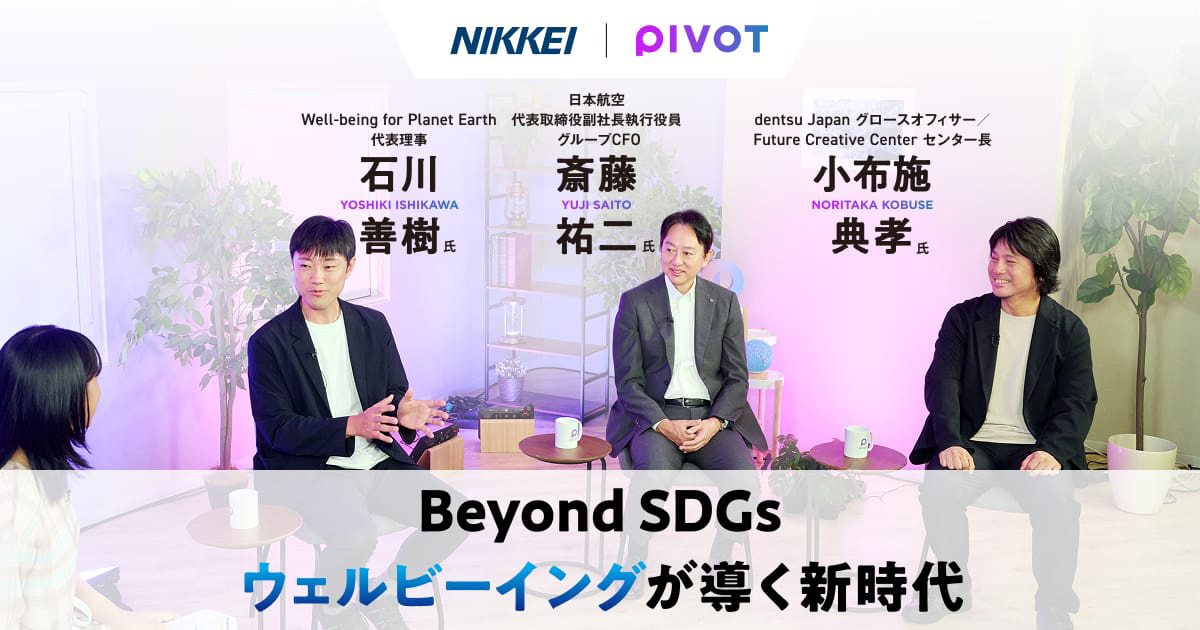
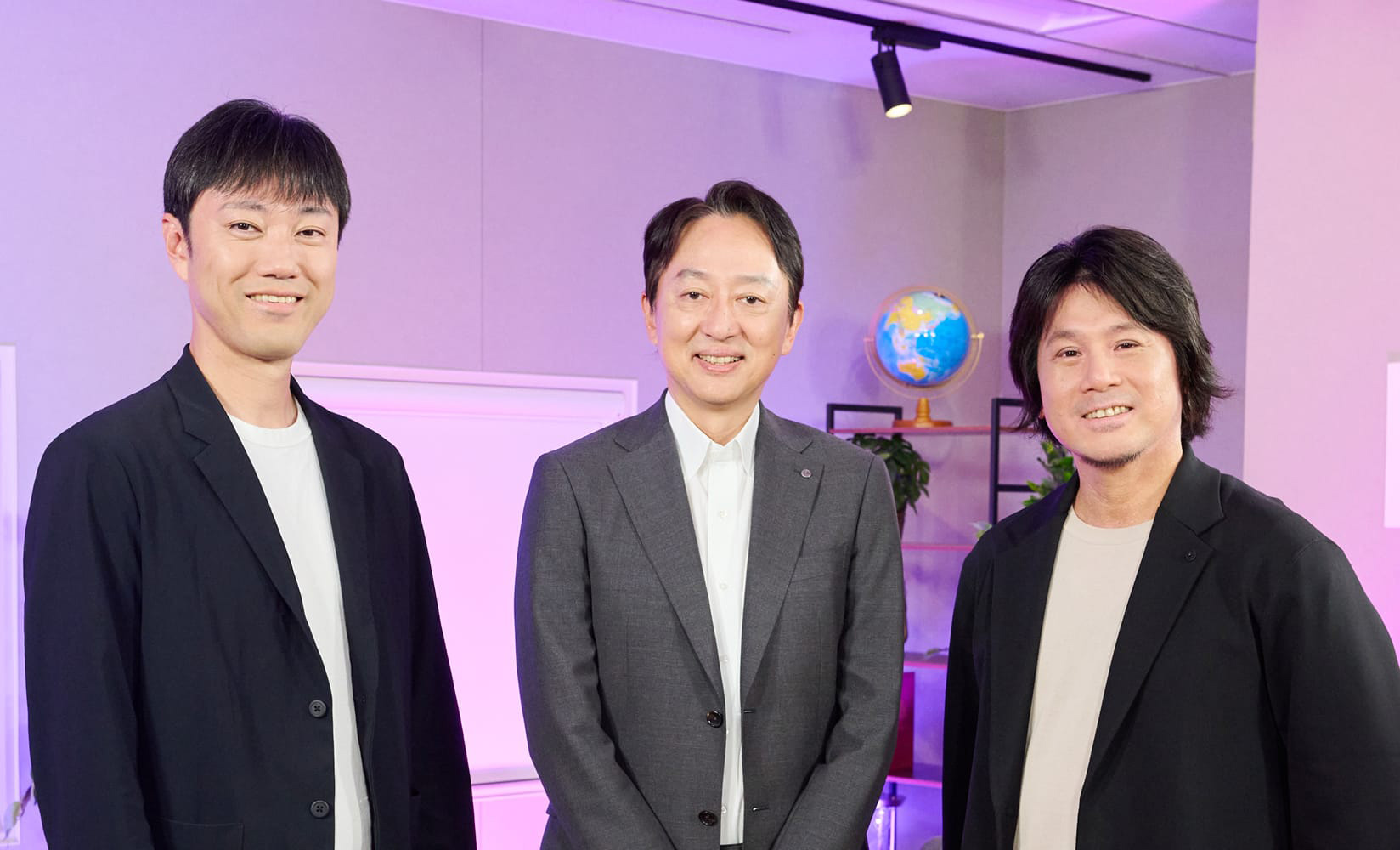
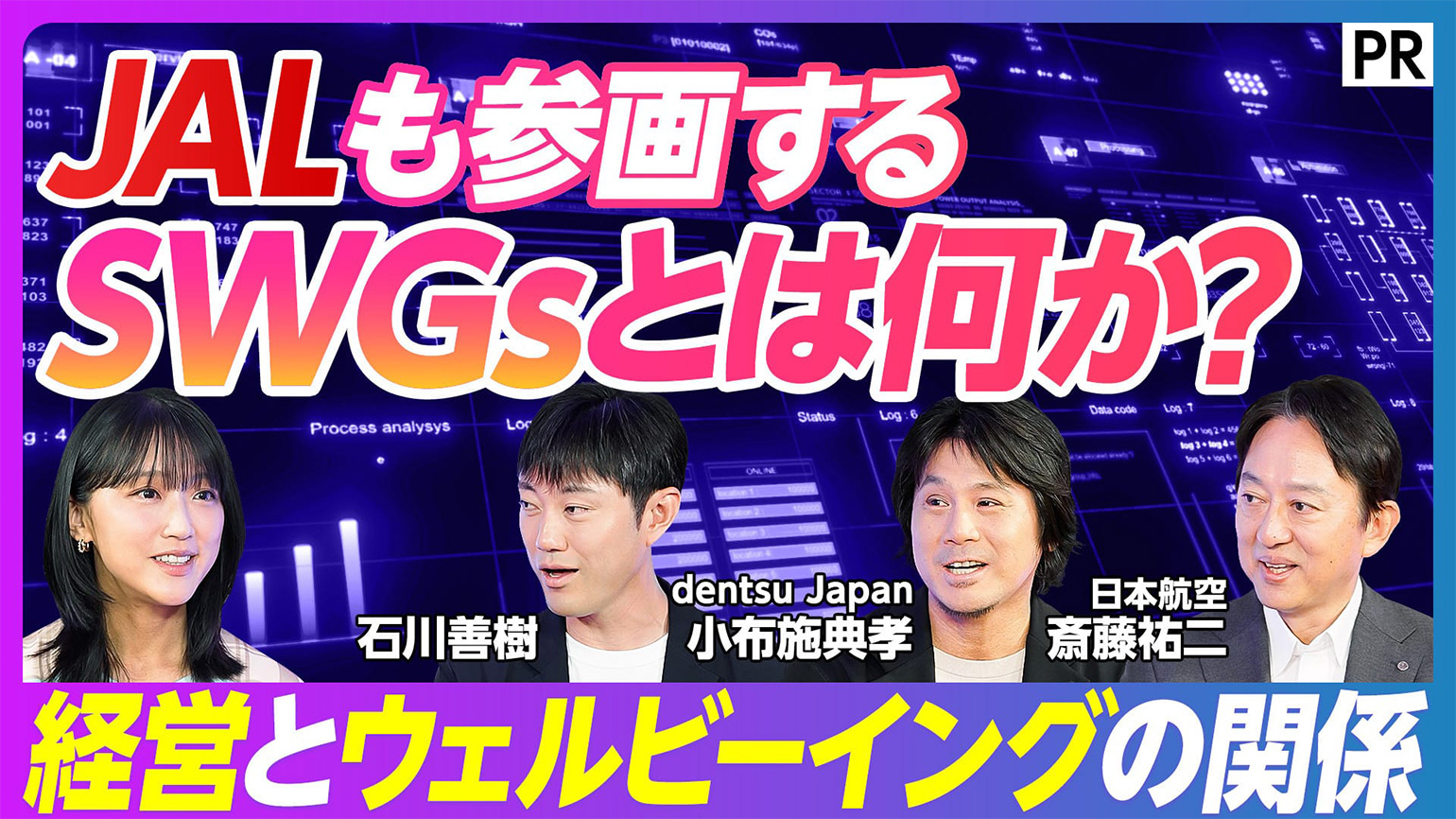
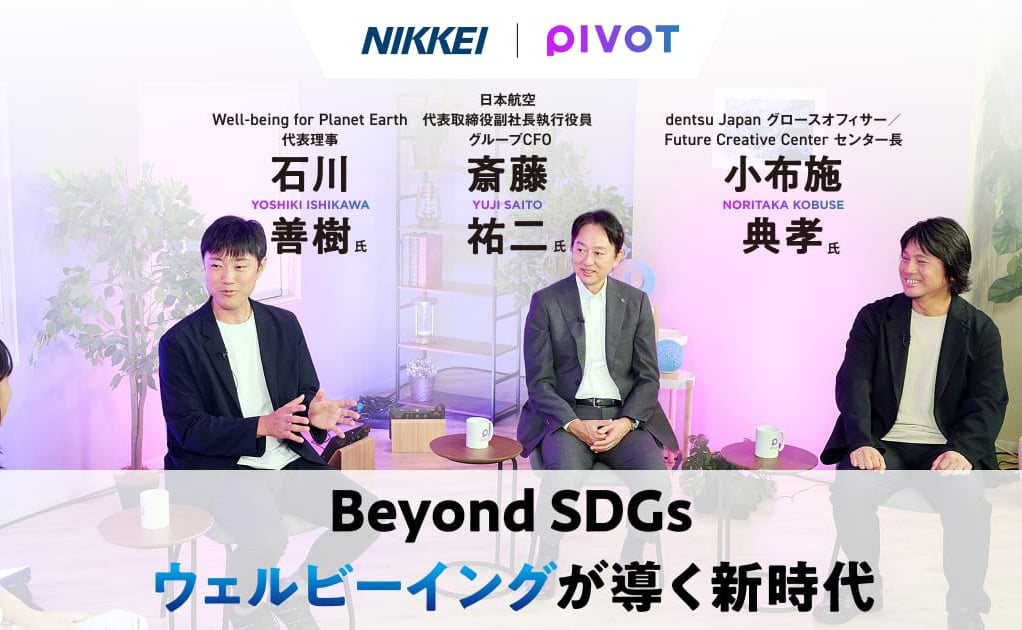
Looking beyond the Sustainable Development Goals (SDGs), discussions are underway regarding the “Sustainable Well-being Goals (SWGs)” as a potential international agenda for the post-2030 era.In Japan, the corporate consortium “Well-being Initiative” was launched and issued the “SWGs Declaration” in October 2025. Yoshiki Ishikawa of Well-being for Planet Earth, Yuji Saito of Japan Airlines, and Noritaka Obuse of dentsu Japan—all of whom were involved in the consortium’s founding—discussed the value of co-creation and our future. The discussion was moderated by freelance announcer Yue Takeuchi.
*Copyright and Production: Nikkei Inc. (2026 Nikkei Digital Edition Advertising Special Feature). Unauthorized copying, reproduction, or public transmission of all content, including articles, photographs, and illustrations, is prohibited. https://ps.nikkei.com/dentsu2609/index.html *The information presented is current as of September 16, 2026.
Leaving a “Positive Legacy” for the Next Generation
Takeuchi: What exactly is the concept behind the SWGs?
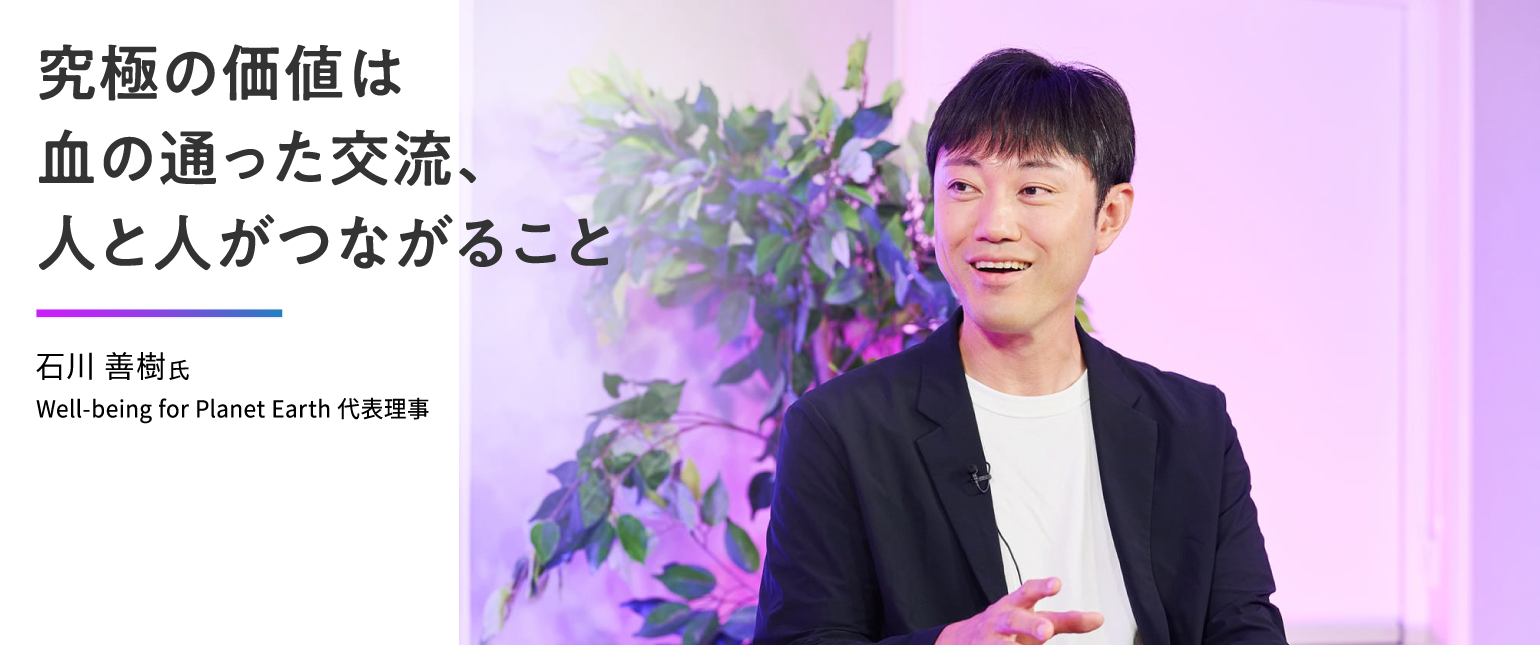
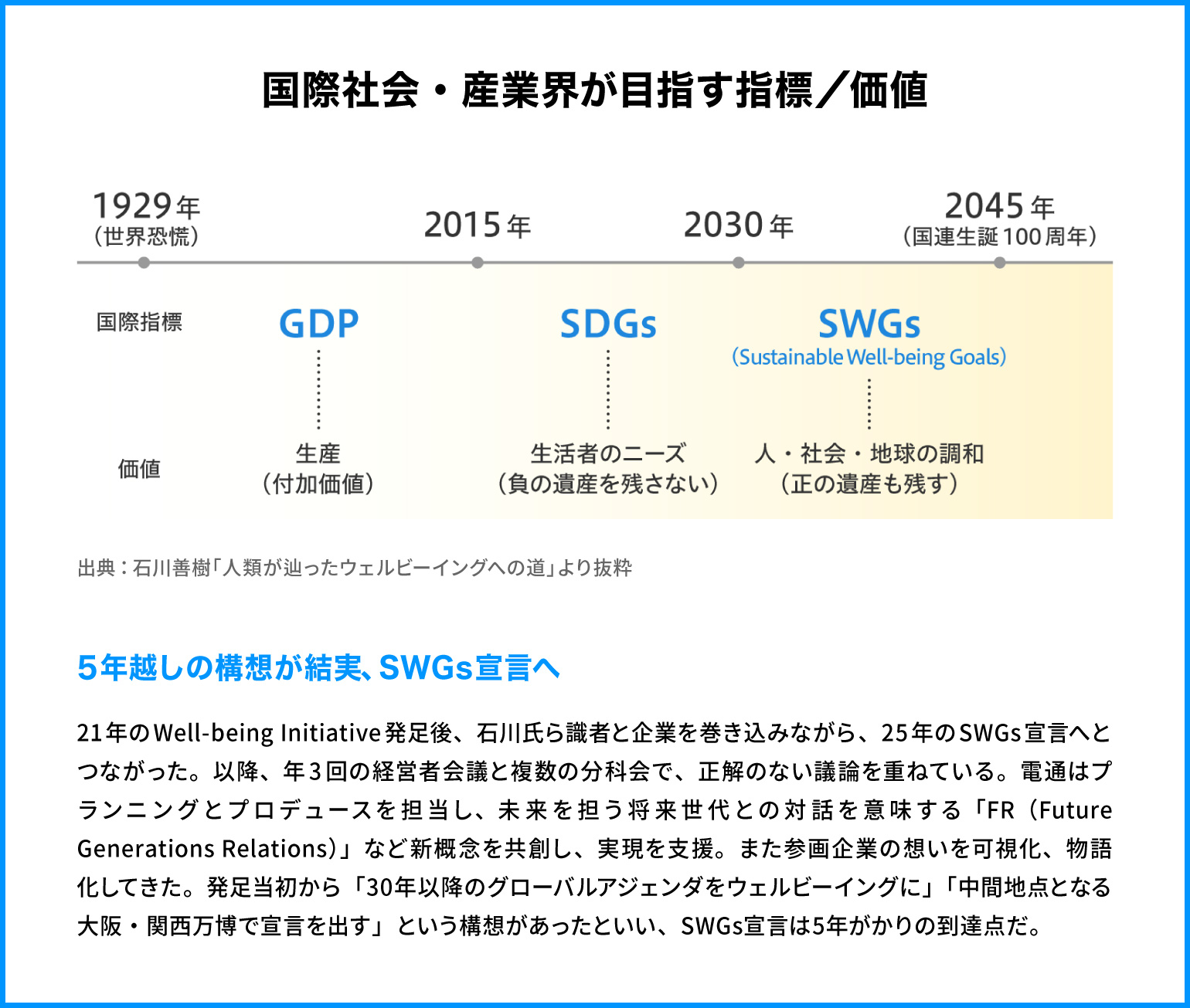
Ishikawa: In English, it stands for “Sustainable Well-being Goals,” and in Japanese, it is described as “harmony among people, society, and the Earth.” The “D” in SDGs stands for “Development,” and the goal was to “reduce negative legacies” so that economic activities would not lead to environmental destruction or human rights violations. However, development is ultimately just a means to an end—shouldn’t well-being be the ultimate goal? That’s why the SWGs are a concept that replaces the “D” with a “W.”
Takeuchi: So the SDGs and SWGs are closely related.
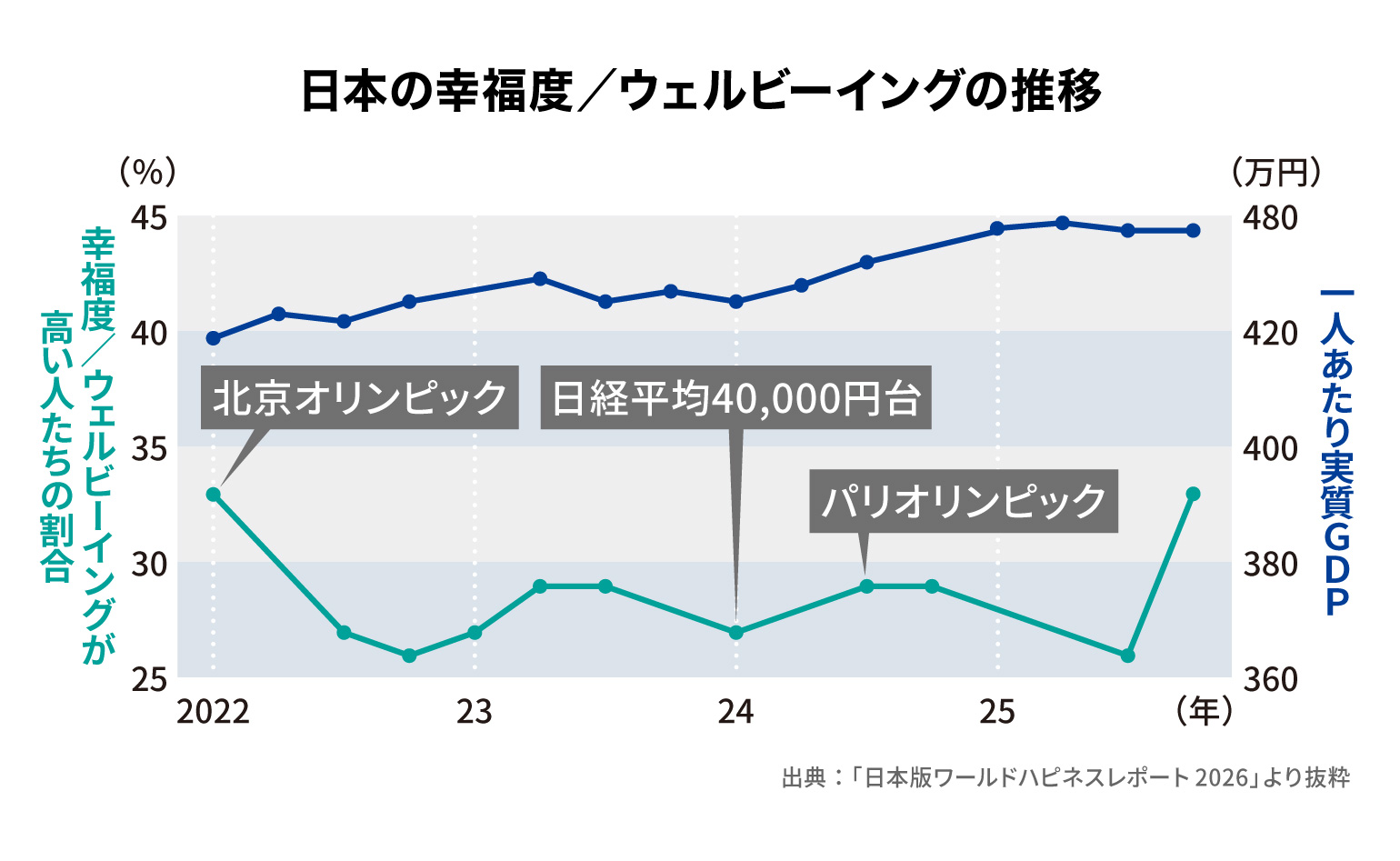
Ishikawa: That’s right. In the 20th century, as GDP (Gross Domestic Product) grew, people’s well-being naturally followed. Essentially, the only difference is that GDP is an indicator from the perspective of producers, while well-being is an indicator from the perspective of consumers; one is not meant to replace the other. However, as we entered the 21st century, the two began to diverge. For example, while economic growth is driven by urbanization, the number of people struggling with loneliness and isolation in cities is increasing.In other words, while GDP is rising, people’s well-being is deteriorating. This leads to social instability and, in the corporate world, to management instability. It is against this backdrop that a trend has emerged to focus discussions solely on well-being.
Obuse: Going forward, we want to do more than just reduce our “negative legacy”; we want to leave a “positive legacy” for the next generation. Through the Well-being Initiative, companies sharing this vision come together to discuss and collaboratively generate ideas about the nature of well-being and concrete initiatives. Eighteen companies signed the “SWGs Declaration,” which was announced in conjunction with the Osaka-Kansai World Expo.
Connecting with Local Communities Through Travel
Takeuchi: Japan Airlines (JAL) is also participating in the Well-being Initiative, isn’t it?
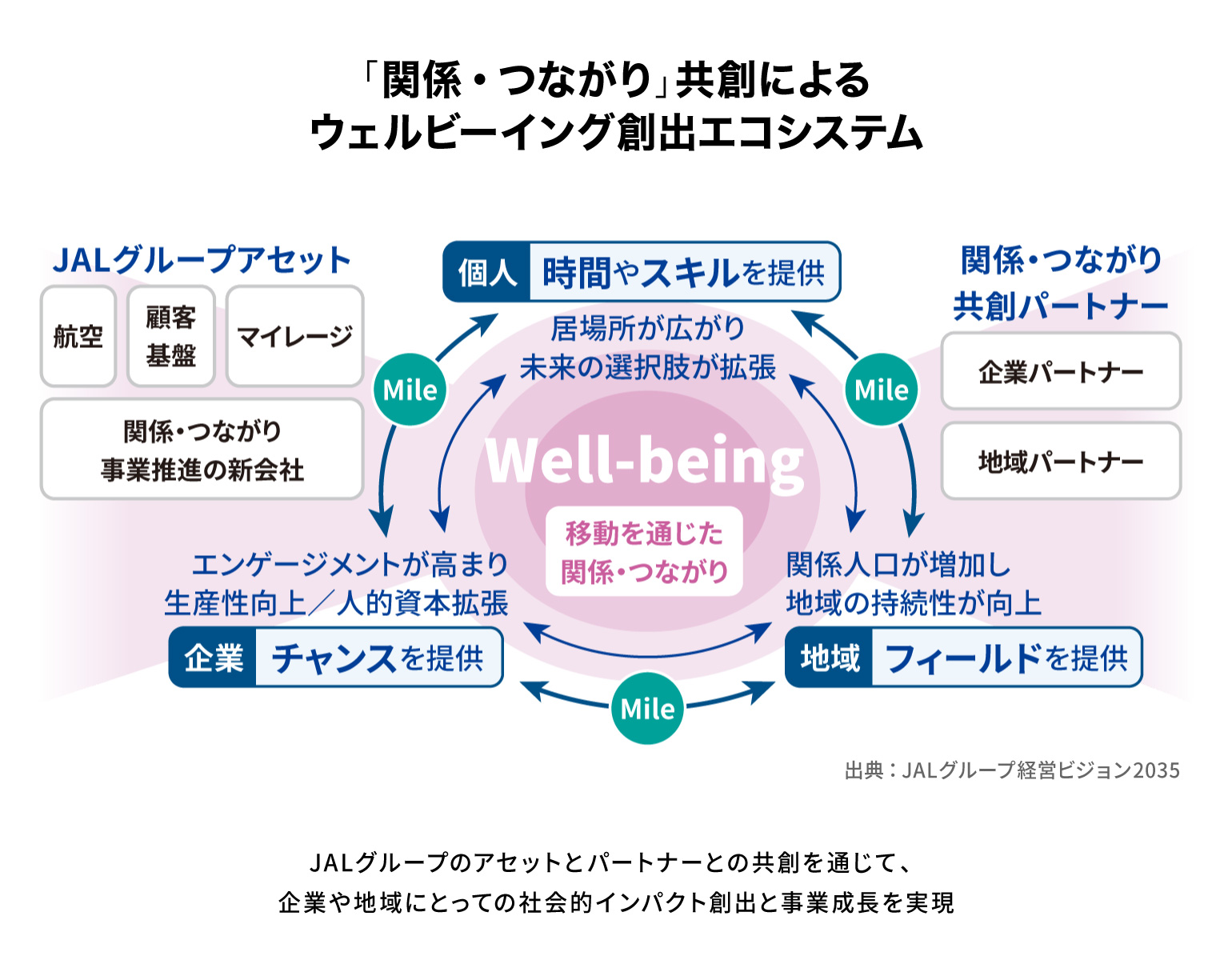
Saito: Our company aims to improve the well-being of society as a whole through “relationships and connections fostered by travel.” The catalyst for this was the COVID-19 pandemic. When passengers disappeared from our airports, we launched a project with Dentsu Inc. to consider the future value of JAL. Travel must have an intrinsic value beyond its economic value as social infrastructure. Mr. Ishikawa had been advocating this for some time.
Ishikawa: While there are various factors that influence well-being, the influence of the economy is waning, and the importance of human connections is growing. And it is travel that creates those points of contact. Travel is a human instinct and can even be considered one of the fundamental human rights. Since its founding, JAL has been a company that has built connections both domestically and internationally through travel. You could say that moving toward well-being is a return to our roots.
Saito: For example, “travel” relieves stress, but its effects are short-term. To achieve a more long-term and subjective sense of well-being, we believed it was important to use travel as a catalyst to build ongoing relationships and connections among people. One specific initiative is the expansion of dual-residence living, which enhances the quality of these connections. We are working not only with the JAL Group but also in collaboration with local governments, railway companies, and various other organizations to create an ecosystem that includes housing and secondary transportation.In April of this year, JAL launched a new company, “Relationships and Connections Co-creation, Inc.,” dedicated to fostering relationships and connections.
Obuse: I’m often asked, “Does well-being lead to business growth?” But shouldn’t the real question be, “Does that business growth lead to well-being?” I believe that our company’s growth must not be self-serving—achieved at the expense of people, society, or the planet. From that perspective, I think JAL’s vision of contributing to the well-being of communities and society through mobility is truly wonderful.
We all shape a future without ready answers
Takeuchi: Dentsu Inc.’s “FUTURE CREATIVE LEAD” is supporting the Well-being Initiative and JAL’s other efforts, isn’t it?
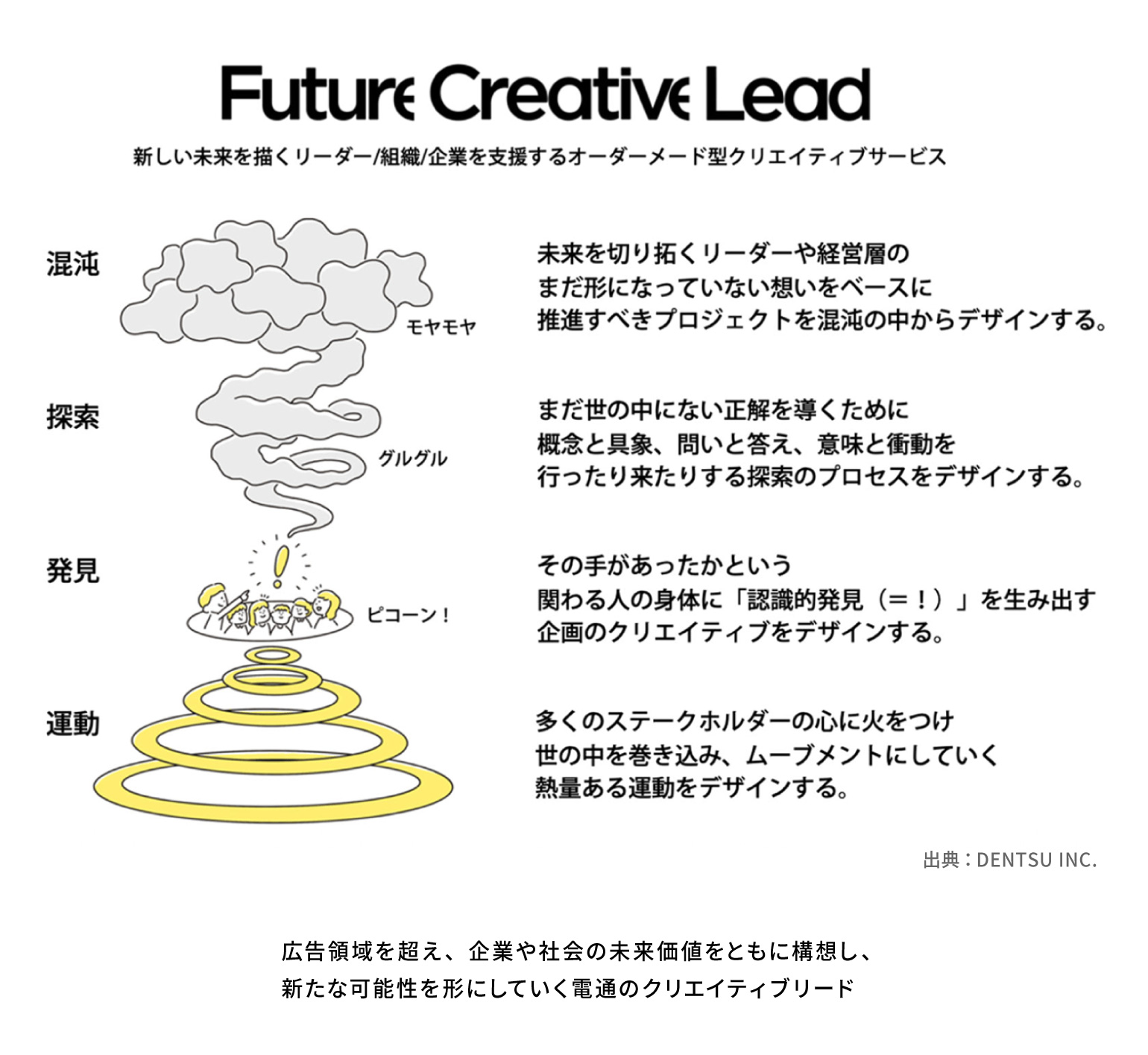
Obuse: When people think of Dentsu Inc., they often imagine advertising, but our role is “shaping the future.” When we were discussing JAL’s future value, Mr. Saito told us, “Please don’t start with proposals.” He explained that he wanted us to work together to find answers that don’t yet exist in the world. That’s why we deliberately avoided staying cooped up in a conference room and instead traveled all the way to Kagawa Prefecture with everyone to hold our discussions there.
In the advertising industry, there’s a traditional approach called “creative direction,” where seasoned professionals give instructions. However, in uncharted territory where there are no clear answers, what’s required is a role that involves everyone exploring and discovering new value from a state of chaos and generating a passionate movement—that’s what we call “Creative Lead.”
Saito: I think typical consulting firms often use frameworks to derive competitive advantages and differentiation to improve profitability, but I sensed a genuine enthusiasm from Mr. Obuse and his team to work together to create new value for the future. I truly felt that something new was born as JAL and Dentsu Inc. employees exchanged ideas without barriers, inspiring one another.
Ishikawa: Until I met Mr. Obuse and his team, I thought of Dentsu Inc. as an advertising agency, but the company actually has its roots in a “telegram agency.” The character for “shin” (信) in “communication” is read as “yoshimi,” which means “to connect through goodwill”—that is, people engaging in heartfelt, human interaction. In my view, the ultimate value is “the connection between people.” Dentsu Inc. is a company that truly embodies that, isn’t it?
Takeuchi: What perspective is necessary for Japanese companies to create a future they have yet to envision?
Ishikawa: When we think about the future, we tend to get caught up in short-term trends. However, as we’ve seen with the example of JAL, it’s important to return to our essence and our roots. I hope technologies like artificial intelligence (AI) will be utilized as tools to achieve that.
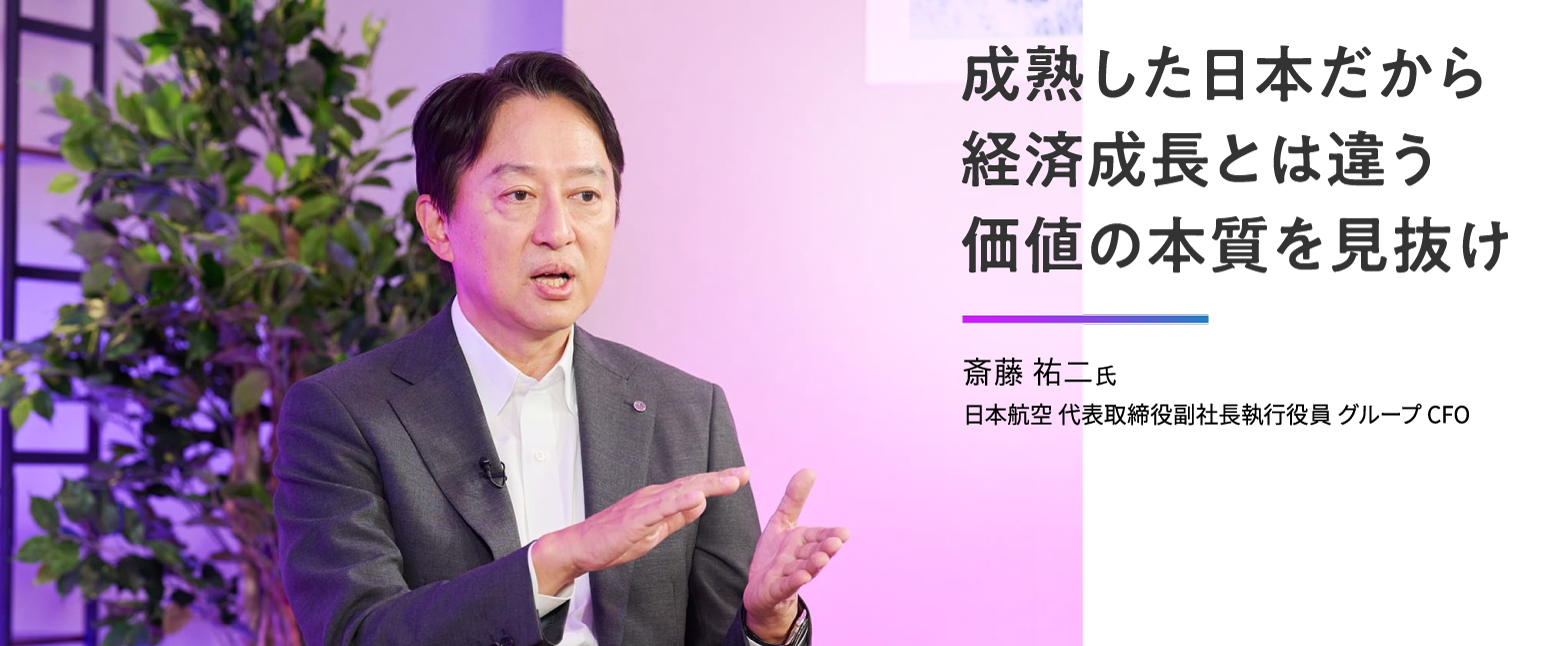
Saito: Precisely because Japanese society is mature, we should be able to discover the essence of value that goes beyond economic growth. Leading the world in demonstrating this will not only lead to the creation of the future but also serve as an inspiration to other nations, don’t you think?
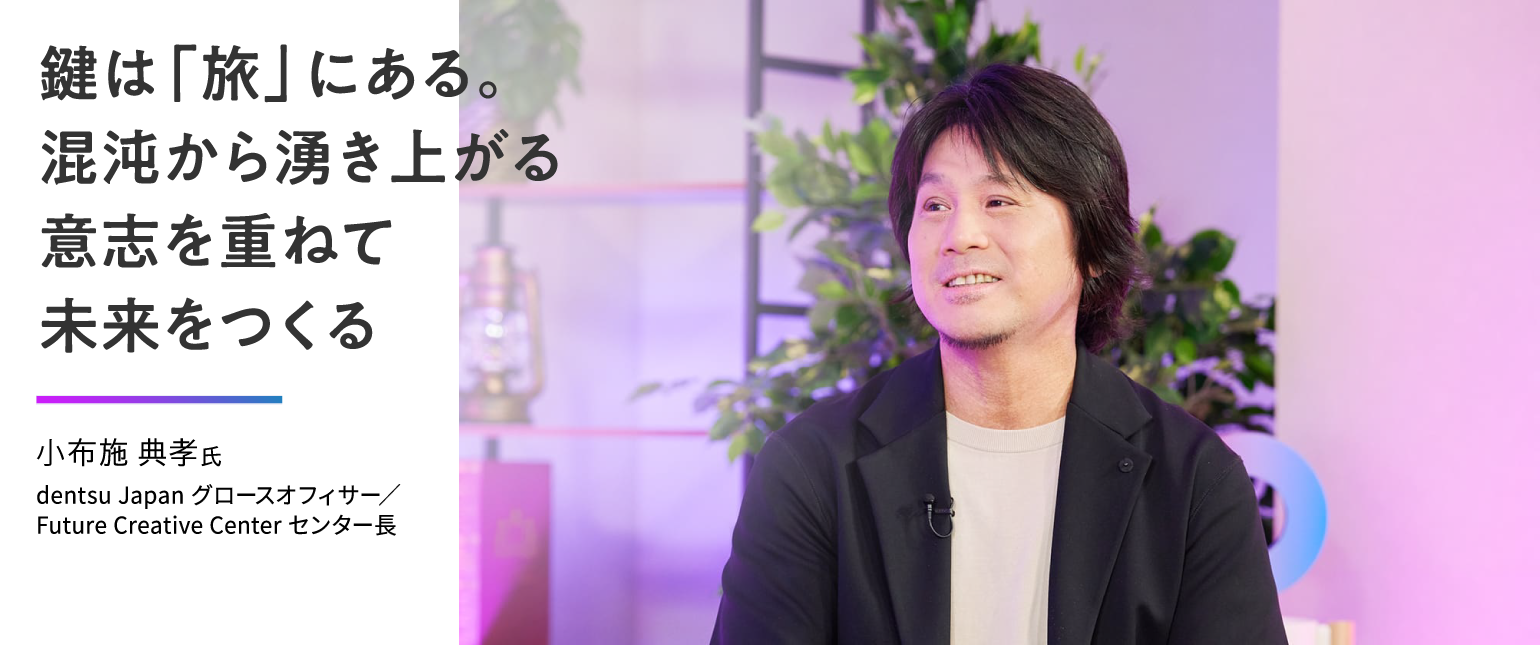
Obuse: I believe the key to creating the future lies in placing ourselves in an unfamiliar, chaotic environment—one that’s different from the usual. That’s exactly what “travel” is all about. When you’re in an unfamiliar place, talking to strangers—what emerges from within you in that moment? Ultimately, I believe the future is shaped by the will that wells up from within each person.
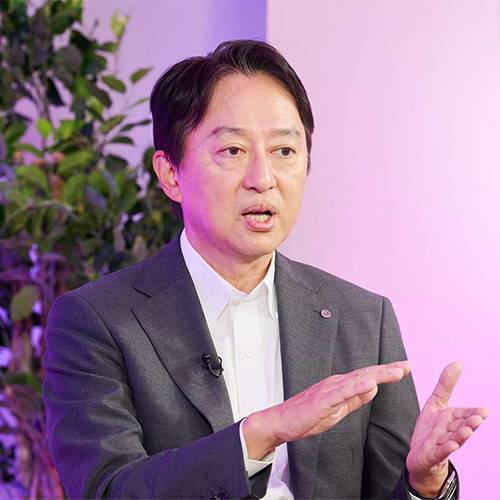
Since joining the company in 1986, he has held positions including General Manager of Sales Operations at the Tokyo Branch, General Manager of International Routes, and General Manager of Corporate Planning, and has held his current position since April 2024.
He serves as Group CFO in charge of the Corporate Division and Chief Wellness Officer (CWO).
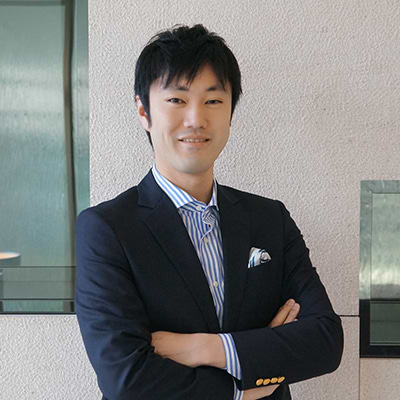
Yoshiki Ishikawa
Preventive medicine researcher
Born in Hiroshima Prefecture in 1981. Graduated from the Department of Health Sciences, University of Tokyo Faculty of Medicine; completed the Harvard T.H. Chan School of Public Health; earned a Ph.D. (Medicine) at Jichi Medical University. Representative Director of the Wellbeing for Planet Earth Foundation. Conducts interdisciplinary research with companies and universities on the theme of "What constitutes a good life (Good Life)?" Specializes in preventive medicine, behavioral science, computational creativity, and conceptual evolution theory. Recent publications include "Once Upon a Time, There Was Well-being: Understanding the Shape of Happiness from Japanese Culture" (KADOKAWA).
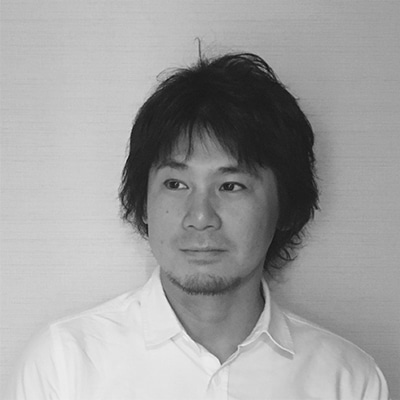
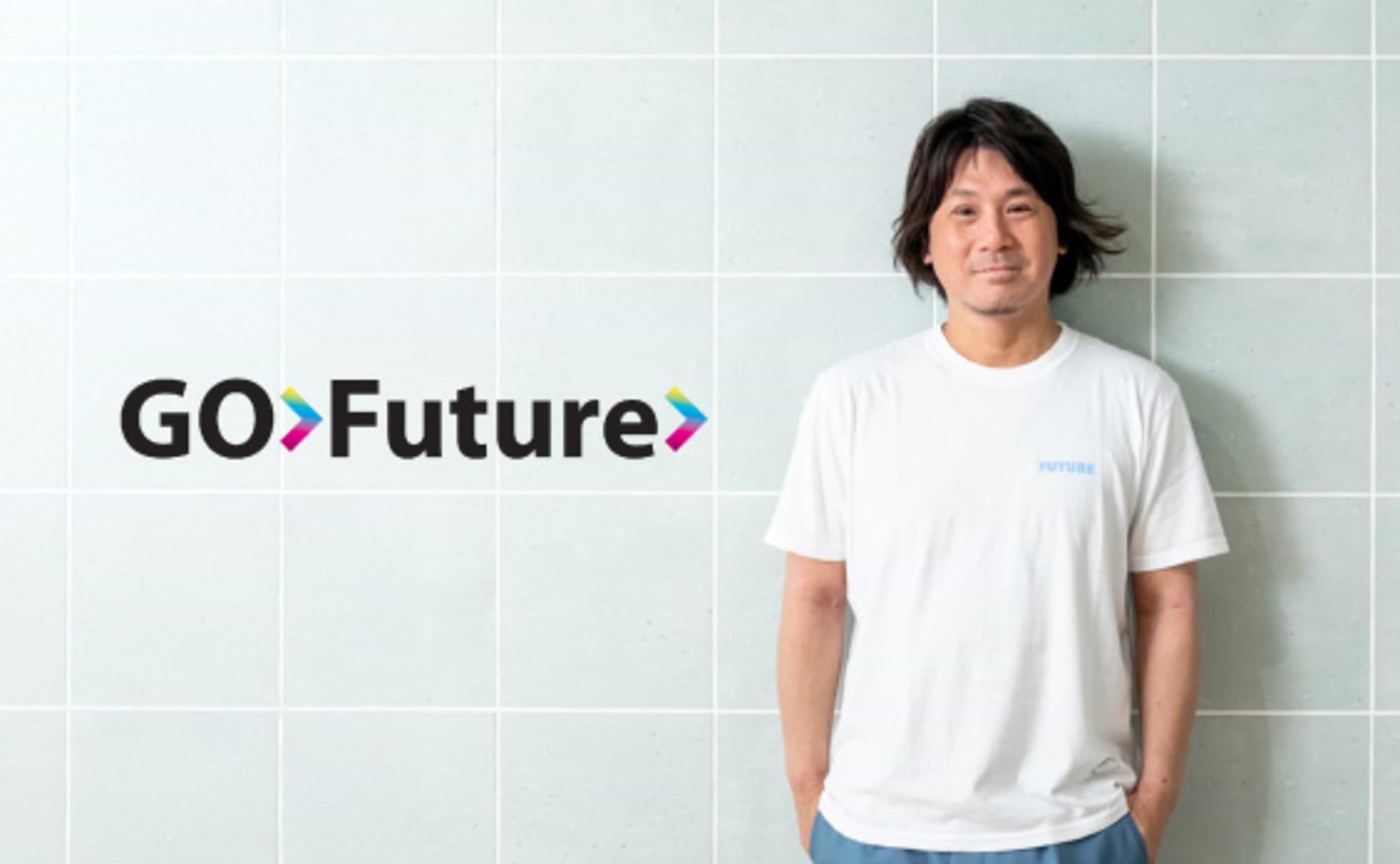
Noriyuki Obuse
Dentsu Japan / Dentsu Inc.
Dentsu Japan Growth Officer / Future Creative Center Director
Engaged in projects across marketing, promotion, and creative domains with various companies. Appointed Director of the Future Creative Center in 2020, supporting the creation of future value. Handles grand designs for management strategies, vision formulation, symbolic action development, and branding and communication initiatives that enhance corporate and business value. Recipient of Cannes Lions 2023 Gold, Silver, and Bronze Lions; ACC 2024 Gold, Silver, and Bronze Awards; and the Japan Marketing Grand Prix 2024. Also holds numerous other domestic and international awards.