Note: This website was automatically translated, so some terms or nuances may not be completely accurate.
 Bring innovation to the financial business! [4/9]
Reclaiming the "Sazae-san and Mikawaya-san Relationship" What is a Financial Social Project?
The financial industry is currently undergoing a major transformation driven by the widespread adoption and penetration of IT. As fewer people visit physical branches, unprecedented challenges have emerged, and social media has begun to function as the "key" connecting young people and financial institutions. We spoke with Takaaki Takishita of Dentsu Inc. International Information Services (ISID) about new movements that could potentially reshape the financial industry going forward.
Consumers and financial institutions are growing increasingly distant.
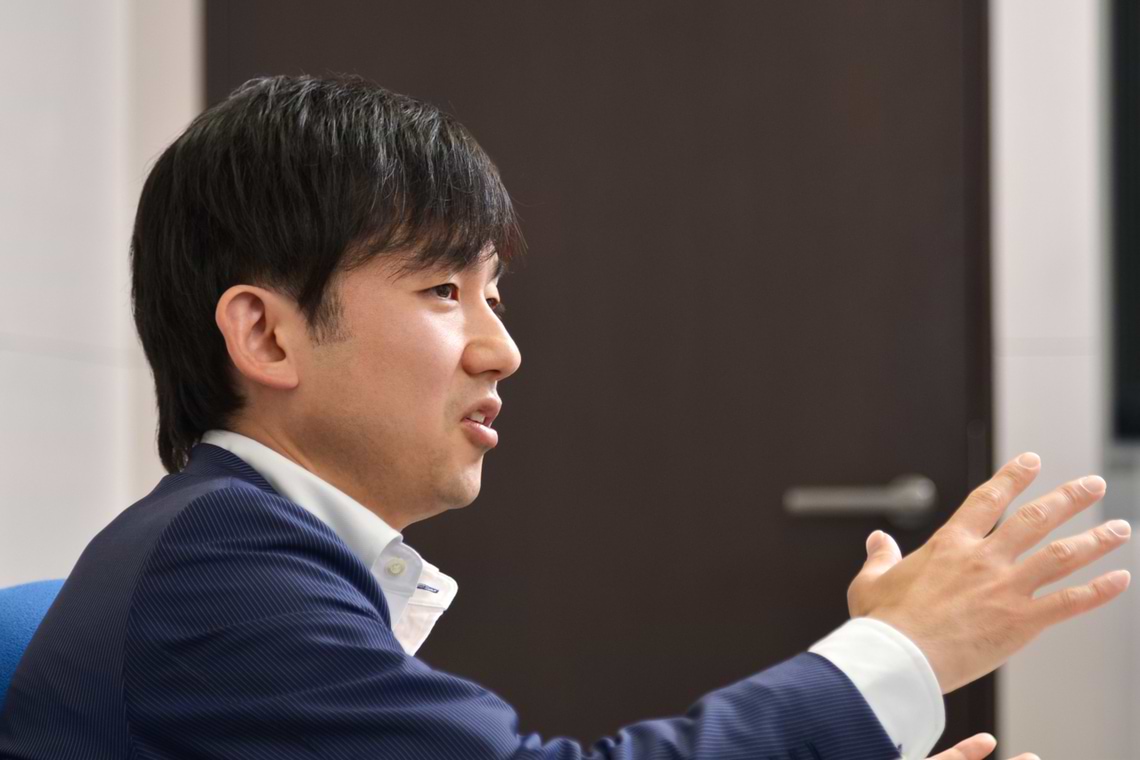
――From your perspective as a financial marketing professional, what challenges do domestic financial institutions currently face?
Takashita: I believe the relationship between financial institution staff and consumers has become extremely tenuous. In the past, channels were limited to bank or securities company counters. Many people frequently visited these branches, fostering communication between staff and consumers. This created a kind of "model" where genuine trust in financial institutions was cultivated. However, with the proliferation of new channels like ATMs and the internet, there's no longer a need to visit a branch. Younger people especially think convenience stores are sufficient just for withdrawing cash. They only start looking for financial products with a completely blank slate when a major life event occurs. They gather information online, compare and evaluate options, and sometimes even complete applications and procedures entirely online. Visiting a physical branch happens much later in the process, with the majority of actions taking place online.
From the financial institution's perspective, it feels like the points of contact with customers are steadily receding. That's precisely why I believe we must now seriously focus on creating touchpoints using the internet and smartphones. Not just systems like ATMs or internet banking, but building relationships at an earlier stage. How to construct this is the challenge many financial institutions face.
The Facebook Project: Recapturing the "Honeymoon Period" Between Sazae-san and Mikawaya!
――Could you share a specific example of "building touchpoints" you worked on?
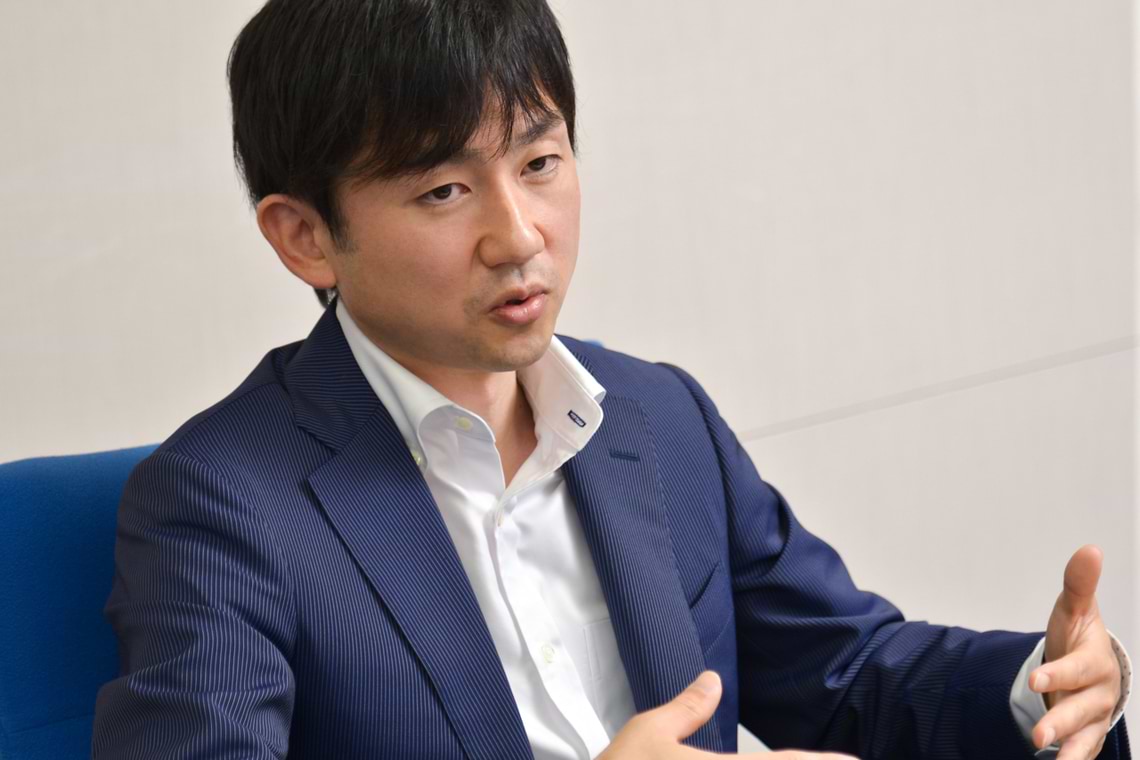
Takishita: I planned an information dissemination campaign using Facebook with a certain financial institution. Financial institutions are entities that demand high reliability, essentially serving as societal infrastructure. Due to the need for strict compliance management and risk hedging, many were reluctant to engage with unpredictable media like social networks, where viral buzz could occur. However, holding back information with such an attitude makes it difficult for people to understand the activities of financial institutions. It also prevents the kind of trusting relationships where people would casually visit a branch or have someone come to their home, as they did in the past. So, we launched this project, saying, "Let's take a bold step forward."
The original impetus came from hearing an executive say, "Back in the day, we used to drop by customers' homes through the back door by the kitchen and ask, 'Is there anything we can help you with?' It was like the relationship between Sazae-san and Mikawaya-san. We want to regain that kind of relationship." We realized that the erosion of this relationship stems from the growing psychological distance between financial institutions and everyday people. People can't feel close to them because they don't know what financial institutions actually do or how they think.
Over the next six months or so, we held repeated review meetings, developed manuals for risk hedging... Ultimately, we presented to management, gained approval from the board members for the new initiative, and finalized our operational policy.
Since launching the account, we've posted announcements about new branch openings, event information, and updates on sports teams the bank supports. Naturally, the posts are written by financial institution staff. We felt it was crucial for the people who understand the inner workings best to engage with online consumers while posting articles.
It's been just under a year since we started operations, and I feel the response has been excellent. People were surprised to learn that a solid organization like a financial institution had "started social media." More importantly, using Facebook made it visible how comments from internal staff spread. Often, even when financial institutions make an effort to start social media, they end up only sharing rigid product information that fails to gain traction. Here, however, because we consciously post with a focus on "relatability" and "empathy," the information is spreading in a very positive way. I truly feel we've taken the first step toward restoring that close relationship, like the one between Sazae-san and Mikawaya.
Deliberately avoiding profit targets from the start, focusing solely on building relationships between consumers and the financial institution
――Besides using SNS, are there any other interesting "touchpoint creation" initiatives?
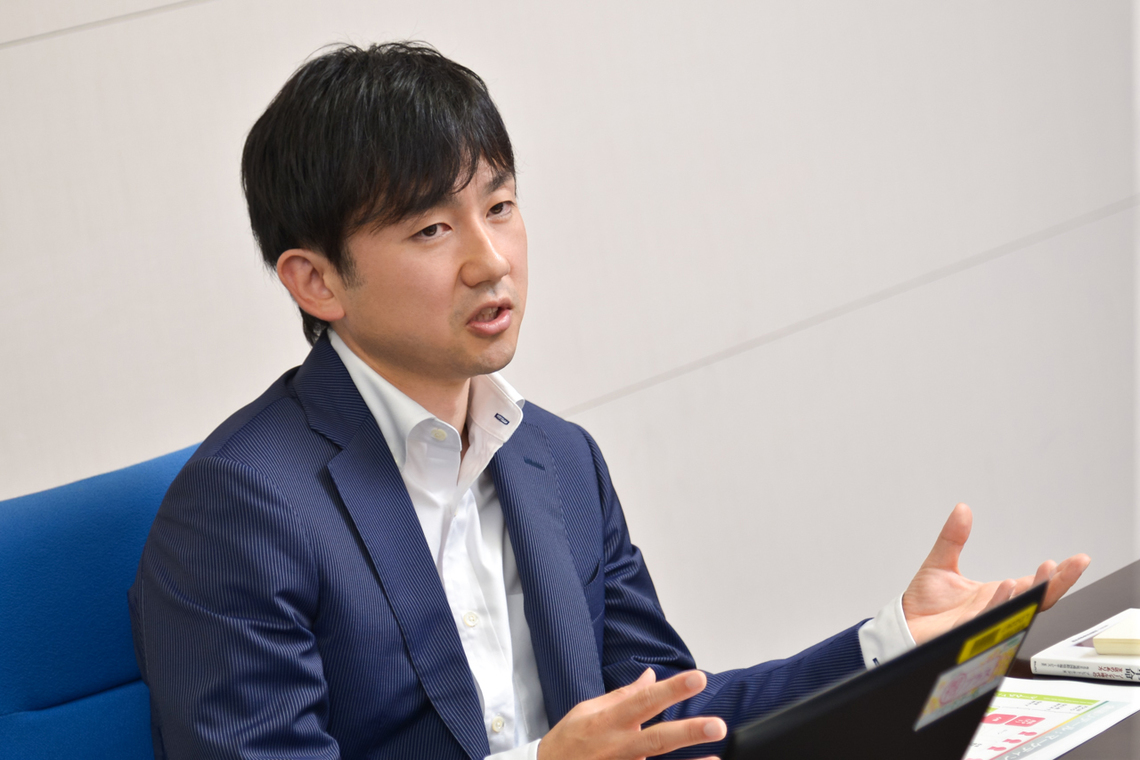
Takishita: We took on a project for a regional bank, handling both their youth engagement strategy and product strategy. Among financial institutions, regional banks in particular can feel inaccessible to young people. Because they're deeply rooted in their local communities, they often have many older customers and business owners. Surprisingly, even regional banks often lack an image where young people feel comfortable just dropping in. This challenge emerged clearly from user research in that region. On the other hand, this particular regional bank had very strong consulting capabilities for corporate clients.
So we began developing a strategy to create touchpoints and connections between everyday consumers, especially younger demographics, and regional banks. First, we formed a project team with a Dentsu Group company specializing in strategy planning and marketing. We identified two key strategic perspectives: "Cultivating an image of being close to consumers" and "Simultaneously presenting concrete benefits."
As implementation tools, we created promotional videos alongside posters, flyers, and pamphlets. The key visual adopted for all materials was a lunchbox, perfectly embodying the image of fresh graduates. Opening the lid revealed an "0" for "zero fees" made with salmon roe, or a "2" for "double points" made with fish cake, designed to convey tangible benefits and a consumer-centric perspective.
However, just because young people are the target doesn't mean focusing solely on online efforts is enough. We create multiple touchpoints across both online and offline channels, all sharing the same worldview. We believe this accumulation will fundamentally change the image of regional banks themselves.
Incidentally, we targeted YouTube videos specifically to users accessing from that region. After that, we built a brand site, launched a LINE presence, and are currently producing commercials, gradually expanding our touchpoints with consumers.
――I see, you're undertaking various initiatives! What do you think is the key to making such projects successful?
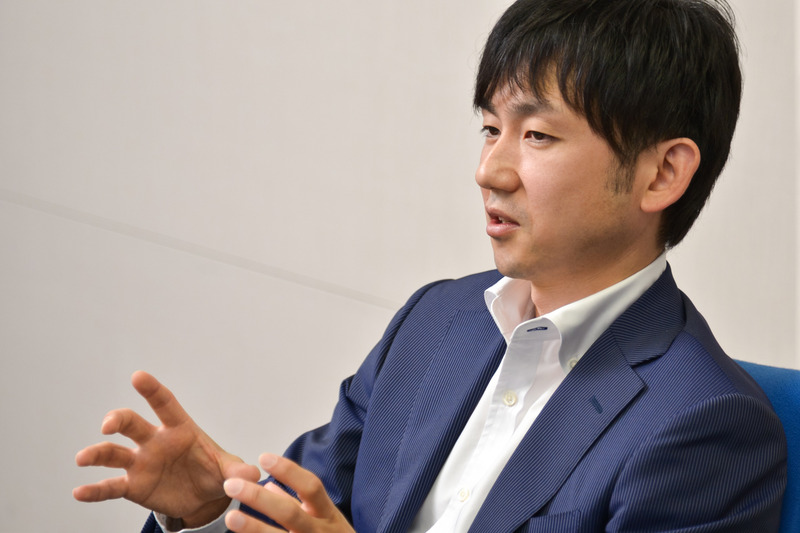
Takishita: Many financial institutions meticulously calculate how much they can afford to spend to acquire a single customer for a given product. Even as societal infrastructure, they're private companies, so generating profits this way is only natural... For the Facebook project I mentioned earlier, we deliberately chose not to prioritize revenue. I think it succeeded precisely because we focused solely on building relationships with consumers and pursuing touchpoints. Project evaluation is also primarily measured by metrics like the number of "likes" and shares, and the degree of dissemination.
Furthermore, both the Facebook project and the regional bank project succeeded because the financial institution's representatives and executives, along with the strategy and production teams, worked together as one. Financial institutions, by the nature of their business, tend to be very conservative, with a culture resistant to new initiatives. Yet, there are challenges that must be overcome. To solve them, you end up doing something new, finding a breakthrough, and driving innovation. It's precisely because we shared that mindset and aimed for the same goal that it worked out so well. We still maintain an excellent relationship with this financial institution and continue working together.
(Continued in Part 5)
Was this article helpful?
Share this article


Newsletter registration is here
We select and publish important news every day
For inquiries about this article
Back Numbers
Author
Takaaki Takishita
Dentsu International Information Services, Inc. (ISID)
Financial Solutions Division