Note: This website was automatically translated, so some terms or nuances may not be completely accurate.
 Co-Creation 2015 [1/6]
Decoding the Latest Examples of Co-Creation
"Co-Creation" refers to an approach where new value is generated through dialogue with diverse stakeholders. Derived from the meaning of "creating together," it is also called "co-creation."
In recent years, building open and flat collaborative relationships with internal and external partners has become essential for companies to succeed through innovation. Concepts like co-creation, "sharing," and "collaboration" are now indispensable to business strategy.
The co-creation portal site "cotas," operated by Dentsu Inc. and Infobahn, held the third annual "Japan Co-Creation Awards 2014" to recognize outstanding examples of co-creation.
This series explores co-creation trends and movements through the lens of award-winning cases and judges' perspectives.
For the first installment, we spoke with Hiroto Kobayashi of Infobahn and Naoki Sakata, CEO of Blabo, both judges for the award, about the present and future of co-creation, touching on several winning and nominated cases.
Interviewer: Taro Minami (DENTSU SOKEN INC.)
 |
||
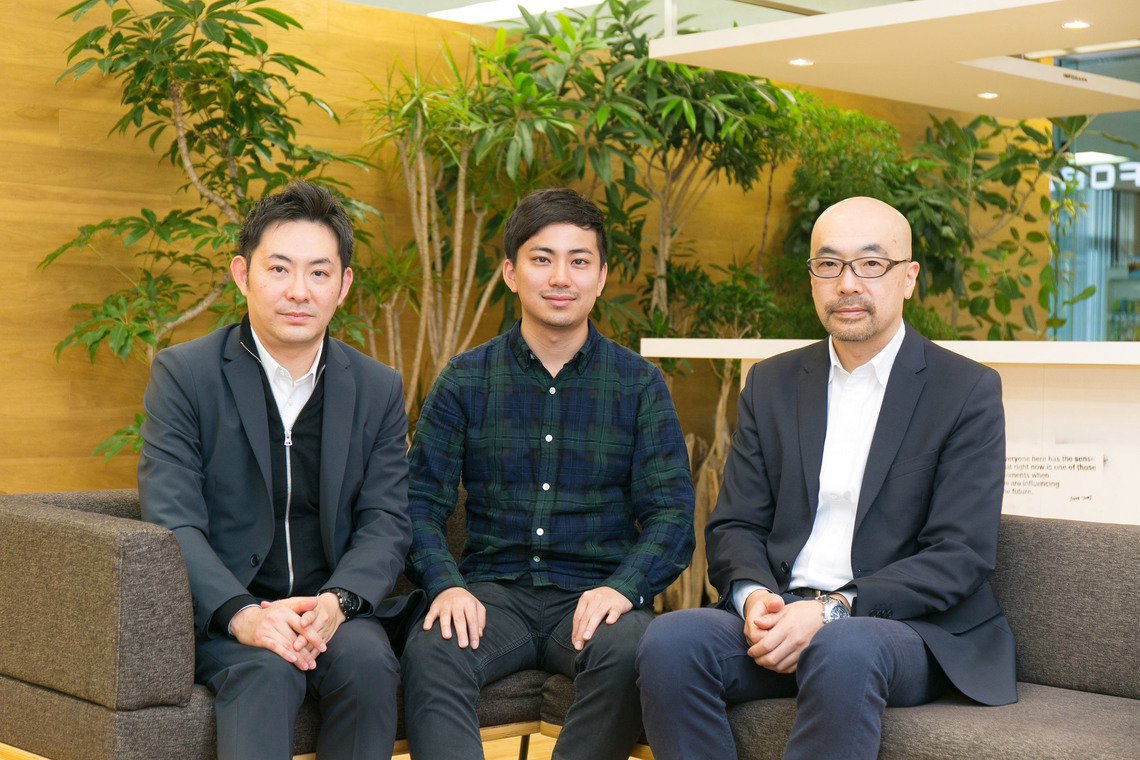
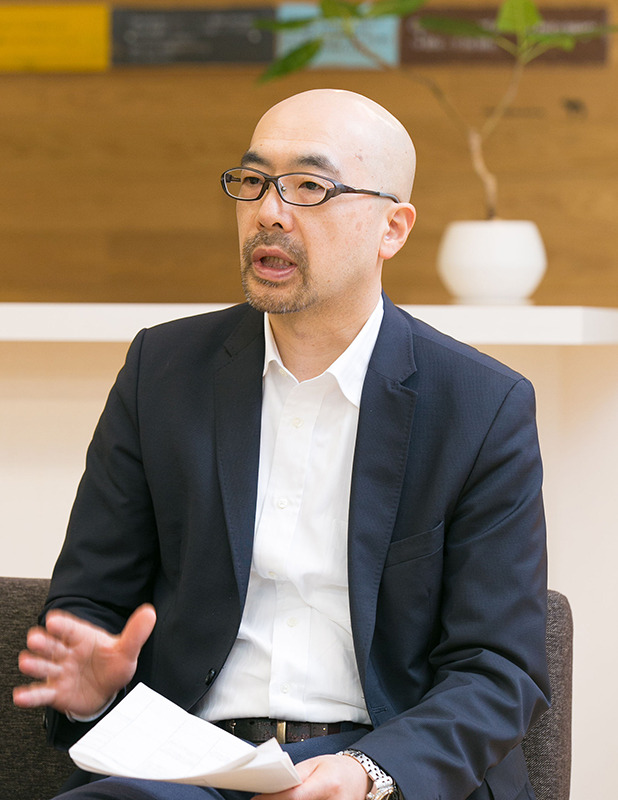
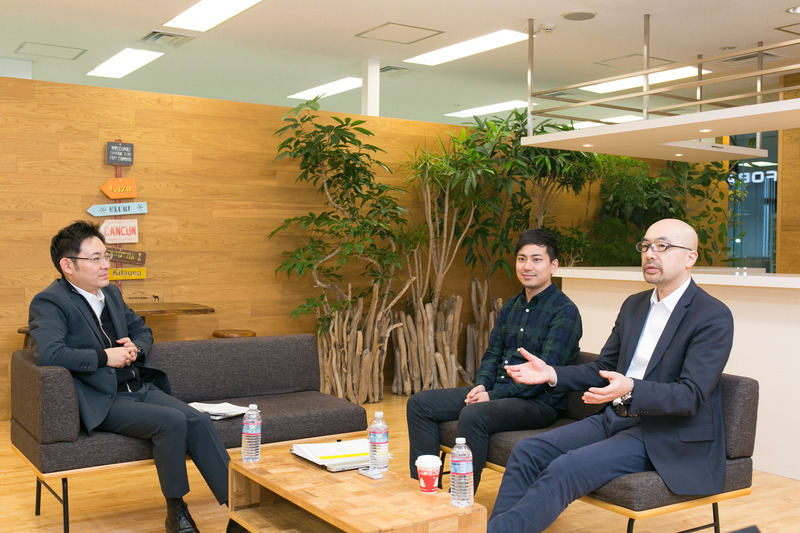
From left: Minami, Mr. Sakata, Mr. Kobayashi |
Co-creation has actually existed for a long time. More sophisticated and refined examples are increasing.
Minami: The five best case studies awarded this time are as follows.
|
・Google's " Innovation Tohoku " |
Minami: Looking at the nominated examples, I felt that the layers of co-creation are becoming more sophisticated and refined, and that there are more and more examples of deep understanding and practice.
Kobayashi: That's right. The term "co-creation" is convenient and widely used, but co-creation itself has actually existed for a long time. For example, users gathering from a message board to pick up trash in Shonan is also co-creation, I think. In fact, I don't think a narrow definition is necessary.
"How could we make sliced mochi more desirable to eat or use?"
Dissonant ideas emerge from questions with room for interpretation.
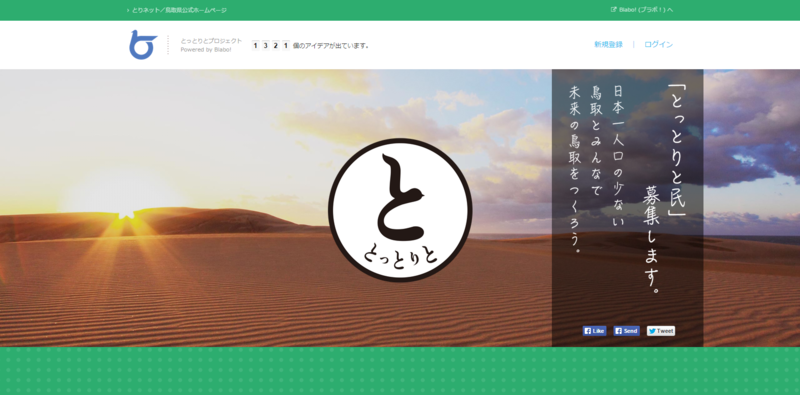
Case Study 1: " The Tottori Project " |
||
 |
||
|
A project by Tottori Prefecture to support small and medium-sized enterprises. Launched the community site "Tottoritto" to solicit ideas. Began developing new products through collaboration between local SMEs and consumers nationwide. |
Minami: Although it didn't win this time, the nominated "Tottoritto Project" utilizes the co-creation platform " Blabo! " operated by Mr. Sakata. What do you pay attention to when facilitating co-creation on Blabo!?
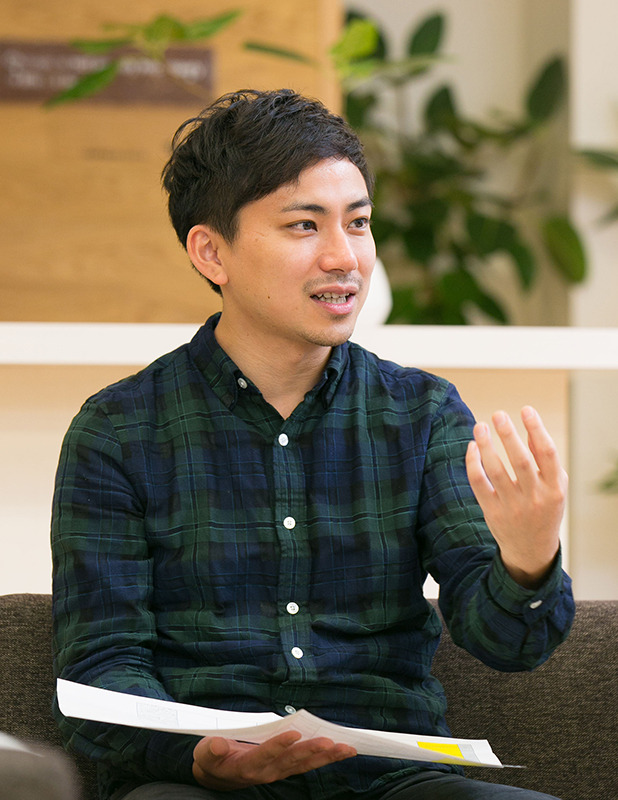 |
Sakata: Finding the most pressing, genuine challenge. To do that, the "Tottoritto Project" visited local companies. At first, the only issue raised was "mochi isn't selling." But as we talked more, more specific challenges emerged, like "sliced mochi only sells in winter." We also learned that "sliced mochi melts when placed on hot food." Based on this, we formulated the question: "Sliced mochi was a common food in your household. What suggested ways of eating or using it would make you want more?" This generated 240 ideas that expanded the concept beyond winter, such as "I drink soup for breakfast, but it's not filling enough, so I want to put a slice on top" and "I want to eat it with ice cream." Furthermore, when asked, "What name would suit mochi that can be used in such daily ways?", the name "Everyday is Mochi Day" was born. By that point, we could even proceed to package design. Getting one idea isn't particularly difficult. However, to get 300 ideas, you must design questions with enough "white space". If you make the question too sharp because you want a specific idea, the ideas won't expand. How do we generate unexpected ideas—what you might call "unplanned harmony"? We design questions right at the edge of what's possible, pushing how far we can expand them.
 |
Kobayashi: Co-creation can also be seen as an extension into the real world of the internet-rooted culture of openness, where users connect directly and share with each other. There are many management tools for open innovation. But what's crucial is "how to initiate things" and moderation. To engage many people and find hints, creativity is essential in the very act of asking questions.
Minami: You could say Sakata-san's profession is being a "questioner" (laughs).
Sakata: Actually, five years ago when I launched Blabo!, I didn't know how to craft good questions. So I consulted a radio broadcast writer. That led to creating excellent questions. In co-creation, "unplanned discord" is fascinating. Business typically doesn't welcome unplanned discord. But as successful co-creation cases increase, situations now seen as "unplanned discord" will likely come to be recognized as "planned harmony."
A co-creation case study weaving together online and offline layers.
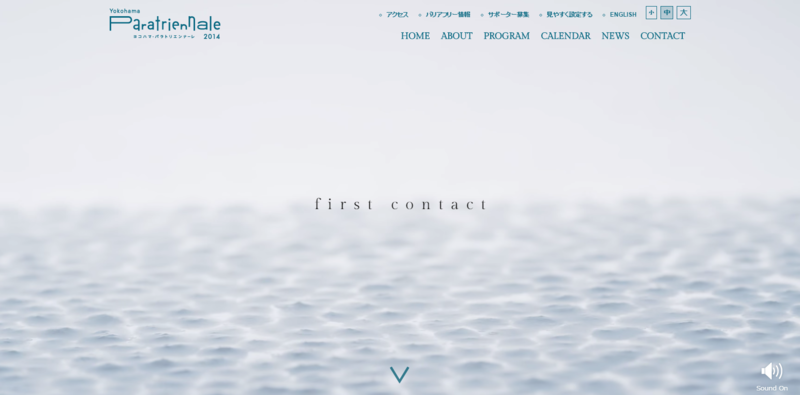
Case Study 2: " Yokohama Para Triennale 2014 " |
||
 |
||
|
An international contemporary art exhibition by artists and people with disabilities. It aims to create a city where everyone can live comfortably by raising awareness of the "disabilities" prevalent in society and providing opportunities to think about them together. |
Minami: Besides "unplanned discord," what other trends can we discern from this year's awards?
Kobayashi: The "Para Triennale" is fascinating when considering how we collectively advance value creation. While utilizing online platforms, it fundamentally operates in real life and uniquely elevates this into art. It's a co-creation example that weaves online and offline events and information dissemination into multiple layers—moving from online to real life, and back again.
Co-creation by local governments is becoming more prominent.
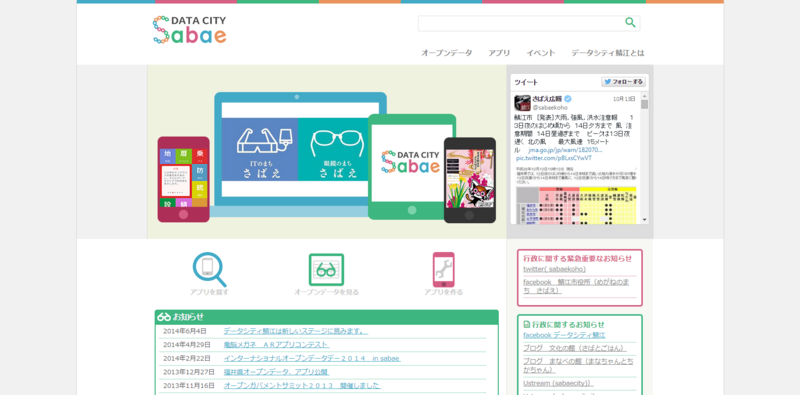
Case Study 3: " Data City Sabae " |
||
 |
||
|
A community development project centered on citizens utilizing open data. In 2010, the "Sabae Citizen-Centered Ordinance," proposed by citizens, was enacted, incorporating provisions regarding the utilization of public data. |
Kobayashi: Another notable trend was co-creation by local governments. While examples from ordinance-designated cities and large corporations are impressive, these cities can mobilize both budgets and personnel. What's commendable is seeing local governments with far fewer resources doing excellent work.
Sakata: It's been five years since we started Blabo!, and for the first three years, it was mainly large corporations. But in recent years, we've started getting requests from local governments and small-to-medium enterprises. The ones who are really struggling are those who have few creators or producers within their own organizations.
Kobayashi: Using open innovation management tools like Blabo! to drive co-creation is very modern. In the past, the standard approach was to invite famous planners and hold meetings. Instead, ordinary citizens are gathering and brainstorming interesting ideas together. This trend will only accelerate going forward. And in the Data City Sabae case, which made the top 10 award nominations, the mayor was someone who could look at a creator's proposal and say, "Alright, let's do it!" The approach and attitude towards tackling the unknown are also crucial.
Sakata: The key to co-creation is having a stance that can accept unexpected disruptions and things that are different. Plus, working with completely different cultures is fun.
Not only the platform case study, but the deliverables also won an award.
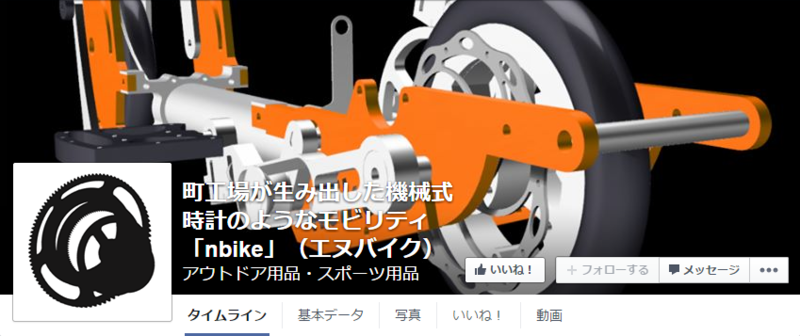
Case Study 4: " nbike " |
||
 |
||
|
The "nbike" is a new vehicle developed by small factories in Ota Ward. Led by Night Pager Co., Ltd., ten small factories are involved. They utilized crowdfunding to raise funds online. |
Kobayashi: Beyond platform examples, I think the fact that tangible products like nbike are now being nominated reflects a change over the three years we've run the award.
Sakata: The flow where small factory workers raise funds through crowdfunding and then sell socially represents various resources connecting and converging into a single product. If we can control this process, it seems likely to lead to reproducibility.
Minami: The potential for total co-creation platforms—spanning funding to marketing—may expand even further going forward.
Co-creation shouldn't be wildly unstructured.
Understand systematic innovation and then commercialize diverse approaches.
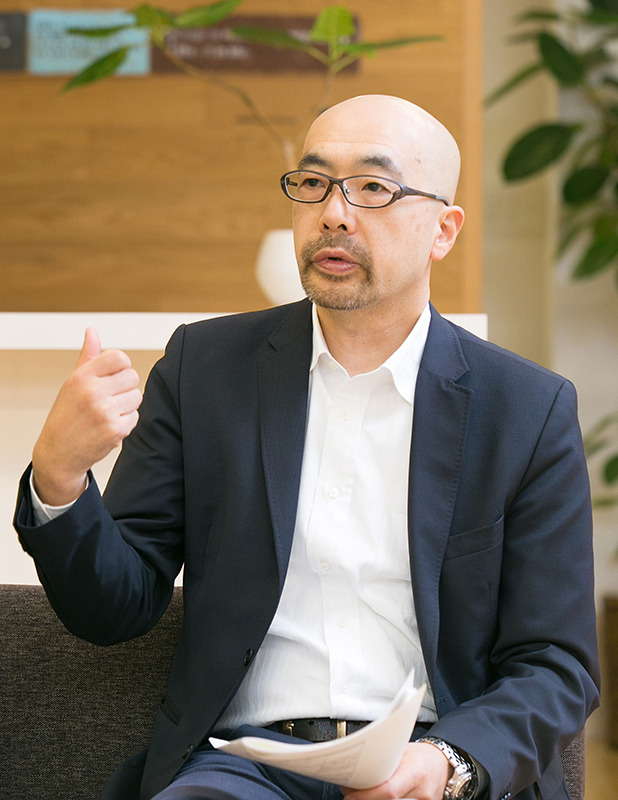 |
Kobayashi: If we keep operating with templates from the 20th century, we'll only end up with people who are good at managing those templates—smart individuals who struggle to create things or events from serendipity or spontaneity. But that era is over. Soft intelligence is now essential, and the talent and education demanded are changing. Yet, we find it hard to take that step forward. Couldn't co-creation be one breakthrough?
Sakata: The challenge is that blindly embracing wildness yields nothing. What matters is wildness grounded in understanding systematic innovation and business development—taking diverse perspectives and insights to build viable ventures. In other words, we must skillfully manage what is, in a sense, a paradox: transforming the unintended discord born from co-creation into something sustainable.
Kobayashi: I agree. Furthermore, innovation isn't just about creating something extraordinary; it's about discovery. For example, as Ken Kusunoki from Hitotsubashi University's Innovation Research Center points out, credit cards were invented to let cash-poor farmers buy tractors on installment plans. Even seemingly trivial things can become innovation if they scratch an itch. Calling it "innovation" sounds grandiose; it's more like "just innovating."
Sakata: "Just innovating," that's great. That's exactly the image I had in mind. Actually, I believe that once you discover the problem, you've already solved 80% of it.
Co-creation isn't about asking users for solutions.
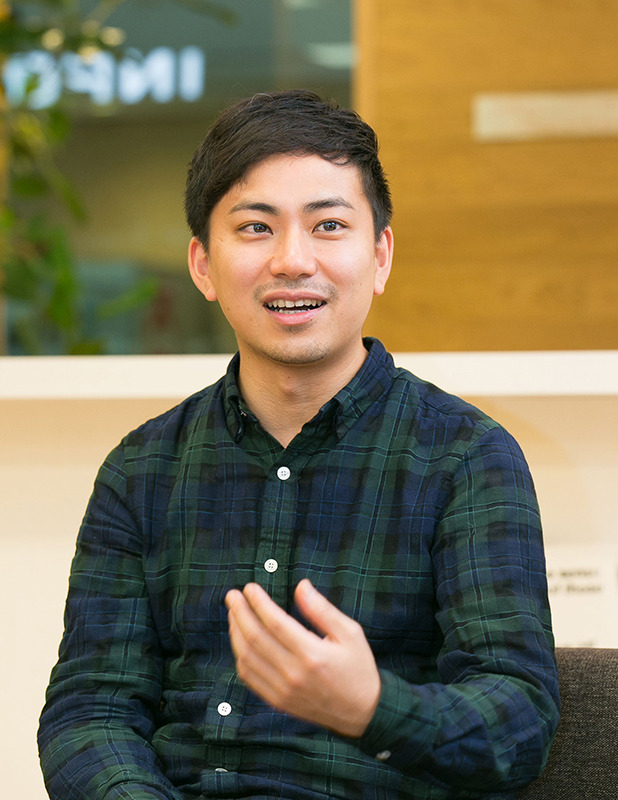 |
Sakata: Back in my marketing days, even if I wanted user feedback by tomorrow, there was no way to get it. I created Blabo! to solve my own need: getting hundreds of responses to a question posted today, and getting different perspectives.
Kobayashi: When you mention gathering user opinions, don't manufacturers often say things like, "Amateur opinions aren't interesting or useful"?
Sakata: If you think co-creation means "users providing solutions," that's a mistake. What you gain from users is, ultimately, their perspective. I separate it into "amateur ideas" and "professional execution." Editing and curation are the jobs of companies and local governments. The important effort is gathering users' perspectives and angles and integrating them with your own resources.
Minami: Since this isn't outsourcing, we can't be that complacent.
Kobayashi: That said, even if a genius idea comes up, we probably wouldn't adopt it. It's too far beyond our own capabilities. It also tests the organizers. Ultimately, things tend to end up predictable and harmonized.
So, what exactly is co-creation?
Sakata: The goal is to create a good product that sells. The ability to create concepts is still an extremely human task, not something we should rely on platforms for.
Minami: Listening today, I felt that co-creation is both an effort to generate something through interaction with others and an effort to expand oneself. How to create constructive discord through open-ended questions. Furthermore, the act of creating a concept is an intensely human endeavor. Thank you for today's insightful discussion.
 |
Was this article helpful?
Share this article


Newsletter registration is here
We select and publish important news every day
For inquiries about this article
Author
Hiroto Kobayashi
Infobahn Inc.
Chief Visionary Officer (CVO) and Representative Director / Director, Media Gene Inc.
Naoki Sakata
Blabo Inc.
Chief Executive Officer

Taro Minami
Dentsu Inc.
Dentsu Inc. Business Design Square
Research Director