Note: This website was automatically translated, so some terms or nuances may not be completely accurate.
 The Secret to Successfully Launching a New Business [4/4]
What is Air Register's user research methodology? Recruit Lifestyle Interview with Yuichiro Kage (Part 2)

Yuichiro Shikage
Recruit Lifestyle Co., Ltd.

Naoya Miura
Dentsu Inc.
Continuing from last time, we delve into the secrets behind Air Register's success, focusing on UX design, through a conversation between Yuichiro Kage and Naoya Miura. How does Air Register listen to user feedback and incorporate it into their service?
We also asked about key points in developing business-use apps, which differ from consumer-facing apps.
Observing actual workplaces enhances UX
Miura: Last time, I heard you emphasize visiting users directly when designing UX. Were there any particular points you paid attention to or found challenging during this research and listening process?
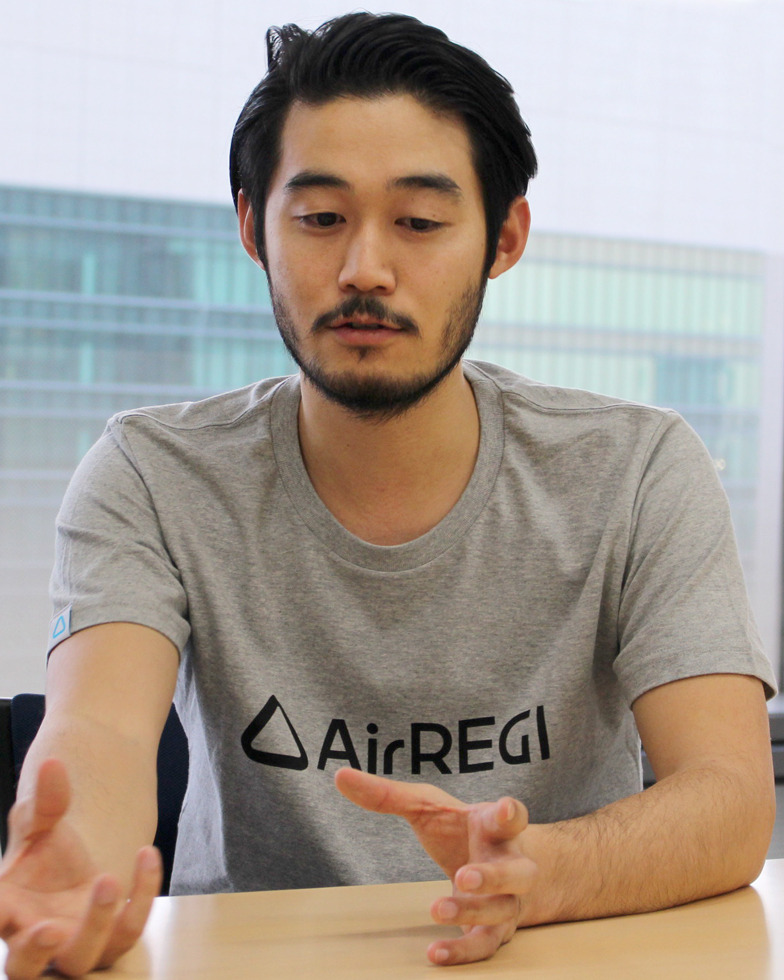
Kage: We currently conduct user research in two main phases. The first is researching whether our hypotheses are correct before starting development. The second is having users interact with what we've built to verify there are no issues. We particularly emphasize the former.
Not just UX designers, but product owners and engineers also participate. A common mistake is asking directly, "What if we added this feature?" Instead, it's crucial to listen to the background of their work and the specifics of their tasks—what they do daily and why they do it—and then indirectly draw out what features should be built.
While app usability is certainly important, what matters most to store owners is facilitating smooth communication with their customers and providing better service. We need to consider what Air Register can do to support that.
What customers are truly seeing isn't the terminal itself, but the people using the store behind it. For example, when discussing discount features, we shouldn't just ask if this screen is easy to use. We need to uncover the purpose of the discount by asking questions like what kind of discounts the store actually offers.
If every member of the team can acquire this kind of listening skill, ultimately, members of the UX design group may no longer be necessary. Engineers and designers could go directly to the users, create solutions on the spot, and validate them.
Miura: So it's not about improving features based on statistics showing frequent inquiries, but rather considering the underlying feelings behind them. I understand it's crucial to think beyond numbers and data, to consider the mental models and see what's behind the user's actions, then translate that into specifications.
This is often discussed in UX design, but I think few people actually do it to that extent. How often do you go to stores for research?
Kage: We visit at least five locations monthly with specific objectives. When we go, we actively recruit team members. We allow participation even for those not directly involved in the current project, if they wish to join. Of course, we avoid overwhelming the location with large groups, so we limit participation to around five or six members.
Designing for Diverse Users
Miura: When we create new services, we also design based on personas representing the types of users who will use it. With AirRegi, users have various ways of using it, and the types of businesses and industries are extremely diverse. What kind of design approach do you take to accommodate this?
Kage: Initially, the service was designed with a focus on restaurants. Now, we've expanded it to be more usable across other industries. For example, when registering products, the sample phrases often included restaurant-specific terms like "coffee" or "sandwich." We've replaced these with words usable in other industries. For new feature development, we first listen to appropriate users to narrow down functionality, then build in specific optimizations later. The most important thing is to hypothesize about the users who will use the feature, listen to their actual needs, and if there are multiple user personas, gather input from multiple users and conduct appropriate research.
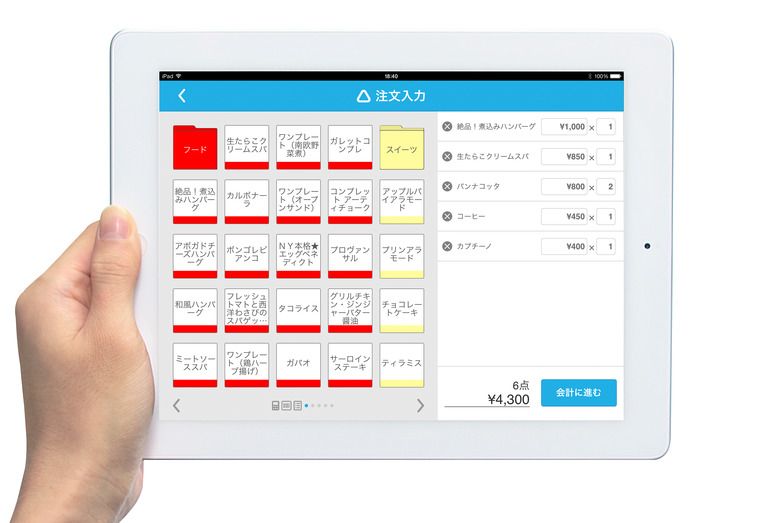
Miura: I imagine AirRegi has many peripheral devices. How do you approach UX design, including hardware?
Kage: This is an area we want to focus on moving forward.
For example, our target small stores have limited space, so we've received feedback that the cash drawer is too large.
Also, since Japanese yen has six different coin denominations, the coin compartments need to accommodate all of them. Regarding peripheral pricing, stores will likely vary in their priorities—some may focus on affordability, while others might prefer higher-end options. We want to observe the actual usage environments to determine what kind of peripherals are truly necessary.
Because it's a business-oriented service, it must match the UX
Miura: AirRegi isn't a B2C service like Jalan or Hot Pepper; it's a B2B service for stores and staff. When considering B2B UX, what do you focus on?
Kage: With other Recruit Lifestyle services, I can often imagine how users think because I might be a user myself.
On the other hand, with business services like Air Register, it's rare for me to be a user myself. That's why it's crucial to visit our customers and understand their operations.
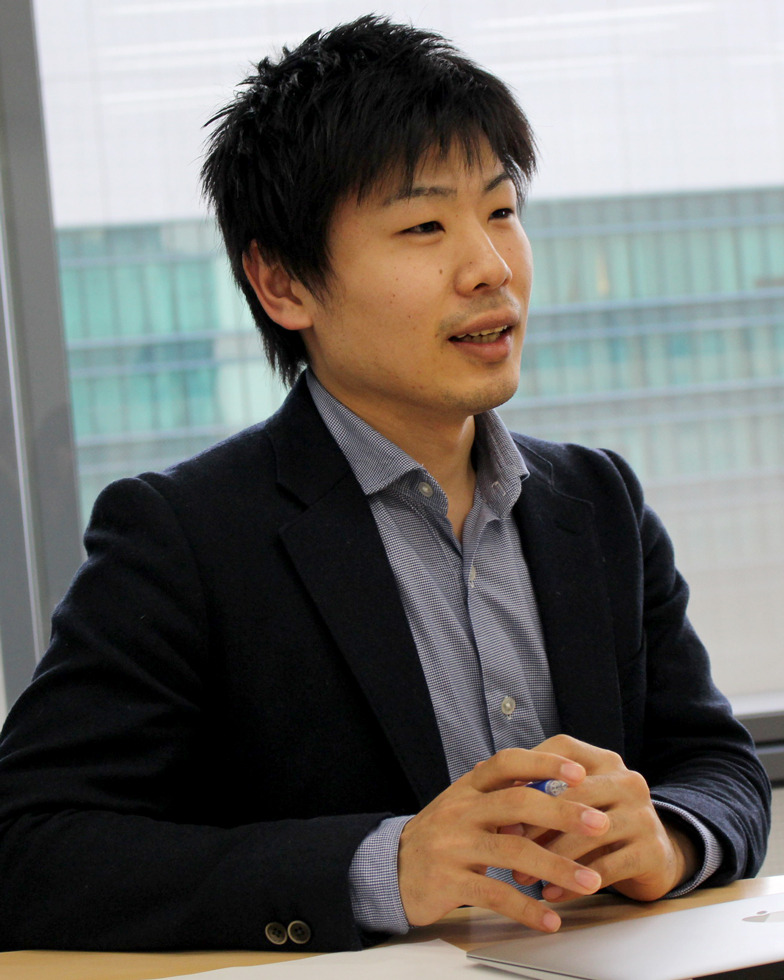
Compared to B2C, where usage varies greatly by individual, the business world has more routine processes and clear goals. This makes it an area where UX design aligns well if you can grasp the context firmly. Another point to note is that even when conducting A/B tests, reliable data is often hard to obtain due to small sample sizes. Also, the UX of services used daily in business operations cannot be changed frequently.
Miura: Are there any future UX strategies being considered or planned feature expansions?
Kage: To reiterate, the users of the service we're building are the people who visit the stores. We want to create more features and systems that support store staff in providing better customer service and support. Also, large-scale stores and chains meticulously manage data like previous year's sales, monthly and day-of-the-week sales, and trends. We feel it's necessary to develop features that allow stores operated by one person or two to three people to manage this kind of information in the same way.
Miura: When assisting B2B companies, we also desperately try to anticipate how their customers think. By considering the surrounding environment and mental models, and figuring out what users want before implementing it in the service, we can create a comfortable UX. Hearing your perspective confirmed this.
The dream of Air Register lies in enabling small and medium-sized stores to perform operations and services comparable to large stores, thereby contributing to regional revitalization and allowing SMEs to offer more personalized services.
Kage: The register is the final point of contact for staff with customers. It's where money changes hands and where the store experience leaves its lasting impression. If the cashier fumbles the process, makes input errors, or shows signs of uncertainty, it makes the customer feel uneasy too. That's why we must ensure checkout happens naturally, without needing to think, and that communication during payment flows smoothly.
We want to continue developing useful features that reliably support these crucial moments.
Was this article helpful?
Share this article


Newsletter registration is here
We select and publish important news every day
For inquiries about this article
Back Numbers
Author
Yuichiro Shikage
Recruit Lifestyle Co., Ltd.
Naoya Miura
Dentsu Inc.
Business Development & Activation Division