
Note: This website was automatically translated, so some terms or nuances may not be completely accurate.
 On-Site Report: Cannes Lions 2015 [2/6]
Cannes: Solitude and Connection
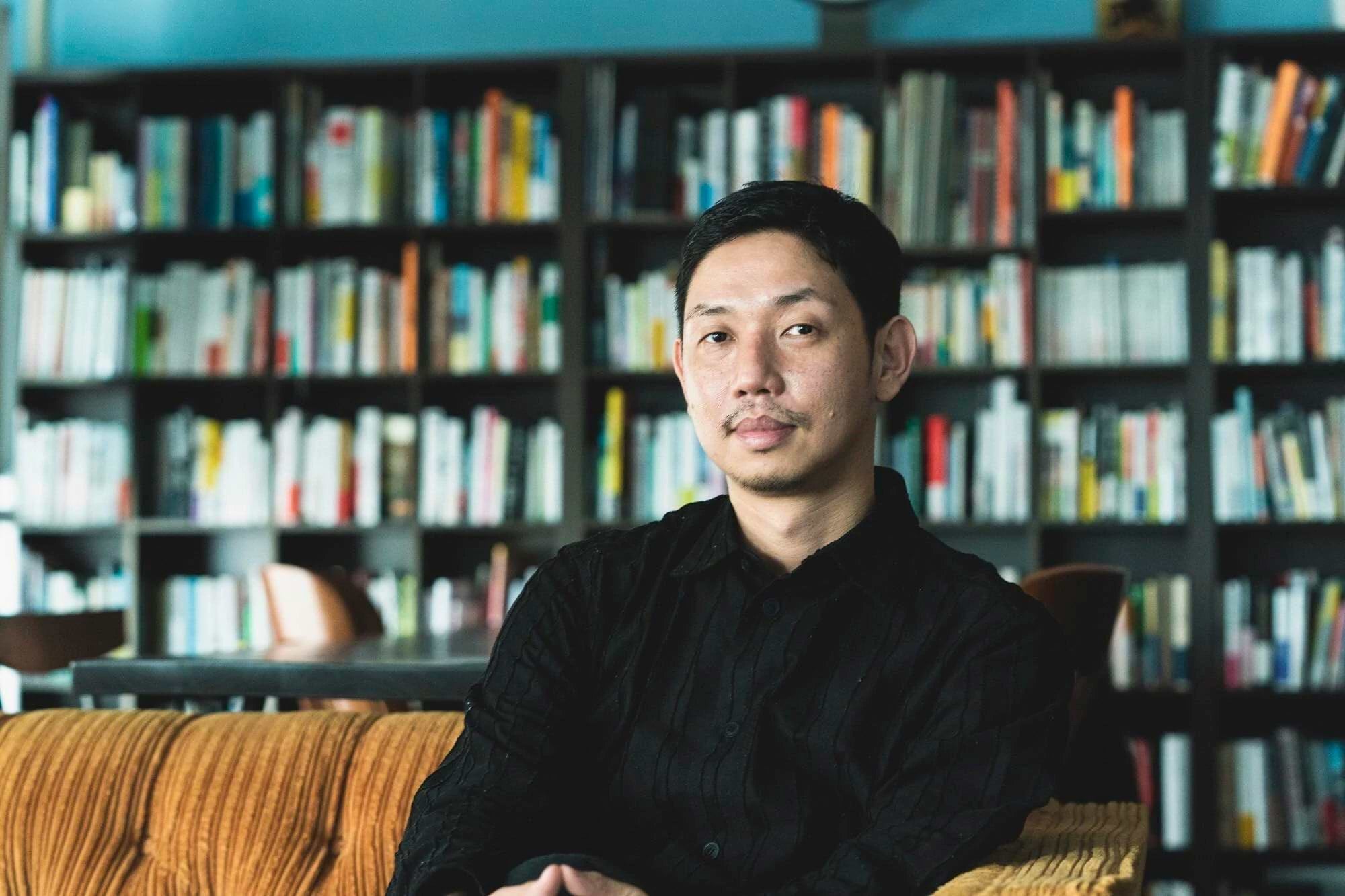
Shusaku Hirota
Henge Inc.
This is Hirota from the Business Creation Center.
This time, as part of the Dentsu Inc. News team, I arrived on site with the mission to write a report on Cannes. However, four days into the festival, I found myself completely swept up in this city's unique energy and overwhelmed by so many stimuli that I couldn't figure out how to organize my thoughts, making it difficult to write that first report.
It seems I'll need more time to digest this year's work trends, the newly established categories, and the seminars. So, this time, I'd like to write for those who have never been to Cannes.
Now, among those reading this, I bet quite a few are thinking, "Actually, I've never been to Cannes."
Right?
After all, when people think of Cannes, many probably think of it first and foremost as a festival for creators (= something unrelated to them), right?
To be honest, before I visited Cannes for the first time last year, I thought that way too.
I thought it was a place that had nothing to do with me since I wasn't in the creative department.
But once you come, you realize that's only one side of Cannes.
Even though this is only my second time attending, I believe the meaning and value of coming to Cannes (at least for me) lies in two things: it's a place to "face your work in solitude" and a place for "networking that leads to new business."
What do I mean?
First, coming to Cannes allows you to see the world's most outstanding creative work all at once. It's overwhelming. This year, they announced there were over 37,000 entries, and you can see them all.
This is the ultimate learning opportunity.
It's not just about "commercials" or "graphic design" – a diverse array of creative work is gathered here. If you work at an advertising agency, even if you're not a creator, there's bound to be work related to your area of responsibility.
The venue features a dedicated space in the basement where you can view all the creative work in one place. People from around the world spend entire days there, intently watching shortlisted works and studying them.
People working at advertising agencies from various countries are earnestly viewing works from people of different nations, desperately trying to learn something from them.
What kind of work is being created? What is the objective? How is it expressed?
What problem does this piece solve, and how?
Why did this piece win an award while that one didn't?
What are the key points of evaluation?
When you look at the shortlisted entries and the gold, silver, and other award-winning pieces selected from the vast number of submissions, you begin to see vague overall trends and this year's trends. You also find many things that seem applicable to your own daily work and points for reflection.
It's a very solitary task.
The venue is bustling with people, but the space for viewing creative work has only headphones and a PC.
Like reading a book in a library, you just absorb it silently and steadily.
During the day, I too watch shortlisted works intently, taking notes. But when you're viewing them in constant solitude, there comes a moment when you stumble upon a truly good piece and feel a strange, profound emotion: "This too was squeezed out of the mind of a real human being, a creator."
It's perhaps similar to a scene in the movie "Judge!", where the protagonist, Kiichiro Ota, played by Satoshi Tsumabuki, watches his favorite commercials alone when he's feeling down at work.
It goes without saying that ideas come from people.
The entries exist because someone, somewhere, thought hard, worked hard to shape them, and worked hard to express them.
I am having a one-on-one conversation with that creator right now, through their work.
When I seriously review the shortlist, I can feel that warm feeling only those working in advertising agencies understand, and the passionate desire of the creators to make something even a little better.
Good ideas, strong ideas, shake people's hearts violently.
Even though these are presentation videos meant to explain things clearly to anyone, you can feel the creator's breath in them.
You think, "The person who made this must be a good person," or
or "This person must be a fun person,"
When you can sense that kind of energy, it's truly moving.
Though tens of thousands of people fill the venue, when we watch the submitted works, we end up facing ourselves.
"So, what can I do right now?"
It's an opportunity to reevaluate my daily work and to let my imagination run wild for the next project.
It's hard to explain in words, but hearing the "voice of the creator" and feeling compelled to respond to that very "voice" I've heard—for me, that's the most valuable experience of coming to Cannes.
And I believe another value of coming to Cannes lies in the networking opportunities that lead to future business.
When you come to Cannes, you get the chance to share a table at restaurants with top-tier creators and executives you wouldn't normally meet.
Even people who are usually busy in Japan tend to have more time after the awards ceremonies in Cannes, allowing for relaxed discussions.
Because we're away from our daily routines, they often share deeper insights about their work and offer valuable advice.
Moreover, people from companies that are usually rivals can speak openly here, transcending corporate boundaries.
We can discuss all sorts of things—what we're currently thinking about, what kind of work we want to pursue next.
This is truly wonderful.
Moreover, it's a huge opportunity that people from all over the world gather here, not just Japanese.
Japanese agencies may not have fully embraced this yet, but it's clear that overseas agencies are using Cannes as a highly effective (or perhaps clever?) business platform.
The Cannes venue is right on the beach, and along the waterfront, you see various agencies setting up meeting spaces, inviting clients, and scheming together about their next business ventures.
Yes, Cannes is not only a place for advertising creativity, but also a place for business creativity.
In other words, salespeople and clients themselves have a huge opportunity to come here, get new inspiration, and think about the next business move.
In fact, this year I was fortunate to have opportunities to speak with executives from overseas companies...
With the awards ceremony time approaching, I'll save the rest for my next report!
Tonight, I'm excited to see which entries will win...
Was this article helpful?
Share this article


Newsletter registration is here
We select and publish important news every day
For inquiries about this article
Back Numbers
Author
Shusaku Hirota
Henge Inc.
CEO / Director