
Note: This website was automatically translated, so some terms or nuances may not be completely accurate.
 On-Site Report: Cannes Lions 2015 [3/6]
From Problem Solving to Problem Discovery Creativity
Yoshihiko Kyoi
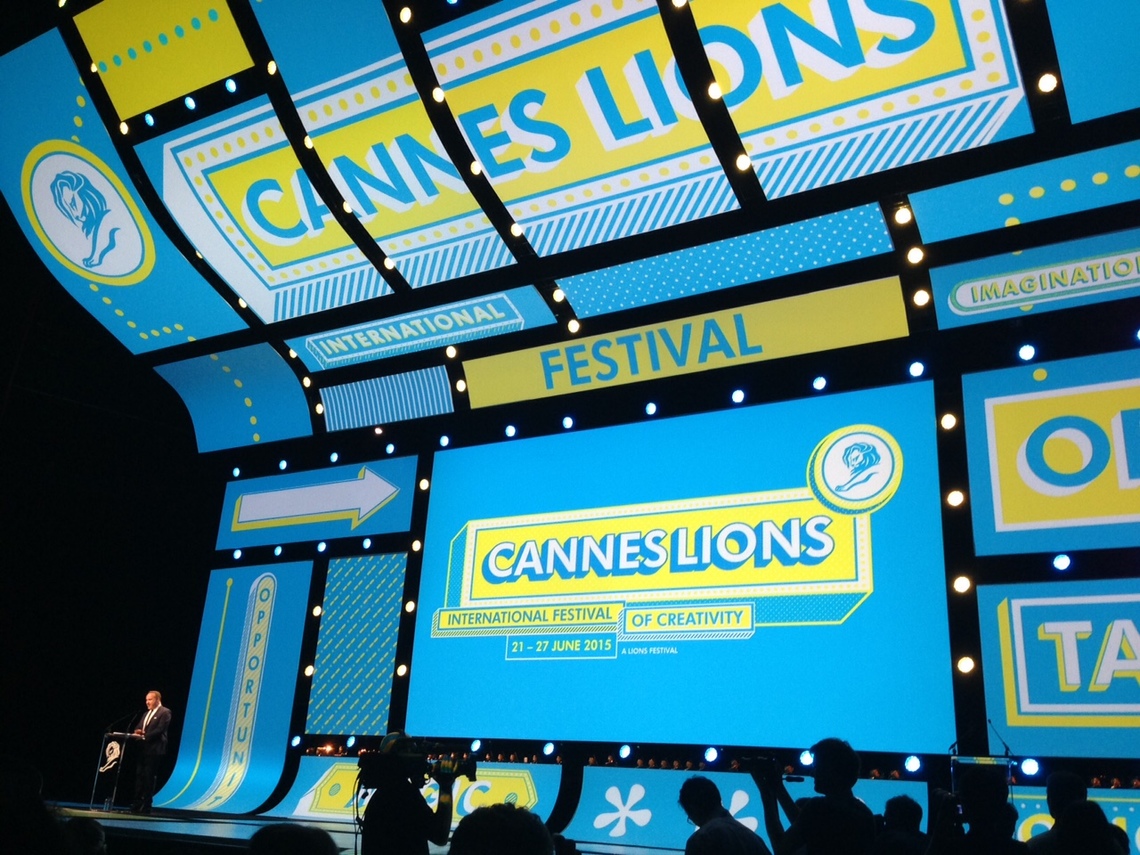
The first four days of Cannes Lions flew by in the blink of an eye.
Awards have been announced for 13 of the 17 categories (the Innovation and Creative Data categories under Lions Innovation are separate).
Typically around this point, an outstanding idea or campaign emerges, sweeping multiple categories and winning the Grand Prix, becoming the highlight of the year. This year, however, nothing like that has appeared.
The judging criteria seem inconsistent across categories.
However, observing the audience reaction at the awards ceremony, a few initiatives clearly resonated with all attendees.
For example, the " #LikeAGirl " campaign by P&G's Always feminine hygiene products.
They asked both late-teen girls and younger girls the same question: "Run like a girl."
The older teens all made flimsy, weak gestures.
In contrast, the younger girls all sprinted with full force.
This experiment highlighted how many women lose confidence around the time of their first period and become burdened by preconceived notions of femininity.
The little girls, on the other hand, were not like that at all; they were all energetic and full of potential.
Through this experiment, it delivered a message encouraging women: "We were all like this originally. Let's reclaim the confidence we once had."
#LikeAGirl was a strong contender for the newly established Glass Award (recognizing efforts on human rights and gender bias issues) this year, ultimately winning Gold. It also took home the Grand Prix in the PR category, which values building societal consensus.
The venue erupted in applause and cheers at the sight of girls running with innocent abandon, throwing baseball balls with all their might, and swinging golf clubs freely.
Additionally, Volvo UK's " Life Paint " campaign is currently the only one to win Grand Prix awards across multiple categories: Promotions & Activations and Design.
In the UK, there are reportedly 19,000 collisions between cars and bicycles annually.
Since many occur at night, Volvo developed "Life Paint," a special spray paint that only reflects car headlights.
This wasn't a one-off initiative; it was part of Volvo's "Vision 2020" commitment to eliminate fatalities and serious injuries in Volvo cars by 2020.
Beyond the spray idea itself, what's truly impressive is the commitment to society demonstrated by an automobile manufacturer fulfilling its responsibility to this extent.
I'm impressed by the high level of challenge they set for themselves.
The " Lucky Iron Fish Project," which won the Grand Prix in the Product Design category, also stood out.
In Cambodia, half the population suffers from iron deficiency, with pregnant women and children experiencing serious symptoms like growth disorders.
As a countermeasure, they promoted cooking with iron blocks in pots, but it didn't catch on.
So they redesigned the iron block into the shape of a fish, a symbol of happiness in Cambodia, and sold it. This successfully popularized the practice of adding it to cooking pots.
It might seem like a small idea, but it actually achieved a 50% reduction in iron deficiency within nine months. This demonstrated how design power can contribute to the health of many people, which was likely what earned it recognition.
However, I must admit, I was unaware that Cambodia faced such a challenge.
Other notable entries included P&G's " Touch the Pickle " campaign, which won the Grand Prix in the Glass category. This initiative in India aimed to dispel the superstition that if a menstruating woman touches a pickle jar, the contents will spoil. Also recognized were multiple Gold-winning entries like the (which also became a topic of discussion in Japan). It really made me realize anew that there are so many issues in the world that we ordinary people are unaware of.
In recent years, the trend at Cannes has leaned toward "social good" – creative solutions tackling broader societal challenges beyond just client company issues.
While that direction remains unchanged, this year's trend seems to place greater emphasis on the height of the challenge itself rather than just the idea.
In other words, there are still many challenges out there we don't know about. The focus is on making them visible and solving them properly and carefully, even if the ideas aren't groundbreaking. That's the perspective I feel is being evaluated.
I used to think Japanese players struggled to excel in this area because Japan has fewer major, visible social problems compared to other countries.
But apparently, that's not the case.
Previously, I thought creativity was required to "solve existing problems," but global creativity is now expanding its challenge to include "uncovering latent problems."
Japan itself still harbors many unseen challenges that remain hidden from ordinary people like us. What's expected now is the "creativity of uncovering challenges" to bring these to light.
So, Cannes is now entering its second half. I'm looking forward to some surprising developments.
Until next time. That's all for today.
Was this article helpful?
Share this article


Newsletter registration is here
We select and publish important news every day
For inquiries about this article
Back Numbers
Author