Note: This website was automatically translated, so some terms or nuances may not be completely accurate.
 Frontline Report on Overseas E-Commerce [2/2]
Ask Isobar: The Latest Trends in E-Commerce ~ What is Brand Commerce? ~
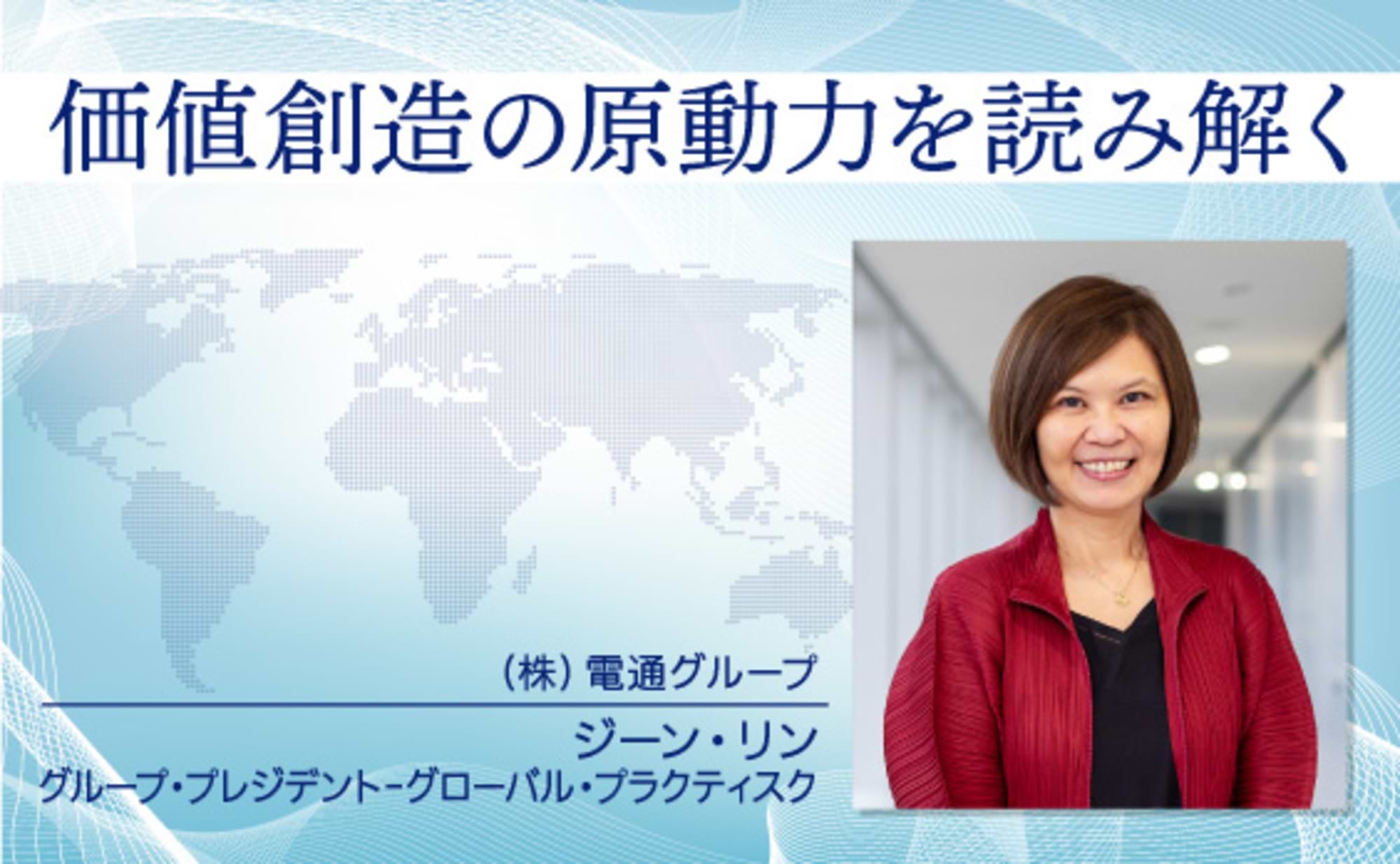
Isobar, a global digital marketing company under Dentsu Inc. Aegis Network, is drawing attention for its pioneering initiatives in the rapidly expanding e-commerce (EC) sector. We spoke with its Global CEO, Gene Lin.

What is Brand Commerce?
──What kind of initiatives is Isobar undertaking in e-commerce?
Lynn: We believe the future of brands lies in "Brand Commerce," which encompasses e-commerce.
Brand Commerce means integrating branding and purchasing activities beyond the boundaries of platforms and channels. It's a business solution that seamlessly encompasses online and offline without distinction, enabling payment from any point in the customer's brand experience. Achieving this requires cutting-edge electronic payment technology and advanced creativity. E-commerce implementation capability is a crucial element in Brand Commerce.

Omnichannel is now a standard service
──E-commerce continues to rapidly expand. Are there any notable trends?
Lin: Creating an omnichannel shopping environment, unrestricted by location or method, is now essential. Users now consider it a "standard service" to easily complete purchases with a single click across various devices or to access any product information anytime, anywhere. Conversely, if you can't provide this, customers will leave.
Mobile devices like smartphones will solidify their position as the primary platform for e-commerce. With access to rich data and evolving algorithms, companies will be able to understand consumers in greater detail and respond with services customized to their personal needs. This leads to brand experiences that create genuine excitement.
Technological development will also significantly impact the future of e-commerce. For instance, the evolution of IoT will not only make consumer purchasing more convenient but also deliver new experiences. This could potentially give rise to entirely new "markets." If advancements in cutting-edge technologies like VR (virtual reality) and facial recognition systems can capture consumers' hearts more deeply, e-commerce is likely to accelerate even further.
──How does Isobar's approach to e-commerce benefit clients and what kind of customer experience/advantages does it deliver?
Lin: Our team, selected from our global network, comprehensively addresses every aspect of e-commerce—from strategy development and platform construction to omnichannel design, and even the development and operation of tools that drive retail innovation. Experienced consultants provide extensive support, evaluating the business performance and user experience of existing shops, assisting with new shop launches and data ecosystem development, and conducting tailored workshops.
In key high-growth regions, we place particular emphasis on market analysis and data-driven consultation. Isobar's big data platform, Code1, identifies consumer needs within categories and continuously measures brand equity and customer journeys to optimize prospect acquisition.
To achieve success, we must pay attention to every detail, from implementing timely tactics like "Click & Collect" (online purchase, in-store pickup) to introducing scalability for peak sales seasons. Most crucially, we connect e-commerce insights and technology to the delivery of a brand's story. We take pride in our ability to achieve this at a high level.
As Tokyo 2020 approaches, Japanese companies must prepare their e-commerce capabilities
──Do you think the global e-commerce market will continue to expand?
Lin: The rise of "borderless buyers" purchasing goods across national borders is becoming a major trend in the global economy. Consumers are already dissatisfied with products sold only in their own countries. Even now, as cherry blossom season arrives, large numbers of Chinese tourists visit Japan. Their "spending sprees" clearly show how attractive Japanese products are to Chinese consumers.
Furthermore, Japanese companies, especially local brands, face a major opportunity with inbound tourism ahead of Tokyo 2020. If people from around the world visit Japan and experience Japanese brands, it will lead to continued purchases after they return home. Preparing a global platform by then requires urgent action. This is a huge opportunity as people worldwide become interested in Japan and seek to purchase Japanese products, so action should be taken now.
Was this article helpful?
Share this article


Newsletter registration is here
We select and publish important news every day
For inquiries about this article

Author

Gene Lin
Dentsu Group Inc.
Group President - Global Practice