
Note: This website was automatically translated, so some terms or nuances may not be completely accurate.
 Inbound Strategy from a PR Perspective [5/5]
Inbound and PR in the Experience Era

Mamiko Tominaga
The End of Spring Festival and Changing Consumer Behavior—From Consumption to Experience—
February, the latter half of the Spring Festival holiday, was likely a peak period, especially for those involved in Chinese inbound tourism. Meanwhile, some reports suggested the "spending sprees" by Chinese tourists visiting during the Spring Festival weren't as prevalent as before. Is this a slowdown in inbound tourism?
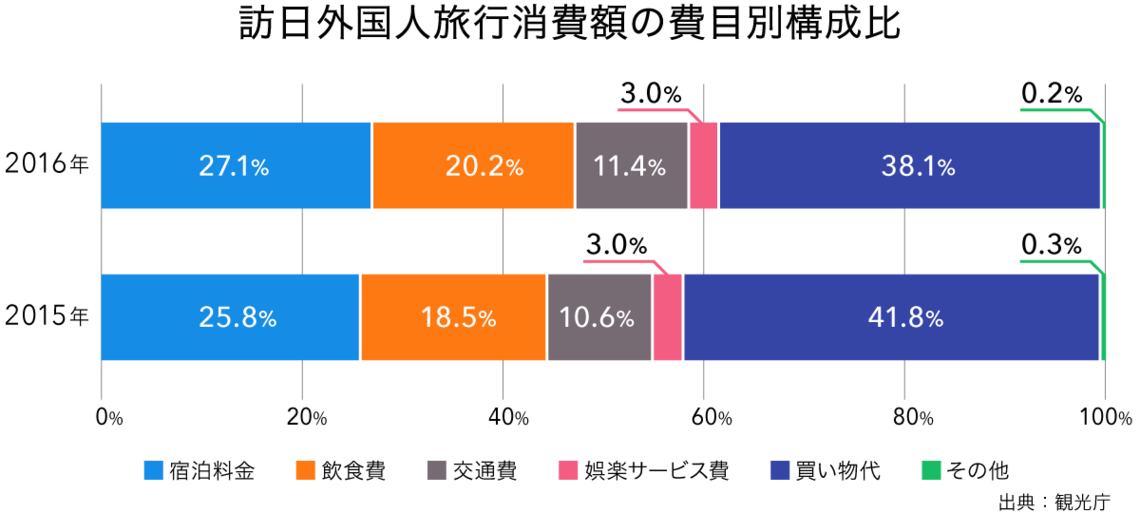
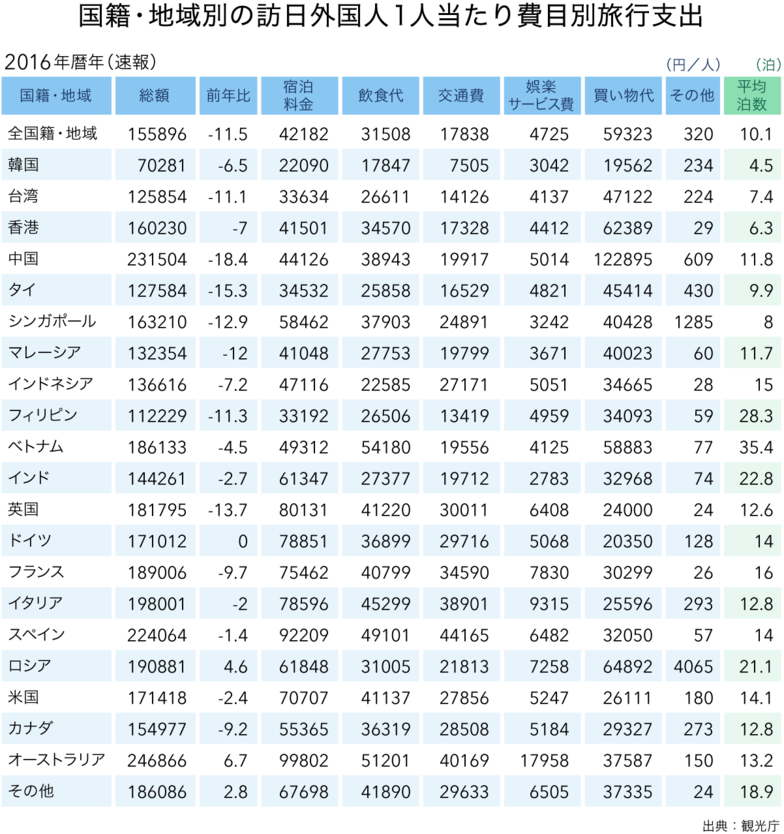
In fact, this qualitative shift in tourism spending is a trend across the entire inbound market, not just China. Looking at the Japan Tourism Agency's January survey on spending trends among foreign visitors to Japan, the breakdown of travel expenses shows that for many markets, the proportion spent on food and drink and transportation is increasing, while the proportion spent on shopping is decreasing. As visitors to Japan become more seasoned travelers, their specific spending patterns are changing. What they seek from their trips to Japan is evolving.
In this final installment of the series, we will revisit the actions taken by inbound travelers leading up to their visit to Japan and explain what should be considered from a PR perspective at each stage.
Stage 1 ―① Travel Planning Phase: Changes in Information Acquisition Channels
As introduced in Parts 2 and 3 of this series on the latest trends in China, the information channels used by our target audience have undergone significant transformation. Previously, they primarily used travel agency websites, newspaper ads, and guidebooks to find travel products matching their budget and vacation time, or to gather destination information.
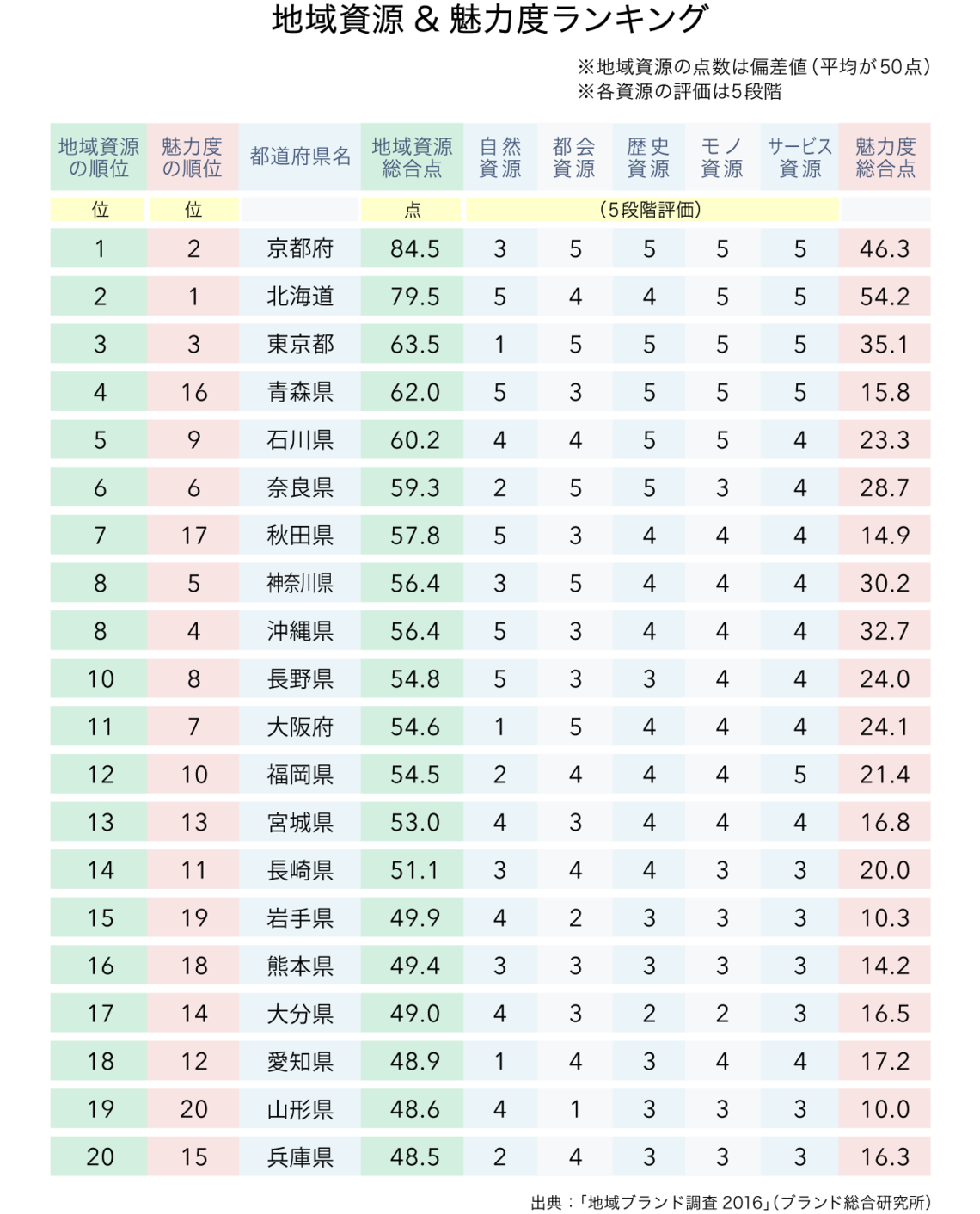
Therefore, to be chosen as a destination or service by those considering travel, efforts focused on providing information through magazines and TV to raise awareness and increase the volume of information they encountered. As introduced in the fourth installment, it was also necessary to enhance brand power by leveraging regional resources while adopting a third-party "outsider's perspective."
However, the rapid expansion of social media has brought changes to the information acquisition process, which in turn has altered the destination consideration process. For example, travelers now decide where to go based on travel photos posted by friends on social media or choose destinations to have the same experiences as influencers.
Furthermore, even after deciding on a destination, travelers diligently seek out well-reviewed experiences and services through online word-of-mouth. The increased number of visitors to Japan has enriched the quality and quantity of reviews, while the expansion of information provided by municipalities and tourism authorities now makes it possible to gather a significant amount of information about Japan travel even before departure.
On the other hand, with "fake news" becoming a societal concern, information recipients are increasingly mindful of its reliability. Consequently, the role of trustworthy sources—namely, websites and influencers deemed credible by the target audience, as well as official information—is growing ever more significant.
While steady communication remains crucial, it is essential to evolve communication strategies. This involves adapting to changes in how targets access information (changes in information distribution structures) and tailoring content and timing to make it more acceptable to the target audience.
Stage 1 ― ② Travel Planning Phase: Seeking "Photogenic Experiences" and "Social Media-Worthy Experiences"
Another significant shift, particularly affecting younger generations, profoundly influences the travel consideration phase. Both repeat visitors and first-time travelers are moving away from simply touring famous sites and historical landmarks toward a style that prioritizes experiential content.
Moreover, sharing their enjoyment on social media has become an inseparable part of the travel experience itself. Consequently, when considering destinations or services, "what kind of photos can be taken" and "whether it looks good on social media" have become crucial factors.
Thus, creating photogenic spots in advance—be it breathtaking views that compel you to capture them, picturesque cafes, street corner scenes, or unique experiences you can't have elsewhere—and preparing them to make it easy to visualize the photos you can take, becomes a crucial deciding factor for travel.
Stage 2: During the Stay: Real-Time Social Media Sharing
These target travelers keep their phones close at all times during their stay, continuously posting selfies and videos. Some even use apps where posts disappear after 24 hours. They tag their posts and enjoy communicating within social media. Their trip becomes an opportunity to enjoy real-time communication with friends and peers.
However, this constant filming can sometimes cause trouble. By visualizing potential issues and solutions beforehand and promoting internal communication among stakeholders, we can help the host side enjoy sharing information without stress. This approach contributes to the sustainable promotion of inbound tourism.
Stage 3: After Returning Home: Sharing Stories via Blogs and Social Media
After returning home, alongside visually appealing photo and video content for social media, memorable stories and experiences are shared through personal blogs and social media platforms. These include interactions with locals at accommodations or tourist facilities, and services that left a lasting impression.
Conversely, if you can create experiences or services that people can't help but want to share with others, or offer unique, memorable moments, the likelihood of them posting about it increases. This also boosts the potential for those posts to be shared with and reach potential future visitors to Japan.
A crucial point to note here is that the experiences and services that resonate vary significantly depending on the nationality, age, gender, lifestyle, and travel experience level of the inbound tourists. For example, some older Chinese tourists do not drink cold tea as part of their culture. Serving cold tea simply because it's hot won't please them as much as it might please Japanese people.
It's crucial not to over-assume from a Japanese perspective that "they'll be happy if we do this" or "they must definitely like this kind of thing." Instead, think thoroughly from the target's perspective and establish a system to share that viewpoint with the people actually providing the service.
Finally: Looking Ahead to the Era of 20 Million Visitors to Japan
Thank you for reading all five installments. With the 2019 Rugby World Cup and the 2020 Tokyo Olympic and Paralympic Games approaching, Japan's inbound tourism is expected to grow further.
Beyond the leisure sector covered in this series, the scope of inbound tourism is expanding into MICE (Meetings, Incentives, Conferences, and Exhibitions) related fields and IR (Integrated Resort) developments, which are now being seriously discussed in Japan.
Adding a PR perspective can refine existing efforts, enabling regional and corporate initiatives to communicate more precisely and strategically to their target audiences, ultimately achieving desired outcomes. This would be most gratifying. Furthermore, if incorporating a PR perspective helps reduce communication missteps and contributes to boosting the overall inbound tourism sector, that would be highly beneficial.
Was this article helpful?
Share this article


Newsletter registration is here
We select and publish important news every day
For inquiries about this article
Back Numbers
Author