
Note: This website was automatically translated, so some terms or nuances may not be completely accurate.
What Kamiyama Town suggests is "reclaiming our humanity."
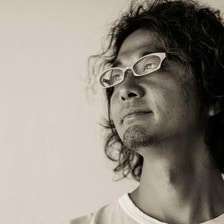
Akihito Kunimi
Dentsu Inc.
Kamiyama Town in Tokushima Prefecture is a town making headlines as IT startups like cloud business card management company Sansan and broadcasting platform provider Plat-Ease establish satellite offices there. Akihito Kunimi, leader of Dentsu Inc.'s Future Creation Group and someone who had long been interested in Kamiyama Town, visited the town. We spoke with Mr. Kunimi about the work styles and atmosphere he observed and felt in Kamiyama.
Work Exists Within Daily Life
──First, could you tell us what sparked your interest in Kamiyama?
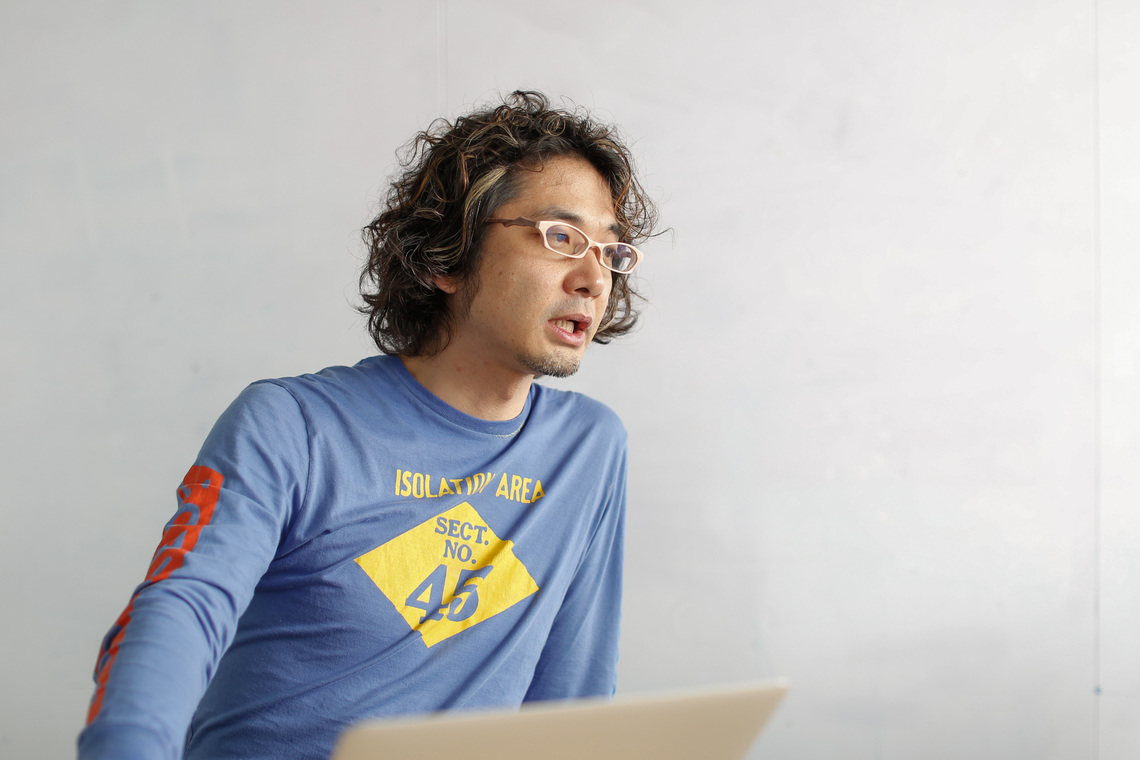
Kunimi: I've been thinking about work for a long time. Work has a purpose—it's about productivity, creating something new, achieving results. I think it's good to have a peak there.
──What kind of peak are you referring to?
Kunimi: The peak of results. In other words, achieving the best possible output. That's the purpose of work. If you can truly reach that purpose, you don't need to work in an office. Working in an office is just a means to an end. If being in an office reduces your output, it's better to work outside.
I'm not entirely convinced that working within fixed hours, in a designated space, and with limited information is truly the best way to achieve our goals. That's one reason we started the Outdoor Office initiative.
──That's the initiative you collaborated on with outdoor gear maker Snow Peak, where you set up tents in nature to work.
Kunimi: Exactly. Trying the outdoor office really proved beneficial. In a society where technology connects us so seamlessly, I realized it doesn't matter where you work. In Kamiyama Town, there are companies already practicing this kind of work style. Seeing them made me think we might discover new ways of working that deliver results.
What sparked my interest was realizing that there are probably many hints for working styles out there, as means to achieve larger goals.
──When was that?
Kunimi: I think it was about four years ago. I believe Hidetoshi Kurashige (Team Leader, DENTSU SOKEN INC. B Team) told me about it. After that, I started seeing it in the media too, and I thought, "This is kind of interesting." I wanted to see if they were just working leisurely or what kind of results were actually being produced there.
──So that's why you went to Kamiyama for an inspection.
Kunimi: Yes. Originally, humans... going back quite a long time, they didn't have houses, right?
──That's a huge leap back (laughs).
Kunimi: Yes. So humans existed as part of nature, and I think that's the most natural state. Living in buildings protects us from danger, but I believe it also dulls certain instincts.
In other words, the abilities that come out when working outdoors should be very natural. I felt this at the outdoor office too. So in Kamiyama Town, I wanted to see how productive people could be and what kind of atmosphere they worked in.
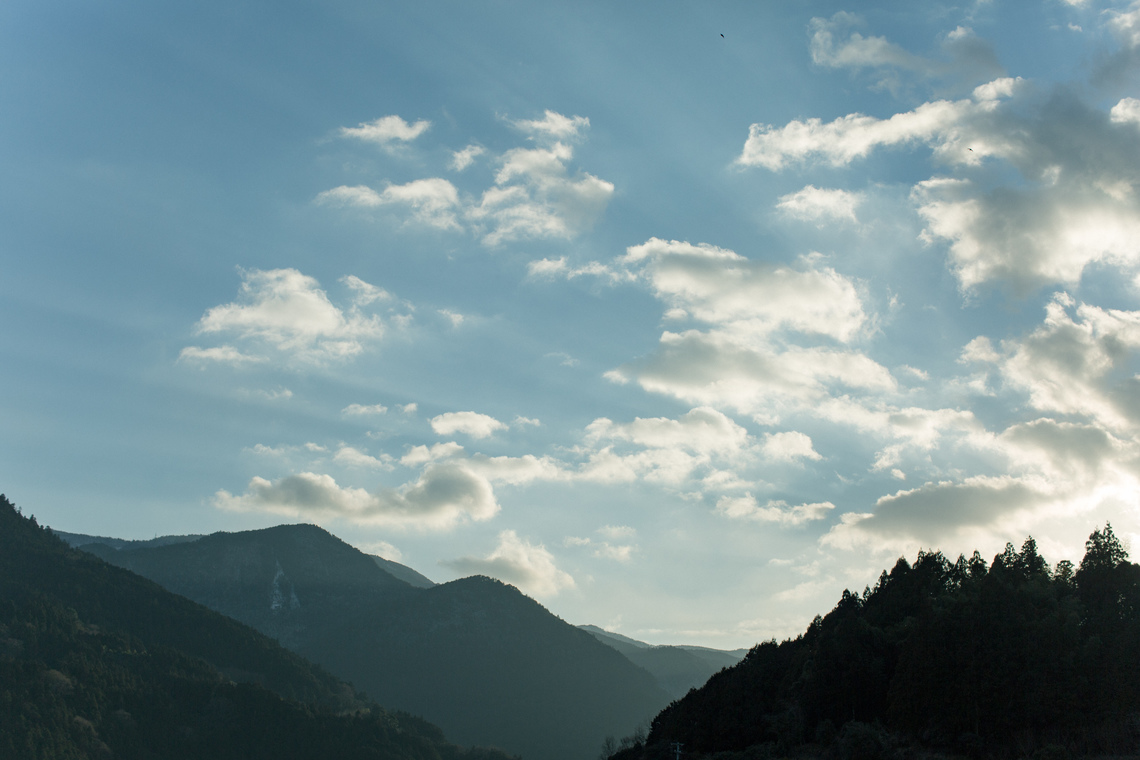
Working in Nature
──After actually visiting, what were your impressions regarding productivity and the atmosphere?
Kunimi: Regarding productivity, I think it depends on the job type, but I figured it probably wouldn't change much. Tetsu Sumida, president of Plat Ease, who has offices in both Tokyo and Kamiyama, also said productivity is exactly the same in both places.
For example, our work benefits from external stimuli, and nature itself is a form of stimulus. Ideas conceived in Tokyo will likely differ from those born in nature. That said, not everyone needs to work in nature. Having a spectrum—some working in Tokyo, others in nature—makes things more interesting.
When I visited Shanghai years ago, the atmosphere was filled with this unfounded confidence that the future was clearly bright. The ideas conceived there were distinctly different. While ideas originate from within, the surrounding environment does influence output.
──How do you think ideas generated in nature might change?
Kunimi: Nowadays, we segment everything, right? It's a diverse society, so I think it's the right approach. But the more diverse things become, the more important it is to see the "something common" among people across different categories—to see the essence. I thought that kind of insight might be better suited to Kamiyama.
──Did you feel that after actually going there?
Kunimi: Yes. Some people wake up around 5 a.m. with the dawn and finish work around noon. When considering peak productivity, working from 9:30 a.m. to 5:30 p.m. isn't always the best approach. It's actually okay for it to change day by day. In other words, work exists on the same level as daily routines like eating meals or having conversations, without restrictions on time or place. I thought that was truly wonderful. I felt that in Kamiyama.
──But the folks at PlatEase and Sansan are still company employees, so they have set hours, right?
Kunimi: The Sansan person who showed us around Kamiyama didn't look like they were working at all, in the best sense. They felt like a local guy, and I didn't realize they were from Sansan at first. They were working, but it felt like they were just relaxing at home while working. It was completely different from a typical Tokyo company. I felt like work existed within their life.
Innovation comes not from information, but from within oneself
──Next, tell us about the people working there. How do people change when they're in an environment like Kamiyama Town?
Kunimi: I think they become more peaceful.
──A relaxed feeling, without any weird tension.
Kunimi: Yes. But the people in Kamiyama aren't just relaxing in their twilight years; they're incredibly active. They consciously try to meet all kinds of people more than people in Tokyo do. They're proactive and energetic. I think the way they get tired is probably completely different.
──How do they get tired?
Kunimi: Take crowded trains, for example. They're man-made, and people accumulate fatigue in them. In Kamiyama, that fatigue is noticeably less. I feel like that leads to all sorts of actions, creating a positive cycle that makes people more active.
──Are there places in Kamiyama where people go for drinks after work?
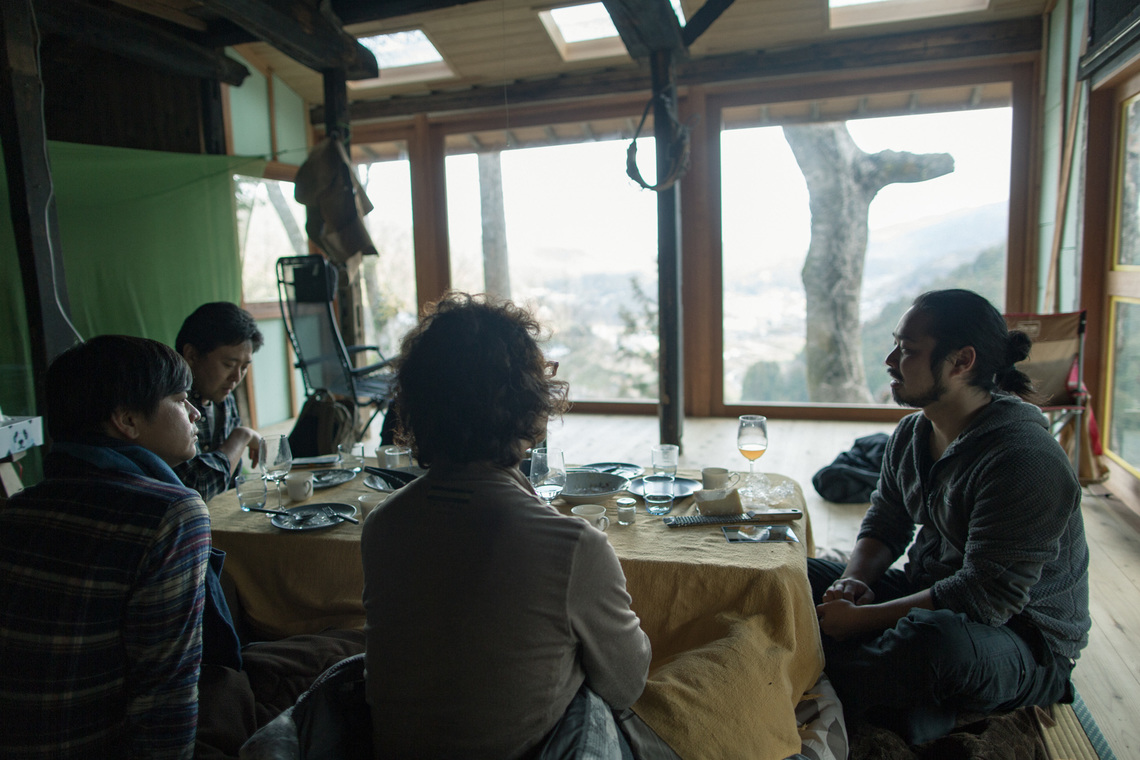
Kunimi: Yes. People gather after work. We went with a few people, but they seated us all at separate tables. Then they made us introduce ourselves (laughs).
──Did you ever actually consider moving there?
Kunimi: Well... rather than a complete move, I thought about going back and forth. I think it's probably what I mentioned earlier—I felt like some kind of unconscious limitation I usually carry started to lift.
──How about in terms of fostering innovation? Is there a connection between working in nature and innovation?
Kunimi: I think innovation fundamentally happens wherever you are. But what I found better about the countryside was the scarcity of information. Unless you actively seek it online, there's less information—including the chatter you hear around town.
Innovation doesn't really come from information itself. It comes more from what you personally think or what you want to do. It's not something that emerges from accumulating tons of information. So, conversely, I think information gets in the way.
Information is just one facet of things. Relying on information to think about innovation leads to bias and limitations. So, I think about and build things without information, then verify them with information later if needed. That approach is vastly easier in the countryside.
──When you say "don't gather information," Kunimi-san, does that mean, for example, not doing marketing research?
Kunimi: Exactly. People who move to Kamiyama tend to have their own goals and aren't easily swayed by outside knowledge. Ideas are about expressing your true self, right?
When information surrounds you, it starts to feel like the standard for the world, and you get tuned to it more and more.
What Kamiyama Town suggests is "reclaiming our humanity."
──What do you think the future holds for Kamiyama Town?
Kunimi: Right now, it's booming from a work perspective, but I think it will change form again. It's not just about work growing bigger; there's also art and play. This pizza was amazingly delicious, too.

──Looks delicious.
Kunimi: I think it could evolve into a place where restaurants offering Japan's only unique items gather. People have various aspects to their lives. If only work gets highlighted, I worry Kamiyama's true charm might get lost.
──Do you think more companies will come to Kamiyama?
Kunimi: Probably. But people who come to work here also do things like farming after finishing work at noon. Then at night, they connect with various people, trying to create something new. How those who come to work expand the next possibilities. It's not just about working and then stopping. It's about working naturally, using their own time to create something new, which then attracts more people. If that kind of virtuous cycle develops, I think Kamiyama will become even more interesting.
──Are there people doing activities besides farming after work?
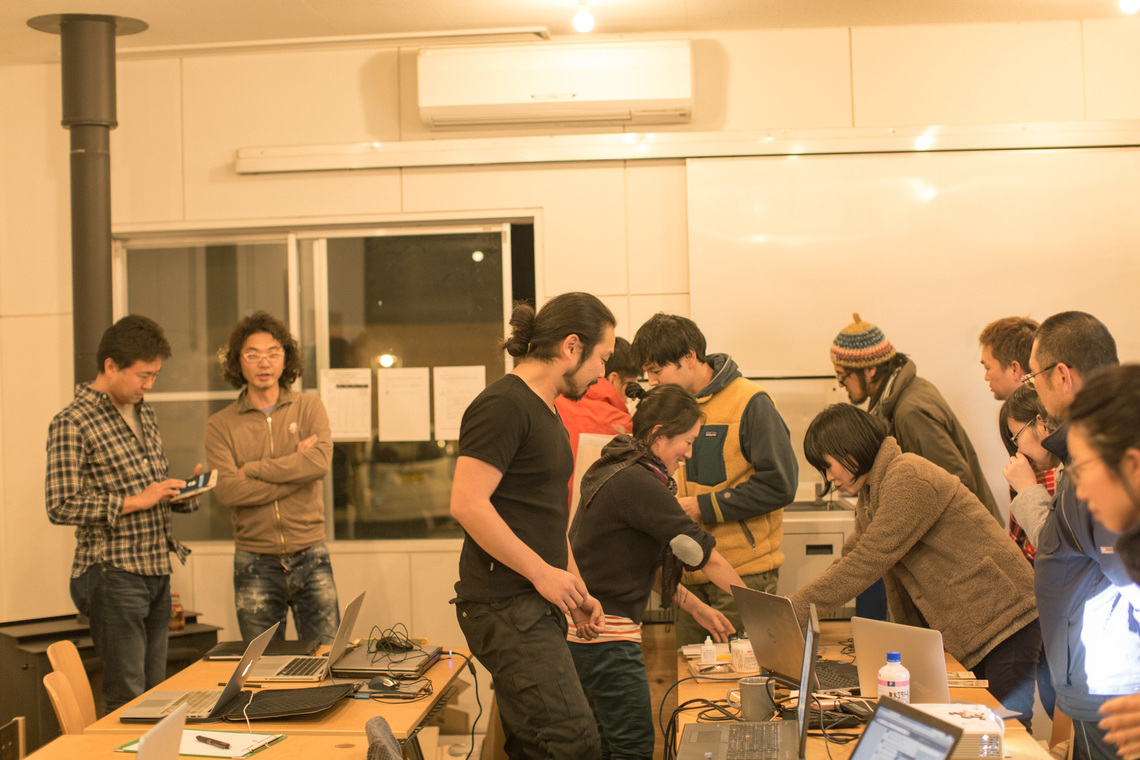
Kunimi: For example, after work, some people run drone classes. They taught at the elementary school. Many people were giving back their skills as a form of community contribution.
──Do you think this kind of thing will happen in other rural areas too?
Kunimi: It would be great if they increased. Kamiyama has its own merits, but it's a waste to just stay put here. For instance, if there were 20 such places across Japan, you could work while moving around between them. I don't think it's something that can only be done in Kamiyama.
──What stood out to you about Kamiyama Town?
Kunimi: Mr. Sumida mentioned, "Lately, clients tell me they'd rather go to Kamiyama Town than attend golf receptions." Having an office in Kamiyama is actually boosting sales. I found that incredibly interesting. He also said using the Kamiyama office has made recruitment easier. Meaning more people want to work there.
I think we're riding a major wave of change. We shouldn't just see these phenomena as amusing anecdotes; we should recognize them as signs pointing to the next direction for people who've lived under capitalism.
──Where does that suggested direction lead us?
Kunimi: Fundamentally, I think it's about reclaiming our humanity. The Finland boom is an antithesis to urbanization, and the Portland boom is an antithesis to mass standardization. People are sensing, within the limits of capitalism, what it truly means to live as human beings.
Living humanely isn't about separating work and life; it's about placing them on the same level. I believe that's what's creating these phenomena.
──Are you always conscious of these shifts in the times?
Kunimi: Always. Because a paradigm shift is already fully underway.
──I see. Thank you for today.
Was this article helpful?
Share this article


Newsletter registration is here
We select and publish important news every day
For inquiries about this article
Author
Akihito Kunimi
Dentsu Inc.
Dentsu Inc. Business Design Square
Executive Creative Director