Note: This website was automatically translated, so some terms or nuances may not be completely accurate.
 F2 is the "Frustration-Filled" generation where frustration and irritation are at their peak?! [4/4]
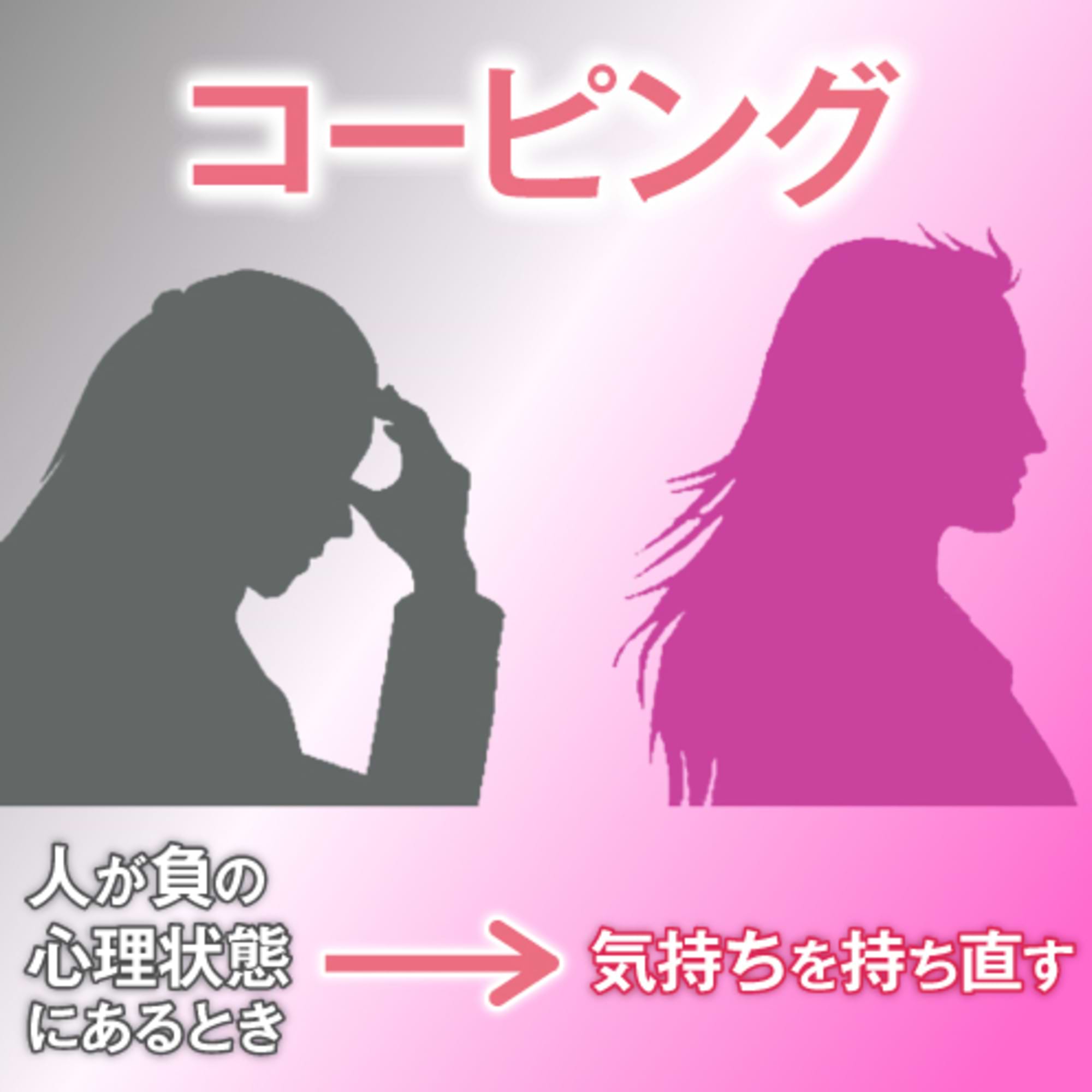
Creating product and service ideas based on "coping value"
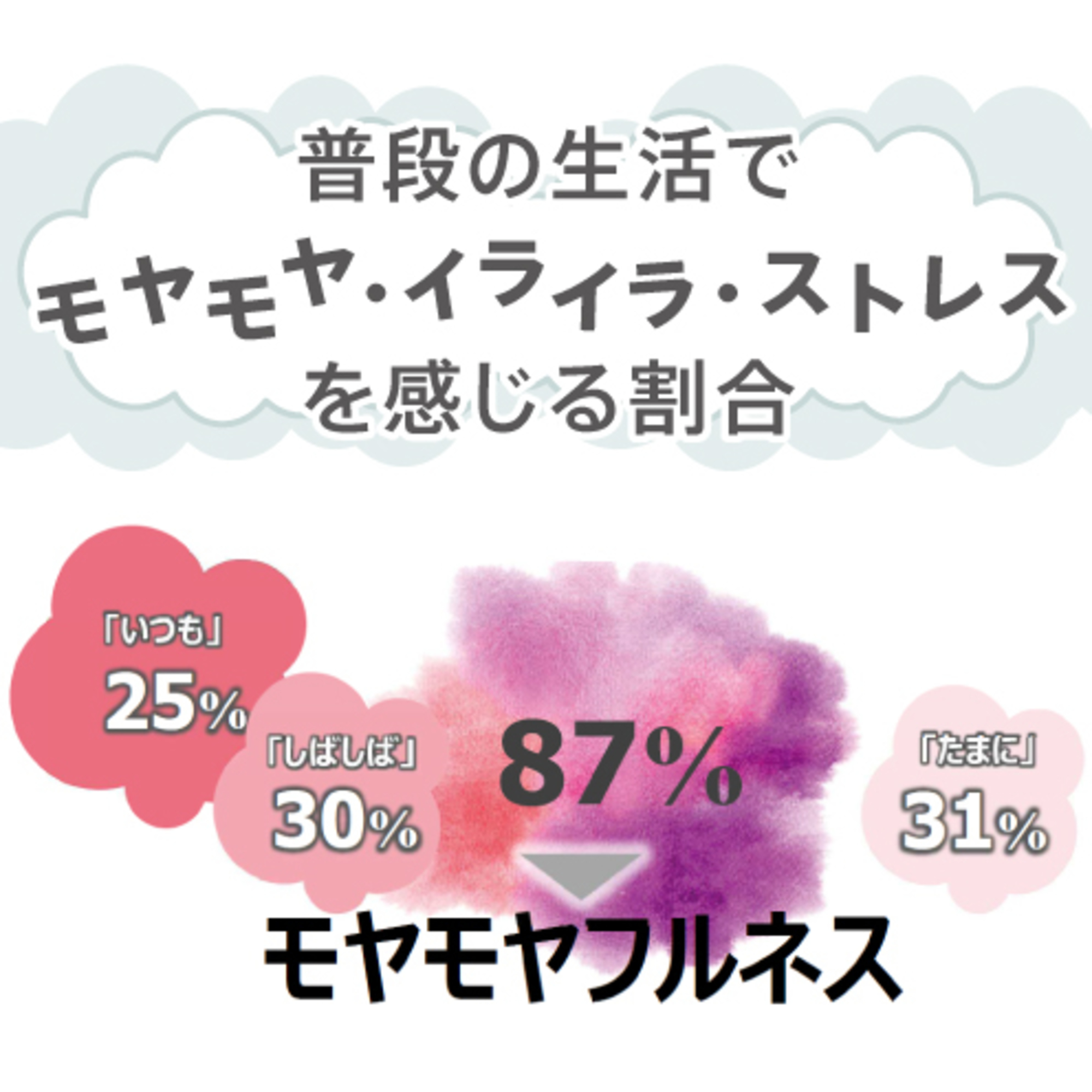
In previous installments, we've introduced the troublesome, foggy fullness of F2's daily life, their coping behaviors, and the consumption that arises from this, along with the "coping value" behind that consumption.
In this final installment, we'll deepen our understanding by examining case studies related to "coping value."
What is the coping value of F2's hit product, "Adult Coloring Books"?
The case study we introduce this time is adult coloring books. Among them, the particularly popular "Secret Garden" series became a huge hit, surpassing 600,000 copies sold cumulatively since June 2013. In our group interviews and other research conducted so far, we've seen people deeply engrossed in it, confirming its high popularity among F2.
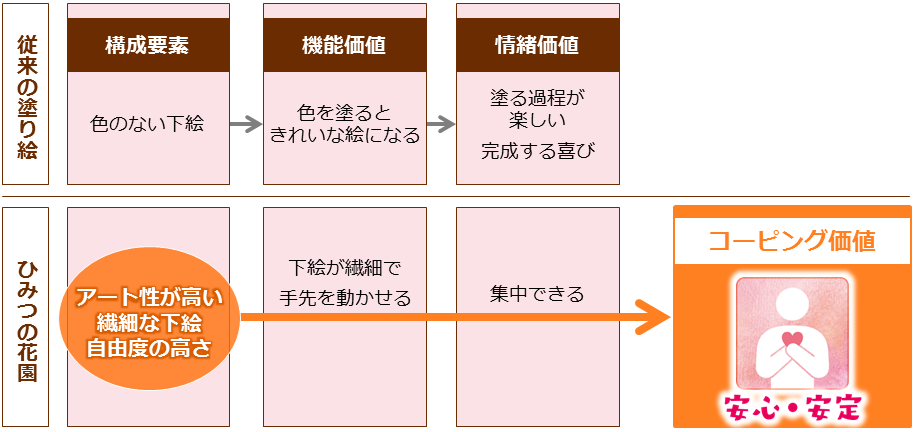
Let's deconstruct the structure of these "adult coloring books" from a "value" perspective. The value of typical coloring books lies in the process of coloring by reference to a sample, allowing users to "enjoy the coloring process and experience the joy of completion."
In contrast, "Adult Coloring Books" feature highly artistic, intricate, and delicate illustrations. Striving to color them beautifully inevitably requires deep concentration. This process of focus and immersion clears the mind of everyday distractions and fogginess, calming the spirit.
In other words, the time spent coloring itself becomes a peaceful interval shielded from mental clutter, connecting to the "coping value" of "reassurance and stability."
To overcome development process bottlenecks, the "coping" perspective
In recent years, many product and service markets have matured and commoditized, making it extremely difficult to create new functional or emotional value or differentiate products.
Precisely because of this era, we believe focusing on the new value concept of "coping value" and considering what kind of "coping value" can be provided through our own products and services could lead to the creation of new markets.
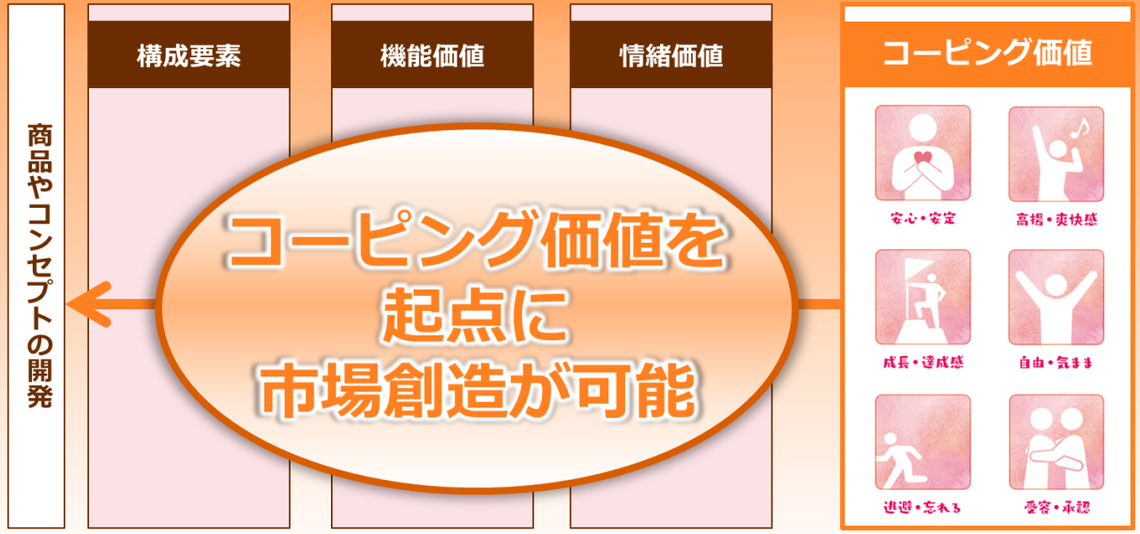
At f2 Lab, we believe "coping value" represents the third new form of value, following "functional value" and "emotional value." Next, we will introduce an idea generation tool designed to practically apply this third value, "coping value," within actual marketing activities.
What is the "Coping Frame 30" idea generation tool?
This idea generation tool uses two axes: "coping value" and "process type."
While we introduced six specific patterns of "coping value" in our previous column, this time we explain the newly introduced "process type." "Process type" categorizes the specific actions identified as coping behaviors based on their process or mechanism, resulting in five distinct types.
The first is the Instant Escape Type. This behavior type involves focusing attention on something engaging for a short time to push vague unease or its source out of one's mind. Specific examples include puzzles or coloring books.
The second is the Sensory Inspiration Type. This involves immersing oneself in worlds or stories different from one's daily life, experiencing the full range of emotions through entertainment to forget everyday frustrations. Examples include attending live performances or watching movies.
The third is the Daily Satisfaction Type. This involves finding small moments of fulfillment and energy by satisfying basic needs within daily life. Examples include shopping or eating.
The fourth is the blank relaxation type. This involves physically distancing oneself from sources of frustration that cause distress, entering a state of solitude free from distractions to recover. Examples include zoning out or taking a bath.
The fifth is the Self-Retreat Type. This involves actions where being hosted or treated with care by others reaffirms one's confidence and self-esteem, confirming one's worth. Examples include receiving services like hair salon visits or travel-related experiences.
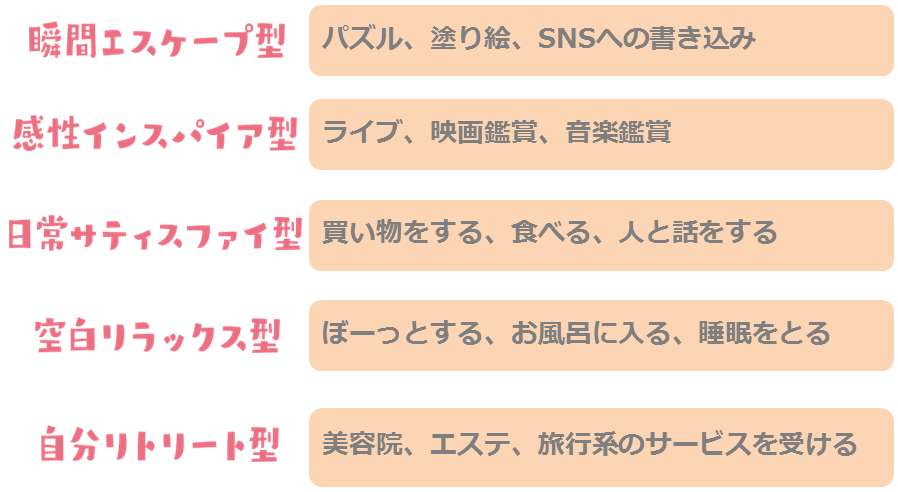
Combining this with the six patterns of "coping values" introduced in the previous column creates the "Coping Frame 30," an idea generation tool. We believe these 30 perspectives enable the conception and creation of plans for products, services, and communication strategies.
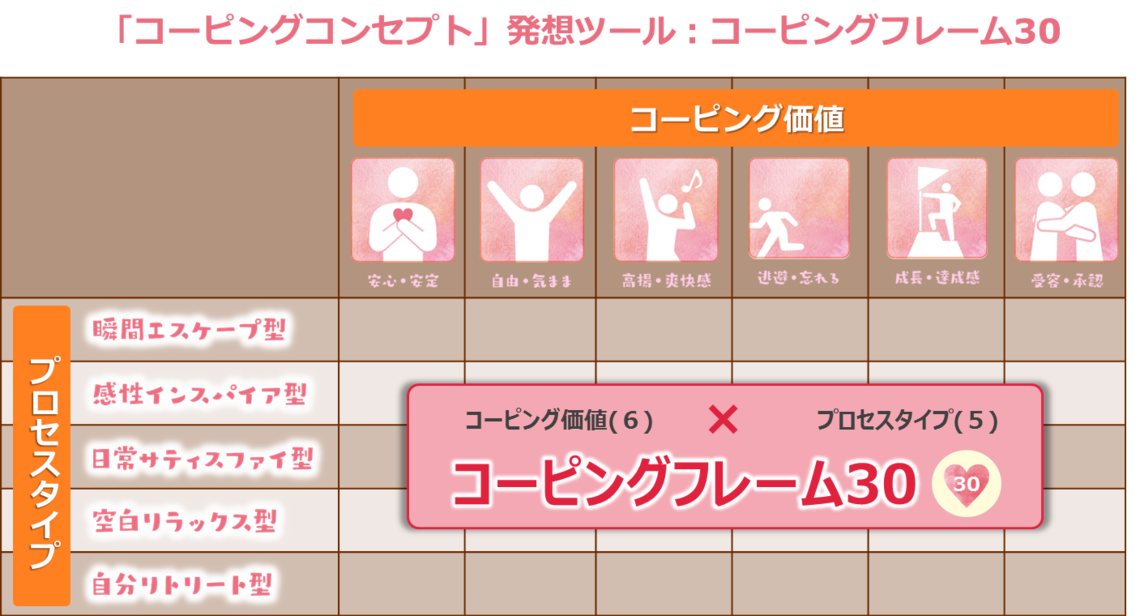
So, how do we generate ideas using this "Coping Frame 30"? Taking "cleaning" – a daily source of frustration for F2 – as our theme, we explored ideas for a new "vacuum cleaner".
First, select one of the six "coping values." This time, we'll choose "Growth/Sense of Accomplishment." To provide "Growth/Sense of Accomplishment," consider what the vacuum cleaner could do.
For example, what if we added a feature that visualizes the amount of dust sucked up on an LCD screen, and even ranks users based on that amount? This seems likely to provide a greater sense of "achievement" than just vaguely vacuuming.
However, simply displaying "You've collected ●● liters of dust. You're an A-rank user" might not be enough to deliver sufficient "coping value."
Therefore, to further increase the "coping value," I'll also brainstorm from the "Process Type" perspective. From the five process types, I chose the "Sensory Inspiration Type" this time and came up with an idea.
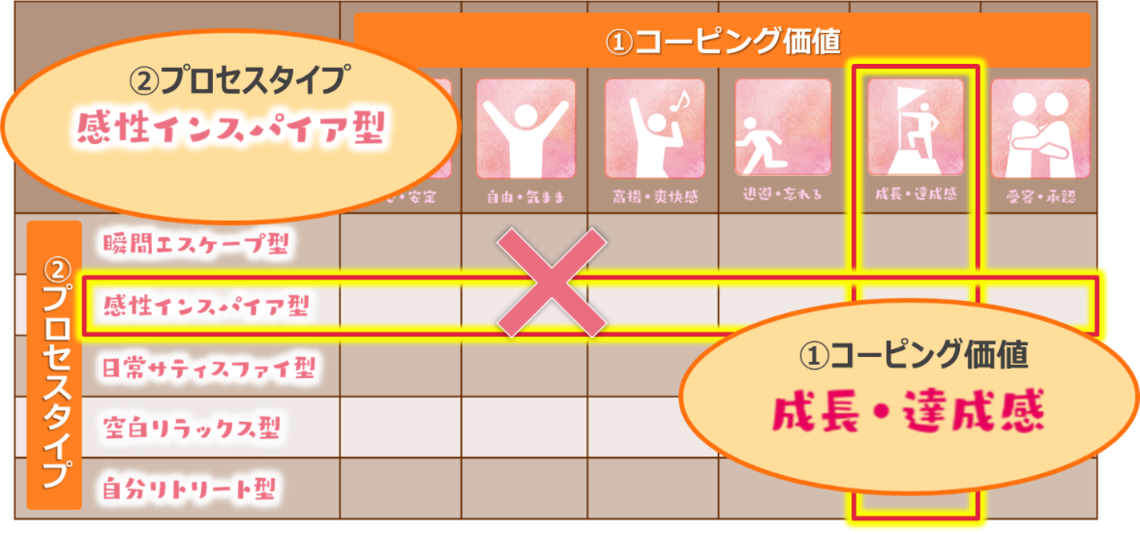
As mentioned earlier, the "Sensory Inspiration Type" hinges on "entertainment" elements. So, we consider the perspective: "Could the act of sucking up trash itself become an entertaining experience with a sense of accomplishment?" This leads to the concept of "gamification" based on the amount of trash sucked up by the vacuum cleaner.
Specifically, we'd add a "character-building game" function to the vacuum cleaner. The mechanism would be that the character grows based on the amount of trash sucked up (or "eaten"). By visualizing the amount sucked up and linking it to a game like this, a sense of accomplishment can be felt, making it easier to approach vacuuming time positively.
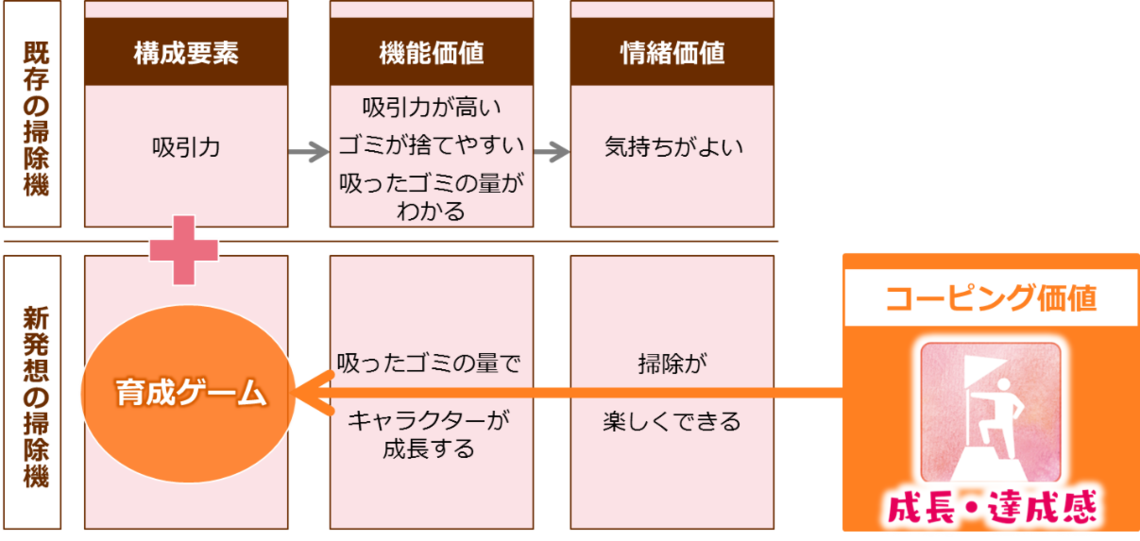
Furthermore, by making it a growth game, if husbands and children become interested and start vacuuming proactively, it might resolve the very frustration (F2) itself.
Finally
We at f2 Lab hope to contribute to creating a society free of frustration by helping develop products, services, and content rooted in coping mechanisms. This concludes our four-part series. Thank you very much for reading all the way through.
Was this article helpful?
Share this article


Newsletter registration is here
We select and publish important news every day
For inquiries about this article
Back Numbers
Author

Reiko Murata
Video Research Ltd.
Human Research Institute
f2 Lab Leader