Note: This website was automatically translated, so some terms or nuances may not be completely accurate.
 Get the U-turn candidates moving! [2/2]
Adults desperate for differentiation, young people for whom "one-of-a-kind" is paramount.
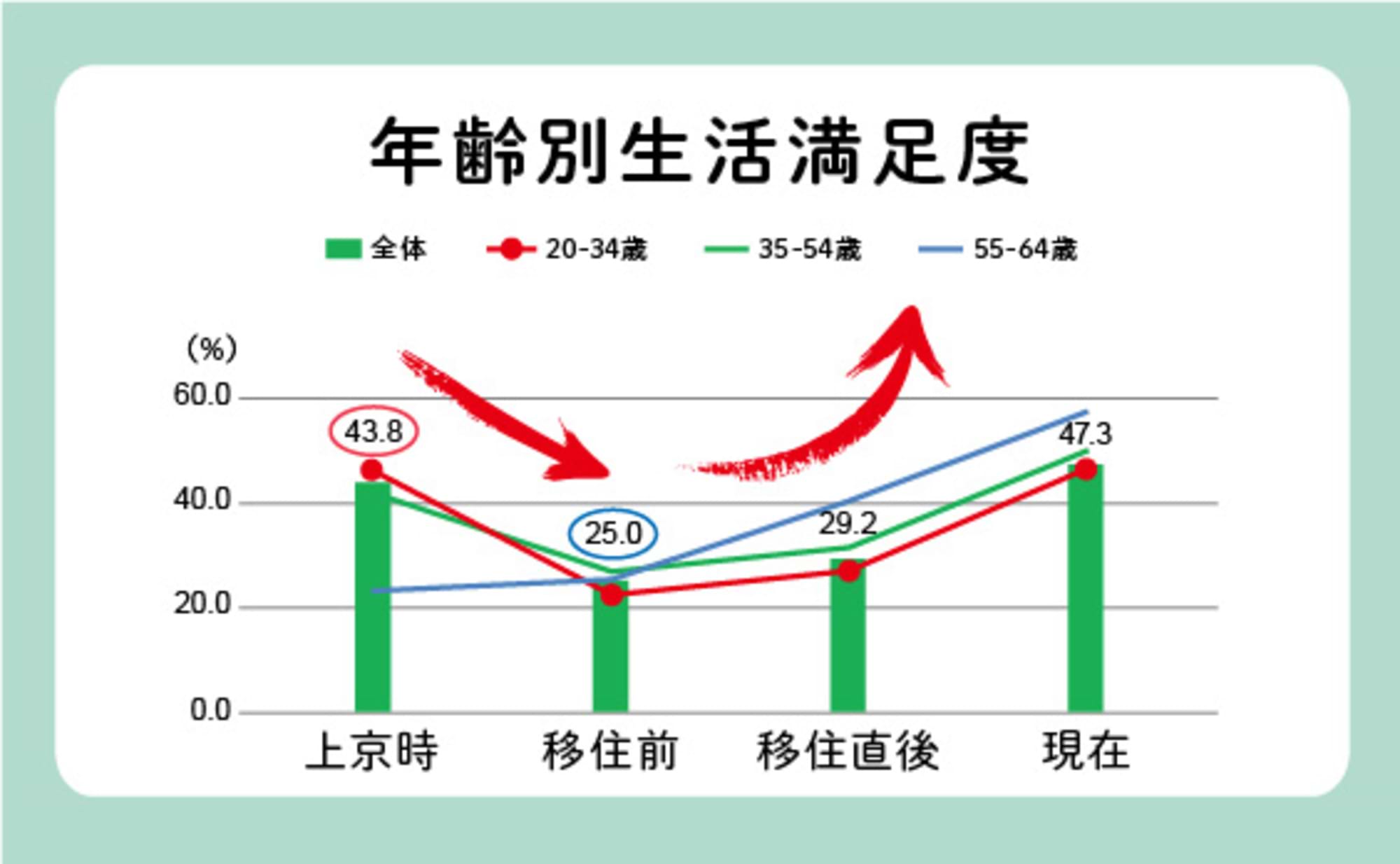
The most striking finding from the survey introduced in our previous article was that the average age of promising potential returnees was 37—younger than anticipated. What did you think upon seeing this result? When we hear "returning home," we might picture the classic "heading to Tokyo to make it big!" narrative—full of youthful ambition that ultimately didn't pan out as envisioned.
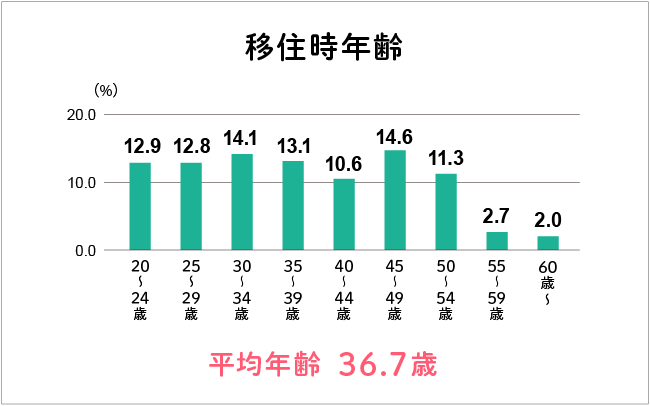
However, today's young people's return migration lacks that sense of tragedy. Instead, we see them positively viewing it as one lifestyle choice among many. This shift reflects changes in young people's values and in societal conditions. In this second installment, we explore the realities of those in their 20s and 30s that are crucial to understand when engaging them.
The key points are threefold: "the agility of youth," "shifting parental attitudes," and "the decline in goods and services exclusive to urban areas."
Point 1: The Agility of Young People
This agility doesn't simply mean a general lack of baggage (having fewer responsibilities compared to older generations). What we mean here is that even after leaving their hometowns, today's youth are also more agile about returning.
In the past, leaving one's hometown likely carried a sense of irreversible resolve—a commitment to not return until achieving success. This stems from the difficulty of maintaining ties with one's hometown, where primary communication methods were letters and phone calls, requiring significantly more effort than today. Both physical and emotional distance created a barrier between the hometown and the individual.
Today, thanks to social media, you can stay connected with friends from elementary, middle, high school, and college no matter where you are, and instantly reach out via LINE. The same goes for family. Creating family LINE groups for communication has become commonplace. The environment now allows maintaining connections whether you're in your hometown or Tokyo, lowering the psychological barrier to returning.
Point 2: Changing Parent-Child Perspectives
While Point 1 highlighted how psychological proximity prevents the connection to one's hometown from fading, it's not just the younger generation's mindset that influences U-turns; a shift in parental attitudes also plays a significant role. Activities like posting family vacation photos on Instagram or sharing stories about close family bonds with friends have become commonplace in recent years.
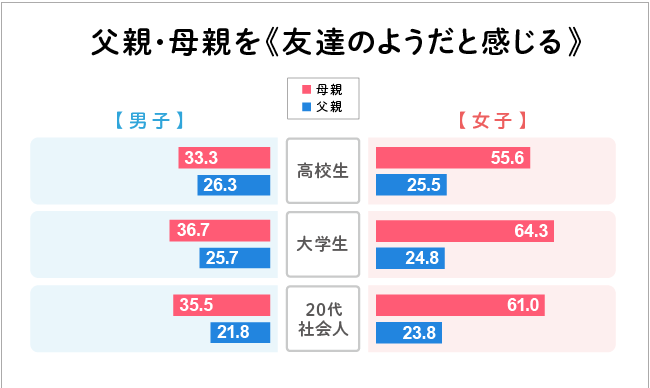
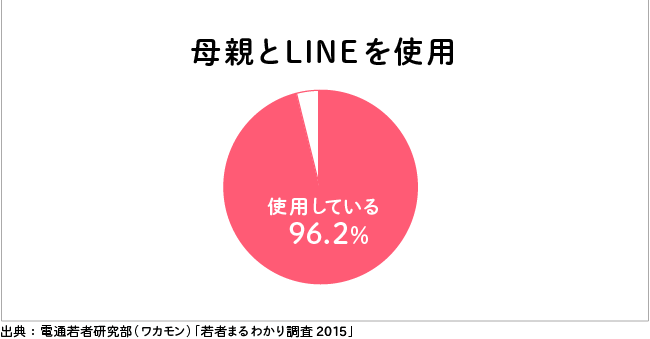
Various surveys show a renewed rise in trust in the institution of "family," and this shift simultaneously reflects a change in parental attitudes. Parents now have a foundation for accepting their children, who are close to them, and can embrace them with a relaxed stance of "you can come back anytime," even if they left the hometown initially.
Additionally, the living circumstances of young people have changed in recent years. Considering the challenges of working while raising children, more people feel it's better to live near their parents.
Indeed, previous surveys also frequently cited the desire to live near parents as a reason for U-turn migration, further supporting this shift in thinking.
Point 3: Declining Need for Urban Consumption
Nowadays, fewer things require living in a city to consume. Of course, experiences and places unique to cities still exist, but thanks to widespread internet access, many items can be purchased online, and entertainment options have expanded based on internet connectivity. Sociological studies also suggest little difference in happiness levels between rural areas with large shopping centers and those without such facilities.
Especially once someone has mastered using various tools during a period in the city, they can return to their hometown without feeling inconvenienced and maintain the same lifestyle. In fact, it might not be an exaggeration to say that having family and friends nearby actually enhances their quality of life.
Reflecting on these points, it's clear that attitudes toward returning home among younger generations have changed significantly compared to the past.
This shift is clearly reflected in recent advertising expressions, such as "Yes! A new way of living." (from a Mynavi commercial). It signifies the arrival of a generation that is not bound by previously accepted values and concepts, embracing the idea that "it doesn't have to be that way."
Furthermore, when considering the perspective of local governments eager to attract young people back, they often focus heavily on asserting "how fulfilling their region is." In reality, that might no longer be the most important factor.
Rather, precisely because we are entering an era where similar lifestyles can be crafted anywhere with a little ingenuity, what truly matters now are the unique people, experiences, and things that are irreplaceable to us. For example, this could be the unforgettable interaction with the auntie at the local candy shop from that first date, or the park where you always played with friends – memories, people, and things found only in the town where you grew up.
For young people who have shifted away from traditional notions of "how things should be" and now prioritize what is uniquely important to them, returning to their hometowns may simply be becoming a natural life choice in this new era.
Was this article helpful?
Share this article


Newsletter registration is here
We select and publish important news every day
For inquiries about this article
Author

Rei Nagi
Dentsu Inc.
Media Services / Radio,TV Division
Producer
Everything About WakamonA society where both people and pets are happy.The Reality of Being 18If you understand young people, you can see the future ~ Commemorative Series for the Release of "The Youth Divide" ~Get the U-turn candidates moving!"Flat Management"—What Management Thinking Do Future Leaders Need?