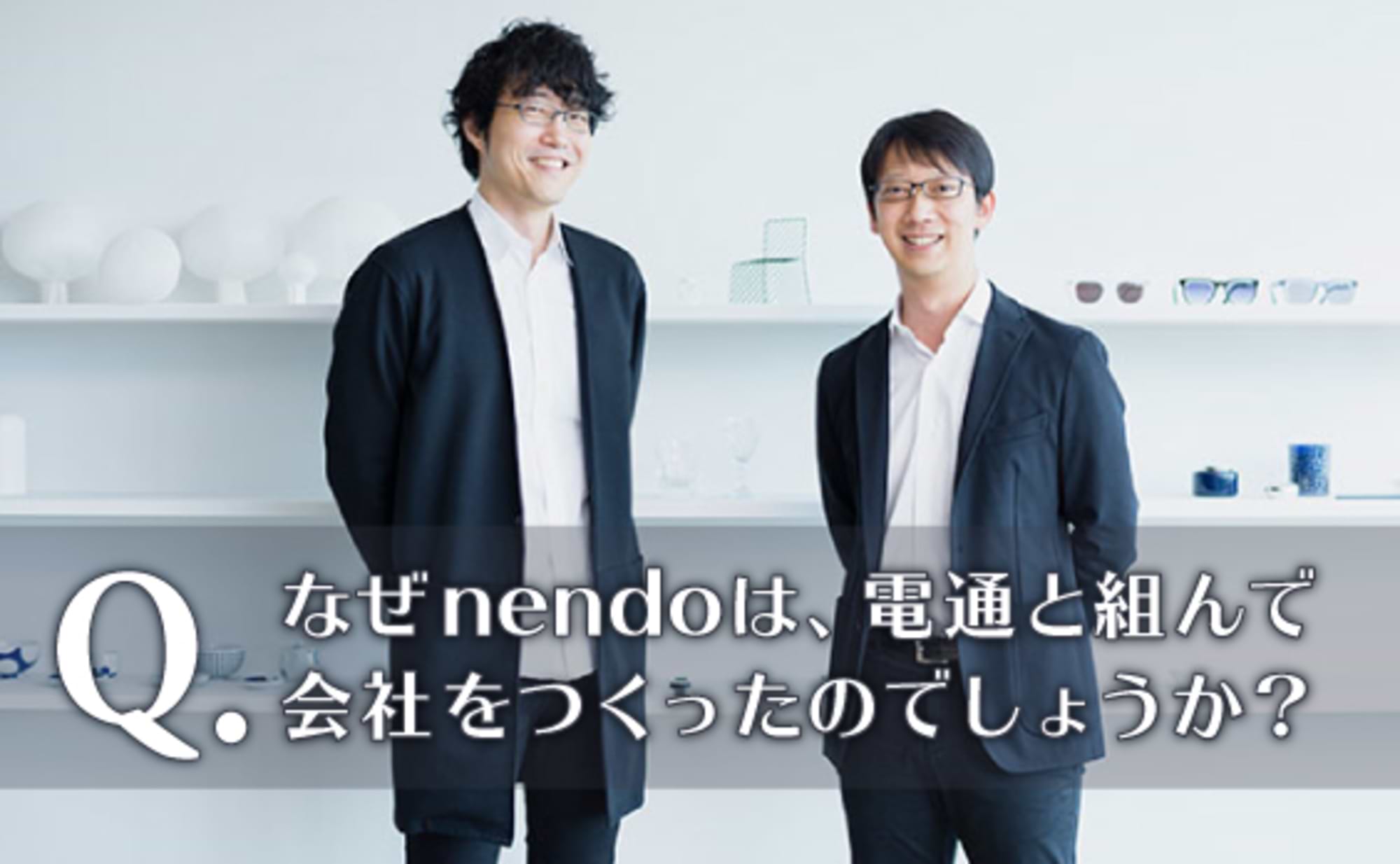
Note: This website was automatically translated, so some terms or nuances may not be completely accurate.
 nendo × Dentsu Inc. = cacdo designs business [2/2]
Mr. Ooki Sato, what exactly is "business design"?
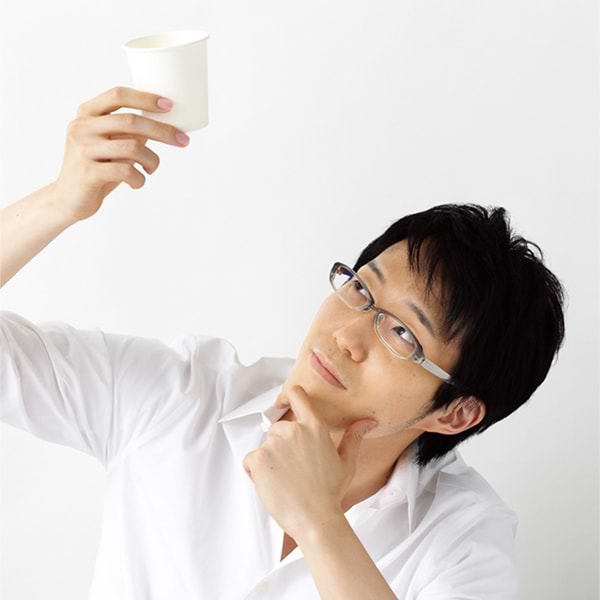
Sato Ooki
nendo
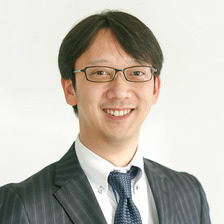
Tetsu Masuda
Dentsu Inc.
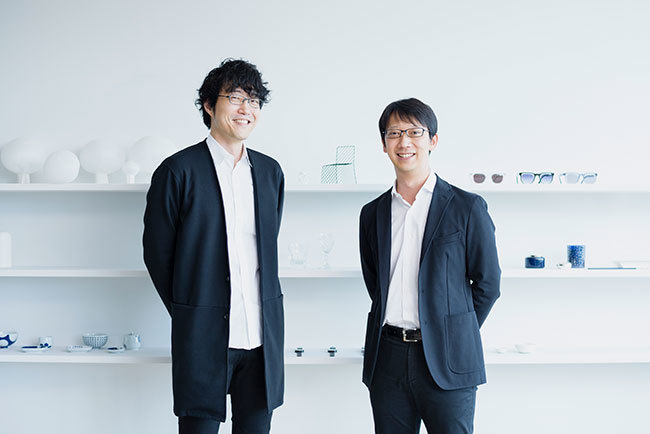
Oki Sato, representative of the globally acclaimed design office nendo. Last year, nendo and Dentsu Inc. collaborated to establish the joint venture " cacdo." cacdo primarily focuses on "business design" to solve business challenges for companies and organizations.
We asked Mr. Sato and Mr. Tetsu Masuda of Dentsu Inc., who represents cacdo, what new value the collaboration between nendo and Dentsu will create.
Q. Why did nendo choose to partner with Dentsu Inc. to establish a company?
Sato: Originally, nendo focused primarily on product, graphic, and spatial design. However, we started receiving more requests from closer to the management level. Over the past few years, we've seen a significant increase in requests that go beyond product or packaging design. Clients want to "boost employee morale," "change how the company is perceived externally," and incorporate design as a methodology more deeply into their management.
Masuda: At cacdo, we refer to solving these management and business challenges as "business design."
Sato: And we believe that solving larger challenges, like "branding the company itself," requires building a sustainable framework. Even if we handle the branding, once the contract period ends, we can no longer be involved.
Amidst this, one client proposed, "We don't want a client-vendor relationship; we want to build an organization together and work collaboratively." The idea is for designers from nendo and the client to intermingle, forming an organization where each brings their strengths and different perspectives. It's like exchanging blood between the two entities. By circulating the talent developed within this collaborative space back into each parent company, we believe it creates an opportunity to break through the stagnation companies feel in a short period.
Masuda: That's innovative. No other design firm has focused on that approach.
Sato: It's not that grand (laughs). The reason we partnered with Dentsu Inc. was because, working with Masuda-san, I felt "What nendo is doing would be fascinating if built on Dentsu Inc.'s foundation."
Masuda and I first worked together in 2006 on Lotte's gum "ACUO." Getting that project to success involved many twists and turns, and each time I consulted Masuda, he helped us find a solution. I always thought we should work together within the same organization someday.
Masuda: It took us twelve years, but we finally did it. Beyond cacdo, which partnered with Dentsu Inc., nendo has established several new companies to collaborate with professionals from other industries, such as "onndo" with Nomura Kogei.
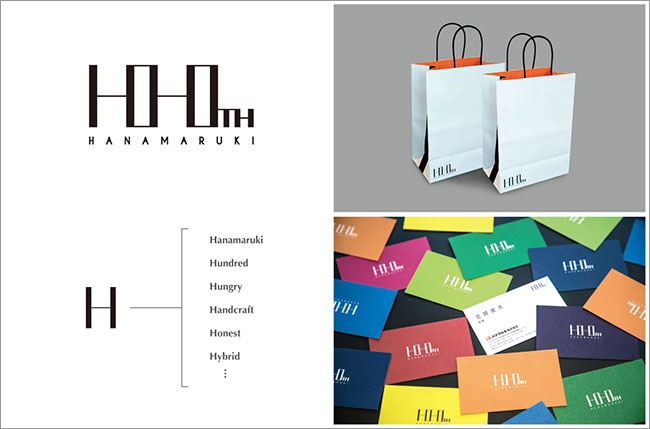
cacdo Case Study 1:Hanamaru 100th Anniversary Logo/Tool Design
This project drew inspiration from Hanamaru's cherished values. Since many keywords like Honest, Hybrid, and Home begin with "H," we first created a logo connecting "H"s to evoke the 100th anniversary. We used only this logo on tools like business cards and paper bags, establishing a CI system that conveys the company's appeal and message. (Masuda)
Q. What did nendo and Dentsu Inc. each feel after actually collaborating?

Sato: Since nendo focuses primarily on product creation, we had challenges with promotion and PR—specifically, "how to communicate it." The cacdo members who came from Dentsu Inc. excel at the know-how of which media to use and the order in which to communicate, and they meticulously put everything together. Plus, everyone is truly talented. I found quiet enjoyment in how they would take even my smallest ideas and expand them significantly.
Masuda: Personally, since joining cacdo, it's been a continuous stream of new discoveries and experiences. I'm just grateful for such an exciting journey. I can practically hear the sound of myself leveling up every day (laughs).
What characterizes Sato-san and the team's business design approach is that they don't try to force solutions into their own specialized fields like "architecture" or "product design." Their thinking is always flat. They seek the best solution for the client's challenge, regardless of the means, so the genre of the solution changes each time.
Sato: I don't think nendo has a "wide range of expertise" so much as it has "no defined range of expertise." Some requests don't have a clear brief, so we carefully listen to uncover the challenge and sometimes create the brief materials ourselves. If we drew a line around our domain as "product design or spatial design," we couldn't properly engage with the project.
Masuda: At Dentsu Inc., we had specialists in right-brain creativity and left-brain marketing/analysis within the company. I always thought my sales role was to effectively coordinate them. But Sato-san can do both right-brain and left-brain work. It's like he's competing in a decathlon all by himself. I never knew someone like this existed.
The fact that one person can handle everything from upstream data analysis and consulting to downstream creative work in a one-stop service is why he's in demand worldwide today. But keeping up with this approach to work, which has no defined boundaries, is tough.
Sato: Initially, the cacdo members were confused too, right? Since I never had a conventional corporate job, I don't even know what the standard way of working is supposed to be (laughs).
Speaking of scope, the project we tackled with nendo, cacdo, and onndo—which specializes in spatial design—really brought a three-dimensional quality to the work by leveraging each other's strengths. You could tangibly feel everyone growing together in a short time, and it made me strongly sense the potential of collaborating. The level of chemical reaction was different. There are failures, but I think "failing together" is incredibly important for growth.
Masuda: Working with Sato-san for over a year, we've been learning his project approach at cacdo, and we're starting to see the results of that method gradually take shape.
Creating talent like Sato-san isn't easy, but by nurturing multiple specialists—both left-brain and right-brain types—we might be able to replicate that style to some extent. That said, both Sato-san and nendo keep charging ahead at incredible speed into new realms.
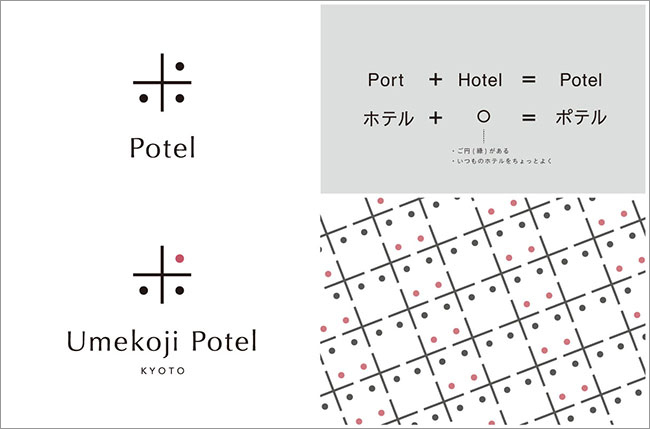
Case Study 2 by cacdo: Development of JR West Japan's Community-Based Casual Hotel Brand "Potel"
We clarified the client's vague challenges by visualizing them. The brand name combines "Port" (representing a gateway where people and regions meet) and "Hotel" to form "Potel". The logo mark is based on the katakana "ポ" (Po) and designed for adaptability across various graphic tools. (Masuda)
Q. What is the essence of the business design pursued by nendo and cacdo?
Sato: While there's no fixed template for how we approach projects, one thing I can say is that the more complex the layers within a client's organization, the easier it often seems to find solutions to their challenges.
We've encountered several instances where "the answer already existed, with each department holding a piece of the puzzle, but no one realized it because there was no opportunity for information exchange." Sometimes, by listening to each department and piecing their insights together like a puzzle, the solution becomes clear.
Masuda: That's only possible because of the trust you've built with the client, especially the management. Normally, you wouldn't get to speak with so many different departments. At the root of that trust is Sato's attitude toward his work; he demands a "full swing" in any situation. If you start thinking, "I don't want to strike out, so maybe I'll just play it safe," he'll say, "Swing harder!" (laughs).
For example, when asked to create a logo for a product, he'd suggest, "Let's start with the product name." That wasn't the client's request. But he counter-proposed because he believed it would deliver greater value. I feel that his constant refusal to compromise and his commitment to giving his absolute best is what builds that trust.
Sato: Often, the core issue lies elsewhere than the client's order. For instance, if asked to "design packaging for this apple," the apple itself might taste mediocre (laughs). Ignoring that it "doesn't taste good" and just creating what's ordered might keep things peaceful, but a design ignoring the essence isn't a solution. We start by finding the apple's true strengths or even collaborating to develop and process a delicious apple.
Of course, this requires hard work, but we believe skipping this step prevents creating significant value. When you genuinely think things through and give your all to every project, expectations rise, and you may receive even larger opportunities.
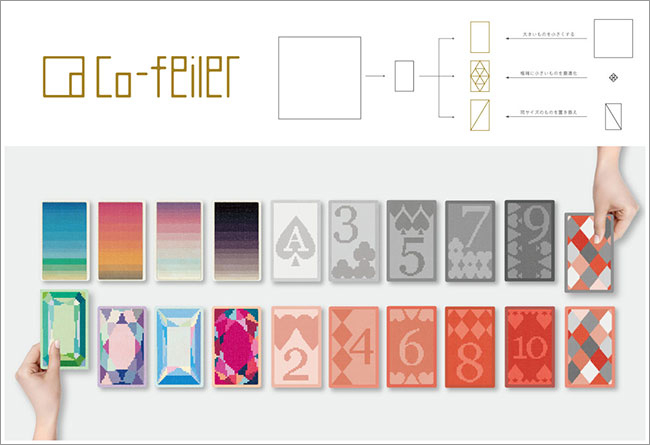
cacdo Case Study 3:Development of "Co-Feiler" Collaboration Product for Feiler's 70th Anniversary
We communicated our capabilities to the client and engaged in candid discussions while handling branding and product design. The results reflect our relentless pursuit—disassembling and reassembling the product countless times to figure out how to make it sell and how to appeal to consumer needs. (Masuda)
Q. What do you two envision for cacdo's future?
Masuda: I really admire both Sato-san and Ito-san (Akihiro Ito, head of nendo's management team and founding member). I want them to unleash their talents more broadly and achieve their full potential. To make that happen, I want to use Dentsu Inc.'s expertise to expand nendo's possibilities and collaborate on projects that truly excite them. I believe that will ultimately lead to delighted clients.
Sato: After a year, I feel "cacdo's unique winning formula" is starting to take shape. But I think the real fun for cacdo begins now. Precisely because I sense its potential to reach even greater heights, the key going forward is "how to avoid becoming rigid and maintain a loose organizational structure." The more unpredictable the organization, the better (laughs). And I want Dentsu Inc. to make the most of the cacdo platform!
Was this article helpful?
Share this article


Newsletter registration is here
We select and publish important news every day
For inquiries about this article
Author
Sato Ooki
nendo
President and CEO
Tetsu Masuda
Dentsu Inc.
Business Production Bureau (on secondment to CACDO)