Note: This website was automatically translated, so some terms or nuances may not be completely accurate.
 Learning Global Business at Dentsu Inc. Aegis Network EIBA Report [3/5]
Zombie State Breakthrough: How to Survive at a Powerhouse Creative Agency
All Items Lost
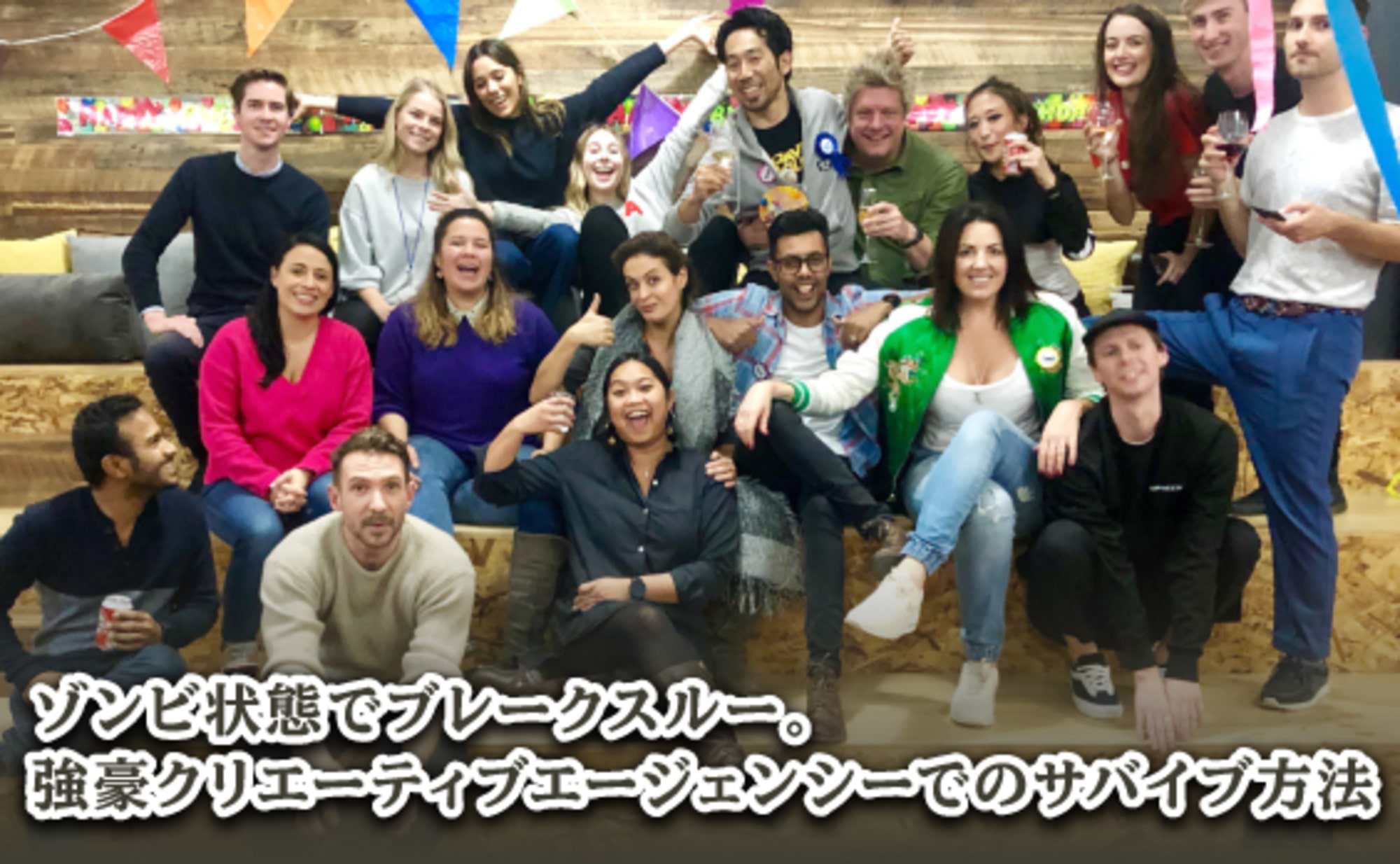
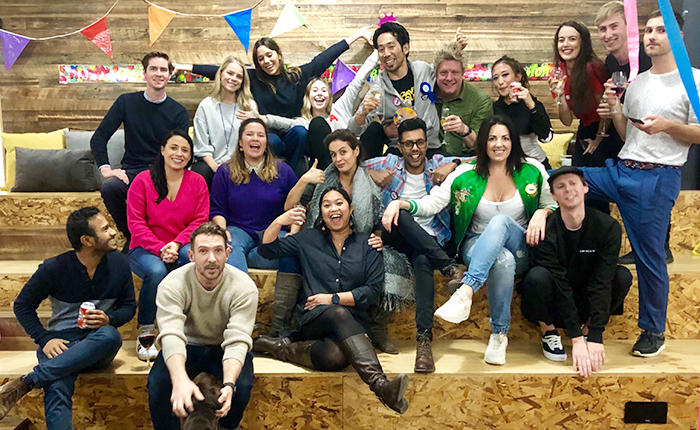
Since February 2019, I've been working as a creative staff member at an advertising agency called "BWM Dentsu" in Melbourne, Australia (as of October 2019). It's a very "creative" office, renovated from what used to be a factory (I think it's like Daikanyama, though whether Daikanyama has factories is beside the point) just a short distance from Melbourne's CBD (I think of it as a Daikanyama-like area). It's a stark contrast in both location and size to the Dentsu Inc. building in Shimbashi. There are about 100 employees. Plus dogs. Someone brings a different dog to work every day. As an animal lover, I really like this.
Clients range from mega-brands known to every Australian to NGOs. The core work is what you'd call "advertising creative" – TV commercials, large-scale integrated campaigns, PR ideas, posters, digital, and more. Last year, the Sydney office of the same BWM group produced the masterpiece " PROJECT REVOICE," which uses AI to supplement the speech function of ALS patients. It's an agency within the Dentsu Group that boasts powerful creativity.
Incidentally, this BWM Dentsu. While it bears the "Dentsu" name, it was originally an independent agency. From its culture to its work methods, there's absolutely no trace of Dentsu Inc.'s influence. Naturally, they don't think of themselves as "Dentsu people." To them, "Dentsu" is just "that weird company on the edge of Asia," "a huge agency," or "Yeah, I've heard of them." Expecting them to feel a sense of belonging is unreasonable.
No one here knows about the work or awards I've painstakingly built up over the years. Sure, they show interest when I talk about international awards or show them my work, but my award history and all the relationships I'd vaguely built up domestically—both inside and outside the company—were completely reset. It felt like starting over from almost zero. It's like in Bomberman, where you've stockpiled tons of items, but one hit sends you back to starting with the weakest weapon.
And then there's the fact that I'm not even that good at English to begin with. I'm not a returnee, and I've never studied abroad. If you ask me what other language I can speak properly besides Japanese, the best I can offer is probably just some slang.
Of course, I've studied English diligently for the past decade and actively sought opportunities to speak it. Even so, when native speakers start talking seriously in a group, it's tough to keep up. No, I'm putting on a brave face. Honestly, I often can't keep up.
Zombification
What I've realized since coming here is that "what you can do" is the most important thing.
Not speaking the local language perfectly doesn't just lower your communication skills—it drags down every single ability by several levels. Creative work skills like copywriting and presenting, interpersonal skills like coordination and mentoring juniors. It even wears down your basic physical and mental stamina.
So, what kind of ability lets you "win" even in this zombie-like state where all your parameters are down? If one parameter spikes, you can still contribute in that area, even with the handicap of being somewhat zombified. On the other hand, if your creative or business skills are low from the start, even if you overcome the language barrier, you're just starting from a low baseline.
In other words, I believe it's crucial to possess exceptional abilities that allow you to fight even when you're at a significant disadvantage.
I had idea generation and planning skills. Unlike overseas, where new graduates studying marketing or advertising at university join companies as ready-made assets, in Japanese ad agencies, your profession rarely matches what you studied in university. Against this backdrop, Dentsu Inc. is exceptionally dedicated to education, unparalleled among global agencies. Especially in creative fields, you often find your planning skills have improved beyond your own expectations, without even realizing it.
Even if your language skills are a bit lacking, as long as you're creative and your perspective on ideas is unique, people will listen. In that kind of environment, I was in charge of the main idea for a project we launched in July.
Managed to deliver
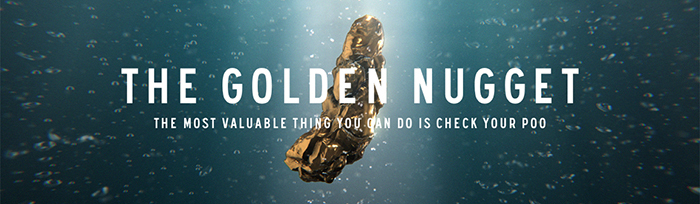
The Golden Nugget Project I worked on is an initiative for Bowel Cancer Australia, an NGO raising awareness about colorectal cancer among young people.
https://www.bowelcanceraustralia.org/the-golden-nugget
Although colorectal cancer is often thought of as a disease of middle-aged and older adults, surprisingly, many young people fall victim to it. Therefore, I conceived a campaign to inform young people that colorectal cancer is a treatable disease if detected early.
Surprisingly, companies in Australia do not provide health checkups. Even though a stool test could highly likely detect colorectal cancer at an early stage, the opportunity for such a test simply doesn't exist.
Now, "feces" is essentially a worthless entity, the epitome of worthlessness. However, in the context of colorectal cancer screening, it transforms into something priceless that can save your life.
To emphasize this, we launched an initiative offering one person a pure gold stool worth 5000 AUD (about 400,000 yen). It's a bit of a "Koro Koro Comic Bible" generation idea, I admit, but as an entry requirement, participants had to answer a simple quiz about colorectal cancer, directly educating them.
By the time this article is published, the campaign will unfortunately have ended, but the PR strategy was meticulously planned, covering the launch, the completion of the solid gold poop, and the announcement of the winner. Thanks to this, we attracted a huge number of participants.
Incidentally, while "golden nugget" refers to a small piece of gold, the word "nugget" itself apparently also means "small lump = poop," making "Golden Nugget" a double entendre. This nuance of humor is something I, as a non-native speaker, just don't get.
Beyond this, we planned TV commercials and devised integrated campaigns. Surprisingly, when you fight with ideas, you can make things work.
Working overseas has made me keenly aware of how crucial it is to have that "what can you actually fight with?" capability—even if it's just bluffing.
Even in my 11th year, I feel like a new employee again. Yet, with unexpected events and frustrating moments included, I sense I'm on a completely new stage—as a Dentsu Inc. employee, as a working professional, and as a human being.
I hope this article gives a little push to anyone even slightly interested in working overseas. So, see ya later.
(※)EIBA (Emerging International Business Assignment)
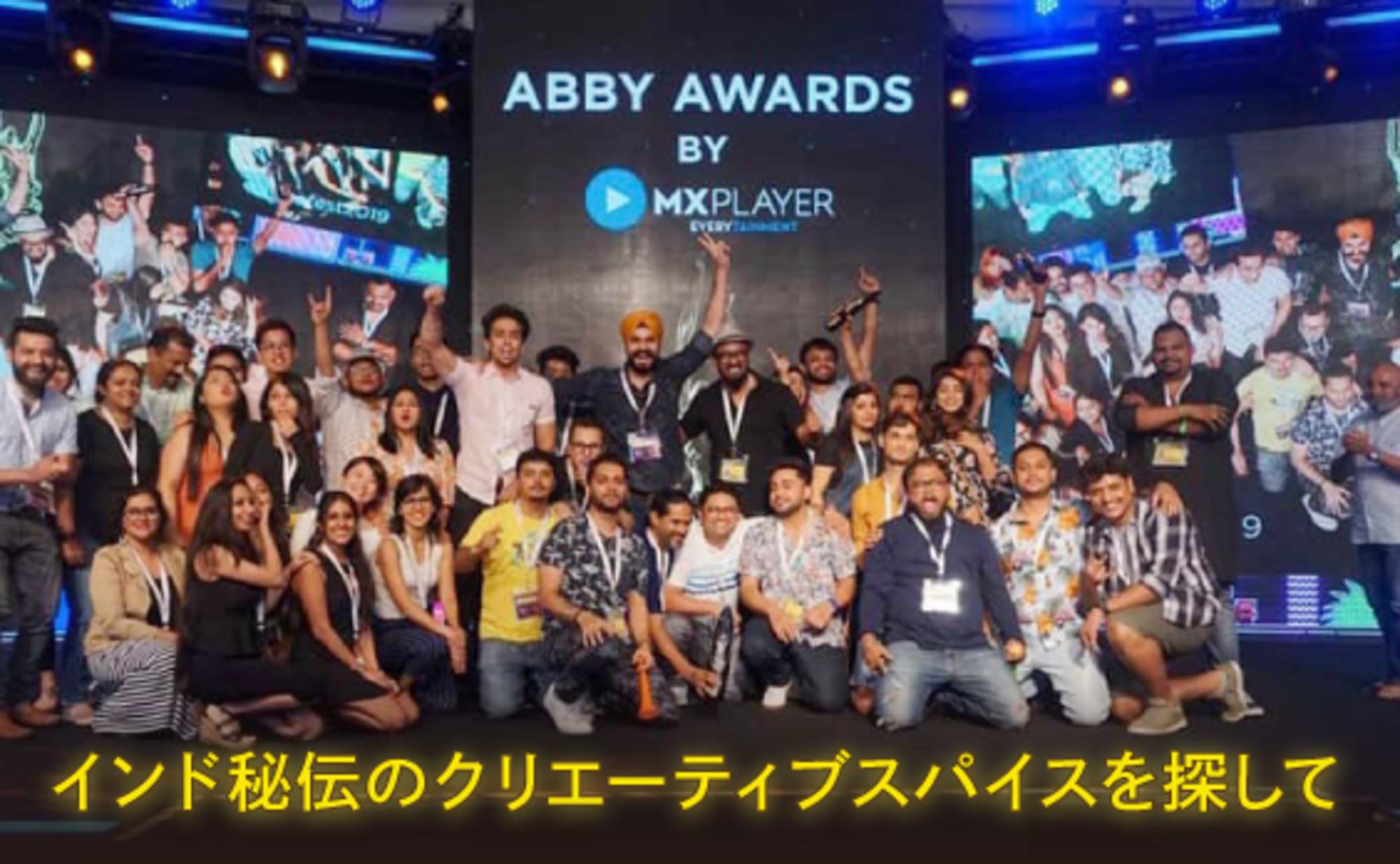
A practical training program where young employees are dispatched to Dentsu Inc. Aegis Network locations for one year as part of developing next-generation talent. The goal is to gain work experience in a cross-cultural environment and acquire the perspective, skills, and network necessary to lead projects both domestically and internationally.
Was this article helpful?
Share this article


Newsletter registration is here
We select and publish important news every day
For inquiries about this article
Back Numbers

Author

Shunpei Murata
BWM Dentsu Inc. (Melbourne)
Copywriter