Note: This website was automatically translated, so some terms or nuances may not be completely accurate.
 Kirin and Dentsu Inc.'s Co-Creation Unlocks New Possibilities for "Hop"―INHOP's Challenge [1/2]
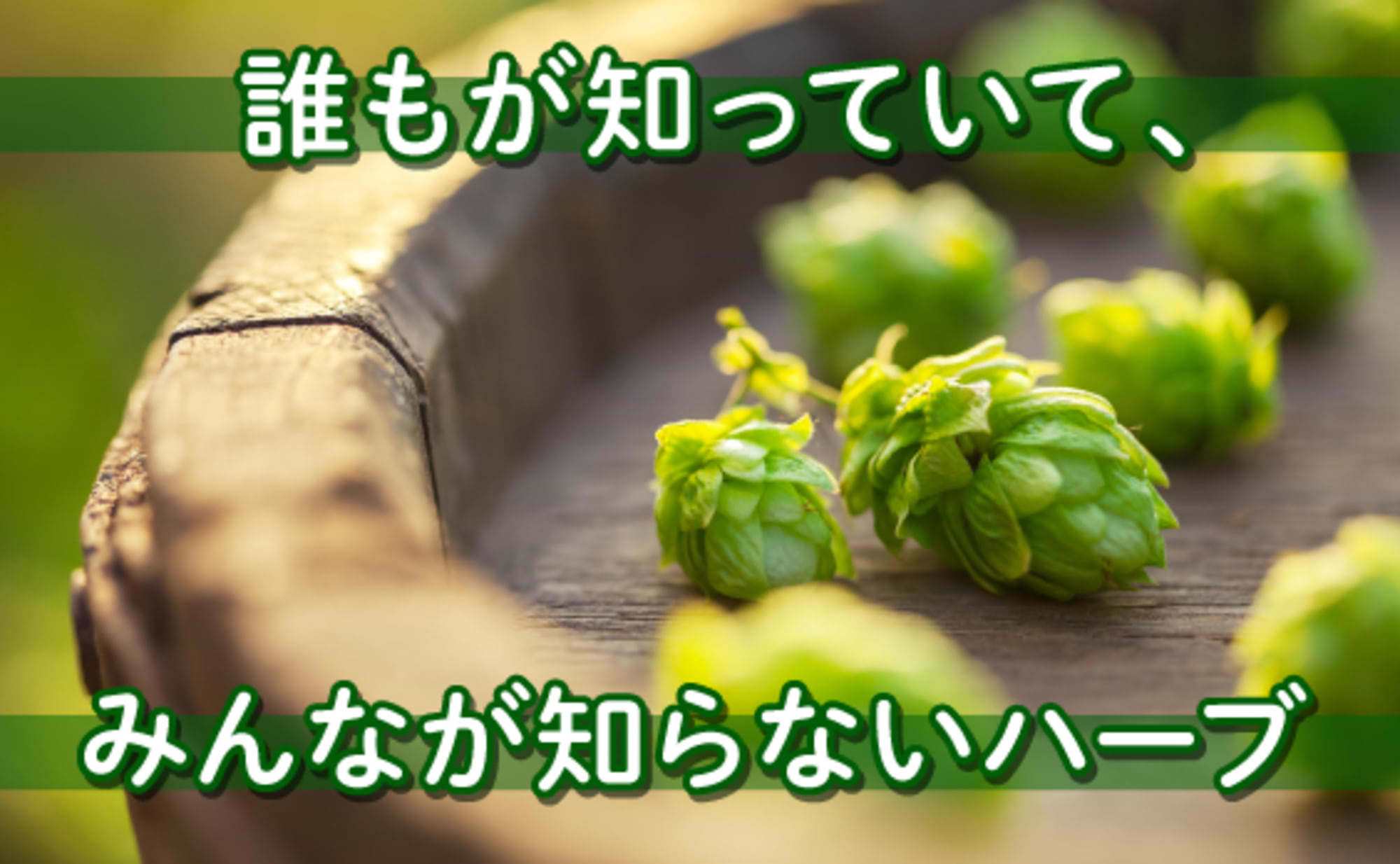
"A herb everyone knows, yet no one knows." Kirin and Dentsu Inc.: An unexplored challenge.

Kaneko Yuji
INHOP Co., Ltd.
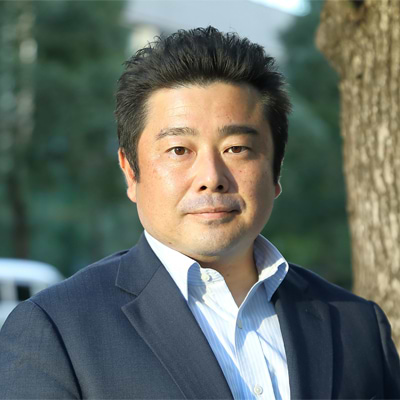
Takasugi Satoshi
INHOP Co., Ltd.
Kirin Holdings (hereinafter referred to as Kirin) has long researched and developed "Aged Hops".
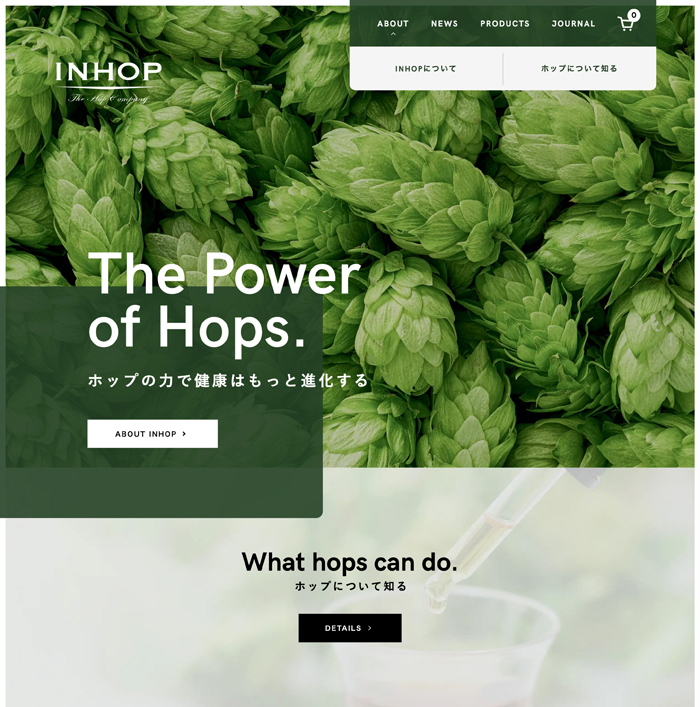
Using this functional ingredient, Aged Hops, as the foundation of their business, Kirin and Dentsu Inc. formed a joint venture called INHOP.
Currently, INHOP operates a D2C Inc. business selling supplements and foods made from hops. What kind of company was born from the meeting of Kirin's R&D division and Dentsu Inc.?
Satoshi Takasugi, INHOP Director and COO, who spent 20 years focused solely on sales at Dentsu Inc., and Yuji Kaneko, INHOP Representative Director, CEO, and CTO, who spent 10 years focused solely on development at Kirin's R&D division, discuss the background of INHOP's creation and the potential of aged hops.
<Table of Contents>
▼Health Benefits in Hops⁉ The Project to Spread the Word
▼ Kirin × Dentsu Inc. Corporate Structure: Inevitable to Separate "Hops" from Beer and Create Value
▼Can "The Herb with the World's Largest Cultivation Volume Yet Little Recognition" Solve Social Issues?
Health Benefits of Hops⁉ The Project to Spread Awareness Began
Takasugi: This time, I'd like to address questions like: "Why did Kirin and Dentsu Inc. team up to create a business company? What are the benefits?" and "What exactly is aged hop?"
My first encounter with Mr. Kaneko came when Kirin approached me saying, "We want to turn aged hops into a project." Then, one day during a meeting, Mr. Kaneko suddenly showed up.
Kaneko: They told me, "Join us as the ingredient specialist," so I went along thinking I'd just offer a few opinions. Somehow, I ended up becoming the president (laughs).
Takasugi: Before becoming INHOP's CEO and CTO, Mr. Kaneko was always in R&D at Kirin, right?
Kaneko: Since joining Kirin, I've always worked in the functional foods R&D department. Though it's called R&D, my role wasn't doing basic research myself. Instead, I focused on connecting the results coming out of the lab to products and getting them out into society. I think I've been involved with quite a few products, even within the lab.
Takasugi: For example, what kinds of products have you worked on?
Kaneko: They span a wide range, including foods with functional claims and foods for specified health uses. Several are still on the market today. I was also involved in ingredient development, not just product development. "Aged Hops," which is central to INHOP's business, is one such example.
Research on the functionality of hops has been ongoing within the Kirin Group for over 20 years, and this process led us to "aged hops." My role involved taking this material—aged hops, for which several years of foundational research on functionality and other aspects had been completed—and moving it into mass production for practical application. I was responsible for bringing products using this material to market.
Takasugi: Against this backdrop, Kirin approached Dentsu Inc. seeking advice on a "new hop-related material." Kirin had been researching hop materials for years and, in addition to fat-reducing effects, saw potential evidence for other health benefits. They wanted to know how to effectively promote this material to the world.
Hops, a key ingredient in beer, are a foundational material for Kirin. I recall they expressed a desire to create a big vision for their research outcome, "Aged Hops," not just limiting its use to beer, but aiming for its widespread adoption in society.
Kaneko: Takasugi-san, have you handled this kind of "material branding" work several times before at Dentsu Inc.?
Takasugi: Consultations based purely on ingredients, like this one, are extremely rare. I've been at Dentsu Inc. for over 20 years, almost exclusively in sales. Until now, client consultations with Dentsu Inc. mostly involved product PR, events, or commercials.
However, our team that joined INHOP had previously worked on a project for a biotech venture handling materials with anticipated health benefits.
We thought the experience of "making the existence of functional materials developed by companies known to the world and growing/expanding the market" might be applicable to this aged hops project. That's why we proposed, "Let's form a project between our two companies," and that's how it started.
Kaneko: I never imagined that project would ultimately lead to something as significant as launching a joint venture between Kirin and Dentsu Inc. (laughs).
The Kirin × Dentsu Inc. corporate structure was essential to separate "hops" from beer and unlock their value.
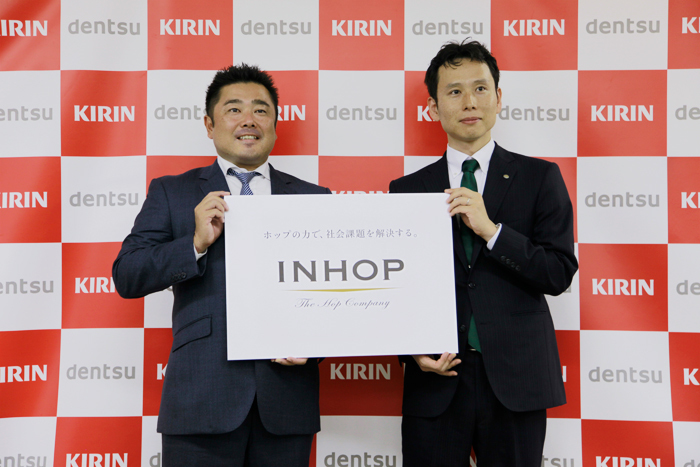
Takasugi: Dentsu Inc. didn't plan to launch a joint venture from the very beginning either. What our Dentsu Inc. team first tackled for this project was conducting interviews with everyone within Kirin.
We started by asking, "Please let us interview you about the potential for liberating this aged hop ingredient from beer and spreading it to the world." But after about 40 minutes, everyone inevitably started talking about beer (laughs).
Of course, that's a fantastic mindset for Kirin employees. However, for this project aiming to "separate it from beer" and commercialize aged hops as a standalone product or service, we realized we needed to create a "specialized business entity focused first and foremost on the existence of hops."
So, I went ahead and created the company name "INHOP" and even designed the logo mark myself (laughs). I attached a blueprint outlining not only the positioning of aged hops as a material but also the product lineup that would emerge from it and their sequence, and proposed it to Kirin again.
Kaneko: Establishing a joint venture was definitely beyond what I imagined—it was way out there (laughs). But personally, while the surprise was huge, I also felt genuinely excited, thinking, "If this works, it could be really interesting." It felt like we could create a new world using our passion-filled aged hops within this new initiative, something outside Kirin's previous context.
Takasugi: Really? Honestly, I thought you might get angry and say, "Don't be so presumptuous!" (laughs). Frankly, when we propose something like "Let's create a joint venture with Dentsu Inc." to clients, they sometimes wonder how serious Dentsu Inc. is. What made you decide to overcome that skepticism and partner with us this time?
Kaneko: Ultimately, the passion from you, Takasugi-san, and everyone at Dentsu Inc.—that desire to "spread aged hops!"—was the major driving force that broke through Kirin's internal barriers.
We understand Kirin insiders saying "Aged hops are great! Amazing!" But having a third party definitively say this is good provided strong backing for Kirin as a company. It gave those of us committed to the project from Kirin, myself included, real confidence and conviction that "aged hops can be a big success."
Furthermore, Takasugi-san's team had proven track records from their biotech venture experience in successfully branding and adding value to materials. While I can't name the company, their experience and know-how in expanding a material featured in science textbooks into a 10 billion yen market felt like a clear advantage in partnering with Dentsu Inc.
Takasugi: Thank you. For us, having our past achievements in "monetizing a company's functional material assets" recognized, which built trust and led to establishing the company, was a major success story.
Kaneko: By the way, we've talked a lot about "Dentsu Inc.'s image" so far. Conversely, what's your impression of Kirin as a company, Takasugi?
Takasugi: Working with them directly, I've come to see Kirin as fundamentally solid. It really drives home what it means to provide something that enters people's mouths! Every day, I keenly feel the weight of that responsibility, encompassing all the systems, rules, and check mechanisms.
INHOP is like a child born from the marriage of a father from the "Kirin family" and a mother from the "Dentsu Inc. family," but the father's family is stricter than Dentsu Inc., right? (laughs)
Kaneko: That's true (laughs). But if Kirin had started this aged hop venture alone, we might have planned it strictly according to Kirin's ingrained "formula for product creation." That's where Dentsu Inc.'s spirit of challenge – "Let's try all kinds of things!" – and its playful mindset come in. They overturn that "formula" in the best possible way. I feel this is a direct result of working together as one company.
For product development at INHOP, the role division is clear: members seconded from Dentsu Inc. draft proposals based on the concept of "we want to create something like this, with this kind of presence." Kirin's role is then to ensure the quality and compliance with various regulations to actually turn it into a marketable product.
For example, Mr. Miyasaka (Yoshikatsu Miyasaka), who was an Art Director at Dentsu Inc. for many years, serves as INHOP's CBO (Chief Branding Officer). He has the authority to propose product development ideas. Moreover, he visualizes these concepts through illustrations and brings them to the discussion table. Being an Art Director, the quality of these visuals is incredibly high.
By structuring this as a joint venture rather than a client-vendor relationship, we've created a system where we can grant significant authority to individuals with such capabilities. That's a major advantage.
Takasugi: Indeed, the division of roles is working exceptionally well. Dentsu Inc. frequently proposes product development to clients and excels at generating ideas and concepts like "Wouldn't it be great if we could create this?" However, when it comes to actually commercializing it – figuring out the unit price, determining the necessary production lot size and sales volume required, and the ability to anticipate these practical aspects, which we call "mental calculation skills" – this is where we still fall overwhelmingly short.
That's why we rely on Kirin members like Mr. Kaneko, who have extensive experience developing and selling products. They can instantly contribute insights during discussions, like "If we do this, packaging costs will be high, so smaller units are better" or "It won't sell well in summer, so we should shift the launch by six months."
Because everyone has authority and is within one company, we can hold highly focused meetings quickly, and everyone learns from each other.
Can "the world's largest cultivated herb, yet virtually unknown" solve social issues?

Kaneko: By the way, we should explain to readers: "What exactly is aged hops?" and "What does INHOP sell, and how?"
Takasugi: As the name suggests, INHOP is a "hop company." Its major mission is to find ways to add value to the entire hop portfolio—including aged hops and domestic hops—which is a corporate asset Kirin has built up over many years.
However, in terms of sequence, we're starting with the "aged hops" that were initially discussed and developing that business. We're focusing on promoting aged hops first, as it serves as a "guidepost" to establish the functional image of hops and demonstrate that hops can be consumed in products other than beer.
Hops possess several health benefits, one of which is the potential to improve cognitive and mental functions—essentially brain function. These areas represent societal challenges demanding solutions, so we aim to successfully introduce this concept to the world.
First, we'll focus on product development and information dissemination centered around the cognitive benefits of aged hops. Next, we aim to expand our efforts by permeating the diverse values of various hops, including domestic Japanese hops, into everyday life.
Kaneko: Hops are a material where people think they know a lot, but actually don't. Looking back at history, hops have a long history as an "herb." Considering their current global use as a beer ingredient, we see hops as potentially "the world's largest-scale cultivated herb." Yet, their recognition as an herb is almost nonexistent.
By bridging this gap in perception, we believe diverse applications for hops could flourish globally.
Furthermore, as Kirin researched hops as a herb, we gradually discovered they appear to possess various health benefits. We are working daily to present this as a new value proposition and deliver it to customers in diverse ways.
Takasugi: For me too, the image of hops was the "bitterness" in beer. But what Mr. Kaneko often says—that it's "the world's largest herb yet largely unknown"—really struck me as fascinating, especially as someone from Dentsu Inc.
Thinking that our job might be to shine the right light on the various functions of hops discovered by Kirin's R&D department really gets me fired up (laughs). I wanted to address this information asymmetry surrounding this "old yet new material" – something cherished worldwide for ages yet unknown globally.
Transforming the perceived value of things or offering interpretations that shift slightly from established notions about materials is precisely the realm of communication where Dentsu Inc. excels. How do we change the perception of hops, this "thing everyone knows but no one truly understands"? It's incredibly rewarding work.
Kaneko: We've spent nearly 20 years researching aged hops. Hundreds of people have been involved to reach this point, and it's finally borne fruit. We can't just let this material, filled with so many people's desire to "improve customer health," fade away easily. I feel a responsibility to spread the potential of aged hops to the world, starting with INHOP.
Takasugi: We want to respond to the passion Mr. Kaneko and his team pour into R&D—the "upstream" of the value chain—by effectively executing advertising and campaigns at the "downstream" end. We feel a strong sense of synergy emerging as we leverage each other's strengths and perspectives.
On the other hand, leveraging the skills honed at an advertising agency to "create our own business company and handle everything from product planning and development to sales" is a new challenge and incredibly rewarding. If we can make a real mark, it will become a benchmark showing "this is what Dentsu Inc. can do." We must use this as a catalyst to enable those who follow to challenge all sorts of possibilities. Mr. Kaneko, what do you envision for INHOP's future?
Kaneko: I want to achieve a state where hop products, beyond just beer, are commonly found in every household. If we can do that, I believe it will shift customers' health consciousness towards thinking, "Let's use hops to maintain our health." This isn't something achievable in just 5 or 10 years, but I want to contribute to solving health-related societal issues, even if only a little.
Currently, Kirin is the only company producing aged hops. To make it more commonplace, we need to reach a point where hop suppliers worldwide approach us saying, "Please teach us how to make aged hops," or "We want to sell it as an ingredient."
Ultimately, I want aged hops to become so ingrained in people's lives that they choose aged hop products as a normal food option, without needing to highlight the hops' functionality.
Takasugi: Whether it's supplements, seasonings, or bath products—let's build a world together where products and services using hops as an ingredient are simply part of everyday life!
■INHOP Corporate Site
https://inhop.co.jp
■Aged Hop Research Institute
https://inhop.co.jp/jukusei
Was this article helpful?
Share this article


Newsletter registration is here
We select and publish important news every day
For inquiries about this article
Author
Kaneko Yuji
INHOP Co., Ltd.
President and CEO
Takasugi Satoshi
INHOP Co., Ltd.
Director and Chief Operating Officer