Note: This website was automatically translated, so some terms or nuances may not be completely accurate.
 "engawa Serendipity Day" Report [1/3]
engawa Serendipity Day Report #01
Have you heard of the word Serendipity? This term, which describes "the ability to discover unexpected value and seize good fortune through chance encounters," is currently gaining attention in the business world. What exactly is Serendipity, said to have originated from a Sri Lankan fable? Let's explore clues at the webinar "engawa Serendipity day" held on April 15, 2021. Great discoveries and happy encounters are surely waiting there.
(Written and analyzed by: Web Dentsu Inc. Editorial Department)
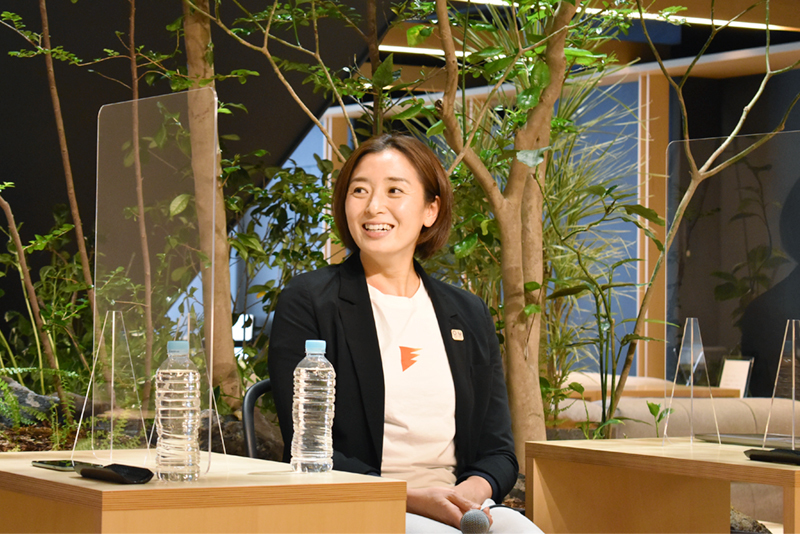
This first installment (#01) of a three-part series covers the session in Part 1 of the webinar. Titled "What Makes Talent Foster Co-Creation and Diversity?", it featured neuroscientist Kenichiro Mogi, Kyoto University of the Arts Professor Osamu Ogasawara, and former Japanese national competitive swimmer/Director of the general incorporated association Don't Stop Sports, Kaei Ito.
One key element for Serendipity is said to be "the power of casual conversation." Web Dentsu Inc. has re-edited the essence of this roughly one-hour session through the lens of "the power of casual conversation." While this editing approach is a first for our editorial team, we hope you understand it as one challenge in our pursuit of Serendipity.
Ogasawara: I believe "forming hypotheses" is crucial for achieving Serendipity.
Ito: For me, it was "trusting the coach."
Ogasawara: That cultivates the ability to break through limits.

Ito: If I exceeded the coach's expectations by 120% and still didn't get results, then that's just the level I'm at.
Mogi: Only those who can raise their own standards of expectation can reach the so-called "zone," a realm beyond "flow."
Ito: What surprised me most after retiring was realizing, "There really are people who can't push themselves." And this isn't meant sarcastically—being unable to push yourself is also a talent, a valid way of being. As a coach, you gradually understand that "being too fixated on things also prevents you from seizing opportunities."
Mogi: For example, the ramen shop owner's obsession with his soup, or the innkeeper's dedication to hospitality. Things we Japanese take for granted—that level of attentiveness and thoughtfulness—seem to be seen as extraordinary by people from other countries.
Ogasawara: I understand, I understand.
Mogi: The essence of obsession is when your own standards are unnecessarily higher than what the market demands. Why go that far?
Ito: My obsession is probably just sticking to my sleep schedule (laughs).
Mogi: Sleep is said to be one of the animal kingdom's mysterious abilities. After all, AI doesn't sleep. And creative people tend to be "morning types." In terms of "talent that can't push through," there's the saying "Ten people, ten colors," right? Don't you think that's a wonderful phrase?
Ito: I feel like having a strong conviction builds confidence.
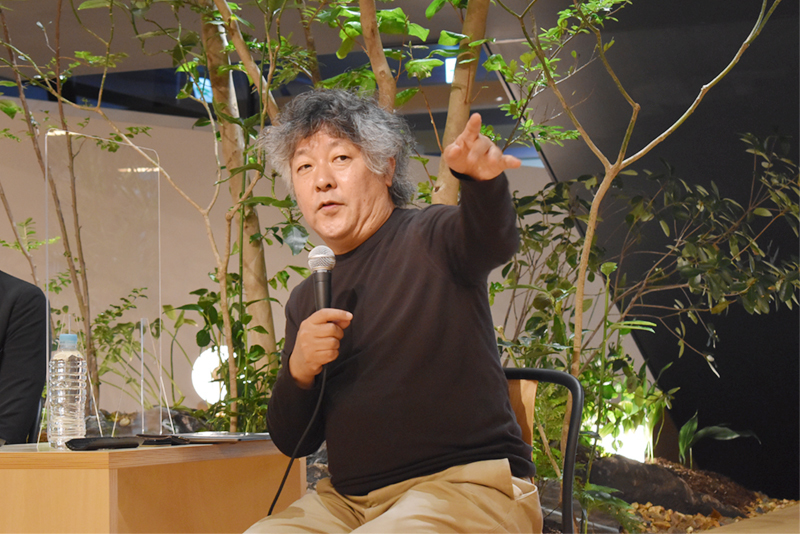
Mogi: In rugby, the coach can't give instructions to players during the game. Each player's dedication shapes the match. That's incredibly creative.
Ogasawara: The rugby I played in my student days wasn't like that. But if even rugby could change, I believe other sports and business can change too.
Mogi: Saying "even rugby" could be problematic (laughs). But whether it's sports, art, or corporate activities, I firmly believe "holistic learning" is absolutely essential for developing talent.
From here, the topics shifted to: "University entrance exams," "e-sports," "cryptocurrency," "stock prices," "revisiting what diversity truly means," "how combining strengths and weaknesses creates compelling individuality," "how the weakness of being easily bored is also the strength of being able to act quickly," "The worst thing is evaluating others by subtraction," "Teams using addition achieve results," "Team building in the Warring States period must have been like that," "For swimmers, a long torso and short legs are actually advantageous," "Every sport has its ideal physique. Thinking that way makes the Olympics fun," "Incorporating elements is what athletes excel at most."
Plus: "The story about open innovation." "The story about icebreakers." "The story about whether two-hour dinners are completely meaningless." "The story about standing bars." "The topic of raising children," "The importance of watching over them and the importance of timing praise," "The topic of how praising lies is meaningless," "The topic of how water people struggle on land...," "The topic of how innovation isn't about discovery," "The topic of how one thing COVID made us realize is the importance of seeing the essence of things." The casual conversation among the three took on tremendous developments.
By deliberately presenting this digest of a session lasting over an hour, I hope you've gained an understanding of the "power inherent in the ability to engage in casual conversation."
I believe this offers a significant hint for capturing serendipity.
【Related Links】
The official website for the "General Incorporated Association Don't Stop Sports" is here.
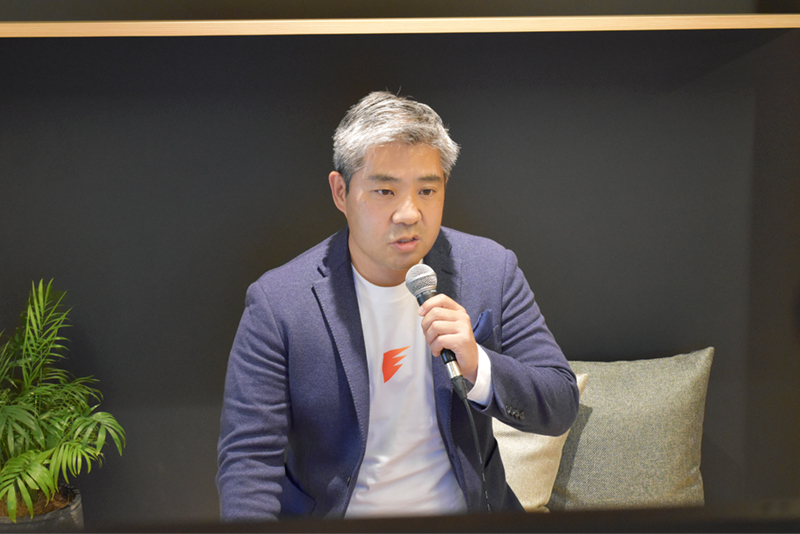
Project article introduced by Mr. Yasuaki Minato, Producer / Project Planner at "engawa young academy" Kyoto BAC Youth Research Institute, is here.
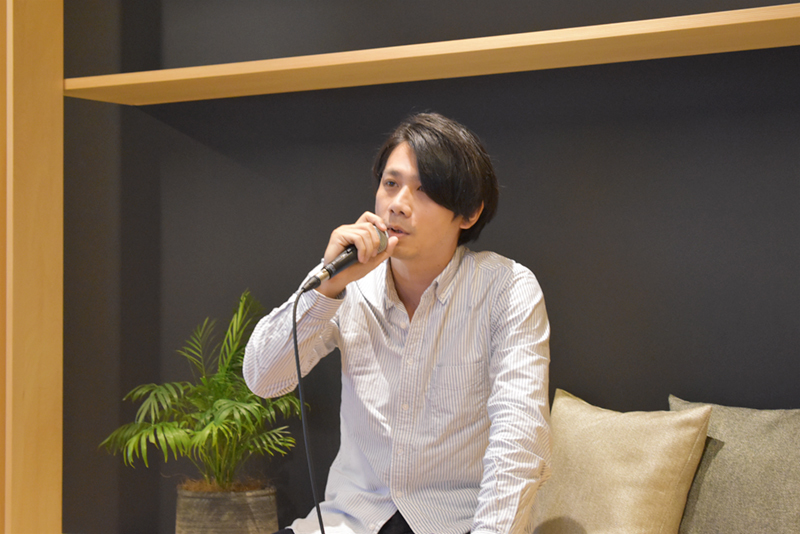
The company website for "Domino Talk" (President: Masakazu Takamori) is here.
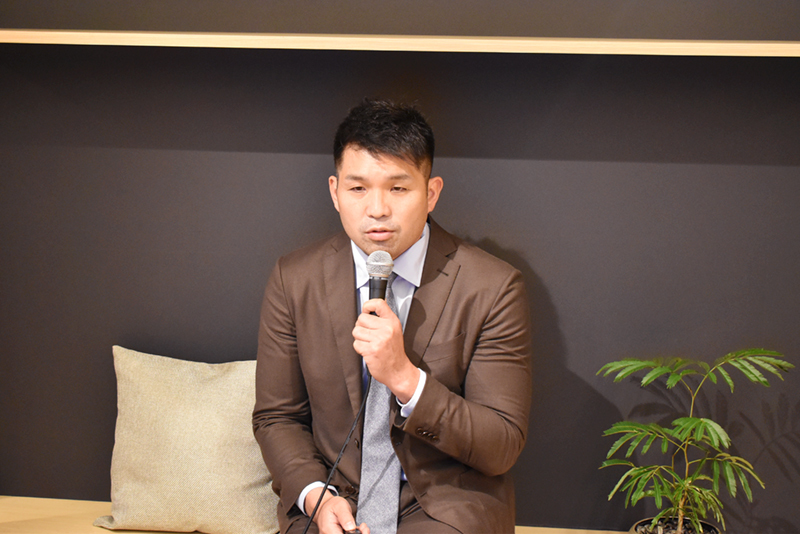
This series is edited from the content of the webinar titled "engawa Serendipity day," supervised by one of the organizers, Mr. Hiroaki Tanaka (Kyoto BAC), and presented from Web Dentsu Inc.'s unique perspective.
Was this article helpful?
Share this article


Newsletter registration is here
We select and publish important news every day
For inquiries about this article
Author
Hiroaki Tanaka
Dentsu Inc.
Kyoto BAC
Planning Producer
Planning Producer. After gaining experience across diverse business scales and sectors—including listed companies, sole proprietorships, and startups—joined Dentsu Inc. in 2012. Subsequently served in China, where as a Communication Planner, designed and planned branding and communication strategies while also tackling new business development based on client challenges.