
Note: This website was automatically translated, so some terms or nuances may not be completely accurate.
 Put yourself in the other person's shoes! [1/3]
Communication is a science.

Junko Okamoto
Glocom
"I'm not good at speaking in front of people." "I get nervous and can't express my thoughts well." Doesn't everyone struggle with these concerns to some degree? In this series, we will explore the essence of communication by having Junko Okamoto, a communication strategy researcher and executive speech coach, reveal the secrets of effective speaking.
(Web Dentsu Inc. Editorial Department)
People are moved only by emotion. Let's think about this logically.
I believe everyone has experienced this: no matter how correct or reasonable your arguments may be, people often don't act as you expect. The reason is simple. It's not "reason" that drives people to act, but "emotion." Nobody falls in love based on logic, right? People are moved by their hearts, not their heads.
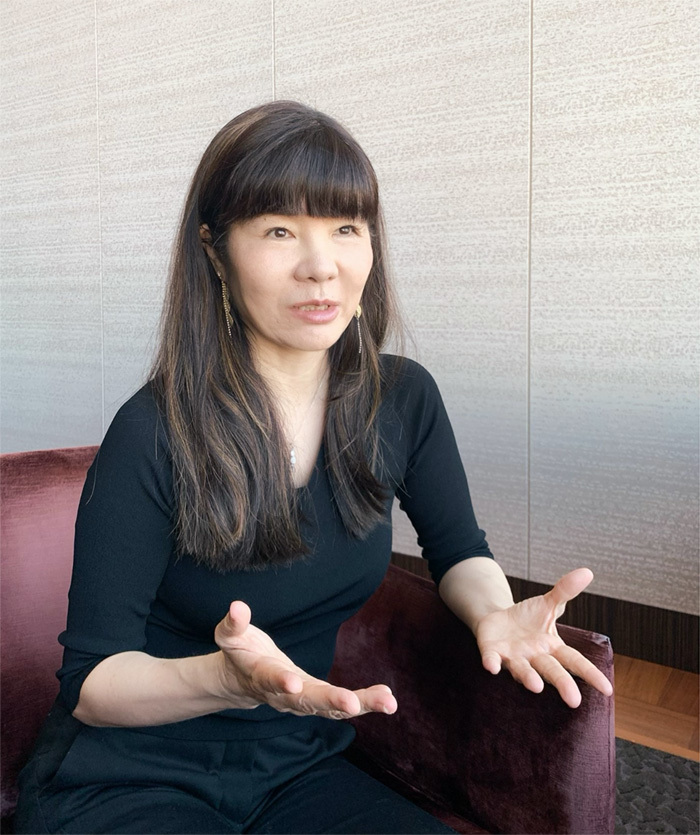
However, there are no clear answers on how to control those emotions or how to effectively convey them to others. That's why people often fall back on rigid logic, data, or vague concepts like "atmosphere" or "vibe."
It is a scientifically proven fact that people are driven by emotion. However, to control those emotions, we must properly "scientifically" understand this elusive concept. The science I refer to encompasses fields like "neuroscience" and "anthropology." As communication becomes increasingly layered and complex, it is essential to thoroughly "scientifically" examine how we should face and interact with others.
The deciding factors are "likability" and "empathy."
You've likely already realized that communication relying on forcefulness can actually backfire when trying to move people. What truly stirs the human heart is "likability" and "empathy," not one-sided, authoritarian "commands" or "impositions." Commands can hold some weight if they're logically sound, but when it comes to gaining likability or empathy, logical soundness holds little value.

And here's the crucial point: likability and empathy are largely intuitive, often decided by first impressions. First impressions are decided in fractions of a second. A negative impression planted in seconds cannot be undone, no matter how hard you try afterward. A lifetime is decided in an instant.
Facial expressions, fashion, mannerisms, the tone and pauses of your first words—all of these instantly shape how someone feels about you. What follows—how you speak—is crucial. People remember not so much "what was said" as "how it was said," and the emotions they felt at that moment. To put it bluntly, the actual content or logic of the conversation often takes a backseat. Far more important for communication is the impression: "That was a pleasant conversation," or "I can trust this person."
What I want to convey is this: "You're missing out!"
I've lectured and coached over 1,000 business leaders worldwide on "how to speak." While there are many specific techniques, what I really want to tell most business professionals is: "You're missing out!" There are countless rules that "guarantee confidence" and "create a positive impression." Yet, without knowing them, your charm isn't getting across. Worse, you might even be leaving a negative impression.
Excuses like "I'm not very articulate..." or "I'm shy around people..." or "I'm just clumsy..." are often seen as virtues in Japan. However, in the international community, such traits hold no value whatsoever. Not only are they worthless, they are outright negative factors. And overcoming this disadvantage isn't simply a matter of "improving your speech skills."
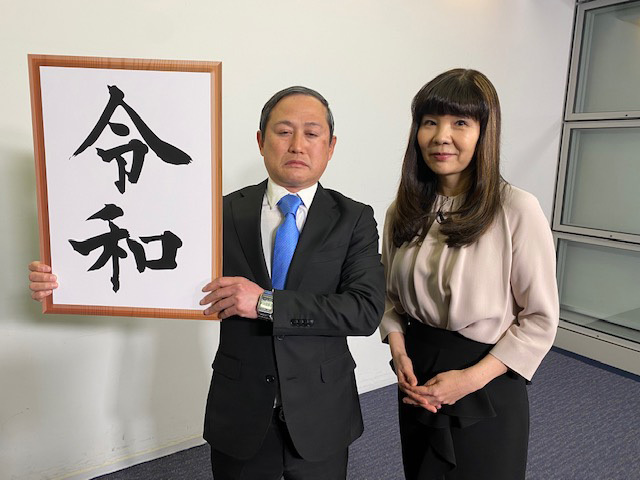
Socrates once said, "When speaking to a carpenter, use the carpenter's language." Truly, words of wisdom. The point is, most people just ramble on unilaterally about "what they want to say" in "their own words." This approach can never elicit empathy or goodwill. The key to effective speaking is very simple: 1. Detach yourself from your own perspective. 2. Appeal to the listener's intuition and emotions.3.Infuse your words with passion and feeling. That's all there is to it.
Crucially, "to speak well, detach yourself from your own preconceptions." That's the sentiment behind this series' title: "Speak from the other person's perspective!" Behind it lies the sad reality that such education has been largely absent in Japan. The misconception that presentations are about imposing your own thoughts on others and overpowering their hearts leads to further tragedy. I earnestly hope you free yourself from such preconceptions, or shackles, as soon as possible. That is my heartfelt wish for you, conveyed through this series.
Junko Okamoto's website is here.
Was this article helpful?
Share this article


Newsletter registration is here
We select and publish important news every day
For inquiries about this article
Author
Junko Okamoto
Glocom
President and CEO