Note: This website was automatically translated, so some terms or nuances may not be completely accurate.
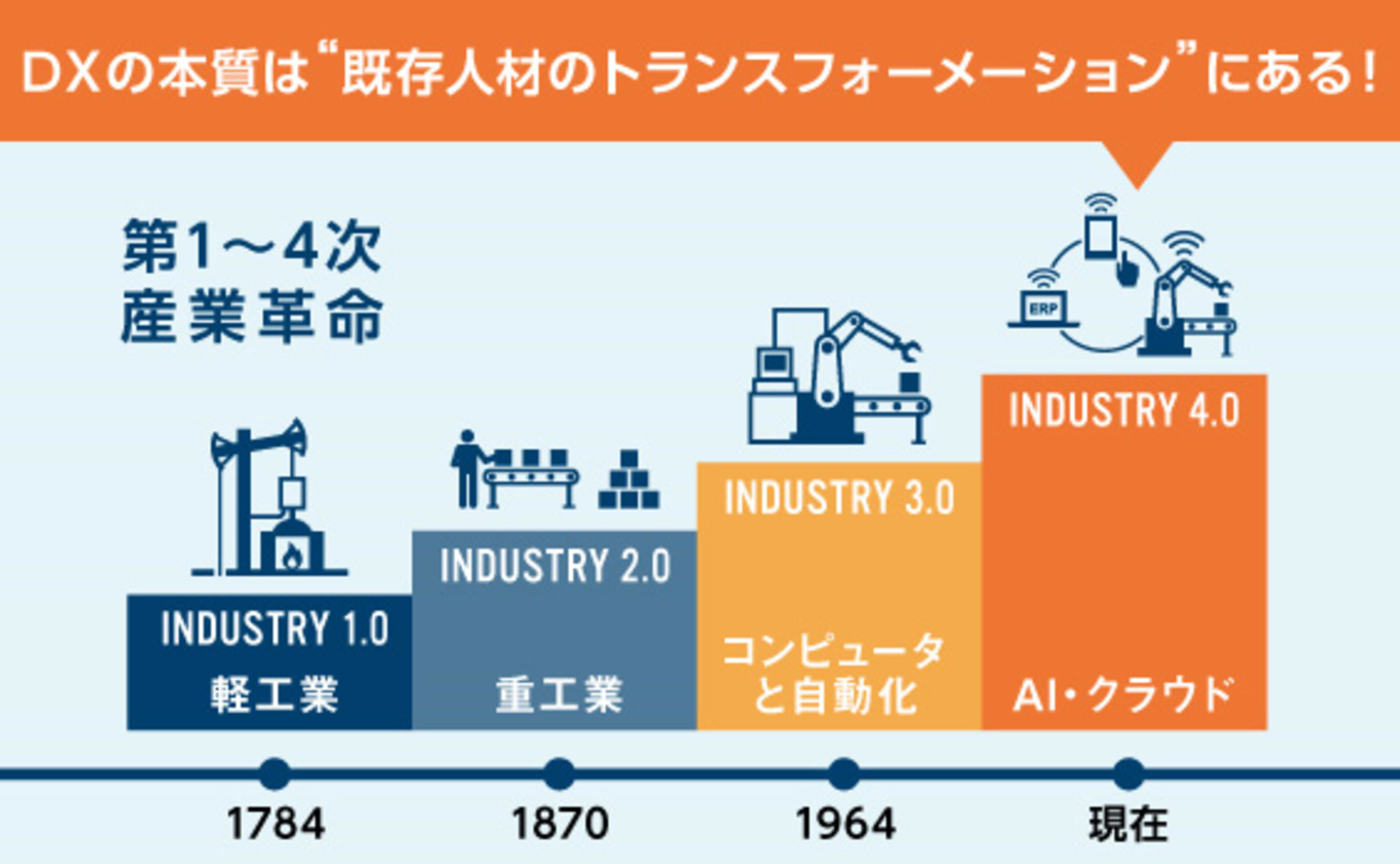
 The Case for Reskilling. The Essence of DX Lies in "Transforming Existing Talent"! [1/2]
The Hidden Importance of Reskilling Existing Personnel Amidst the "DX Hype"
It is said that "the challenge in advancing DX is a shortage of skilled personnel." Compared to the rest of the world, Japan faces a particularly severe shortage.
Reskilling—the redevelopment of existing personnel's skills—is gaining attention as a solution.
This article explains the essence and challenges of DX, and reskilling as the key to solving them.
HR managers at companies struggling to secure "DX talent."
Individuals aiming to advance their careers in the digital field by acquiring new skills.
And individuals who stepped away from their careers due to family circumstances but are now exploring new ways of working.
We hope this article will be useful for all of you.
<Table of Contents>
▼Is there a shortage of DX talent? What exactly is "DX talent"?
▼Reskilling: The Concept of Upgrading Existing Talent's DX Capabilities
▼Developing Talent for an Era Where "Digital [Term]" Becomes Obsolete
▼Challenges in Implementing Reskilling: "Who Will Teach the Necessary Skills?"
Incidentally, Dentsu Inc. Innovation Initiative (DII), where the author is affiliated, is a team that discovers and validates cutting-edge digital and data solutions worldwide to drive corporate DX and innovation.
In the reskilling domain, we partnered with France's OpenClassrooms to conduct proof-of-concept experiments and research on DX talent development by actually delivering programs in Japan.

Is there a shortage of DX talent? What exactly is "DX talent"?
To drive DX, we need professionals who can leverage digital and data technologies to:
"Improving business processes"
"Updating business models"
"Developing new ventures"
are required.
According to a Mitsubishi Research Institute report, the top two challenges in DX promotion are:
"Lack of personnel to manage the entire DX process"
"Lack of personnel to actually bring business proposals to fruition"
In other words, it's a "shortage of DX talent."
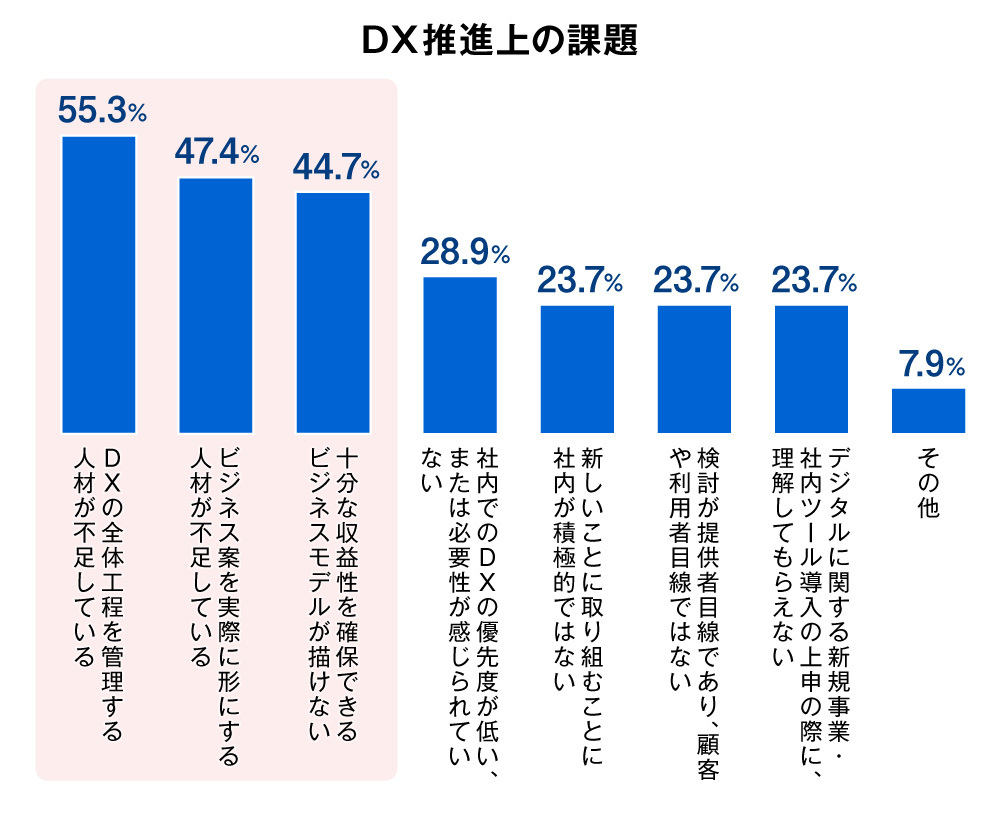
https://www.mri.co.jp/knowledge/column/20200528.html
Furthermore, it is anticipated that the elimination of "production workers" and "clerical workers"—who have historically constituted a large portion of the workforce—will accelerate this imbalance in talent supply and demand.
According to the same report, by 2030, there will be a shortage of 1.7 million "specialized technical personnel, including digital talent" (talent who lead technological innovation and apply it to business).
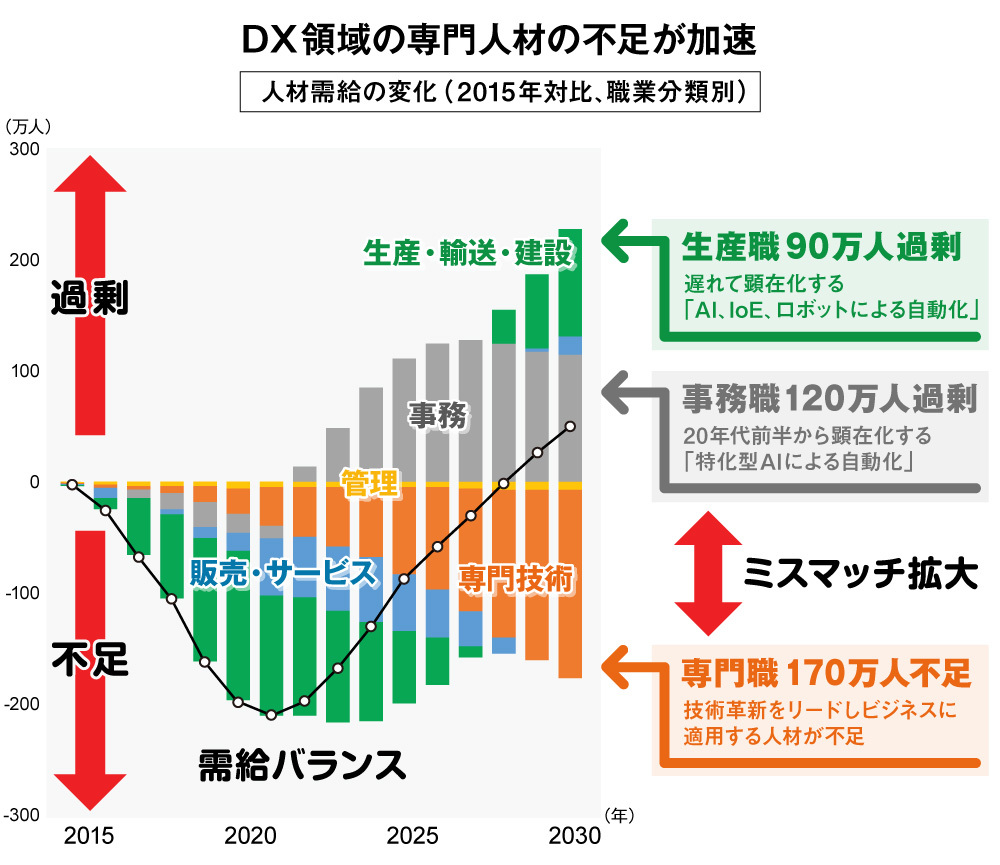
https://www.mri.co.jp/knowledge/column/20200528.html
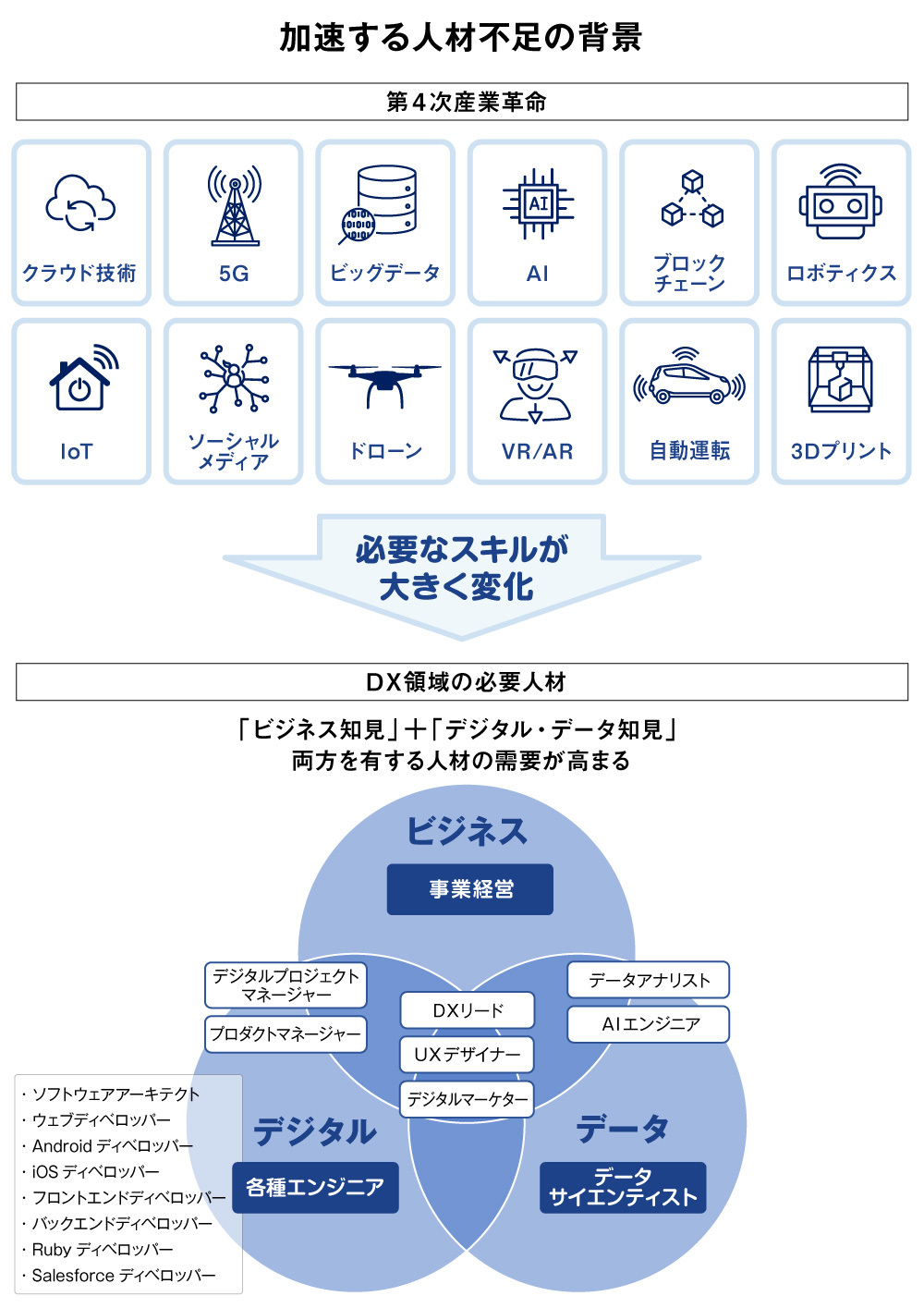
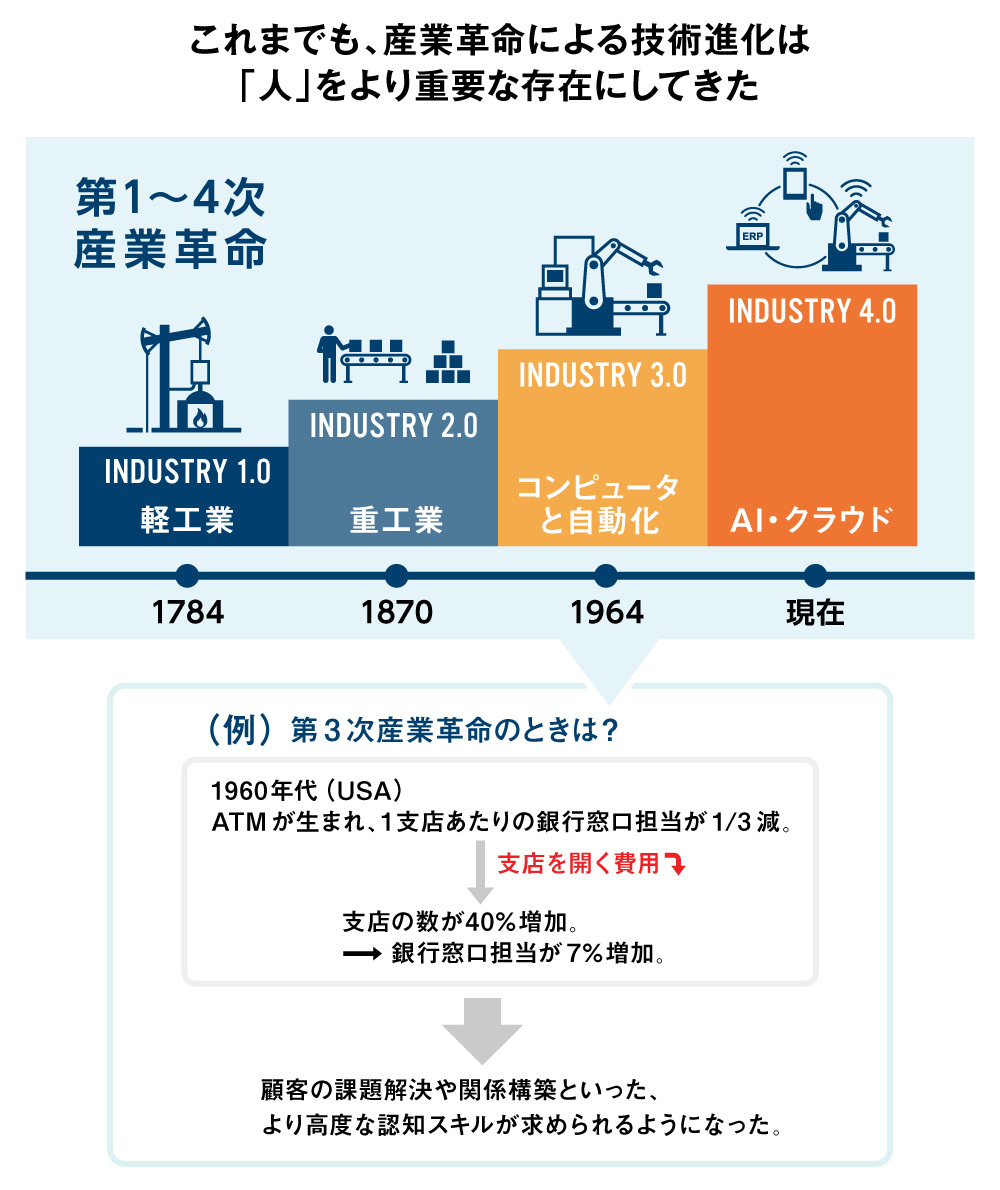
In short, this stems from a skills gap arising from changes in the industrial structure. Amid the "Fourth Industrial Revolution," marked by the rise of AI and robotics, the skills demanded by companies are undergoing significant transformation.
So, what kind of talent is actually needed in the DX domain? What exactly is a "DX professional"?
According to global labor market data, demand is rapidly increasing not only for technical personnel like "Systems Engineers," but also for hybrid talent who can create value by combining traditional business expertise with both data and digital knowledge.
For example, professionals such as:
"DX Lead"
"Data Analyst"
"AI Engineer"
"UX Designer"
"Product Manager"
"Digital Marketer"
"Digital Project Manager"
The pace of environmental change is accelerating, making soft skills—cognitive abilities like creativity, adaptability, and problem-solving—increasingly vital.
However, it's only natural that there is a shortage of talent possessing both these skills and the necessary knowledge. As seen in past industrial revolutions—from the First to the Third—major technological advances always bring changes in required skills, and people have learned and evolved accordingly.
The concept of "DX for existing talent" and "reskilling"
This is where the concept of "reskilling" is gaining attention.
Definition: What is Reskilling?
It involves retraining existing personnel to increase the number of individuals who possess both digital and data knowledge and skills through training.
Through this process, it aims to continuously produce personnel capable of responding flexibly to all societal and business needs. Given the current global shortage of DX talent, finding candidates who meet the skill requirements from the recruitment market from the outset is time-consuming, costly, and inefficient. Even when hiring is successful, it is not uncommon for the skills acquired to ultimately not align with the company's needs.
This is precisely why, moving forward, it is necessary to consider HR strategies based on the premise of "DX for existing talent = reskilling" in recruitment and personnel transfers.
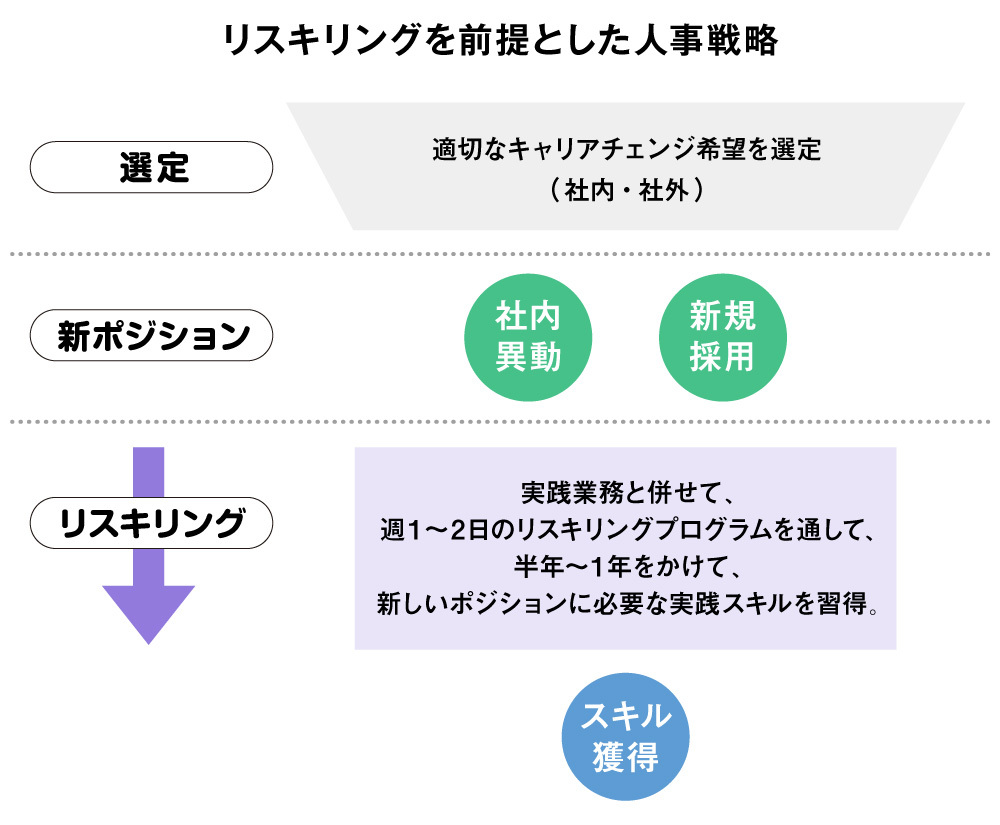
Through reskilling, individuals like those described below can thrive in DX domains, enabling both corporate problem-solving and personal career development.
- For employees, it expands opportunities for transfers into entirely different fields while continuing their current work.
- Job seekers can aim for promising career advancement in growth areas.
- Individuals who temporarily stepped away from their careers due to family responsibilities like childcare or caregiving—the "potential talent pool"—will gain more options and broader opportunities to contribute.
Even those in roles previously distant from digital need not limit their potential by focusing solely on their established expertise.
Precisely because we are in an era of industrial transformation where the "skill gap" between what companies need and the actual skills of talent is significant, I want you to know about the option of reskilling.
Allow me to share my own story. As a member of DII, I wasn't originally an expert in the DX field either.
After graduating university, I worked for several years in sales at Dentsu Inc. Later, I was involved in global education initiatives and taught at a graduate school. In my thirties, I moved to London with my husband for his work, gave birth, and raised my child while continuing education-related projects remotely.
Then, about four years ago, with my child in nursery school, I began considering my next career move. Thinking, "Maybe there's a position at an educational institution in London?" I consulted a senior colleague who also shared an interest in education. Her response was unexpected.
"Aya, you probably think digital stuff has nothing to do with you anymore, right?"
"I used to think that way too, but now I believe digital is something you can't avoid no matter what field you enter. Since you're in London, where there are so many digital startups, why not dive into that world first?"
At the time, I didn't immediately grasp the full meaning of those words, nor did they click enough for me to actively start searching for digital jobs.
But then, I was offered a position supporting business operations at a venture company developing a video data analysis platform. Remembering my senior's words, I thought, "I don't know if this is the right move, but I'll just dive in."
And so began my leap into reskilling.
Working in a team where almost everyone was an engineer, I felt like I was barely keeping up with team communication, understanding maybe 30% of the conversations. My joy came from going to nearby cafes during breaks with Emma, the CTO and the only other woman on the team.
Over delicious coffee, one day she taught me about cloud architecture, agile development, and programming language differences. Another day, when she found out I'd never been to London's famous clubs, she exclaimed, "Unbelievable! We absolutely have to go together!"
After a few months, the team conversations that once sounded like another language gradually became clearer to me. Before I knew it, I felt like a new version of myself had emerged there.
With the right reskilling, anyone can combine their "traditional experience and skills" with "digital and data-related skills" to take on new challenges in different fields.
Personally, I believe my current role supporting corporate DX is only possible because I dared to pursue my own reskilling during my time in London.
Developing Talent for an Era Where "Digital [Field]" Becomes Obsolete
From my own reskilling experience, even if your area of interest is "education," whether viewed from the perspective of the tools used or the content taught, "digital and data literacy" was indispensable for envisioning the future of education. Yes, my senior was right.
I believe this applies not just to education, but to every field. Many people still view digital as a "silver bullet." However, considering the essence of DX, digital is like "water."
In other words, it becomes something like water that everyone uses. In a world where every company and person can naturally and effortlessly leverage digital, terms like "DX" and indeed "digital [something]" itself will become obsolete. The key to this shift is reskilling existing talent.
One company leading this reskilling space is France's OpenClassrooms, briefly mentioned earlier. It's an online learning platform specializing in cultivating expert digital talent focused on "skills with growing demand."
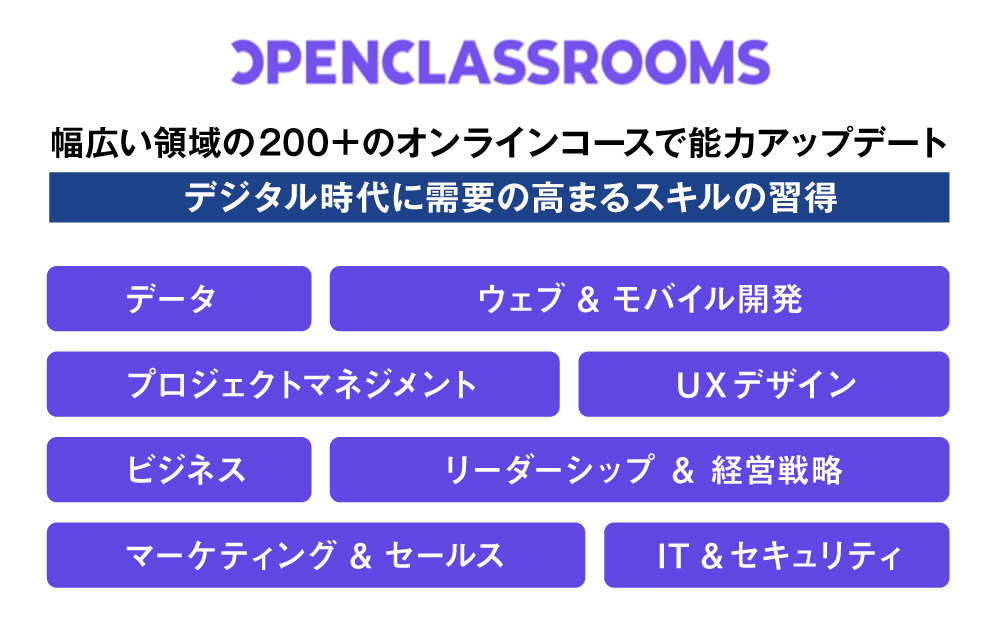
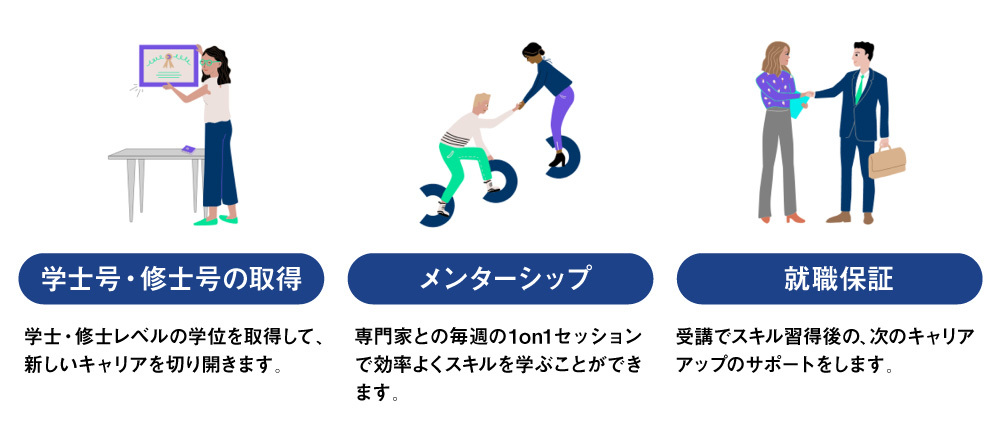
OpenClassrooms' reskilling programs involve immersive, 6- to 18-month practical projects. Participants engage in weekly one-on-one "mentor sessions" with experts and benefit from the flexible scheduling inherent to online learning, enabling them to study while working.
Upon completion, participants deliver a final presentation to demonstrate their acquired skills. Successful graduates earn French government-recognized diplomas at the bachelor's or master's level.
Furthermore, OpenClassrooms guarantees employment for all its learners. Its distinctive approach to creating learning content involves interviewing field experts to identify the latest skills demanded in each domain, followed by analyzing labor market data to design the programs.
As a result, the skills OpenClassrooms provides are "highly in demand in the market," and to date, zero (!) course graduates have been unable to find employment.
Co-founder Mathieu Nebra has been uploading easy-to-understand learning content for free on the online site since he was 13, driven by his passion to "make digital skills accessible to everyone." This effort has finally made OpenClassrooms the go-to site for learning programming in France.
Born from his passion, OpenClassrooms still operates under the mission "Make education accessible." All video learning materials are published free of charge.
By providing opportunities to acquire digital skills to "everyone," aims to help people worldwide advance their careers, including those with no prior experience.
The challenge in implementing reskilling: "Who will teach the necessary skills?"
So, what are the challenges for companies introducing reskilling?
Actually, in Japan, "cross-domain reskilling" is not entirely new territory compared to Europe and the US; fortunately, it's not a completely novel initiative.
This is because many Japanese companies already have a foundation where fluid transfers are accepted. For example, someone hired as a general employee might start in sales, then move to HR or become an analyst.
Consequently, this may actually give them a strength in "adaptability," the most sought-after skill in this era of rapid change.
However, this is predicated on the assumption that "each company already possesses accumulated expertise and know-how for succession within these domains." The challenge in reskilling for the DX era is
"Who will impart the necessary digital skills that companies lack?"
.
Traditionally, Japan has relied on sharing internally accumulated knowledge, careful guidance from seniors, and individual learning efforts to manage.
However, in this massive transition period driven by technological evolution, acquiring the latest skills through internal training alone is not only inefficient but risks becoming a real hindrance to genuine business transformation.
Indeed, according to a Dentsu Digital Inc. report, the top challenge regarding DX talent is "a lack of personnel capable of handling training within the company," highlighting the growing difficulty of internal development.
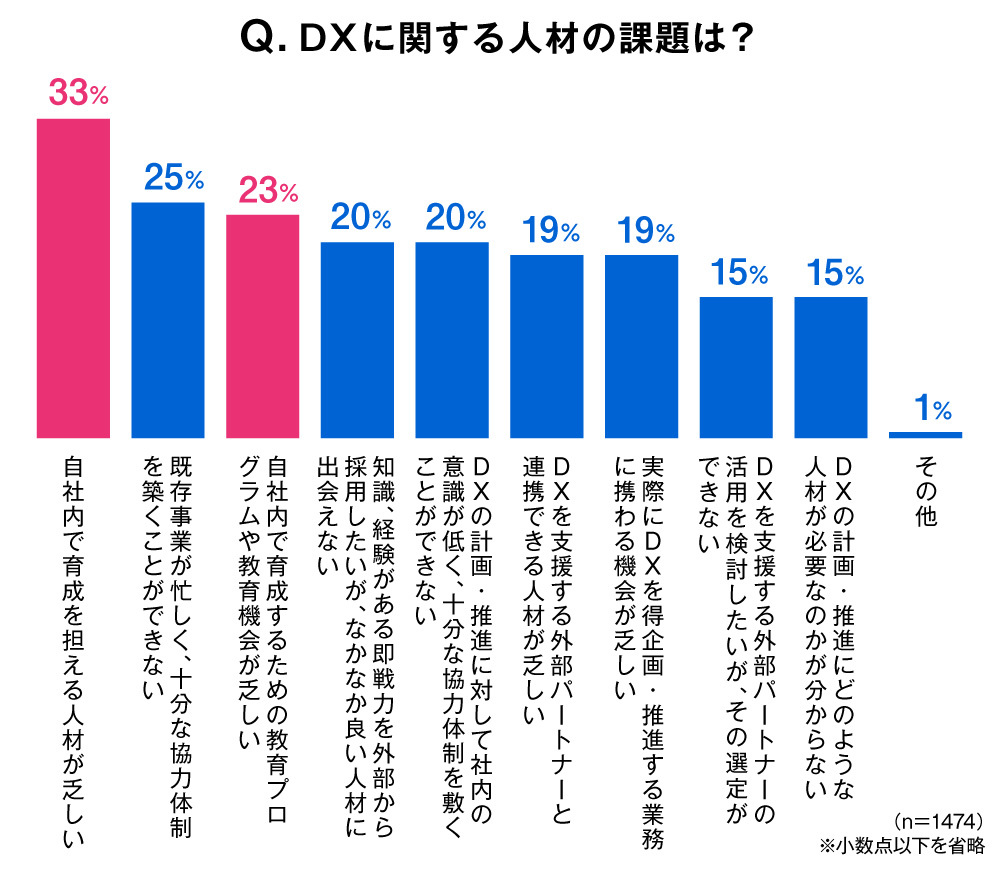
https://www.dentsudigital.co.jp/release/2020/1218-000737/
Moving forward, for companies to advance the development and securing of DX talent, they must first break free from conventional approaches and effectively utilize external specialized institutions.
Furthermore, understanding the potential of reskilling and expanding position opportunities to include "potential talent" should directly contribute to growth as a company that naturally masters digital. We will discuss potential talent in more detail in the next article.
Thus far, we have focused on "the importance of reskilling for companies" in the DX era.
Finally, this period of transformation is brimming with new possibilities not only for companies but also for individuals seeking reskilling for various reasons. Stepping into a completely new world inevitably brings anxiety. Yet, it may also be an opportunity to discover a new version of yourself—a chance to steer your life in a positive direction.
We hope this challenge of reskilling brings you new encounters, discoveries, and opportunities.
Reskilling Program "STAIRGE"
Now accepting participants! (Until December 31, 2021)
https://stairge.accelerators.jp/
*The Dentsu Group supports OpenClassrooms' business expansion in Japan as a business development partner. As part of this support, we are responsible for planning and operating "STAIRGE" together with Dentsu Group Inc.

Was this article helpful?
Share this article


Newsletter registration is here
We select and publish important news every day
For inquiries about this article
Author

Ayako Sano
Dentsu Group Inc.
Dentsu Inc. Innovation Initiative