Note: This website was automatically translated, so some terms or nuances may not be completely accurate.
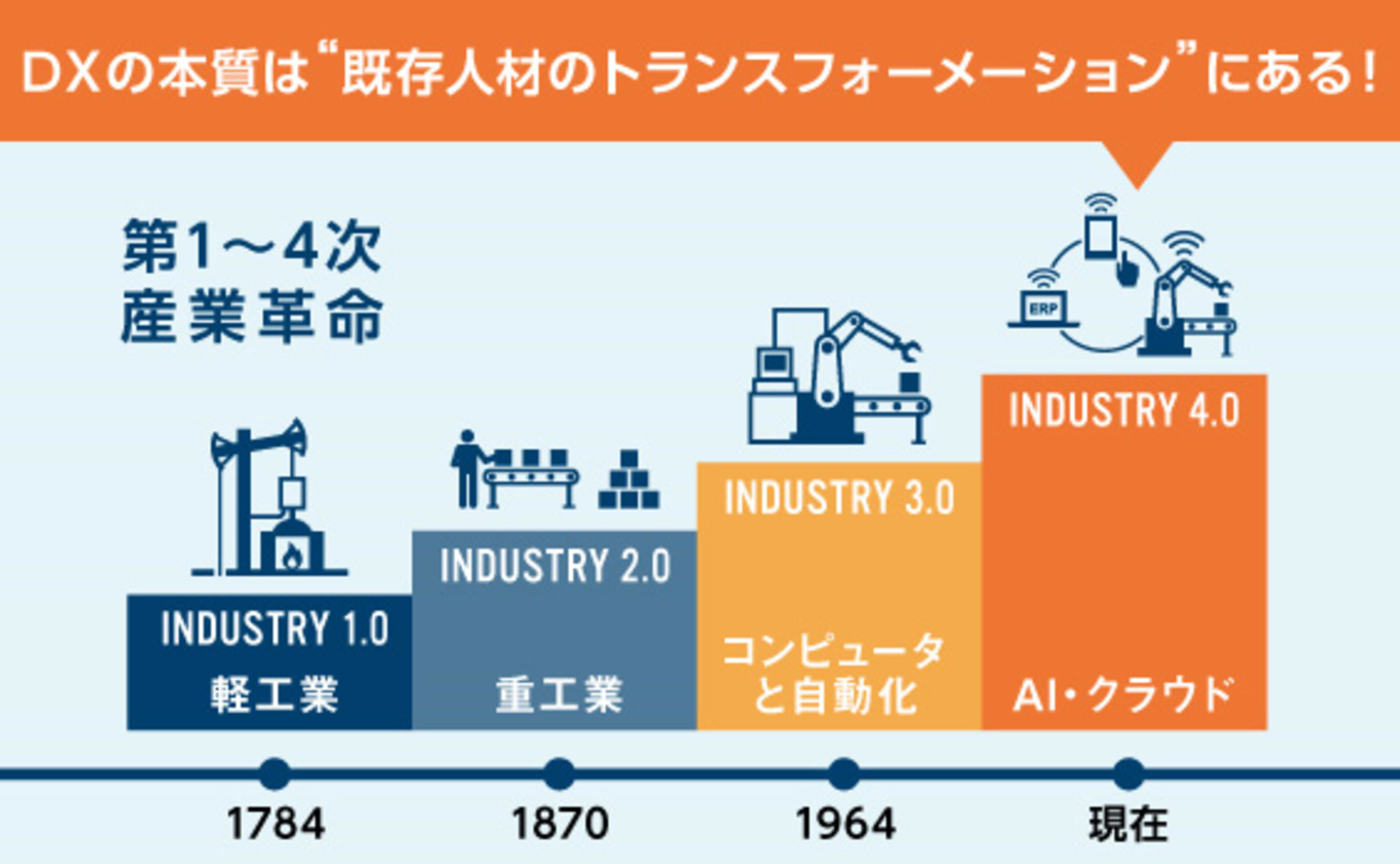
 The Case for Reskilling. The Essence of DX Lies in "Transforming Existing Talent"! [2/2]
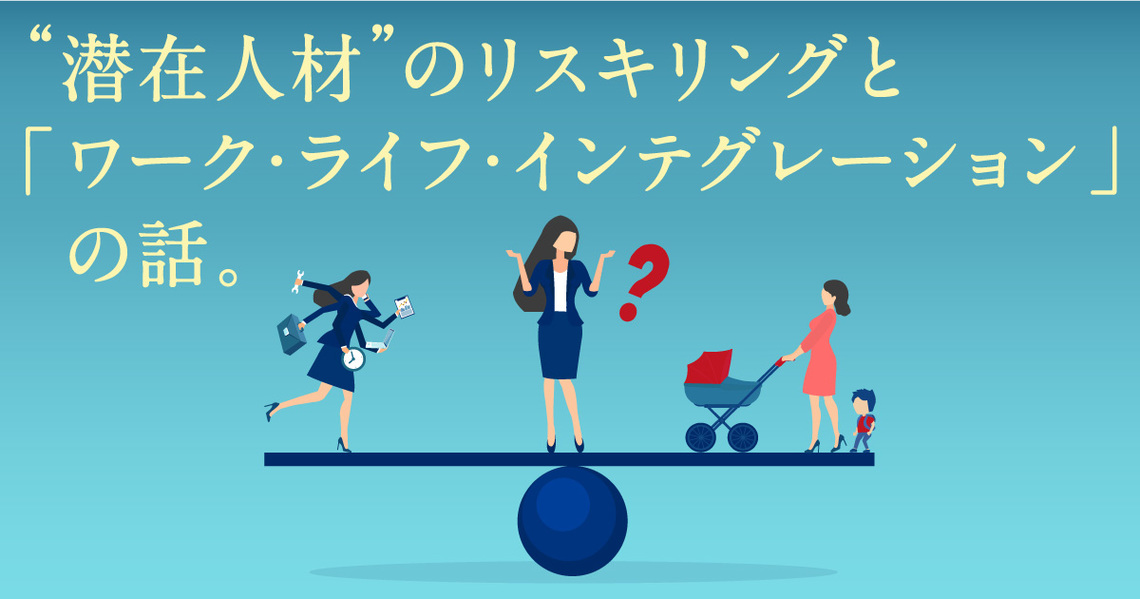
The key to DX lies with "latent talent" who left their careers due to childbirth or childcare!
While there is a perceived shortage of DX (Digital Transformation) talent, we are also entering an era where many existing job roles will be replaced by computers and robots.
The fundamental solution to these two intertwined challenges is the "digital transformation of existing personnel," namely reskilling (redeveloping capabilities).
...That was the topic of our last discussion. However, reskilling doesn't just contribute to the transformation and satisfaction of existing talent (employees).
This time, Aki Oguri, who works on business development for leading international data solution companies at Dentsu Inc.'s Data & Technology Center, will discuss the transformation of "latent talent"—individuals who have stepped back from the front lines of their careers due to various circumstances such as childbirth, childcare, a spouse's job transfer, or caregiving responsibilities.
Particularly pivotal are women who step away from their careers due to life events like childbirth.
[Part 1]The Hidden Importance of Reskilling Existing Talent Amid the "DX Hype"
<Table of Contents>
▼Promoting the Engagement of "Latent Talent" Who Left Careers Due to Family Circumstances is Key to Japan's Growth
▼How Can Companies Acquire and Utilize "Latent Talent"?
▼The "Job-Based Employment Era" Accelerating During the Pandemic. How to Acquire Survival Skills?
▼Work Styles Dramatically Change! Enter the Era of "Work-Life Integration"
Promoting the Participation of "Latent Talent" Who Left Their Careers Due to Family Circumstances is Key to Japan's Growth
In April 2021, I returned to my current position as a full-time employee after my second childcare leave.
While slightly outdated, data from the National Institute of Population and Social Security Research's "15th Basic Survey on Fertility Trends (Couples Survey)" shows that only 53.1% of women who worked before childbirth had a workplace to return to after giving birth (as of 2015). This means roughly half of employed women resign upon childbirth.
While promoting women's participation is hailed as essential for revitalizing Japan's economy, roughly one in two women vanish from the workforce. This significant gap is a serious issue. However, since the root cause lies in life events like childbirth, simply plugging the gap isn't the solution.
What is needed is a "door" that allows them to return when they wish to resume their careers. Not a door through which a timid little Mario hesitantly steps back, but one that opens with hope and confidence, like a star-powered Mario.
That "door" is reskilling. Acquiring digital skills that enable individuals to choose work styles suited to them expands the possibilities and choices in life for those who have stepped away from their careers.
As mentioned at the beginning, the situation where one in two women disappears from the workforce after childbirth is serious. The employment continuation rate after the birth of their first child is even lower for non-regular employees like part-timers and temporary workers, at 25.2%, meaning three out of four disappear from the workforce.
According to the "White Paper on Gender Equality 2018" by the Cabinet Office's Gender Equality Bureau, 55.5% of all female workers and 21.9% of all male workers are in "non-regular employment." The rate of non-regular employment among women is more than double that of men. Furthermore, the anticipated reduction in "clerical positions" due to the Fourth Industrial Revolution is expected to significantly impact women's career options.
Allow me to share my own experience. In the past, when my husband was transferred overseas to Africa, I once offered my resignation to my supervisor.
My supervisor suggested, "Why not take a leave of absence instead?" However, Dentsu Inc. at that time did not yet have leave or re-employment systems for employees accompanying spouses on overseas assignments (these are now in place). I investigated whether I could use the leave system for privately funded study abroad, but there were no universities near my husband's assignment location that I could realistically attend. Ultimately, my husband changed jobs, and the Africa assignment fell through. I was able to continue my career.
Later, I experienced career breaks during two maternity and childcare leave periods. Even though I had a place to return to, I was plagued by a sense of urgency. Especially in the first few months after giving birth, I was completely overwhelmed by childcare. There was no time to think properly, no room for input—it was a daily battle of sheer physical endurance.
As time passed, I felt my professional knowledge had become outdated, that I could no longer offer value in the workplace, and I completely lost confidence. Desperate to break free from this anxiety, I searched for ways to acquire skills useful for my return while staying home, but found nothing suitable.
So, even though it was completely unrelated to my professional field, I clung to my new "mom" identity and self-studied to earn my childcare worker certification during my first maternity leave. During my second maternity leave, amidst the COVID-19 pandemic, I obtained an Assistant Teacher qualification online from the International Montessori Association. Ultimately, I was "reskilling" within the childcare industry.
While this is just my personal example, I imagine many women facing similar career break dilemmas can relate.
In today's world where required skills are constantly evolving, acquiring the DX skills demanded in the business world can be a crucial opportunity for many women. It builds confidence and self-esteem, allowing them to rediscover their true strengths and appeal. Furthermore, as discussed later, it brings them one step closer to realizing their "ideal way of working."
Regarding "childcare," "elder care," and "spouse's job relocation," these have traditionally been framed primarily as women's issues. However, with changes in men's work patterns, such as the promotion of paternity leave, these will become challenges faced by many men in the near future, just as women have faced them, as true gender equality advances.
While this article focuses on women based on current realities, it's important to note that this is fundamentally a topic that applies to both genders.
How can companies acquire and utilize "untapped talent"?
Companies that talent, newly equipped with the latest DX skills through reskilling, aim to join as their next career stage are also facing new challenges.
While Japan traditionally centered on "potential hiring" and "membership-based employment"—where employees gain experience through job rotations—major corporations are increasingly offering "job-based employment" where duties and work locations are predetermined.
Those embracing job-based employment seek not merely "belonging to a prestigious company" or "performing assigned tasks," but rather "realizing the work they want to do in the way they want to do it" and "achieving overall life fulfillment that includes family, hobbies, and other personal pursuits."
For example, what would you do if your company ordered you to relocate for work? In traditional Japanese society, even if it meant living apart from family, accepting the transfer was the norm for most people.
In contrast, in the United States where I spent my university years, people asked to relocate for an unwanted transfer often chose to resign and seek ways to continue living in their current city.
I believe this difference in choice stems precisely from the differing mindsets of "job-based employment personnel" and "membership-based employment personnel."
Therefore, for companies to acquire "talented individuals," diverse forms of employment are required.
These diverse employment models encompass a wide range of options, including "remote work" (which saw accelerated adoption due to the COVID-19 pandemic), "side jobs," "multiple jobs," "flexible working hours," "part-time work," and "apprenticeships (※)."
※Apprenticeship
A system that applies the traditional "apprenticeship" model—where one learns skills while receiving wages—to a wide range of companies and occupations.
In the United States, the COVID-19 pandemic led to schools switching to online classes for extended periods, resulting in children spending entire days at home for many families with children. Furthermore, childcare facilities closed for long periods, necessitating childcare within the home. Overall, the burden and impact on the daily lives of families with children were greater than in Japan, ultimately forcing many people to resign.
According to the American economics journal Harvard Business Review (*), an increasing number of U.S. companies are offering "Return-to-Work Programs" targeting individuals who left their careers due to family circumstances triggered by the COVID-19 pandemic.
※Reference article: Jennifer Jordan and Michael Sorell, "Return-to-Work Programs Come of Age," Harvard Business Review, September–October 2021. (Japanese translation: "How to Support the Career Resumption of High-Caliber Professionals," DHBR December 2021 issue)
Even before the pandemic, more U.S. companies were offering "re-entry programs" targeting talent who left work due to childbirth or childcare. However, it appears many companies are now actively moving to acquire skilled talent who resigned due to COVID-19.
These "return-to-work programs" typically run for 8 weeks to 6 months. Participants engage in practical work while also undergoing orientation, training to enhance their expertise, interactions with senior leaders, mentoring sessions, and buddy sessions.
Upon program completion, if both the employer and participant wish, they can proceed to "phased hiring," potentially leading to full-time employment.
By establishing a "trial period" where employers can confirm if the participant is "truly the desired talent" and participants can verify if it is "truly the work they want to do," it helps avoid issues stemming from misaligned expectations or culture fit.
The specific benefits for both parties are as follows.
- Employers: Can actively consider hiring for positions requiring new skills that are difficult to define by specifications.
- Program Participants: Actively pursue positions that best match their skills.
Furthermore, even if the outcome is a non-offer, the work experience gained through the "Return-to-Work Program" allows participants to add new items to their previously stagnant resumes, positively connecting them to their next step.
There was a time when people married someone they met for the first time through an arranged marriage decided by their parents. But when you choose your own marriage partner, doesn't it start with dating, or perhaps even casual chats, rather than marriage itself?
Just like marriage, I believe job hunting will increasingly require a "period" for companies and candidates to get to know each other.
The "job-based employment era" accelerating amid the pandemic. How can we acquire the skills to survive?
The skills demanded on the job versus the skills currently possessed by a company's existing workforce. The skills bridging this gap are precisely what will be in high demand in the future job market.
Online learning platforms like "GLOBIS," "TECH CAMP," and "Udemy," which allow you to study online at your own pace, are already well-known. However, the DX skills demanded in the business world aren't just about "high specialization." So-called "soft skills" like "communication skills," "presentation skills," "negotiation skills," and "problem-solving skills" are also required.
The online learning platform "OpenClassrooms," introduced previously, is based on the concept of "Competency-based education." This means that upon completing each course, you earn a qualification by demonstrating that you have acquired the required skills.
Specifically, in a problem-solving, real-world format, learners are required to build proposals from scratch and train to output what they've learned through "presentations in English to evaluators."
It is a platform where you can simultaneously acquire "high specialization" and "soft skills" to become someone who can freely and naturally utilize digital tools.
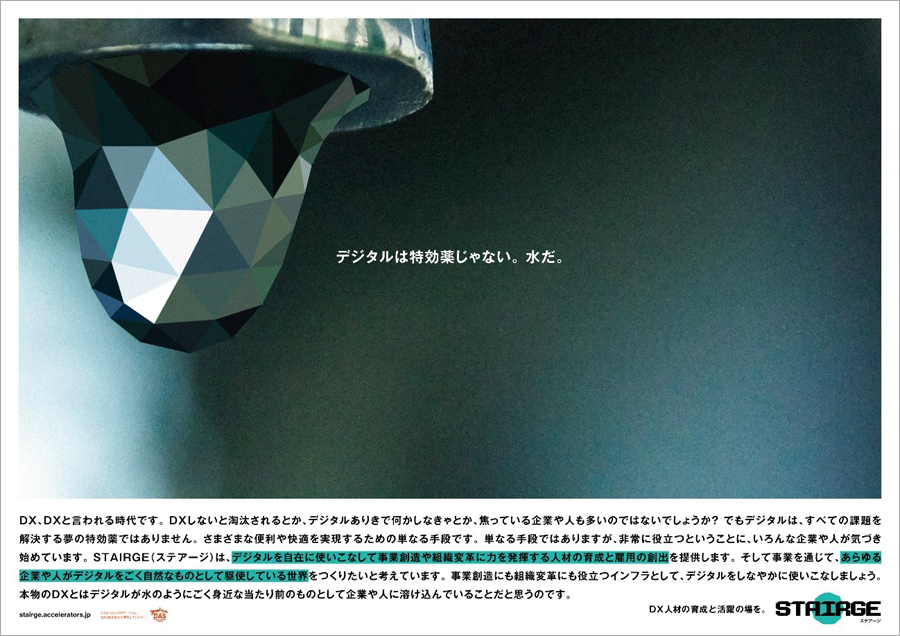
Leveraging OpenClassrooms' curriculum, the "STAIRGE" program has emerged. It offers a learning course and job placement opportunities, enabling even inexperienced individuals to "reskill" into DX professionals from home. For details, please refer to the end of this article.
Work Styles Are Changing Dramatically! Enter the Era of "Work-Life Integration"
At the second Economic and Fiscal Policy Advisory Council meeting in 2020, the Cabinet Office explicitly stated that "creating an environment where both men and women can continue working and utilizing their abilities without being forced to choose between work and childcare/eldercare is crucial" to accelerate the advancement of women ( Reference URL ).
After the Showa and Heisei eras, which demanded relentless dedication to work, the term "work-life balance" has finally gained acceptance in Japan. However, alongside changing work styles, a more advanced concept called "work-life integration" is beginning to take hold in the United States.
Unlike work-life balance, which clearly separates life into "work time" and "private time," this approach creates a soft boundary between them. It is seen as a way to generate better synergistic effects for individual happiness and health.
For example, imagine a day in the life of a parent with young children.
In the morning, they eat breakfast together at home, play with the children at the park for a while, and then drop them off at daycare.
Before work, they do 10 minutes of yoga to prepare their mind and body. They work remotely until noon, have lunch, go grocery shopping, and then join a work meeting via Zoom in the afternoon.
They pick up the children from daycare early in the evening, have dinner together, and work remotely for a few hours after the children go to bed... and so on.
Acquiring skills enables you to "choose" your work and how you work. This allows you to engage with activities outside of work – "yourself and your children," "yourself and parents needing care," "yourself and cherished hobbies" – and sustainably balance them. That is Work-Life Integration.
To sustainably balance different aspects of life, you need to approach your limited, precious time with clear priorities. It's precisely because your "life priorities" are clear at any given moment, and because you possess the "skills required," that new ways of working become achievable.
Reskilling offers diverse possibilities and choices—for companies, for their existing workforce, and for the "potential talent" who may currently be struggling with confidence or self-identity.
We envision a future where many women, currently "potential talent," pursue their ideal career paths. After reskilling in the optimal field, they open new doors with hope and confidence in their hearts, like Mario in his star state.
Reskilling Program "STAIRGE"
Now accepting participants! (Until December 31, 2021)
 https://stairge.accelerators.jp/
*The Dentsu Group supports OpenClassrooms' business expansion in Japan as a business development partner. As part of this support, we are responsible for planning and operating "STAIRGE" together with DAS Inc.

Was this article helpful?
Share this article


Newsletter registration is here
We select and publish important news every day
For inquiries about this article
Back Numbers
Author

Aki Oguri
Dentsu Inc.
Data & Technology Center