
Note: This website was automatically translated, so some terms or nuances may not be completely accurate.
 "Introductory Easy Japanese" for Communicating with Foreigners [3/4]
Spreading "Easy Japanese" Through Rap
Hello, I'm Akira Yoshikai, the "Easy Japanese Producer" at Dentsu Inc. Diversity Lab. Last year, we published a book titled "Introduction to Easy Japanese" ( release details here ).
Easy Japanese is a form of Japanese with adjusted vocabulary and grammar designed for people who face communication challenges with Japanese, such as non-native speakers.In this series, we've previously covered the background for the need for Easy Japanese and tips for speaking it.
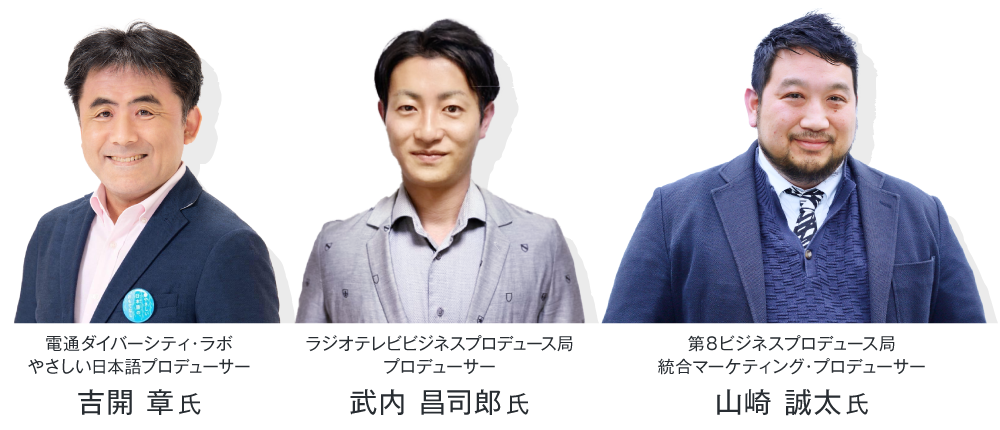
This time, we introduce the rap music video "Gentle World," released in September 2021, which centers on the theme of Gentle Japanese. We welcome production members Masashiro Takeuchi (Radio,TV Business Produce Division) and Seita Yamazaki (Business Producers Division 8) to reflect on the background of the production, the creation of the lyrics, and the reactions of the participating students.
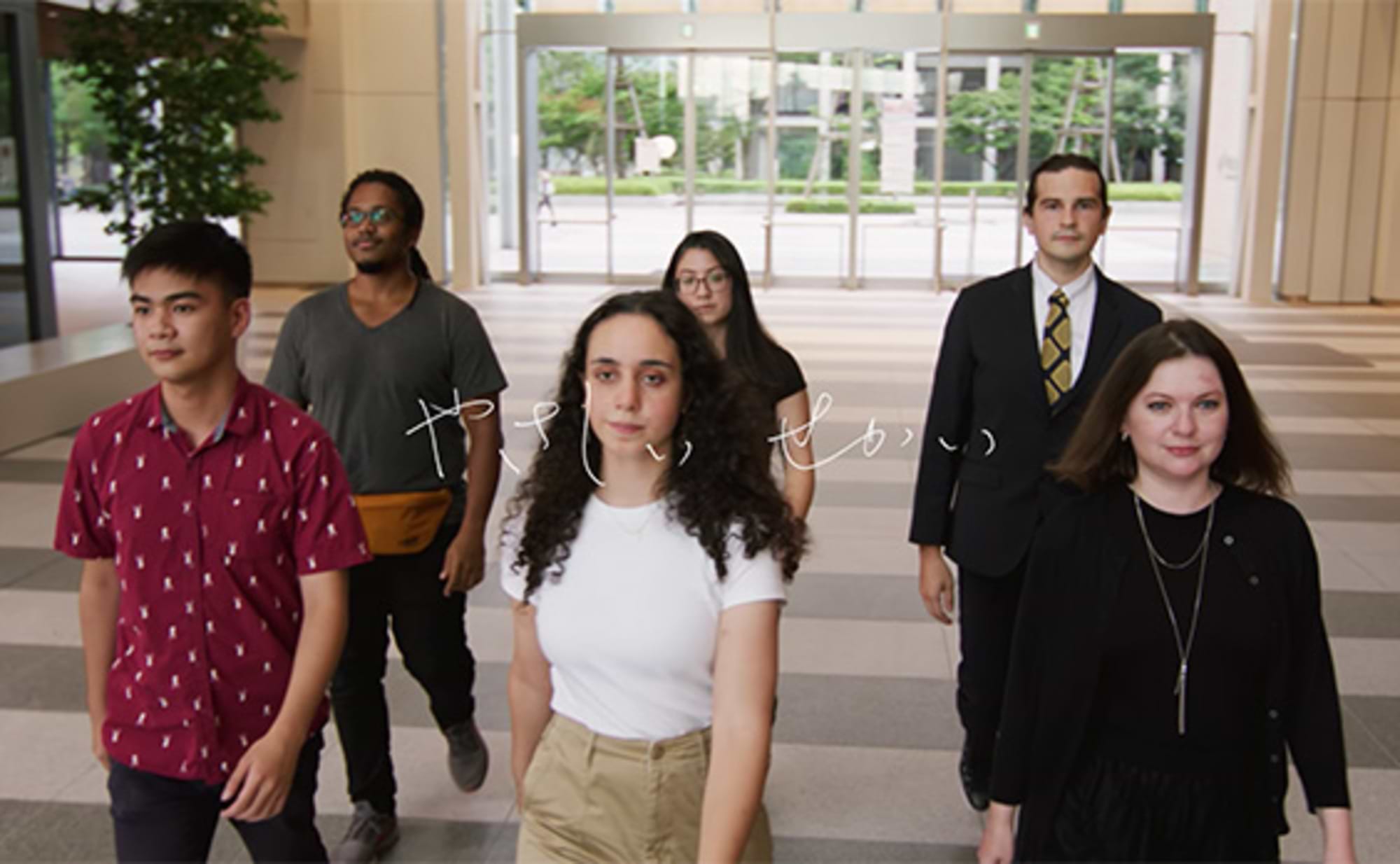
 Music Video "Yasashii Sekai"
This song was created in collaboration with students from Professor Keizo Yamawaki's seminar at Meiji University's School of Global Japanese Studies, who are studying multicultural coexistence. The project is part of the 'Easy Japanese Tourism Research Group,' a Dentsu Inc. Diversity Lab initiative, with Professor Yamawaki's cooperation. The rap expresses the challenges of learning Japanese and the difficulties in communicating with Japanese people, conveying a message about overcoming language barriers with easy Japanese and a gentle heart.
Refining the rap into something accessible for everyone while cherishing the students' sentiments
Yoshikai: I've been involved in various forms of advocacy for easy Japanese, like publishing books and creating message videos. While thinking about what to do next, I came up with the idea: "Why not express it through rap?"
Since the pandemic started and I began working almost entirely from home, I've been listening to music a lot, but it was always the same kinds of songs. Wanting something different for a change, I listened to a lot of hip-hop for a while. Hip-hop is music that carries lyrics over a steady rhythm to convey emotions to the audience. I thought, "This is great," and that was the starting point for this project.
However, I don't have specialized knowledge about rap. So, I looked around the company to see if anyone was knowledgeable about it and was introduced to Takeuchi and Yamazaki. What did you both think about this project?
Takeuchi: I grew up in the world of dance and rap since my teens, and I've always worked with the desire to help people understand hip-hop culture more. When I was previously in the Local Business Department, I produced a program called "Represent LOCAL ~Regional Revitalization × HIPHOP~" that featured rappers who take pride in their hometowns and embody the spirit of representing their local areas. I've also planned workshops incorporating rap at companies and schools across the country. I feel Mr. Yoshikai has given us a truly valuable opportunity this time. I invited Yamazaki, who works with me on the Represent LOCAL project, to join this initiative.
Yamazaki: Like Takeuchi, I also wanted more people to understand the appeal of hip-hop culture. Hip-hop, as an underground culture, sometimes carries a negative image. But that's absolutely not the case; hip-hop has tremendous power to convey love and passion. When Takeuchi told me about this, I thought, "If we don't do it, who will?"
Yoshikai: For this music video, we had students from Yamawaki's seminar at Meiji University's School of Global Japanese Studies, who are learning about multicultural coexistence, and international students attending East West Japanese Language School participate. Furthermore, we believe easy Japanese is effective not only for interacting with foreigners but for anyone who feels barriers in communication, so we also featured individuals with visual and hearing impairments.
For the production, Takeuchi and Yamazaki handled refining the lyrics, teaching the students how to rap, and handling promotion. First, I'd like to look back on the lyric-writing process.
The process began with students from the Yamawaki Seminar acting as facilitators, eliciting concerns about Japanese language and communication in Japan from international students attending East West Japanese Language School.
However, the brainstorming sessions didn't go smoothly. Those who could express their opinions in Japanese during these sessions already had a high level of Japanese proficiency. Therefore, we couldn't fully grasp the feelings of those truly struggling with Japanese. Consequently, Yamawaki Seminar students reflected on what they were learning and came up with various ideas, some of which were incorporated into the lyrics. I focused on supervising the grammatical aspects of the simplified Japanese and refined the lyrics. The first verse conveys: "Things that can be solved with words, let's solve with easy Japanese." The second verse conveys: "Things that can't be solved with words, let's solve with feelings."
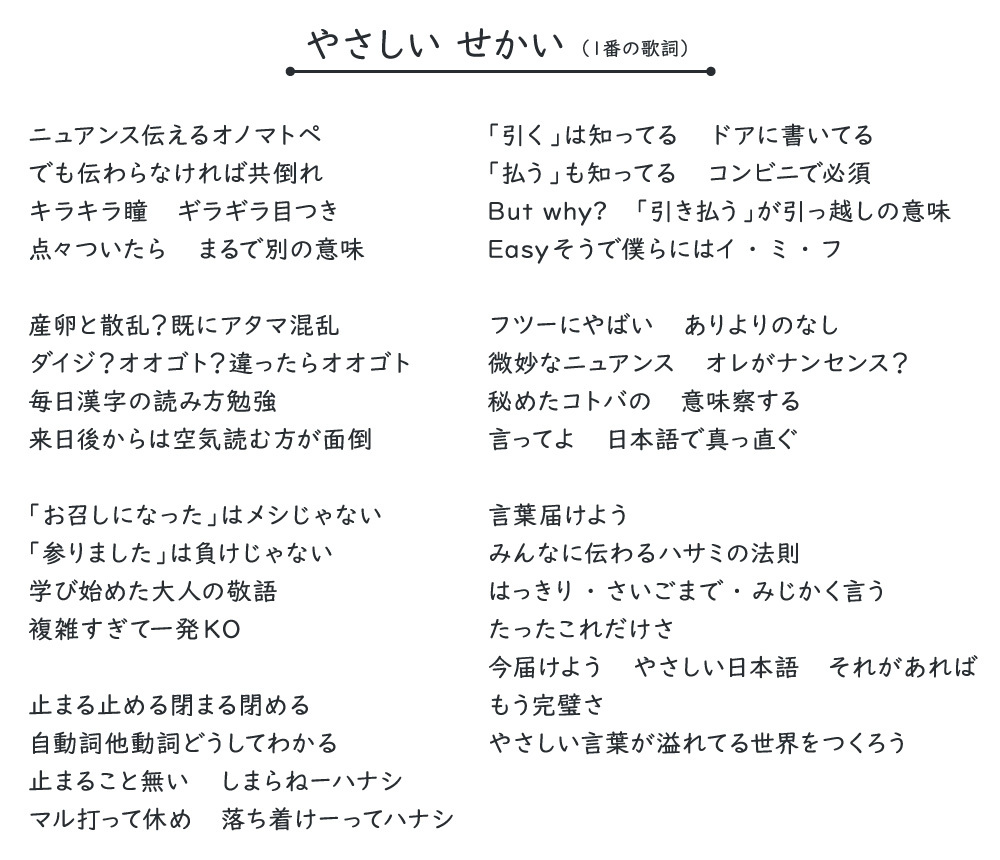
Takeuchi: Yamazaki and I then refined the lyrics conceived by Mr. Yoshikai and the students to make them sound more like rap. What we prioritized was authenticity. We aimed to preserve the students' words and feelings as much as possible. Precisely because these lyrics were packed with what they genuinely feel about building a multicultural society and what they wanted to convey to the world, we were conscious of polishing them without altering their meaning or content.
Yamazaki: That was a point I was also very careful about. Traditionally, rap values the artist writing and performing their own lyrics, so I sometimes worried that rearranging the lyrics might go against hip-hop culture. Even so, I believe we were able to help incorporate the students' words as much as possible while ensuring their feelings were firmly embedded in the lyrics.
Takeuchi: During the lyric refinement process, we provided technical support—rewording phrases, rearranging lines, adding rhyming words—to make the expressions sound more authentic to rap.
Yamazaki: For example, there was a line: " Every day studying kanji readings / Reading the room is seriously a pain." It rhymed "study" with "pain," but it felt a bit like an explanatory sentence. So, we changed it to: " Every day studying kanji readings / Since coming to Japan, reading the room is a pain," creating another rhyme flow with "every day" and "since coming to Japan."
But when I heard it, the rhythm didn't feel quite right. So I rewrote "since coming to Japan" as "after coming to Japan," resulting in the final line: " Every day I study kanji readings / After coming to Japan, reading the room is more of a hassle."
Takeuchi: When polishing the lyrics, I focused on making them easy for anyone to sing. Since students trying rap for the first time and international students learning Japanese would be singing it, I paid attention to using words that are easy to pronounce and maintaining a good rhythm.
Yoshikai: The fact that you two polished the lyrics to be easy to sing holds great significance for this project. Many people might think rap seems difficult, but this song isn't one where you "can't sing it unless you're good at tongue twisters." Through this song, anyone can participate in activities to create a kinder world. And we truly wanted lots of people to sing it. After much trial and error, I believe it turned into a truly wonderful song.
Supporters of Gentle Japanese can freely add lyrics and publish them
Yoshikai: You two also handled the rap instruction. How did the students react?
Takeuchi: When they first heard the song, everyone was surprised, asking, "Are we really doing this?" (laughs). Still, I remember the Japanese students happily practicing once we taught them accent placement and rhythm. The international students seemed to struggle, as they had to speak at a faster tempo than their everyday Japanese.
We met with the students three times: for a meeting, rap instruction, and recording/filming. With each session, their determination to "express their own thoughts!" grew stronger. By the end, they approached it with confidence, which was really impressive. Seeing that energy up close from the younger generation was a valuable experience for me personally.
Yamazaki: I was amazed that everyone could do so well even though it was their first time rapping! I think the reason is probably that rap is much more accessible to their generation than it was to ours.
I was coaching the three male lead vocalists, and the main thing I emphasized was to always sing with feeling. As a result, I believe the finished music video truly reflects their emotions and those of Mr. Yoshikai.
JUN from Cliff Edge, who composed the music for us this time, also helped with the rap coaching. JUN isn't just active in music; he's also an instructor at a vocal school and is incredibly skilled at teaching. His expertise was a huge help.
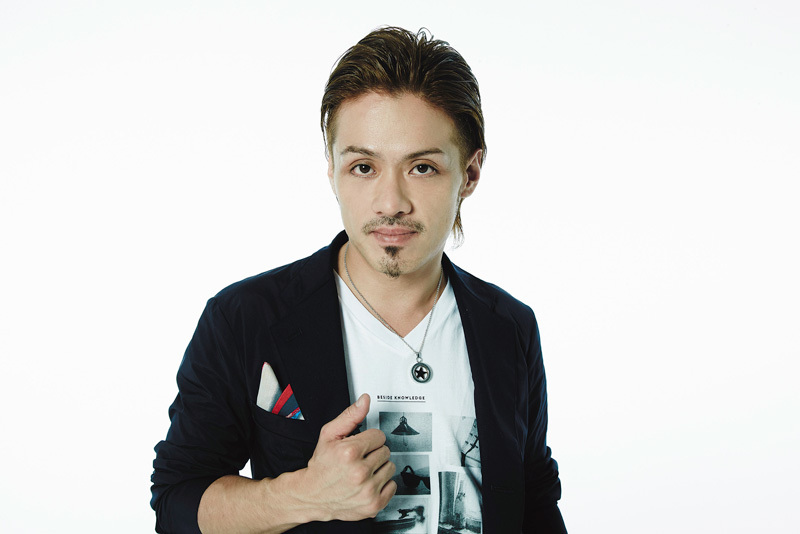
Yoshikai: Mr. JUN skillfully energized the shy students, creating an environment where they could sing comfortably. We're truly grateful for his positive involvement in this project.
For the music video, we asked film director Masato Ozawa to handle the visuals. Mr. Ozawa is someone who focuses on multicultural coexistence, having worked on projects related to human rights issues involving foreigners and others. We felt he was the perfect fit for this project. Due to the pandemic, we had to be extremely careful during filming and recording, but I feel strongly that it was everyone's passion that made this project possible.
Yamazaki: The music video is filled with the thoughts and feelings of Mr. Yoshikai and the students, so I really hope people will watch it. And I would be delighted if it sparked interest in easy Japanese and multicultural coexistence.
Yoshikai: Anyone who supports easy Japanese can freely add their own lyrics to this song and share it on platforms like YouTube. We're also collaborating with the Japan Foundation on a project inviting Japanese learners worldwide to create parody songs. We'd be truly delighted if many people participated in this project.

Was this article helpful?
Share this article


Newsletter registration is here
We select and publish important news every day
For inquiries about this article
Back Numbers
Author
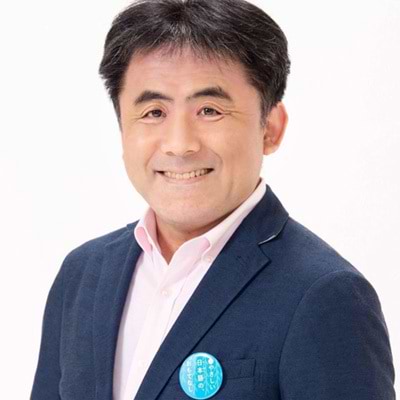
Akira Yoshikai
Dentsu Inc.
Dentsu Inc. Diversity Lab
Easy Japanese Producer

Shoshiro Takeuchi
Dentsu Inc.
Radio,TV Business Produce Division Television Operations Promotion Department
Producer
Articles by this person

Seita Yamazaki
Dentsu Inc.
Business Producers Division 8 Integrated Marketing & Production Department
Integrated Marketing Producer